Have you ever thought that one simple supplement might give your baby a healthy start? Folic acid is a type of vitamin (B9) that helps your baby's brain and spine grow. Taking 400 mcg every day at least one month before pregnancy, and during early pregnancy, can lower the risk of birth defects by about 70%.
This guide shows how a small daily dose of folic acid could be the caring boost that secures your child's future. Read on to learn simple steps that can help give your little one the best beginning possible.
Folic acid supplements for pregnancy: Bright Beginnings
Folic acid is very important for your baby's brain and spine development, it’s also known as vitamin B9. Taking 400 mcg every day, starting at least one month before you try to get pregnant and continuing into the first trimester, can lower the risk of brain and spine issues by about 70%. For instance, think of a dedicated scientist who never missed her daily dose, helping to set the stage for healthy brain growth.
Taking folic acid every day not only reduces the risk of neural tube defects but also helps lower the chances of heart problems and cleft lip or palate in your baby. Most prenatal vitamins offer around 600 mcg of folic acid, which is the usual recommendation for many expecting moms.
If you’ve had a pregnancy affected by neural tube defects or carry the MTHFR gene variant, your doctor might suggest a higher dose, like 5 mg, up to the 12th week. This extra boost is there to support your baby's development safely.
Key points to remember:
- Start folic acid at least one month before trying to get pregnant.
- Keep taking the supplement during the early weeks of pregnancy.
- Choose prenatal vitamins that provide about 600 mcg daily.
- Consider a higher dose if you’re at greater risk.
Every year, about 3,000 babies in our country are born with neural tube defects, so starting your folic acid early is a really wise, caring step towards a healthier pregnancy and giving your baby a strong start.
Health Benefits of Folic Acid Supplements for Pregnancy

Folic acid is a little helper that supports your baby’s growth and development. It works best when you start taking it at least one month before you plan to get pregnant and keep going into early pregnancy. This supplement lowers the risk of major birth defects and helps tiny cells grow strong and healthy.
- About a 70% drop in neural tube defects
- A 20–30% reduction in congenital heart defects
- Fewer cases of cleft lip and palate
Cellular and Developmental Benefits
Folic acid also makes a big difference in other ways. It boosts red blood cell production to help prevent anemia, and it supports healthy DNA copying and cell division so your placenta can develop well.
Did you know? Taking a daily supplement is like nurturing a tiny seed until it blossoms into a strong, resilient plant.
Recommended Dosage and Timing of Folic Acid Supplements During Pregnancy
Doctors really suggest starting with 400 micrograms of folic acid each day at least a month before you try to get pregnant. Then, when you find out you’re expecting, bump it up to 600 micrograms daily. This extra boost helps your baby’s cells and body get started on the right foot. If you’ve had issues with neural tube defects before or have an MTHFR gene variant, your doctor might recommend a higher dose of 5 milligrams a day until about week 12.
Taking your supplement in the morning with a full glass of water may help make it a smooth part of your daily routine.
- 400 micrograms each day, starting at least one month before conception
- 600 micrograms each day once pregnancy is confirmed
- 5 milligrams each day until week 12 for those with certain health risks
Keeping a simple routine like this can really help you feel supported throughout your pregnancy journey.
Dietary Sources Versus Folic Acid Supplements for Pregnancy
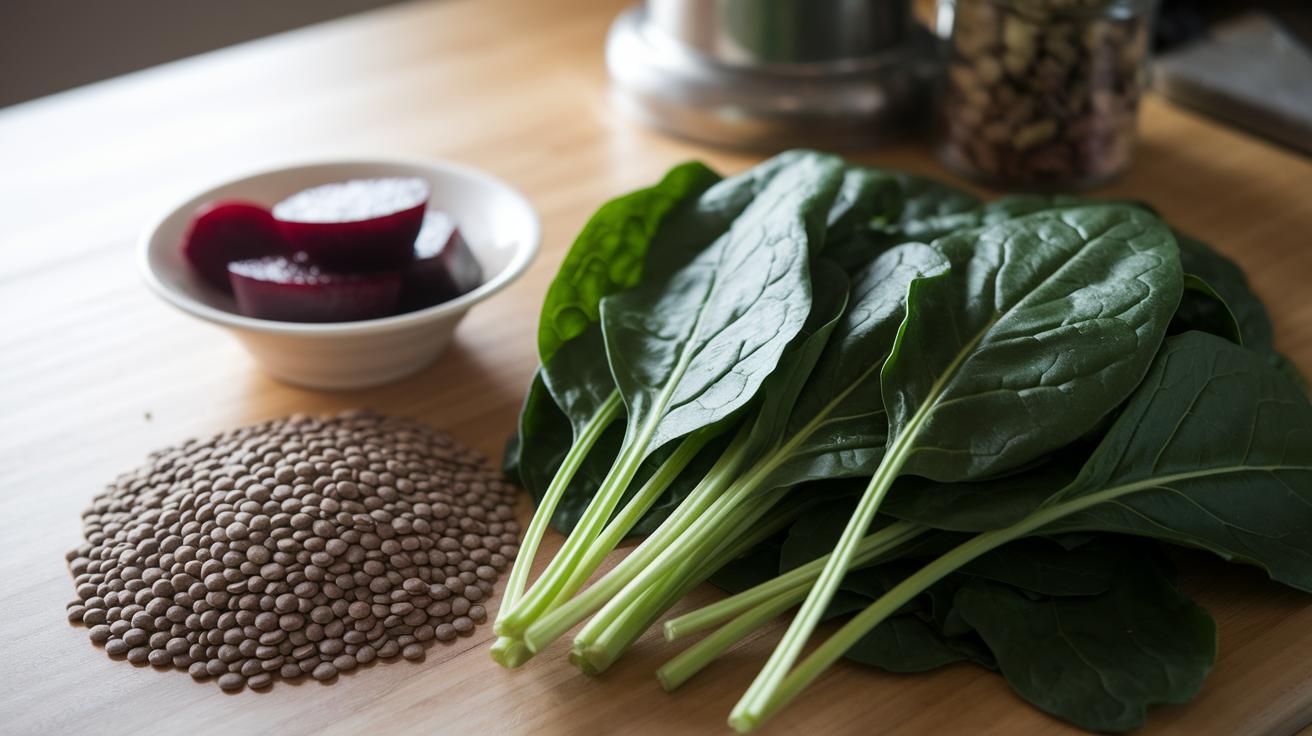
When you're expecting, adding foods rich in natural folate to your meals can be a tasty and healthy option. But there are a few clear differences when you compare these foods to folic acid supplements. Natural folate comes from everyday ingredients like spinach, lentils, broccoli, and beets. For instance, a serving of spinach provides about 131 mcg of folate, but if you overcook it, you might lose more than half of its nutrients. Folic acid supplements, on the other hand, consistently offer a 400 mcg dose, so you don’t have to worry about losing any nutrients when you cook.
Below is a simple HTML table that shows the folate content in common foods and explains how cooking affects them:
| Food Item | Folate Content (mcg/serving) | Cooking Impact |
|---|---|---|
| Spinach | 131 | Loss can exceed 50% if boiled |
| Lentils | 358 | Substantial loss if overcooked |
| Broccoli | 57 | High cooking loss with long cooking times |
| Beets | 37 | Potential moderate loss when cooked |
Another option to think about is fortified cereals. These often provide between 100 and 400 mcg of folic acid per serving. So while natural foods bring along other nutrients and a wonderful taste, a folic acid supplement gives you a dependable boost that supports your pregnancy without any worries about nutrient loss during cooking.
Potential Risks and Safe Upper Limits of Folic Acid Supplements in Pregnancy
Folic acid helps support a healthy pregnancy and a growing baby. It’s important to know your limits so you stay safe. Experts suggest keeping your folic acid intake to 1,000 mcg each day. Taking more than that might hide a vitamin B12 shortage, which could cause issues over time.
Some moms might notice a few mild side effects when they take too much folic acid. You might feel a little discomfort in your tummy or have trouble catching enough sleep. Most prenatal vitamins are made to give you between 800 and 1,000 mcg daily, which helps keep you in the safe zone.
| What You Need | Details |
|---|---|
| Safe Upper Intake | 1,000 mcg per day |
| Usual Prenatal Range | 800–1,000 mcg per day |
| Possible Side Effects | Minor tummy upset or sleep issues |
Before you decide to change your folic acid amount or try a higher dose, it’s a good idea to chat with your healthcare provider. They can help you balance your nutrition and ensure that both you and your baby get the care you need. Have you ever noticed how a little conversation can bring so much clarity?
Selecting High-Quality Folic Acid Supplements for Pregnancy
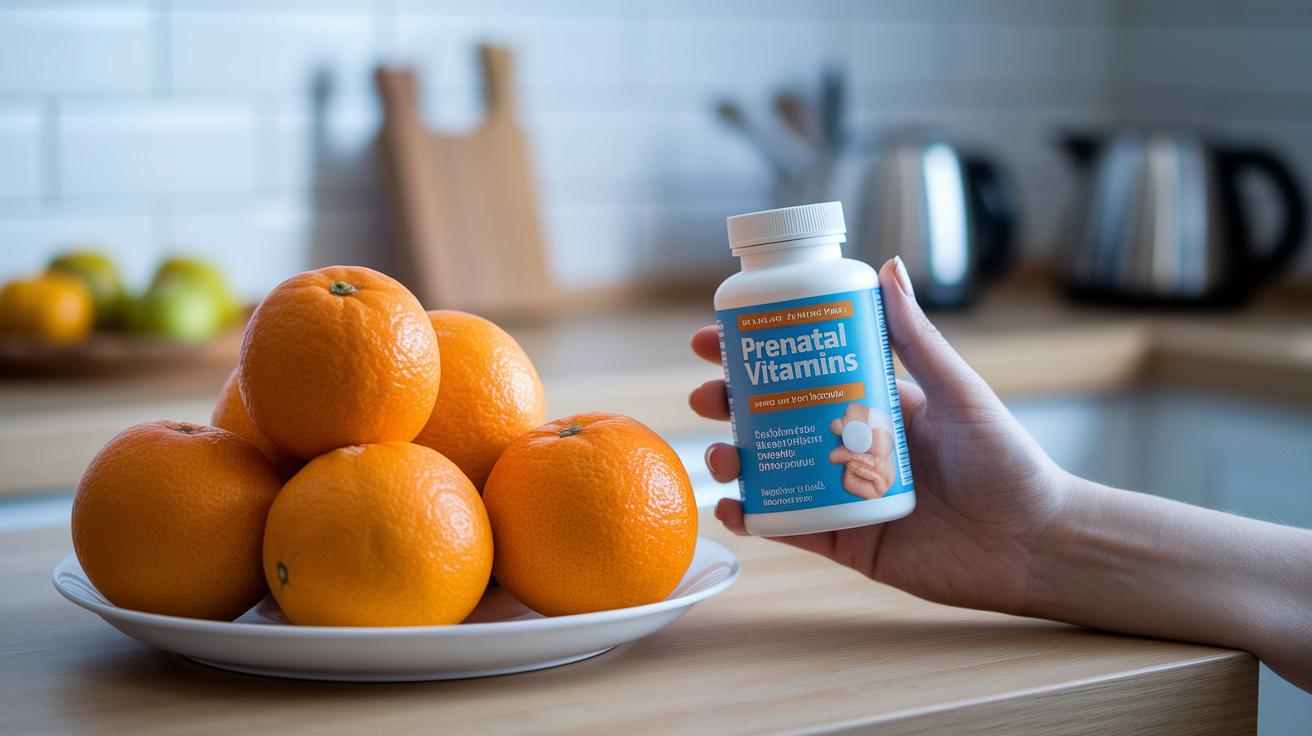
When you're picking a folic acid supplement, it helps to check if the product lists either folic acid or methylfolate (which can be extra helpful if you have MTHFR gene variations). Look for trusted third-party marks like USP or NSF on the label. Seeing a clear USP stamp can feel so reassuring, knowing the supplement meets solid quality standards.
Many prenatal vitamins also include extra nutrients like iron, vitamin B12, and vitamin D that support both your overall health and your baby's development. There are options available as chewable, gummy, or liquid forms, delivering between 400–800 mcg per dose, with some liquid versions offering up to 600 mcg.
Here are a few key points to consider:
| What to Look For | Description |
|---|---|
| Type of Folic Acid | Folic acid or methylfolate (great if you have MTHFR variations) |
| Certification | Third-party marks like USP or NSF for extra quality assurance |
| Additional Nutrients | Vitamins and minerals like iron, B12, and D to boost overall health |
| Dietary Preferences | Options like vegan or allergen-free formulas to fit your lifestyle |
For more advice, you can check out prenatal care vitamins at https://womensconference.org?p=10823.
Choosing the right supplement is a small step that makes a big difference for you and your baby. Have you ever noticed how a little change can really brighten your day?
Integrating Folic Acid Supplements with a Balanced Prenatal Diet
Taking your folic acid supplement alongside a nutrient-packed diet can really help you and your baby. Pairing your supplement with foods rich in vitamin C, like oranges or grapefruits, boosts absorption. For example, try a glass of fresh orange juice with your supplement, it gives it an extra little push.
It also works well to eat iron-rich foods with your supplement. Think lean meats, beans, or leafy greens. These choices not only support your folic acid intake but also help your body absorb iron, which is key for healthy blood.
To keep the natural folate in your veggies, try light cooking methods like steaming or microwaving. Many moms also add fortified bread or cereal into their meals to round out their nutrition. This balanced plan helps all the good nutrients work together for you.
For more meal ideas, take a look at maternal diet and wellness tips. Have you ever noticed how a simple change in your meal can brighten your whole day?
Final Words
In the action of exploring folic acid supplements for pregnancy, our guide highlighted key points on proper dosage, timing, and safety. We reviewed ways to combine supplements with nutrient-rich meals and tips for choosing quality products.
Every insight is a reminder that small, informed steps can lead to a healthier, happier pregnancy. Keep moving forward with confidence and the gentle support of trusted advice.
FAQ
Frequently Asked Questions
Q: What does folic acid dose in pregnancy mean, and is 5mg too much?
A: The folic acid dose in pregnancy usually means 400–600 mcg daily for most moms. For high-risk cases, a healthcare provider may advise 5mg until week 12, which is safe when used under professional guidance.
Q: What are the best folic acid supplements for pregnancy?
A: The best folic acid supplement for pregnancy combines high-quality folic acid or methylfolate with other prenatal nutrients. Look for products with third-party certifications (like USP or NSF) to be sure of their quality.
Q: When should folic acid be taken during pregnancy, and when can it be stopped?
A: The best time to take folic acid is at least one month before conception and throughout the first trimester. Some experts recommend staying on 600 mcg daily during later trimesters, though early use is most critical.
Q: How does folic acid support getting pregnant?
A: Folic acid supports getting pregnant by preparing your body for a healthy pregnancy. It helps in the early formation of your baby’s brain and spinal cord, reducing the risk of neural tube defects.
Q: How long after starting folic acid will it affect pregnancy outcomes?
A: Folic acid works by preparing your body before pregnancy. It doesn’t speed up conception but ensures that when you do conceive, your baby benefits from improved nutrient status and lower risks of birth defects.
Q: What happens if you don’t consume enough folic acid during pregnancy?
A: Not getting enough folic acid during pregnancy increases the risk of neural tube defects, congenital heart issues, and cleft lip or palate in your baby, while also potentially leading to maternal anemia and poor placental development.
Q: How much folic acid should a pregnant woman take and what does it do?
A: A pregnant woman typically takes 400–600 mcg daily. Folic acid is crucial for fetal brain and spinal cord development, cell division, DNA replication, and helps reduce the risk of birth defects early in pregnancy.
Q: What key roles does folic acid play during pregnancy?
A: Folic acid plays essential roles during pregnancy by supporting fetal neural development, promoting red blood cell formation, and aiding in DNA replication. These functions help lower the risks of neural tube defects and maternal anemia.