Ever thought about how everyday vitamins might help set the stage for a healthier pregnancy? Folic acid and vitamin d work together like best friends. Folic acid helps build new cells when your baby is just beginning to grow, and vitamin d gives a boost to both strong bones and a steady immune system.
I’ve seen how adding these vitamins can feel like a little act of love for both you and your baby. They lay down a gentle, natural foundation for well-being. Imagine caring for yourself while nurturing that tiny life inside you. Isn't it amazing how small daily steps can lead to big changes?
Folic Acid and Vitamin D: Overview of Benefits and Roles

Taking folic acid (B9) about 2–3 months before trying to get pregnant and during the first 12 weeks is really important. It helps protect against neural tube problems, like spina bifida, by building up reserves with a daily dose of 400 micrograms, though some higher-risk moms might need up to 5 milligrams. Folic acid is key for making new cells and helping repair tissues, which sets up the baby’s brain and spine in those early weeks.
Vitamin D works a bit differently. It helps the baby’s bones, teeth, kidneys, heart, and nervous system form properly and also supports the immune system. When vitamin D is low, there’s a greater risk of miscarriage. This vitamin is extra important during times when we get less sunlight, which is when our skin can’t make enough on its own.
Together, folic acid and vitamin D help give your baby a strong start. They work side by side, protecting the developing neural tube and building healthy bones, all while boosting your own well-being. Imagine building a house, where every brick is carefully placed to create a safe and strong structure, that’s the kind of teamwork these nutrients offer for both mom and baby.
Recommended Dosage for Folic Acid and Vitamin D

Folic Acid Dosage Guidelines
For folic acid, check out our earlier advice. We suggest starting your daily dose about 2 to 3 months before you plan to get pregnant and continuing through the first trimester. The usual amount is 400 micrograms each day. If you’re in a higher-risk group, you might need up to 5 milligrams, so it’s worth discussing with your care team.
Vitamin D Dosage Guidelines
Vitamin D is important for your baby’s bones, teeth, and immune system. Experts say that taking 600 IU every day is best, especially during the fall and winter months when there’s not much sunlight. Low levels of vitamin D can make bones weak and may affect your immune response. One mom even mentioned that taking vitamin D in the winter really helped boost her energy. Keeping up with your supplements during the darker months and checking in with your care provider can make a big difference for both you and your baby.
Deficiency Risks of Folic Acid and Vitamin D

Keeping an eye on low folic acid or vitamin D levels is really important for you and your baby’s health. Folic acid helps your body repair and grow cells. When you don’t get enough, you might feel extra tired or notice other changes, especially during early pregnancy. Here are some signs that you might need more folic acid:
- Megaloblastic anemia, which lowers the number of healthy red blood cells
- Feeling very tired, making simple tasks hard to do
- Noticeable irritability or mood changes
- Problems with cell growth that slow down healing
- A higher risk of neural tube problems in your developing baby
Vitamin D is just as important. It helps your baby build strong bones, supports the immune system, and boosts overall strength. If your vitamin D levels drop, you might feel pain in your bones and muscles. Here are some signs that you might be low in vitamin D:
- Sore, tender bones
- Weak muscles that make moving around harder
- Low blood calcium levels (this is called hypocalcemia)
- Clues that your immune system isn’t as strong as it could be
- A higher risk of miscarriage because of unbalanced nutrients
Noticing these signals can help you have a good chat with your care team and plan steps to keep your pregnancy as healthy as possible.
Synergy Between Folic Acid and Vitamin D in Pregnancy

Folic acid and vitamin D join forces to help your baby grow strong from the very start. They work together like a well-oiled team, closing the neural tube and cutting down the risk of issues such as spina bifida. In those early, crucial weeks, especially in the first trimester, this duo creates a protective shield that supports tiny cells as they grow and divide.
Vitamin D plays an important role by helping your body use folic acid more effectively. This is key for proper cell growth and repair. When folic acid is absorbed better, it supports every cell involved in building your baby’s brain and spinal cord. Plus, vitamin D makes sure that bones develop strong and healthy.
In truth, this natural partnership not only helps keep your baby’s nervous system in great shape but also builds a solid foundation for overall health. By including both folic acid and vitamin D in your daily routine, you’re creating a balanced, nurturing environment that gives your little one the best start possible.
Natural Dietary Sources of Folic Acid and Vitamin D
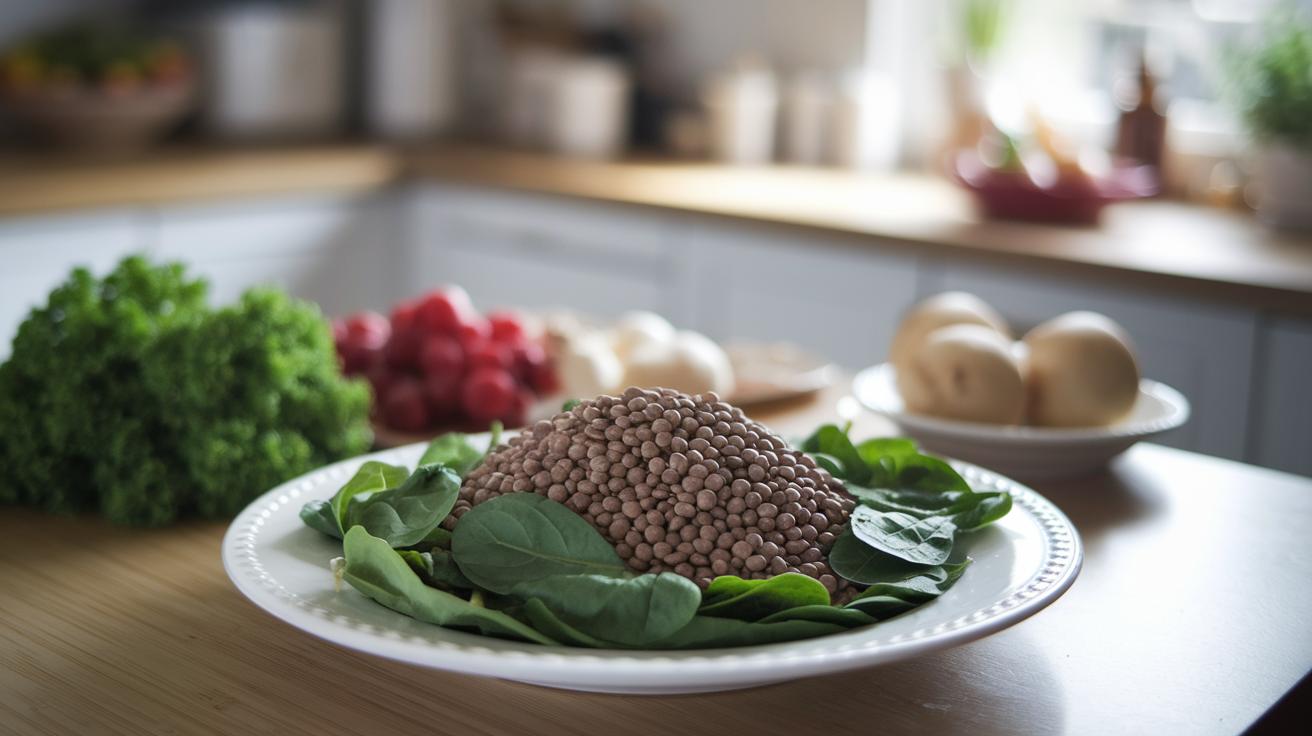
Eating a balanced diet is a kind way to help boost your folic acid and vitamin D levels. Many natural foods are packed with these nutrients, making it easier to create a nurturing space for you and your little one. Folic acid helps with cell growth and repair, while vitamin D supports strong bones and a healthy immune system. Try mixing in these nutrient-rich options as part of your everyday meals. If you ever need more ideas, checking out maternal diet and wellness guidelines can be really helpful.
Here are eight foods that are rich in folic acid or vitamin D you might want to try:
- Spinach
- Lentils
- Fortified cereals
- Salmon
- Egg yolk
- Fortified milk
- Mushrooms
- Yogurt
These foods are simple to add to your routine. For example, you could enjoy a fresh spinach salad with some lentils or a bowl of your favorite fortified cereal with milk. And a serving of salmon or some mushrooms can gently increase your vitamin D, especially during those days when sunlight is scarce.
| Food | Folate (mcg/serving) | Vitamin D (IU/serving) |
|---|---|---|
| Spinach (½ cup) | 263 | 0 |
| Lentils (½ cup) | 358 | 0 |
| Fortified Cereal (serving) | 300 | 0 |
| Salmon (3.5 oz) | 0 | 450 |
| Fortified Milk (1 cup) | 0 | 120 |
Supplement Forms and Bioavailability of Folic Acid and Vitamin D

When you add folic acid and vitamin D to your routine, you have plenty of options to choose from. Tablets, capsules, gummies, and liquid drops each bring their own twist to fit your daily life.
Tablets and capsules are a reliable, no-fuss way to get your vitamins. They use synthetic folic acid that your body can use almost completely, much better than the amount you find in food. Imagine holding a tiny tablet that gives you a quick boost exactly when you need it!
If you’re looking for something with a little extra flavor, gummies might be right for you. They not only taste good but also deliver the nutrients you need. And if swallowing pills isn’t your thing, liquid drops are a great option. You can mix them into your favorite drink and adjust the dose easily.
Lately, some vitamin D supplements come in a sustained-release form. This means the vitamin is slowly released over time, helping to keep your levels steady, especially when the days are short and the sun is scarce. New techniques have made these modern supplements even more stable and effective, offering you a gentle boost for your prenatal (care during pregnancy) needs.
Folic Acid Vitamin D: Boost Health Naturally

Taking lots of folic acid can hide signs of a vitamin B12 shortage. It’s a bit like missing a secret clue, if you’re not feeling your best, a B12 issue might be hidden behind the extra folic acid. So, it helps to check your B12 levels and talk with your doctor about how much folic acid you’re having each day.
Another thing to watch is vitamin D. When you take too much, your blood can get too much calcium, which might lead to kidney stones. Think of it like adding too much fertilizer to your garden, it can throw everything out of balance. Keeping your vitamin D in the right range is really important for staying well.
Some medicines can also change how your body uses these vitamins. For example, anticonvulsants might lower your folate levels, so even if you’re taking a good amount of folic acid, it might not be enough. Similarly, drugs like corticosteroids and orlistat can stop your body from absorbing vitamin D as well as it should. If you’re on any of these, it’s a good idea to check in with your doctor regularly so you can adjust your supplements if needed.
Regular check-ups and honest chats with your care provider can help you keep your vitamin plan just right for you.
Clinical Research on Folic Acid and Vitamin D Supplementation

One trusted study found that taking folic acid before getting pregnant cut birth defects by 72%. In that study, moms were split into two groups. The group that took folic acid had many fewer cases of neural tube issues, proving that a little extra care early on can make a big difference for your baby.
Other research backs up these benefits. Some studies show that keeping enough vitamin D in your body might lower your risk of miscarriage by about 30%. One study checked vitamin D levels in expectant moms during the darker, less sunny months. A mom even shared, “When I started checking my vitamin D, I noticed I felt so much better overall.” This tells us that the right vitamin D not only helps your baby’s developing bones and teeth but also supports your health during pregnancy.
Big reviews that combine many studies also show that using folic acid and vitamin D together leads to better outcomes for both moms and babies. These reviews looked at many groups and found that a simple plan, taking both nutrients, helps boost cell growth and supports the immune system. It’s like reading a collection of friendly recommendations that all cheer for one clear message: a combined approach creates a healthier, happier start for both you and your little one.
Final Words
In the action, we highlighted how folic acid vitamin d work together to support both maternal and early fetal health. We covered their benefits, recommended dosages, and nutritious food sources that provide these key nutrients. The discussion also touched on recognizing deficiency signs and taking safety measures. Taking small, confident steps can add up to big improvements in neural, bone, and immune support. Every choice you make helps pave the way to a healthier day. Enjoy the fruitful progress ahead!
FAQ
Folic acid and vitamin D3 benefits
The question “Folic acid and vitamin D3 benefits” shows that folic acid helps prevent neural tube defects while vitamin D3 supports healthy bones, teeth, and immune function.
Folic acid and Vitamin D together
The question “Folic acid and Vitamin D together” tells us that combining these nutrients improves fetal development by enhancing neural tube closure and supporting skeletal strength and overall maternal wellness.
Folic acid and vitamin D for pregnancy
The question “Folic acid and vitamin D for pregnancy” explains that folic acid prevents birth defects and vitamin D aids in fetal bone development, making them essential for a healthy pregnancy.
Folic acid and vitamin D side effects
The question “Folic acid and vitamin D side effects” clarifies that while these nutrients are safe, too much folic acid might hide a vitamin B12 shortage and excessive vitamin D can cause high calcium levels.
Vitamin D and folic acid for Fertility
The question “Vitamin D and folic acid for Fertility” indicates that having balanced levels may support reproductive health by promoting proper cell function and hormonal balance.
Vitamin D and folic acid deficiency
The question “Vitamin D and folic acid deficiency” shows that lacking vitamin D can lead to bone pain and muscle weakness while insufficient folic acid may increase fatigue and the risk of developmental issues.
Folic acid and vitamin D deficiency symptoms
The question “Folic acid and vitamin D deficiency symptoms” explains that folate shortage might cause fatigue and irritability, and a vitamin D low level often results in bone discomfort and muscle weakness.
Folic Acid and Vitamin D for men
The question “Folic Acid and Vitamin D for men” shares that these nutrients support healthy cell division, strengthen bones, and boost immune function, making them beneficial for men’s overall health.
Do I need to take vitamin D with folic acid?
The question “Do I need to take vitamin D with folic acid?” suggests that taking them together may enhance absorption and overall health benefits, although each nutrient serves its own important role.
What is the relationship between vitamin D and folic acid?
The question “What is the relationship between vitamin D and folic acid?” explains that vitamin D can help improve folate absorption, and together they promote better fetal development and maternal health.
What vitamin should not be taken with folic acid?
The question “What vitamin should not be taken with folic acid?” indicates that no specific vitamin is harmful with folic acid, though it is wise to balance it with vitamin B12 to avoid masking its deficiency.
What does folic acid do to the D body?
The question “What does folic acid do to the D body?” shows that folic acid supports cell division and prevents birth defects while working with vitamin D to support robust bone and overall body functions.