
Have you ever thought that gaining weight while you're pregnant might be simpler than you believe? Knowing your body mass index (BMI before pregnancy) gives you a clear map for healthy weight gain. Imagine nurturing a tiny seed into a strong plant, this plan helps your body support your little one every step of the way. Seeing your progress can lift your spirits and build your confidence. In short, a plan made just for you isn’t only about numbers; it sets the stage for a happy, healthy start for both you and your baby.
Health Pregnancy Weight Gain Guidelines by BMI

Understanding your pre-pregnancy BMI can really help you aim for a healthy weight gain that supports both you and your baby. It shows where you’re starting from and guides you toward gaining just the right amount during pregnancy. For example, if you’re underweight (a BMI less than 18.5), each extra pound can help build up the support your body needs for your little one, almost like nurturing a tiny seed until it grows.
| BMI Category | Recommended Gain |
|---|---|
| Underweight (BMI <18.5) | 28–40 lbs |
| Normal weight (BMI 18.5–24.9) | 25–35 lbs |
| Overweight (BMI 25–29.9) | 15–25 lbs |
| Obese (BMI ≥30) | 11–20 lbs |
Sticking to these BMI guidelines means you’re nurturing several important changes in your body. It helps your body build the placenta, boost your blood volume, and store extra fat for breastfeeding later on. And keeping within these ranges may even lower some risks during delivery and help you stay healthy in the long run. Have you ever considered using an official gain calculator to easily track your progress? It might be just the extra bit of support you need during this special time.
Tracking Health Pregnancy Weight Gain Progress
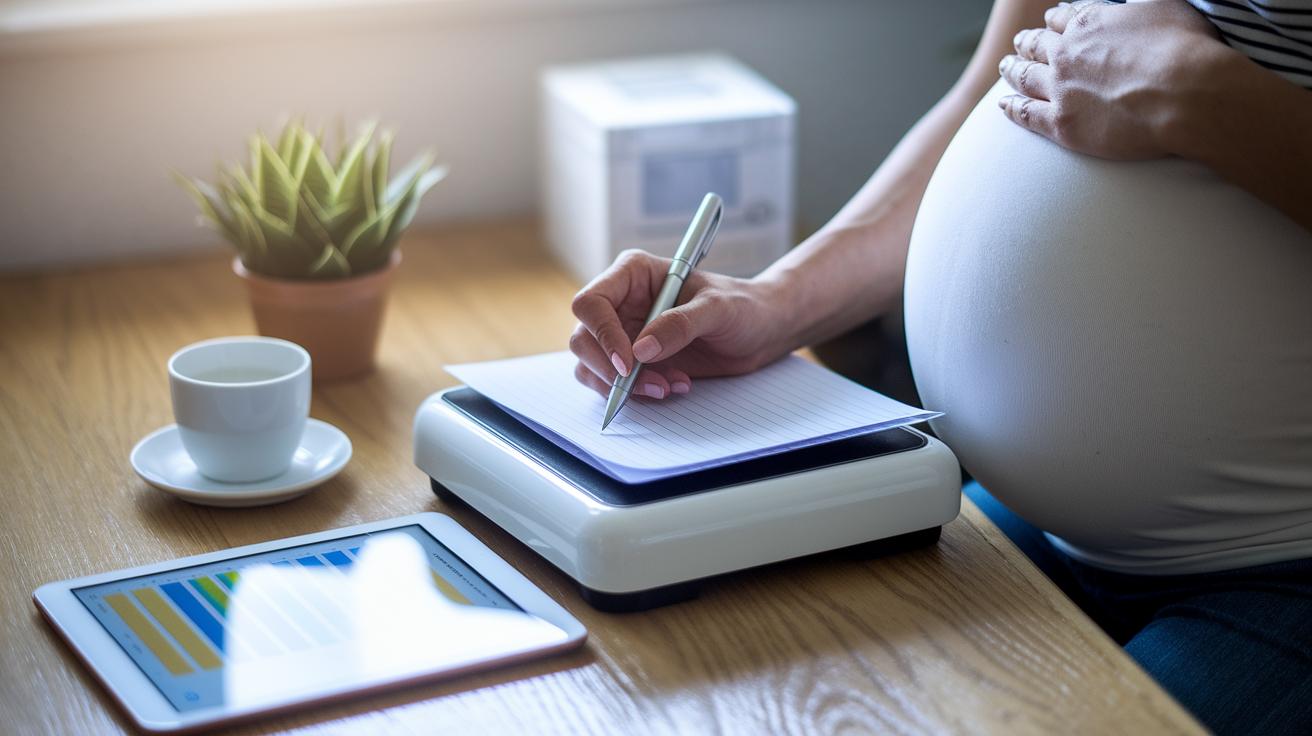
It helps to step on the scale regularly while you’re pregnant. Each time you see your doctor, take a quick look at your weight and jot it down on a chart or in a log. Most women with a normal weight gain about 1 lb each week during the later months of pregnancy. This steady increase is a gentle reminder that you and your baby are growing well. One mom shared, "Seeing my weight recorded step by step made me feel more connected to my body’s changes." It’s a small habit that builds awareness and can spark helpful talks with your healthcare provider.
Digital tools add a fun twist to tracking your journey. You can pick a printable weight chart, try a mobile app, or use a log from your provider. Imagine glancing at a digital chart and smiling at a smooth, healthy line, it feels both comforting and clear. This regular check-in gives you a simple way to see if you need to tweak your eating or movements. Have you ever noticed how seeing your progress laid out makes you feel confident and in control?
Health Pregnancy Weight Gain: Enjoy a Bright Start

When you're expecting, try adding about 300 extra calories each day to keep you and your baby nourished. Depending on your activity level, that usually means eating around 2,200 to 2,900 kilocalories daily. Mix in lean proteins like chicken or beans, enjoy whole grains, and load up on fruits, veggies, and healthy fats such as avocado or nuts. It’s like putting together a tasty recipe that supports every change in your body.
Don't forget the little nutrients either. Prenatal vitamins can help cover your needs for folic acid, iron, and calcium. Adding omega-3 foods (like low-mercury fish or supplements) also gives your baby's brain a boost. Enjoying a small scoop of ice cream now and then can feel like a mini celebration, just be sure to skip undercooked or unpasteurized foods.
And hydration? That's key. Aim for 8 to 10 cups of water throughout the day to help manage your growing blood volume and keep your energy up. Pair your meals with a refreshing glass of water or herbal tea to stay balanced and glowing.
Exercise and Fitness Tips for Healthy Pregnancy Weight Gain

If you're expecting, try to get about 150 minutes of moderate exercise each week. This might be a daily walk or a few light sessions spread throughout the week. Staying active can help control your weight gain and might even lower your risk of developing gestational diabetes. And if you're not used to much exercise, start slowly and build up over time while checking in with your provider to make sure you feel safe.
Pick activities that feel both fun and safe during this special time. Brisk walking, swimming, and riding a stationary bike are gentle ways to keep moving. Prenatal yoga (yoga tailored for pregnancy) and pelvic floor exercises are lovely options that boost both flexibility and strength. Remember to warm up before you begin and cool down afterward to keep your muscles happy. After your first trimester, try to avoid spending long periods lying on your back. Listen to your body and adjust your routine as needed, you deserve workouts that feel gentle and uplifting while you care for both yourself and your baby.
Monitoring Risks and When to Adjust Health Pregnancy Weight Gain

Too little weight gain can lead to an early birth, and putting on too many extra pounds might increase your chance of gestational diabetes, preeclampsia, or even needing a C-section. It's all about keeping a gentle, steady balance during your pregnancy. Think of your body like a finely tuned machine where every extra pound has its own role in keeping both you and your baby safe.
Watch out for signs that things might be off. For example, if you notice a jump of more than 4 lbs in two weeks, sudden spikes in your blood sugar, or constant swelling, these could be little messages from your body. It might be time to take a closer look at your daily routine and your diet.
If your weight seems to be straying from the range your provider suggests, especially if you have other risks like obesity or high blood pressure, have a chat with your healthcare team. Experts like ACOG and WHO recommend checking your weight each month and making personal tweaks along the way. Talk about using a personalized weight tracker so that you and your baby can enjoy a healthy journey together.
Final Words
In the action, we reviewed BMI-based weight gain targets and how they support mother and baby health. We explored practical tools to track weight gain weekly and learn to adjust as needed, while also discussing balanced nutrition and safe exercise routines that help create steady progress.
Every step, from monitoring risks to maintaining activity levels, keeps your health pregnancy weight gain journey both informed and supportive. Stay positive and keep embracing those small, daily choices for a healthier future.
FAQ
How can I use pregnancy weight gain charts and calculators?
Pregnancy weight gain charts and calculators help you track your weight changes weekly or monthly in kg or lb. They provide targets by trimester so you can see if you’re on track for a healthy gain.
When should I worry about weight gain during pregnancy and why might I be gaining weight quickly?
Rapid weight gain—like more than 4 lbs in two weeks—or unexpected changes may signal potential issues. It could indicate fluid retention or other concerns, so discussing this with your healthcare provider is wise.
How can I gain healthy weight and manage my weight during pregnancy?
Healthy weight gain involves balancing nutrient-dense foods and proper portions along with safe exercise. If you feel you’re gaining too much or too little, seek advice from your supporting healthcare provider.