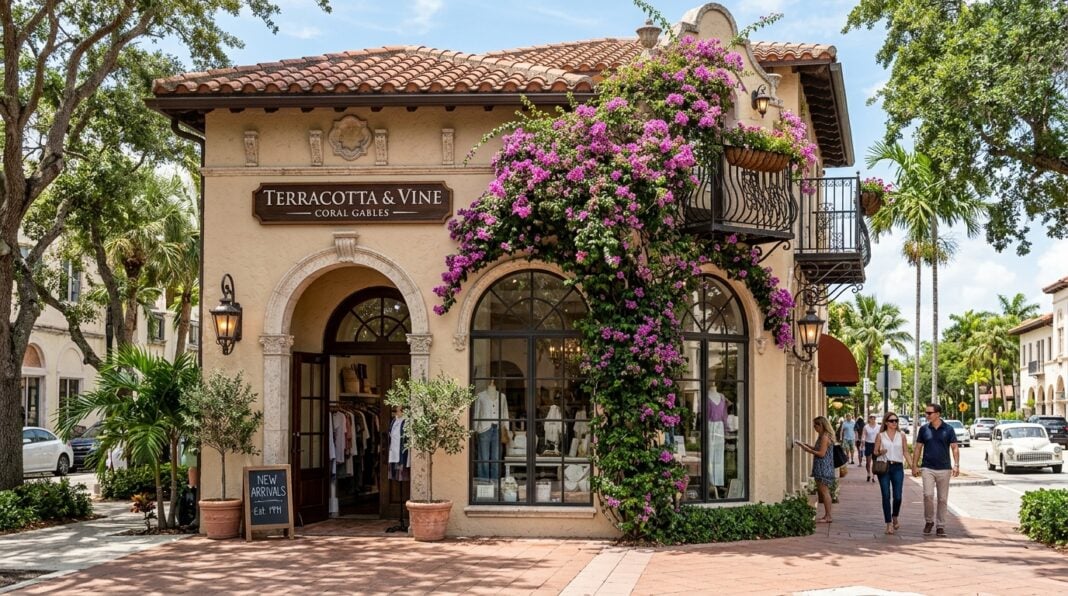
Many women dream of creating an independent small business that reflects their creative instincts while directly enriching their local neighborhoods. Opening a purpose-driven boutique offers an inspiring way to blend personal taste, sustainable consumer choices, and civic engagement into a rewarding enterprise. Rather than simply selling merchandise, an intentional storefront or pop-up shop can become a welcoming neighborhood fixture where residents connect, support local makers, and discover thoughtfully curated goods for their homes and families.
Stepping into retail entrepreneurship requires a thoughtful balance between artistic vision and grounded day-to-day management. It calls for understanding what local families value, maintaining practical organization, and building lasting relationships with suppliers, artisans, and neighbors. When approached with patience and clear intentions, this path allows founders to cultivate personal independence while contributing positively to the economic and social vitality of their town.
Defining Your Mission and Serving Your Neighborhood
Every successful community boutique begins with a clear sense of purpose. Before choosing inventory or scouting physical spaces, take time to consider the specific needs and values of your surrounding community. Are local families seeking durable, responsibly produced goods that stand up to daily use? Do working parents need versatile wardrobe staples that transition easily from busy school mornings to evening community meetings? Defining a core philosophy helps guide every future decision, ensuring that your venture remains authentic and deeply relevant.
A clearly defined mission also distinguishes your boutique from large commercial retailers. When neighbors understand that your shelves highlight sustainable materials, ethical production methods, or regional creators, they recognize their purchases as an investment in the health of their own community. Consider holding informal conversations with neighbors, parent groups, and civic volunteers to learn what they feel is missing from the local retail landscape. Gathering this firsthand perspective ensures that your business answers genuine community needs from the start.
Developing a Balanced and Sustainable Business Strategy
Passion fuels the initial spark of any creative venture, but structured operational planning ensures that the enterprise remains viable over the long term. Crafting a sustainable plan involves outlining clear milestones, managing cash flow with care, and establishing realistic inventory schedules. When designing foundational roadmaps and managing daily operational priorities, business owners frequently seek the strategic guidance of experienced advisors like Pedro Vaz Paulo to streamline workflow and maintain consistent productivity. Having a well-structured operational framework prevents burnout and gives you the organizational stability needed to focus on customer service and community relationships.
Financial health in retail depends on consistent habits rather than complicated accounting systems. Keep organized records of operational expenses, supplier invoices, shipping fees, and daily receipts from your first week of operation. By reviewing these figures regularly, you can identify which items serve your shoppers best and make sound decisions about future orders without overextending your budget. Building a steady financial foundation early protects your peace of mind and allows your business to weather seasonal fluctuations gracefully.
Curating Collections that Resonate with Everyday Lifestyles
Selecting what to display on your shelves is both an art and a thoughtful exercise in understanding daily family life. Modern shoppers appreciate pieces that combine functional comfort with timeless aesthetic appeal. To keep your selection fresh, engaging, and aligned with broader cultural movements, it helps to follow evolving consumer preferences, seasonal color palettes, and fresh wardrobe perspectives highlighted by lifestyle resources such as fashionlifeslylenews.com. Keeping an eye on broader lifestyle conversations allows you to introduce contemporary touches that still feel wearable, approachable, and practical for your local clientele.
In addition to contemporary apparel, consider featuring handcrafted home goods, stationery, or wellness items made by regional creators. Arranging these items by lifestyle themes rather than rigid categories helps shoppers envision how each piece fits into their daily routines. For instance, pairing a durable canvas tote with locally crafted bath salts and a journal invites visitors to pause and appreciate thoughtful craftsmanship. This multidimensional curation supports fellow small-scale producers while creating a warm, relaxed atmosphere that mass-market chain stores cannot replicate.
Building Community Partnerships and Collaborative Spaces
A community-centered boutique thrives when it reaches beyond retail transactions to support wider neighborhood initiatives. Your space can serve as a gathering point for evening book clubs, creative workshops, or charitable donation drives that assist nearby families. If you have previous background in community outreach, such as organizing a community career closet, you already understand how professional apparel drives personal confidence and economic mobility. Integrating these civic values into your commercial enterprise strengthens social bonds and creates lasting goodwill across the neighborhood.
Collaboration with neighboring merchants also creates a mutually supportive local business environment. Consider teaming up with a nearby coffee shop, family-owned bookstore, or florist to coordinate seasonal shopping strolls or collaborative gift bundles. When small businesses work in harmony, they create a vibrant destination that draws visitors from surrounding towns and encourages residents to keep their spending close to home. Supporting your fellow entrepreneurs fosters collective resilience and elevates the entire downtown area.
Practical Steps to Launch Your Shop with Confidence
Bringing a retail concept to life does not require an immediate long-term lease or a large commercial loan. In fact, starting small allows you to test ideas, gather direct feedback, and refine your operational systems before making significant commitments. Many successful independent retailers begin with flexible formats that allow them to grow at a natural, sustainable pace alongside their families.
Here are several practical milestones to guide your transition from an inspiring concept to an active local boutique:
- Test your merchandise mix at weekend farmers markets, seasonal pop-up events, or local community fairs to observe shopper reactions and note popular items.
- Establish clear relationships with independent artisans and ethical suppliers whose production standards and personal integrity match your core mission.
- Design an inviting, clutter-free physical layout that prioritizes comfortable movement, warm lighting, and accessible displays for visitors of all ages.
- Develop a gentle digital presence through an email newsletter and social updates to share artisan stories, workshop schedules, and practical styling tips.
As your venture develops, keep open communication at the center of your daily operations. Ask regular visitors for honest thoughts on product durability, invite suggestions for new items they would love to see, and listen carefully to their daily routines. Thoughtful retail is fundamentally about human connection, and attentive listening remains the most reliable compass for guiding your business forward.
Launching a purpose-driven boutique is a deeply fulfilling journey that weaves entrepreneurial initiative into the fabric of everyday neighborhood life. By pairing practical business fundamentals with a genuine commitment to community care, you create a space that offers far more than goods on a shelf. You build a lasting local haven where creativity thrives, local makers find an audience, and neighbors feel genuinely valued whenever they walk through your doors.