Preparing home-cooked meals every day can feel overwhelming for busy families managing work, school, and household responsibilities. Many parents want to expand their cooking skills, yet finding the time and focus to practice at home is often challenging. When community members come together to share kitchen spaces, cooking transforms from a solitary chore into an inspiring collaborative experience.
A neighborhood kitchen workshop offers a welcoming setting where adults and youth can learn practical food skills together. By gathering in local community centers, faith spaces, or shared dining halls, neighbors can exchange culinary techniques, prepare batch meals, and build lasting friendships across generations.
The Value of Shared Culinary Spaces in Our Communities
Community education thrives when it addresses everyday needs that touch every household. Food preparation sits at the heart of family life, shaping how households gather, celebrate, and care for one another. When neighbors collaborate around food, they dismantle the isolation that often keeps modern families separated.
Shared cooking environments offer practical learning opportunities that books and videos cannot match. In a group setting, participants observe how different households organize prep stations, chop produce efficiently, and manage stovetop heat. Beginners gain confidence by watching seasoned home cooks season dishes naturally and handle kitchen timing with calm assurance.
Beyond culinary technique, these collaborative gatherings strengthen neighborhood resilience. When families cook together, they establish natural networks of mutual support for childcare, school carpools, and everyday emergencies. Learning alongside neighbors creates shared memories and reminds everyone that they do not have to carry family routines alone.
Finding the Right Space and Gathering Basic Supplies
Launching a local cooking workshop begins with securing a safe and accessible kitchen space. Many neighborhood institutions feature licensed kitchens that sit empty during weekday evenings or weekend mornings. Community centers, local libraries, and houses of worship often welcome initiatives that serve local families and encourage healthy community life.
Before hosting your first gathering, inspect the facility to ensure adequate counter space for multiple prep stations. You do not need commercial-grade appliances to host a meaningful session. Simple, sturdy tools brought from home or gathered through community donations can equip several work areas easily.
Consider starting with an essential set of shared kitchen supplies that allow small teams to collaborate comfortably:
- Sturdy cutting boards and well-maintained chef knives for safe food preparation
- Stainless steel mixing bowls in multiple sizes for tossing salads and holding prepped items
- Large sheet pans and stockpots capable of handling family-sized batches of soups and grains
- Basic measuring cups, wooden spoons, silicone spatulas, and clean kitchen towels
Encourage participants to bring an apron and reusable food storage containers. Having containers on hand ensures that every attendee can take home generous portions of the prepared dishes to share with their families later in the week.
Designing Practical Sessions for Beginners and Busy Parents
The most successful workshops focus on approachable recipes that ease weekday dinner stress. Rather than attempting complicated gourmet menus, structure your sessions around versatile staples such as hearty vegetable soups, grain bowls, and slow-simmered sauces. These recipes teach universal techniques while allowing each family to adjust flavors to their personal tastes.
Break each session into manageable stages: a brief demonstration, hands-on prep, collaborative cooking, and cleanup. Dedicate the first portion of the workshop to knife safety and efficient workstation setup. For organizers looking to build structured lessons on kitchen fundamentals and ingredient handling, exploring culinary resources on entre-chefs.com provides practical guidance on basic cooking methods that help home cooks build confidence.
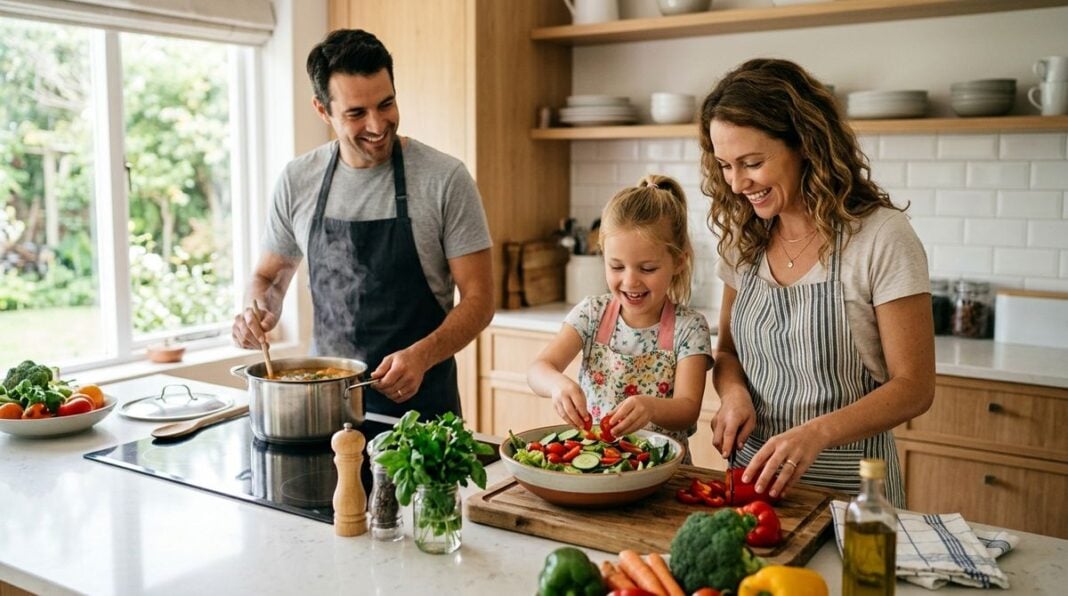
Incorporate hands-on tasks suitable for various experience levels and age groups. Older children and teenagers can wash produce, measure dry goods, or assemble casseroles, making the workshop an enriching family education event. When young people participate in preparing ingredients, they develop lifelong practical skills and gain genuine appreciation for wholesome meals.
Cultivating Hospitality and Meaningful Family Connections
A community kitchen workshop should always feel like an inviting gathering rather than a formal classroom. The atmosphere you establish helps hesitant beginners feel comfortable asking questions. Playing soft background music, offering warm tea, and setting up a welcoming tasting area can turn a standard facility into a warm haven for busy parents.
Food has an unmatched ability to share personal stories and bridge cultural backgrounds within a neighborhood. Encourage participants to share heritage recipes, family traditions, and clever pantry shortcuts passed down through generations. These conversations turn a simple cooking lesson into an exchange of cultural appreciation and shared community history.
Hospitality also means creating an unhurried space where participants sit down together after cooking to taste what they made. Reviewing thoughtful hospitality concepts and table culture on Theleadbelly.com can inspire workshop organizers to craft warm, conversational dining environments that honor both the food and the people gathered around it.
Taking time to break bread together reinforces the educational component of the workshop. As neighbors sit together enjoying a warm bowl of soup, they reflect on the techniques they practiced, celebrate their accomplishments, and build friendships that continue long after the gathering concludes.
Keeping Your Community Workshop Sustainable Over Time
Sustaining a grassroots initiative requires steady organization, transparent communication, and shared leadership. Rather than relying on a single organizer to handle every detail, form a small committee where different volunteers take charge of facility reservations, ingredient purchasing, and welcoming new families.
Much like the organizational principles behind building neighborhood wardrobe collectives for local families, establishing clear agreements about shared responsibilities ensures that no single participant feels overburdened. Create simple sign-up sheets for setup and dishwashing duties so that cleanup remains quick, equitable, and stress-free.
Financing shared ingredients can be managed through simple cooperative models. Participants can contribute pantry staples from home, or the group can pool funds to purchase bulk grains, seasonal produce, and spices. Emphasizing affordable, widely available ingredients guarantees that the workshop remains welcoming to all households.
Regular feedback helps organizers adapt the curriculum to meet community needs. At the end of each session, invite attendees to suggest dishes they would like to learn next, from basic bread baking to quick skillet meals. When participants have an active voice in shaping future sessions, their enthusiasm and commitment continue to grow.
Creating a neighborhood cooking circle brings practical education, wholesome food, and social connection directly to local families. In an era where hectic schedules pull households in different directions, setting aside a regular space to cook, learn, and converse together strengthens community bonds in lasting ways. By opening a shared kitchen door, you help build a neighborhood where every family feels supported and connected.