Have you ever thought that just a few quiet minutes could change your whole day? Meditation is a gentle way to soothe both your mind and body, whether you’re expecting a little one or caring for a newborn. Studies even say it might help lower stress and bring on better sleep! Imagine starting your morning with slow, deep belly breaths, or ending your night by sending kind thoughts to yourself. With only a few minutes each day, you can carve out a peaceful spot that brings lasting calm for you and your little one.
Core Meditation Techniques for Maternal Well-Being
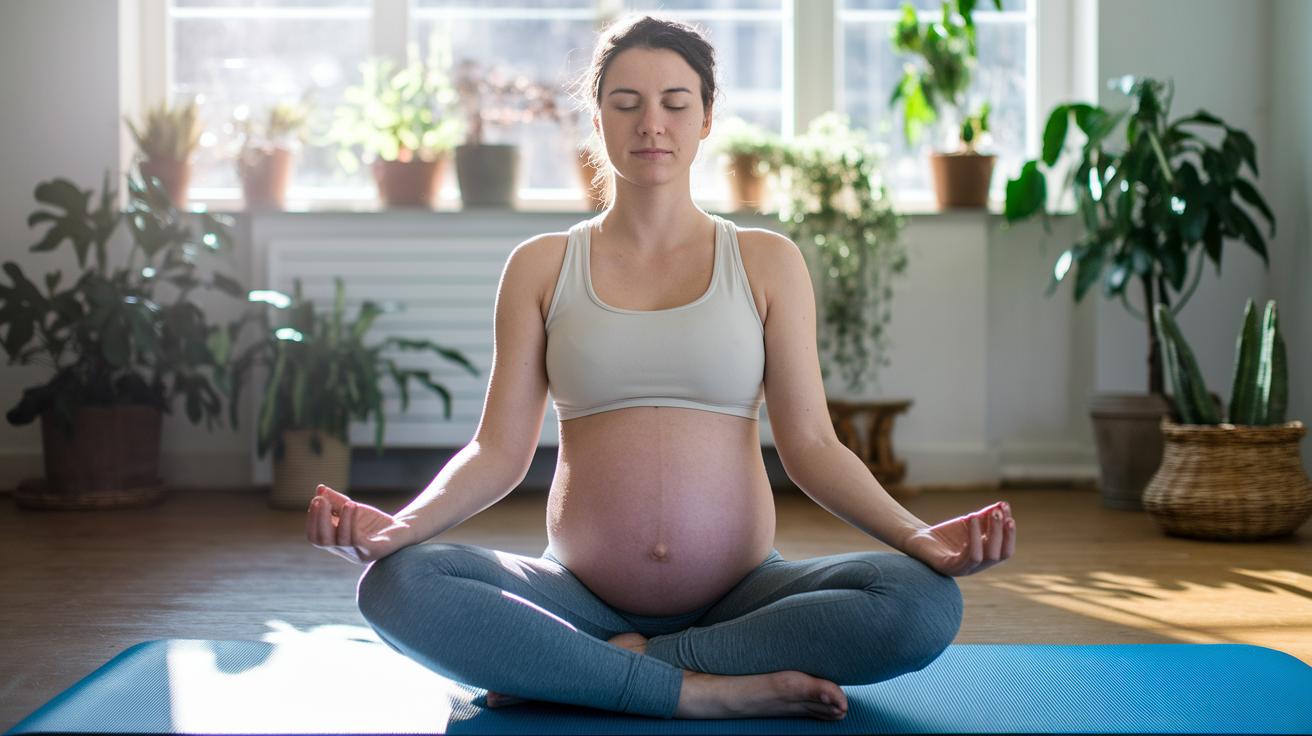
Meditation is a gentle way to calm a busy mind and ease physical signs of stress, both during pregnancy and after delivery. Studies show that taking time to meditate can lower stress hormones like cortisol and even help reduce blood pressure, a big relief for the 6–8% of expecting moms who deal with high blood pressure. One study even found that mindfulness helps improve sleep and strengthens the bond between mom and baby.
Meditation creates a nurturing space that benefits both you and your little one. When you quiet your mind and pay attention to your body’s signals, it can reduce anxiety and bring a sense of calm. With less worry, you may notice a steadier mood and an overall feeling of well-being.
- Deep belly breathing
- Body scan meditation
- Guided imagery visualization
- Loving-kindness meditation
- Mantra meditation
Just five to ten minutes of meditation each day can set a solid foundation for your well-being as a mom. Imagine starting your morning with deep belly breaths to center your thoughts or winding down at night with a loving-kindness meditation to ease your worries. Even a few minutes of mindful practice can spark positive changes in both your body and your emotions. Over time, this gentle habit not only helps lower stress and improve sleep but also creates a balanced, peaceful space for you and your baby.
Prenatal Breathwork and Visualization for Expectant Mothers

Breathwork Techniques
Let’s start with a simple breathing exercise called 4-7-8 breathing. Inhale slowly for 4 seconds, hold your breath for 7 seconds, and then exhale gently for 8 seconds. This calming routine helps ease your mind, relax your body, and keeps your heart calm. You could also try box breathing, breathe in, hold, exhale, and pause for the same count each time. Alternate nostril breathing is great too; it helps you feel balanced and in tune with your inner calm. Picture yourself comfortably settled in your favorite chair or surrounded by soft pillows, feeling your body relax with each slow, steady breath.
These gentle techniques lower your stress and ensure a steady flow of oxygen for you and your baby. By getting cozy in a comfortable position, you can focus on each mindful breath, making these exercises safe and soothing at every stage of your pregnancy.
Visualization Rituals
Visualization is a lovely way to paint positive pictures in your mind. Imagine your baby wrapped in a soft, warm light, this healthy-baby visualization can fill you with hope. You might also enjoy a safe-space meditation, where you create a peaceful mental room with the sound of soft music or nature sounds. It’s like building a little sanctuary that lets you relax and feel cared for.
You can also picture future moments of sweet closeness between you and your little one. Think of gentle, tender times that warm your heart. Even a short five-minute session can fill you with calm and joy. Imagine the soft glow of a serene sunrise welcoming a fresh, peaceful start, a tiny daily ritual that brings comfort and strengthens the loving bond you share with your baby.
Postnatal Guided Relaxation Practices for New Mothers
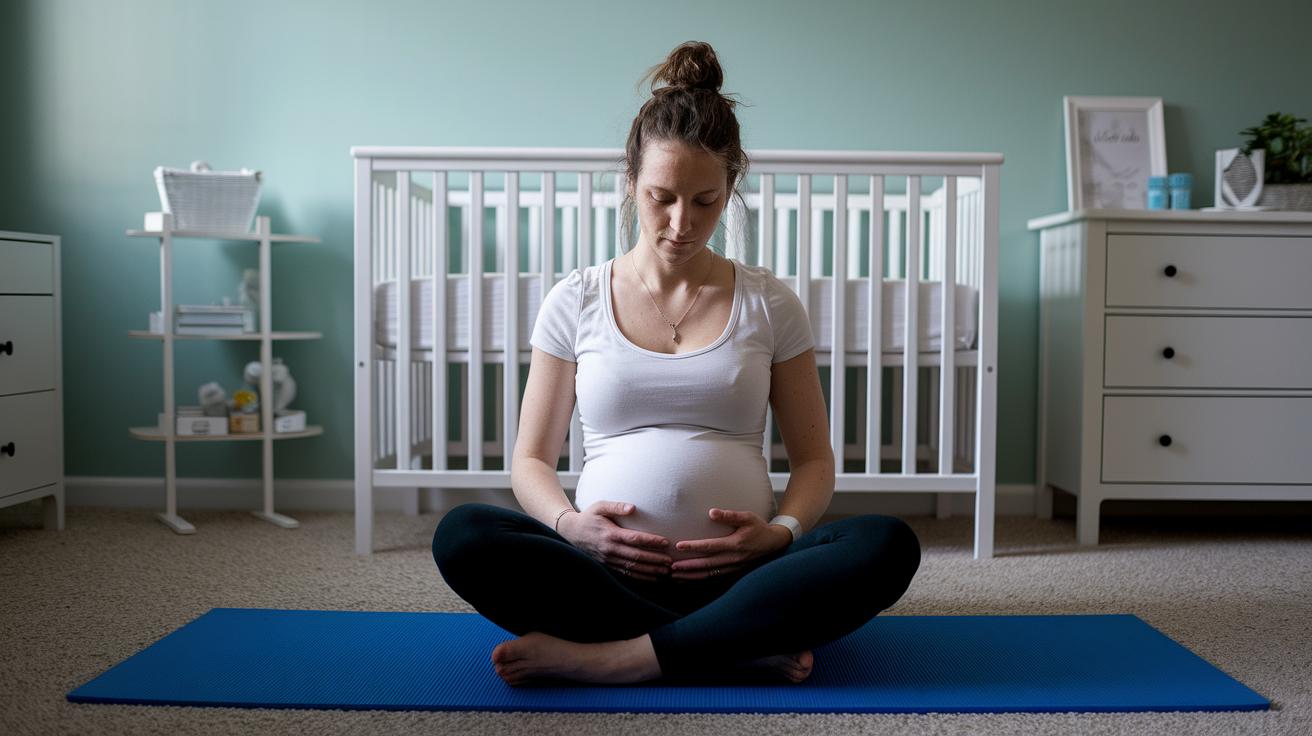
After giving birth, taking a few moments to breathe and relax can really help soothe your mood and ease stress. This gentle time for yourself not only helps balance your body’s hormones but also creates a peaceful space that makes bonding with your baby feel more natural in those first weeks.
Just five to ten minutes can make a big difference. You might use a smartphone app or listen to an audio recording made for new moms. Even catching these little moments during your baby’s nap or while a soft lullaby plays can help you unwind and improve your sleep while also adding a calming routine to your day.
Many mothers find that a short guided relaxation session sets a positive tone for the day. By carving out a little time just for you, you create a nurturing moment amid the busyness of new parent life. For extra ideas on how to build a comforting routine at home, check out our postpartum recovery tips.
Taking up a simple relaxation habit gives you a chance to recharge. It’s a gentle step toward feeling balanced and strong while you care for the little one in your arms.
Labor Centering Techniques Combining Mindfulness and Breath
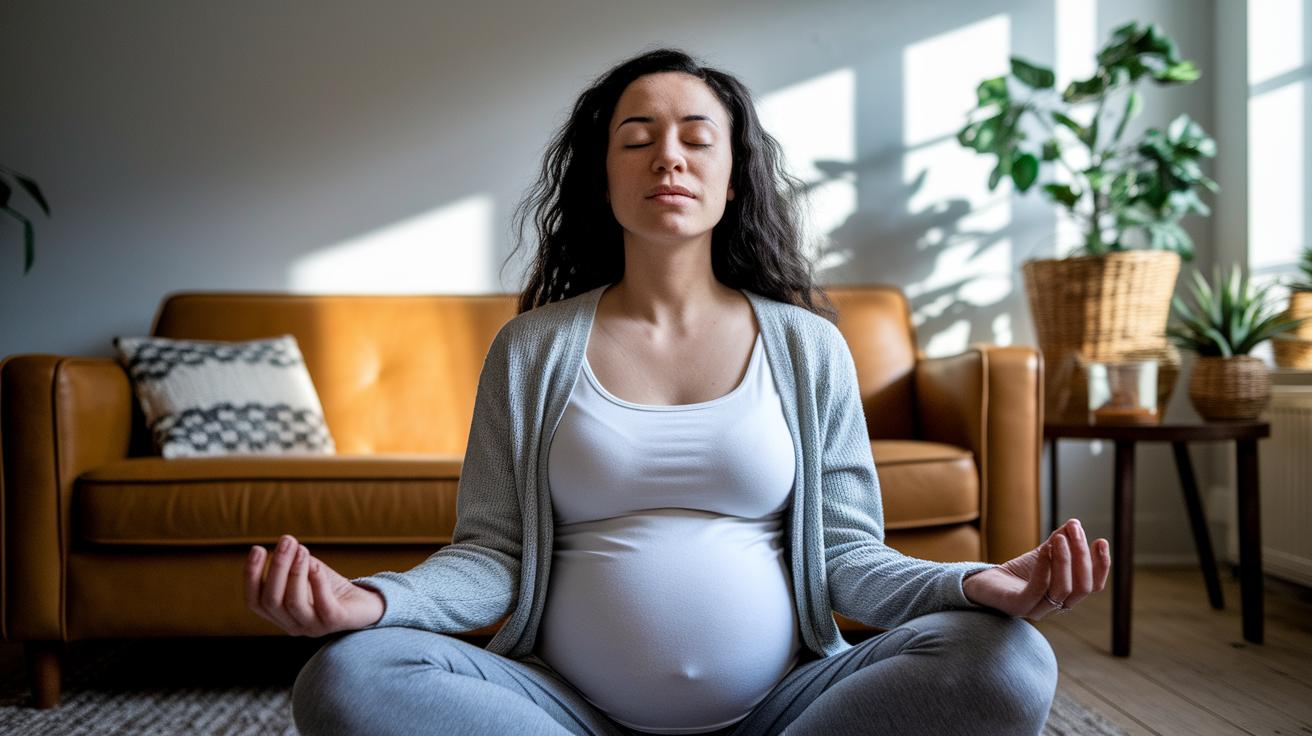
Mindfulness and breath work can be a comforting friend during labor. They help ease tension and keep you focused as contractions start. It’s like having a gentle guide by your side, reminding you to take care of yourself.
Breath-Focused Centering
Try matching your breathing with each contraction. When you feel the first hint of a contraction, take a slow, deep breath, hold it for a moment, and then let it out as the wave of contraction eases. This simple rhythm can help lower your pain and make each contraction feel more like a manageable pulse than an overwhelming surge.
Reflective Imagery
Imagine each contraction as a small wave reaching its peak and then softening. Picture it as a natural tide that builds up, then recedes. This visualization invites you to see the rhythm in each contraction. It shifts your focus away from discomfort and gently reminds you that each wave is a natural part of your journey.
Mindful Positioning
Allow yourself to try different positions during labor, like a gentle pelvic tilt, lying on your side, or using a supported squat. When you combine these positions with your steady breathing, you may feel less pressure on your back and hips. Being mindful of how you sit or move creates a sense of stability, helping you feel more balanced and in control as you progress through labor.
Bringing these techniques together into your own routine can be a wonderful way to prepare for labor. By syncing your breath, using soft imagery to guide you, and finding positions that feel right, you’re giving yourself practical tools to face each contraction with confidence and calm.
Meditation Techniques to Enhance Maternal Well Being: Bliss
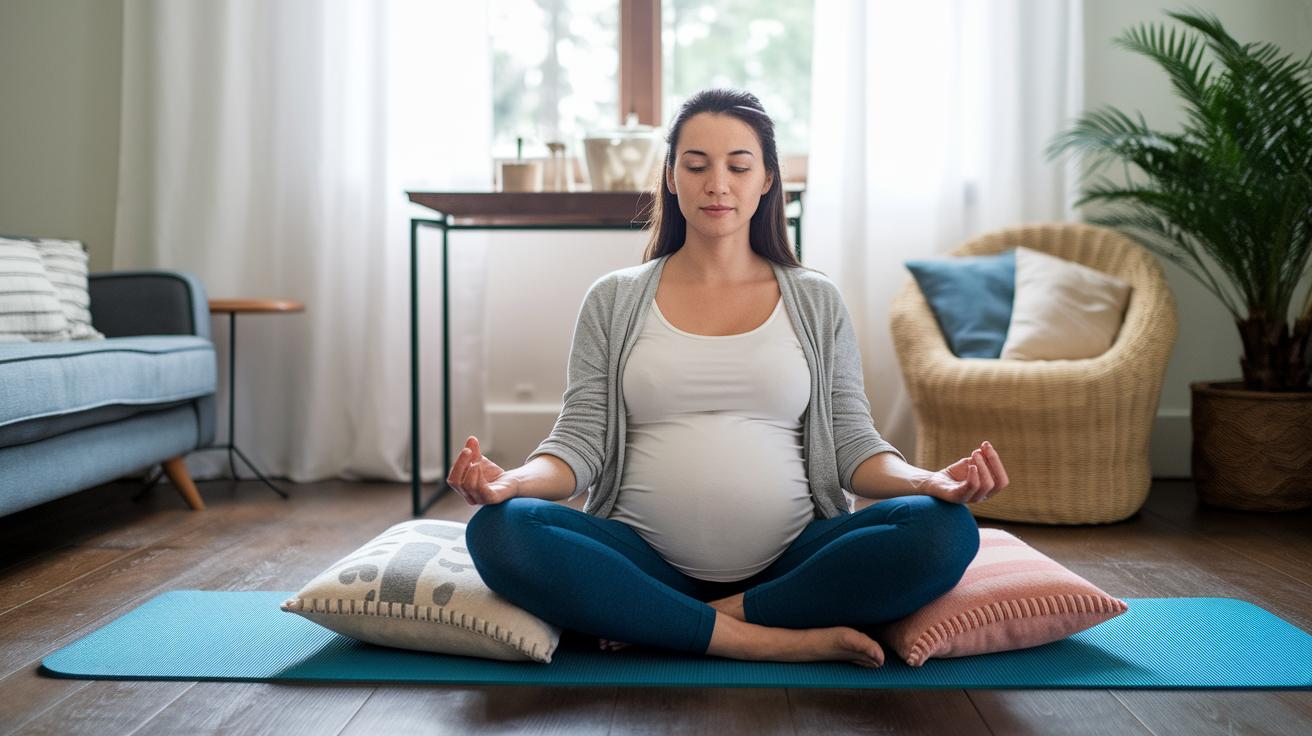
Remember, always check with your healthcare provider before starting any new meditation routine. Every mom’s body is unique, so what works for one might not feel right for another. After your first trimester, try not to lie completely on your back. Instead, use a soft pillow or bolster to support your body, it’s a little trick that keeps you comfy and safe.
Every stage of pregnancy brings its own changes. It’s perfectly fine to change your meditation position as you need. You might try sitting, leaning back with some gentle support, or using props until you find what feels best. Listen to your body and adjust if anything seems off.
Experts say that even a short daily session can bring a sense of calm. Many moms start with just 15 minutes a day, and in about six weeks, some notice a real drop in anxiety. Try mixing in a few gentle stretches or simple prenatal (care during pregnancy) yoga moves, and keep a glass of water nearby to remind you to stay hydrated.
Using props like cushions or a supportive chair can really boost your comfort and create a feeling of safety during your session. Combining gentle movement with your meditation can ease stress and help you build a balanced daily routine that supports both your mind and body.
One new mom shared, "After doing 15-minute sessions every day for six weeks, I felt calmer and slept much better. It really helped me manage my anxiety during a time of big changes."
Final Words
In the action, mothers can embrace meditation techniques to calm and center themselves throughout pregnancy, labor, and the postpartum period. Our article highlighted simple practices like deep belly breathing, body scanning, guided imagery, loving-kindness, and mantra meditations. It also shared prenatal breathwork and mindful labor strategies to help lower stress and support physical balance. A daily five- to ten-minute routine can make a big difference, fostering a gentle, supportive space for both mom and baby. Embrace these practices with warmth and confidence, you’re on a bright, nurturing path.
FAQ
How does meditation support connecting with your baby and overall well-being during pregnancy?
Meditation supports connecting with your baby by calming your mind and tuning into body signals. It sets a gentle mood that helps reduce stress and supports a nurturing bond and overall wellness during pregnancy.
What meditation techniques help manage pregnancy anxiety and boost emotional well-being?
Techniques like mindful breathing and loving-kindness meditation help manage pregnancy anxiety. They reduce stress levels and create a calm mental space that supports emotional well-being throughout your pregnancy.
How do guided meditation resources like scripts, apps, and YouTube videos assist during pregnancy?
Guided meditation resources offer clear instructions and soothing audio that help you practice anywhere. They provide ready support, making it easier to relax whether you’re at home or on the go.
What meditation practices are best suited for the second and third trimesters?
Meditation practices can be adjusted for different stages. In the second and third trimesters, gentle mindfulness and guided breathing focus on relaxation, body awareness, and preparing you mentally for childbirth.
How can meditation help heal your inner child?
Meditation can help heal your inner child by creating a safe, reflective space where you acknowledge past feelings with kindness. This compassionate practice supports emotional release and gentle personal growth.