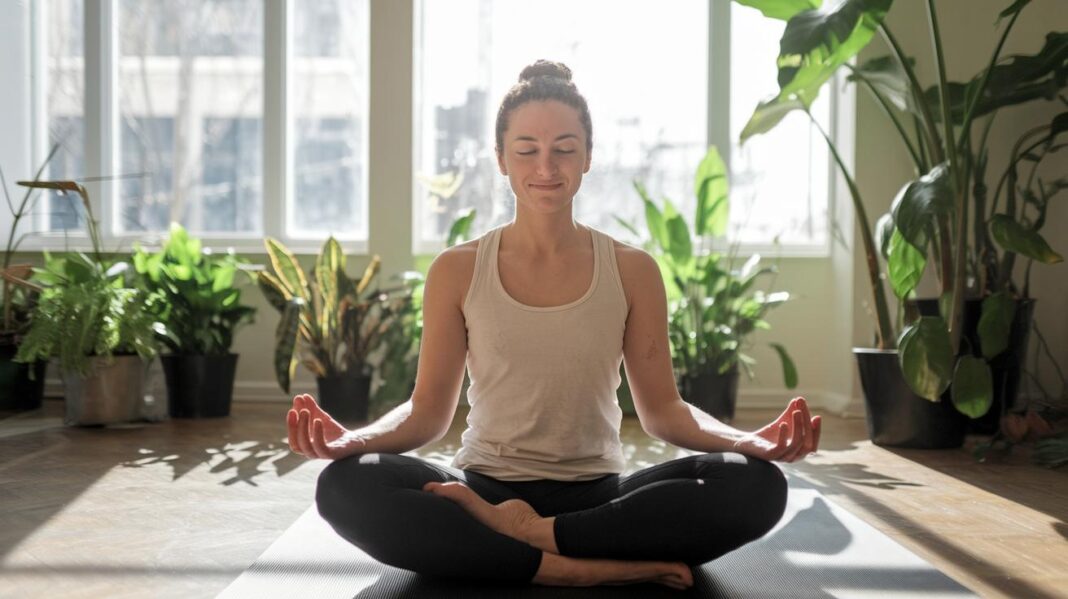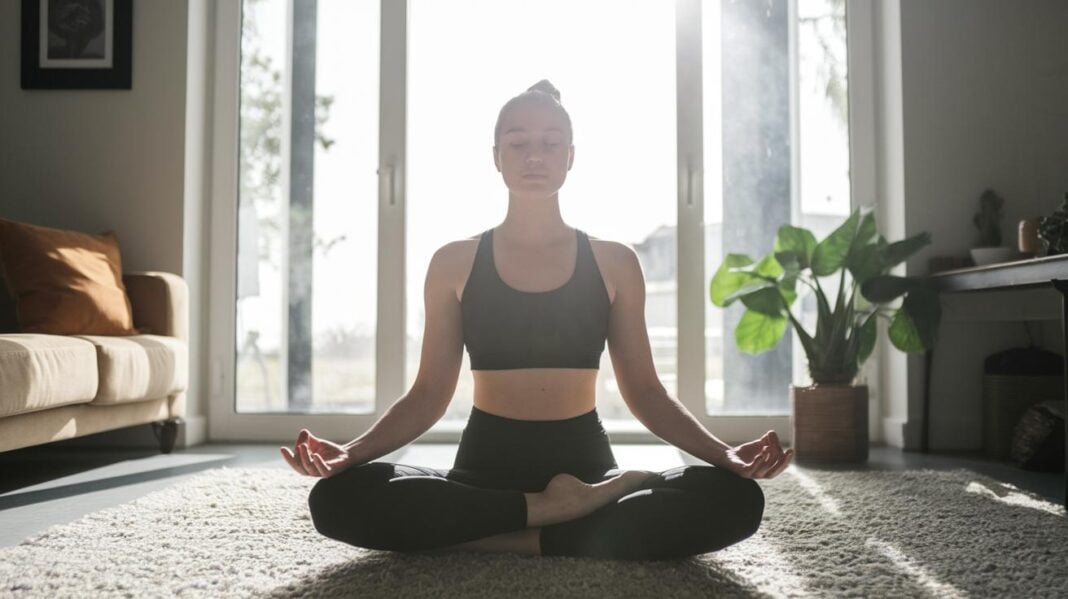
Have you ever noticed how some people stay so calm even when everything feels overwhelming? It’s not magic at all. It's about simple things like taking a deep breath or pausing to listen to what your body is telling you.
Think of it like cleaning a messy room, when you clear away the clutter, you create space for what really matters. A few quiet moments can make all the difference in easing stress and brightening your day.
So next time things get busy, try slowing down for just a moment. You might be surprised by how these little practices can help you feel more at peace and ready to take on the day.
Integrating Mindful Practices for Improved Mental Wellness
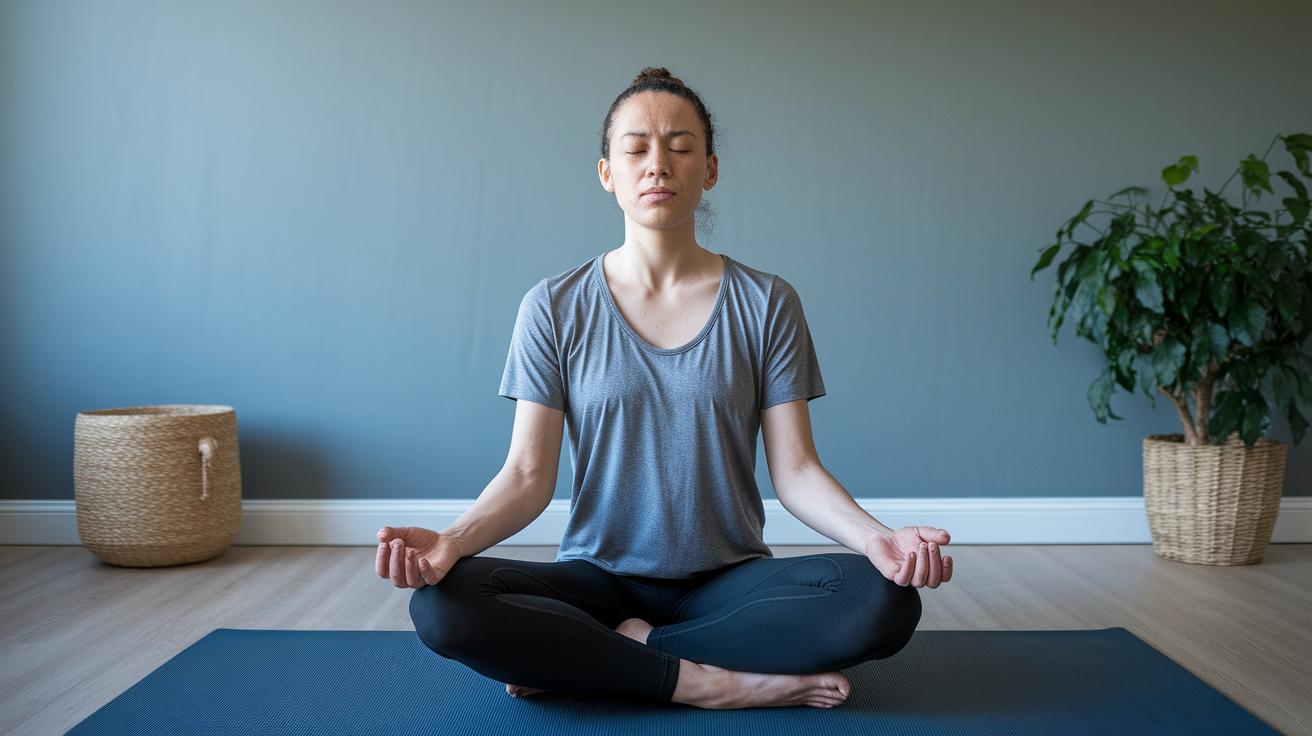
Mindfulness is really about taking little moments to pull yourself into the present, even when your day is packed. It’s like wiping away the clutter in your mind, which helps ease stress and lets you focus on what really matters. For instance, deep breathing can quickly calm both your body and your mind, making it less likely that you'll end up with a headache or an upset stomach after a tough day.
Starting your morning with a brief mindfulness routine can set the tone for a positive day. When you begin with a clear purpose, the daily worries and distractions tend to drift away. Regular mindfulness not only eases feelings of anxiety or sadness but also helps lower long-term risks like high blood pressure or heart problems. This small change in your routine can open the door to a clearer, more peaceful state of mind, even on busy days.
Here are some simple mindfulness practices you can try:
| Practice | Description |
|---|---|
| Deep breathing | Take a few slow, mindful breaths to steady your body and calm your mind. |
| Body scan | Notice how different parts of your body feel, and let each area relax one by one. |
| Grounding exercise | Focus on your senses to feel more anchored in the moment. |
| Mindful walking | Pay attention to your steps and the soothing sounds around you. |
| Gratitude moment | Spend a brief time thinking about something positive in your life. |
| Short meditation | Sit quietly for a few minutes to clear your mind and recharge. |
Even small moments of mindfulness, repeated throughout your day, can build a routine that supports long-term wellness. With time and consistency, these mindful habits become a strong foundation for handling stress and keeping your mind clear. By checking in with yourself regularly, you gradually create a gentle ripple effect that lifts your mood and helps your body respond better to stress.
Meditation Techniques for Clarity and Stress Relief
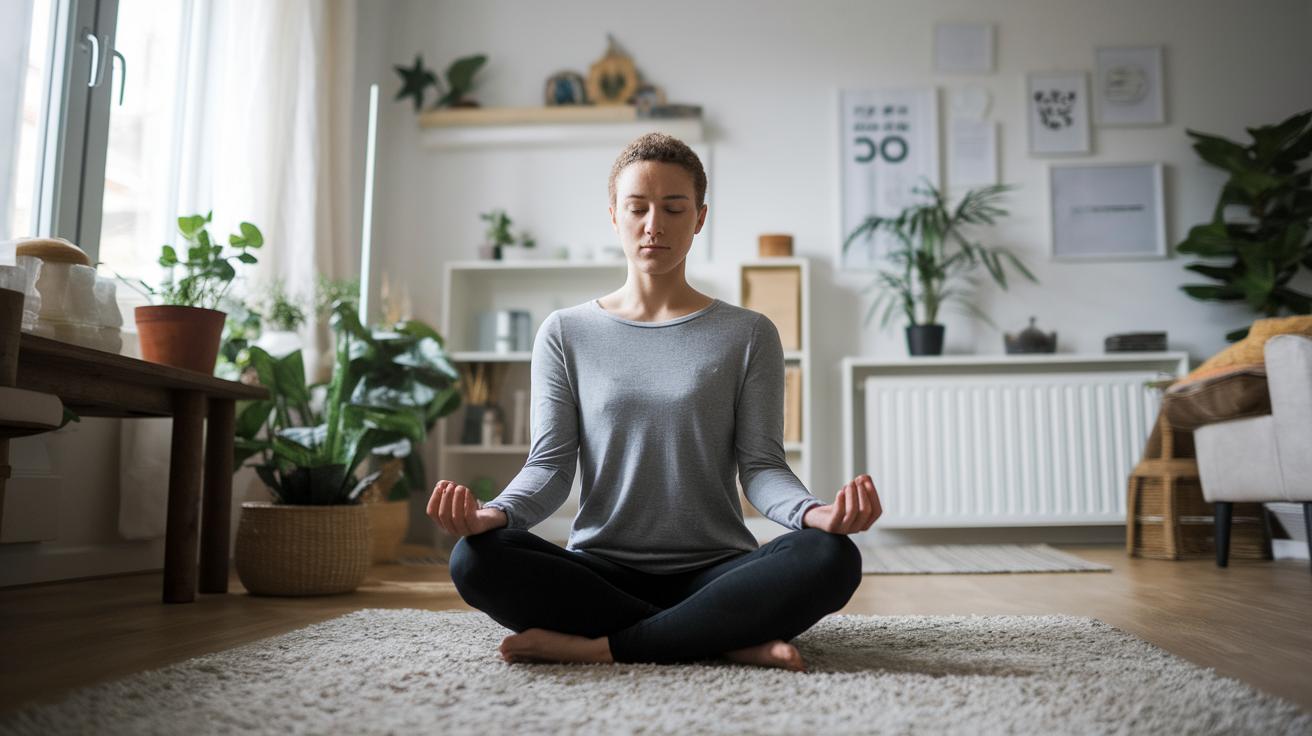
Meditation is a flexible practice you can try in many ways. You might use a guided session with an app or a timer, or choose a quiet spot and go at your own pace. Guided sessions offer a friendly voice to help you stay focused, while meditating on your own lets you explore your inner calm in a way that feels just right for you. Research shows that both methods can boost your mental clarity and reduce stress, even in just a few minutes.
Start by taking a few slow, deep breaths and focus on one thing you’re grateful for. Imagine breathing in peace and exhaling your worries, like a fog lifting to let the sunshine in. This simple step can mark the beginning of a mindful pause that reconnects you to your body's signals.
If you need a little extra help, using a timer or meditation app can remind you to take a quick break when things get hectic. Studies suggest that even a few minutes of guided meditation can ease tension and improve concentration. And when you mix these moments with everyday actions, like a gentle walk or a little shake-out to release tension, you’re building a habit that supports both mental clarity and a good night’s sleep.
Daily Mindful Routines to Build Consistent Self-Care
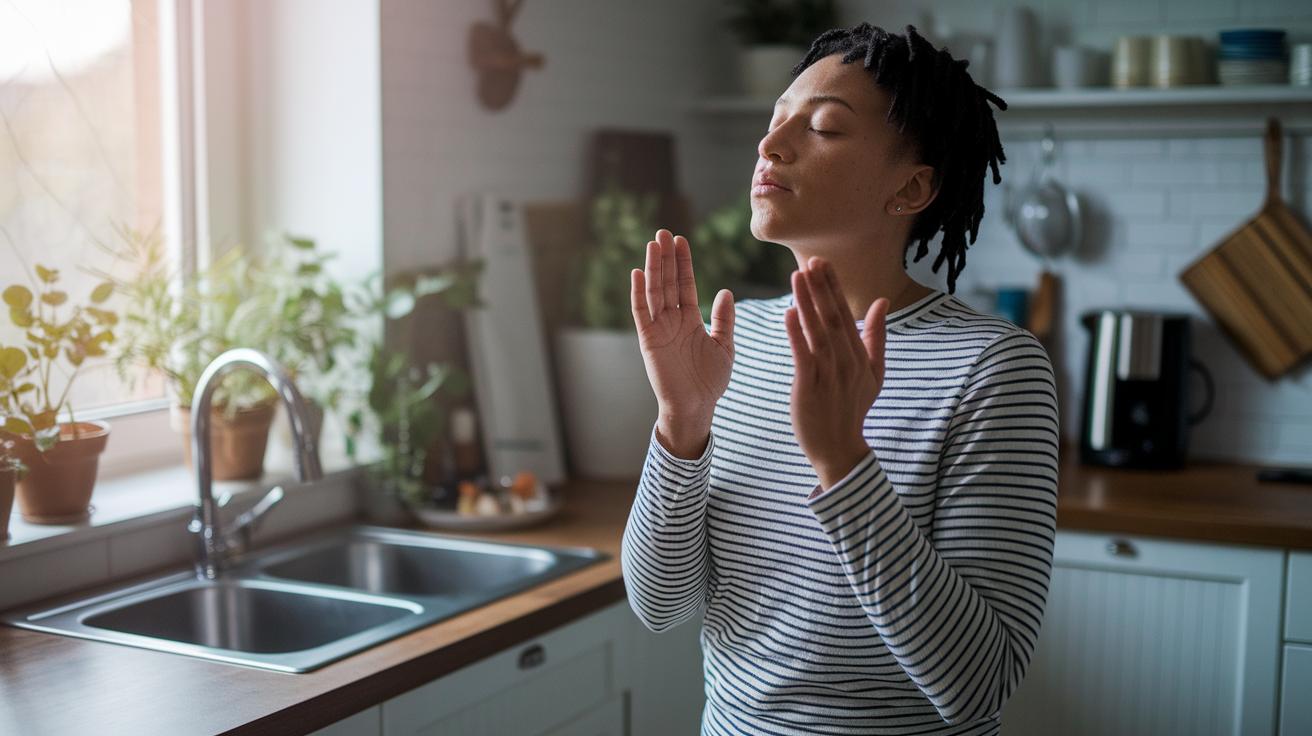
Adding little mindful pauses in your day can create a gentle rhythm that lifts both your mood and body. These easy habits help ease stress and bring a feeling of calm that lasts. Even setting aside a tiny bit of time for mindfulness can help balance work, family, and a healthy lifestyle.
- 6:00 AM – When you wake up, take five deep breaths. In about 2 minutes, you can set a peaceful tone for your day.
- 7:30 AM – As you make breakfast, try a gentle stretch and a quiet moment for yourself. Spending around 5 minutes here can really start your day on a positive note.
- 12:00 PM – At noon, step outside for a nature break. Just 10 minutes of fresh air and sunlight can refresh your spirit.
- 3:00 PM – Mid-afternoon, make time for a quick call with a friend or family member. A brief 5-minute chat can brighten your day and make you feel connected.
- 6:30 PM – With dinner, pause for a mindful moment. Take about 5 minutes to really savor each bite and unwind from the day.
- 9:00 PM – End your day with a digital detox and a short body-scan meditation. Around 10 minutes of winding down can help ease you into a restful sleep.
Feel free to tweak these times to fit your own routine. With a little experimentation, you can find the right moments that work perfectly for you. Over time, these consistent practices can lower stress and help you feel more connected with yourself. And if you’d like a little extra support tracking your progress, check out the Emotional regulation worksheets.
Professional and Community Resources for Mindful Mental Wellness

Telehealth support for wellness gives you a flexible way to chat one-on-one with caring experts from the comfort of your home. These video or phone sessions let you work with mental health professionals who guide you through practices like guided meditation and simple ways to lower stress. It’s a smooth method that fits busy lives by letting you book appointments when it works best for you. Many moms find that getting personalized advice this way not only boosts their confidence but also helps build little daily habits that support steady mental well-being.
Community support for mental wellness comes in when you’re looking for more than just personal sessions. Joining peer groups, online forums, or chat communities can feel like talking with friends who truly get it. In these spaces, people share real stories and handy tips for handling stress and tough days. If self-guided mindfulness doesn’t cut it, reaching out to supportive groups with both peers and professionals can help you find that lasting sense of calm and clarity.
Support for ADHD and Anxiety Through Mindful Techniques
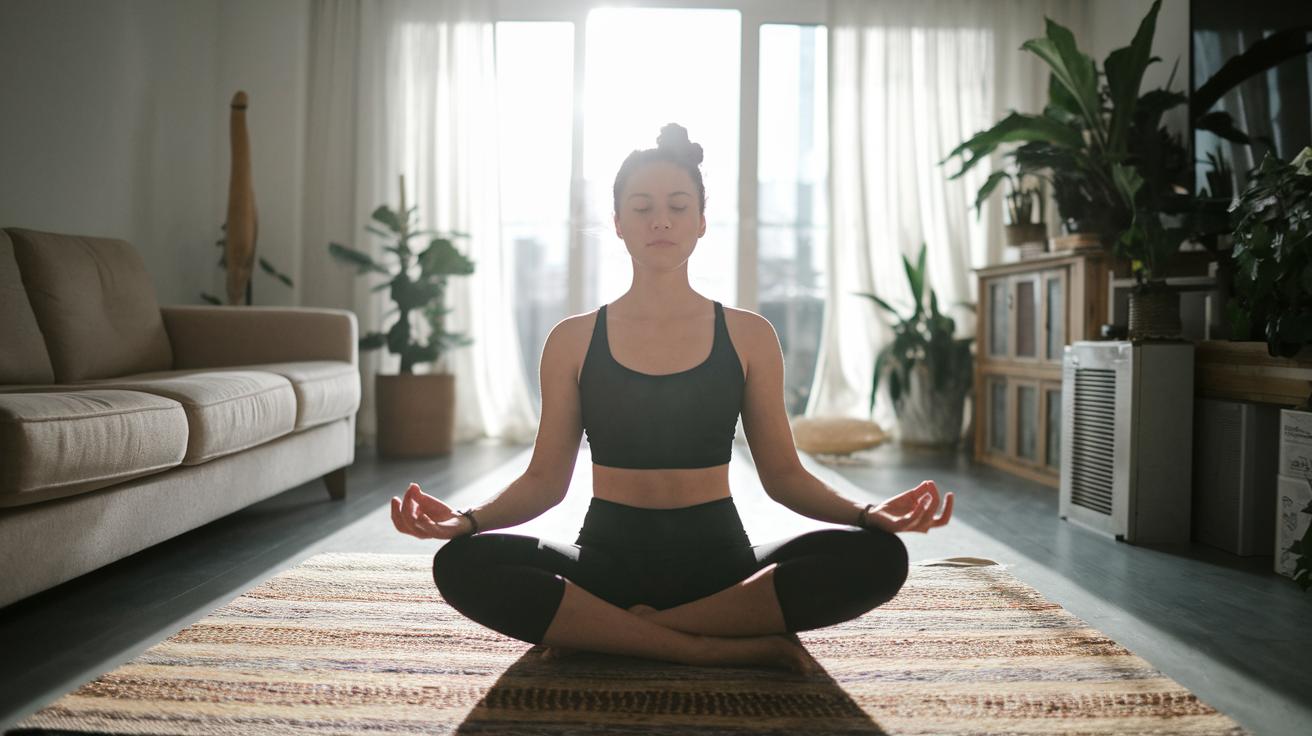
Mindfulness is a gentle way to help ease the ups and downs of ADHD and anxiety. Many people find that taking a moment to be mindful can soften the rush of busy thoughts and distractions. By practicing these small techniques, you can calm your mood, lower anxiety, and bring more balance to your day. It’s like giving your mind a little break to focus better on everyday tasks.
Try fitting in a few quick breathing breaks or guided exercises. For example, pause for a minute and take slow, deep breaths to help steer your attention back. Even a short, guided meditation lasting just a few minutes can work wonders. These brief moments really help alleviate tension and make stress more manageable.
Consider weaving these mindful moments into your daily routine. Set little reminders to take a mindful pause between work or school tasks. Stick to a regular sleep schedule, aim for 7-9 hours a night, and enjoy balanced meals to keep your mood steady. And if you share these practices with a friend or loved one, you might find even more comfort and support along the way.
Resilience and Emotional Stability Through Mindful Reflection

Building resilience is like strengthening an inner buddy who stands by you when life gets tough. When you practice mindful reflection, you slowly turn negative thoughts into a gentle, kind inner voice. Even taking a short pause for a quiet moment can set the stage for feeling steady every day.
Journaling can be a heartfelt way to notice small wins and quiet thoughts that show you how far you’ve come. Try jotting down one tiny victory, like taking a deep breath when stress feels heavy. These little notes remind you of your progress and help take the edge off difficult moments. And when you speak kindly to yourself, as if you’re soothing a dear friend with a soft “I’m doing my best,” it really can turn a cloudy day around.
Taking a regular break for a mental well-being check can boost your strength, too. How about setting a daily or weekly moment to ask yourself if you need to slow down or recharge? These check-ins might seem small, but they really help keep burnout at bay and build that steady inner calm over time.
Final Words
In the action, this piece explored mindful practices that calm and center our days. We covered simple breathing exercises, gentle body scans, and moments of self-reflection that ease stress. We also looked into practical routines, guided meditation techniques, and community resources designed to support our growth.
Every small step builds on the next. Embracing these daily actions shows that mindful mental wellness is within reach, lifting our spirits and guiding us toward lasting well-being.
FAQ
Q: What does a mindful mental wellness credit card charge mean?
A: The mindful mental wellness credit card charge means you’re billed for online services that provide expert guidance in mindfulness and stress relief, helping you maintain mental calm.
Q: How does mindful mental wellness help with ADHD?
A: Mindful mental wellness helps with ADHD by offering brief breathing resets and simple routines that improve focus and reduce anxiety, making daily tasks a bit easier.
Q: What does mindful mental wellness telehealth involve?
A: Mindful mental wellness telehealth involves remote sessions with caring experts who guide you through mindful practices designed to ease stress and boost overall clarity.
Q: Where can I access mindful mental wellness resources in San Francisco?
A: In San Francisco, mindful mental wellness resources include community events and local support groups that provide expert advice and practical exercises to nurture your mental well-being.
Q: What is meant by Mindful Health?
A: Mindful Health means integrating daily mindful practices and self-care routines that enhance both emotional and physical well-being, helping you manage stress and build balance.