Have you ever wondered if natural remedies really help with the aches of pregnancy? Many moms look for ways to feel better without adding extra chemicals.
We share easy ideas like sipping ginger tea when you feel queasy in the morning, enjoying chamomile tea for that burning feeling in your chest, and trying gentle stretches to ease a sore back. It’s amazing how these nature-based tips can bring some relief.
Our guide is filled with honest advice and simple steps to help you feel cared for and at ease during this special time. We’re here to support you as you enjoy every moment of your journey.
Effective Natural Remedies to Soothe Pregnancy Discomfort

Pregnancy can bring a mix of challenges, and many moms face different kinds of discomfort. Around 75% of women notice morning sickness starting around week 6, which usually eases by week 12 or 14. A soothing cup of ginger tea or a vitamin B6 supplement (used safely) can gently help with nausea.
Heartburn may creep in as your pregnancy progresses. Simple changes like eating smaller, milder meals and enjoying a bit of chamomile tea can make a big difference in easing this burning feeling. Back pain is common too, often due to extra weight and body changes. Gentle stretches, a warm compress, or a calming herbal drink can help relax tight muscles, and keeping up with a good amount of water and nutrient-rich foods may ease leg cramps that often occur later on.
Feeling really tired can hit hard in the early and later stages of pregnancy. Light exercise, regular rest, and a balanced diet can boost your energy along the way. Constipation might also show up because of natural body changes and iron supplements, but increasing fiber and staying well hydrated can help smooth things out. These simple herbal, dietary, and lifestyle steps set the stage for even more helpful tips coming up next.
Natural Anti-Nausea Remedies to Ease Pregnancy Morning Sickness

Most moms know that about three out of four women feel a bit queasy in early pregnancy, usually starting around week 6 and easing by week 12 or 14. Eating a few small meals throughout the day can help keep your blood sugar steady and calm that queasy feeling. Sometimes a light snack, like sliced apple with a bit of nut butter, really does the trick.
Vitamin B6 is another gentle helper. When you take around 10 to 25 mg three times daily (after checking with your healthcare provider), it can help ease your nausea. Ginger can also be a great ally; a dose of about 1 gram a day can help move food along in your stomach. Many moms find that a warm cup of ginger tea or slowly chewing a small piece of ginger can calm an upset tummy.
Peppermint tea might also help relax your stomach muscles, though if you have any heart concerns, it's a good idea to use it sparingly. Chamomile tea is another soothing option that can help ease inflammation and relax muscles. You might even try adding a small pinch of thyme to your meals. Thyme brings vitamins C and A, iron, and antioxidants that can support you when nausea lingers. Plus, dandelion greens, which are rich in vitamin B6 and manganese, offer extra nutrition that may help keep morning sickness at bay.
- Ginger: about 1 g daily
- Vitamin B6: 10–25 mg three times daily (with your doctor’s guidance)
- Peppermint: enjoyed as tea in small amounts
- Chamomile: 1–2 cups of tea daily
- Thyme: a small pinch added to meals
- Dandelion greens: a serving of fresh greens daily
Nature-Based Solutions for Pregnancy-Related Heartburn

Heartburn can be really bothersome later in your pregnancy. As your belly grows, it puts extra pressure on your stomach, and the hormone progesterone (which helps relax muscles) can make it easier for stomach acid to creep upward. A warm cup of chamomile tea after a meal can feel like a gentle hug, soothing that irritated feeling along your esophagus.
Some moms try a simple home remedy, a glass of water with a little baking soda mixed in. But remember to check with your healthcare provider first, just to be safe. This mild option might help balance out the extra stomach acid, offering you some relief.
Changing what you eat can also make a big difference. Foods like bananas, melons, and low-fat yogurt have a more neutral pH and can help keep the acid in check. Keeping your meals small and steering clear of overly spicy or fatty dishes can let your tummy settle down and feel more comfortable.
Home Treatments and Exercises for Pregnancy Back Pain & Leg Cramps

Pregnancy can change your body and sometimes lead to back pain and leg cramps. You might feel a lot better by trying some simple, safe treatments at home. For instance, placing a warm pack on your lower back for about 15 minutes can help relax tight muscles. A gentle massage with a non-toxic balm on your calves might ease the cramps too. And remember, staying well-hydrated and enjoying foods rich in magnesium, like leafy greens and nuts, can really support muscle comfort.
Adding some easy stretches and yoga poses into your day can also make a big difference. These gentle moves not only help stretch out those strained muscles but also provide extra support for your back during this amazing time. Take it slow, focus on your breathing, and enjoy the movement. Here are a few simple exercises to consider:
- Cat-Cow Pose – Hold each position for 30 seconds, and try doing this three times a day.
- Child’s Pose – Settle into this pose for about 2 minutes, twice a day.
- Seated Forward Bend – Stretch gently and hold for 1 minute, repeating it twice.
- Standing Forward Bend – Maintain the stretch for 1 minute, and try it twice a day.
- Calf Stretches – Stretch each calf for 1 minute, and do that twice daily.
These home treatments and simple stretches can help ease back pain and leg cramps while supporting your overall well-being as your body changes during pregnancy. Enjoy the little moments of relief and take good care of yourself!
Holistic Remedies for Pregnancy Fatigue and Sleep Disturbances

Pregnancy can leave you feeling really tired, especially in the early and later months. Your body is busy handling new hormones and extra work, which makes sleep hard to come by. Have you ever noticed how a little scent or quiet moment can change your whole mood? A few drops of lavender oil in a diffuser, or even a gentle rub on your skin (be sure to mix it with a carrier oil!), might just wrap you in a calming aroma like a soft, warm blanket.
Chamomile tea is another gentle friend for bedtime. Many moms enjoy brewing a cup as part of their nightly routine. Its natural properties work to relax your muscles and soothe away stress, making it a lovely way to wind down. Plus, taking a few minutes for a simple mindfulness session, even just 5 to 10 minutes, lets you pause and breathe deeply. It’s like giving your brain a mini vacation before sleep.
Taking a moment for mindful breathing can also be really helpful. A few deep breaths before bed can lower stress and make sleep feel much more refreshing. This mix of gentle herbal remedies and easy mind-body practices might just be the nurturing help you need to catch some better Zzz’s during pregnancy.
Dietary and Lifestyle Tips to Ease Pregnancy Constipation
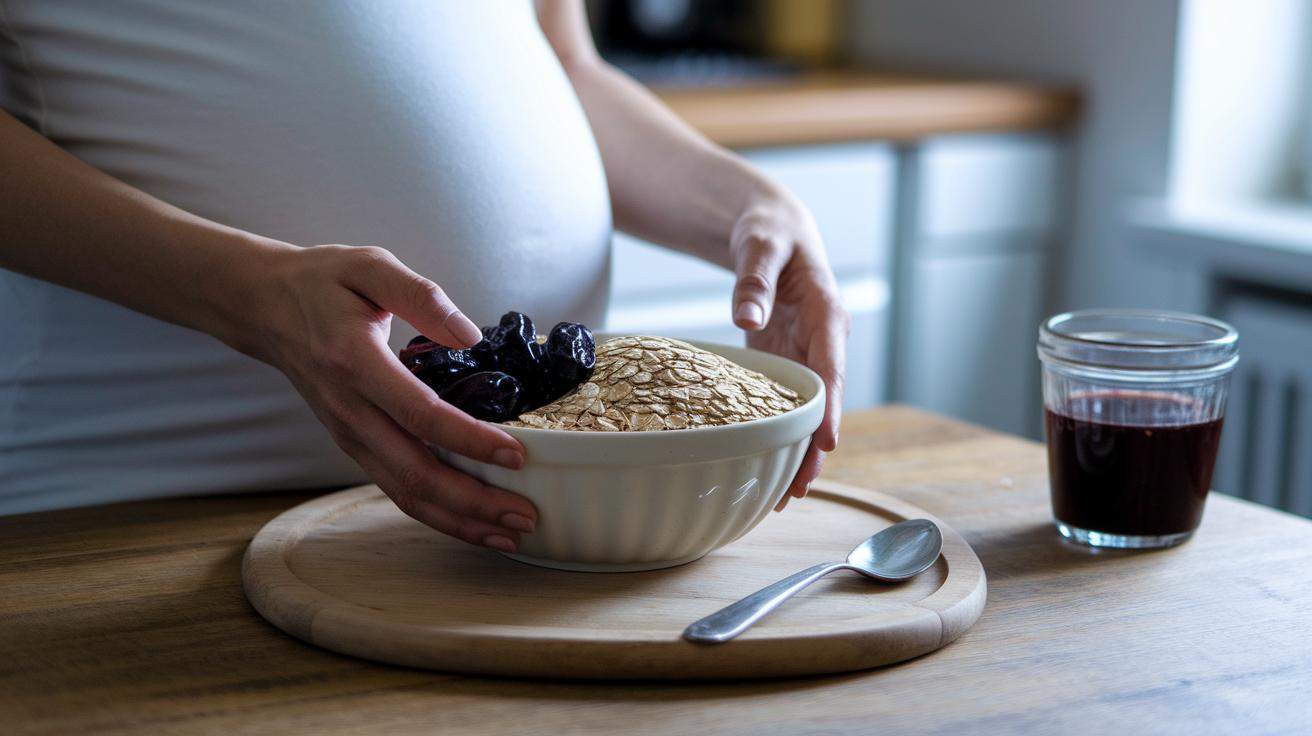
Pregnancy brings many changes to your body. Hormones can slow your digestion, and iron pills might make things feel a bit blocked. A diet packed with fiber-rich foods like prunes, oats, and beans can give your tummy a gentle push in the right direction.
Drinking about eight to ten cups of water a day really helps, too. Adding healthy organic fluids can keep your stomach happy and ward off dehydration. You might even try a little coconut water, it’s a natural way to balance your fluids and keep your gut moving.
Adding a small scoop of probiotic foods like yogurt or kefir can also help your stomach feel better. They work to keep the good bacteria in your gut strong, so every meal feels a bit more soothing. And a light walk daily can do wonders for your digestion.
These simple changes can help ease constipation during pregnancy, making each day a bit more comfortable. Have you ever noticed how a small tweak can really lighten up your day?
Safety Precautions for Natural Remedies in Pregnancy

Before you try any natural remedy to ease pregnancy discomfort, have a quick chat with your healthcare provider. Natural products like herbal supplements can mix with your prenatal vitamins or other meds, so it’s important to ensure they work well with your care plan. For instance, using ginger (about 1 gram daily) or vitamin B6 (up to 75 mg total) should only be tried after getting advice from a professional to avoid things like nerve irritation.
Essential oils can be a great part of your natural care routine too, but it’s key to use them correctly. Stick with certified-safe oils and always dilute them to 1% or less to protect your skin. And if you’re thinking of using oils like peppermint, be extra careful if you have any heart-related concerns. It’s a good idea to keep an eye out for any allergic reactions when you try something new.
Talking with professionals like MDs, DOs, APRNs, or CNMs helps ensure you’re following safe and effective natural practices during pregnancy.
- Confirm dosages with your provider
- Use only certified-safe essential oils at the recommended dilutions
- Watch for any allergic or adverse reactions
- Stick with expert-approved natural care practices
Final Words
In the action, this article brought together simple, earth-friendly tips for easing common pregnancy concerns, morning nausea, heartburn, back pain, leg cramps, fatigue, and constipation. Each remedy, from gentle herbal teas to easy home exercises, is grounded in safe, expert-backed advice. We hope these natural remedies for pregnancy discomfort help you feel supported and cared for. Remember, every step forward brings more comfort and confidence for you and your little one. Enjoy these nurturing strategies and embrace your journey with warmth and care.
FAQ
Q: What are some common pregnancy discomforts?
A: Common discomforts include nausea, heartburn, back pain, cramps, and constipation. These symptoms can occur at different stages, and simple natural remedies along with gentle lifestyle tweaks can help ease them.
Q: How can I relieve stomach pain during early and later trimesters?
A: Stomach pain in early and second trimesters might be eased with natural methods like warm compresses, dietary adjustments, and gentle exercises. These approaches help soothe discomfort safely during pregnancy.
Q: How do I relieve cramps during the first trimester?
A: First trimester cramps may be eased by applying warmth, gentle stretching, and light massages. Staying hydrated and enjoying a balanced diet can also help due to mineral imbalances during early pregnancy.
Q: How can I ease nausea and morning sickness naturally?
A: Morning sickness may be eased with small, frequent meals, ginger tea, and vitamin B6 supplements. These natural approaches help settle your stomach and bring calm during those early, queasy days.
Q: What natural home treatments help with back pain and leg cramps?
A: Back pain and leg cramps can be eased with warm packs, gentle prenatal yoga, and calf massages. Staying well hydrated and adding magnesium-rich foods into your diet helps reduce these aches safely.
Q: What dietary and lifestyle tips help with constipation during pregnancy?
A: Constipation often improves by eating fiber-rich foods like prunes and oats, drinking plenty of water, and taking daily walks. These simple changes support regular bowel movements naturally.
Q: What safety steps should I take with natural remedies during pregnancy?
A: It’s best to talk with your healthcare provider before trying any herbs, supplements, or essential oils. Stick to recommended doses and watch for any signs of discomfort or allergic reactions to stay safe.