Wednesday, August 19, 2026
Home Blog Page 107

Infant Feeding Schedule: Happy Meal Timings

0

Ever think your baby's meals could be as fun as a Happy Meal? It might sound odd, but many parents see feeding time as a special chance to bond. Newborns usually eat 8 to 12 times a day, and by watching for their little signals, you can create an easygoing routine. In this article, we chat about how following your baby's subtle cues can make mealtime smooth and enjoyable for both of you. Stay with us to discover how tiny changes can really help shape a better feeding schedule.

Infant Feeding Schedule: Happy Meal Timings

Feeding schedules can change quickly as your baby grows. Right from the start, many newborns need to feed every 2 to 3 hours – usually around 8 to 12 times in a day. Instead of watching the clock, listen to your baby's little hints. You might notice gentle lip-smacking or soft cooing, like a sweet, quiet reminder that they’re ready for a meal.

For the first six months, sticking with just breast milk or formula helps your baby grow strong and healthy. Experts like the World Health Organization suggest keeping it simple during these early days, without mixing in other foods or liquids. If you're curious about adding more variety later, you can always check out guidelines on Infant Nutrition. Plus, syncing feeding times with nap times can really help – well-rested babies tend to settle better after a feed.

Remember, every baby is unique. Trust your instincts when you see signs of hunger, even if it feels like it’s time for another feed so soon. As your little one grows, the timing will naturally adjust. Enjoy these early weeks – each moment is a special part of your journey together.

Newborn and Early Weeks Feeding Schedule for Infants

img-1.jpg

Newborn feeding in these early weeks is really about paying attention to your baby’s gentle cues. Around 2 to 3 weeks, most babies will drink about 1 to 3 ounces every 2 to 3 hours, which comes out to roughly 8 to 12 feeds in one day. When your baby hits a growth spurt, often between 3 and 4 weeks, you may see that they want to eat even more often, sometimes every 1.5 to 2 hours. I’ve even heard a mom say how her little one started nursing almost every hour for a couple of days. It’s a natural way for your baby to get all the extra nourishment needed during a busy period of growth.

If you’re breastfeeding, keep in mind that babies under 12 months should get a daily 400 IU vitamin D supplement. Let your baby feed on demand by watching for clear signals like rooting or hand-to-mouth moves. For families using formula, there are resources like the Baby Formula guide that can offer handy meal planning tips. Whether you’re breastfeeding or bottle-feeding, sticking primarily with milk during the first month is great for healthy development.

It’s all about staying flexible and really tuning in to your baby’s needs. If your little one seems fussier after a nap or asks to feed more often during a growth spurt, trust that feeling, it’s just your baby’s way of communicating. This schedule is a gentle guide to help you know what to expect as your newborn grows and changes day by day.

Age Feeding Frequency Amount per Feeding
0–4 weeks Every 2–3 hours 8–12 feeds per day
2–3 weeks Every 2 hours ~10 feeds per day
3–4 weeks (growth spurt) Every 1.5–2 hours On-demand feeds

Infant Feeding Schedule: 3 to 6 Months Milestones

By three months, many moms notice that feeding starts to settle into a gentle, predictable rhythm. If your baby is bottle-fed between 3 and 5 months, you’ll typically offer about 24–32 ounces (710–946 mL) during the day, spread out over several feeds. When you’re breastfeeding, your little one usually feeds on demand, often around eight times a day. You might see cues like quiet sucking or soft cooing that let you know it’s feed time.

Around 6 to 7 months, the routine stays pretty similar in terms of volume, still about 24–32 ounces across 6–8 feedings throughout the day. This is a time when milk remains the main source of nutrition until you’re ready to introduce solids. Sometimes, you might notice a little growth spurt, and your baby may seem hungrier or fussier. In these moments, it’s perfectly okay to offer an extra feed or a bit more milk at each bottle feeding.

Remember, every baby is unique. Some might nurse a little more often during growth spurts, while others follow a steady pattern. Pay attention to your baby’s cues and adjust feeding times as needed. It’s all part of the beautiful journey of watching your little one find their own gentle rhythm.

Introducing Solid Foods in Your Infant Feeding Schedule

img-2.jpg

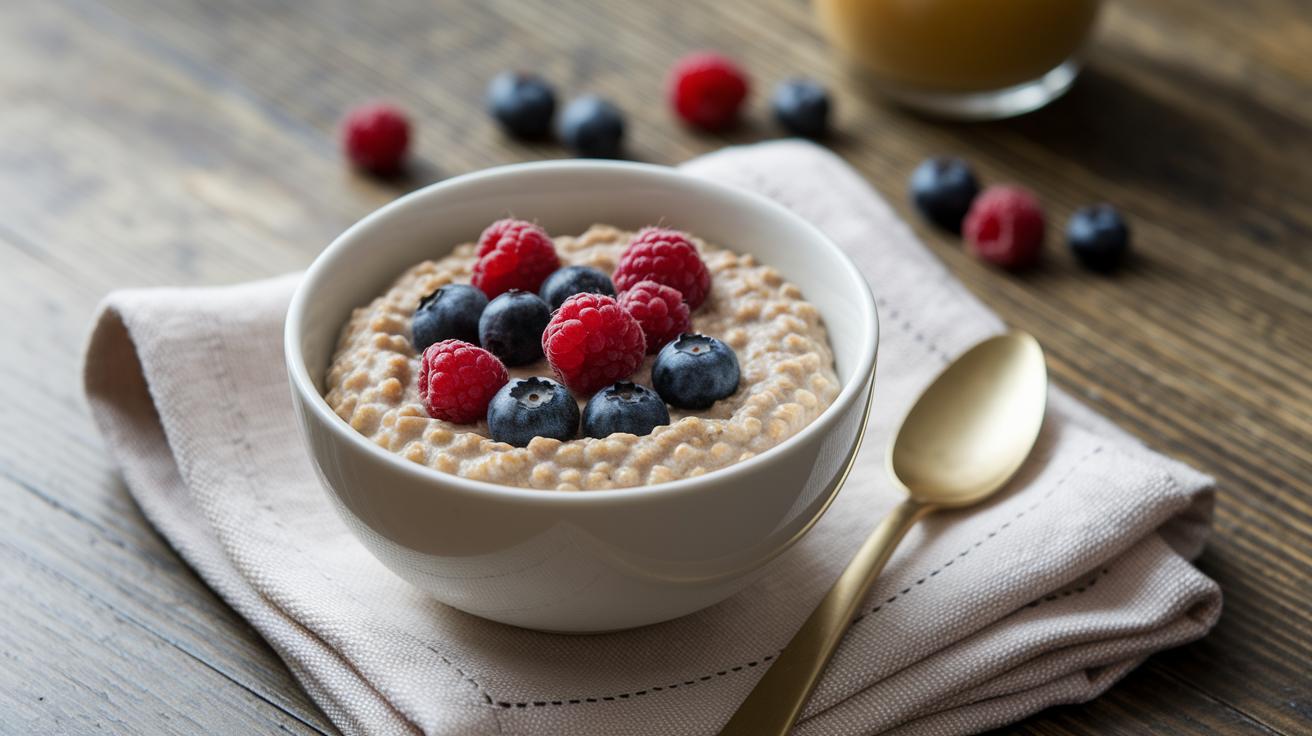
Around six months old is a great time to start introducing your baby to new tastes. You can begin with smooth purees that are rich in iron, like rice cereal or blended vegetables. These soft foods allow your baby to explore solids while still enjoying breast milk or formula.

Aim to offer about three small solid meals each day. If your little one seems curious, feel free to add one or two tiny snacks. Try to serve solids roughly two hours before or after a milk feed so your baby is hungry enough for the new textures. For instance, you might cheerfully say, "Let's give smooth rice cereal with mashed carrots a try!" This little adjustment helps ensure your baby is ready for the adventure of solid food.

Over the next two to four weeks, slowly broaden the variety of foods. Start with one grain at a time, and then gently introduce fruits, vegetables, and proteins. Keep a close eye on your baby’s reactions, watch for smiles or signs of discomfort, and adjust the textures and flavors accordingly. This careful process helps your baby grow and learn about all the wonderful tastes along the way.

Troubleshooting and Practical Tips for Your Infant Feeding Schedule

When your baby shows little signs like smacking their lips, turning their head, or bringing their hands to their mouth, it’s a gentle reminder that it's feeding time. One mom once mentioned that as soon as she saw her baby smacking his lips, she instantly knew he was ready for his bottle. These signals help you connect with your baby and feed them just when they need it.

In those early days, you might find yourself feeding your little one every 2 to 4 hours during the night. As your baby starts sleeping longer stretches over time, the line between day and night may blur, and feeding can become more naturally part of your routine. A good nursing pillow can make these longer feeding sessions a bit easier on your back, giving you a little extra comfort while caring for your baby.

During growth spurts, it’s common for babies to want extra feeds, what many call cluster feeding. During these times, feel free to offer your baby as many feeds as they need to support their growth. And if you’re checking in on things, seeing at least six wet diapers each day is a nice little assurance that your baby is getting enough to drink.

  • Keep an eye out for those small cues like lip-smacking or a hand reaching for the mouth.
  • Offer extra feeds during growth spurts to help your baby grow.
  • Use sleep–feed routines to help both of you settle into peaceful rest while keeping your baby nourished.

Final Words

In the action, we explored creating an infant feeding schedule that adapts as your baby grows. We broke down feeding routines from those early newborn sessions through the early months of milk feeds to the first steps into solids. We also shared practical tips to read hunger cues and coordinate sleep with feeding times. This guide offers clear, age-specific insights while keeping flexibility for growth spurts, making it easier to care for your little one in a nurturing way. Keep feeling good about each small step of motherhood!

FAQ

What does a normal feeding schedule for a newborn look like?

A normal newborn schedule means feeding 8–12 times in a 24-hour period, usually every 2–3 hours, which keeps your baby nourished and happy throughout the day.

What does a baby feeding schedule by age involve?

A feeding schedule by age shows that newborns need frequent feeds and, as they grow, the number of sessions may decrease. The plan adjusts with your baby’s hunger cues and overall growth.

How is an infant feeding schedule arranged week by week or month by month?

The schedule evolves quickly. In early weeks, feedings happen every 2–3 hours, while slight changes occur during growth spurts, with the pattern shifting a bit each week and month.

How much breastmilk or formula should a newborn eat according to a feeding chart?

Based on charts, newborns may take 1–3 oz per session during the first few weeks. As your baby grows, formula or breastmilk amounts depend on weight and hunger signals.

When can babies go up to 4 hours between feedings?

Initially, newborns feed every 2–3 hours. As sleep patterns consolidate and your baby matures, you might notice gaps of around 4 hours between feeds during longer sleep times.

How often do babies need to eat as they get older?

Babies start with frequent 8–12 feedings in early days. Over time, they begin eating less often, guided by their hunger cues and developmental needs, with feeds gradually spacing out.

Age Feeding Frequency Amount per Feeding
0–4 weeks Every 2–3 hours 8–12 feeds
2–3 weeks Every 2 hours Approximately 10 feeds
3–4 weeks (growth spurt) Every 1.5–2 hours On-demand feeds

Postpartum Recovery Strategies: Reclaim Your Strength

0

Have you ever wondered if taking care of yourself after having a baby might be as simple as following a gentle routine?

I know many moms feel overwhelmed during this time. A simple plan that includes staying well hydrated, eating good food, getting enough rest, finding ways to relax, moving gently, and taking care of your pelvic area can really help you get stronger.

Imagine treating each day as a new chance to heal a little more. This post offers down-to-earth tips to help you feel more in control of your recovery and a bit stronger with every step you take.

postpartum recovery strategies: Reclaim Your Strength

After giving birth, things might feel a bit overwhelming. In this special time, often called the "fourth trimester", it’s important to take gentle care of both your body and your feelings. A little routine goes a long way in helping your body heal and keeping your emotions balanced. With a thoughtful plan focused on postnatal wellness, every day can help you feel a bit stronger.

• Water: Drinking enough water is key. It helps keep your body cool, supports your immune system, and aids your muscles and brain in working together well.
• Healthy Eating: Enjoy a mix of proteins, fruits, and vegetables. This balanced diet fuels your healing, supports milk production, and keeps your energy steady.
• Rest: A good, deep sleep does wonders. It helps your muscles recover and speeds up overall healing, making it a must-have during recovery.
• Stress Relief: Taking time for simple breathing exercises or practicing mindfulness can help lower stress levels, easing your emotional burden.
• Gentle Movement: A little walk or some light stretches can boost your blood flow, lift your mood, and soothe post-birth aches.
• Pelvic Care: Gentle exercises like Kegels can help lessen discomfort in your pelvic area and ease issues like feeling heavy or minor leaks.

Sticking to these caring steps can create a strong foundation for your recovery. Remember, every mom’s healing journey is unique, so it’s okay to tweak your plan as needed. If you’re recovering from a tear, an episiotomy, or other birth-related injuries, it might take about six weeks to heal. Be sure to check in with your doctor regularly to guide your progress and adjust your plan along the way.

Postpartum Recovery Strategies: Nutrition Guidelines for Healing

img-1.jpg

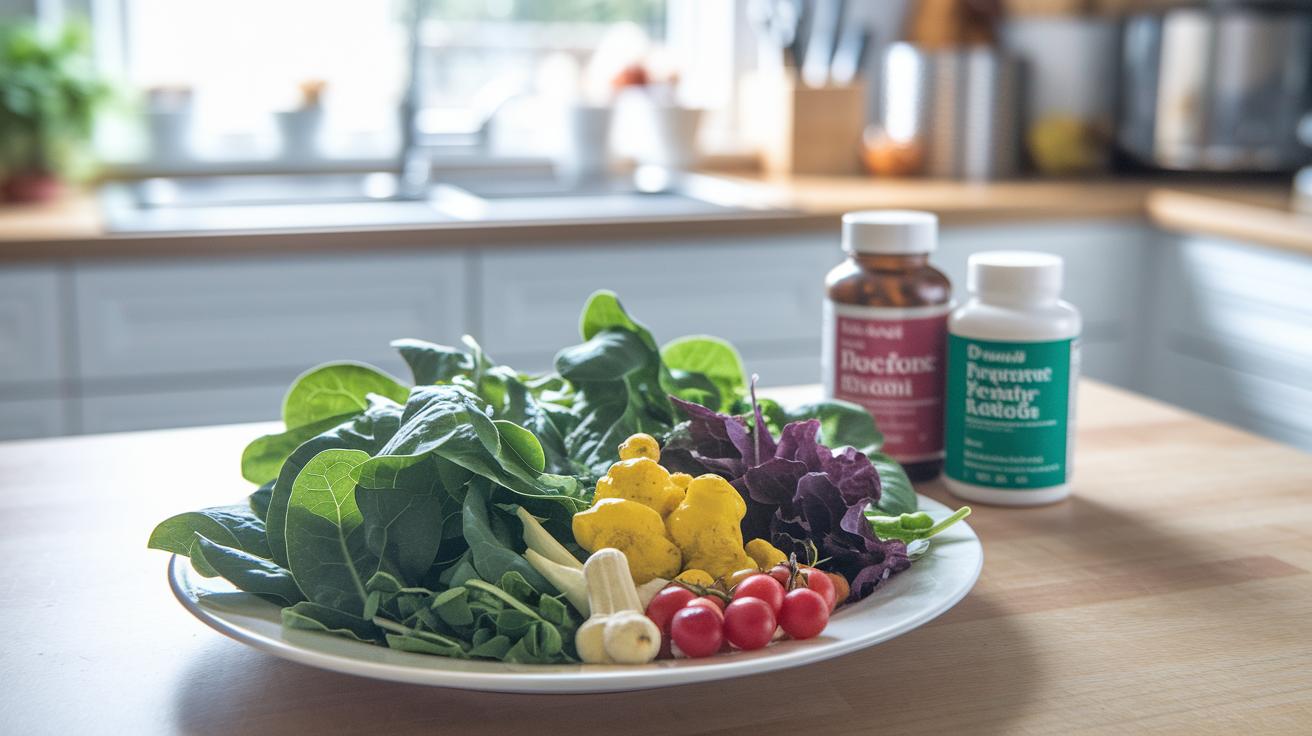
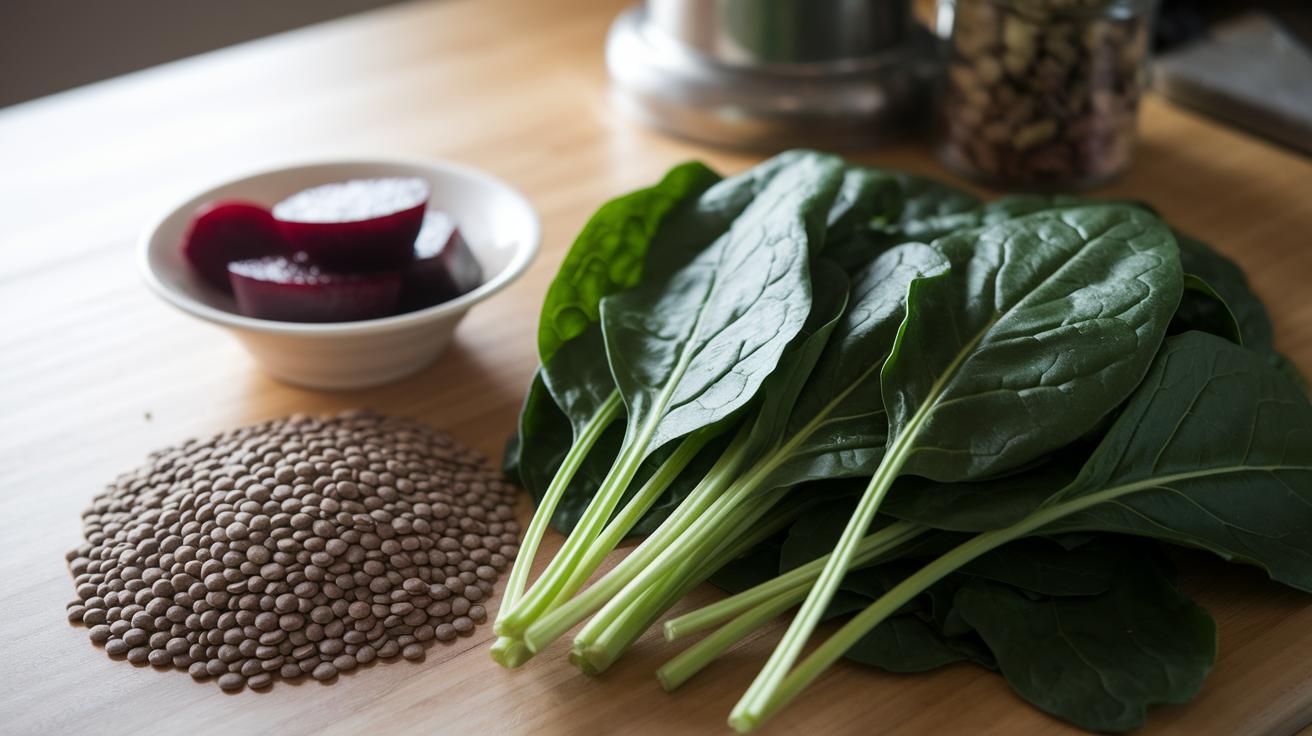
Getting the right foods in your body can really boost your healing after giving birth. Iron-rich foods like spinach and lean red meat help fight anemia that sometimes comes after childbirth. Protein and fresh fruits and vegetables support your body as it repairs tissues and helps with milk production. Adding omega-3 foods such as salmon and flaxseed can ease inflammation and keep your mood steady. Vitamin C and zinc from choices like citrus fruits and nuts can speed up wound healing. All these nutrients work together to help rebuild your strength and support your body’s natural defenses.

Staying well hydrated is also a big part of your recovery. Drinking enough water keeps your temperature regulated, boosts your immune system, aids digestion, and even sharpens your mind. You can mix hydrating foods with your meals for an extra boost. Imagine starting your day with a spinach and citrus smoothie with a spoonful of flaxseed. Then, for lunch, enjoy a protein-rich meal like salmon over a bed of leafy greens paired with a light, colorful salad. And later, a small snack of nuts alongside a glass of water can keep your energy steady while you heal.

Safe Postpartum Recovery Strategies: Exercise Guide to Rebuild Strength

Before you jump into any workouts, have a quick chat with your doctor to make sure you're all set. Once you get the go-ahead, ease back into exercise slowly. Take your time with each step, and really listen to what your body is telling you.

Exercise Start Time Frequency Benefit
Pelvic floor exercises (Kegels) Weeks 1–2 Daily Enhances pelvic tone
10-minute walking Weeks 1–2 Daily Boosts circulation and lifts mood
Light cardio (stationary bike) Weeks 3–4 3–4 times/week Improves heart health
Gentle stretching Weeks 3–4 Daily Improves flexibility
Core stabilization (modified planks, pelvic tilts) Weeks 5–6 3–4 times/week Helps prevent diastasis recti and rebuilds strength

Keep an eye on how you're feeling after each session, if something feels too tough, it's okay to take it easier. Remember, recovery is a gradual journey, and those little steps you take now can make a big difference later.

Self-Care Routines and Stress-Reduction Techniques in Postpartum Recovery

img-2.jpg

Taking care of your feelings after having a baby is just as important as healing your body. Many new moms and dads feel mood swings, worry, or tiredness during this time. Even a few minutes of gentle self-care can really lift your spirit.

Try a short daily session of mindfulness or guided meditation for about 5 to 10 minutes. This can help clear your mind and bring a sense of calm. Slow, deep breathing exercises, where you take deep breaths to relax, can help lower the stress you feel. A quick nap, even if it’s just a short one, can help you feel less tired. Also, writing in a journal is a simple way to sort through your thoughts and see how you’re improving. Some moms find that following the 5-5-5 rule (5 days bed rest; 5 days of light movement; 5 days of gentle activity at home) gives their recovery a gentle, steady pace.

Mix these little routines into your day and see how they help steadier, happier moods. Try different methods and choose what feels right for you. Remember, just a few moments of calm can brighten your day and boost your recovery.

Pelvic Floor and Wound Care Strategies for Postpartum Recovery

Your care after having your baby depends on the way you delivered. If you had a vaginal birth, taking care of the area between your vagina and your anus (the perineum) can help you heal, especially if you had a cut or tear. Gentle care can ease swelling and get your blood flowing so your body can repair itself.

If you had a c-section, looking after your incision is very important. By keeping the wound clean and using soft, careful techniques, you can lessen discomfort and help your body mend naturally.

Caring for Perineal Tears and Episiotomies

  • Sitz baths: Enjoy a warm sitz bath for about 10–15 minutes, twice each day to soothe the area.
  • Ice packs: Gently apply an ice pack to the perineal area to ease swelling.
  • Gentle perineal massage: With your doctor’s approval, a soft, careful massage can boost blood flow and speed healing.

Managing C-Section Incisions

  • Keep the incision clean and dry, and change your dressings as your doctor directs.
  • Wear supportive, soft abdominal garments to add comfort and ease strain on your scar.
  • Take short, gentle walks to help prevent stiffness and encourage circulation.

Adding simple pelvic floor exercises like Kegels (tightening and releasing the muscles near your bladder) can really help you regain strength. Watch out for changes like redness, an unusual odor, or unexpected discharge. If you notice any of these signs, it might be time to check in with your doctor so that both wound care and pelvic care work together to support your full recovery.

Emotional Support Networks in Postpartum Recovery Strategies

img-3.jpg

After giving birth, many moms feel a mix of joy and a bit of emotional strain. It’s completely normal to have mood swings, feel anxious, or even experience a touch of depression when your body and mind are learning a new rhythm.

One comforting step is to join a caring community. You might try a breastfeeding peer-support group where members share tips on fixing latch issues or easing engorgement. Local parenting groups can also be a friendly space to swap real-life advice and stories. And don’t forget, leaning on your partner or family for help with everyday tasks or baby care can lighten your load. Sometimes, just chatting with someone who really gets it makes all the difference.

Connecting with others not only eases emotional burdens but also builds a warm sense of belonging. Even scheduling a maternal mental health checkup or meeting with a counselor adds a layer of care during this delicate time. All these small acts remind you that you’re not alone, helping you slowly rebuild your strength as you heal.

Postpartum Recovery Strategies: Timeline and Milestones Tracking

Keeping track of your healing journey with simple milestones shows you how far you've come and helps you tweak your plan as you build strength. This gentle guide can ease you back into daily routines while honoring your need for healing.

In the first few days after birth, it’s important to rest well and keep an eye on any wounds. By following easy guidelines like the 5-5-5 rule (a way to balance rest and care), your body gets a good start on healing. Then, around week two, you might notice that the swelling and pain begin to ease, a small but encouraging sign.

By around six weeks, a visit to your doctor can check on your core strength and pelvic health. This check-up sets the stage for starting gentle strength exercises, usually around the three-month mark, and gives you a chance to talk about concerns like diastasis recti.

At six months, many moms find that their pelvic floor feels much better, giving them the confidence to start planning a gradual return to work. It's a relaxed process that lets you move at your own pace.

Taking a few minutes each day to jot down your pain levels, how well you’re sleeping, and how much activity feels okay can really help. Over time, these little notes offer a clear picture of your progress and guide you in making your recovery as smooth as possible.

Final Words

In the action of self-care, this guide shared practical steps for healing. It covered a simple mix of hydration, balanced nutrition, gentle exercise, and stress-relief tips, helping build a soothing routine for the postpartum phase.

Following these postpartum recovery strategies can turn everyday habits into a foundation for strength and well-being. Every small, caring step makes a difference in embracing the beauty of healing and growth.

FAQ

What things should be avoided after giving birth?

Avoid heavy lifting, returning to strenuous exercise too soon, and neglecting wound care. These precautions help protect your recovery and allow your body the time it needs to heal fully.

How do I care for and tighten my vagina after giving birth?

Caring for your vagina involves gentle cleansing and using warm water, while tightening can be supported by pelvic floor exercises like Kegels. Always follow your provider’s advice for personalized care.

What does a postpartum self-care routine include?

A postpartum self-care routine includes rest, hydration, nourishing meals, gentle movement, stress management, and proper wound care. These steps help you feel supported and promote a smoother recovery.

How long does it take for your body to return to normal after birth?

Many mothers experience noticeable improvements by six weeks postpartum, though full recovery timelines vary depending on individual healing and your doctor’s guidance.

What self-care products can support postpartum recovery?

Products like comfortable maternity wear, soothing perineal sprays, ice packs, and supportive pads can promote comfort and ease recovery during the postpartum period.

What helps speed up recovery after giving birth?

Speedier recovery is often aided by staying well-hydrated, maintaining a balanced diet, getting enough sleep, engaging in gentle exercise, and managing stress—a combination that supports overall healing.

What is the 5 5 5 rule for postpartum recovery?

The 5 5 5 rule outlines a plan of 5 days of bed rest, 5 days of limited movement, and 5 days of gradually reintroducing gentle activities, which helps ease your body back into regular routines.

What do the 4 T’s and 5 S’s of postpartum refer to?

The 4 T’s often highlight key areas like tear care, tenderness, temperature, and time, while the 5 S’s serve as reminders for support, sleep, sustenance, self-kindness, and safe practices—all designed to guide your recovery.

Balancing Hormonal Changes With Maternal Wellness Practices!

0

Have you ever wondered if your body is quietly changing its own plan after your baby arrives? Hormones can go up and down, and moods might surprise you every day. Many moms go through these shifts, sometimes feeling a bit blue or suddenly overwhelmed by emotions.

In this post, let’s chat about some simple ways to help your body settle into its new rhythm. By focusing on eating well, taking a few moments to relax, moving gently, and getting enough sleep, you can ease into your new role as a mom. Have you noticed how even small changes can make a big difference?

Holistic Maternal Wellness Practices to Balance Hormonal Shifts

When you give birth, your body goes through big changes. During pregnancy, hormones like estrogen and progesterone help your skin and bones. After delivery, these hormones drop, which might lead to baby blues or even postpartum depression. At the same time, breastfeeding releases prolactin (a hormone that helps with milk production) and oxytocin (which helps your uterus get back in shape and strengthens the bond with your baby). These shifts are key to your physical recovery and feeling emotionally okay during the early days of motherhood.

A balanced routine built on five simple wellness steps can help smooth out these changes. First, good nutrition gives your body the ingredients it needs to make hormones, with a mix of proteins, healthy fats, and complex carbohydrates. Second, managing stress through techniques like mindfulness and deep breathing helps lower stress hormones and calm your body. Third, gentle exercises like a short walk or light stretching improve blood flow and keep your body feeling good. Fourth, having a sound sleep routine with a regular bedtime and a little morning sunlight supports your body’s natural rhythm. And finally, talking with a health professional can give you personalized care and peace of mind at this vulnerable time.

Up next, we’ll look closer at each of these steps with easy tips and practical ideas. You’ll find advice on meal planning, simple stress relief tips, safe exercise after birth, smart sleep routines, and ways to connect with health experts. Each bit of guidance is here to help you create a nurturing plan that supports your body’s natural balance and gives you comfort and strength as you settle into this new chapter of motherhood.

Nutritional Guidance for Supporting Maternal Hormone Balance

img-1.jpg

Eating a mix of proteins, healthy fats, complex carbohydrates, fiber, and iron-rich foods is important for keeping your hormones in balance. When you choose these foods, you're giving your body the energy it needs to make and manage hormones like estrogen and progesterone. Whether you’re expecting or recovering after birth, a steady supply of these nutrients can help keep your body feeling calm and steady.

  • Pumpkin seeds: They give you magnesium and healthy fats that help support your hormones.
  • Beans: These offer plant protein and fiber to help keep your blood sugar steady.
  • Broccoli: Full of key vitamins and antioxidants, broccoli helps your body rid itself of toxins.
  • Kale: This leafy green adds vitamins and minerals to help keep your hormones on track.
  • Bananas: They provide natural sugars and potassium for a steady burst of energy.
  • Seafood: Packed with omega-3 fatty acids, seafood can help ease inflammation.
  • Avocados: These are loaded with good fats that improve how your body absorbs nutrients.

Try to mix these foods into every meal. Planning your meals and snacks can help keep your energy and hormone levels steady all day long. You might even find it helpful to prep parts of your meals ahead of time and stick to a regular eating schedule. By following this simple plan, you can support balanced hormone production and feel more energetic and emotionally steady as you move through this special phase.

Stress Reduction Techniques for Maternal Hormonal Equilibrium

When you're stressed, your body releases a hormone called cortisol (it’s made by your adrenal glands). High levels of cortisol can throw off your other hormones, leaving you feeling anxious or unsettled. Daily stress can make these levels go up, which might affect your mood, sleep, and energy, essentials for feeling balanced in your busy mom life.

Try simple ways to help calm your day. A gentle yoga session for 15-20 minutes three to five times a week can really ease the tension away. And spending about 10 minutes each day in meditation lets your mind unwind and helps keep your mood steady. Ever notice how a quiet moment can change your whole day?

Light therapy is another easy trick. Spending time in the soft morning sunlight and dimming the lights in the evening helps to set your natural body clock. By adding these small practices to your daily routine, you can soothe your body and gradually bring your hormones back into balance. It's all about carving out a little time just for you to feel inner peace and stability.

Safe Fitness and Movement Practices for Hormone Regulation

img-2.jpg

Moving your body gently can make a big difference. It helps your blood flow and wakes up the muscles that naturally guide your hormone balance. Plus, when you get moving, your body releases those feel-good hormones that help ease stress and support healing during pregnancy and after your baby arrives.

Exercise Guidelines During Pregnancy

During pregnancy, safe and mindful movement is key. Try these simple activities:

  • Walking: Aim for 3-5 walks each week, each lasting about 20-30 minutes.
  • Swimming: Enjoy the water’s buoyancy to ease joint stress while staying active.
  • Prenatal yoga: This can boost your balance, flexibility, and help keep your mind calm.

Postpartum Movement Tips

After delivery, start with light movements like a short walk or gentle stretching. Focusing on pelvic floor exercises is a great way to rebuild strength, especially if you had a C-section. Gradually try low-impact activities, like a slow walk, to build your endurance while caring for your healing body. For example, you might take a five-minute break after a feeding session to do some pelvic floor drills.

Always listen to your body when starting new routines. And don’t forget to check in with your healthcare provider before beginning any exercise plan. This careful approach not only helps your physical recovery but also supports balanced hormones during this special time.

Herbal and Adaptogenic Support for Hormonal Balance

Herbs can help keep your hormones balanced by working gently with your adrenal and sex-hormone pathways. Adaptogens like Ashwagandha, Rhodiola, Schisandra, and Maca are known to help you manage stress and keep cortisol levels steady. Natural botanicals, such as chaste tree berry (Vitex) and fennel, can also help smooth out your menstrual cycle and support progesterone balance. Plus, adding friendly bacteria like Bifidobacterium and Lactobacillus may boost the gut-brain connection, which plays a big role in overall hormone signals.

Supplement Details
Ashwagandha Helps with stress resilience. A common dose is 300-500mg each day.
Rhodiola Boosts mental clarity and eases fatigue, usually taken at 200-400mg daily.
Schisandra Helps keep your energy up, around a 500mg dose is typical.
Maca Aims to balance hormones, often used as 1-3g of powder daily.
Chaste tree berry Supports menstrual health, with a usual dose of 20-40mg each day.
Fennel May ease mild hormonal discomfort; best enjoyed as a tea or added to food.

Always remember to chat with your healthcare provider before adding any new supplements, especially if you're breastfeeding.

Professional Lab Testing and Assessments for Postpartum Hormone Monitoring

img-3.jpg

After having a baby, it’s common to feel like your body needs a bit of extra help to get back in balance. Special lab tests can go beyond a regular check-up to measure your hormone levels and nutrients, which might explain why your period hasn’t returned or why breastfeeding is a bit challenging. For instance, DUTCH Complete checks sex hormones and adrenal byproducts, which could show why you might be feeling extra tired or experiencing mood swings. And if you’re breastfeeding, a Sex Hormone Blood Test can help spot issues with milk production.

These tests are like little detectives that dig deeper into what’s happening in your body. They give you and your doctor a clearer picture so you can work together on a recovery plan that fits your unique needs as a new mom.

Test What It Measures Why It Matters
DUTCH Complete Sex hormones and adrenal metabolites Finds hormonal shifts that may continue after three months postpartum
Sex Hormone Blood Test Direct sex hormone levels Helps spot issues with milk production and hormone balance
Thyroid Panel TSH, T4, T3 levels Checks if thyroid problems are causing fatigue and mood changes
Salivary Cortisol X 4 Daily cortisol pattern Monitors stress hormone rhythm for adrenal health
Micronutrient Panel Vitamin D, magnesium, zinc, fatty acids, B6, iron Finds if you’re low on key nutrients for hormone balance

Taking a close look at your lab results with a trusted healthcare provider can help show if everything is on track or if you need a little extra care. Chat about your results and adjust your recovery plan together. With these personal insights, you can feel more confident and supported as you navigate your postpartum journey.

Creating Sustainable Self-Care Routines for Long-Term Hormonal Health

When we combine gentle stress relief with a steady sleep routine, our bodies can keep hormones balanced over time. Think about starting your day with natural morning light and winding down in the evening with soft, dimmed lights. A regular sleep schedule can feel like a warm hug for your system, like setting a bedtime at 10 p.m., turning down the lights, and enjoying a soothing cup of herbal tea to signal that it’s time to rest.

Building these habits isn’t just about feeling relaxed right away; it’s also about noticing small shifts over weeks. Maybe keep a simple journal to write down how your mood, energy, sleep, and even your skin feels as the days go by. Over time, these little notes can show you changes that might otherwise slip by unnoticed.

It can also help to share how you’re feeling with a friend or counselor. These check-ins aren’t just for relieving daily stress, they’re a way to feel supported and steady in the long run. Have you ever noticed how a regular chat with someone who cares can really brighten your day?

Final Words

In the action, we explored how your body shifts and how simple self-care steps can help. We looked at balancing hormones through smart nutrition, soothing stress, gentle movement, and natural supports while also discussing the role of tests and steady routines. Each part works together to support your well-being and make balancing hormonal changes with maternal wellness practices feel more manageable. Every small step builds a healthier future for you and your baby, keep moving forward with hope and care.

FAQ

What are the signs of hormone imbalance after pregnancy?

Signs of hormone imbalance after pregnancy include mood swings, fatigue, irregular periods, weight changes, and disturbed sleep. These indicators show your body is adjusting to post-birth hormonal shifts.

What do postpartum hormone balance supplements do?

Postpartum hormone balance supplements support your body by providing key vitamins, minerals, and natural herbs that assist adrenal and reproductive health. It’s wise to check with your healthcare provider before use.

How does balancing hormones postpartum help with weight loss?

Balancing hormones postpartum helps with weight loss by addressing nutrition, stress management, gentle exercise, and proper sleep. This integrated approach supports a steady metabolism and a healthier body weight.

What does hormone imbalance look like one year after childbirth?

Hormone imbalance one year after childbirth may manifest as persistent fatigue, mood changes, and irregular cycles. These symptoms indicate your body might still be adapting and could benefit from professional advice.

What is included in nutrition and hormones PDF guides?

Nutrition and hormones PDF guides offer clear tips on using balanced meals with proteins, healthy fats, and fiber-rich foods to support hormone stability, outlining practical steps for everyday meal choices.

What are some natural ways to balance hormones after pregnancy?

Natural ways to balance hormones after pregnancy include eating nutrient-dense foods, practicing stress-relief techniques, engaging in gentle exercise, keeping consistent sleep routines, and seeking clinical guidance when necessary.

What does a hormone balancing diet plan PDF provide?

A hormone balancing diet plan PDF details specific foods that support hormonal stability, emphasizing nutrient variety and timing of meals to maintain steady blood sugar and hormone levels.

What changes in hormones may occur two years after pregnancy?

Two years after pregnancy, hormones may continue to fluctuate due to lifestyle and stress factors. Keeping up with a balanced routine and regular check-ups supports long-term hormonal wellbeing.

How can hormonal imbalances be balanced during pregnancy?

Balancing hormonal imbalances during pregnancy focuses on nutritious eating, light physical activities like prenatal yoga, stress reduction techniques, and proper rest to support both your health and the baby’s well-being.

What role can an OB-GYN play in managing hormonal imbalance?

An OB-GYN can assess symptoms, conduct lab tests, and recommend safe supplements or medicines while advising on lifestyle adjustments to help manage and improve hormonal imbalances.

How can I rebalance my hormones after pregnancy?

Rebalancing hormones after pregnancy involves integrating nutrient-rich foods, stress reduction practices, regular sleep, and gentle exercise, along with personalized advice from a healthcare professional if needed.

How does one regulate hormonal balance overall?

Regulating hormonal balance means maintaining a healthy diet, engaging in regular moderate exercise, managing stress, following good sleep habits, and consulting your healthcare provider to address any persistent concerns.

Childhood Growth And Development: A Bright Future

0

Have you ever noticed how tiny, uncertain steps and early words can hint at a bright future? Growing up isn’t just about big milestones, it’s about who we become along the way. Every smile and new discovery shows the simple joy of childhood.

In this piece, we take a gentle look at how each stage from infancy to early childhood lays the groundwork for learning, bonding, and growing. Let’s explore the little magic hidden in every moment of growing up.

Key Milestones in Child Growth and Development

Kids grow in many ways, physically, mentally, in how they interact, and in their feelings. From when they’re born until they become teenagers, every stage brings its own little surprises and achievements. For example, did you know that by just two months, many babies start to smile back at your kind face? It’s one of the early hints that their social world is beginning to blossom.

In those early days, small steps like saying their first word around the first birthday or taking their first wobbly steps (usually between 8 to 18 months) are truly exciting. As they move into the preschool years, children start making friends and can follow simple, multi-step directions, which shows how much they're growing both physically and mentally.

For more detailed information on these steps of growth, you can check out this helpful guide on stages of childhood development. Many pediatric experts suggest using tools like the CDC milestone checklists to keep an eye on these wonderful progress points. Routine checkups at around 9, 18, and 30 months (with some extra autism screenings at 18 and 24 months) can help parents notice any areas that might need a little extra care. Remember, every child is unique and will reach each milestone at their own pace.

Age Range Physical Milestones Cognitive Milestones Social/Emotional Milestones
Birth–12 months Smiling by 2 months, rolling, crawling, and beginning to stand Cooing, babbling, and saying first words around 12 months Bonding with caregivers and starting to show feelings
1–3 years Walking, running, and better control over big movements Growing vocabulary and solving simple problems Playing alongside others, exploring independence, and making early pals
3–5 years Improved coordination, practicing fine skills like drawing and self-feeding Enjoying imaginative play and following more detailed directions Playing cooperatively, sharing, and understanding how to express feelings
6–12 years Fine-tuning motor skills, gaining strength, and endurance Sharpening critical thinking and picking up school skills Building complex friendships, better self-control, and working in teams

Watching these milestones unfold is a wonderful way for families to celebrate everyday wins. With some thoughtful checkups and a bit of extra help when needed, parents can support their little ones as they build the strong, bright future that every child deserves.

Physical Development Phases in Early Life

img-1.jpg

From the very start, you notice little changes in how your baby moves. In just a few months, your little one begins showing signs of strength and control. By four months, many babies start to roll over, and by six to eight months, they can sit all by themselves. These early steps prepare them for more active play and new discoveries. Even a gentle grasp, which begins as a simple reflex, slowly turns into a purposeful action. It’s like watching a tiny explorer take in the world for the very first time.

  • roll over
  • sit
  • crawl
  • walk
  • run

These five moments mark the big steps in a child’s growing motor skills. Each new ability builds on the one before, creating a clear timeline of growth. For example, when a baby begins using a pincer grasp (using their fingers to pick up something) around nine to twelve months, it shows a move from basic reflexes to more careful, guided actions. This progress not only helps with playing and eating, but it also builds confidence and independence.

Regular doctor visits keep track of your baby’s journey by checking their height, weight, and head size against standard growth charts. Celebrating these milestones, even the small ones, is a delightful reminder that every child grows in their own special way. Watching these changes unfold is both heartwarming and a helpful guide as you nurture your little one’s bright future.

Cognitive Benchmark Achievements in Childhood Growth

When little ones first start making sounds, like soft coos and gentle babbling, they're doing more than just communicating. These early noises are like little sparks that help their brains form new connections. When a parent or caregiver chats about daily routines, it’s not just words; it’s a way for the child to link familiar experiences with language, nurturing their growing mind.

As children get older, their thinking skills stretch out even more. They begin solving problems, remembering things better, and even planning what comes next. Imagine a toddler firmly matching shapes in a puzzle, with eyes lighting up in that special moment of discovery. Seeing them work through challenges, trying out different ways until they succeed, reminds us how important warm and caring interactions are. Each gentle moment of guidance plays a part in their amazing journey of growth.

Childhood Growth and Development: A Bright Future

img-2.jpg

From the very first smile, a baby begins building important social skills. Even a little grin starts a journey toward talking and sharing ideas later on. As they grow, these early moments turn into playful interactions during preschool and beyond. By about six months, many babies can soothe themselves when upset. And come age four or five, they start naming their feelings and trying out simple ways to calm down. When a toddler shyly offers a toy to a friend, it’s a gentle sign that they are learning to share and wait their turn. These small steps in managing emotions help them feel safe and understood.

Everyday moments can be great chances to help children learn how to handle their feelings. Imagine your little one using words instead of tears to show they’re frustrated. That’s a sign of progress! By guiding them gently and talking about their feelings, you help turn simple moments into lessons about understanding emotions. A quick chat about how they feel or a cozy moment of reassurance can make a big difference. These caring interactions build a strong base for understanding emotions, setting the stage for a happy and balanced future.

Nutritional Impact on Childhood Growth and Development

Good nutrition is key to healthy childhood growth. A mix of protein, iron, calcium, and vitamins A, C, and D builds strong bones, helps the brain grow, and keeps the immune system strong. In the earliest months, breastmilk or formula gives babies the essential ingredients they need to start growing. By six months, when you add solid foods, offering a variety of nutrient-rich options helps set the stage for healthy growth and learning. A balanced diet also supports motor skills and language development, while not eating well can slow these important milestones. You can even use simple charts like weight-for-age and height-for-age to keep track of your child’s progress and make any necessary changes.

Parents can easily start healthy eating habits with small, simple steps. Try mixing in mashed fruits or colorful vegetables to make mealtime fun and tasty. Imagine your little one carefully holding a spoon while enjoying a warm bowl of porridge, every bite builds not just nutrition, but also skill and happy memories. By choosing a range of foods and keeping meals interactive, you help nurture both physical growth and a lifelong love of healthy eating.

Monitoring Growth: Assessment Methods and Tools

img-3.jpg

Doctors keep an eye on your child's growth with special tools like CDC and WHO growth charts. They check things like height, weight, and head size during your well-child visits at 9, 18, and 30 months. Sometimes, if there are concerns, they may also do an autism screening at 18 and 24 months. This helps them see if your child is growing as expected and notice any changes early on.

At home, you can watch your little one hit key milestones every day. We’ve talked before about using milestone checklists and visual tools, like the childhood development stages chart (https://womensconference.org?p=11071). These observations work best when paired with professional checkups. If anything seems off, it might be a good idea to have a chat with your pediatrician.

Early Intervention Strategies for Childhood Growth and Development

Sometimes, when a child isn’t meeting the typical milestones, it might be a signal to get a little extra help. If you notice that your toddler is taking longer than usual to say their first words or move around confidently, it could be time to talk with a pediatric specialist or a developmental expert.

For example, speech therapy can help boost language skills, while occupational therapy supports movement and coordination. Even simple behavioral support can guide your little one through big feelings and build social skills. Research tells us that when you step in early, it sets the stage for smoother progress later on.

At home, you can play a big part too. Simple routines like set playtimes, easy-to-follow visual schedules, or even interactive reading sessions can turn everyday moments into fun learning opportunities. Imagine your toddler excitedly pointing out pictures in their favorite book – every page they turn builds a little more confidence and skill.

Combining these at-home strategies with expert guidance creates a balanced and caring approach that can help your child catch up and thrive in the long run.

Final Words

In the action moments explored above, our guide walked through key milestones in child growth and development, from physical coordination and fine motor skills to early language, social, and emotional growth. We shared insights on proper nutrition, reliable assessment tools, and early intervention strategies to help support and nurture every growing child.

This practical overview gives you a clear snapshot of what to expect and how to support healthy childhood growth and development. Enjoy celebrating every step forward!

FAQ

Q: What are the 5 stages of child growth and development?

A: The five stages represent shifts in physical, cognitive, social, emotional, and language skills from infancy through adolescence, marking the milestones that guide each phase of growth.

Q: What are the four main types of growth and development?

A: The four main types include physical, cognitive, social, and emotional development, with each area showing age-specific progress and skills that build on one another.

Q: What are examples of child development progress?

A: Child development progress is seen when a baby starts to smile, sits unsupported, speaks first words, and engages in cooperative play, reflecting gains across physical, language, and social-emotional areas.

Q: What are the 5 characteristics of growth and development?

A: The five characteristics often highlighted include a sequential process, continuous change, hierarchical building of skills, individual variability, and the integration of multiple developmental areas.

Q: What is a developmental milestones chart?

A: A developmental milestones chart is a visual guide that outlines expected physical, cognitive, and emotional skills at different ages, helping parents track progress and identify any concerns early.

Q: What are the 7 stages of child development?

A: The seven stages typically cover infancy, toddlerhood, preschool, early school-age, middle childhood, preadolescence, and adolescence, with each stage marking important changes in a child’s overall growth.

Nutritional Milestones For Infants: Thriving Growth

0

Have you ever thought about how your baby's first tastes might help shape their growth? As your little one moves from only drinking milk to trying soft foods, every meal becomes a special step in their development.

In the first months, milk feeds them and gives them the right start. Then, a nibble of a smooth veggie puree sparks curiosity and a little bit of independence. It’s like a small journey from familiar to new.

This article will share some important steps in your baby’s eating adventure. We will talk about how feeding routines start and how babies learn to feed themselves, all while growing happy and strong.

Let's look together at how each meal brings new flavors, textures, and little wins along the way.

Foundational Nutritional Milestones in Infant Development

In those early 0–3 months, your baby gets all the nourishment they need from breast-milk or formula, right when they ask for it. It’s a time of fast growth that lays down the basics for a healthy future.

By about 6 months, you might start to see signs your little one is ready to try something new. They may sit up nicely, keep their head steady, and even seem less likely to push food away with their tongue. If you notice your baby eagerly watching you enjoy a meal, it could be a perfect moment to introduce a tiny taste of pureed veggies or iron-fortified cereal.

Between 6 and 9 months, many parents find that offering a sippy cup works well. This fun little change helps your baby begin drinking on their own, making the transition from the bottle a smooth, playful adventure.

From 8 to 12 months, your baby’s growing skills allow them to pick up soft finger foods using a pincer grasp. Then, around 10 to 12 months, joining in on small family meals becomes a delightful way to experience different textures and flavors together.

Age Range Key Nutritional Milestone
0–3 months Exclusive breast-milk or formula feeding
~6 months Introduction of first solids
6–9 months Sippy-cup practice
8–12 months Pincer grasp for self-feeding soft finger foods
10–12 months Transition toward family meals

Breast Milk and Formula Feeding Milestones for Infants

img-1.jpg

When your baby is born, they depend entirely on breast milk or formula for nourishment until around 6 months old. In those first few months, you may find yourself feeding your little one 8–12 times a day. As they grow, the routine naturally shifts to about 4–5 feeds a day by the time they reach 6 months.

Breast milk brings a comforting mix of natural antibodies and special nutrients that help strengthen your baby's developing immune system. It’s like a gentle shield that supports them against common illnesses. If you’re using formula, it’s been carefully designed to offer a similar blend of benefits, so your baby gets what they need.

Regular visits with your child’s healthcare provider are also a gentle reminder that you're not alone on this journey. These check-ins allow you to track your baby’s growth, like weight and head size, and ensure that feeding routines grow along with your little one.

Did you know? Many babies experience a steady decrease in feeding frequency as they start enjoying other foods, a sign of their rapid growth and changing needs.

Introducing First Solid Foods: A Key Nutritional Milestone

When your baby is around 6 months old, you may begin to see little signs that they are ready for solids. They might sit up with a bit more help and watch family meals with curious eyes. It’s a gentle reminder that it might be time to start introducing solid foods along with their milk feeds. A good first step is to try iron-fortified cereal or pureed vegetables. Picture this: your baby takes their first spoonful of smooth, pureed carrot and discovers a new flavor.

Introduce one new food every 3 to 5 days so you can watch for any reactions. This step-by-step method makes it easier for you to see how your baby handles each new taste and texture. As you become more comfortable, you can serve small meals that include three tiny solid servings each day. This not only expands their taste experience but also slowly eases them away from relying solely on milk.

Keep the feeding time relaxed and enjoyable. Think of each new flavor as a little celebration, like when you first see a smile after your baby tastes mashed banana. These joyful moments are both exciting and reassuring. Look for hints such as your baby leaning forward or sticking out their tongue; these signals mean they are ready to explore another new taste. Stay with your plan, and soon your baby will be happily mixing nourishing milk with delightful solid foods.

Micronutrient Milestones: Iron, Vitamin D, and Other Key Nutrients for Infants

img-2.jpg

Between 6 and 12 months, it’s really important to make sure your little one gets all the key nutrients to support their growing body. A daily intake of about 11 mg of iron helps prevent any shortages and keeps their energy up while building healthy blood. For instance, you could try mixing in some iron-rich purees made from meat or legumes and watch their face light up as they discover new tastes.

Vitamin D is also super important, especially for strong bones. Experts suggest about 400 IU of vitamin D every day from birth. Think of it as a helper that works hand in hand with calcium. And speaking of calcium, getting around 200 mg daily through foods like pureed yogurt or fortified cereals builds a great base for healthy bone growth.

Your baby can also benefit from zinc and omega-3 fatty acids, which help with brain and immune system development. You might introduce these nutrients with small servings of pureed meats or legumes. Keeping track of these little milestones can give you peace of mind, knowing you’re making loving, healthy choices for your growing child.

Texture and Feeding Transitions as Nutritional Milestones

Between 6 and 8 months, you might notice that smooth purees just don’t cut it for your little one's curious taste buds. It’s a happy time to try out thicker textures. Think of it like making your favorite soup even better by stirring in a few soft chunks. For example, start with pureed carrots and gradually add in tiny mashed pieces as your baby’s skills grow. Imagine your baby’s smile when they first get to squeeze mashed banana from their own hand!

From 8 to 10 months, the focus shifts a bit. This is when you can introduce mashed foods and small, soft pieces that help your child practice chewing. This little change lets your baby explore new textures and get more comfortable with eating. You might serve slightly mashed peas or soft avocado pieces, always checking that the pieces are just the right size and softness for safety.

By 9 to 12 months, as baby-led weaning becomes more common, your little one is starting to pick up small bite-sized foods on their own. Now’s the time to cut all foods into safe pieces for self-feeding. Little cubes of pear or gently steamed broccoli are great choices. These options help promote independence while making sure mealtime stays safe and fun.

Age Range Texture Transition
6–8 months Gradually thicker textures
8–10 months Introduce mashed foods for chewing
9–12 months Provide bite-sized pieces for self-feeding

Monitoring Growth and Nutritional Milestone Progress in Infants

img-3.jpg

Keeping an eye on your baby’s growth is a way to catch important changes as they happen. Many parents use WHO growth charts to track weight, length, and head size each month. It’s a lot like watching a garden grow, each new bud is a reminder that progress comes in small, steady steps. Picture noting your baby’s weight every month as a little milestone celebration.

It also helps to jot down what your baby eats, how often they feed, and any new foods you introduce. A simple list can make this easier:

  • Milk feeds (breast milk or formula)
  • Starting solids
  • Changes in how often they feed

As your baby begins eating more solids, you might see that there are fewer feedings, but each one is a bit more filling. Keep an eye on these changes and compare them with normal growth marks. And if you ever notice your baby’s growth dipping below the 5th percentile or any big shifts in their feeding patterns, chatting with your healthcare provider is a good next step.

Final Words

In the action of keeping pace with every step of baby care, this piece mapped out key stages, from exclusive milk feeding to the first introduction of solid foods and the gradual move toward family meals. It provided clear guidance on what to watch for while supporting growth through safe texture changes and micronutrient needs.

Every tip shared ties back to maintaining nutritional milestones for infants, empowering caregivers to feel confident and supported as they nurture their little ones. Here's to growing together with care and heart.

FAQ

What does nutrition for infants 0-12 months entail?

The nutrition for infants 0-12 months involves starting with exclusive breast milk or formula, adding first solids around 6 months when readiness signs appear, and gradually introducing finger foods as the baby develops.

What should I know about nutrition for babies 6-12 months and developmental feeding?

The nutrition for babies 6-12 months includes transitioning from pureed foods to mashed and soft finger foods, which supports their growing skills and prepares them for family meals while continuing milk feeds.

What are the milestones of a healthy infant?

The milestones of a healthy infant include consistent growth tracked by WHO charts, introducing first solids around 6 months, and developing self-feeding abilities such as a pincer grasp by the end of the first year.

What are the nutritional recommendations and management for infants?

The nutritional recommendations for infants cover exclusive milk feeding until about 6 months, gradual solid food introduction with key nutrients like iron and vitamin D, and regular growth monitoring with a health provider.

How can I access resources like baby food charts or PDFs on infant nutrition?

Resources such as baby food charts, PDFs, and PPTs provide age-specific feeding benchmarks and nutrient guidelines, offering a clear and practical reference to help you manage your baby’s evolving nutritional needs.

Postpartum Recovery Checklist: Boosting Mom Wellness

0

Have you ever wondered if your body is getting the care it truly needs after childbirth? The first few weeks with your new baby can feel overwhelming with so many changes happening all at once. This easy-to-follow checklist offers simple, step-by-step ideas to help you care for yourself. It covers everything from finding comfort and keeping clean to eating well and keeping up with follow-up care. Stick with us as we share easy ways to boost your wellness during this special time.

Postpartum recovery checklist: Boosting Mom Wellness

The time after having a baby, often called the fourth trimester, is a busy 12 weeks filled with big changes in your body and emotions. This checklist breaks down the essentials into six simple areas so you can see everything needed to take care of yourself. It covers rest and pain relief, keeping wounds clean, caring for your feelings, good food and drink, and important follow-up appointments. Each part is here to help you heal step by step.

  • Hygiene & healing: Use soft pads or disposable underwear to manage your lochia for a few weeks. A gentle peri bottle with witch hazel or a sitz bath kit can keep those sensitive areas feeling clean and calm.

  • Physical comfort: Choose comfy, loose clothes like robes and tops that make breastfeeding easy. Reusable hot and cold gel packs and snug postpartum shorts can ease muscle tension and help reduce swelling.

  • Nutrition & hydration: Eat balanced meals with lean proteins, whole grains, and iron-rich foods to give your body energy to rebuild. Drinking lots of water and other healthy drinks helps your tissues heal well.

  • Gentle exercise: When you’re ready, try taking short walks or doing easy pelvic floor exercises. These little movements can help you build strength without putting too much pressure on your body.

  • Emotional health: Take a bit of time for yourself each day, a few minutes of quiet, a short mindfulness break, or even a kind chat with a friend can lift your mood. Connecting with someone who understands can be a real comfort.

  • Follow-up care: Be sure to book your postpartum check-up 4 to 6 weeks after childbirth. Keep an eye on any unusual pain, heavy bleeding, or signs of infection, and don’t hesitate to ask for help if something feels off.

Imagine winding down after a long day, maybe using your peri bottle feels like a little moment of relief after caring for your baby.

Physical Recovery Checklist by Timeline

img-1.jpg

After childbirth, your body deserves a little extra tender care as you start to heal. In the first 0–2 days, the focus is on resting and using gentle methods to ease any soreness. Try using a soft ice pack or light compression on sore spots, and be especially kind to your perineal area or any incision sites. Sometimes, taking a slow, deep breath helps relax those tight muscles, like giving yourself a little reset.

From day 3 to day 7, you can add a few soft practices to help you feel better. A daily sitz bath can soothe discomfort, and using a peri rinse bottle with a splash of witch hazel offers a gentle cleanse. A simple stool softener may ease constipation, and a bit of over-the-counter or prescribed pain medicine can help manage any mild aches during these fragile moments.

Between weeks 2 and 6, you might start feeling ready for a bit more movement. Gentle pelvic floor exercises and light walks can help rebuild strength and boost your confidence. Many moms find comfort in a supportive abdominal binder, which gives an extra sense of security as they ease back into daily life.

From weeks 6 to 12, slowly increase your activity level. Gradually return to moderate exercise while keeping an eye on any ongoing discomfort. It’s also a good idea to have a chat with your provider about how well you’re healing, so you can adjust your care plan if needed.

Stage Timeline Recommended Actions
Immediate 0–2 days Rest, ice/compression, perineal care
Early 3–7 days Sitz baths, stool softeners, pain management
Mid 2–6 weeks Pelvic floor exercises, light walking
Late 6–12 weeks Increase activity, assess healing progress

Essential Self-Care Items for Postpartum Comfort

Reusable hot and cold gel packs, ice packs, and heating pads: When you feel swollen or sore, try wrapping a cold pack in a soft towel and placing it on the area for 10-15 minutes. After the first day, switch to a heating pad to ease muscle tension. It’s like feeling a cool splash on a hot day, followed by a warm hug.

Epsom salt: For soothing tired muscles, add one to two cups of Epsom salt to a sitz bath filled with warm water, and soak for 15-20 minutes. Imagine dissolving one cup in warm water and letting the calming bath melt away your tension.

Bidet attachments: A low-pressure bidet gives you a gentle, refreshing clean after using the restroom. Adjust the nozzle until it feels just right, picture a soft mist that leaves you feeling both clean and calm.

Hemorrhoid cream: A small, pea-sized dab on clean, dry skin can help ease discomfort. It works much like a cooling compress, offering relief in a simple, tender way.

Numbing spray: When you have sensitive or tender spots, a light spray, used just as the package directs, can bring temporary relief. A quick spritz is all it takes to ease the pain for a bit.

Nutritional and Hydration Strategies for Healing

img-2.jpg

Staying hydrated with water or an electrolyte drink is so important, especially after labor when your body has lost fluids. It helps your tissues repair and keeps your energy steady.

Balanced meals with lean proteins like chicken, fish, or beans, along with iron-rich foods such as spinach or red meat and whole grains, work together to help you feel stronger each day and make digestion easier.

You can also add healthy fats from foods like avocado, nuts, or omega-3 sources. Imagine enjoying a warm slice of whole-grain toast spread with your favorite nut butter, just a little treat to give you a quick boost. Taking your prenatal vitamins (extra iron, vitamin D, and folic acid) helps support your healing too. And when it comes to planning meals, freezer-friendly recipes, joining a meal train, or grabbing small snacks like Greek yogurt with berries are all practical ways to keep your body well-nourished without extra stress.

Mental Health and Emotional Support Checklist

After having a baby, it's completely normal to feel a bit overwhelmed or extra sensitive sometimes. Checking in with yourself each day can help you notice if feelings such as sadness or worry stick around for more than two weeks. Taking a few quiet minutes for yourself or talking with a trusted friend, partner, or family member might help you feel a little lighter. It’s a simple, caring way to look after your emotional well-being.

Recognizing Emotional Milestones

It’s expected to have moments of tears or mood swings while you're adjusting to life with a new baby. These little ups and downs usually pass quickly. But if you find that your sadness is growing or you no longer feel connected with your baby, it could be a sign of something more, like postpartum depression. Keeping a daily check on your mood can help you catch changes early, so you can reach out for a comforting chat or professional advice.

Stress Relief Techniques

On those challenging days, a few quick practices can really help. Try spending just five minutes taking deep, slow breaths or use a meditation app to find a moment of calm. A short walk with your partner or scribbling down your thoughts in a journal can also clear your mind. Sometimes, even a tiny pause in your busy day can bring back a sense of inner calm.

Follow-Up Care and When to Seek Professional Help

img-3.jpg

Your baby’s first visit happens within 3 to 5 days after coming home. This checkup is all about making sure your little one is gaining weight and doesn’t have jaundice (yellowing of the skin). Your own exam usually takes place between 4 to 6 weeks after childbirth. During this visit, your healthcare team checks your healing, talks about any pain that might still be there, and looks at your overall well-being, including how you’re managing bleeding and breastfeeding or chestfeeding. Sticking to this schedule helps catch any issues early, so you always know how things are going.

Be sure to watch out for any warning signs that might need immediate care. If you ever notice very heavy bleeding (like a pad soaking every hour), a fever over 100.4°F, unmanageable pain, or signs of infection around your incision or perineal area, please get help right away. And if you have any scary thoughts about hurting yourself or your baby, that needs urgent attention, too.

Taking care of these follow-up appointments and acting quickly if something seems off will help support a smooth recovery. This way, you can feel strong and ready to take on the joys and challenges of caring for your baby.

Final Words

In the action, this guide breaks down a helpful postpartum recovery checklist into clear steps. We covered physical healing stages, must-have self-care items, nourishing food and drink tips, as well as ways to nurture your emotional well-being. Each section offers simple actions and gentle guidance as you care for yourself. Hold onto these practical suggestions as you embrace recovery with strength and positivity. Every step you take is a reminder that you deserve support and care during this special time.

FAQ

What is the ACOG postpartum recovery checklist?

The ACOG postpartum recovery checklist outlines care tasks for new moms, including healing, rest, nutrition, and emotional support to help guide recovery after childbirth.

What does a week-by-week postpartum recovery checklist include?

The week-by-week checklist covers daily care tips from immediate post-birth to six weeks, such as rest, gentle exercise, hygiene routines, and pain management, to support a smooth recovery.

Is there a postpartum recovery checklist PDF available?

The postpartum recovery checklist PDF provides a handy, downloadable guide that organizes essential care tips by recovery stage, making it easier for moms to follow their progress.

What should a first-time mom include in her postpartum recovery checklist?

The postpartum recovery checklist for first-time moms features items covering physical healing, comfort measures, nutritious food, and emotional support, ensuring a nurturing start in the fourth trimester.

What are the essential postpartum items for moms?

The postpartum essentials list includes items like pads, peri bottles, sitz bath kits, supportive undergarments, and pain relievers that manage bleeding, soothe discomfort, and aid healing.

What should a postpartum recovery kit for a C-section include?

A kit for C-section recovery features wound care supplies, comfortable clothing, pain relief items, and moisture-control products that are specially selected to support incision healing.

What is the 5-5-5 rule for postpartum recovery?

The 5-5-5 rule for postpartum recovery recommends checking physical, mental, and practical self-care needs every five days, helping moms regularly assess pain, mood, and overall support.

When is the hardest day during postpartum recovery?

Many moms find day three or four to be the hardest as physical pain and emotional ups and downs can peak, making early recovery particularly challenging.

What do you really need for postpartum recovery?

A practical postpartum recovery checklist covers hygiene, pain relief, comfort items, nutritious foods, and follow-up care, providing a balanced approach to support healing during recovery.

What are the 5 S’s of postpartum recovery?

The 5 S’s of postpartum recovery focus on supporting physical healing, soothing emotional changes, self-care practices, symptom tracking, and scheduling essential follow-up appointments.

Creative Hobbies For Stress Relief In Motherhood: Thrive

0

Ever feel weighed down by the never-ending tasks of being a mom? Sometimes all it takes is a quick sketch with a pencil or a splash of color on a small canvas to bring a little joy to your busy day. Studies tell us that even a few minutes of creative play can help ease stress and clear your busy mind. Those small moments of art can feel like a gentle reset, giving you the energy to keep going. In this post, we'll share some simple creative hobbies that can help you find a bit of calm and really thrive in motherhood.

How Creative Hobbies Offer Targeted Stress Relief in Motherhood

Creative hobbies give busy moms a little break from everyday demands. They let you switch your focus from the daily hustle to a splash of colors, simple sketches, or gentle words. Imagine grabbing your pencil for a quick doodle in the middle of a busy afternoon. A few strokes on paper can turn a whirlwind moment into a peaceful pause.

Many moms find that just 10 to 15 minutes of creativity can help reset both body and mind. Studies show that short breaks can ease tension and clear busy thoughts, helping you move forward with fresh energy. Think about setting up a small watercolor scene while your coffee brews, it's like taking a sip of calm during a busy day. These little creative moments blend easily into your schedule and feel incredibly refreshing.

Turning art into a way to care for yourself isn’t just a quick distraction; it builds lasting emotional strength over time. Every time you paint a few delicate lines or enjoy a mindful doodle, you nurture a quiet sense of balance that eases anxiety. Keep enjoying these moments of creativity, and let them remind you of your inner strength. For more ways to naturally cut down maternal stress, check out this resource: natural methods for reducing maternal stress.

Visual Arts Activities to Spark Mindful Moments for Moms

img-1.jpg

Taking a moment to create art can be a gentle pause in your busy day. It mixes a bit of old-school charm with modern fun, letting you unwind in your own creative way. Imagine using a drawing app where even a quick doodle feels like a mini meditation. Sometimes all it takes is noticing how the colors blend and flow, creating a soothing rhythm that brings calm.

Try these simple ideas:

  • Sketch a still life with a pencil or pastel
  • Enjoy a watercolor session on a small tabletop easel
  • Snap smartphone photos with fun prompts like "shapes in my kitchen"
  • Make a digital collage or draw on a tablet using free apps
  • Start a mini painting project by upcycling small home décor items

Each idea offers a little moment of focus that not only quiets your mind but also lets you discover a new way to express your creativity, whether you're working with your hands or a digital tool.

DIY Craft Projects to Restore Emotional Balance in Motherhood

Have you ever felt that a little craft time can make your day just a bit brighter? DIY projects give you a cozy spot to express your creativity and find calming moments amid the everyday rush. They show that even the simplest materials can turn into something really special with your own personal touch.

Think about scrapbooking, mixing photos and paper to capture sweet memories, almost like scribbling a cherished note in your diary. Or try candle making. Imagine blending wax, wicks, and a few drops of essential oils to create a warm, soothing glow that feels like a gentle hug. And why not transform old household items into charming planters or cool decorative accents? Even working with yarn and needles can offer a gentle, rhythmic focus that helps ease your busy thoughts.

Project Materials Needed Time Commitment Stress Relief Benefit
Scrapbooking Paper, glue, photos 30–45 minutes Recalling happy memories
Candle Making Wax, wicks, essential oils 20–30 minutes Relaxing scents
Upcycled Jar Planter Glass jar, paint, potting mix 25–40 minutes A little touch of nature
Knitted Scarf Yarn, needles 1–2 hours (split over days) A soothing, repetitive rhythm
Mini Furniture Accent Chalk paint, brush 30 minutes A quick burst of creativity

Each of these projects invites you to take a few mindful minutes just for yourself. By breaking a task into small, manageable steps, every project becomes a gentle pause that helps restore your emotional balance. It’s a lovely way to brighten a busy day and find a small space of peace and comfort.

Movement and Performance Creative Outlets for Busy Moms

img-2.jpg

Have you ever noticed how dancing to your favorite music can flip your mood in an instant? It’s like mixing a little workout with a burst of creative fun. Imagine letting the rhythm carry you away for a few precious minutes, turning a busy, stressful day into something light and joyful.

Sometimes, a brisk walk or a gentle bike ride is all you need to remember the simple delight of childhood. These little escapes offer fresh air and a quiet moment to clear your head, making everyday tasks feel a bit more playful and fun.

Moving your body with a touch of creativity is more than just a way to get your heart pumping, it also gives your mind a breather. Whether you’re trying a bit of at-home dance therapy or laughing during a backyard game, these moments invite a calm mindfulness into your day. Even something as simple as a quick round of dog training or a friendly family board game can fill you with a warm sense of achievement and lift your spirits.

Writing and Journaling Techniques for Emotional Well-Being in Motherhood

Keeping a journal has been known as the go-to way to ease stress, offering a cozy, private spot where you can let your thoughts flow freely. It’s like a quiet retreat where the chaos of everyday life slowly fades, leaving room for your pen to trace your emotions. This time is just for you, a gentle way to see your feelings bloom into a personal story.

Bullet journaling, used as a creative tool, turns everyday chores into a mindful adventure. With simple drawings and short notes, you can capture those quick feelings and small shifts in your mood. Imagine jotting down a line about a bright, sunny day or remembering a sweet moment, each word making your inner world a bit clearer.

For many moms, putting feelings into words, whether it’s a poem or a little story, offers a safe spot to explore the tough thoughts that don’t fit into daily chats. This kind of writing transforms emotional ups and downs into caring self-expression. Every sentence you write is a step in understanding your heart and finding that calm just for you.

Fitting Creative Stress-Relief Hobbies into a Mother’s Schedule

img-3.jpg

Finding a little time for creativity can be a real game-changer on a busy day. Even just 10 to 15 minutes for a simple art project or craft session, whether during school pickups or naptime, can clear your mind and help you feel calm. Picture setting a timer or adding a tiny note on your family calendar that says, "Art time now!" It’s a small moment just for you that brings a burst of peace without needing a big change in your routine.

Creating a small, welcoming space for your art can make starting easier. Think of a little art station on your kitchen counter or a desk corner where your supplies are always ready to use. And with virtual groups and on-demand video lessons available, joining a creative session at home feels simple and fun. When your space is inviting, switching to your creative moment becomes a pleasant and uninterrupted pause, not another task on your to-do list.

Mixing motherhood with a bit of art is as easy as planning a quick break each day. By slipping in these little creative moments between daily tasks, you give yourself regular mental refreshers that brighten your day. Many moms find that these mini art sessions bring a touch of joy and a special kind of self-care. For more handy tips, check out the maternal self-care routines for busy moms.

Final Words

In the action of embracing creative activities, the article showed how artistic outlets, DIY craft projects, movement, and reflective writing weave calmness into the busy lives of moms.

Each section highlighted simple ways to add mindful moments, whether through a quick sketch or a burst of dance, that help ease daily tension.

Celebrating creative hobbies for stress relief in motherhood can light up even the busiest day. Give yourself a few minutes to unwind and reconnect with your passions, and feel the gentle relief that follows.

FAQ

How do creative hobbies help with stress relief in motherhood, including home-based activities?

Creative hobbies help reduce stress in motherhood by offering a way to express yourself and take mindful breaks. They’re easy to fit into your day at home with art, writing, or simple DIY projects.

What creative hobbies are good for moms of different ages, such as in their 20s, 30s, and 40s?

Creative hobbies for moms in their 20s, 30s, and 40s can include reflective journaling, sketching, movement, and DIY crafts. These activities nurture self-care and offer a chance to reconnect with personal passions.

How can creative hobbies support moms who feel down or are managing toddlers?

Creative hobbies support moms facing low moods or busy toddler routines by providing quick, engaging outlets like simple art projects or casual photography, which help lift spirits and create moments of calm.

Montessori Theory: Empowering Curious Young Minds

0

Have you ever thought that maybe schools try to teach everyone the same way? Montessori teaching shows us a different path, where kids get to lead how they learn. It began with Maria Montessori noticing that children learn best by using their hands and following their natural curiosity. Learning turns playful, almost like choosing your favorite game. This approach sparks creativity and builds confidence, helping little ones feel more in charge of their own education.

Defining the Montessori Theoretical Framework

Maria Montessori was an Italian doctor and teacher from a long time ago, between 1870 and 1952. She spent a lot of time watching how little ones interact with the world around them. Have you ever seen a toddler so wrapped up in watching the shadows move during the day? Montessori noticed that kids absorb everything they see and hear. She called this amazing ability the absorbent mind.

Her ideas focus on following a child’s own interests while setting up a space that invites them to learn on their own. Instead of sitting in a classroom and listening to lectures, kids explore at their own pace. Here, the teacher acts more like a helper than a strict instructor. This way, children can choose activities that feel fun and natural to them, much like picking out a favorite toy because it just feels right.

Part of her approach is having special, kid-friendly tools that are easy for small hands to use. Teachers watch closely to see which toys or activities spark a child’s interest and then add more of those in the room. Think about how a simple set of colored beads might catch a child’s eye, leading them to learn even more. This thoughtful blend of careful observation, respect, and a prepared space helps kids grow with confidence, letting them learn in a way that feels natural and full of wonder.

Historical Evolution and Legacy of Maria Montessori

img-1.jpg

Maria Montessori was an Italian doctor and teacher who developed a truly innovative way for children to learn. Working between 1870 and 1952, she focused on giving kids the chance to discover and grow on their own. She always believed that every child deserves a warm space where they can explore with their hands and hearts, just like playing with their favorite toys.

Her approach was simple yet powerful: watch what each child loves and let their natural curiosity lead the way. Think about it, when a child finds something interesting, they learn much more naturally. This idea of respecting the child's unique way of learning has spread all around the world, influencing many classrooms today.

Schools everywhere now use Montessori’s ideas to create safe, child-centered spaces. In these classrooms, teachers act as gentle guides rather than strict instructors, helping children become confident and self-reliant. It’s like having a caring friend who shows you the best way to do something.

Montessori also made sure her method was kind to children with special needs by keeping a stable, familiar teacher in the classroom for many years. This thoughtful approach helps every child feel secure and understood. Her lasting legacy reminds us that every little mind deserves careful observation and a personalized learning journey.

Core Principles of Child-Centered Learning in Montessori Theory

Montessori classrooms create a warm and welcoming space where kids can explore what they love. In this setting, learning happens naturally as children follow their own interests. The whole idea is built on five main principles: respect for the child, the absorbent mind (that is, the way little ones easily soak up new information), the importance of sensitive periods, a prepared environment, and self-driven learning. These ideas help make every activity feel natural and fun, letting kids learn at a pace that suits them best.

The Montessori method pays attention to things like:

  • Order
  • Language
  • Movement
  • Curiosity about small objects
  • Sharpening the senses
  • Social skills, like good manners

For more details on how these ideas match up with different ages, check out the link to the stages of childhood development.

In these classrooms, teachers take time to watch what catches a child's eye and note how they interact with the world around them. This careful watching helps the teacher gently guide the kiddo toward new challenges, just enough to keep things interesting without taking away the joy of discovery. The role of the teacher is much like a quiet helper, stepping in only when the learning space needs a little tweak or when a new tool is just right for the moment. By noticing when a child repeats an activity, teachers can tell when a deeper interest is starting, paving the way for meaningful learning moments that set the stage for a lifetime of growth.

Montessori Theory: Empowering Curious Young Minds

img-2.jpg

A Montessori classroom that’s set up just right feels like a caring friend gently guiding a child to grow. Everything in the room is chosen with care, think low shelves, furniture made just for little ones, and fun materials that spark exploration with all your senses. The space is neat and organized so that kids can join in everyday tasks at their very own pace. Many even call it the "third teacher" because the setup itself invites hands-on discovery.

Environment Zone Focus
Practical Life Daily tasks that help kids become more independent and focused
Sensorial Materials that engage sight, sound, touch, taste, and smell
Language Tools and fun activities that build early reading and talking skills

Teachers often switch things up by rotating materials and rearranging the room. This keeps the space neat and welcoming while matching the growing interests of every child. By updating activities and refreshing each zone every now and then, the classroom becomes a lively spot full of natural challenges and delightful discoveries. In this ever-changing space, young minds build confidence and a true love for learning by doing.

Sensorial Education and Development Stages in Montessori Theory

In Montessori classrooms, sensorial education is at the heart of learning by using child-sized materials that wake up the senses. Teachers select tools like textured fabrics, sound instruments, and different visual and tactile items that let kids explore by feeling, seeing, hearing, tasting, and even smelling the world around them. It’s a gentle approach especially helpful when little ones are most ready to soak up sensory details. Think about a child carefully sorting bright beads, it may seem simple, but it helps fine-tune their sense of touch and prepares them to notice subtle differences later on.

At the same time, this hands-on, rich sensorial experience supports important milestones in thinking, language, social-emotional, and motor skills. When children repeatedly play with these materials, they build strong neural pathways that boost both language and physical growth (cognitive development in early childhood). Through fun and repeated exploration, young learners refine their coordination, problem-solving skills, and self-confidence. In classrooms where children of different ages share these activities, every moment turns into a kind, shared journey of growth and genuine discovery.

Implementing Self-Directed and Hands-On Learning Strategies

img-3.jpg

In Montessori classrooms, kids get long stretches of time where they can follow their own interests. They pick activities that catch their eye, using special materials made just for them. For example, a child might choose a colorful set of beads to create patterns or get busy arranging little tools. This kind of self-guided work builds their confidence and shows them they can depend on their own skills. It helps them feel free, focused, and ready to try something new.

Every day, these classrooms buzz with activities that invite kids to learn by doing. They might take turns setting up a mini snack station, exploring different textures in a sensory bin, or using blocks to build simple models. Imagine watching a little one carefully sort shapes, trying to figure out how they fit together. It’s a delightful moment of discovery that feels natural and fun. Such hands-on tasks let children experiment, learn from mistakes, and build important skills along the way.

Teachers here aren’t the ones always leading the lesson, they’re more like gentle helpers. They observe quietly and step in only when a child might need a little nudge or when working in a group sparks teamwork. Sometimes, older kids even help explain things to their friends. This approach creates a warm, caring environment where every child’s pace is celebrated and supported.

Evidence-Based Benefits and Educational Outcomes of Montessori Theory

Many studies show that hands-on learning and repeating activities in Montessori classrooms help kids build new brain functions while also strengthening their social and emotional skills. When children work with special tools again and again, they create important pathways in their brains that boost language growth and problem solving. And because these classrooms mix different ages, they offer plenty of chances for children to interact, share, and learn how to communicate better. This balanced approach makes learning feel like a fun, ongoing adventure where both thinking and feelings get a little boost.

At the same time, Montessori programs can be a bit hard for some families to afford. The tuition usually runs between $10,000 and $15,000 a year, which can put a strain on many budgets.

Another challenge is that not all Montessori programs are the same. Since there isn’t one standard way to train teachers or observe children’s behavior, the quality of the experience can vary a lot from one classroom to another.

Final Words

In the action, we explored how the Montessori theory shapes early learning. We examined its rich historical roots, principles like respect for the child and the absorbent mind, and the role of a prepared environment in fostering independence. We also looked at sensorial education, hands-on strategies, and real-life outcomes. This clear breakdown shows how evidence-based practices help build confidence and comfort for kids and families. Embrace montessori theory as a guide for nurturing growth and joyful learning.

FAQ

What does Maria Montessori theory PDF refer to?

The Maria Montessori theory PDF explains her method by outlining key ideas like independent learning, a carefully prepared environment, and respect for the child’s natural development.

What are Maria Montessori Theory stages?

Maria Montessori Theory stages refer to the developmental periods during which children absorb information, such as sensitive periods for language, movement, and social skills.

What is the Maria Montessori Theory of child development?

The Maria Montessori Theory of child development focuses on a child-centered approach that honors a child’s natural drive to learn, fosters independence, and highlights the absorbent mind during early years.

What do Maria Montessori Theory examples include?

Maria Montessori Theory examples include classroom practices like practical life activities and sensorimotor tasks that illustrate her ideas on self-directed learning and authentic, hands-on discovery.

How is Maria Montessori theory used in the classroom?

Maria Montessori theory in the classroom means arranging a prepared space with child-sized materials that lets kids explore, practice self-directed activities, and learn at a comfortable pace.

How does Maria Montessori Theory influence early childhood education?

Maria Montessori Theory in early childhood education creates an environment where young learners build independence through carefully chosen activities that encourage learning through experience and exploration.

What is the Montessori theory of teaching?

The Montessori theory of teaching positions the teacher as a guide, encouraging children to learn through hands-on exploration and self-discovery in an environment designed for their independent growth.

What does the Maria Montessori Theory of play explain?

The Maria Montessori Theory of play views play as a natural, essential way for children to explore their world through hands-on activities that build practical skills and social interactions.

What are the 5 principles of Montessori?

The 5 principles of Montessori include respect for the child, the absorbent mind, sensitive periods, the prepared environment, and auto-education, all supporting self-directed and guided learning.

What is the basic concept of Montessori?

The basic concept of Montessori is to set up a nurturing, child-focused environment where each child learns at their own pace through activities that spark natural curiosity and hands-on discovery.

What are the 6 principles in Montessori?

The mention of 6 principles often refers to the six sensitive periods that include areas such as language, movement, and social development, guiding educators in supporting different learning phases.

What are the 5 areas of Montessori?

The 5 areas of Montessori focus on major classroom segments like practical life, sensorial exploration, language, mathematics, and cultural studies, offering a well-rounded approach to learning.

Balanced Baby Nutrition: Bright Beginnings For Infants

0

Have you ever wondered if a small change in your baby's diet could lead to a brighter start? Each little sip of milk works like a tiny burst of energy, helping your baby grow and stay strong.

Even when breastfeeding isn’t an option, a well-made formula can give your little one the support they need. It’s like having a backup plan that you can really trust.

This guide shows how balanced baby nutrition can build a solid base for growth, brain development, and lasting health. Have you ever noticed how a small change can brighten up your day?

Let’s take a moment to explore these simple yet powerful steps together, so your baby can thrive from day one.

Guidelines for balanced baby nutrition: feeding essentials

Breast milk is nature’s special gift – like a perfectly made meal that builds strength and shields your little one with essential antibodies in those early six months. Picture it as a tiny superfood drink that not only fuels growth but also supports natural immunity.

If breastfeeding isn’t an option, infant formula is a wonderful alternative. Think of it as a carefully crafted substitute that mirrors the key nutrients of breast milk. In fact, moms who choose or need to use baby formula have plenty of support from health experts, who confirm that it gives your baby everything needed to thrive.

For the first half-year, the focus is all about keeping it simple with just breast milk or formula. This steady flow of nourishment is like setting out the best ingredients for brain development, a strong immune system, and overall growth. It’s a gentle way to lay the groundwork for good health.

After six months, you can start introducing other foods while still keeping breast milk or formula as the main part of your baby’s diet. Health guidelines recommend that moms continue breastfeeding until at least 12 months even after starting solids, so the switch feels smooth and natural. This balanced approach helps give your baby the bright, healthy start they deserve.

Balanced baby nutrition stages: age-specific feeding strategies

img-1.jpg

For the first six months, keep it simple. Babies rely on breast milk or formula for all their nutrients. This simple nourishment supports strong growth, builds lasting immunity, and lays the groundwork for future development. Experts in infant nutrition say these early months are essential for a growing brain and building overall strength.

Around six months, many little ones show they're ready for more, holding their head steady and peeking at foods with curiosity. It’s a great time to add a pinch of solids. Start with single-ingredient purees so you can watch for any reactions while your baby enjoys a new taste. I remember how one mom mentioned her baby’s eyes shone with wonder when she first tasted smooth, mashed carrot. This phase is all about gently expanding flavors and learning the basics of self-feeding.

As babies grow into toddlers between 12 and 24 months, they might become a bit picky. They begin to explore a wider variety of foods, including finger foods and small, healthy snacks that invite them to feed themselves. This stage focuses on offering many nutritious options and creating regular meal and snack routines. Not only does this support their health, but it also builds their confidence and independence at the table.

Age Feeding Type Key Focus
0–6 months Breast milk or formula Healthy growth, strong immunity, and brain development
6–12 months Breast milk or formula plus small amounts of pureed solids Exploring textures and learning to self-feed
12–24 months Varied healthy foods including finger foods Handling picky eating and building independence

Balanced baby nutrition introduction of solids: starter foods and allergens

At about six months, you might notice your little one showing signs like steady head control, small chewing movements, or a curious peek at the family meals. This is a gentle moment to start with single-ingredient purees, giving you a clear picture of how your baby feels about each new taste.

Try adding one new food at a time and then wait 3 to 5 days before introducing the next one. Think of it as sprinkling just a pinch of seasoning, it helps you see if your baby is reacting or simply enjoying the new flavor.

Keep an eye on your baby’s signals. If you notice they slow down after a few spoonfuls, it might mean they’re full, and it’s a good idea to pause. This is part of a friendly approach called responsive feeding.

As your baby grows more comfortable, start mixing in foods with a few soft lumps. This small change not only adds a bit of texture but also makes mealtime a fun, sensory adventure.

  • Start with purees made from one ingredient.
  • Wait 3 to 5 days before introducing another new food.
  • Look for readiness cues like head control, chewing, and clear interest.
  • Ensure foods are served at a safe temperature.
  • Keep a feeding log to note your baby’s reactions.

Balanced baby nutrition key nutrients: essential vitamins and minerals

img-2.jpg

When it comes to giving our little ones a balanced diet, it’s important to mix foods full of the right vitamins and minerals to support every stage of their growth. Vitamin D, for instance, helps build strong bones and teeth during those rapid early months, while iron keeps their energy up and helps their brains develop.

Plus, essential fatty acids are a big part of the plan. They support brain health and help keep every cell in tip-top shape.

You know, infant cereals and organic purees are great gentle choices for providing these nutrients. Many baby foods even come with extra prebiotics and probiotics for a happy tummy. Imagine mixing a bit of organic puree with some infant cereal, it gives extra iron and vitamin D while also adding the benefits of healthy fats.

Using a variety of these nutrient-rich foods means that as our little ones grow, they get a full range of the essential ingredients they need. This mix really lays a strong foundation for their development.

When the diet is balanced, it creates a nurturing environment where newborns can blossom into energetic toddlers. It supports not just their bodies but also their curious, growing minds.

Balanced baby nutrition: Bright Beginnings for Infants

Organic foods can turn a simple meal into a nutrient-packed delight for your baby. Picture every recipe as a gentle invitation into a world of flavors where each bite supports both body and mind. Imagine taking fresh, organic carrots and apples to whip up a smooth, homemade puree that tastes wonderful and helps your little one grow strong.

Choosing quality ingredients is really important. Some products even carry Clean Label Project® Certification, which gives you extra confidence in their safety. Making these purees at home means you’re in charge, keeping out any additives you don’t want. It’s like spooning a bit of nature’s goodness into a tiny bowl of comfort.

Here are a few easy, healthy ideas you might try:

  • Try steamed sweet potatoes mixed with a touch of organic pear for a naturally sweet puree.
  • Mix lightly cooked spinach with a ripe banana to create a creamy, iron-rich snack that helps build muscles.
  • Combine cooked quinoa with apple and carrot for a meal that’s both hearty and gentle on a little tummy.
  • Blend organic peas with a hint of mint to introduce a fresh flavor along with essential vitamins.

Each of these recipes offers a delightful mix of fruits and vegetables, giving your baby an early taste of wholesome, varied flavors while supporting healthy growth with every bite. Enjoy exploring these meal ideas as little steps to many more healthy adventures!

Balanced baby nutrition transition: safe weaning and texture progression

img-3.jpg

This phase builds on introducing solids by guiding your baby to try new textures safely. For example, you might offer small, soft pieces like a bit of well-cooked salmon, giving your little one a fun way to explore different textures.

Structured portion planning teaches you how to adjust food sizes and textures as your baby grows. Try to serve meals free from added sugars and with less salt so that every bite stays nutritious while encouraging your baby to eat on their own.

Balanced baby nutrition planning: meal schedules and portion guidance

Creating a daily feeding plan for your little one is all about building a comforting routine that helps with both good nutrition and growing independence. One idea is to start with simple pureed foods and then move patiently to toddler meals and snacks as your child grows. There's a handy 10-module bootcamp that guides parents step-by-step with set meal times and portion ideas, making it easy to keep everything steady and responsive. Think of each meal as a gentle guide, serve age-appropriate portions that fill your baby's tummy without causing discomfort, and remember to offer a little water with meals to help with hydration. As your baby starts enjoying more bite-sized foods, try mixing regular meal times with small, healthy snacks during the day. This steady routine can help your child feel safe and secure while exploring new flavors and textures.

Final Words

In the action, we explored feeding essentials from breast milk and formula to the careful transition into solids. We covered age-specific guidelines, safe weaning techniques, and fun, wholesome homemade recipes.

Each section offers clear, caring advice that lays the groundwork for balanced baby nutrition. With practical steps and a nurturing perspective, you can build meal routines that help your little one thrive while keeping mealtime a delightful, exploratory part of daily life.

FAQ

Q: What is a balanced diet for a baby?

A: A balanced diet for a baby means providing breast milk or infant formula as the main source during early months, then slowly introducing age-appropriate solids that supply essential vitamins and minerals.

Q: How do I ensure my baby has a fully balanced meal?

A: Ensuring a fully balanced meal involves offering milk or formula along with gentle purees and solids, watching your baby’s hunger cues, and following a routine that gradually expands textures and food diversity.

Q: What is the ideal nutrition for an infant?

A: The ideal nutrition for an infant centers on breast milk or formula for the first six months, followed by small amounts of pureed foods when developmental cues show readiness for solids.

Q: What is the 2 day rule for baby food?

A: The 2 day rule for baby food encourages introducing one new food every few days, allowing you to watch for any reactions and helping you identify which foods your baby tolerates best.

Q: How can a meal plan or nutrition chart support balanced baby nutrition?

A: A meal plan or nutrition chart outlines age-specific feeding steps, portion sizes, and key nutrient sources, providing clear guidance for switching from milk to solids while keeping feeding routines consistent.

Q: What are the best and healthiest foods for babies 6–12 months or 1-year-olds?

A: The best foods for babies 6–12 months include gentle purees and soft-cooked vegetables, as well as mashed fruits, offering a smooth transition to varied textures while ensuring essential nutrition.

Q: How do nutrition guidelines differ for infants versus toddlers (ages 1–3 years)?

A: Nutrition guidelines for infants focus on milk-based nourishment and single-ingredient purees, while toddlers benefit from a broader mix of whole foods and textures that support growing energy needs and self-feeding skills.

Postpartum Recovery Supplements Boost Mom Energy

0

Have you ever been so tired that spending time with your new baby feels like a real challenge? Postpartum recovery supplements can help you feel more energized when you need it most. They work by adding back key nutrients like iron, zinc, vitamin B12, vitamin B9, and omega-3 fats that your body loses after giving birth. This extra help can ease your tiredness and support your overall healing so you can enjoy those special moments with your little one. In this post, we’ll chat about how these supplements can boost your energy and help your recovery feel smoother.

Postpartum Recovery Supplements Boost Mom Energy

After giving birth, many moms feel tired and low on energy, and these supplements can be a real help. They refill important nutrients like iron, zinc, vitamin B12, vitamin B9, iodine, selenium, omega-3 fats (DHA), and amino acids that your body really needs right now. This nutrient boost can ease tiredness, irritability, and even hair thinning while supporting your breastfeeding routine.

Unlike prenatal vitamins, these formulas are made especially to help repair your body and speed up recovery. Most doctors suggest starting them right after birth and continuing for at least six weeks. Some moms choose to take them up to twelve months for extra support. Pairing these supplements with a healthy diet of veggies, fish, and whole grains can make your recovery even smoother.

If you’re looking for guidance on products, check out postpartum recovery products crafted with a post‐birth wellness blend. They’re designed to give you the vitamin support you need after delivery.

Using these supplements might help improve your energy, mood, lactation, and tissue healing. It’s important to follow your healthcare provider’s advice on dosage and nutrition so you can have a balanced, healthy recovery.

Always chat with your doctor about any plan, especially if you’re dealing with issues like fatigue or hair thinning, to make sure your supplement routine helps boost your energy and supports your overall wellbeing every day.

Key Nutrients in Postpartum Recovery Supplements

img-1.jpg

When you're healing after childbirth, your body craves a gentle mix of nutrients to help repair itself and boost your energy. Postpartum recovery supplements bring together important helpers like iron, vitamins B12 and B9, vitamin D, Omega-3 DHA, zinc, and magnesium. This friendly blend works to fight off tiredness and even helps keep your hormones more balanced as you adjust to this new stage.

Iron is key, it helps make up for the blood lost during birth and supports your hemoglobin. Vitamins B12 and B9 team up to boost energy levels and keep your nerves happy, much like a supportive multivitamin designed just for new moms. Vitamin D is there to help build strong bones and support your immune system, while Omega-3 DHA keeps your mood steady and improves the quality of your breast milk for your little one’s brain development. Zinc helps repair tissues and strengthens your immune system, and magnesium eases muscle cramps and helps you get better sleep.

For a quick look, here’s a table with these helpful nutrients:

Nutrient Role in Recovery Recommended Daily Amount
Iron Restores blood volume 27 mg
Vitamin B12 Energy & mood support 2.8 µg
Vitamin D Bone health & immunity 600 IU
Omega-3 DHA Mood regulation & lactation 200–300 mg
Zinc Tissue repair & immunity 11 mg
Magnesium Muscle relaxation & sleep 310–360 mg

Imagine your body is like a car that needs the perfect kind of fuel to run smoothly after a long, tiring drive.

Safety and Dosage Considerations for Postpartum Recovery Supplements

When you’re picking postpartum recovery supplements, it really helps to follow your doctor’s advice. Your doctor might suggest changing your dose based on your recent blood tests. One mom even said, "After reviewing my iron panels, my doctor adjusted my supplement dose to match what I needed, and I felt a real difference!"

Always read the label and choose supplements made just for postnatal care instead of those heavy prenatal options. Some supplements with high doses of adaptogens like Reishi mushroom may not be safe for everyone, especially if there’s a higher chance of bleeding. So, make sure they are taken only when your healthcare provider says it’s okay.

Here’s a simple checklist to keep in mind:

    Tip What to Do Blood-Test Results Match your supplement dose with your latest test results Iron and Vitamins Adjust your intake based on your iron panels and vitamin levels Quality Check Pick products that are third-party tested for purity and clear labeling Medication Interactions Keep an eye out if you’re taking medications like antidepressants or blood thinners

Taking these steps can help you feel more secure that your supplement routine is both safe and helpful as you recover from childbirth.

Postpartum Recovery Supplements for Breastfeeding Support

img-2.jpg

Breastfeeding can put extra demands on your body, so choosing the right supplements makes a big difference for both you and your baby. For example, some supplements add about 20 grams of protein a day. This extra protein helps build milk and repair your body after birth. Iodine is also important (it supports your thyroid and your baby’s brain) and is increased to around 290 µg, while vitamin D, at a dose of 600 IU, helps keep your bones strong and your immune system working well.

Herbal aids like fenugreek and milk thistle are favorite natural boosts for moms looking to support their milk supply. Paired with B-complex vitamins and iron, these supplements can also help ease postpartum tiredness so you have the energy you need for your little one. DHA, a key Omega-3 fat, is excellent for supporting your baby’s brain development through breastmilk.

Don’t forget to drink plenty of fluids, around 2.7 liters a day is a good goal. This helps keep everything working smoothly with your milk production. Combining these supplements with balanced meals, such as fish, legumes, whole grains, and leafy greens, creates a comforting wellness routine that supports both your body and your baby during this wonderful time.

Herbal and Adaptogenic Formulas in Postpartum Recovery Supplements

Adaptogens and traditional herbs team up as natural helpers to repair your body and ease your recovery. When blended with vitamin C and zinc, they create an anti-stress boost that also shoring up your immune system.

Adaptogenic Mushrooms

Mushrooms like Reishi, Cordyceps, and ashwagandha are favorites for helping manage stress and supporting your adrenal system. Reishi is especially known for its soothing effects and helping your body handle stress better. But keep in mind, high amounts of Reishi might change how your blood clots, so check with your healthcare provider first. Cordyceps gives you a gentle lift in energy, while ashwagandha helps bring a calm feeling during recovery.

Traditional Herbal Blends

For a good night's sleep and some extra relaxation, traditional herbs like chamomile and lemon balm work wonderfully. Chamomile has been cherished for ages to help calm the nerves, and lemon balm adds a touch to improve sleep and ease tension. You can use them on their own or find them in blends designed to help your body find balance while you heal.

Every ingredient has its own special benefit. Just be sure to use them with guidance from a professional to make sure your recovery is safe and soothing.

Expert Criteria for Selecting Postpartum Recovery Supplements

img-3.jpg

When you’re picking out supplements for your recovery, experts say that quality is the most important factor. Look for brands that have been tested by a third party, like those with USP or NSF certifications. This way, you can feel good knowing that each ingredient is in the right amount. One mom shared, “I felt reassured knowing my supplements were independently verified.” It’s all about making sure you’re giving your body the support it truly deserves.

It also comes down to the little details. Choose forms of nutrients your body can use best, such as methylated folate and chelated minerals. Many moms find that capsules are a cleaner option than gummies since they usually have fewer added sugars and fillers. When you read the labels, keep an eye out for common allergens like soy or gluten. As a friend once said, “I always double-check the ingredient list to stay safe and healthy.”

It’s important to match the dosages with what clinical studies suggest. For instance, you might look for supplements that offer around 27 mg of iron or 200 mg of DHA. There are even special kits designed for recovery after a C-section, these typically focus on protein and collagen to help boost your strength after surgery. If you’re putting together your own recovery plan, you might want to explore a comprehensive supplement kit at the link provided.

Hormone experts also point out that targeted formulas can help with challenges like hair loss, mood swings, or brain fog. By keeping these expert tips in mind, you can put together a safe and effective supplement plan that supports your fresh start.

Timing and Duration of Postpartum Recovery Supplements

After giving birth, your body starts a gentle journey of healing that happens in phases. Right after delivery, in the first 0–6 weeks, you really need nutrients like iron, protein, vitamins that help your body mend wounds, plus plenty of water. It’s a bit like refueling after a long, tiring day; every bit of nourishment plays a small part in helping you feel a little stronger.

Then, during the 6–12 week period, the focus shifts. Now, your body looks for energy boosters like B vitamins, natural stress relievers (adaptogens), and nutrients that lift your mood. One mom even shared, “I really felt the difference when I started on these boosters.” It’s amazing how a little extra help can brighten your days during this bustling time.

Between 3–6 months, your attention turns to building bone strength. This means getting enough vitamin D and calcium, along with nutrients that support hair growth and a healthy immune system. Think of it as nurturing the foundation of your well-being.

Finally, from 6–12 months, it’s a good idea to switch to doses that maintain your immune function and support your metabolic recovery over time. Sticking with this kind of supportive plan for up to a year can help you feel fully replenished and full of energy for the long haul.

Period Supplement Focus
0–6 weeks Iron, protein, wound healing, hydration
6–12 weeks B vitamins, adaptogens, mood support
3–6 months Bone health (vitamin D/calcium), hair regeneration
6–12 months Maintenance doses, immune & metabolic recovery

Final Words

In the action, the blog post breaks down how postpartum recovery supplements help with healing, energy balance, and mood during the early weeks and months after birth. It explains key nutrients like iron, vitamin B, and omega-3 DHA, and offers clear tips on dosage and safety. It also shows how herbal blends and adaptogens can aid relaxation and tissue repair. With easy-to-follow guides and expert criteria, embracing these postpartum recovery supplements sets the stage for supportive and steady healing. Enjoy these steps to nurture your well-being!

FAQ

What do online reviews and discussions say about postpartum recovery supplements?

Online discussions, like those on Reddit and various review sites, report that postpartum recovery supplements may boost energy, mood, and healing, sharing personal experiences to guide mothers seeking nutrient support.

What are some of the best postpartum recovery supplements available?

Posts and reviews suggest that the best postpartum recovery supplements balance essential nutrients such as iron, B vitamins, DHA, and zinc while meeting clinical standards like USP or NSF certifications for quality.

What postnatal vitamins do mothers often use while breastfeeding?

Mothers typically choose postnatal vitamins rich in extra iron, DHA, and B vitamins, which support energy and lactation, complementing a balanced diet during breastfeeding.

Which supplement is best for postpartum recovery?

The best supplement really depends on your unique needs. A health professional can recommend products that support nutrient restoration, hormone balance, and overall healing after birth.

What is the 5 5 5 rule postpartum?

The 5 5 5 rule postpartum outlines a phased approach to recovery, guiding nutrient focus and supplement timing after birth. A provider can clarify its steps to suit your healing process.

How can recovery be sped up postpartum?

Recovery can be sped up by combining recommended supplements with nutrient-rich meals, proper hydration, and professional guidance; this promotes tissue repair, boosts energy, and helps balance mood during the postpartum period.