An Amazon settlement report is a ledger of everything that happened to a seller's account over a fixed period, and the deposit at the end of it is a residual, not a revenue...
A woman turns fifty-four and gets told the interesting part is over. Olivia Ramirez Smith is building a community on the position that this is a clerical error.
An Amazon settlement report is a ledger of everything that happened to a seller's account over a fixed period, and the deposit at the end of it is a residual, not a revenue...
A woman turns fifty-four and gets told the interesting part is over. Olivia Ramirez Smith is building a community on the position that this is a clerical error.
An Amazon settlement report is a ledger of everything that happened to a seller's account over a fixed period, and the deposit at the end of it is a residual, not a revenue...
A woman turns fifty-four and gets told the interesting part is over. Olivia Ramirez Smith is building a community on the position that this is a clerical error.
An Amazon settlement report is a ledger of everything that happened to a seller's account over a fixed period, and the deposit at the end of it is a residual, not a revenue...
A woman turns fifty-four and gets told the interesting part is over. Olivia Ramirez Smith is building a community on the position that this is a clerical error.
An Amazon settlement report is a ledger of everything that happened to a seller's account over a fixed period, and the deposit at the end of it is a residual, not a revenue...
A woman turns fifty-four and gets told the interesting part is over. Olivia Ramirez Smith is building a community on the position that this is a clerical error.
An Amazon settlement report is a ledger of everything that happened to a seller's account over a fixed period, and the deposit at the end of it is a residual, not a revenue...
A woman turns fifty-four and gets told the interesting part is over. Olivia Ramirez Smith is building a community on the position that this is a clerical error.
An Amazon settlement report is a ledger of everything that happened to a seller's account over a fixed period, and the deposit at the end of it is a residual, not a revenue...
A woman turns fifty-four and gets told the interesting part is over. Olivia Ramirez Smith is building a community on the position that this is a clerical error.
An Amazon settlement report is a ledger of everything that happened to a seller's account over a fixed period, and the deposit at the end of it is a residual, not a revenue...
A woman turns fifty-four and gets told the interesting part is over. Olivia Ramirez Smith is building a community on the position that this is a clerical error.
An Amazon settlement report is a ledger of everything that happened to a seller's account over a fixed period, and the deposit at the end of it is a residual, not a revenue...
A woman turns fifty-four and gets told the interesting part is over. Olivia Ramirez Smith is building a community on the position that this is a clerical error.
Most therapy practices follow the same playbook: hire fast, fill slots, maximize billable hours. Jhiree Jones built Cherry Blossom Healing to do the exact opposite. As a licensed therapist, National Board Certified Counselor, and school counselor 5 miles from the practice office in Bergen County, New Jersey, she sees both sides of the mental health landscape every day. Inside schools, she witnesses what happens when young people don’t have access to care. Outside, she built a multi-therapist practice around one non-negotiable principle: match the right client with the right therapist, every single time.
What started as a single idea has become one of Bergen County’s most culturally competent therapy destinations. Spanish-speaking therapists. A culturally competent team that drew interest from high-profile New Jersey communities. Specialists in grief, trauma, anxiety, and depression. Before COVID, Cherry Blossom Healing operated out of four separate in-person offices. When the pandemic hit, Jones didn’t shut down. She leaned in, pivoted to virtual, cut overhead, and expanded reach. Today, over 90% of her clients find the practice through Psychology Today profiles. Quality hasn’t been sacrificed for growth. It’s become the business model.
When Cultural Competency Becomes Your Calling Card
Jones didn’t build Cherry Blossom Healing by accident. She built it by paying attention to the gap between what people need and what most practices offer. In schools, she saw students willing to ask for help but landing with whoever had an opening, not whoever was right for them. That mismatch isn’t just inefficient. It can be harmful.
So she recruited with intention. A Spanish-speaking therapist for families where language creates barriers to care. Therapists with deep cultural competency for communities where finding someone who truly understands their background and lived experience is nearly impossible. Specialists across grief, trauma, anxiety, and depression. The result is a practice where clients don’t just get therapy. They get therapy that fits.
The practice also received an inquiry from the production team of The Real Housewives of New Jersey, which explored its expertise in addressing complex family, cultural, and relational dynamics. That moment reflected something important: people aren’t just looking for a therapist. They’re looking for someone who gets them — their culture, their language, their world.
That level of intentionality doesn’t happen by default. Most practices hire to fill demand. Jones hires to fill needs. We build our team strategically to preserve the quality, accessibility, and personalized care our clients deserve — not simply to increase our size. Every client is matched based on who they are, not just what time slot is available. It’s a slower model. But it’s a sustainable one.
The Business Case for Going Deep Instead of Wide
Scaling a therapy practice typically means adding providers and chasing volume. Cherry Blossom Healing took a different path. When COVID forced practices to rethink operations, Jones saw an opportunity. She consolidated from four physical offices to a virtual-first model — though she currently still maintains two offices open in Bergen County for clients who prefer in-person sessions. Overhead dropped. Geographic reach expanded. But the core model stayed the same: quality over quantity.
The numbers back it up. Over 90% of client intake flows through Psychology Today profiles. That means clients are self-selecting. They’re not being funneled through insurance panels or generic referrals. They’re actively searching for care that matches their needs, and they’re choosing Cherry Blossom Healing because the practice profile reflects exactly what they’re looking for.
Jones also operates from a unique vantage point. Already established in her career as a school counselor, she grew the practice with intention and purpose. That foundation allows her to build slowly, hire selectively, and prioritize fit over volume. It’s the difference between running a practice out of scarcity and running one out of strategy.
Her approach is local by design. Licensed in New Jersey, Jones serves clients across a range of communities throughout the state, including urban, suburban, and more rural areas. She’s not trying to serve the entire country. She’s trying to serve her community well. That geographic focus creates trust and makes the practice more sustainable in the long term.
Why the Model Works — And What It Says About Mental Health Care
The mental health industry talks about access like it’s a solved problem. It’s not. Access without fit is just another barrier. Young people today are more willing to seek therapy than any generation before them. But they’re still ending up with whoever has an availability, not whoever is equipped to help them. That gap is what Cherry Blossom Healing was built to close.
Jones has also authored a book, My Current Past, hosted a sold-out self-care conference at a university, and appeared on mental health panels. But those accomplishments aren’t the brand. The practice is. Everything she does outside Cherry Blossom Healing circles back to the same mission: making mental health care work for people who have been underserved, mismatched, or overlooked.
My focus is on expanding access and awareness, and shifting the perception of therapy beyond crisis care into support for everyday life — whether someone is navigating stress, change, relationships, or seeking greater clarity and fulfillment.
Her model proves something that’s easy to forget in a volume-driven industry: you don’t have to scale fast to succeed. You have to scale right. Every therapist fully booked before the next hire. Every client matched based on need, not convenience. Every decision rooted in quality, not just capacity. It’s a slower build. But it’s one that lasts.
Cherry Blossom Healing is proof that when you design a practice around people instead of profit margins, you end up with both. The clients come because they feel seen. They stay because they experience meaningful change. The practice continues to grow because its foundation is built on trust, quality care, and authentic connection.
Whether you own a summer retreat or a year-round residence, finding exceptional household staff is essential to keeping your home running effortlessly. The Hamptons household staffing market is highly competitive, with experienced professionals in high demand throughout the year. From housekeepers and nannies to estate managers and private chefs, hiring the right people can help you enjoy your home while ensuring every detail is handled with care.
Why The Hamptons Household Staffing Is Unique
Unlike many other areas, The Hamptons household staffing industry is driven by both seasonal and full-time demand. Many homeowners spend summers in the Hamptons, while others live there year-round, creating opportunities for both temporary and permanent household staff.
Professionals working in luxury homes are often expected to provide exceptional service, maintain complete confidentiality, and adapt to changing schedules. Whether preparing a property for arriving guests or overseeing the day-to-day management of a large estate, experienced household employees play an important role in keeping everything organized.
Household Staff Families Commonly Hire
Every household has unique needs, but these are some of the most frequently requested positions in The Hamptons household staffing industry:
Housekeepers
Executive housekeepers
Estate managers
House managers
Nannies
Private chefs
Personal assistants
Chauffeurs
Groundskeepers
Maintenance technicians
Domestic couples
Seasonal household staff
Some families hire a single employee, while larger estates often require an entire team working together to maintain the property and support the family’s lifestyle.
What to Look for When Hiring Household Staff
Successful hiring goes beyond finding someone with experience. The best household employees are trustworthy, professional, and able to anticipate the needs of the family they serve.
When evaluating candidates, consider looking for:
Extensive experience in private households
Outstanding professional references
Strong organizational skills
Flexibility with changing schedules
A discreet and confidential work style
Long-term employment history
Excellent communication skills
The ability to work independently and as part of a household team
Choosing someone who fits your household’s personality and expectations is just as important as reviewing their qualifications.
Seasonal and Year-Round Staffing
One of the defining characteristics of The Hamptons household staffing market is its seasonal demand. As summer approaches, competition for experienced professionals increases significantly. Families often begin their hiring process months in advance to secure the strongest candidates before the busy season begins.
Year-round homeowners also benefit from planning ahead, especially when hiring specialized positions such as estate managers, executive housekeepers, or private chefs.
Starting your search early typically provides access to a larger pool of qualified candidates.
Benefits of Working With a Household Staffing Agency
Many homeowners choose to work with a professional staffing agency to simplify the hiring process. An experienced agency can identify qualified candidates who have already been carefully screened, saving families valuable time and effort.
Professional agencies often conduct:
Employment verification
Reference checks
Background screenings
Skills evaluations
Candidate interviews
Rather than reviewing countless applications, families receive a shortlist of professionals who closely match their household’s needs.
Finding the Right Fit for Your Home
Every successful household depends on reliable people working behind the scenes. Whether you’re searching for a dedicated housekeeper, an experienced nanny, or a complete estate management team, investing time in finding the right professionals can provide peace of mind for years to come.
As demand continues to grow, The Hamptons household staffing market remains one of the most competitive in the country. Planning ahead, clearly defining your needs, and working with experienced professionals can help you build a household team that supports your lifestyle while maintaining the highest standards of service.
If you’re preparing to hire, beginning your search early is one of the best ways to connect with exceptional household staff who have the experience, professionalism, and discretion today’s luxury homeowners expect.
Beauty standards change year to year. One year, full-coverage foundation is trending; next, it’s time for clean girl makeup to shine. However, one thing remains consistent: healthy skin has always been important.
For Heather Spadaro, owner of The Beauty Circle and The Makeup + Hair Co., beautiful makeup application begins well before the first product is applied. Having worked in the beauty business for almost two decades now, she has developed her approach around this: healthy, glowing skin is the foundation of every good beauty routine.
Heather has worked with television personalities, celebrity clients, brides, and everyday women seeking practical beauty advice. She now provides education-focused services to remove confusion and create routines that actually work.
The Beauty Industry’s Biggest Problem: Too Much Information
Many individuals find themselves confused about the various beauty tips for skin care and makeup.
Social media platforms are flooded with countless products. There are many complex beauty tips shared by influencers. Marketing strategies push consumers to buy even more things they do not need.
Consequently, many women end up spending money on products that don’t suit them.
Similarly, Heather shares, “Sometimes all you need to do is keep it simple: a touch of makeup or a couple of skincare products to complete your routine; a tiny change can make all the difference.”
And so she helps clients understand what their skin actually needs rather than chasing every trend.
Why Skin Comes Before Makeup
Heather proposes something that runs counter to a common belief in mainstream beauty culture: most individuals try to find the perfect foundation, concealer, or contour. Heather pushes them to prioritize skin health.
Meanwhile, she has also talked about how modern beauty culture is coming around to this fact.
Individuals are going from covering flaws to prioritizing healthy skin. Heather has been an advocate of this for a really long time, before this fact gained traction. She promotes consistency, knowledge, and routines based on personal needs.
According to research from Harvard Health Publishing, it is essential to maintain skin health through proper care, sun protection, and the use of the right products. Healthy skin provides the foundation for appearance, comfort, and long-term skin function.
Hence, Heather does not teach people how to cover up skin problems but how to care for their skin.
Who Is Heather Spadaro?
Heather Spadaro is a New York-based celebrity makeup artist, skincare expert, entrepreneur, and educator. She began her career behind a department store makeup counter nearly 20 years ago and steadily built a reputation for personalized beauty services.
Her work has appeared on major media platforms, including NBC’s The Today Show, Bravo TV, E! News, and Dr. Oz. Westchester Magazine has also recognized her through multiple “Best of Westchester” honors.
Over the years, Heather discovered that education was the part of the beauty industry she enjoyed most.
Instead of simply applying makeup, she wanted clients to understand why certain products worked and how they could maintain results on their own.
That passion eventually led to the creation of The Beauty Circle.
Virtual Sessions That Simplify Beauty
The Beauty Circle’s Glow Up Essentials Package includes three specialized lessons in which clients are taught to create their skincare and makeup routines step by step.
These include:
Skin assessment and concern evaluation.
Product review and shopping guidance.
Personalized routine creation.
Makeup education based on lifestyle needs.
Recommendations for concerns such as acne, dark spots, rosacea, and signs of aging.
The system was specifically designed for busy professionals, mothers, fitness enthusiasts, and others looking for a convenient way to incorporate it into their daily lives.
Instead of complicating people’s lives, Heather’s lessons teach them to simplify their routines and choose the necessary steps.
Apart from The Beauty Circle, Heather’s The Makeup + Hair Co. offers professional makeup and beauty services and has gained recognition as one of the top brands for wedding makeup, special events, media appearances, and more.
In a Nutshell: Healthy Skin Wins
Heather Spadaro’s philosophy could be described like this: healthy, beautiful skin first.
In an industry with many confusing routines and product recommendations, Heather advises going another way: learning, being consistent, and taking care of skin needs. By creating beauty routines at The Beauty Circle and The Makeup + Hair Co, Spadaro helps people find their own way to look great.
And for those who seek lasting changes, Heather says that good makeup always starts with good skin.
Emergency departments across the country handle enormous volumes of patients, and a meaningful share of those visits could be managed in other settings. Studies of ED utilization have long estimated that a substantial portion of visits are for conditions that are not true emergencies. Understanding why this happens points toward better options for patients and the system.
Avoidable visits strain resources and lengthen waits for everyone. They also expose patients to the cost and discomfort of an ED when an alternative would serve them better. Addressing the pattern starts with examining its causes.
What Counts as an Avoidable ED Visit?
An avoidable ED visit generally refers to care for a condition that could be safely treated elsewhere. Common examples include minor infections, medication needs, and stable chronic-condition flare-ups. The label does not mean the concern was trivial, only that the ED was not the necessary setting.
Researchers define avoidability in different ways, so estimates vary. Even conservative figures suggest a notable fraction of visits fit the description. The consistency across studies underscores the scale.
Why Do Patients Turn to the ED?
Patients often choose the ED because it is reliably open and accessible. When symptoms arise after hours or primary care is unavailable, the ED becomes the default. Convenience and certainty drive many of these decisions.
Newer care models that bring in-home urgent care directly to patients aim to address that default by offering a clinically capable alternative outside the hospital, which can divert appropriate cases from the ED. The approach gives patients another reliable option when symptoms arise.
Limited access to timely primary care reinforces the pattern. Without an easy alternative, the ED fills the gap. Expanding alternatives changes the calculation.
What Conditions Are Often Involved?
Certain categories of complaint recur among avoidable visits. The conditions frequently cited include:
Minor respiratory and urinary infections
Stable management of chronic conditions
Medication refills and adjustments
Minor injuries not requiring advanced imaging
Concerns that need evaluation but not hospital resources
Many of these can be assessed and treated outside a hospital. The key is access to capable care at the right moment. That access is what alternatives provide.
How Does Avoidable Use Affect the System?
Avoidable visits contribute to crowding that affects all ED patients. Longer waits and stretched staff result when volume exceeds capacity. The effects ripple beyond the individual visit.
Costs also rise when care occurs in the most resource-intensive setting. Treating a minor concern in an ED uses capacity meant for emergencies. Redirecting appropriate cases eases that pressure.
What Alternatives Exist for Patients?
Patients today have a growing menu of alternatives to the ED. Urgent care, telehealth, and in-home medical services each address a portion of the need. The expansion gives patients more fitting choices.
In-home models are notable for bringing evaluation to the patient. They suit people who find leaving home difficult. The convenience can prevent an unnecessary ED trip.
How Can Avoidable Visits Be Reduced?
Reducing avoidable visits depends on accessible alternatives and patient awareness. When capable care is available outside the ED, appropriate cases can shift. Awareness of those options is essential to the shift.
Care coordination further supports the goal. Connecting patients to the right setting prevents defaulting to the ED. The combination of access and guidance drives change.
A meaningful share of emergency visits could be handled in other settings, and the reasons trace largely to access and convenience. Expanding capable alternatives gives patients better-fitting options.
For patients and health systems alike, the practical lesson is that accessible alternatives matter. Capable care delivered at the right level eases pressure on the ED.
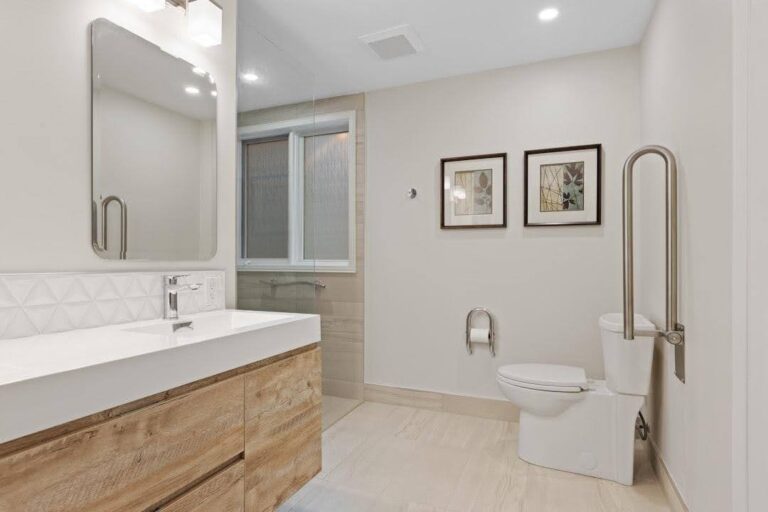
Restroom design is increasingly expected to serve a diverse range of users. Inclusive facilities accommodate every occupant comfortably, regardless of background or need. Privacy is central to making that inclusion real.
Genuine enclosure serves everyone the same way without singling anyone out. That universality is what makes privacy a foundation of inclusive design. A fully private stall is welcoming by default.
What Does an Inclusive Restroom Mean?
An inclusive restroom is one that any person can use comfortably and with dignity. It accommodates differences in ability, identity, and need without forcing anyone to stand out. Privacy is a core requirement of that goal.
Inclusive design has moved from a niche concern to a mainstream expectation. Owners and designers increasingly plan for it from the start. Enclosure is one of its most practical expressions.
Why Is Privacy Central to Inclusion?
Privacy is central because a fully enclosed stall treats everyone identically. It removes the exposure that can make shared restrooms uncomfortable for many people. That equal treatment is the essence of inclusion.
An industry analysis of restroom design argues that strong private restroom partitions form the foundation of inclusive facilities because genuine enclosure serves every occupant without exception, and it connects privacy to broader inclusion goals. The report positions enclosure as a universal benefit.
Because enclosure applies to all users, it avoids drawing attention to anyone. No occupant is treated as a special case. Privacy quietly accommodates the full range of needs.
How Do Gender-Neutral Designs Use Privacy?
Gender-neutral restroom layouts depend heavily on stall privacy. Fully enclosed compartments make shared facilities workable and comfortable. Enclosure is what allows different users to share a space at ease.
These designs often pair private stalls with shared common areas. The privacy lives in the compartment, not the room. That arrangement supports inclusion while maintaining practicality.
What Features Support Inclusive Privacy?
Several features make a restroom both inclusive and private. The elements that support this goal include:
Floor-length doors and panels that eliminate gaps
Full-height enclosure for individual compartments
Clear occupancy indicators to ease shared use
Accessible clearances within private stalls
Durable materials suited to high, varied traffic
Each feature contributes to comfort for every user. Together they create stalls that welcome everyone. Inclusive privacy is a matter of thoughtful specification.
How Should Designers Approach Inclusion?
Designers should treat privacy as the baseline of inclusive restrooms. Specifying genuine enclosure ensures the space serves all occupants equally. The approach is straightforward once privacy is the priority.
Coordinating enclosure with accessibility extends that inclusion further. A private, accessible stall accommodates the widest range of users. Planning for both completes the inclusive design.
How Does Privacy Serve Families?
Families benefit directly from fully enclosed restroom stalls. Parents assisting children value compartments that feel private and secure. Genuine enclosure makes these everyday situations more comfortable.
Companion and family compartments extend that benefit further. Private space allows caregivers to help without exposure. Inclusive design accounts for these shared-use needs.
What About Users With Sensory Needs?
Occupants with sensory sensitivities often find exposed restrooms stressful. A fully enclosed stall reduces the unpredictability that can cause discomfort. Privacy contributes to a calmer experience for them.
Enclosure also limits visual and auditory distraction between stalls. That separation supports occupants who are easily overwhelmed. Inclusive privacy quietly accommodates a range of sensory needs.
Inclusive restroom design rests on privacy, because genuine enclosure serves every occupant without exception. That universality is what makes a facility truly welcoming.
How Do Multi-User Restrooms Differ From Single-User Options?
Multi-user gender-neutral restrooms rely entirely on stall-level privacy to function well, since the shared common space means individual compartments must do all the work that separate rooms once did. This makes stall design a more central decision than it would be in a traditional layout.
Single-user restrooms sidestep this challenge by design, but they typically serve fewer people per square foot of building space than a well-designed multi-user layout can. Facilities weighing both options should consider throughput alongside privacy when deciding which format fits their space.
What Feedback Have Early Adopters Reported?
Universities and workplaces that have implemented inclusive multi-user restrooms with genuine stall-level privacy generally report positive feedback once the initial adjustment period passes, according to informal facility surveys conducted after implementation. Early skepticism often fades once occupants experience the actual level of enclosure provided.
The quality of the stall privacy appears to matter more to this reception than the layout concept itself. Facilities that cut corners on enclosure while adopting an inclusive layout tend to see more complaints than those that invest properly in both.
How Should Signage Complement the Physical Design?
Clear, welcoming signage helps set expectations for a restroom’s layout before someone enters, reducing any uncertainty about what they will find inside. This is particularly useful during a transition period when a facility is introducing a new or unfamiliar configuration.
Signage works best as a complement to strong physical privacy, not a substitute for it. No amount of signage compensates for a stall that fails to deliver the enclosure occupants were told to expect.
For designers, the practical lesson is to make enclosure the foundation of any inclusive restroom. Privacy specified for everyone is privacy that includes everyone.
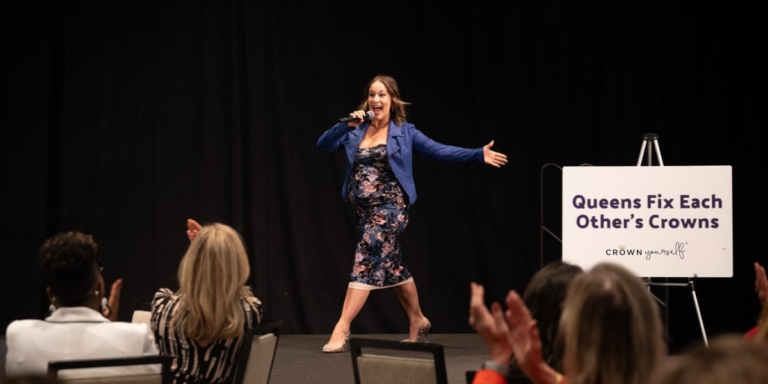
The founder of Crown Yourself® and CEO of Communication Queens™ has built two companies on a single contrarian bet: in a market flooded with machine-made content, the entrepreneur willing to be fully human wins.
Kimberly Spencer has spent eighteen years testing one idea against the market. She tested it as a screenwriter, as a Pilates instructor running a small private studio in Los Angeles, as the owner of a national e-commerce company she exited at twenty-eight, and now as the founder of two companies whose entire premise rests on it. The idea is simple to state and difficult to live: a business will never sustainably outgrow the consciousness, courage, and ownership of the person running it.
That principle anchors both of Spencer’s current ventures. Crown Yourself®, her high-performance business and leadership coaching platform, teaches the internal work. Communication Queens™, her media, PR, and podcast-guesting agency, handles the external expression. Spencer treats them as two halves of one system. One builds the leader. The other places that leader’s voice in front of an audience. She argues the order matters, because visibility without identity collapses under its own weight.
Spencer is an international TEDx speaker, a number-one bestselling and four-time award-winning author, and the host of two award-recognized podcasts. Her work has appeared on Netflix, Forbes, CNBC, NPR, ESPN, and The CW, along with AP News and Bloomberg. Twice her name has run on a Times Square billboard. None of that, she insists, is the point. The credentials are downstream of a decision she made years earlier: to stop performing a polished version of herself and start disclosing the failures, pivots, and private reckonings that actually qualified her to teach.
Her book, Make Every Podcast Want You, codifies that decision into a method. It won the BIBA 2025 Literary Award for Best How-To Book and earned a spot on Stacklist’s 2024 list of top books to change your life, a list that ran on a New York Times billboard. The book documents how Spencer turned podcast guest appearances into a single, sufficient client-acquisition channel before she ever launched the agency built around it. Communication Queens™ went to market with a working case study at its center rather than a promise.
What distinguishes Spencer from a crowded field of business coaches is the timing of her argument. As audiences grow weary of AI-generated articles, scripted reels, and content optimized for frequency over substance, she has wagered on the opposite. Long-form conversation. Unscripted appearances. The kind of media that forces a founder to articulate a framework in real time, under pressure, without a teleprompter. She calls that constraint the engine of her methodology, because it cannot be faked and it cannot be automated.
The personal record behind the work is unusually demanding. Spencer built Crown Yourself® through three pregnancies, a pandemic relocation that stranded her in Australia, a return to California after she lost three family members and two close friends inside a single year, and a final move to a homestead in the Texas Hill Country. Her journey to parenthood and her shift from studio instructor to coach were documented in Chicken Soup for the Soul’s Being Dad, available on Apple TV. She does not present that history as a hardship narrative. She presents it as proof of her central claim, that every external obstacle demanded a corresponding evolution in identity.
Spencer’s clients supply the evidence she points to most often. The agency documents authority-asset growth, media placements, and audience expansion for authors and founders across industries, from Hollywood to children’s book authors to memoirists to top-ranked podcasters. According to the company, clients have reached the number-one position in their industry, hit one-year revenue goals in three months, doubled their best six-figure months while cutting their workload, and become bestselling authors in their own right. Spencer frames those outcomes as the data set for a larger thesis rather than testimonials.
Her philosophy carries the fingerprints of someone who studied transformation before she sold it. She quotes a hermetic principle, as above so below, to describe the mirror between a founder’s inner world and the results that show up outside it. She returns often to a line that doubles as an operating rule: that which is conscious manifests happily, and that which is unconscious manifests unhappily. When a setback lands, she asks what it is allowing her to become. The questions sound spiritual. The application is operational.
The screenwriter in her never fully left. Before the coaching platform and the agency, Spencer wrote the indie film BRO, which starred Danny Trejo and was distributed by Lionsgate. The instinct that drove her toward narrative now drives the way she teaches founders to structure their own. She treats a personal story as an asset to be built, refined, and placed, not a confession to be managed.
Spencer’s near-term ambition is to turn Crown Yourself® from a coaching program into a documented movement, a verifiable community of leaders who stepped out of obscurity and claimed visible authority on the record. Communication Queens™ supplies the case studies that build the evidence base. Make Every Podcast Want You serves as the entry point. The throughline she keeps returning to is that the differentiator in business is no longer production quality or posting cadence. It demonstrates humanity, owned without apology, which no algorithm can replicate.
Women accounted for about 12.8 percent of the inventors named on United States patents in the most recent benchmark published by the United States Patent and Trademark Office, up from 12.1 percent a few years earlier. That share has risen, but it still trails the roughly 29 percent of the STEM workforce that women represent. The pace at which the gap narrows, more than the headline number, is what the data actually tells us.
What the USPTO Measures, and Why It Matters
The agency tracks a figure it calls the women inventor rate, defined as the share of distinct inventors receiving patents in a given year who are women. In the Progress and Potential study from the USPTO Office of the Chief Economist, that rate moved from 12.1 percent to 12.8 percent across the studied period. A separate and higher figure counts patents with at least one woman listed among the inventors. That measure rose from 20.7 percent to 21.9 percent, which reflects how often women patent on mixed teams rather than alone.
The two numbers tell different stories. The first describes individual participation. The second describes how often a woman appears anywhere on a granted patent. Both are climbing, and both sit below what the underlying talent pool would predict.
New Inventors Are Closing the Gap Faster
The most forward-looking figure in the USPTO data concerns first-time patentees. Among inventors receiving a patent for the first time, the share who were women rose from 16.6 percent to 17.3 percent. New entrants skew more female than the standing population of repeat inventors, which suggests the overall rate will keep drifting upward as a generation of newcomers files more.
Retention still lags. The USPTO found that among new inventors, 46 percent of women filed another patent within five years, against 52 percent of men. Closing the participation gap depends not only on getting women to file once but on keeping them in the system long enough to file again.
Where Women Inventors Concentrate
Participation is uneven across technology fields. Chemistry shows one of the highest shares of women inventors at roughly 18 percent, with pharmaceuticals, biotechnology, and design patents close behind. Mechanical and electrical fields trail. For an independent inventor, the field a product sits in shapes the company it keeps in the patent record, and the USPTO breakdowns make those differences visible.
What the Trend Means for Independent Inventors
Aggregate participation data describes a population, not a person. Whether an individual inventor patents has nothing to do with demographics and everything to do with whether the idea is new, useful, and documented well enough to move from concept toward a license or a product. The widening base of first-time filers is a reminder that the patent system continues to draw in people who never thought of themselves as inventors.
The work between an idea and a granted patent is the same regardless of who holds the pen. A concept has to be searched against prior art, described in claims, and often shown through renderings or a CAD model before a company will look at it seriously. Enhance Innovations, an invention design and product development firm in Champlin, Minnesota, has handled that path since 2010, keeping industrial design, engineering, marketing, and licensing representation under one roof rather than asking an inventor to assemble separate freelancers. A virtual-first approach, built on photorealistic renderings and CAD rather than a mandatory physical model, lowers the cost of taking a first idea seriously.
The Small Business Administration and university tech transfer offices both publish resources for inventors weighing that first step, and the USPTO offers fee discounts for small entities and micro entities that reduce the cost of filing.
The Long View
At the rate recorded in the USPTO studies, the share of women among patent holders has grown by less than eight percentage points over roughly four decades. Researchers who model the trend put full parity well past the middle of this century if nothing accelerates. The encouraging signal is the newcomer data, where the share of women is several points higher than the standing population. The patent record is a slow-moving archive, and a faster-rising entry rate is exactly what would bend the longer line.
For anyone reading these figures and wondering where they fit, the answer the data supports is plain. Participation is broadening, the first paid step in protecting an idea is a patent search, and the resources to take it are more accessible than the headline gap suggests.
This article is informational and is not legal or financial advice. Inventors should do their own research before making filing decisions.
From 2013 to 2023, insurance premiums for commercial buildings nearly doubled. Following this trend, this means that premiums in 2030 could be as high as $4,890 every single month. From the insurer’s perspective, the reason these costs are higher and higher is due to the rampant number of claims from their insureds. In recent years, there has been an abundance of extreme weather events that account for an estimated $1 billion in expenses for insurers in 2023. Worst of all, this trend is only expected to worsen by 2030. So, with insurance premiums rising, how can you keep your building’s premiums under control?
In insurance, the building’s condition is just as important as market conditions. Getting annual inspections helps you to keep an eye on upcoming roof issues and provides a credit for your commercial insurance policy. Furthermore, if the report comes back favorable, it allows you to find more agreeable terms for your insurance, which means lower rates. This inspection also helps you to notice problems before they become bigger, which avoids you putting in claims on your insurance policy.
Ultimately, while premiums are bound to increase, the amount of that increase is dependent on how much you keep up with your roof’s maintenance. Proactively inspecting and maintaining your roof is the best way to ensure your policy’s premiums are as low as possible for your commercial insurance.
When it comes to getting a commercial roof done, getting it done right cannot be understated. In recent years, the price of getting a roof has been getting higher. Unlike homes, the average size of a warehouse in the US is around 17,500 square feet. Depending on the type of customizations, metal roofs can be anywhere between $6 to $24.50 per square foot. This means that a brand-new metal roof will cost the average US warehouse $105,000 at a minimum. As building codes continue to get updated and the cost of building materials continues to soar, this problem is only going to get worse for owners of commercial buildings.
Because of the tremendous costs, making sure that the roof is installed properly is paramount. Professional roofers like those at Kato Roofing not only install roofs, but they also offer maintenance and inspection services to ensure the longevity of a roof. Even if something does happen to your roof prematurely, these professionals also offer a warranty for manufacturer’s defects as well as a warranty for workmanship defects. Ultimately, if you want to make sure that your roof is being properly installed and maintained, partnering with the professionals at Kato Roofing is the way to go.
Liability for a Jacksonville slip-and-fall may rest with a property owner, business operator, landlord, tenant, maintenance company, contractor, or government entity.
Responsibility usually depends on who controlled the area, created the hazard, knew or should have known about it, and had authority to fix it or warn visitors.
Wet floors, broken stairs, poor lighting, loose mats, and uneven pavement may support a claim.
The Law Offices of Anidjar and Levine can help you understand your legal options, and a Jacksonville Personal Injury Lawyer can review how fault may be identified.
Main Takeaways
Liable parties may include property owners, business operators, landlords, tenants, maintenance companies, contractors, or cleaning vendors.
Liability depends on who controlled the area, created the hazard, or had authority to fix it.
Florida premises liability considers visitor status, dangerous conditions, notice, causation, and failure to warn or repair.
Evidence like photos, incident reports, surveillance, maintenance records, leases, and witness statements can identify responsible parties.
Injured visitors may share fault under comparative negligence, which can reduce compensation based on their percentage of responsibility.
Who May Be Liable for a Jacksonville Slip and Fall?
When a slip-and-fall occurs in Jacksonville, liability may fall on a property owner, business operator, landlord, tenant, maintenance company, or another party that had control over the dangerous condition. Responsibility often depends on who created the hazard, who knew or should have known about it, and who had the duty to correct it or warn visitors.
In many cases, more than one party may share fault. A store may be responsible for unsafe floors, while a cleaning contractor may be liable for careless maintenance. A landlord may bear responsibility for common areas, while a tenant may be accountable inside leased space. Determining liability requires careful review of contracts, inspection records, incident reports, video footage, and neglect evidence.
Those serving injured people should also consider witness credibility, timing, notice, and control. A fair assessment helps identify responsible parties and supports accountability without overlooking the human impact of preventable harm.
What Counts as a Slip and Fall in Jacksonville?
Although the phrase may sound narrow, a slip and fall in Jacksonville generally refers to an injury-causing fall that occurs because a person loses footing, trips, or is otherwise thrown off balance by a dangerous property condition. These incidents can happen in grocery stores, restaurants, apartment complexes, hospitals, sidewalks, parking lots, offices, or private homes. Common examples include a wet floor near an entrance, a spilled substance in an aisle, loose mats, uneven pavement, poor lighting, broken stairs, cluttered walkways, or a hazard that is not readily visible to visitors.
A fall may involve slipping forward, falling backward, twisting a knee, striking the head, or landing on a hip, wrist, shoulder, or spine. For caregivers, employees, volunteers, and community members, recognizing these situations matters because even ordinary errands or service work can become dangerous when walkways are not reasonably safe for those expected to use them.
How Florida Premises Liability Applies
Florida premises liability law centers on whether a property owner or occupier owed a duty of care to the injured person. That duty often turns on dangerous property conditions, such as wet floors, poor lighting, uneven surfaces, or unaddressed hazards. To establish liability, the injured person generally must show the owner knew or should have known about the danger and failed to take reasonable action.
Duty Of Care
After a slip and fall in Jacksonville, liability often turns on whether the property owner or occupier owed the injured person a duty of care under Florida premises liability law. This duty depends on the visitor’s legal status, such as invitee, licensee, or trespasser, and the level of responsibility Florida law assigns in that relationship. Businesses, landlords, tenants, and managers may be required to act reasonably to protect lawful visitors from preventable harm. Landlord duties may include maintaining shared areas and responding appropriately when legally required. When responsible parties fail to meet these standards, their breach obligations can become central to a claim. Careful evaluation helps determine whether the injured person was owed protection and whether the conduct fell below what the law expects.
Dangerous Property Conditions
Once a duty of care is established, the focus often shifts to whether a dangerous property condition caused or contributed to the fall. In Florida premises liability matters, hazards may involve conditions that make ordinary movement unsafe for guests, customers, tenants, or others lawfully present.
Condition
Example
Concern
Surface hazard
Spills or tracked rainwater
Slip risk
Structural issue
Broken tile or uneven walkway
Trip risk
Visibility problem
Poor lighting or blocked view
Delayed reaction
Careful review may include wet floor records, maintenance notes, and hazard camera footage to understand the setting. For those serving injured individuals, identifying the condition helps frame the human impact: pain, lost mobility, medical needs, and disrupted responsibilities. Florida law focuses on the property’s condition itself before turning to questions of fault.
Proving Owner Negligence
When a hazardous condition is identified, proving the owner’s negligence generally requires showing that the property owner or responsible party failed to use reasonable care to prevent harm. Under Florida premises liability law, this often means establishing that the owner knew or should have known about the danger and failed to correct it or provide an adequate warning. Relevant proof may include inspection records, maintenance logs, photographs, video footage, weather and evidence, and eyewitness statements describing what occurred before and after the fall. Timing matters, especially when spills, rainwater, debris, or uneven surfaces are involved. A careful review can show whether the condition existed long enough for responsible action. This process helps injured people and their advocates pursue accountability while encouraging safer environments for the Jacksonville community.
Why Property Control Matters for Liability
Liability often turns on who controlled the area where the slip and fall occurred. Control creates responsibility because the party with authority over maintenance, inspections, or repairs may have had the ability to prevent the hazard. Evidence such as leases, maintenance records, contracts, and surveillance footage can help identify who had that control.
Control Creates Responsibility
In slip-and-fall cases, responsibility often turns on who had control over the property or the specific area where the hazard existed. Control creates responsibility because the party directing maintenance, inspections, repairs, or public access is usually best positioned to prevent harm. A store operator, landlord, property manager, contractor, or tenant may each bear duties depending on who managed the dangerous condition. Shared safety requires careful attention to these roles, especially where multiple parties serve visitors, residents, patients, or customers.
Liability may also depend on whether those in control knew or should have known about risks through prior incidents, routine operations, video evidence, or surveillance access. Identifying the party in control helps injured people seek accountability from the party with the practical ability to keep the premises safe in Jacksonville.
Evidence Of Control
Proving who controlled a property or hazardous area often requires more than showing where a fall occurred. Liability may depend on leases, maintenance contracts, inspection logs, incident reports, and communications showing who had permission to repair, clean, warn, or restrict access. In Jacksonville slip-and-fall cases, evidence may identify a store owner, landlord, tenant, property manager, contractor, or event operator as the party responsible for safety measures. Witness statements can clarify who routinely maintained the area, who responded after the incident, or whether prior complaints were ignored. Surveillance footage may show how long a hazard existed, which employees passed nearby, or whether warning signs were used. This evidence helps ensure injured people are heard and accountable parties are identified fairly. It also supports practical prevention efforts.
When Property Owners May Be Liable
Under Florida law, a Jacksonville property owner may be responsible for a slip and fall when a dangerous condition on the premises causes injury, and the owner knew, or should have known, about the hazard. Liability often turns on ownership, control, maintenance authority, and whether reasonable care was exercised in inspecting, repairing, or warning about unsafe conditions.
Property owners may be held responsible for broken stairs, inadequate lighting, uneven walkways, standing water, loose flooring, or other hazards left unaddressed. In rental settings, Landlord Duties may include keeping common areas reasonably safe and responding appropriately to known defects. Failure to do so can place residents, guests, delivery workers, or service providers at risk.
Although Business Negligence may involve separate issues, an owner’s conduct is still examined closely when ownership and control overlap. The central question remains whether preventable harm occurred because reasonable safety measures were not taken in time after notice arose.
When Jacksonville Businesses May Be Responsible
When a customer, vendor, or visitor slips and falls at a Jacksonville business, the company may be responsible if its negligence allowed a hazardous condition to exist. Businesses serving the public must use reasonable care to keep walkways, aisles, entrances, parking areas, and restrooms safe. Liability may arise when staff knew or should have known about spilled liquids, loose mats, poor lighting, broken flooring, or tracked-in rainwater and failed to correct the danger or promptly warn guests.
Responsibility may depend on who controlled the area. A store, restaurant, hotel, office, or contractor may be liable for hazards within its control, while shared exterior spaces may involve lease terms, maintenance agreements, landlord duties, or municipal notice requirements. Evidence such as incident reports, surveillance video, cleaning logs, employee statements, and photographs can help determine whether the business acted reasonably. Careful investigation helps injured people understand accountability without unfairly blaming diligent operators for injuries.
Jacksonville Apartment Falls: Landlord Liability
Although apartment communities vary in size and structure, Jacksonville landlords and property managers generally must use reasonable care to keep common areas safe for tenants, guests, and others lawfully on the premises. Liability may arise when a fall results from hazards in shared interior spaces, such as wet lobby floors, broken stair rails, poor hallway lighting, loose carpeting, or unrepaired steps.
Responsibility often depends on notice. If management knew, or should have known, about a dangerous condition and failed to correct it within a reasonable time, an injured person may have a claim. Lease terms, maintenance records, inspection routines, and tenant notice requirements can help show whether the landlord had an opportunity to act.
Apartment operators also may have emergency contact duties when urgent hazards are reported after hours. Prompt responses can protect residents and visitors from preventable harm. When these duties are ignored, liability may extend beyond simple oversight to negligent property management.
Who Is Liable for Sidewalk and Parking Lot Falls?
Many sidewalk and parking lot falls in Jacksonville turn on who controlled the area where the hazard existed. Liability may rest with an owner, tenant, property manager, maintenance contractor, or, in limited situations, a public entity. The central question is whether responsible parties knew, or should have known, about unsafe conditions and failed to act reasonably.
Control of the hazard area often determines who may be accountable for a Jacksonville fall.
Commercial owners may be liable for cracked pavement, poor lighting, or drainage problems that create foreseeable risks.
Tenants may share fault when their lease gives them control over entrances, walkways, or customer parking areas.
Landlord obligations can include inspecting common areas, repairing defects, and responding promptly to reported hazards.
Restaurant negligence may arise when spills, grease, uneven mats, or obstructed pedestrian paths extend into adjacent exterior areas.
For injured visitors, identifying the controlling party helps clarify accountability while honoring the broader duty to keep shared spaces safe, accessible, and reasonably maintained for the public.
Workplace Falls: Workers’ Comp or Third-Party Claim?
A workplace fall in Jacksonville may involve workers’ compensation, a third-party injury claim, or both, depending on where the fall happened and who caused the unsafe condition. Workers’ compensation generally covers employees injured in the course of employment, regardless of fault, and may provide medical care and partial wage replacement. However, it usually restricts claims against the employer.
A third-party claim may arise when someone other than the employer contributed to the hazard, such as a property owner, maintenance contractor, subcontractor, delivery company, or equipment vendor. These claims may allow recovery beyond workers’ compensation, including pain and suffering. Comparative negligence may affect the outcome if the injured worker is alleged to have ignored safety rules or warning signs.
Strong evidence that witnesses can help clarify liability includes incident reports, photographs, surveillance footage, maintenance records, and coworker statements. Careful evaluation helps ensure injured workers are directed toward every available source of support after a serious fall.
When the City or State May Be Liable
When a fall occurs on public property in Jacksonville, a city, county, or state agency may be responsible if a dangerous condition on government-controlled property contributed to the injury. These claims may involve sidewalks, parks, libraries, schools, courthouses, or public parking areas. Because Government immunity can limit claims, injured people must follow strict notice rules and deadlines before seeking compensation.
Key considerations include:
Whether the agency owned, controlled, or maintained the property.
Whether the hazard was known, recurring, or should have been discovered through reasonable inspection.
Whether the condition involved poor maintenance, unsafe design, inadequate lighting, or failure to repair.
Whether statutory notice was timely provided under Florida law.
Sovereign liability does not bar every claim, but it shapes how responsibility is evaluated. Careful documentation helps protect the injured person’s rights while encouraging public entities to maintain safer spaces for the community.
Third Parties That May Share Fault
Liability for a Jacksonville slip and fall may extend beyond the property owner when another party helped create or failed to resolve the hazard. Property management companies, maintenance and cleaning vendors, contractors, and tenants may share fault depending on their duties and conduct. Identifying each responsible party can help ensure an injured person’s claim reflects the full scope of negligence.
Property Management Companies
Although many slip and fall claims focus on the property owner, a property management company may also share fault if it was responsible for maintaining the premises. Liability may arise when its contract or conduct shows control over safety conditions, inspections, or repairs. Negligent maintenance can endanger residents, guests, workers, and others the property is meant to serve.
Failing to inspect common areas, walkways, stairs, or entrances.
Ignoring reported hazards or delaying reasonable repairs.
Overlooking lighting, handrails, drainage, or surface defects.
Mismanaging tenant responsibilities when leases assign shared duties.
In Jacksonville claims, records, service requests, emails, and lease terms may clarify who had notice and authority. A careful review helps injured individuals identify responsible parties without unfairly blaming those with no control.
Maintenance And Cleaning Vendors
Because many properties rely on outside vendors for cleaning, repairs, landscaping, or floor care, those companies may share fault when their work creates or fails to correct a dangerous condition. A janitorial crew that leaves floors wet without warnings, a floor-care provider that applies overly slick wax, or a maintenance vendor that ignores broken lighting can place visitors at risk. Liability may depend on the vendor’s contract, assigned duties, inspection practices, and whether workers followed reasonable safety procedures. For example, if a hotel guest slips on algae or standing water left untreated on a pool deck, records may show whether an outside service had responsibility for cleaning or reporting the hazard. Careful investigation helps identify every party whose negligence contributed to the harm and supports fair accountability.
Contractors And Tenants
When work is performed or space is controlled by someone other than the property owner, contractors and tenants may share responsibility for a slip and fall. Liability may turn on who created the hazard, who knew of it, and who had authority to correct it.
Contractors may be liable when tools, cords, debris, or wet materials create unsafe walking conditions.
Tenants may bear fault when leased areas are poorly maintained or hazards are ignored.
Service agreements, leases, insurance defense strategies, and premises security policies can clarify duties.
Evidence such as photos, incident reports, and witness accounts helps protect injured visitors.
Careful review of each party’s role supports fair accountability and helps responsible organizations serve the public with greater safety and care.
Dangerous Conditions That Can Support Liability
While every case depends on its facts, dangerous conditions that may support liability in a Jacksonville slip and fall claim often include wet floors, uneven pavement, loose mats or rugs, broken stairs, poor lighting, cluttered walkways, missing handrails, and hazards caused by spills, leaks, or debris. These conditions can place shoppers, residents, workers, patients, or guests at risk, especially when the danger is difficult to see or avoid.
Other hazards may include recently mopped surfaces, merchandise left in aisles, cracked sidewalks, potholes, unsafe connections between flooring, defective elevators or escalators, and weather-related dangers such as tracked-in rainwater, ice and warnings that are unclear, missing, or poorly positioned. Documentation often matters. Photographs, incident reports, maintenance records, medical records, and witness statements can help identify what caused the fall and whether the condition was unreasonably dangerous. Careful evaluation protects injured people while encouraging safer spaces for everyone.
What “Notice” Means in a Slip and Fall Claim
In a slip and fall claim, “notice” refers to whether the property owner knew or should have known about the dangerous condition before the injury occurred. Actual notice involves direct knowledge of the hazard, while constructive notice may be shown when the condition existed long enough that reasonable care should have discovered it. Proving prior knowledge often requires evidence such as incident reports, surveillance footage, maintenance records, or witness statements.
Actual Notice
For a slip and fall claim, “notice” refers to whether the property owner or business knew, or should have known, about the dangerous condition before the fall occurred. Actual notice exists when the responsible party had direct knowledge of the hazard and failed to correct it or warn visitors. This matters because liability often turns on what was known and when.
An employee saw the spill or obstruction.
A customer reported the hazard to staff.
Surveillance footage shows personnel recognizing the danger.
Witness statements confirm prior awareness.
In Jacksonville premises liability cases, actual notice can show that a preventable injury was ignored. Careful documentation helps clarify responsibility while supporting injured people seeking accountability, safety, and fair treatment after a fall.
Constructive Notice
Constructive notice exists when a dangerous condition was present long enough, or occurred regularly enough, that a property owner or business should have discovered and addressed it through reasonable care. In Jacksonville slip and fall claims, this concept matters when no employee directly saw the hazard before the fall. The question becomes whether reasonable inspection, cleaning, or maintenance practices would have revealed the risk in time to protect visitors. An incident report may help identify when the fall occurred, who responded, and whether safety procedures were followed. However, liability still depends on the facts, including the condition’s nature and location. Comparative negligence may also be considered if the injured person failed to use reasonable care. Constructive notice focuses on responsibility, accountability, and preventable harm.
Proving Prior Knowledge
When a person is injured in a slip and fall, “notice” refers to what the property owner or business knew—or reasonably should have known—about the dangerous condition before the accident. Proving prior knowledge often requires organized, reliable evidence showing the hazard existed long enough to be rectified.
Video evidence tips: request surveillance promptly, before footage is overwritten, and note camera locations.
Witness statements: gather clear accounts from employees, customers, or responders who saw the hazard or prior complaints.
Photo documentation: preserve images of spills, debris, lighting, warning signs, footwear, and injuries.
Accident report accuracy: ensure the report reflects time, location, conditions, and any admissions.
Careful documentation helps clarify responsibility while supporting fair treatment for the injured person.
How Shared Fault Can Reduce Compensation
Even if a property owner’s negligence contributed to a slip and fall, an injured person’s own conduct may still affect the value of the claim. Florida’s Comparative negligence rules allow compensation to be reduced by the percentage of fault assigned to the injured person. For example, if damages total $100,000 and the person is found 20% responsible, recovery may be reduced to $80,000.
Shared fault may arise when someone ignored posted warnings, entered a restricted area, walked while distracted, or failed to use reasonable care under the circumstances. These issues do not automatically defeat a claim, but they can significantly influence settlement discussions and trial outcomes.
In court, jury fault allocation determines how responsibility is divided among the parties. For those assisting injured individuals, understanding this principle is essential. A fair evaluation considers both the property owner’s duties and the visitor’s conduct, ensuring accountability is measured carefully rather than assumed.
Evidence That Strengthens a Slip and Fall Claim
Because slip and fall cases often turn on what the property owner knew or should have known, strong evidence can be crucial to proving liability. Clear documentation helps show whether a hazardous condition existed long enough for responsible parties to act and protect visitors.
Strong evidence can show whether a property owner had time to recognize and address a dangerous condition.
Incident photographs: Images of wet floors, broken stairs, poor lighting, or Weatherproofing failures can preserve conditions before repairs occur.
Reports and records: Store incident forms, maintenance logs, inspection schedules, and prior complaints may reveal notice, delay, or recurring hazards.
Witness accounts: Employees, customers, caregivers, or bystanders can describe what happened and whether warnings were absent or ignored.
Video and medical proof: Prompt requests may secure surveillance footage capture before deletion, while medical records connect the fall to specific injuries.
This evidence can help advocates, insurers, judges, and juries evaluate responsibility fairly while honoring the injured person’s need for safety, dignity, and accountability.
—————————
Slip-and-fall accidents in Jacksonville can involve intricate questions of property control, dangerous conditions, notice, and shared fault. Liability may fall on owners, tenants, managers, or other parties responsible for keeping the premises reasonably safe. Strong evidence—such as photos, reports, witness statements, and medical records—can help clarify what happened and who may be responsible.
Anyone injured in a fall may benefit from understanding Florida premises liability rules and seeking guidance from The Law Offices of Anidjar and Levine, including help from a Jacksonville Personal Injury Lawyer tailored to the circumstances.