Have you ever wondered how your body heals after childbirth? It might surprise you to know that right after your baby is born, your body quietly begins its repair work. Even when you feel sore, each discomfort can be a sign that your body is working hard to make you strong again. Sometimes a little relief, like lessening contractions or a gentle return of comfort, reminds you that healing happens at its own pace. In this post, we’ll take a look at the weeks and months of recovery, celebrating every small step that brings you closer to feeling whole again.
Postpartum Physical Healing Process: Radiant Recovery
In the first few weeks after birth, your body starts a special journey of healing. In the very first week, you might feel a lot of soreness because of stitches from tears, cuts from an episiotomy, or even a C-section. It can feel a bit like that gentle soreness you get after a long day, a reminder that your body is busy repairing itself.
By week two, you may begin to notice some changes. Even though pain and tiredness still stick around, each small moment of relief tells you that progress is happening. In week three, things continue to improve slowly. The after-birth contractions start easing off, and your body begins feeling a bit more like it did before the baby arrived, but it still needs extra gentle care.
Around week six, you usually go for a checkup. At this visit, doctors often see that your uterus is getting back to its normal size. Most of the healing, whether from vaginal tears, the perineal area, or a C-section, is well under way. You might still see a little bit of varicose veins until about 12 weeks, but overall, things are looking up.
By six months, your healing process progresses as you slowly start more gentle activities. Every little victory reminds you how resilient your body is. And then, by the time you reach one year, most moms feel nearly fully recovered and ready for more active routines. Each step, no matter how small, is a part of your radiant recovery journey.
Physical Changes and Healing Stages After Childbirth

Right after childbirth, your body starts its healing process. Many moms feel pain from stitches after tears, an episiotomy, or a C-section. You might notice lochia (bleeding and discharge) for about 4–6 weeks. In the first few days, as your uterus goes back to its normal size (this is called uterine involution), you may experience after-birth contractions. They can be uncomfortable, but warm compresses or a bit of prescribed pain relief can really help.
It’s common to feel soreness around your vagina and perineum. Following your doctor’s advice on care for any repairs, using cool compresses, sitting on a supportive cushion, and taking gentle walks can ease the pain. For instance, imagine a slow 10-minute walk on a cool, breezy day, it might lift your spirits and help lessen your discomfort.
Around days 3–4, you might also experience breast engorgement, with your breasts feeling firm and sore as they adjust to increased milk production. On top of that, muscle aches from childbirth and tiredness from hormonal shifts can add to your discomfort. Taking gentle rest, enjoying a warm shower to soothe your muscles, and talking with your provider about pain relief methods can make a big difference. And if a range of emotions hits you during this time, reaching out to a friend or professional can offer much-needed support.
Keeping your wounds clean and avoiding heavy physical effort are key steps to help your body recover. These measures allow your body to heal after childbirth and help you slowly regain your strength.
Cesarean Healing Journey and Scar Care in Postpartum Recovery
Recovering from a C-section is a very personal and unique journey. Often, you might need an extra day in the hospital to rest and start healing properly. In the days that follow, avoiding heavy lifting and bending becomes important. You may be given some pain medication for one or two weeks to help manage any discomfort as your incision heals. Usually, the incision starts to feel much better by six weeks, although you might still feel a bit off, especially if you have issues like varicose veins, for up to 12 weeks.
Taking good care of your scar can really make a difference. One helpful tip is to gently massage the healing area with a safe, fragrance-free oil. Imagine a soft, circular massage soothing the gap and boosting circulation. Keeping the incision clean and dry is key to preventing any infection, so using a clean, damp cloth to softly wipe around it can help, just be sure to follow your healthcare provider’s advice.
There are also non-surgical ways to support your healing. For example, natural scar massages and gentle moisturizing creams can help smooth out the scar tissue over time. If you notice any redness, swelling, or unusual pain, it’s important to check in with your doctor right away. Even small, regular efforts in scar care can make a big difference during your cesarean healing journey.
Pelvic Floor Strengthening and Core Muscle Recovery Postpartum

After giving birth, many moms may notice a bit of leakiness when they cough or sneeze, and that’s perfectly normal. Most moms feel better after their six-week checkup when they start gentle pelvic floor therapy and simple Kegel exercises to help with bladder control. Think of it like waking up an old friend; a little persistent effort helps those muscles regain their strength.
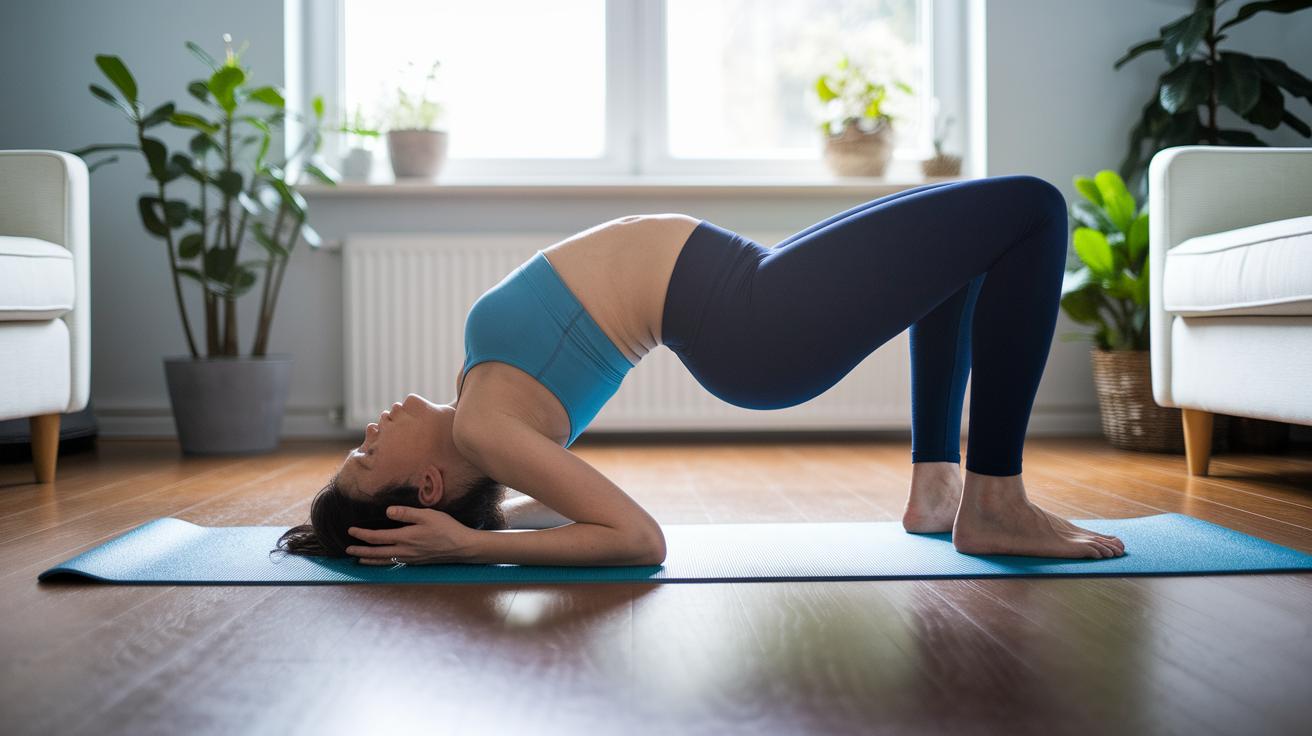
Starting with gentle pelvic rehabilitation exercises can make you feel at ease. Begin with soft abdominal hollowing paired with controlled breathing. This helps you reconnect with your deep core muscles, which play a key role in your recovery. It’s like slowly breaking in a new pair of shoes until they fit just right. Over time, add in exercises like bridges, pelvic tilts, and core stability holds to support your healing without overstraining your body.
A little tip: try fitting in easy routines that mix in these modified exercises every day. For instance, start with some pelvic floor strengthening moves and then add a few core stability exercises. If you need a bit more guidance, check out these postpartum core strengthening tips.
Remember, every body heals at its own pace. Listen to what your body is telling you and let gradual, gentle movements build your strength over time, setting the stage for long-lasting recovery.
Nutrition and Rest Strategies for Postpartum Physical Healing
Taking in good food and resting well can really help your body bounce back after having a baby. Drinking plenty of water not only helps with night sweats but also keeps your milk supply strong. Imagine yourself taking a quiet moment and sipping cool water, it's a small act that makes a big difference.
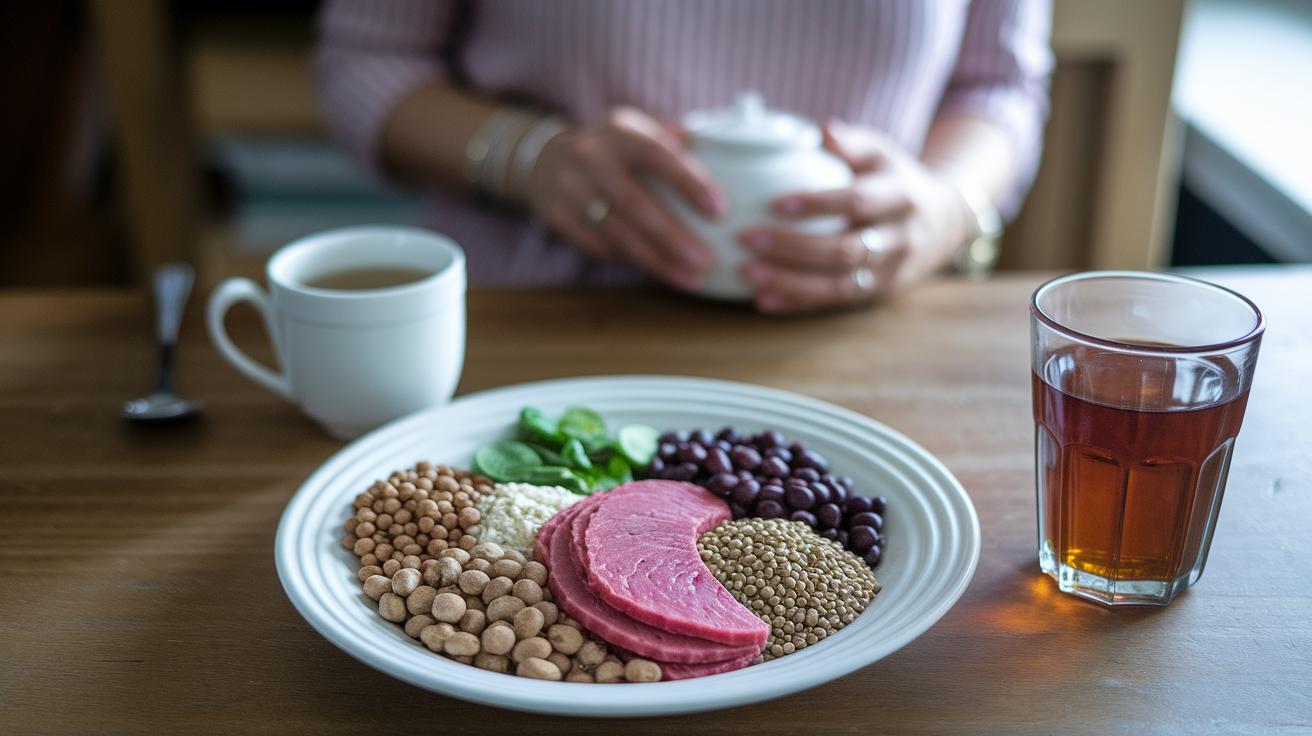
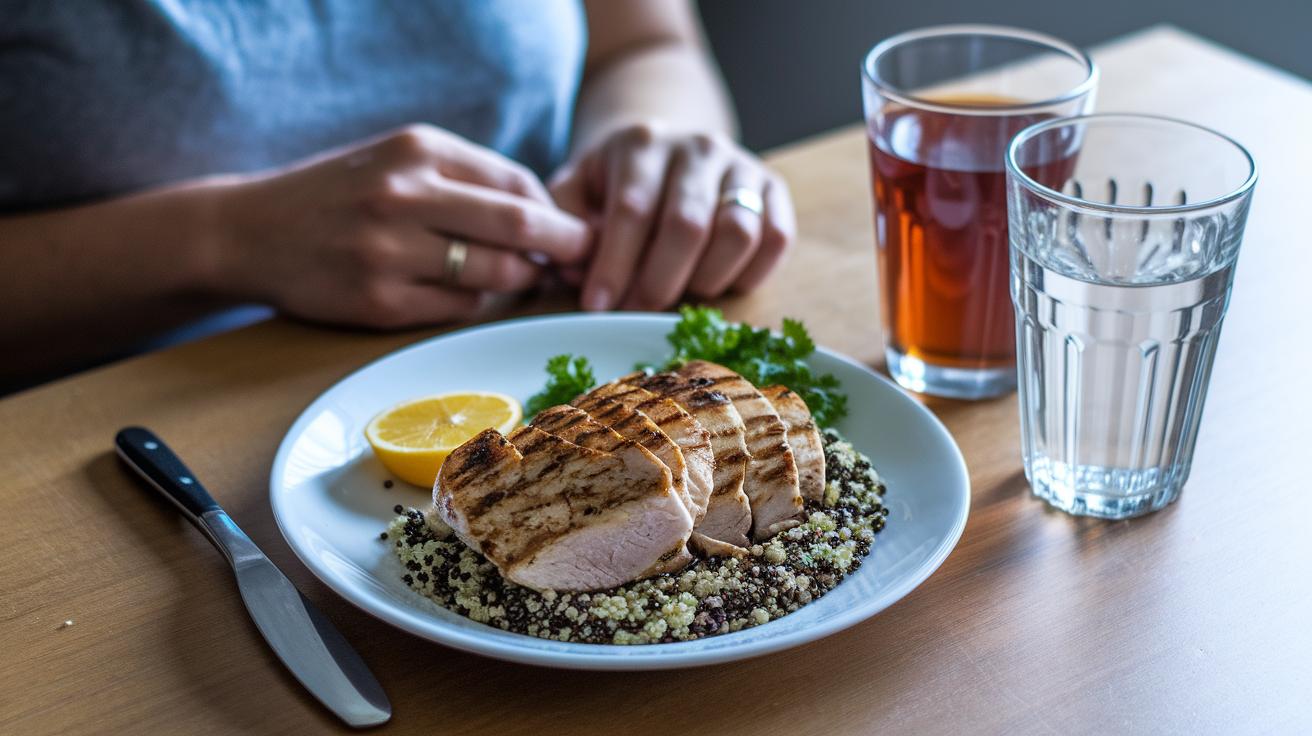
Eating a balanced meal speeds up your healing by helping your uterus return to its normal shape (a process called uterine involution) and fixing tired tissues. Foods with protein, iron, and vitamin C, like lean meats, beans, or a juicy orange, give your body the essentials it needs.
Also, try adding anti-inflammatory foods like berries, fatty fish, and leafy greens. Think about a bright, fresh salad; it not only looks appealing but also helps ease swelling and discomfort along the way.
Restful sleep plays a huge role, too. Quality sleep helps your body rebuild its tissues and keeps you from feeling worn out. Planning ahead by setting aside time for nutrient-packed meals and a few quiet moments of rest can boost your energy for caring for your little one and for a bit of self-care.
Safe Exercises and Gradual Activity in Postpartum Recovery

After a few days of rest, easing into movement can really help your recovery. Many moms try the 5-5-5 rule: five days of bed rest, five days with very little movement, and five days of gentle activity at home. Think of those early days of light movement like a soft morning walk, short and sweet, just enough to feel a boost in your circulation.
Once the 15-day period is over, you can begin with easy steps like a gentle walk or basic pelvic tilts. These low-impact exercises help increase your blood flow without putting too much pressure on your body. It’s a bit like slowly stepping into a cool, refreshing swim on a warm day; your body gradually warms up and finds its rhythm.
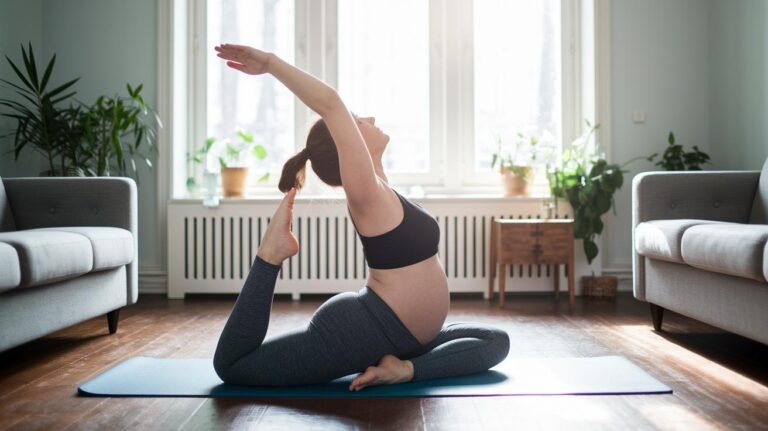
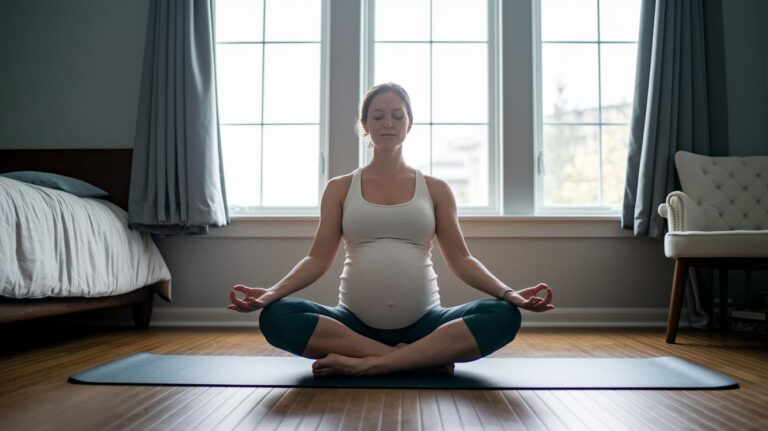
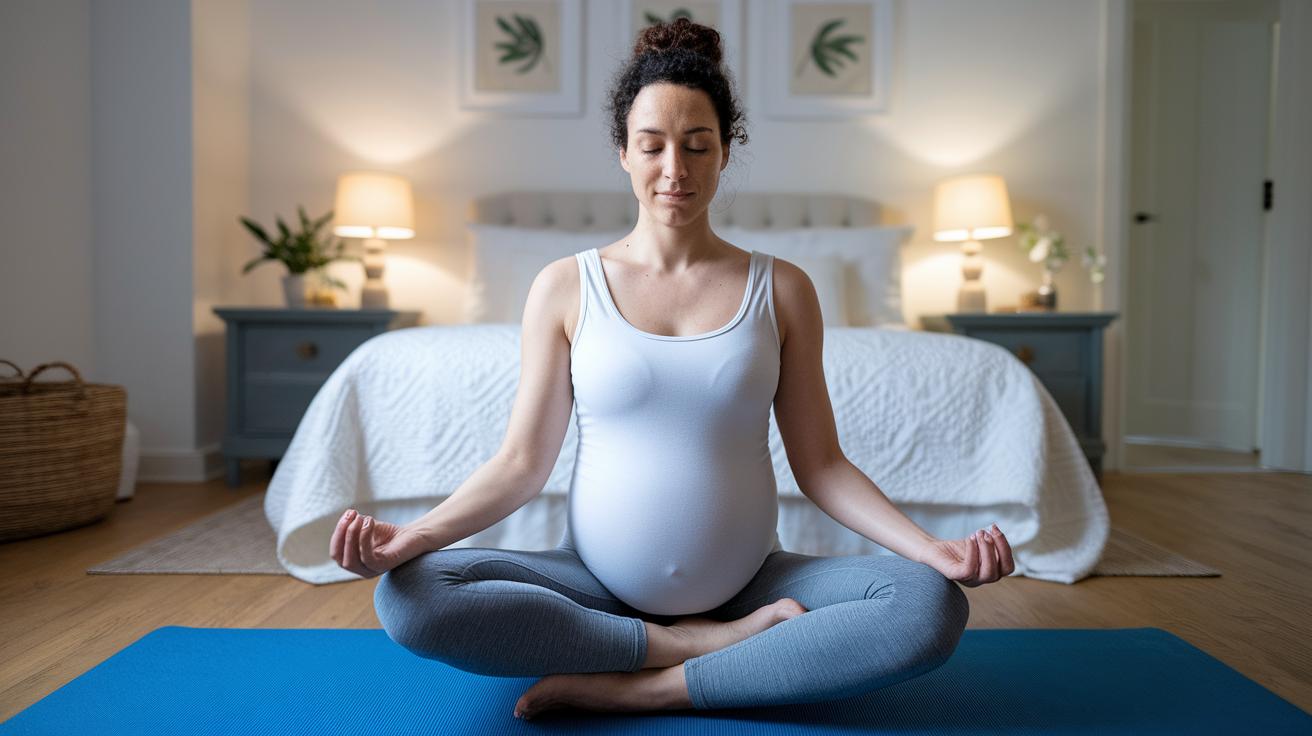
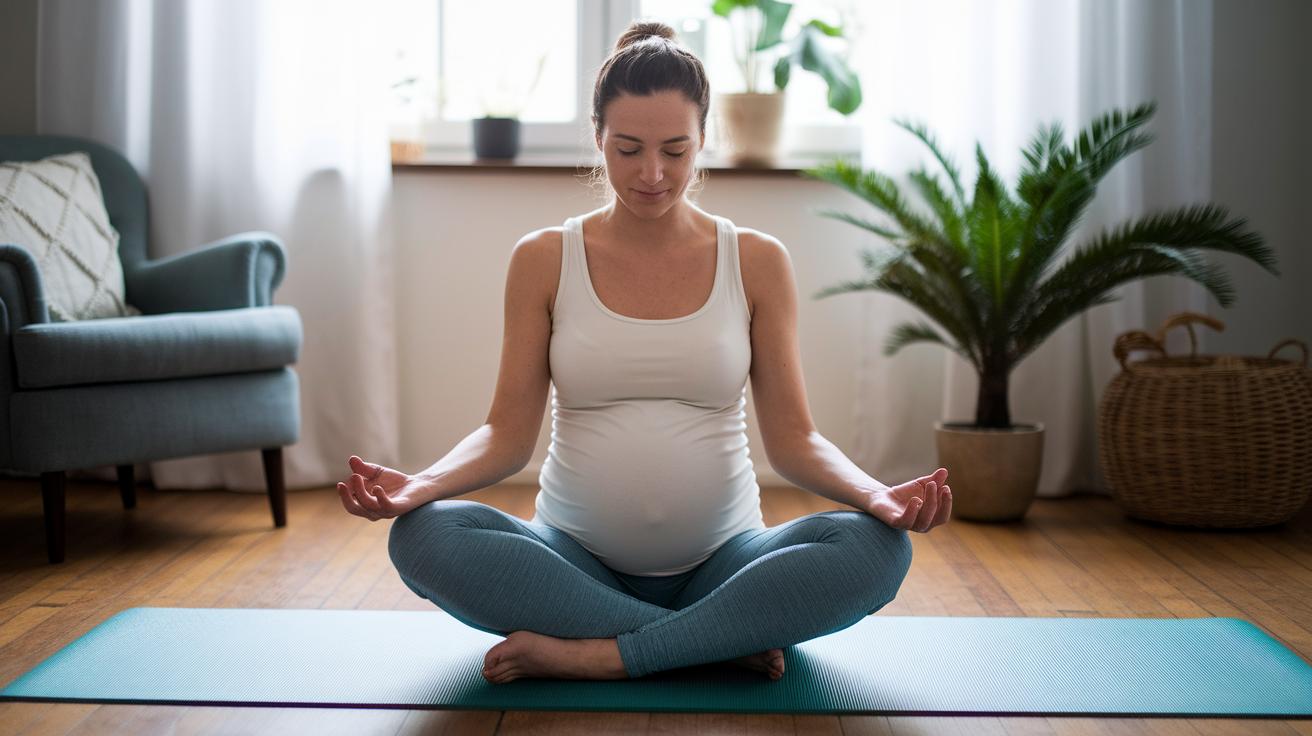
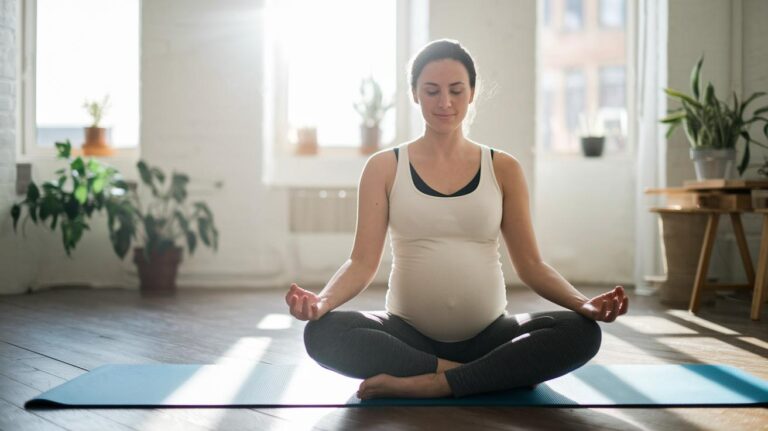
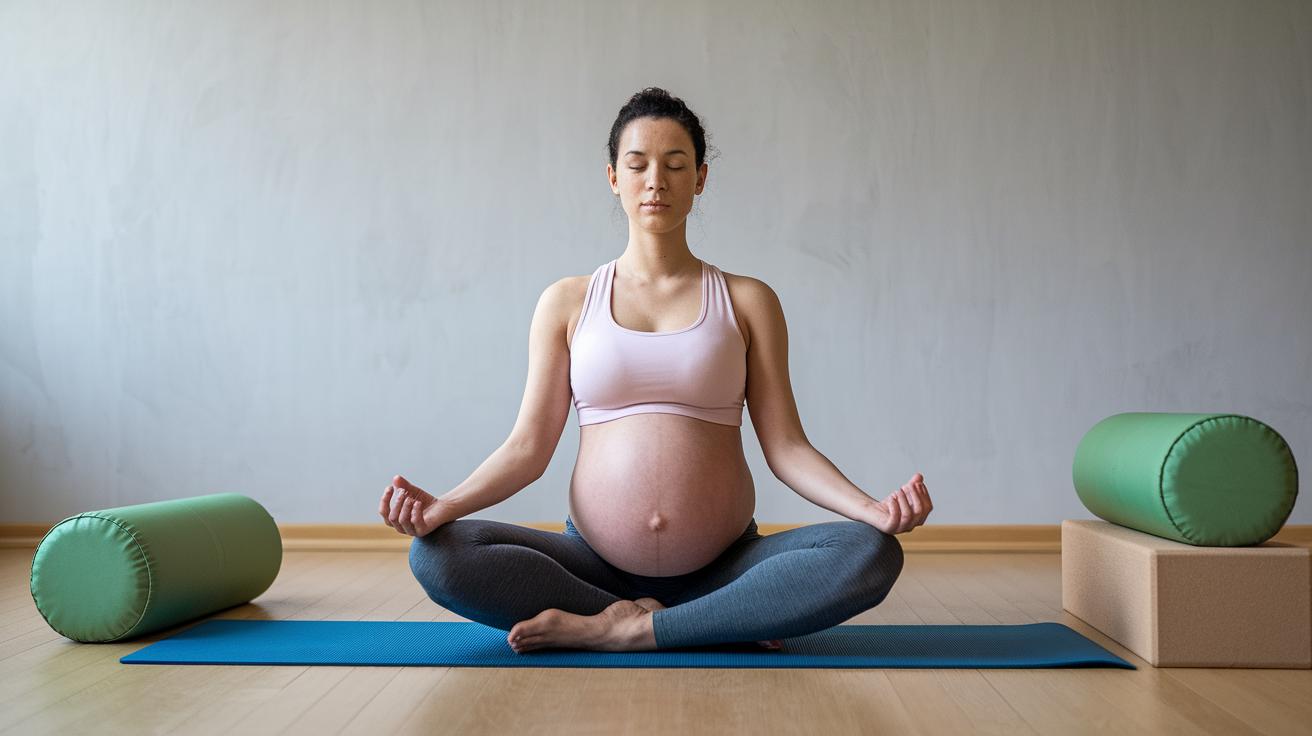
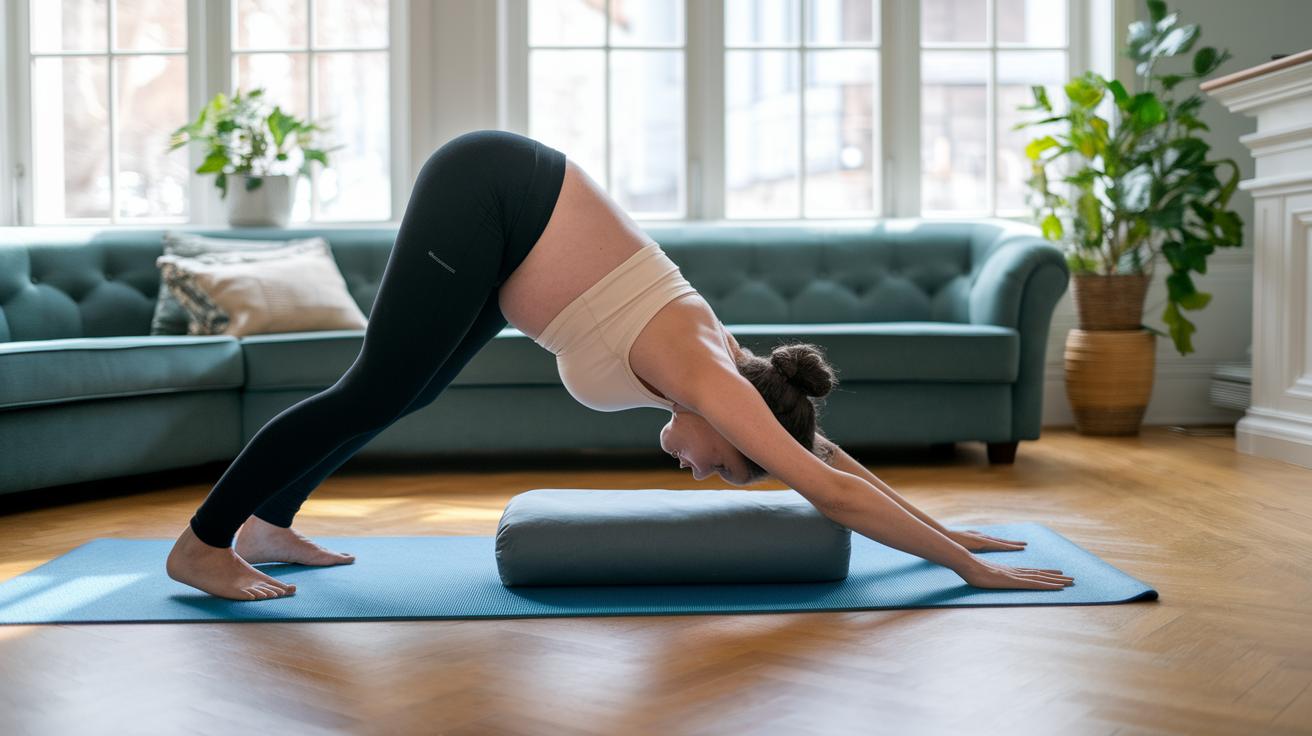
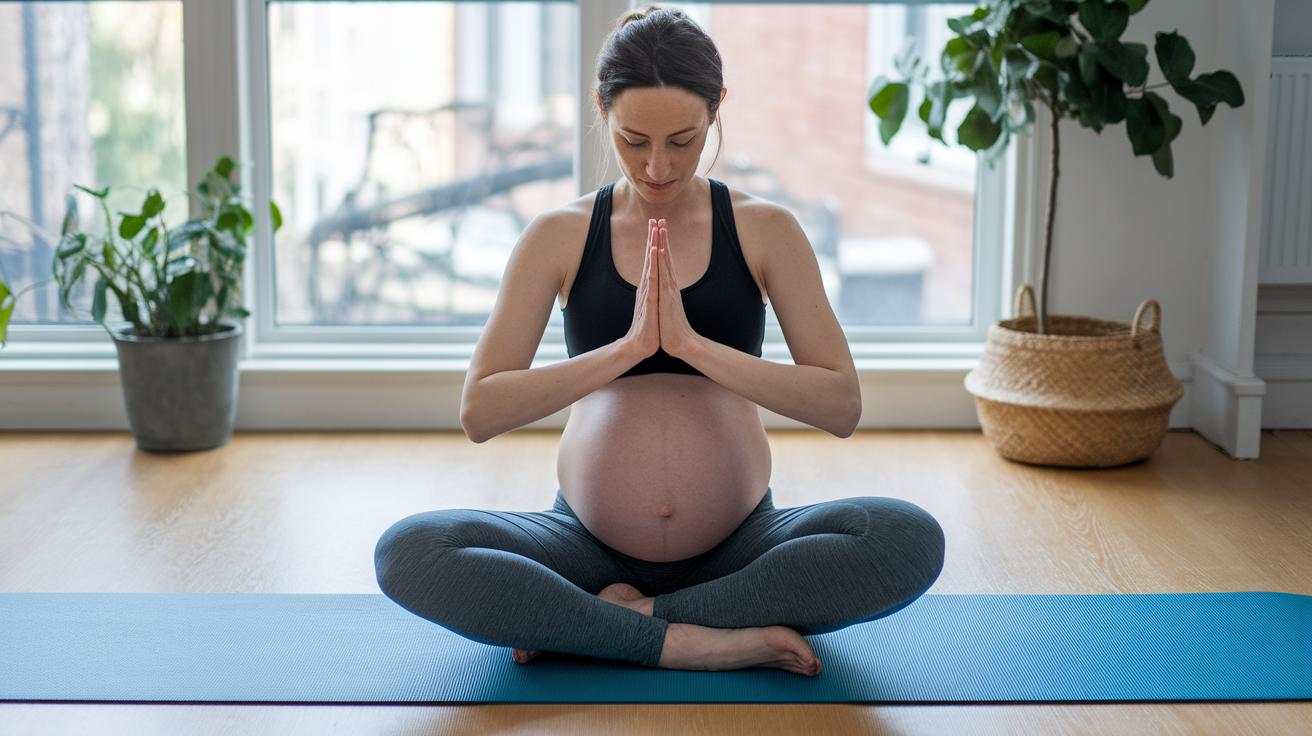
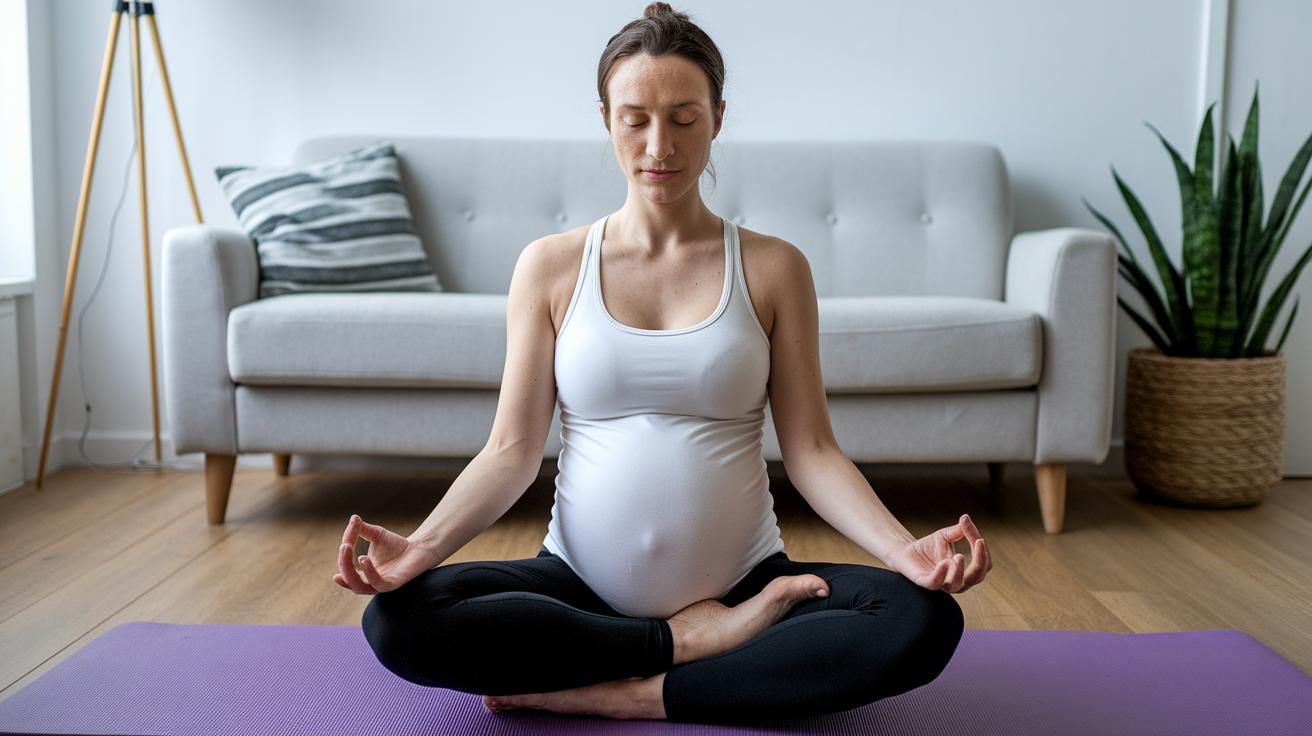
Mild yoga is another lovely choice for recovery. Simple poses or seated stretches let you stretch out while keeping your mind at ease. Imagine carefully opening a favorite storybook, page by page, after a long sleep, it’s all about taking your time and enjoying the process.
If you feel like having a routine, consider adding brief walks around your home and gentle post-birth stretches. This gradual approach not only builds up your stamina but also helps lower the risk of blood clots. In truth, it’s a comforting way to nudge your body back towards strength without overwhelming it.
Recognizing Warning Signs and Seeking Care During Postpartum Healing
If you see that your pad is soaked every hour, it’s a sign to call your doctor. Imagine being a mom and noticing her pad getting very wet, it’s a clear signal that something isn’t right! Similarly, if you develop a fever or notice a discharge that smells bad, these could be clues of an infection that needs prompt care.
Keep a close eye on any pain near your incision, especially if you see unusual redness or swelling. Sometimes, a gentle ache can suddenly feel much sharper, and that might mean your wound isn’t healing as it should. Plus, if you’re dealing with ongoing incontinence, strong uterine pain, or a wound that just won’t heal, it’s really important to get advice from a healthcare professional right away.
Also, notice if your mood starts to change. Postpartum depression and anxiety can affect many parents, so if you’re feeling extra overwhelmed or if those heavy emotions don’t fade, don’t hesitate to reach out for help.
Remember, your six-week checkup isn’t just a routine visit, it’s a chance to talk about any concerns you have with someone who understands what you’re going through.
Final Words
In the action, this article walked through the key stages of postpartum recovery, touching on everything from healing milestones to gentle exercises and proper nutrition. It served as a practical guide to help you understand changes after childbirth.
Each phase of the postpartum physical healing process was explained with care. Embrace each step with optimism, knowing that gradual healing brings you closer to feeling your best again. Enjoy every small victory along the way!
FAQ
How long does it take for your body to go back to normal after birth?
The recovery timeline varies, but your uterus usually returns by six weeks, with significant improvement seen over months and near full recovery often reached around one year.
What should I avoid doing after giving birth?
You should steer clear of heavy lifting, intense workouts, or any strenuous activity early on. Allow your body time to mend and follow your doctor’s guidelines for a gradual return to normal activities.
What are key steps for effective postpartum recovery and care?
Effective recovery means taking care of your healing incisions, enjoying plenty of rest, eating balanced meals, easing back into gentle exercises, and keeping up with checkups to monitor progress.
How does postpartum depression impact overall recovery?
Postpartum depression affects how you feel emotionally and physically. If feelings of sadness or anxiety arise, it’s essential to reach out for support from a trusted professional or friend.
Which postpartum symptoms should I not ignore?
Urgent symptoms include heavy bleeding that soaks a pad hourly, a fever, foul or unusual discharge, severe incision pain, or signs of redness and swelling at the wound site. Seeing a healthcare provider is important if these occur.
What are some helpful postpartum recovery tips?
Helpful tips include gradually easing into activities like gentle walking and simple stretches, staying well-hydrated, consuming nutrient-rich foods, and allowing yourself plenty of rest to aid the healing process.