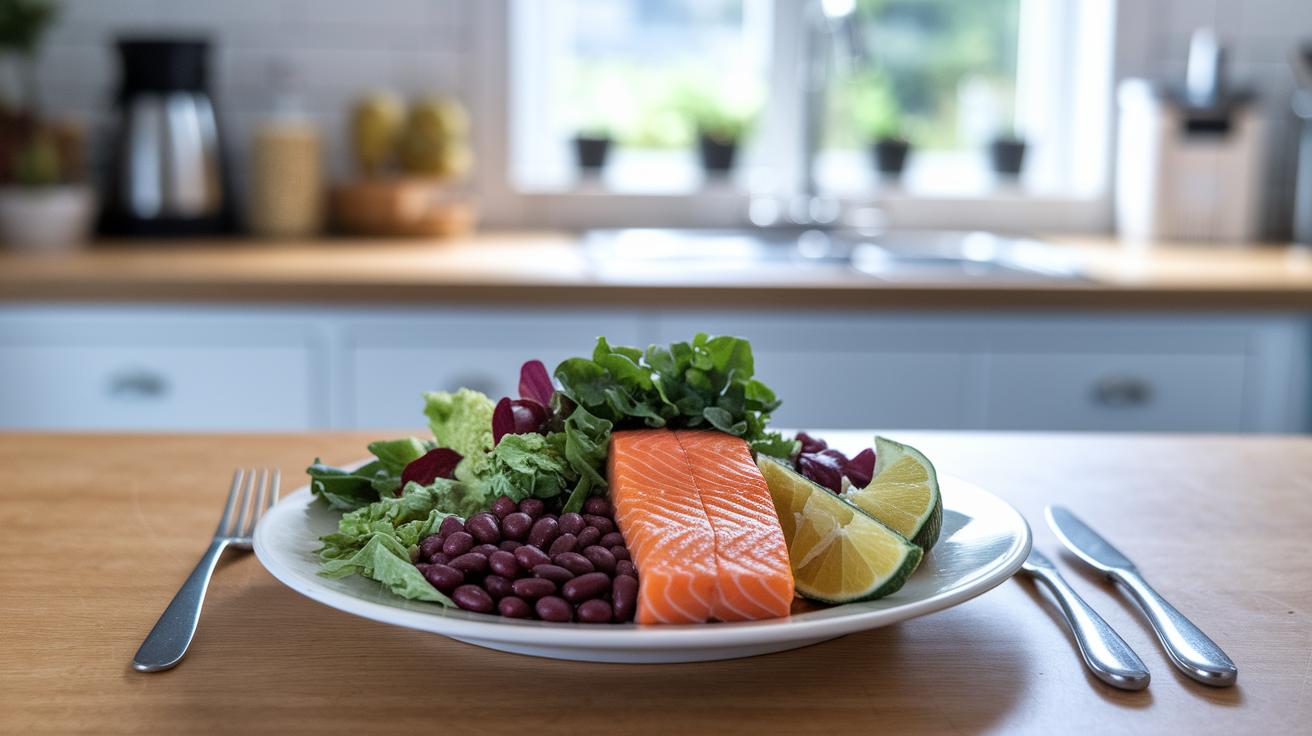
Saturday, June 27, 2026
Home Blog Page 76

Postpartum Support Strategies For New Moms: Caring Recovery

0

Have you ever thought that recovering after birth might be as gentle as pausing to take a few deep breaths? The days after your baby comes home can be challenging. Your body is busy healing and your emotions might be all over the place.

Sometimes, a short break to focus on your breath or a quick stroll outside can make a big difference. In this article, we'll share some simple tips to help your body mend and your heart feel a bit lighter. Small, caring moments can truly help you feel more comforted and confident.

Essential Postpartum Recovery and Self-Care Tips

img-1.jpg

Becoming a new mom can feel like a whirlwind of changes. The first 12 weeks after your baby arrives, often called the fourth trimester, bring along a mix of shifting hormones, mood ups and downs, and the need for your body to heal. Simple daily routines can make a big difference. For instance, a quick 5-minute guided breathing session can brighten your day, much like taking a short pause helps you refocus during a hectic morning.

Here are some friendly strategies to try:

  • Enjoy a 5-minute guided breathing or mindfulness break a couple of times a day.
  • Take a short walk outside with your little one to boost your mood and get your body moving.
  • Do some gentle pelvic floor exercises (like Kegels): try 3 sets of 10 in the morning and another 3 sets in the evening.
  • Ease any perineal discomfort with an ice pack or a sitz bath.
  • Keep some protein-rich snacks handy and remember to sip on 8 to 10 cups of water throughout the day.
  • Spend a minute each day in a self-compassion journal, writing down three things you’re grateful for or affirmations that lift your spirit.

Imagine each of these tips as a tiny building block, helping you regain strength and calm after your baby arrives. They may seem small on their own, but together they bring a big boost for both how you feel and how your body recovers.

Postpartum Emotional Support Strategies for Mental Wellness

img-2.jpg

New moms can feel all sorts of emotions when adjusting to life with a newborn. Changes in hormones and daily routines might bring feelings of sadness, worry, or even low self-esteem. Many moms go through what’s called the baby blues, while some may face postpartum depression, and a few might struggle with very intense feelings. It might seem hard to know where to begin, but simple, mindful steps can really help. Picture taking a moment to breathe deeply, just like noticing your baby's soft, steady breathing, it can make you feel more centered.

Here are some friendly ideas to help boost your mood:

  • Spend 5–10 minutes a day trying guided mindfulness or meditation.
  • Take short walks outdoors with your baby to enjoy some fresh air.
  • Join a support group with other moms, whether in person or online.
  • Keep a mood journal to check in with your feelings each day.
  • Try self-compassion exercises like affirmations or writing a list of things you're thankful for.
  • Practice deep breathing or muscle relaxation techniques.
  • Set small daily goals to feel a little win and build confidence.

These little practices are like gentle reminders to care for yourself. Even a few minutes of quiet time can help clear your mind and make space for self-care. Whether you're celebrating a tiny victory or enjoying a peaceful moment with your baby, each step adds up to support your emotional well-being during this important time.

Postpartum Physical Recovery Support Strategies for New Mothers

img-3.jpg

After you give birth, it's common to feel some discomfort like pain in the intimate area, cramping, swelling, and even a bit of bleeding. Taking a few gentle recovery steps can really help ease these feelings and support your healing. Over-the-counter pain relievers like ibuprofen or acetaminophen, along with using an ice pack for swelling and a heating pad for cramps, can be a great start. Imagine a mom resting with a cool ice pack and saying, "The cool compress helped ease my cramping quickly."

Keeping clean and comfortable is important too. Using a peri rinse bottle, enjoying a sitz bath, or applying witch hazel pads can calm sensitive spots and aid tissue healing. One mom shared, "After trying a sitz bath, I felt a gentle wash of relief that made me feel cared for." Little comforts like these can make a big difference.

Sometimes, you might also face digestive discomfort after delivery. Gentle stool softeners or a light witch hazel spray can help ease bowel issues, while heavy-absorbency pads or disposable underwear keep you comfortable as you manage any extra bleeding. Adding nourishing foods, like protein-rich snacks, leafy greens, and drinking about 2.7 liters of fluids each day can really support tissue repair and help with milk production.

Moving a little every day can boost your recovery as well. Simple pelvic floor exercises, such as doing 3 sets of 10 Kegels, help strengthen your muscles and improve blood flow. Light stretches or a quick stroll with your baby can bring gentle movement back into your day. Even a short walk can brighten your mood and support the healing process.

Here’s a quick checklist to keep in mind:

What to Do Examples
Pain Management ibuprofen, acetaminophen, ice packs, heating pads
Hygiene Aids peri rinse bottle, sitz bath, witch hazel pads
Bleeding Control heavy pads, disposable underwear
Digestive Relief stool softeners, witch hazel spray
Nutrition protein-rich snacks, leafy greens, 2.7 L fluids/day
Pelvic Floor Exercises daily Kegel sets (3 sets of 10 reps)
Gentle Mobility stroller walks, light stretching
Rest sleep when baby sleeps, use support pillows

Every little step you take to care for yourself matters. Remember, it's okay to feel a bit overwhelmed sometimes, but these simple strategies can help you feel more supported and gently on the road to recovery.

Postpartum Support Strategies for Partner and Family Engagement

img-4.jpg

New moms feel so much better when their partners and family lend a hand. It really helps when someone picks up daily tasks like cleaning the house, running errands, or watching the older kids. When loved ones step in, they not only take care of practical stuff but also give a heartfelt boost through their support. This extra care lets moms catch their breath, recover well, and focus on getting better.

Regular chats with a partner, whether daily or every other day, create a safe space for sharing feelings and needs. These little heart-to-heart moments can turn into a cherished ritual that makes moms feel understood and less alone. A lot of families find that setting up a meal train or planning freezer meals really helps on busy days. When partners arrange scheduled meal deliveries, it takes the worry out of cooking so everyone can enjoy good food and quality time together.

Inviting relatives or close friends to help out can free up more time for the mom to rest or bond with her baby. Explaining postpartum mood changes to family members lets them recognize signs of the baby blues or other shifts in emotions. When everyone is aware and caring, it builds a warm environment where talking about feelings feels natural and healing can truly begin. Little acts of kindness and love can brighten each day.

Community-Based Postpartum Support Strategies for New Mothers

img-5.jpg

Have you ever felt a bit alone after having your baby? It happens more often than you think, and feeling isolated can make the challenges of postpartum time even tougher. That’s why reaching out to others who share similar experiences can brighten your day and ease those hard moments. One mom shared her story by saying, "Meeting another parent in a local group reminded me that I'm not alone in this challenging but beautiful time."

Here are some friendly ideas to help you build a caring network:

  • Look for community caregiver circles that meet regularly at local centers.
  • Join virtual parent groups on apps or social media where you can get advice any time.
  • Attend neighborhood family events where you can chat, share tips, and enjoy a relaxed environment.
  • Participate in breastfeeding support groups that gather at local libraries, clinics, or community halls.

Taking small steps to connect with others can help lift your spirits and reduce feelings of loneliness. Whether it's meeting in person or joining online conversations, these connections offer friendly advice, hope, and a true understanding during postpartum recovery. Remember, finding a supportive community can be a warm, comforting part of your journey with your little one.

Professional Postpartum Support Strategies and Resources

img-6.jpg

After having your baby, it's important to care for both your body and feelings. If you notice your mood swinging or strong emotions lasting more than two weeks, it might be a good idea to chat with your doctor or a counselor. For instance, setting up your baby's first checkup 3 to 5 days after birth can help you both stay healthy. Early parenting support and stress counseling can really help you address little worries before they grow.

There are kind professionals ready to help, therapists, lactation consultants, and postpartum doulas are all here to support you, especially when it comes to keeping baby blues at bay. Regular checkups can give you quick feedback and support, so even tiny mood shifts don’t go unnoticed. Look up therapy resource directories online to easily find someone you trust to talk to.

When you feel overwhelmed by quick hormone changes and life’s new demands, a short consultation or a gentle counseling session might be just what you need. These steps can bring you comfort and make sure your mental health gets the attention it deserves. Getting help early can really smooth out your recovery.

Final Words

In the action outlined above, the guide offers mindful breathing, gentle walks, pelvic floor exercises, and warm self-care techniques to support both body and mind. It touches on practical tips for physical healing, emotional uplift, and the importance of family and community support. These steps, including accessing professional care when needed, form solid postpartum support strategies for new moms. Taking these small, caring actions can help make each day a little lighter and more joyful.

FAQ

How to help someone with postpartum depression

Helping someone with postpartum depression means lending a kind ear, offering help with daily tasks, and suggesting they speak with a professional so they feel understood and less alone.

What is postpartum psychosis

Postpartum psychosis describes a severe condition where a new mother may experience intense mood shifts or hallucinations. It calls for immediate professional help and support from loved ones.

What is the treatment for postpartum depression

The treatment for postpartum depression can involve therapy, medication, and strong support from family. Combining professional care with self-care routines often helps improve emotional well-being.

How to emotionally support a new mother

Offering emotional support to a new mother involves active listening, sharing gentle encouragement, and providing a safe space for her feelings, helping her feel cared for and understood.

How to prevent postpartum depression

Preventing postpartum depression may involve building a strong support network, practicing self-care, and having regular check-ins with a health provider to catch early signs of stress or mood changes.

What are postpartum blues

Postpartum blues are brief mood swings many new mothers feel after birth, usually fading within two weeks. Rest and gentle support can help ease these common feelings.

What is postpartum depression medication

Postpartum depression medication refers to doctor-prescribed treatments that help manage symptoms. It often works best when combined with therapy and supportive self-care practices.

What causes postpartum depression

Postpartum depression can be caused by hormonal changes, the stress of caring for a baby, and adjusting to new responsibilities. Support from professionals and loved ones helps in managing these changes.

What is the 5‑5‑5 rule for new moms

The 5‑5‑5 rule guides new moms to take five minutes for mindful breathing, five minutes for gentle movement, and five minutes to write down positive thoughts, offering a quick boost of self-care.

What are the 5 pillars of postpartum care

The 5 pillars of postpartum care include physical recovery, emotional support, proper nutrition, rest, and professional guidance, all of which help a new mother recover and feel supported.

How to be a supportive partner during postpartum

Being a supportive partner during postpartum means sharing chores, offering a listening ear, and actively helping with baby care, so the new mother feels both loved and practically supported.

What is the 40 day rule after birth

The 40 day rule suggests that new mothers rest at home and receive extra help in the first 40 days after birth, allowing them to focus on physical healing and adjusting to motherhood.

Active Form Of Folic Acid: Energizing Bioactivity

0

Ever notice how a small change inside your body can spark a burst of energy? Folic acid, for example, turns into a form called 5-MTHF (which helps build your DNA and make red blood cells). It’s like a little factory inside you, taking simple nutrients and giving your cells the boost they need. In this chat, we'll explore how this change fires up your metabolism and keeps you feeling great.

active form of folic acid: Energizing Bioactivity

img-1.jpg

5-methyltetrahydrofolate (5-MTHF) is the active form of vitamin B9 found in our foods. It helps your cells work better by playing a direct role in DNA building and making red blood cells. First, an enzyme called dihydrofolate reductase (DHFR) steps in to turn synthetic folic acid into a form that’s easier for your body to use, it goes from folic acid to dihydrofolate (DHF) and then to tetrahydrofolate (THF). It’s a bit like a tiny assembly line happening right inside you.

Next, another enzyme, methylenetetrahydrofolate reductase (MTHFR), adds a little tweak by methylating THF. This turns it into 5-MTHF, the form that really supports important cell jobs like methylation (a vital process for overall cellular health). Think of it as your body’s natural way of transforming something simple into a powerful helper.

Have you ever noticed how a small change can make such a big difference? That’s exactly what happens with folic acid in your body, turning into 5-MTHF gives you more energy by powering up your metabolism in a meaningful way.

Biochemical Pathway of Folic Acid Activation in the Body

img-2.jpg

When you eat foods rich in folate, your body gets this nutrient in a long-chain form called polyglutamate. In your small intestine, an enzyme named gamma-glutamyl hydrolase acts like a pair of handy scissors. It chops the long chain into a smaller, simpler piece known as monoglutamate. Think of it like taking a string of beads apart so you can use each little bead when it's needed.

Once the folate is in its simpler form, it travels into your cells where a couple of important enzymes take over. First, dihydrofolate reductase (DHFR) helps by converting synthetic folic acid to dihydrofolate (DHF). Then, methylenetetrahydrofolate reductase (MTHFR) transforms DHF into tetrahydrofolate (THF) and eventually into 5-methyltetrahydrofolate (5-MTHF). This two-step process is like a gentle relay race that gets folate ready for its vital role in your body.

Inside your cells, another enzyme called folylpolyglutamate synthetase adds extra glutamate bits to the THF derivatives. This step not only keeps the folate safely inside the cell but also sets the stage for important jobs in your metabolism. In the folate cycle, compounds such as 5,10-methylene-THF and 10-formyl-THF carry one-carbon pieces that help build DNA and support methylation (a process that helps control how your genes work). Imagine each cell as a busy kitchen, where these pieces become essential ingredients for a nourishing recipe essential for life.

Comparing Synthetic Folic Acid and Bioactive Folate Supplements

img-3.jpg

Synthetic folic acid is usually added to foods like cereals, breads, and flours, and many of these foods deliver more than 1 mg a day. Our bodies use a slow enzyme called dihydrofolate reductase (DHFR) to turn synthetic folic acid into a useful form, which means a little of it can sometimes stay in the blood unused. It’s kind of like waiting in a long line for your favorite ride, you feel the delay.

Bioactive folate, such as 5-MTHF or folinic acid, skips that slow-step completely. It doesn’t need DHFR, so it jumps right into helping with important tasks like making DNA and red blood cells. It’s like bypassing the line and getting straight to the fun part! With better absorption, bioactive folate keeps your system working smoothly without any extra buildup.

When you put them side by side, bioactive folate really has the edge. Its ready-to-use nature means your cells get the nutrients they need faster, imagine switching from an old, laggy phone to a bright, fast new one. It’s a simple way to support your body more efficiently and safely.

Health Benefits of the Active Form of Folic Acid

img-4.jpg

Our bodies need 5-MTHF, the active form of vitamin B9, to work well. It’s like a key helper in our body’s plan for repairing and renewing cells. This nutrient helps build red and white blood cells so oxygen moves smoothly through your body, and your immune system stays ready to protect you. Think of it like building a strong brick wall, each brick adds to your overall strength.

Good levels of active folate are also very important during early development. It’s much like having a caring coach guiding a young athlete, ensuring that a baby’s cells grow correctly and lowering the risk of complications at birth.

Active folic acid helps make S-adenosylmethionine (SAM), which works like a spark plug for many processes in our cells, especially keeping heart-friendly homocysteine levels in check. Without enough active folate, you might face issues like anemia or a weaker immune system.

In short, active folate is a building block for your everyday health. It’s like tending a garden: a little regular care with 5-MTHF lets your cells flourish and helps you feel strong and resilient every day.

Supplementation Strategies and Dosage Guidelines for Active Folate

img-5.jpg

Active folate supplements come in forms like 5-MTHF or folinic acid. They skip the slow step your body would usually go through, which means you get the good stuff right away. Many moms and families love these ready-to-work folate supplements because they begin making a difference from day one. One mom said switching to a 5-MTHF folate supplement was like a breath of fresh air, and she felt more energetic throughout her day.

Experts suggest taking 400 to 800 mcg of 5-MTHF each day to help your body get what it needs. It’s interesting to know that even a small dose of synthetic folic acid, sometimes as low as 200 mcg, can build up in your blood if your body doesn’t use it properly. That’s why many choose the active form of folate. For expecting moms, many prenatal vitamins now include formulations like l-methylfolate (an active form), which helps your body absorb the nutrient better during pregnancy.

You can find these supplements in several forms, from tablets to powders. They are made with care to ensure you receive reliable benefits every time. Some products even offer extra absorption support, which gives you peace of mind knowing your body is getting the right amount of nutrients.

Feature Details
Common active forms 5-MTHF, folinic acid
Recommended adult dosage 400–800 mcg/day
Safety threshold for synthetic folic acid Less than 200 mcg
Key product features Stability, tablet vs powder

Genetic Factors Influencing Active Folate Metabolism

img-6.jpg

Sometimes our genes work a little differently. For example, a change in the MTHFR gene, like the C677T variant, can slow down how our body turns one type of folate (THF) into its active version (5-MTHF). This means that even if you’re eating plenty of folate-rich foods, your cells might not get the active form needed for important jobs like making DNA and red blood cells.

When your body has lower levels of 5-MTHF, it might struggle with balancing homocysteine, a type of amino acid linked to heart health. Think of it like having a toolbox without the right tool for fixes. In these cases, taking 5-MTHF directly can be a real lifesaver, giving your cells the ready-to-use tool they need. This simple step helps support your body’s processes and keeps things working as they should.

Dietary Sources of Bioactive Folate with Active Form Nutrient Profiles

img-7.jpg

When you eat foods rich in active folate, you’re giving your body a natural form of vitamin B9 called 5-MTHF. Think of it this way: foods like spinach and lentils bring folate that enters your small intestine as long chains. Then, an enzyme called gamma-glutamyl hydrolase comes along and gently trims these chains into smaller pieces, which makes it easier for your cells to turn them into the active 5-MTHF form. This vitamin is really important because it helps your body make DNA, build red blood cells, and run other crucial routines smoothly.

Adding natural sources of active folate to your meals is a wonderful way to support healthy cells. Leafy greens, colorful veggies, and hearty legumes work together to supply you with bioavailable folate and other helpful vitamins and minerals. It’s no wonder that many diet plans, especially for moms, suggest these foods when nutritional needs are higher. Imagine setting up a daily meal plan that naturally boosts your energy and resilience, it’s a simple way to feel great and take care of your body!

Food Serving Size Folate Content (mcg)
Spinach (cooked) 1 cup 260
Asparagus 5 spears 134
Broccoli 1 cup chopped 168
Avocado ½ fruit 82
Lentils (cooked) ½ cup 179

Final Words

In the action, we looked at how folic acid transforms into its active state, 5-MTHF. We unraveled the key steps where enzymes work together to change folic acid into helpful forms for the body.

We also talked about the differences between synthetic folic acid and bioactive forms and even touched on how genes can shape this process. With this clear look at the active form of folic acid, you can move forward with renewed confidence in supporting your health.

FAQ

Is folate or folic acid better for pregnancy?

The query about whether folate or folic acid is better for pregnancy highlights that folate (especially in its bioactive form like methylfolate) is preferred. This form is easier for the body to utilize and may lower neural tube defect risk.

How does methylfolate compare to folic acid?

The question on methylfolate versus folic acid indicates that methylfolate is the active form. It bypasses initial conversion steps, offering higher absorption for quicker results, benefiting both pregnancy and overall health.

Can folate and folic acid be taken together?

The question about taking folate with folic acid implies that while both serve similar roles, combining them is generally safe, but it’s best to follow guidelines or advice from a healthcare professional for proper balance.

Is folic acid bad for you?

The question regarding folic acid safety notes that folic acid is beneficial in appropriate amounts. However, excessive intake may lead to unmetabolized folic acid in the blood, so it’s important to adhere to recommended dosages.

What foods should be avoided when taking folic acid?

The inquiry about foods to avoid with folic acid suggests that there are no specific foods to steer clear of, but one should be cautious with fortified foods that may contribute to excess synthetic folic acid levels.

What are the symptoms of consuming too much folic acid?

The question on excessive folic acid outlines that too high an intake can lead to symptoms like abdominal discomfort, sleep issues, or skin changes, indicating that dosage should remain within recommended limits.

What is the recommended folic acid dosage for adults?

The inquiry on folic acid dosage for adults emphasizes that adults typically require around 400–800 mcg of the active form daily, while synthetic folic acid should be lower to prevent accumulation of unmetabolized amounts.

What is the active form of folic acid and how does it work?

The question regarding the active form of folic acid reveals that 5-methyltetrahydrofolate (5-MTHF) is the active version. It is produced in the body through conversion steps, readily supporting DNA synthesis and overall metabolic functions.

Infant Milestone Guidelines: Embrace Joyful Growth

0

Have you ever wondered if your little one is hitting all those special milestones? It’s like watching a favorite story unfold, one page at a time. Every smile, little roll, and those brave first steps add to your baby's unique journey. In this guide, you'll find a friendly look at the key moments in your baby's growth. We’ll point out what to notice as your baby learns, moves, and fills your days with laughter.

It’s like chatting with a friend who truly understands the joy of watching a little one grow. Enjoy these simple tips to celebrate every precious moment along the way.

Infant Milestone Guidelines at a Glance: Age-Based Benchmarks

img-1.jpg

Watching your baby grow is full of surprising moments that mark special stages. These simple markers give you a peek into your little one’s progress in how they move, learn, and connect with others. From that sweet, early smile at one month to the thrill of those first steps at twelve months, every milestone is a moment of joy. Take a look at the table below for a friendly guide on what you might see as your baby grows.

Age Physical Cognitive Social
1 Month Smiles and loves gentle, sweet smells. Begins to watch everything around. Starts bonding with caregivers.
3 Months Lifts head and chest when on tummy; shows little, lively arm movements. Grows curious about faces and objects. Responds warmly to familiar voices.
6 Months Rolls over both ways and can sit with a bit of support. Explores toys by reaching and mouthing them. Recognizes their name, showing budding social awareness.
9 Months Sits up nicely on their own. Interacts with toys to learn cause and effect. Begins engaging in playful social interactions and might feel shy with strangers.
12 Months Pulls up to stand, may take a few steps, and enjoys banging blocks together. Starts using simple play to solve little puzzles. Mimics caregiver actions as a way to interact and learn.

If you ever need a visual guide, check out the chart on childhood development stages. Remember, every child is unique, so these milestones are just a general idea of what you might see. It’s completely normal for little ones to find their own pace. Enjoy every heartwarming moment of this wonderful journey!

Physical Growth Metrics in Infant Milestone Guidelines

img-2.jpg

Watching your baby’s growth numbers helps you see how they build strength and learn to move. Every little wiggle shows them exploring their world and getting stronger, step by step.

Age Milestone Description
1 month At 1 month, you might notice small, jerky arm movements as their muscles begin to work.
3 months At 3 months, your baby lifts their head and chest while lying on their tummy, giving their neck a gentle workout.
6 months At 6 months, rolling over in both directions shows their growing strength and better coordination.
7 months At 7 months, sitting without any help shows improved balance and a new sense of independence.
7–10 months Between 7 and 10 months, starting to crawl opens up fun new ways to explore the world.
12 months At 12 months, pulling to stand and cruising along furniture are early signs of walking.

Regular tummy time and safe, supervised practice make playtime fun while helping your little one build the muscles they need to move. Have you ever noticed how a bit of extra belly time really boosts their strength?

Cognitive Development Standards in Infant Milestone Guidelines

img-3.jpg

Watching your baby learn is like seeing a whole new world open up right before your eyes. Around six months, your little one starts to explore by putting toys in their mouth and giving them a gentle tap. By eight months, they discover that even if something is hidden, it’s still there, just like a fun game of peekaboo. Then around nine months, you might see them imitating simple moves, like a friendly wave, as if they're testing out their first social skills. Approaching their first birthday, your child begins to solve little puzzles, like finding a hidden toy, showing the first signs of problem-solving smarts. And here’s something surprising: before they even say their first words, they might already be using their hands to explore and learn about the world.

Noticing these milestones gives you a sweet little guide to how your baby’s mind is growing. Seeing these small leaps helps you understand all the new ways your baby is thinking and interacting. And if anything feels a bit off, you can always have a gentle chat with your pediatrician, making sure every new discovery is met with care.

Language Acquisition Markers in Infant Milestone Guidelines

img-4.jpg

When babies are about three months old, they start playing with their voices. They make gentle coos and soft vowel sounds that feel like the very first notes of a never-ending conversation. Hearing these sweet sounds is like catching a glimpse of how they’re learning to show their feelings without words.

By the time they reach six months, things get even more playful. Babies begin to babble and mix up syllables as they respond to familiar voices, even to their own name. It’s a time full of repeated sounds and joyful noise that lays the groundwork for real language. Listening to these playful sounds can gently encourage their growth, as you can see in the language development milestones here: language development milestones.

Then, around nine months, little ones start adding gestures like pointing or waving. By twelve months, many say “mama” or “dada” and understand simple commands. Their mix of gestures and early words offers a warm insight into their growing comprehension. Every sound, word, and little gesture is a step toward full language skills, and it’s a beautiful part of watching them learn and grow.

Social and Emotional Signals in Infant Milestone Guidelines

img-5.jpg

At 2 months, those sweet smiles are more than just cute, they show that your little one is beginning to connect with you. When you see that tiny grin, make eye contact and speak in a soft, warm voice. You could say, "Your smile is like a little sunbeam," helping your baby feel safe and curious without too much excitement.

By 9 to 12 months, babies might start to feel a bit shy around strangers and even copy your actions, like clapping or waving. This shows they are learning to understand how people interact and share feelings. Try introducing new faces slowly and show them simple gestures. For example, say, "Let's wave hello together," as you wave, so your baby can learn to greet others kindly.

Monitoring Delays and Pediatric Care Criteria in Infant Milestone Guidelines

img-6.jpg

Developmental Health Watch is a gentle way for parents to notice if their little one might need a bit more help. This guide points out a few simple signs from infant milestone guidelines that go hand-in-hand with your baby’s regular checkup screening exams. Keeping track of these small steps helps you bring up any worries with your pediatric provider in a friendly, clear way.

For example, if by 3 months your baby hasn’t smiled socially or if you see that their head seems wobbly after 4 months, it might be a good idea to chat with your pediatrician. A missing social smile or weak neck control could mean your baby is taking a bit longer to build muscle strength. And if your baby isn’t rolling over by 6 months, that’s another signal that a closer look might be needed.

Later on, if your baby can’t sit by themselves by 9 months or isn’t starting to babble by 12 months, these are clear signs to discuss during your pediatric checkup screening exams. Watching these small milestones and using your pediatric care tips means you’ll notice any differences early on, helping your little one get the care and support they truly deserve.

infant milestone guidelines: Embrace Joyful Growth

img-7.jpg

Tracking your baby’s milestones is more than noting dates, it’s celebrating every new skill as it blossoms. When you jot down each little win along with the date and a few words about the moment, you're crafting a personal storybook of growth. It’s like creating a scrapbook filled with warm, tiny memories that you can share with family or mention at doctor visits.

Using simple screening tools, like the Ages and Stages Questionnaires (a set of basic checklists), can help you see how your child is learning and moving. They work like gentle guides that show you if your little one is reaching important spots in their growth journey and point out where a bit more extra care might be needed.

Everyday tools like friendly apps or printed checklists make it easy to capture those moments. Whether you prefer writing on a printed chart or using an app on your phone, these tools turn tracking milestones into a sweet family ritual. A quick note like “beamed at the jingle of a rattle” turns a fleeting moment into a cherished memory.

Final Words

In the action, we covered the key steps in understanding your little one's growth. We looked at age-based categories for physical, cognitive, language, and social-emotional milestones. The guide also touched on recognizing delays and using handy tools to track progress. Remember, every baby grows at their own pace, and these infant milestone guidelines offer a calm way to watch for natural steps along the way. Embrace each small achievement and enjoy the delightful moments ahead!

FAQ

Where can I find baby milestone guidelines and charts in PDF form, including trusted sources like the CDC?

The baby milestone guidelines and charts in PDF form are available online from trusted sources like the CDC and pediatric clinics. They break down age-based benchmarks from 0 to 18 months for easy reference.

What are normal developmental milestones and age guidelines for infants, such as what to expect at 4 months?

Normal infant milestones cover physical, cognitive, language, and social growth. For instance, by 4 months, babies often lift their head and chest while on their tummy, and typical progress continues throughout the first year.

What are the five developmental milestones in baby growth?

The five key developmental areas include physical, cognitive, language, social-emotional, and self-help skills. Focusing on these areas helps parents monitor progress and notice any early delays.

What are red flags in child development that might signal a need for pediatric follow-up?

Red flags include a missing social smile by 3 months, poor head control after 4 months, the absence of rolling by 6 months, not sitting by 9 months, and no babbling by 12 months—each of which should prompt a pediatric checkup.

Cooking With Nutrient-dense Ingredients For Maternal Health!

0

Have you ever wondered if the food on your plate could help boost your energy during pregnancy or even after your little one is born? Imagine filling your plate with colorful fruits, veggies, lean meats, and whole grains that not only taste great but also help your body heal and keep you feeling strong.

Cooking with these nutrient-packed foods isn’t just about flavor, it’s a smart way to build strength and feel your best every day. In this post, I'll share some simple tips and easy recipes that brighten your meals and give both you and your baby the nourishment you need during this special time.

Nutrient-Dense Cooking Strategies for Pregnancy and Postpartum

img-1.jpg

Eating well is so important for both you and your little one. When you fill your plate with bright fruits, veggies, lean meats, whole grains, and healthy fats, you’re giving your body the help it needs to repair itself, keep your blood balanced, and build strong bones. Imagine kicking off your morning with a cheerful smoothie bowl full of berries, spinach, and Greek yogurt, simple ingredients that pack a real nutrient punch.

Protein, good fats, and fiber are the heart of many favorite recipes. Think about a one-pan meal like a sheet-pan chicken with veggies. Not only does it make postpartum recovery easier, but it’s also a breeze to prepare. This method meets your extra calorie needs for at least eight weeks after delivery while keeping your energy up. And don’t forget to keep sipping water, about 8–10 cups a day helps your body heal and supports steady breast-milk production.

Meal planning can be a fun part of your day with recipes that fit a busy schedule. Picture a warm lentil and vegetable soup slow-cooking in your crockpot while your baby naps. It’s a lovely reminder that making extra servings means leftovers that are both comforting and healing. Even little changes, like swapping regular pasta for whole grains, can boost your meal’s nutrition without much extra effort.

Every meal is a chance to add key nutrients like iron from spinach or fortified cereals, calcium from dairy or plant milks, and Omega-3 fatty acids from salmon or chia seeds. These nutrients work together to help fend off problems like anemia and support your baby’s growth. By focusing on these nutrient-packed foods, you’re cooking with love and care for both you and your baby throughout pregnancy and postpartum.

Key Nutrients and Vitamins in Maternal Cooking

img-2.jpg

Have you ever experimented with ingredients that shine a light on fresh flavors while packing your meals with nutrients? Try mixing seasonal vegetables, lean proteins, and grains rich in nutrients for a balanced meal that feels both healthy and comforting. One evening, while prepping a colorful stir-fry with dark leafy greens, I squeezed in a little citrus, and it was amazing. Not only did the citrus brighten up the dish, but it also helped your body grab more vitamin C. Really, sometimes a small twist can make mealtime feel special.

Below is a concise table that highlights key nutrients along with their main sources to support your meal planning:

Nutrient Role in Maternal Health Top Sources
Iron Helps prevent anemia and keeps energy steady Lentils, spinach, fortified cereals
Calcium Builds strong bones for both mom and baby Dairy products, fortified plant milks
Omega-3 Supports brain development and heart health Salmon, chia seeds
Folate Reduces the risk of neural tube defects Leafy greens, citrus fruits, lentils
Vitamin D & C Boosts immunity and lowers preeclampsia risk Fortified dairy, eggs, citrus fruits

Meal planning doesn’t have to be complicated. Simple ideas like combining complete proteins from lean meats, beans, and quinoa can set you off on the right path. And when you use cooking techniques like lightly steaming vegetables to keep their vitamins intact, you’re giving your body a caring boost. A quick splash of citrus dressing can add that extra burst of flavor, making your meal both nourishing and delightfully refreshing.

Delicious Nutritious Recipe Ideas for Maternal Health

img-3.jpg

Trying out new recipes can really brighten your day and give your body the care it needs. Here are five simple, nourishing ideas perfect for pregnancy (or the time after you welcome your little one) that feel like a warm chat with a dear friend:

  • Spinach & Feta Omelet for protein and calcium
    Imagine whisking fresh eggs with a hearty handful of spinach and sprinkling in some crumbled feta. This omelet not only delivers a good dose of protein but also adds calcium to help keep your bones strong. It’s like wrapping yourself in a little morning hug!

  • Quinoa & Chickpea Power Salad for fiber, folate, and plant-based protein
    Picture a bowl filled with soft quinoa, tender chickpeas, crisp veggies, and a squeeze of lemon. This salad is packed with fiber for your digestion and folate (a nutrient that helps your cells grow) to support your body. It feels as refreshing as a gentle breeze on a sunny day!

  • Baked Salmon with Roasted Sweet Potatoes for omega-3s and beta-carotene
    Envision a lightly seasoned fillet of salmon baked alongside sweet potato cubes. The omega-3 fatty acids give your heart a little boost while beta-carotene adds natural sweetness and a burst of color. This dish is as delightful as it is nutritious!

  • Greek Yogurt Parfait with Berries & Nuts for calcium and antioxidants
    Think of layering creamy Greek yogurt with a mix of juicy berries and a sprinkle of crunchy nuts. This parfait is a tasty way to get extra calcium for strong bones and antioxidants that help keep your body feeling its best. It’s like a little treat made just for you!

  • Hearty Lentil & Vegetable Soup for iron, fiber, and hydration
    Imagine simmering red lentils with a colorful mix of vegetables to create a warm, comforting soup. This meal helps boost your iron levels and provides fiber, all while keeping you nicely hydrated. It’s like a cozy, gentle hug on a chilly day!

Fiber-Enhanced and Low-Glycemic Meal Concepts

img-4.jpg

Fiber-rich foods are great for smoothing out digestion and easing that postpartum constipation, all while giving you lasting energy. When you add whole grains, fruits, veggies, and legumes to your meals, you're helping keep your blood sugar balanced and steady. For example, throwing quinoa, oats, brown rice, or barley into your breakfast or casseroles can keep your blood sugar from spiking and lower your risk of gestational diabetes.

Imagine whipping up a warm bean chili where you let the beans soak overnight. It’s a simple trick that softens the beans and keeps their natural fiber intact, making your meal gentle on the tummy. And pairing whole grains with proteins, like a bowl of brown rice served with grilled chicken and veggies, helps balance your carbs nicely.

Here are some friendly ideas to weave in fiber and low-glycemic foods throughout your day:

  • Start your morning with a bowl of rolled oats mixed with diced apples and walnuts.
  • Enjoy a side salad full of leafy greens and bright bell peppers for a natural fiber boost.
  • Try a casserole that combines beans or lentils with whole grains and a mix of your favorite veggies.

These little tips not only boost the nutrition in your meals but also support your well-being, whether you're pregnant or in recovery. Embracing these simple, low-glycemic, fiber-rich ideas can transform your everyday cooking into a nurturing, comforting ritual.
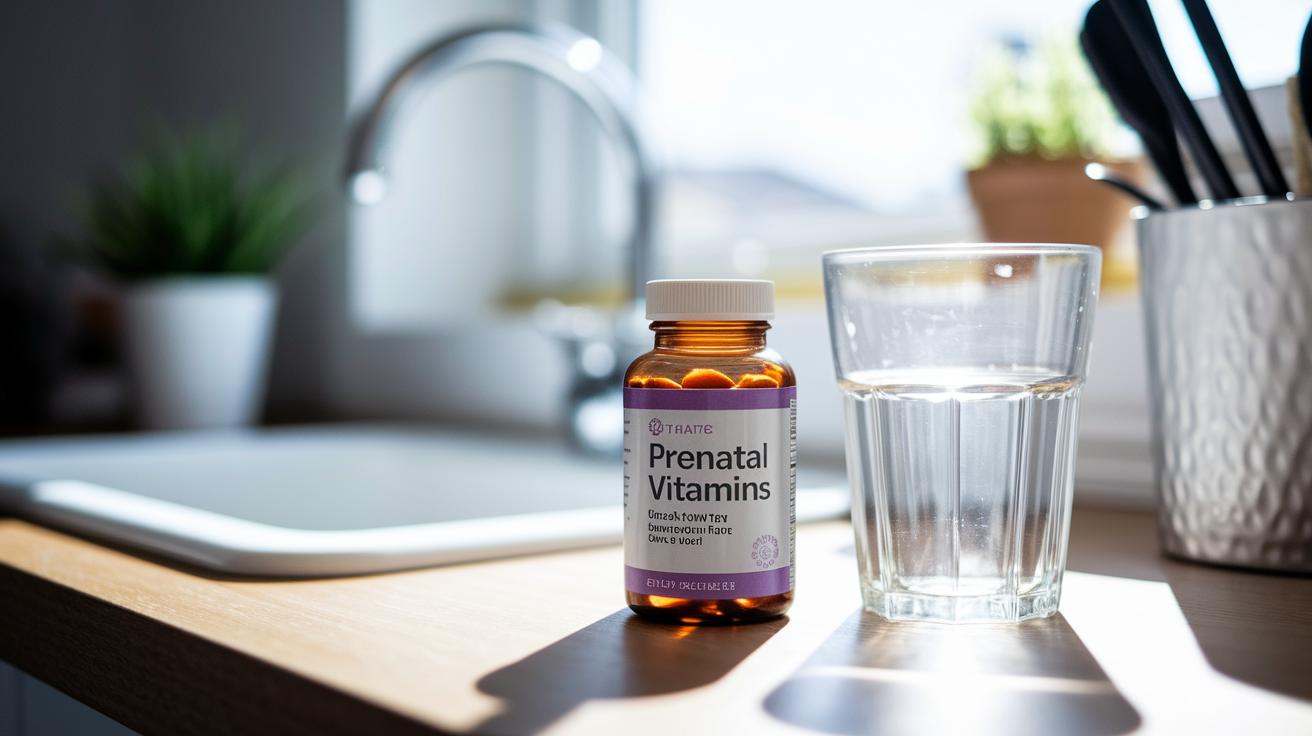
Anti-Inflammatory and Healing Ingredients for Postpartum Recovery

img-5.jpg

After having your baby, your body craves gentle, natural support to calm swelling and help tissues mend. Turmeric and ginger are like a soothing hug for sore muscles. You can mix a little turmeric into a warm cup of golden milk or toss it into your favorite hearty soup. Imagine stirring a pinch of turmeric into your bone broth and feeling that comforting warmth boost collagen production.

Bone broth is already a great source of collagen for healing. Try simmering it with extra slices of ginger and a dash of turmeric. This slow-cooked blend not only warms you up but also eases postpartum aches. Adding a small handful of nuts and seeds, rich in zinc and selenium, to your salad or smoothie bowl is a fun way to add crunch and extra healing power.

Vitamin C is another friendly helper in your recovery. Fruits like oranges or kiwi work great when paired with collagen-rich meals. Here are some simple ideas to help you feel better every day:

  • Enjoy a warm bowl of bone broth with extra ginger and a sprinkle of turmeric.
  • Blend a refreshing smoothie with citrus fruits and a few nuts.
  • Opt for fish just two or three times a week while keeping an eye on mercury levels.
  • Stick to a daily caffeine limit of 200 mg.

These little swaps and tips can help soothe inflammation and guide you toward a smoother, gentler recovery.

Meal Planning and Time-Saving Prep for Maternal Wellness

img-6.jpg

Imagine coming home to a wholesome, tasty dinner that’s already waiting for you while you enjoy some extra cuddle time with your little one. One-pan meals, like a hearty sheet-pan dinner, a warm soup, a rich stew, or a comforting casserole, can really take the rush out of your evening. These simple recipes not only give you leftovers for later but also pack in the good, nutrient-rich foods that help restore your energy and support your recovery.

When you’re feeling low on energy, using frozen veggies or tossing ingredients into a slow cooker can be real lifesavers. Picture this: you put all your ingredients in the crockpot before you even head out, and then come home to a warm, ready-to-eat meal that barely needs any extra effort. By planning your meal prep around your baby’s nap times, even if it’s just a quick 15-minute burst, you’re making the most of those small, peaceful moments.

And for those busy moments when you’re on the move, handy snacks that you can grab with one hand are a true blessing. Think about egg muffins you can enjoy while holding your baby, little energy bites for a quick boost, or even premade breakfast burritos to keep you fueled throughout your day. For more easy ideas on meal prep and snacks, check out Postpartum recovery tips. These simple, smart techniques help make healthy eating an easy part of your daily routine.

Seasonal Produce and Sustainable Ingredient Choices

img-7.jpg

Planning your meals around what’s in season is like inviting nature’s very best to your table. When fruits and veggies are at their peak, they burst with flavor and nutrients that make every bite feel like a little celebration.

Using seasonal goodies like kale, Swiss chard, beets, carrots, and bright berries not only sweetens up your diet but also supports farming methods that care for our planet. Choosing organic or sustainably grown dairy and produce means you’re avoiding harsh chemicals, keeping your family’s meals safe and pure.

Have you ever wandered through a local farmer’s market? It’s a warm, friendly way to find these nutrient-packed options while helping out community growers. Imagine picking crisp apples or sun-ripened tomatoes that are as kind to your body as they are to the environment.

Mixing up your greens and root vegetables throughout the year keeps your meals interesting and makes sure you get different vitamins and minerals. This thoughtful routine not only nourishes you but also shows love for the Earth. For more tips on sustainable shopping and seasonal menus, visit Maternal diet and wellness guidelines. Enjoy the fresh tastes and feel good knowing you’re caring for yourself and the world around you.

Energy-Boosting Smoothies and Snack Solutions

img-8.jpg

Sometimes a quick burst of energy is exactly what you need when you're on the move. Have you ever thought about starting your day with a vibrant smoothie bowl? Try blending some Greek yogurt, spinach, chia seeds, and a handful of berries. I remember one busy morning when I whipped up a smoothie bowl that powered me through my toddler’s playtime. It gave me a balanced mix of protein, fiber, and antioxidants, all in one delicious bowl.

Another quick idea is avocado toast sprinkled with hemp seeds. The creamy avocado and crunchy hemp seeds work so well together, providing healthy fats and protein to keep hunger at bay. Picture a slice of whole grain toast topped with mashed avocado and a squeeze of lemon, adding a refreshing twist.

If you need a snack that's easy to take on the go, consider making nut-butter energy bites. These little treats mix oats, nut butter, and a few mini chocolate chips to give you a natural boost whenever you need it. A handy tip is to prepare a batch when you have a quiet afternoon, so you can grab one during your busiest days.

And don’t forget to stay hydrated. Sipping on some coconut water or fruit-infused water is a great way to replenish your electrolytes. Imagine a chilled glass of water with slices of citrus, it’s simple, refreshing, and the perfect match for any snack or smoothie. Best of all, you can whip up these ideas in under five minutes, fitting perfectly into a busy mom's schedule.

Warm Healing Soups and Slow-Cooked Dinners

img-9.jpg

Imagine stepping into your home and being greeted by the rich, comforting aroma of a steamy bowl of bone broth vegetable soup. This soup, given a little extra care with turmeric and ginger, simple spices known to help ease inflammation, feels like a gentle hug on a cool evening. Each spoonful carries both the healing magic of a well-made broth and the cozy, home-cooked love we all crave.

Then there’s that slow-cooked chicken stew that fills your kitchen with pure warmth and care. Think about tender chicken, carrots, kale, and barley slowly mingling together in your crockpot. It's like a nutritional embrace, a mix of protein, fiber, and tiny but mighty vitamins that boost both body and spirit. The natural sweetness of the veggies paired with a hint of nutty barley turns every bite into a little celebration of home and health.

A sprinkle of herbs like rosemary and thyme works wonders too, brightening up these dishes with a gentle, uplifting flavor. And the best part? With a crockpot, you can toss in everything during a quiet moment, then come back to find a meal ready to wrap you in comfort. Sometimes, simplicity holds the key to a healing, heartwarming dinner perfect for those busy days.

Final Words

In the action, our guide explored strategies that blend balanced meals and smart meal planning for pregnancy and postpartum recovery. You learned how to boost your daily nutrition through protein-rich recipes, fiber-enhanced meals, and energy-boosting snacks. Each tip, from creative soups to vibrant smoothies, offers simple ways to support your health. Enjoy Cooking with nutrient-dense ingredients for maternal health and let these ideas spark everyday energy and calm, practical support for your busy life.

FAQ

Q: What are some healthy pregnancy dinner recipes, including options for the first trimester, Indian style, lazy meals, and 7-day meal plans?

A: Healthy pregnancy dinner recipes are well-balanced meals rich in lean protein, colorful vegetables, and whole grains. Options include Indian-inspired dishes, quick lazy meal ideas, and weekly meal plans available in PDF.

Q: What food should I cook for my pregnant wife?

A: Cooking for your pregnant wife means including nutrient-rich ingredients like lean proteins, leafy greens, and whole grains. These promote a balanced intake of essential vitamins and minerals for both mom and baby.

Q: What are nutrient dense postpartum meals and what should I cook for a postpartum mom?

A: Nutrient dense postpartum meals focus on lean proteins, healthy fats, fiber, and vitamins to aid recovery and support milk production. Simple ideas include hearty soups, lean stews, and balanced one-pan dishes.

Q: What is the healthiest food for a pregnant woman?

A: The healthiest food for a pregnant woman involves meals that are balanced with lean proteins, colorful vegetables, whole grains, and fruits, supporting both fetal development and maternal health.

Resources For Postpartum Mental Wellness: Bright Support

0

Have you ever noticed that when you welcome a new baby, happiness and worry sometimes mix together? Many moms and dads feel gentle shifts in their hearts, even during joyful moments.

Today, let's talk about small ways to nurture your mental well-being. We share easy self-check tips and simple chats with caring experts who truly listen. Bright Support is here to remind you that help is always nearby. It turns those uneasy feelings into opportunities to feel understood and loved.

Essential Postpartum Mental Wellness Resources for New Mothers

img-1.jpg

Having a baby brings so much joy, but it can also stir up unexpected feelings. Research shows that about 1 in 5 moms may face postpartum depression, and even 1 in 10 dads can feel overwhelmed during this time. It really reminds us how important it is to have support when you need it most. Starting with a simple self-screening can help you notice early warning signs, but it’s only the beginning. Chatting with your doctor or a mental health professional is a key step in finding the gentle guidance that can make all the difference.

Here are some resources that might help:

  • Self-assessment and screening tools
  • Licensed mental health professionals
  • Peer-led support groups and forums
  • Mobile wellness and mindfulness apps
  • 24/7 crisis hotlines and text services
  • Local community and nonprofit programs
  • Online and print resource directories

Each of these options offers a unique kind of help. For example, simple questionnaires can spot potential issues early on, while a heart-to-heart talk with a therapist or counselor gives you personalized support. Being part of a peer group, whether online or in person, can make you feel less alone on tough days. There are also mobile apps that let you track your mood and guide you through little mindfulness exercises, fitting right into a busy schedule. And if you ever feel in immediate need, crisis hotlines and text services are just a call or message away. Local community programs and directories can connect you with nearby, often free or low-cost, resources.

If you ever notice your feelings getting worse or become overwhelming, please don’t hesitate to reach out for additional help right away. In an urgent situation, call your local emergency services or text “Help” to 800-944-4773 (for English) or 971-203-7773 (for Spanish) to get immediate support.

Postpartum Mental Wellness Screening Tools and Self-Assessment

img-2.jpg

Checking in with yourself can be a great way to see how you're feeling and notice any early signs of emotional shifts after having a baby. Simple tools like the Edinburgh Postnatal Depression Scale (EPDS), online quizzes, or a printable PMAD checklist can help you keep tabs on your mood over time. They offer a starting point by showing signs of depression or anxiety so you can understand your mental state a bit better. Even though doing a self-check can feel empowering, it’s important to remember that it isn’t a substitute for a visit with a doctor or mental health expert who knows all about care during pregnancy and after childbirth. These tools are really just the first step in starting a conversation about how you feel.

Tool Format Purpose
Edinburgh Postnatal Depression Scale (EPDS) Questionnaire Risk screening
Postpartum Depression Quiz Online quiz Symptom awareness
PMAD Checklist Printable checklist Emotional tracking

If your self-check raises any worries, it might be a good idea to chat with a healthcare professional for a full evaluation.

Professional Postpartum Mental Wellness Support and Therapy Options

img-3.jpg

After having a baby, taking care of your mental health is really important. Licensed mental health professionals help you sort through new feelings and build a plan that fits your needs. With caring guidance, moms receive tailored strategies to manage stress and the ups and downs of this special time.

Psychologists

Psychologists help moms work through feelings using friendly talk therapy methods like Cognitive Behavioral Therapy (CBT) and Interpersonal Therapy (IPT). Sessions often meet weekly, offering a warm space to share what’s on your mind and learn simple ways to feel better. You can usually get connected through your doctor or by checking a local directory like waypoint counseling & maternal wellness pllc.

Psychiatrists

Psychiatrists bring an extra layer of help by managing medications when needed. They often prescribe medicines such as SSRIs (a type of mood-balancing medication) to ease anxiety and lift your spirits. They also keep a close eye on how the treatment is working, teaming up with therapists to create a balanced plan that addresses both your feelings and your body’s needs.

Integrated Care

Integrated care means you get the benefit of both talk therapy and medication management together. This approach includes regular check-ins so your care can change as your needs do, always keeping support close at hand. By working together, psychologists and psychiatrists help build a strong, supportive path toward feeling whole again.

Community and Peer Support for Postpartum Mental Wellness

img-4.jpg

Connecting with people who truly get the ups and downs of welcoming a new baby can feel so comforting. Many moms have found that sharing their journey with others not only eases feelings of being alone but also brings hope during tough times. Talking openly in safe spaces makes you feel understood, cared for, and less isolated.

There are lots of community supports ready to help you through these changes. Online forums and peer mentor programs bring moms from all walks of life together to exchange stories and practical tips in a laid-back setting. Local in-person groups let you chat face-to-face and build a genuine sense of belonging. Many places also offer classes on postpartum planning that share mood-management techniques and simple coping strategies for new moms. For families who speak different languages, bilingual resource centers, like those from the Postpartum Resource Center of New York, make sure everyone can get the support they need. In addition, some programs, like Project TEACH, set up consultations with experts, and initiatives such as Diaper Banks help lighten day-to-day stress by providing essential items.

Community support works wonderfully alongside professional care. By mixing the friendly advice from peers with expert guidance, you can create a caring and balanced support system that nourishes your emotional health and overall well-being during this special time in your life.

Digital Postpartum Mental Wellness Apps and Self-Care Resources

img-5.jpg

Have you ever felt that a little bit of guidance can make a big difference in your day? Many new parents are turning to maternal wellness apps for a bit of extra support. These handy tools help you keep track of your mood, fit in quick stress-relief exercises, and even join a friendly chat with other parents. It’s like having a gentle nudge reminding you to take a moment for yourself amidst the busy day.

These apps are designed to be simple and flexible. You can log how you feel, set up mindfulness sessions, or even explore guided meditations that fit your schedule. For example, if you’re curious about starting a self-care routine, checking out some ideas for busy moms might be a great first step.

On top of that, many platforms offer expert webinars and online seminars. Imagine sitting down with a caring professional who shares easy-to-follow tips on handling the ups and downs after delivery. They also provide downloadable toolkits that gently walk you through tracking your progress and managing stress, one little step at a time.

Apps like Headspace, MoodMission, Baby2Body, and the Postpartum Support International app are there to guide you through simple mindfulness exercises and mood tracking. While these resources can be a real help, it’s always a smart idea to chat with your healthcare provider to make sure the advice fits your personal needs.

Crisis and Emergency Contacts for Postpartum Mental Wellness

img-6.jpg

Sometimes, things can feel really overwhelming, and when that happens, getting help immediately can make all the difference. If you or someone you know is in a dangerous situation, please call 911 or your local emergency services right away.

If you're going through a deep mental health crisis, consider calling the national hotline at 988. This support is ready to help you quickly during tough moments.

And if texting feels easier, just send "Help" to 800-944-4773 if you speak English or 971-203-7773 if you speak Spanish. Stay safe, you deserve to feel cared for.

Final Words

In the action, our guide covered how to find the right resources for postpartum mental wellness. We shared self-assessment tools, professional and community support tips, digital methods, and clear crisis contacts. Each part helps create a strong support system while reminding you to seek care when needed. Every resource, from screening tools to digital apps, serves to support your well-being. Remember, small steps can bring big comfort and hope. Stay positive and take good care of yourself, you deserve to feel supported and understood.

FAQ

How to help postpartum mental health?

Helping postpartum mental health means using simple self-assessment tools, connecting with caring professionals, joining supportive groups, and trying mindfulness apps. This way, moms can catch signs early and get the care they need.

What resources would you provide for postpartum depression and supporting mental health?

Supporting your mental health after childbirth involves using screening tools, professional care from therapists or psychiatrists, peer support groups, digital wellness apps, and crisis contacts for immediate help.

What is the 5 5 5 rule for postpartum?

The 5 5 5 rule for postpartum reminds moms to pause regularly by taking 5 minutes every 5 hours for 5 simple self-care actions. This small step supports overall emotional and physical well-being.

Folic Acid Vitamin D: Boost Health Naturally

0

Ever thought about how everyday vitamins might help set the stage for a healthier pregnancy? Folic acid and vitamin d work together like best friends. Folic acid helps build new cells when your baby is just beginning to grow, and vitamin d gives a boost to both strong bones and a steady immune system.

I’ve seen how adding these vitamins can feel like a little act of love for both you and your baby. They lay down a gentle, natural foundation for well-being. Imagine caring for yourself while nurturing that tiny life inside you. Isn't it amazing how small daily steps can lead to big changes?

Folic Acid and Vitamin D: Overview of Benefits and Roles

img-1.jpg

Taking folic acid (B9) about 2–3 months before trying to get pregnant and during the first 12 weeks is really important. It helps protect against neural tube problems, like spina bifida, by building up reserves with a daily dose of 400 micrograms, though some higher-risk moms might need up to 5 milligrams. Folic acid is key for making new cells and helping repair tissues, which sets up the baby’s brain and spine in those early weeks.

Vitamin D works a bit differently. It helps the baby’s bones, teeth, kidneys, heart, and nervous system form properly and also supports the immune system. When vitamin D is low, there’s a greater risk of miscarriage. This vitamin is extra important during times when we get less sunlight, which is when our skin can’t make enough on its own.

Together, folic acid and vitamin D help give your baby a strong start. They work side by side, protecting the developing neural tube and building healthy bones, all while boosting your own well-being. Imagine building a house, where every brick is carefully placed to create a safe and strong structure, that’s the kind of teamwork these nutrients offer for both mom and baby.

img-2.jpg

Folic Acid Dosage Guidelines

For folic acid, check out our earlier advice. We suggest starting your daily dose about 2 to 3 months before you plan to get pregnant and continuing through the first trimester. The usual amount is 400 micrograms each day. If you’re in a higher-risk group, you might need up to 5 milligrams, so it’s worth discussing with your care team.

Vitamin D Dosage Guidelines

Vitamin D is important for your baby’s bones, teeth, and immune system. Experts say that taking 600 IU every day is best, especially during the fall and winter months when there’s not much sunlight. Low levels of vitamin D can make bones weak and may affect your immune response. One mom even mentioned that taking vitamin D in the winter really helped boost her energy. Keeping up with your supplements during the darker months and checking in with your care provider can make a big difference for both you and your baby.

Deficiency Risks of Folic Acid and Vitamin D

img-3.jpg

Keeping an eye on low folic acid or vitamin D levels is really important for you and your baby’s health. Folic acid helps your body repair and grow cells. When you don’t get enough, you might feel extra tired or notice other changes, especially during early pregnancy. Here are some signs that you might need more folic acid:

  • Megaloblastic anemia, which lowers the number of healthy red blood cells
  • Feeling very tired, making simple tasks hard to do
  • Noticeable irritability or mood changes
  • Problems with cell growth that slow down healing
  • A higher risk of neural tube problems in your developing baby

Vitamin D is just as important. It helps your baby build strong bones, supports the immune system, and boosts overall strength. If your vitamin D levels drop, you might feel pain in your bones and muscles. Here are some signs that you might be low in vitamin D:

  • Sore, tender bones
  • Weak muscles that make moving around harder
  • Low blood calcium levels (this is called hypocalcemia)
  • Clues that your immune system isn’t as strong as it could be
  • A higher risk of miscarriage because of unbalanced nutrients

Noticing these signals can help you have a good chat with your care team and plan steps to keep your pregnancy as healthy as possible.

Synergy Between Folic Acid and Vitamin D in Pregnancy

img-4.jpg

Folic acid and vitamin D join forces to help your baby grow strong from the very start. They work together like a well-oiled team, closing the neural tube and cutting down the risk of issues such as spina bifida. In those early, crucial weeks, especially in the first trimester, this duo creates a protective shield that supports tiny cells as they grow and divide.

Vitamin D plays an important role by helping your body use folic acid more effectively. This is key for proper cell growth and repair. When folic acid is absorbed better, it supports every cell involved in building your baby’s brain and spinal cord. Plus, vitamin D makes sure that bones develop strong and healthy.

In truth, this natural partnership not only helps keep your baby’s nervous system in great shape but also builds a solid foundation for overall health. By including both folic acid and vitamin D in your daily routine, you’re creating a balanced, nurturing environment that gives your little one the best start possible.

Natural Dietary Sources of Folic Acid and Vitamin D

img-5.jpg

Eating a balanced diet is a kind way to help boost your folic acid and vitamin D levels. Many natural foods are packed with these nutrients, making it easier to create a nurturing space for you and your little one. Folic acid helps with cell growth and repair, while vitamin D supports strong bones and a healthy immune system. Try mixing in these nutrient-rich options as part of your everyday meals. If you ever need more ideas, checking out maternal diet and wellness guidelines can be really helpful.

Here are eight foods that are rich in folic acid or vitamin D you might want to try:

  • Spinach
  • Lentils
  • Fortified cereals
  • Salmon
  • Egg yolk
  • Fortified milk
  • Mushrooms
  • Yogurt

These foods are simple to add to your routine. For example, you could enjoy a fresh spinach salad with some lentils or a bowl of your favorite fortified cereal with milk. And a serving of salmon or some mushrooms can gently increase your vitamin D, especially during those days when sunlight is scarce.

Food Folate (mcg/serving) Vitamin D (IU/serving)
Spinach (½ cup) 263 0
Lentils (½ cup) 358 0
Fortified Cereal (serving) 300 0
Salmon (3.5 oz) 0 450
Fortified Milk (1 cup) 0 120

Supplement Forms and Bioavailability of Folic Acid and Vitamin D

img-6.jpg

When you add folic acid and vitamin D to your routine, you have plenty of options to choose from. Tablets, capsules, gummies, and liquid drops each bring their own twist to fit your daily life.

Tablets and capsules are a reliable, no-fuss way to get your vitamins. They use synthetic folic acid that your body can use almost completely, much better than the amount you find in food. Imagine holding a tiny tablet that gives you a quick boost exactly when you need it!

If you’re looking for something with a little extra flavor, gummies might be right for you. They not only taste good but also deliver the nutrients you need. And if swallowing pills isn’t your thing, liquid drops are a great option. You can mix them into your favorite drink and adjust the dose easily.

Lately, some vitamin D supplements come in a sustained-release form. This means the vitamin is slowly released over time, helping to keep your levels steady, especially when the days are short and the sun is scarce. New techniques have made these modern supplements even more stable and effective, offering you a gentle boost for your prenatal (care during pregnancy) needs.

Folic Acid Vitamin D: Boost Health Naturally

img-7.jpg

Taking lots of folic acid can hide signs of a vitamin B12 shortage. It’s a bit like missing a secret clue, if you’re not feeling your best, a B12 issue might be hidden behind the extra folic acid. So, it helps to check your B12 levels and talk with your doctor about how much folic acid you’re having each day.

Another thing to watch is vitamin D. When you take too much, your blood can get too much calcium, which might lead to kidney stones. Think of it like adding too much fertilizer to your garden, it can throw everything out of balance. Keeping your vitamin D in the right range is really important for staying well.

Some medicines can also change how your body uses these vitamins. For example, anticonvulsants might lower your folate levels, so even if you’re taking a good amount of folic acid, it might not be enough. Similarly, drugs like corticosteroids and orlistat can stop your body from absorbing vitamin D as well as it should. If you’re on any of these, it’s a good idea to check in with your doctor regularly so you can adjust your supplements if needed.

Regular check-ups and honest chats with your care provider can help you keep your vitamin plan just right for you.

Clinical Research on Folic Acid and Vitamin D Supplementation

img-8.jpg

One trusted study found that taking folic acid before getting pregnant cut birth defects by 72%. In that study, moms were split into two groups. The group that took folic acid had many fewer cases of neural tube issues, proving that a little extra care early on can make a big difference for your baby.

Other research backs up these benefits. Some studies show that keeping enough vitamin D in your body might lower your risk of miscarriage by about 30%. One study checked vitamin D levels in expectant moms during the darker, less sunny months. A mom even shared, “When I started checking my vitamin D, I noticed I felt so much better overall.” This tells us that the right vitamin D not only helps your baby’s developing bones and teeth but also supports your health during pregnancy.

Big reviews that combine many studies also show that using folic acid and vitamin D together leads to better outcomes for both moms and babies. These reviews looked at many groups and found that a simple plan, taking both nutrients, helps boost cell growth and supports the immune system. It’s like reading a collection of friendly recommendations that all cheer for one clear message: a combined approach creates a healthier, happier start for both you and your little one.

Final Words

In the action, we highlighted how folic acid vitamin d work together to support both maternal and early fetal health. We covered their benefits, recommended dosages, and nutritious food sources that provide these key nutrients. The discussion also touched on recognizing deficiency signs and taking safety measures. Taking small, confident steps can add up to big improvements in neural, bone, and immune support. Every choice you make helps pave the way to a healthier day. Enjoy the fruitful progress ahead!

FAQ

Folic acid and vitamin D3 benefits

The question “Folic acid and vitamin D3 benefits” shows that folic acid helps prevent neural tube defects while vitamin D3 supports healthy bones, teeth, and immune function.

Folic acid and Vitamin D together

The question “Folic acid and Vitamin D together” tells us that combining these nutrients improves fetal development by enhancing neural tube closure and supporting skeletal strength and overall maternal wellness.

Folic acid and vitamin D for pregnancy

The question “Folic acid and vitamin D for pregnancy” explains that folic acid prevents birth defects and vitamin D aids in fetal bone development, making them essential for a healthy pregnancy.

Folic acid and vitamin D side effects

The question “Folic acid and vitamin D side effects” clarifies that while these nutrients are safe, too much folic acid might hide a vitamin B12 shortage and excessive vitamin D can cause high calcium levels.

Vitamin D and folic acid for Fertility

The question “Vitamin D and folic acid for Fertility” indicates that having balanced levels may support reproductive health by promoting proper cell function and hormonal balance.

Vitamin D and folic acid deficiency

The question “Vitamin D and folic acid deficiency” shows that lacking vitamin D can lead to bone pain and muscle weakness while insufficient folic acid may increase fatigue and the risk of developmental issues.

Folic acid and vitamin D deficiency symptoms

The question “Folic acid and vitamin D deficiency symptoms” explains that folate shortage might cause fatigue and irritability, and a vitamin D low level often results in bone discomfort and muscle weakness.

Folic Acid and Vitamin D for men

The question “Folic Acid and Vitamin D for men” shares that these nutrients support healthy cell division, strengthen bones, and boost immune function, making them beneficial for men’s overall health.

Do I need to take vitamin D with folic acid?

The question “Do I need to take vitamin D with folic acid?” suggests that taking them together may enhance absorption and overall health benefits, although each nutrient serves its own important role.

What is the relationship between vitamin D and folic acid?

The question “What is the relationship between vitamin D and folic acid?” explains that vitamin D can help improve folate absorption, and together they promote better fetal development and maternal health.

What vitamin should not be taken with folic acid?

The question “What vitamin should not be taken with folic acid?” indicates that no specific vitamin is harmful with folic acid, though it is wise to balance it with vitamin B12 to avoid masking its deficiency.

What does folic acid do to the D body?

The question “What does folic acid do to the D body?” shows that folic acid supports cell division and prevents birth defects while working with vitamin D to support robust bone and overall body functions.

Infant Milestone Tracker: Celebrate Little Wins

0

Have you ever stopped to wonder if your baby's very first smile feels like a huge win? This little milestone tracker captures every small moment, from happy babbles to tiny claps, turning them into memories you can treasure. It lets you quickly jot down each new step, giving you a clear view of your baby's growth even on your busiest days. Celebrating these little wins makes tracking progress both fun and comforting while reminding you of those wonderfully special moments.

Comprehensive Infant Milestone Tracker Overview

img-1.jpg

An infant milestone tracker is a friendly tool that lets you record your baby's growth. It works like a diary where you note every new skill, whether it's playing, babbling, moving, or exploring the world around them. Many parents are surprised to learn that their baby’s first smile often comes sooner than they expected. That little smile is a big moment in social development.

The handy mobile app that comes with the tracker is made especially for busy parents. It features picture-based checklists for ages 2 months to 5 years and uses clear visual guides along with tips, photos, and videos. It even shows you simple actions to take if you ever worry about your baby’s progress. Imagine watching a video that gently guides you through tummy time exercises, making it both fun and helpful for you and your little one!

We also have printable worksheets that mirror the app’s features. These checklists come in English and Spanish, so you can easily track your baby's age-based milestones. They’re perfect for those busy days when you prefer jotting things down on paper, blending digital tools with a traditional, personal touch.

infant milestone tracker: Celebrate Little Wins

img-2.jpg

A baby progress checklist or milestone chart is a fun way to notice the early signs of your little one’s growth. When you see your baby smile, coo, or reach for a toy, you're really noting a key moment in their development. Keeping track of these moments not only gives you a snapshot of their progress but also makes it easier to chat with your doctor if any concerns pop up. It’s amazing how jotting down that very first smile can remind you of all the small, positive steps in their journey.

Every baby grows at their own pace, and tracking these milestones helps celebrate their unique path. Writing down moments like the first babble or a gentle clap creates a precious keepsake and shows you how steadily your baby is developing. It reminds you that each little one is different, and that these variations are perfectly normal, even if sometimes you might wonder if a little extra advice is needed.

Using a dedicated baby achievement tracker turns every giggle and movement into a celebration. By recording these delightful moments, you keep the focus on how much your baby is learning and growing. This simple habit can even link you to local programs and community groups that support early childhood development. Remember, every little moment, from a tender smile to that very first sound, adds to a loving record of your baby’s journey.

How to Set Up Your Newborn Development Log in Simple Steps

img-3.jpg

A newborn development log is like a special diary where you capture those sweet little moments of your baby’s early days. It’s a place to note down things like feeding times, nap routines, and even those first smiles or little coos. Keeping a record like this helps you notice patterns and see just how your baby is growing.

  1. Pick a style – choose between a digital app or a paper log that fits into your daily life.
  2. Write down the starting details – record your baby’s birth date, weight, and length as your beginning snapshot.
  3. Note down daily feeding and sleep info – jot down the times and how long your baby feeds or naps, so you can spot any routines.
  4. Record those first moments – keep track of social, motor, and language milestones, like that adorable smile or reaching out, and don’t forget the dates.
  5. Check in each week – review your notes regularly and update them as you see new patterns or changes.

Using this baby log not only creates a beautiful memory book for you but also gives you something handy to share with your doctor. Regular updates can help celebrate every little win and let you know if there’s anything that needs extra care.

Choosing the Right Developmental Milestones Application for Infants

img-4.jpg

Using an app to track your baby's milestones is a smart and simple way to watch your little one grow. These tools give you step-by-step checklists and friendly pictures that record when your child hits important social, motor, and language markers. They make it easy to jot down everyday wins, whether it’s your baby's very first smile or a brand-new sound, so you can see how things are progressing day by day. Plus, they help you notice early on if something needs a little extra care or guidance, all while keeping things light and fun.

CDC Milestone Tracker App

The CDC Milestone Tracker App is designed for children between 2 months and 5 years. It works with easy-to-follow checklists and trusted advice directly from the CDC. The app clearly shows what to expect at different ages and helps busy parents quickly note down key milestones and small changes in behavior or skills. Picture this: you scroll through a list that recommends a fun tummy time activity with a gentle illustration, giving you both comfort and a handy guide to help you care for your child during these early years.

Alternative Infant Milestone Apps

There are other apps out there that offer cool features to go along with the CDC tool. Some let you save photos and videos to capture those special moments, and others send daily reminders to keep your records up to date. Many of these apps give you a neat summary of your child’s progress, so you can see a clear snapshot of their growing journey. A few even support more than one language, which is great if you like to keep track of milestones in multiple languages. You might also find an option to add a sweet note together with a photo of your baby’s first giggle or tentative steps, making the whole process feel personal and interactive.

In the end, picking the best app comes down to how easy it is to use, the age range it covers, and the language options available. Choose one that fits naturally into your daily routine so you can celebrate every little milestone as a special part of your baby’s early growth.

Printable Infant Milestone Chart Templates for Home Use

img-5.jpg

These milestone charts let you keep a simple record of your baby's progress right at home. They work just like the checklists in your digital app and come in both English and Spanish. They cover areas like play, language, movement, behavior, and social skills, giving you a clear daily snapshot of your little one's achievements. It’s a sweet way to see those tiny but important changes in your baby’s growth.

One handy idea is to hang these charts on your kitchen bulletin board or tuck them away in a special folder. Seeing them every day can be a gentle reminder of your baby’s steady progress. Plus, having a printed record makes it easier to chat with your healthcare provider about any changes. Use these templates to celebrate every small win and mark those precious first steps.

Age Range Milestone Category Template Format
0–3 months Play, Social Skills Printable Worksheet
4–6 months Language, Movement Printable Worksheet
7–12 months Behavior, Motor Skills Printable Worksheet

Month-by-Month Infant Milestone Tracker: What to Expect

img-6.jpg

Keeping a monthly tracker can be a delightful way to capture your baby’s amazing journey. It’s like writing in a diary where every tiny giggle, movement, or snap of a smile becomes a cherished memory. By jotting down these little moments, whether it’s their playful language, motor skills, or those adorable physical changes, you’re creating a warm record of their growth that you can look back on with pride.

0–3 Months

In these early weeks, notice those special tummy time sessions. Your baby might start showing some head control or even let out a soft coo, each little change is a sign of early development. When your little one briefly lifts their head or makes gentle sounds, it’s a subtle but important step. It can be as simple as noting it down in your diary or app to keep track of these first big moments.

4–6 Months

Now things start getting a bit more lively. Around this time, you might see your baby sitting with a little support, beginning to babble, and reaching out for toys. Imagine watching them try to chat with you, it’s a small win that contributes to an exciting growth story. Keeping notes helps celebrate these fun, everyday victories in language and motor skills.

7–9 Months

As your baby becomes more mobile, you’ll notice some really sweet milestones. Crawl attempts, responding to their name, or even passing a toy from one hand to the other are all signs that they’re exploring independence. Tracking these milestones gives you a lovely snapshot of their journey from curiosity to newfound confidence as they grow.

10–12 Months

In the final stretch of the first year, be on the lookout for those magical moments like the first steps, a few simple words, or that cute gesture of pointing. These milestones are a clear sign that your baby’s curiosity and communication skills are blossoming beautifully. Don’t forget to compare notes now and then, celebrating each milestone, no matter how small, makes your baby’s unique story all the more special.

Next Steps and Professional Resources When Milestones Shift

img-7.jpg

If you're using a developmental checkup tool, you might soon notice that your little one isn’t meeting all the usual milestones. Small changes, like slower talking or less active play, can be clues that it's time to take a closer look. Keeping easy-to-read notes in your child progress journal helps you see trends over time and builds a clear picture of what’s happening.

If you have any worries, don’t hesitate to chat with your pediatrician. Tools like the ESQ and ASQ can act as guides, offering suggestions for what to do next. Getting professional advice can show you whether early support might help your child's growth.

Sharing your progress notes with early childhood providers is also a great idea. They can connect you with local support programs such as Early Head Start, Head Start, or Nurse-Family Partnership. These community resources provide real advice and comfort, making it easier for you to track and support your child’s milestones. Regular check-ups, along with these supportive connections, work together to keep your little one on a happy and healthy path.

Final Words

Jump in right away by using a comprehensive infant milestone tracker to capture each little step of your baby's early growth. The blog post explained how apps, printable checklists, and simple logging steps work together as a developmental progress monitor. You discovered ways to record feeding, play, and language moments, helping you see progress and reach out for advice when needed. Remember to mark these small changes as signs of growth. Every milestone recorded brings more confidence and joy as your baby blossoms.

FAQ

What is an infant milestone tracker printable/PDF?

The printable infant milestone tracker is a document, usually in PDF form, that lets you record key milestones in play, language, and movement. It offers a clear checklist you can print and use at home.

How does a baby milestones month-by-month chart work?

The month-by-month baby milestones chart outlines key developmental markers from birth to 12 months. It helps you track changes and celebrate new skills as your baby grows.

What features does an infant milestone tracker app offer?

The infant milestone tracker app provides illustrated checklists, reminders, and options for photo or video logging. It helps you capture daily behaviors and offers tips to support your baby’s development.

What is the CDC milestone tracker and how does it help in tracking growth?

The CDC milestone tracker is an app designed by health experts to monitor development from 2 months onward. It uses illustrated checklists and expert guidance to help you stay informed about your child’s progress.

Why did the CDC remove crawling as a milestone?

The CDC removed crawling as a milestone because many children show a wide range in how they move. They now focus on overall developmental progress rather than a single skill like crawling.

What are three red flags to watch for at 12 months?

At 12 months, red flags include not saying any words, not showing signs of mobility such as cruising or walking, and missing social gestures like waving. These could signal delays that might need attention.

How do you capture baby milestones effectively?

Capturing baby milestones effectively means recording daily behaviors like feeding, sleeping, and early social interactions using a journal or digital tracker. This helps you keep a clear record of all the little achievements.

Dietary Adjustments For Morning Sickness: Feel Better Today

0

Have you ever thought about changing up your meals to ease that queasy feeling? Many pregnant folks experience nausea, up to 80%, and even small tweaks in what you eat might bring some relief.

I remember a mom saying that choosing lighter, low-fat foods helped calm her stomach during those early weeks. In truth, this article offers some easy diet ideas that could help you feel better today.

Let’s explore a few simple tips to ease your morning sickness.

Dietary adjustments for morning sickness: Feel Better Today

img-1.jpg

Up to 80% of pregnant people deal with nausea and vomiting. The discomfort often starts before nine weeks into pregnancy and usually eases by around 14 weeks. Many families find that morning sickness isn’t just an early-morning issue, it can pop up any time of day and throw off meal plans and daily routines. I’ve heard from moms who say, “I felt sick well into the afternoon, and changing my meals really helped.”

During those early weeks, managing nausea is key to feeling better throughout your day. Many moms discover that swapping out rich, heavy foods for lighter options can really ease the discomfort. When you choose foods that your body handles well, you might notice that your symptoms lessen, giving you a little extra comfort during this sensitive time.

Here are four practical dietary tips for quick relief:

  • Choose plain, low-fat carbohydrates like crackers or toast to settle your stomach.
  • Add ginger (think ginger tea or a sprinkle in your dressing) to help ease digestion.
  • Keep track of which foods trigger your nausea and try to avoid them.
  • Sip water or broth slowly to stay hydrated and soothe your stomach.

These simple changes can offer rapid relief and help you manage those pesky symptoms throughout the day. Give them a try and see if they make your early pregnancy a bit more comfortable.

Understanding Portion Control & Meal Frequency for Morning Sickness

img-2.jpg

When you keep your blood sugar steady and let your stomach empty slowly, it can really help ease nausea. Eating lots of small meals spaced out over the day stops big jumps in blood sugar and helps your tummy feel less overwhelmed. This calm, steady routine makes it easier for your body to digest food and can help ease the queasy feeling many experience in the first trimester.

  • Try eating mini-meals of about 200–250 calories every 2–3 hours.
  • Have a few crackers as soon as you wake up before you even get out of bed.
  • Use smaller plates to help control your portions.
  • Pack a snack box for mid-morning and another for mid-afternoon.
  • Alternate simple, bland carbs and proteins to keep your digestion steady.
  • Take a little break, rest for 10–15 minutes after each mini-meal.

Building a meal plan with these small steps can help manage morning sickness and keep you feeling a bit more comfortable all day long.

Nausea-Friendly Food Options in a Morning Sickness Diet

img-3.jpg

When you feel queasy, choosing foods with a soft flavor and lots of nutrients can really help calm your stomach while still giving your body the fuel it needs. Think of these options like little bites of comfort that keep you nourished without overwhelming your senses.

Simple carbohydrates are a great start when you’re coping with nausea. The BRAT diet, bananas, rice, applesauce, and toast, offers light flavors that can gently absorb stomach acid. And if you’d like a bit more variety, whole-grain crackers also work well. They provide the kind of energy that’s easy on your tummy and keeps you going steadily throughout the day.

Lean proteins also play a big part in soothing discomfort and aiding digestion. You might try lean meats, beans, or even Greek yogurt for a protein boost. These choices aren’t just easy on your digestion; they also help keep your energy levels balanced, making them perfect for a down day.

Don’t forget about hydration, either. Enjoying fruits, vegetables, or light soups, like cucumbers, melons, and broth-based soups, adds moisture and a fresh taste to your meals. Mixing up textures and sticking with low-acid foods can make your meals not only tasty but also comforting, without overloading your senses.

Foods & Ingredients to Avoid During Morning Sickness

img-4.jpg

When you’re feeling nauseous, even a light smell or a unique texture can bring on queasiness. Sometimes, strong smells or unusual textures make you gag, and every bite feels overwhelming. Think of a dish with extra spicy sauces, it might be too much for a sensitive tummy.

It’s best to avoid fried foods, fatty items, and heavily spiced meals during morning sickness. They put extra work on your digestion and can worsen nausea or bring on more vomiting. Instead, consider cooking in a lighter way to keep your meal gentle on your stomach.

Also, artificial additives and preservatives can upset an already sensitive stomach. Foods with long ingredient lists or extra chemicals, and even bitter greens like kale or arugula when their taste is too strong, may add to your discomfort. Their bold flavors might make nausea worse instead of soothing it.

Take a moment to read labels and choose simple, preservative-free alternatives. This mindful habit helps you avoid hidden irritants when your tummy needs a little extra care.

Sample Meal & Snack Ideas for Morning Sickness

img-5.jpg

When your mornings feel tough and that queasy feeling sticks around, picking out gentle meals can really brighten your day. A light, nutrient-rich breakfast or snack can soften those symptoms and give you the energy you need. By keeping meals small and easy to digest, you help your body feel better while still getting the right mix of protein, vitamins, and other soothing ingredients.

Meal Ingredients Anti-Nausea Benefit
Breakfast: Strawberry Banana Smoothie B6, protein, gentle flavor Eases morning sickness and boosts energy
Lunch: Salmon Spinach Salad Omega-3 fats, ginger for digestion Supports digestion while giving balanced nutrients
Dinner: Roasted Chicken & Veggies Lean protein, fiber Provides complex carbs and settles the stomach
Snack: Ginger Tea & Crackers Hydration, ginger’s calming effect Soothes nausea and helps keep you hydrated

Each meal and snack idea is made with small portions to keep you comfortable between larger meals. The gentle flavors and calming ingredients work together so you don’t feel overwhelmed, even when mornings are hard. And hey, feel free to switch things up, maybe try a different fruit in your smoothie or swap out the crackers for some mild rice cakes. Listening to your body is key to finding what feels best on your special mornings.

Hydration Strategies & Beverages for Easing Morning Sickness

img-6.jpg

When you’re feeling queasy, keeping well-hydrated is really important. A dry tummy can make nausea worse, so having the right fluids helps keep everything working smoothly inside your body. Steady sips of water can support your digestion and ease that uncomfortable feeling.

There are some drinks that work extra well when morning sickness strikes. You might find that a warm broth or a gentle herbal tea like peppermint or lemon makes you feel better. Cold, non-fizzy drinks such as coconut water or natural electrolyte beverages are also great. They help bring back lost minerals without a strong smell that might upset your stomach.

So, try taking slow, small sips of cold water, diluted juice, coconut water, or herbal tea with ginger or peppermint. And here’s a little tip: between sips, take a soft whiff of lemon. It can lift your senses and bring a bit of calm to your day.

Key Nutrients & Natural Remedies in a Morning Sickness Diet

img-7.jpg

When you’re feeling queasy in the morning, focusing on certain nutrients can really help calm your stomach and support your overall health during early pregnancy. Choosing the right foods can make you feel better and give support to you and your little one.

Ginger Natural Remedy

Ginger is a simple, natural way to soothe nausea. Research shows it can help whether you eat it or just enjoy its scent. You might try a warm cup of ginger tea or even a little ginger candy when your stomach feels unsettled. For example, steep a small piece of fresh ginger in hot water for a few minutes to let its gentle, calming effects work their magic.

Vitamin B6 Rich Produce

Adding fruits and vegetables rich in vitamin B6 can also ease nausea. Think of bananas, avocados, and potatoes as friendly additions to your meals. Studies suggest that getting about 10 to 25 mg of vitamin B6 each day can help reduce queasiness and even support your baby’s brain and nervous system development.

Fiber Support Intake

Fiber is a key part of helping your digestion run smoothly. Aim to include 20 to 30 grams of fiber each day from foods like oats, berries, or lightly steamed greens. These choices help keep your tummy comfortable and can prevent feelings of bloating or discomfort.

Omega-3 & Magnesium Meals

It’s also a good idea to include meals that offer omega-3 fatty acids and magnesium. Enjoy foods like salmon, chia seeds, or spinach to help reduce inflammation and support overall digestive comfort. They work together to make your day a bit easier.

Mixing these nutrient-packed foods into your daily menu can be a gentle way to manage nausea while giving your body the care it needs during early pregnancy. Isn't it amazing how small changes can make a big difference?

Final Words

In the action, we covered how mild, low-fat foods and frequent small meals help ease early pregnancy discomfort. The tips include adding ginger for its soothing benefits, tracking food triggers, and keeping hydrated with simple, clear beverage choices.

We also explored practical snack and meal ideas along with nutrient-rich selections for overall well-being. Dietary adjustments for morning sickness provide a heartening, natural way to find relief. Enjoy these nurturing solutions with optimism and confidence.

FAQ

What helps morning sickness in the first trimester?

The first trimester relief often comes from bland, low‐fat carbohydrates, ginger teas, frequent small meals, and steady hydration, which help keep symptoms like nausea in check.

What foods fight nausea during pregnancy?

Foods such as crackers, toast, and ginger‐infused dishes help reduce nausea by soothing the stomach, offering comfort, and maintaining a balanced blood sugar level throughout the day.

What breakfast foods fight nausea during pregnancy?

Breakfast choices like plain toast, crackers, or light cereals can calm the stomach early in the day and support stable blood sugar, lessening nausea during pregnancy.

What is the best juice for nausea during pregnancy?

A mild, diluted juice made from lemon or ginger can help ease nausea by offering a gentle, soothing flavor that settles the stomach while keeping you hydrated.

What home remedies help alleviate nausea during pregnancy?

Home remedies include sipping ginger tea, eating bland foods like crackers, and drinking small amounts of water or broth slowly, all designed to comfort the stomach naturally.

Does pregnancy nausea at night indicate the baby is a girl?

While some believe nighttime nausea might hint at carrying a girl, research has found no reliable link between the timing of nausea and the baby’s gender.

What does all-day nausea without vomiting during pregnancy mean?

If you experience nausea all day without vomiting, it can be managed by eating small, frequent meals, staying well hydrated, and steering clear of foods with strong smells.

Is nausea in pregnancy a sign that you are having a girl?

Many wonder if nausea signals a girl’s presence, but studies show there is no clear connection between the severity of nausea and the baby’s gender.

What should you eat to reduce morning sickness during pregnancy?

Reducing morning sickness may involve eating bland, low‐fat carbohydrates like toast or crackers, mixing in ginger as an anti-nausea agent, and following a schedule of small, frequent meals.

What nutrients might you be lacking when experiencing morning sickness?

Morning sickness can sometimes lower your intake of vitamin B6, ginger antioxidants, and fiber; incorporating fruits, vegetables, and whole grains can help fill these nutritional gaps.

What reduces nausea in early pregnancy?

Nausea in early pregnancy is often reduced by adopting small, bland meals, using ginger for its calming properties, and maintaining adequate hydration throughout the day.

Which foods make pregnancy nausea worse?

Foods high in fat and spice, along with items that have strong aromas like garlic or onions, may worsen pregnancy nausea by aggravating a sensitive stomach.

Prenatal Vitamins Contents: Essential Nutrients

0

Have you ever stopped to think about why your prenatal vitamins feel so special? They’re packed with helpful nutrients like folic acid, iron, DHA, and B vitamins. These nutrients keep you feeling bright and support your baby’s growth (think of it like giving your little one the best ingredients for a healthy start).

It’s a bit like putting together your favorite family recipe, each ingredient plays its part to create something truly nourishing. Today, let’s walk through these key components together and see how they work to support both you and your baby.

Core Nutrient Contents in Prenatal Vitamins

img-1.jpg

Prenatal vitamins are like a special recipe made just for you and your baby. They pack in important nutrients that help you feel well and give your little one the best start. For example, they contain extra folic acid which helps protect against certain birth defects, and iron, which supports oxygen flow and helps avoid feeling tired from anemia. DHA, an omega-3 fatty acid (a good fat for the brain and eyes), is also key for your baby’s developing mind and vision. Additionally, B vitamins, like B6 and B12, work like little helpers turning food into energy, and calcium with vitamin D join forces to build strong bones and teeth for both of you.

Think of it like preparing a favorite meal with the perfect ingredients. Your prenatal vitamin is your daily boost that meets your body’s extra needs when it’s busy growing a new life. When you take it each day, imagine a trusted friend quietly supporting you through every moment of your journey.

Below is an HTML table that breaks down each important nutrient, its common dose, and how it helps during pregnancy:

Nutrient Typical Dose Role in Pregnancy
Folic Acid 400-800 mcg Helps guard against neural tube issues
Iron 27 mg Keeps oxygen moving and prevents anemia
Calcium 1,000 mg Supports building strong bones and teeth
Vitamin D 200-400 IU Makes sure calcium does its job well
B6/B12 Varies Helps turn food into energy
DHA 200-300 mg Supports your baby’s brain and eye growth

Taking these vitamins daily builds a strong nutritional base during this special time, making sure you and your baby are well taken care of every day.

Folic Acid and Folate in Prenatal Vitamins Contents

img-2.jpg

Folic acid is a vital nutrient that helps lower the risk of birth defects in your baby's brain and spine (neural tube defects). It might surprise you that a baby’s neural tube is forming even before most women know they are pregnant. That’s why it’s so important to start taking folic acid even before you plan a pregnancy.

Taking a multivitamin rich in folic acid before you get pregnant sets a solid foundation for your baby’s early growth. Experts suggest a daily dose of 400 to 800 mcg based on trusted guidelines. This amount can really help reduce the risk of neural tube issues.

Preconception Considerations

  • Beginning folic acid before pregnancy supports the early growth of the baby’s neural tube.
  • Think of it like getting a garden ready for planting seeds, without the right nutrients, even the best garden might not flourish.
  • Starting early gives you a head start once you know you’re pregnant, ensuring your baby gets steady support right from the beginning.

Iron Levels in Prenatal Vitamins Contents

img-3.jpg

Iron is a really important mineral that helps your body make the extra blood it needs when you're expecting. It carries oxygen to your tissues and your baby, which helps prevent anemia. Most experts say you should get about 27 mg of iron each day during pregnancy to keep up with all these changes.

Sometimes, iron can give your stomach a bit of a hard time. Many moms notice small issues like mild indigestion or constipation when taking prenatal vitamins. If you have these troubles, have a chat with your healthcare provider about switching to a slower-release iron form. This can help ease your discomfort while still ensuring you get enough iron.

Have you ever tried breaking your dose into smaller parts throughout the day? This simple trick might make the tummy troubles easier to handle.

  • Iron helps stop maternal anemia.
  • It also boosts oxygen flow for both you and your baby.
  • Most prenatal vitamins contain about 27 mg of iron each day.
  • Slower-release options may cut down on common stomach side effects.

Taking your iron daily in this way is a gentle, supportive step for both your health and your baby’s growth during this special time.

Calcium and Vitamin D in Prenatal Vitamins Contents

img-4.jpg

Getting about 1,000 mg of calcium each day does more than support your baby’s growing bones and teeth. It also helps keep your own bones strong and healthy.

Vitamin D, usually in the range of 200 to 400 IU, makes sure your body uses calcium well. Think of it like a key that fits just right, vitamin D helps calcium do its job, laying a firm, loving foundation for both you and your baby.

Other Essential Micronutrients in Prenatal Vitamins Contents

img-5.jpg

Prenatal vitamins offer more than just the main vitamins and minerals. They also include extra nutrients that support you and your baby in different ways. For example, B vitamins like B6 and B12 help turn the food you eat into energy you need every day. Think of them as little helpers that quietly keep you energized.

Vitamin C is another important part of your supplement. With about 50–85 mg, it helps your body absorb more iron, almost like a key that unlocks extra benefits from your nutrients. It’s amazing how a small boost of vitamin C can make such a difference.

Zinc, generally about 11 mg, acts like a protective shield for your immune system, helping you stay strong when you need it most. And iodine, at roughly 150 mcg, is key for keeping your thyroid healthy, which in turn helps manage your energy levels.

Vitamin E, known for its antioxidant benefits, protects your cells much like a light raincoat shields you from a drizzle. Each of these nutrients works to support a healthy, balanced pregnancy.

Nutrient Benefit
B Vitamins (B6 and B12) Helps turn food into energy
Vitamin C Aids in iron absorption
Zinc Supports immune health
Iodine Maintains thyroid function
Vitamin E Protects cells from stress

These additional nutrients work together to give your prenatal vitamins a well-rounded boost for a nurturing pregnancy. Enjoy taking care of yourself and your little one!

DHA and Fatty Acids in Prenatal Vitamins Contents

img-6.jpg

DHA is a very important fatty acid that helps your baby’s brain and eyes grow strong. Think of it as the blueprint for your little one’s developing mind, just like laying a strong foundation for a cozy home. Most prenatal vitamins give you between 200 and 300 mg of DHA each day, which is usually enough to support these key developments.

Many prenatal vitamins count on DHA to supply the must-have nutrients for your baby’s growth. Some even include EPA, a close cousin of DHA that helps keep cells healthy. But if your vitamin doesn’t have EPA, you might want to consider adding a separate fish-oil or algal DHA capsule. Have you ever noticed how a little extra spice can transform a favorite recipe? That’s exactly what the added DHA does for your prenatal nutrition.

Every mom is unique, and your needs might be a bit different. It can be really helpful to chat with your healthcare provider to see if an extra capsule might be just right for you.

Comparing Prenatal Vitamins Contents Among Top Brands

img-7.jpg

Prenatal vitamins come in lots of choices. If you’re looking for the one that fits you best, it helps to check out which key nutrients each brand has. Most include important vitamins like folic acid (which helps your baby’s development), iron, calcium, and DHA (an omega fatty acid that's great for brain growth). People often love how clear the ingredient lists are and how quickly they get their orders, so you know you’re getting quality care.

One favorite among moms is Sunmark Prenatal Vitamins. They’re known for being affordable, with about a 3.3-month supply costing around $18 – that’s roughly $5.45 per month. Users really appreciate the fast delivery and the friendly, responsive service that comes along with it.

Other cherished options include Nature Made Prenatal Multi + DHA and Nature’s Truth Ultra Prenatal + DHA. These brands focus on providing the daily nutrients you need without any guesswork about what’s in your dose. Their labels are easy to read, giving you clear insight into the mix of vitamins and minerals designed to support you and your baby.

Brand Supply Length Price Key Ingredients
Sunmark Prenatal Vitamins 3.3 months $18 total (~$5.45/month) Folic acid, iron, DHA
Nature Made Prenatal Multi + DHA Daily use Standard market rate Folic acid, DHA
Nature’s Truth Ultra Prenatal + DHA Daily use Standard market rate Comprehensive nutrient blend

Each of these brands offers a unique blend of essential nutrients and caring service. When you’re choosing a prenatal vitamin, think about what fits best with your daily routine and health needs, it’s all about finding the right support for you and your little one.

Safe Dosage and How to Read Prenatal Vitamins Contents Labels

img-8.jpg

When you grab your prenatal vitamins, the label becomes like a friendly guide. It shows you the percent daily value for each nutrient, which tells you how much of each vitamin or mineral you get in a serving based on trusted guidelines. For instance, you’ll often see folic acid around 400 mcg and iron near 27 mg, with calcium and vitamin D clearly marked, just like checking out the nutritional facts on your favorite snack.

Take a closer look at DHA, too. This nutrient helps support your baby’s brain and eye growth. While checking the label, make sure the DHA amount fits within the suggested range, almost like following a simple recipe where every little measure counts.

Also, keep an eye on the fat-soluble vitamins like A, D, E, and K. Experts advise avoiding high doses during pregnancy to keep things safe, so it’s best not to overload on these even if you’re tempted.

Think of the label as your daily checklist, you’re making sure you’re getting the right amounts to support both your health and your baby’s development. Taking a few moments every day to review these numbers sets you up for good nutritional care as your body goes through so many changes.

Final Words

In the action, we explored key nutrient details in prenatal supplements. We looked at folic acid, iron, calcium paired with vitamin D, plus B vitamins, DHA, and other vital micronutrients that support maternal and fetal health.

This clear discussion helps clarify what to seek on the label, making it easier when reviewing prenatal vitamins contents. We hope it inspires confidence and care in your approach to well-being. Stay positive and keep nurturing your way through motherhood!

FAQ

What ingredients are typically found in prenatal vitamins and in what amounts?

The common prenatal vitamins usually include folic acid (400–800 mcg), iron (around 27 mg), calcium, vitamin D, B vitamins, and DHA (200–300 mg) to support both maternal health and fetal growth.

What do prenatal vitamins do and which nutrients are key for pregnancy?

Prenatal vitamins help support healthy fetal growth and maternal wellness by providing essential nutrients, such as folic acid to prevent neural tube defects and iron to reduce anemia risk during pregnancy.

Are there benefits or risks of taking prenatal vitamins if you’re not pregnant?

Taking prenatal vitamins when not pregnant might help fill some nutritional gaps, yet they’re formulated for pregnancy needs. It’s best to consult with a doctor to address your specific dietary requirements.

What are the possible side effects of taking prenatal vitamins when not pregnant?

Using prenatal vitamins unnecessarily may cause minor digestive issues, like mild constipation or stomach upset, making it wise to speak with a healthcare provider if you experience discomfort.

Is DHA a necessary component in prenatal vitamins?

DHA is a crucial part of prenatal vitamins because it supports the developing baby’s brain and eye health, offering benefits that are recognized for fetal development.

Infant Gross Motor Milestones: Promising Baby Growth

0

Have you ever noticed that your baby's little movements mean more than just cute moments? When you watch them wiggle or kick, you're actually seeing their muscles getting stronger. Each new move helps build their balance and control, letting them learn how to explore the world. It’s a simple, natural way for them to grow stronger every day. Let's take a closer look at how these small milestones help your baby become more confident and capable.

Key Age-Specific Infant Gross Motor Milestones

img-1.jpg

Infant gross motor milestones are like little to-do items that show how your baby is getting stronger every day. When your little one is just starting out, you might see natural reflex movements. For instance, between 0–2 months, if you try to pull your baby up, you might notice a head lag. This is simply their way of showing that their muscles are still learning to work together.

Then, as tummy time comes into play around 3–4 months, you'll see your baby lifting their head while lying on their stomach. This is a sweet sign of growing neck and upper body strength.

By 5 months, many babies enjoy the fun of bringing their feet to their mouth when lying on their backs, it's an early sign they’re becoming more aware of their bodies. At 6 months, a big change happens: your baby can sit unsupported and may even start to roll from tummy to back (usually between 4–6 months) and back again, which is great for building their core strength and coordination.

Around 7–9 months, you might notice your baby sitting steadily and twisting their upper body during play. Shortly after, between 9–11 months, many little ones start crawling on their hands and knees and even pull themselves up to stand. Then, at 10–12 months, it's a real milestone when your baby begins standing independently and takes those very first steps on their own.

The exciting progress continues. At 13–14 months, your little one might be standing up from the floor without any help. Between 15–18 months, many toddlers learn to walk upstairs while holding onto a hand-rail and might even start running. And as they near their second birthday, skills like jumping with both feet and kicking a ball often begin to emerge.

Age Range Milestone
0–2 months Head lag during pull-to-sit
3–4 months Lifts head in line with trunk (tummy time)
5 months Brings feet to mouth when supine
6 months Sits unsupported; rolls belly-to-back and back-to-belly
7–9 months Steady sitting and trunk rotations
9–11 months Crawls on hands and knees; pulls to stand
10–12 months Stands alone; first independent steps
13–14 months Stands up from floor without support
15–18 months Walks upstairs with hand-rail assistance; begins running
18–24 months Jumps with two feet; starts kicking a ball

For more detailed exercises and helpful tips, take a look at the Gross Motor Skill Development resource.

Early Motor Development and Reflex Integration in Infants

img-2.jpg

Right from the start, babies come equipped with natural reflexes like the stepping reflex and the Moro reflex that help them adjust in those first few weeks. If you hold a newborn upright, you might see their legs moving as if they were taking little steps, even though it’s just a reflex.

As the weeks go by, these automatic actions slowly turn into intentional movements. Around 3 to 4 months, during tummy time, you may notice your baby steadily lifting their head. The change from a droopy head when pulled up to a smooth, controlled lift shows that your baby is getting stronger, like watching a small champion building up power with each effort.

This progress isn’t just about growing muscles. It’s also a sign that the nerves, bones, and muscles are starting to work together more effectively. This teamwork sets the stage for newer skills, such as reaching, rolling, or even crawling.

Every wiggle and head lift is a little sign that your baby is mastering body control. This gentle shift from reflexive motion to deliberate action is a key milestone in their amazing growth journey.

Infant Rolling and Crawling Progression of Gross Motor Skills

img-3.jpg

Have you ever watched a little one roll for the very first time? Around 4 months, many babies start turning from their belly to their back. It’s a sweet sign that they’re beginning to feel more in control of their body. Then, by about 6 months, you might see them roll the other way, from back to belly, showing that their muscles are finding a natural rhythm together.

After mastering rolling, many infants move on to a gentle tummy scoot. This early form of crawling is like a playful dance, with the baby shifting its weight to move forward. Soon enough, between 9 and 11 months, many little ones switch to crawling on their hands and knees. Sometimes they even use what moms call the “commando” crawl, where their head and arms lead the way while their legs follow along.

Every baby finds its own way of moving, and it’s perfectly normal if your little explorer develops a unique style. Watching these early steps, even if they start out a bit unevenly, is a warm reminder of how each tiny move builds up to bigger skills. Every roll and scoot is a small victory that lays the foundation for more complex movements later on.

Indicators for Standing and First Walking Steps in Infants

img-4.jpg

Around 9 to 11 months, you might see your little one start to pull themselves up using furniture for support. Soon, they may begin cruising along furniture, using it to steady themselves as they explore their balance. Then, by about 12 months, it’s common to notice a wide, toddling walk as they take those first, wobbly steps on their own. Later, between 15 to 18 months, you might assist them on the stairs as they begin to gain confidence.

For all the details on these exciting milestones, please take a look at the infant gross motor development milestones section and the table that breaks everything down.

Postural Control and Balance Development in Infant Gross Motor Milestones

img-5.jpg

Watching your baby grow is such a joyful journey. Early on, simple actions like holding up their head and shifting weight during play are the building blocks for everything that comes later. Around 6 months, you might smile as you see your little one sitting up without help, it's their core (the muscles in their trunk) maturing right before your eyes. Have you noticed how they might lean from one side to the other as they reach for a toy? It’s a sweet sign that their body is starting to work together, with the muscles in their tummy and arms joining forces.

Then, as your baby approaches their first birthday, things get even more exciting. Their balance while standing improves, and you can see that each step they take is more careful and sure. It’s like watching all those tiny muscles, from head to toe, team up to help them move in a more controlled way. If you're curious, check out the Stages of Childhood Development chart for more notes. Every little improvement is a reason to celebrate, building confidence and hope for more exciting adventures ahead.

Monitoring Development and Red Flags in Infant Gross Motor Progress

img-6.jpg

Keeping an eye on your baby's movements is both reassuring and helpful. It's like having little signposts along the way. For instance, if your baby hasn’t started rolling over by 6 months, it might be time to watch their progress a bit more closely. And if your little one isn’t sitting steadily on their own by 9 months, you might want to have a chat with your pediatrician.

It can help to jot down a few key milestones in your notes. Here’s a simple guide:

  • Rolling over by 6 months – if your baby still mainly moves by reflex, it might be a delay.
  • Sitting unsupported by 9 months – if steady sitting isn’t there yet, it’s a good idea to mention it during a check-up.
  • Crawling by 12 months – every baby moves differently, but a complete lack of crawling might need a bit more attention.
  • Walking by 18 months – if your baby isn’t taking those independent steps, consider asking for a movement screening.

You might even try using a tool like the Ages & Stages Questionnaire, which offers a clear checklist for each stage of movement. Remember, every baby is unique, and it’s normal to see some variations in when they hit these milestones.

If you start noticing a few of these signs, reaching out to your pediatrician is a wise next step. They may suggest a more detailed evaluation and, if needed, physical therapy to help your child gain more confidence. Early checks like this can gently support your baby on their journey of growth and discovery.

infant gross motor milestones: Promising Baby Growth

img-7.jpg

Parents can help their little ones grow strong by turning everyday play into fun, useful activities. When it’s tummy time, try putting a bright toy just a little out of reach. This way, your baby will lift their head and lean forward, strengthening neck and tummy muscles while adding a dash of excitement. It’s like saying, “Let’s reach for that favorite rattle and giggle like a tiny explorer!”

Next, try some supported sitting play. Sit your baby on your lap or in a comfy seat and gently encourage them to grab a soft ball. This simple game builds arm strength and coordination. And for floor play, scatter safe objects with different textures around your play area. Your baby might spin, roll, or pivot as they explore, kind of like turning your living room into a mini playground!

For those older little ones who are ready to cruise, guide them along a sturdy piece of furniture. Hold their hand as they take those precious baby steps or walk slowly side by side to give them extra confidence. And don’t forget to mix in some playful tickles while they reach for a favorite stuffed animal. It can make building those muscles feel just like a delightful game.

  • Tummy time with a toy to reach for
  • Supported sitting with simple reaching games
  • Floor play that encourages rolling and pivoting
  • Assisted cruising with gentle, guided steps

These warm, playful activities boost balance, coordination, and muscle strength, turning every movement into a moment of joyful discovery.

Final Words

In the action of exploring infant gross motor milestones, we walked through key markers, from early head control and rolling to sitting, standing, and walking. Each milestone offers clear steps in your little one’s development.

Simple, fun activities like tummy time and assisted steps can support their growing strength and balance. Keeping track of progress and watching for any changes can build a caring, confident foundation for your child’s journey. Stay positive; every small movement counts.


FAQ

What are some fine motor skills in infants?

Fine motor skills in infants refer to small hand movements like reaching for toys, grasping small objects, and developing hand-eye coordination through simple actions.

What does gross motor development in infants from 0 to 12 months involve?

Gross motor development from 0 to 12 months involves milestones like head control, rolling over, sitting up, crawling, and taking early steps that build strength and balance.

What does a gross motor milestones chart include?

A gross motor milestones chart details month-by-month progress, from head lag at birth to rolling, sitting, crawling, and the first independent steps around 12 months.

What are some examples of gross motor skills in infants?

Examples of gross motor skills in infants include lifting the head during tummy time, rolling over, sitting without support, crawling on hands and knees, and starting to stand or take steps.

What are the gross motor skills of a 3-month-old baby?

A 3-month-old baby typically begins lifting the head when on tummy time and shows reduced head lag during pull-to-sit movements.

What gross motor skills should a 6-month-old have?

At 6 months, infants usually roll from tummy to back and back to tummy, and many can sit unsupported, demonstrating improved trunk strength and balance.

What gross motor skills does a 15-month-old baby exhibit?

By 15 months, babies often stand up from the floor on their own, walk steadily with a wide base, and may even begin to run or climb stairs with assistance.