Have you ever wondered if leaning on your community can really lighten the load of postpartum recovery? Imagine finding a warm basket of comfort in those early, sometimes tough, weeks after your baby arrives.
Local support groups share easy, practical tips that help you heal both physically and emotionally. They offer simple routines, healthy meals, and friendly encouragement, all designed to make your days a little brighter.
In this post, we’re chatting about easy ideas to get the care you deserve. It’s all about building a network of caring moms who can lift you up when you need it most.
Community-based postpartum care tips: Thrive Together
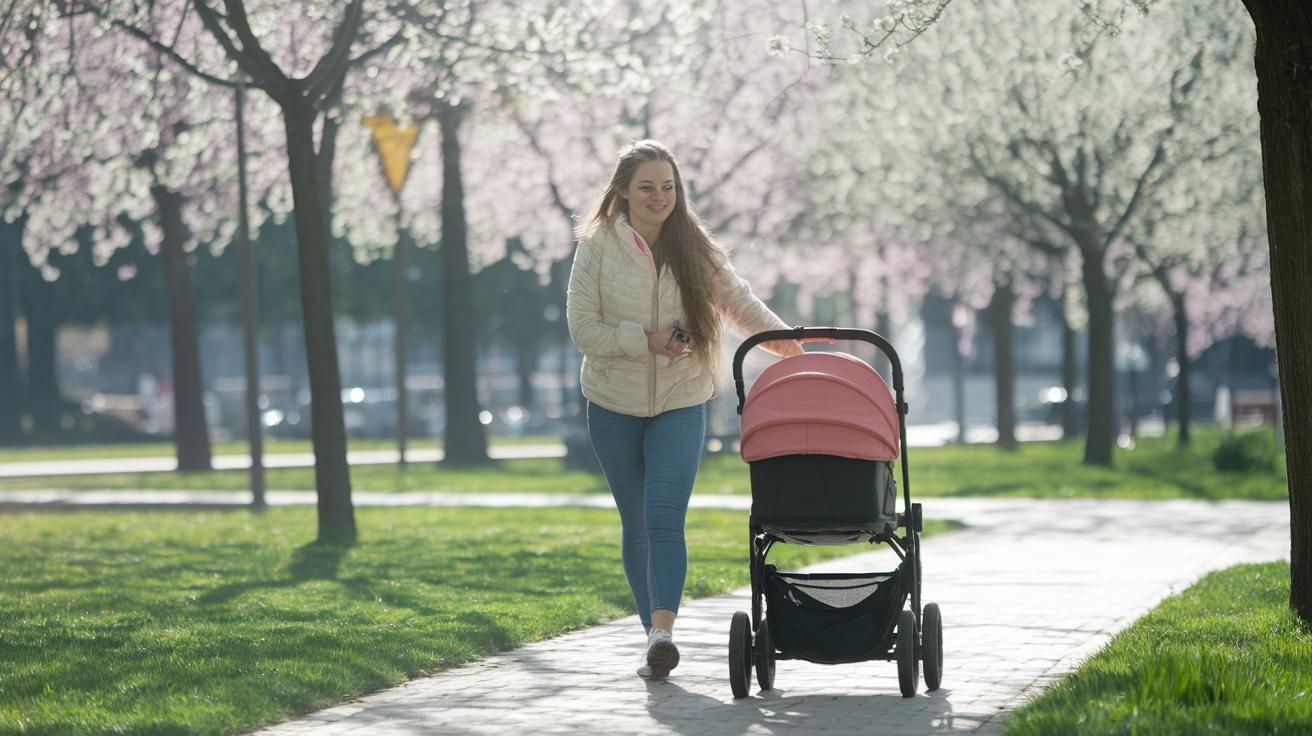
After your baby arrives, those first 6 to 12 weeks are all about gentle healing and finding moments to connect. It’s a time designed for taking care of both your body and heart. Your doctor may suggest having your first check-up within three weeks to see how you’re doing physically and emotionally. During this period, it might help to prioritize lots of rest, enjoy nutritious meals, and move your body gently, maybe even aim for about 150 minutes of light aerobics each week. Picture yourself taking a brisk walk in a sunlit park, feeling the warm breeze and breathing in fresh air as you slowly recover.
Local support networks can really make a difference now. Imagine joining a small neighborhood mom meetup, where you swap stories about those long, sleepless nights and share little tips for tough days. It’s comforting to know you’re not alone in this journey. Being part of a group lets you hear real-life experiences and practical advice while giving you a friendly space to chat and laugh together.
Some practical ideas include keeping up with your regular checkups, planning easy exercise sessions with a friend or two, and trading favorite healthy recipes. Many moms find that community centers, where group talks and shared experiences take place, are a perfect spot for relaxation and healing. These moments together aren’t just about physical recovery, they boost your emotional and social well-being, helping build confidence and a supportive network that makes the tough days a bit easier.
Peer Support Strategies for Postpartum Recovery in Your Community
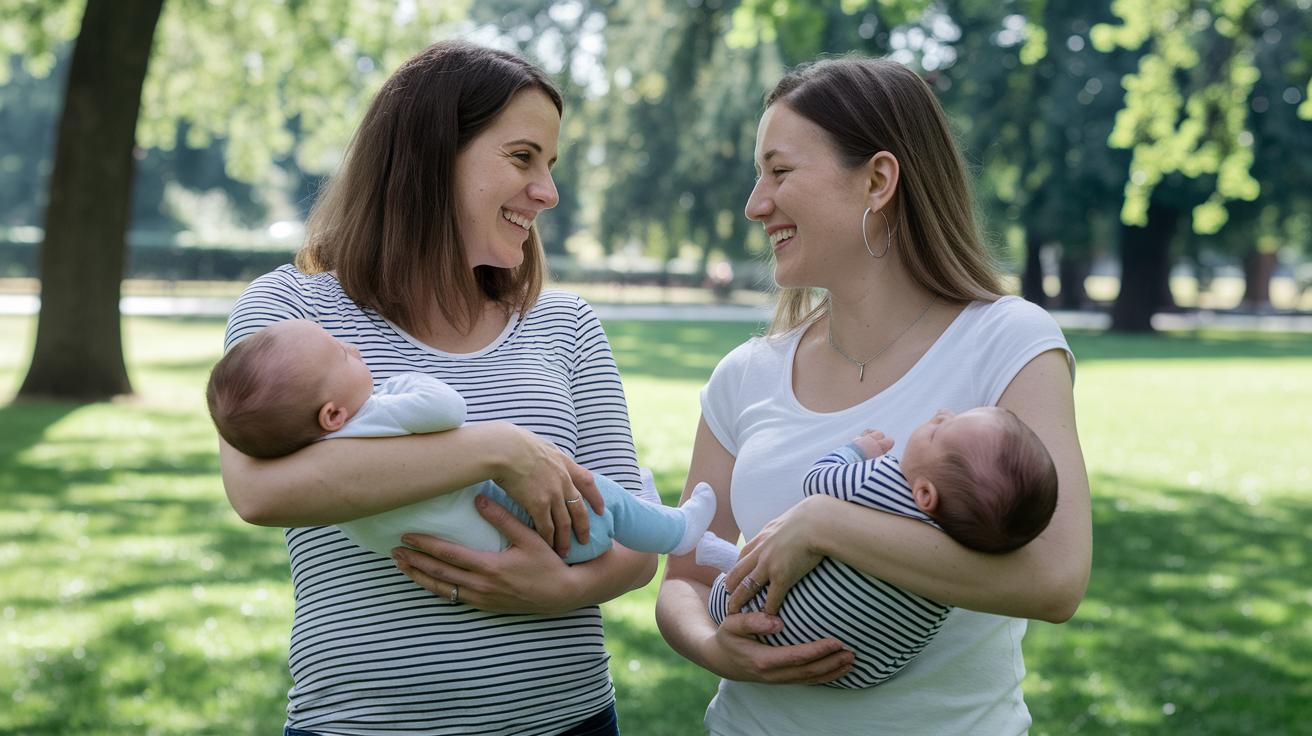
Peer support is a real game changer for new moms. Studies have found that while care professionals like OB/GYNs, midwives, and community health workers do great work, peer-led groups bring a special kind of help during those early months after birth (often called the fourth trimester). They make it easier to get both emotional hugs and practical advice. Here are five friendly ways to connect and feel supported:
- Mentorship circles: Join a small group guided by experienced moms who share useful tips and listen with genuine care. Check out postpartum recovery tips for ideas on getting started.
- Neighborhood mom meetups: Get together with local moms to swap real-life stories and advice. You can find postpartum recovery tips to help plan your meetup.
- Virtual chat forums: If you prefer chatting online, there are groups that welcome you 24/7, where you can share both struggles and successes. Visit postpartum recovery tips for details.
- Peer check-in phone calls: Arrange regular phone calls with a friend to share your feelings and keep each other on track. Look up postpartum recovery tips to learn more.
- Paired walking groups: Pair up with another mom for relaxing walks where you can enjoy light exercise and heartfelt conversation. Read postpartum recovery tips for helpful guidance.
Using these friendly methods not only fills in the gaps left by traditional care but also builds a nurturing network that supports both your heart and body throughout your recovery.
Leveraging Local Healthcare and Community Services for Postnatal Care
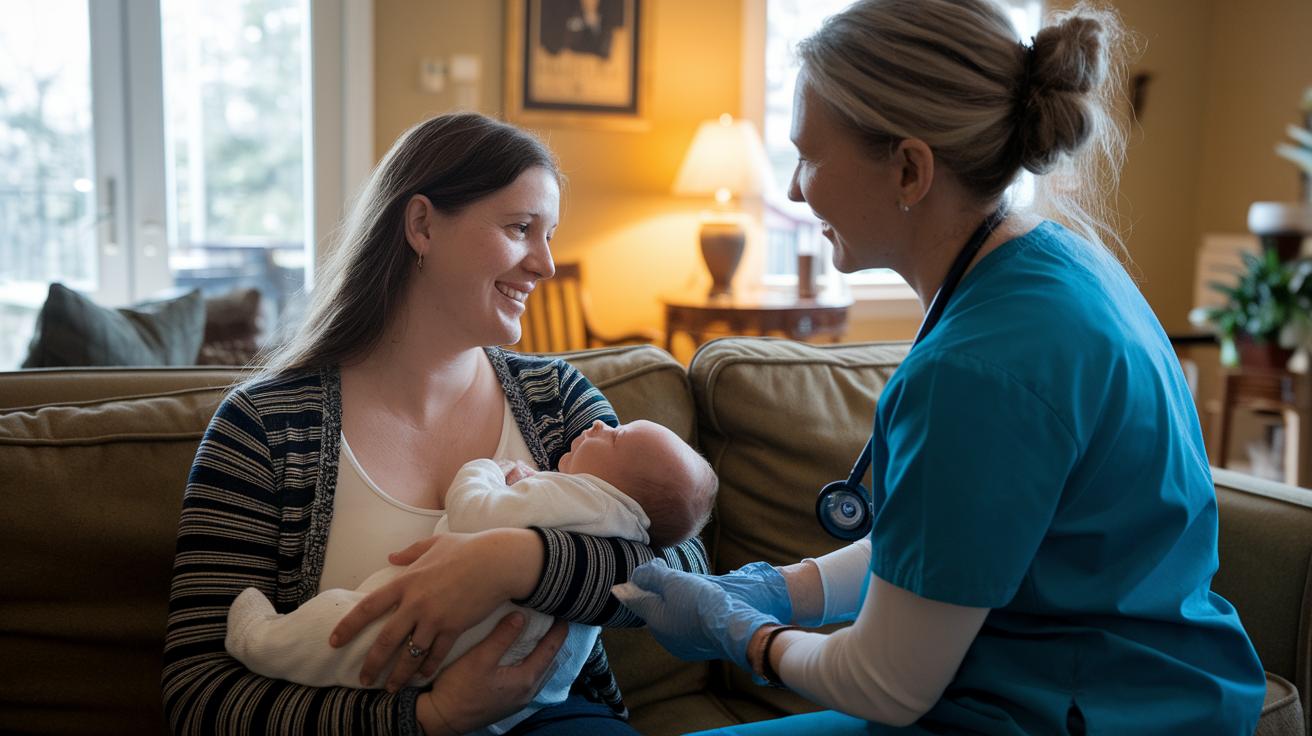
After your baby is born, local healthcare services can be a big help in your recovery. Many new moms find it useful to see OB/GYNs who handle most hospital births or to consult with certified nurse midwives for low-risk cases. Family and women’s health nurse practitioners are also great for general check-ups, so you can easily ask about any changes or concerns. For those who had high-risk pregnancies, perinatologists are there to keep an eye on your physical recovery and long-term wellness.
It might be a good idea to book a follow-up appointment before you leave the hospital. Most moms stay for one to two days after a vaginal birth and up to three days after a cesarean. Having a home health nurse visit soon after discharge means you'll get care right in your own neighborhood. Many communities also offer health worker programs where dedicated volunteers stop by, give advice, and connect you with local resources. These services make it easier to chat about how you’re feeling and find friendly care that meets your needs. Using a mix of visits from healthcare providers and home-based support can help you, your baby, and even your family settle into this healing time together.
Culturally Sensitive Community-Based Postpartum Care Tips

For new moms, honoring old family customs can help make the early days smoother while celebrating your roots. One lovely idea is forming little wellness circles where you and other moms chat in your own languages about modern health tips and time-honored traditions, just picture enjoying a warm cup of tea together.
Another comforting approach is to include traditional birth helpers. These trusted guides bring wisdom that has been passed down for generations and mix it with today’s health advice, helping you feel truly cared for.
You might also try tailoring group sessions to fit local customs. Think of a discussion circle where you share favorite local tunes, recipes, or even stories, it’s a great way to lift spirits and create a close-knit community.
Local wellness tips and regional insights remind us that true care goes beyond just medical check-ups. When community support blends with rich cultural traditions, you feel nurtured both in body and heart during this special time.
Local Resource Directory for Postpartum Support

Finding local support can make your postpartum journey feel a bit more connected and less overwhelming. When moms gather in a caring space, from friendly groups swapping real-life tips to one-on-one sessions with professionals who truly listen, it helps ease the sometimes tough transition into motherhood. These community resources work together to offer a safe spot for emotional comfort and practical advice, making each day a little brighter. Have you ever felt that a little support can change everything? Below is a table of four local places you might turn to for a helping hand after delivery.
| Resource Type | Description | Contact/Location |
|---|---|---|
| Peer Support Group | Casual meetups where moms chat, share tips, and support each other through the ups and downs of new motherhood. | Community center near you |
| Counseling Services | One-on-one sessions at the maternal wellness center offering gentle, personal guidance. | Downtown health facility |
| Mother & Baby Classes | Hands-on workshops that mix practical infant care advice with warm, group interactions. | Local hospital bulletin board |
| Community Health Services | Outreach programs with wellness check-ups and friendly health tips shared by caring professionals. | Neighborhood clinic |
Connecting with these local resources isn’t just about routine check-ups; it’s about building a supportive network that helps you feel more secure and cared for during this special time. Whether you join a support group or chat with a professional, these options help create a foundation of care that can make a real difference in your recovery and well-being.
Expert-Backed Collaborative Tips for Postpartum Wellness
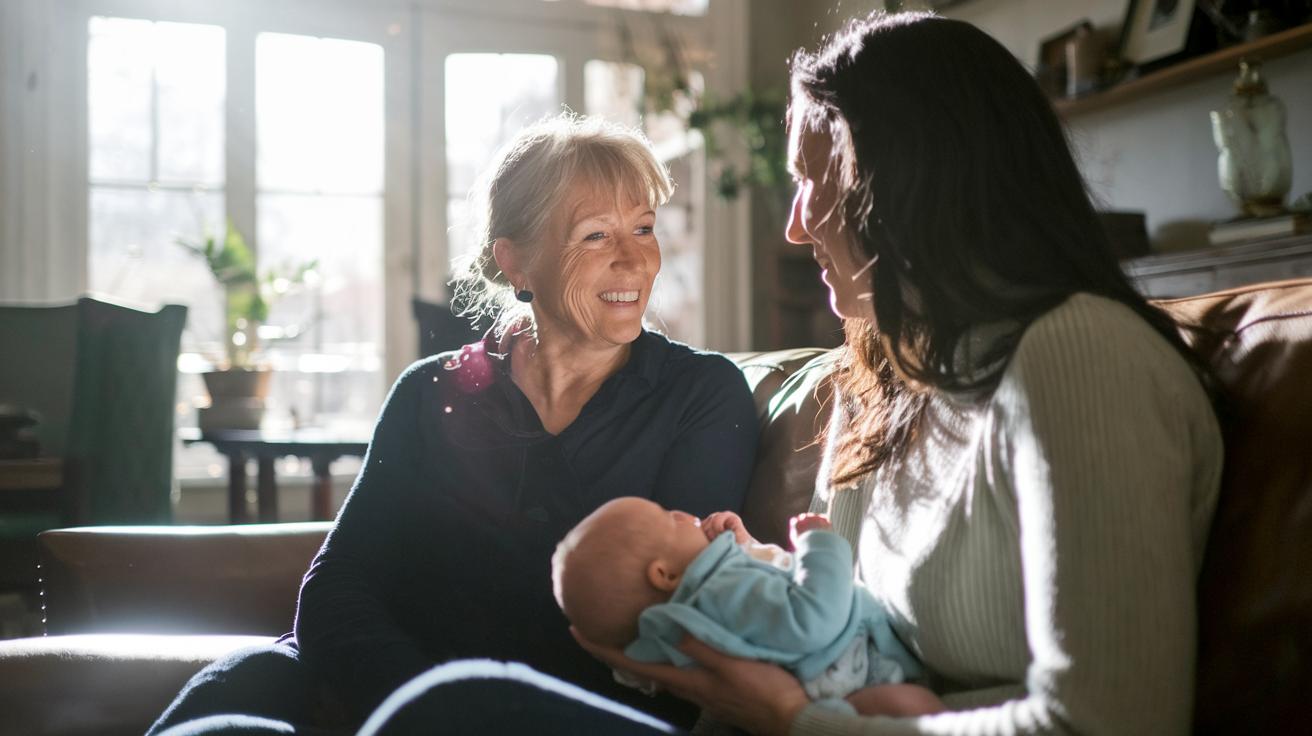
Public health experts share simple group strategies that help new parents get the care they need after birth. They suggest bringing back care models inspired by midwifery, where a trusted provider looks after both mom and baby. Imagine having a friendly chat with a seasoned mom who offers little tips that truly ease your worries and help build a caring community.
Another idea is to team up and dig deeper into research on postpartum practices. When care teams work together and share what they know, they can catch challenges, like the U.S. rate of 17.4 maternal deaths per 100,000 live births, and find ways to lower these risks. It’s about mixing expert advice with the wisdom of everyday life.
They also point out that it’s important for Medicaid enrollees to know about all the benefits available. This means having clear, honest conversations with care providers about resources that can help new moms recover and thrive. By linking clinical services with community support, we can boost both emotional and physical healing. In truth, this shared approach builds a strong network where experts, families, and neighbors work side by side to create a gentle, healthy start for moms and their babies.
Final Words
In the action, we explored community-focused postpartum care tips, sharing ideas from peer support groups and local health service check-ins to culturally sensitive practices and resource directories. We looked at how supportive networks and hands-on strategies can help guide both physical recovery and emotional well-being.
Small changes in your routine can make a big difference. Embrace these community-based postpartum care tips with hope and confidence, knowing that every step taken adds to a nurturing and uplifting recovery.
FAQ
Where can I access community-based postpartum and newborn care tips in PDF format?
Documents in PDF format offer community-based postpartum and newborn care tips, including updates from 2022 and ACOG guidelines. They provide practical advice on early recovery and local support for new mothers.
What are the new guidelines for postpartum care?
New guidelines for postpartum care recommend a follow-up appointment within three weeks, emphasize rest, proper nutrition, and encourage building local support networks to help with both physical and emotional recovery.
What are the key benefits of postnatal care?
Postnatal care supports physical recovery, helps manage emotional shifts, promotes proper nutrition, and builds community connections. These practices are essential in setting a strong foundation for both mother and baby’s wellbeing.
What is the 5 5 5 rule for postpartum care?
The 5 5 5 rule advises five days of focused rest, five routine check-ins with a provider, and five gentle self-care practices. This rule guides mothers through early recovery by balancing rest, care, and community support.
What are the 5 S’s of postpartum care?
The 5 S’s of postpartum care highlight key strategies for new mothers: sleep, support, self-care, social connection, and satisfaction with care. These focus areas aim to soothe and assist women during early recovery.
What are the 5 pillars of postpartum care?
The 5 pillars of postpartum care focus on physical recovery, emotional wellness, nutrition, social support, and follow-up appointments. These elements work together to promote overall health after childbirth.
What is the 40 day rule after birth?
The 40 day rule after birth is a cultural practice where mothers dedicate the first 40 days to healing, bonding with their baby, and gentle self-care to regain strength and well-being.