Sunday, June 28, 2026
Home Blog Page 97

Top Rated Prenatal Vitamins Spark Confidence

0

Ever wonder if your vitamins might be missing that extra boost? We've looked closely at a few formulas packed with key nutrients like EPA, DHA, choline, and more to help you and your little one feel your best. We’ve seen how each top option offers not only the must-have vitamins but also a little peace of mind. This guide is here to give you a warm nudge of confidence as you choose a supplement that truly cares about you and your baby's health.

Top Rated Prenatal Vitamins of 2025: Our Definitive Comparison

If you’re expecting and looking for a vitamin packed with the good stuff, we’ve put together a list of top-rated prenatal vitamins that really care about you and your baby. These formulas are made with key nutrients like EPA, DHA, choline, and methylfolate (a natural form of folic acid) to support both mom and baby’s health in a gentle, everyday way.

Brand Key Nutrient Highlights Format Unique Benefit
Metagenics PlusOne EPA, DHA, choline, carnitine Packet Helps keep your cells energized and supports healthy sugar levels
VitaminIQ Whole Foods Prenatal Choline, trimethylglycine Capsule A simple whole foods blend (you might need a little extra omega-3)
Seeking Health Prenatal Essentials 220 mcg iodine, vitamin A, D with K2, B12 Capsule Iron-free with perfectly balanced vitamins
Needed Prenatal Multi 400 mg choline, 290 mcg iodine, vitamin D3 with K2, minerals, antioxidants Capsule/Powder Extra nutrients for full support
Thorne’s Prenatal Vitamins E, K, D and methylfolate Capsule Well-rounded formula based on trusted research
Ritual Essential Prenatal Natural folate and choline, vegan blend Capsule Made with clear, traceable ingredients
Seeking Health Optimal Prenatal B vitamins boost, extra iodine, 250 mg choline, optimal folate, herbal liver support, CoQ10 Capsule/Powder An advanced blend for specific needs

Each of these vitamins has passed strict third-party checks and purity tests, so you can feel confident that you’re choosing a product that has been made with care just for you.

Essential Nutrients in Top Rated Prenatal Vitamins

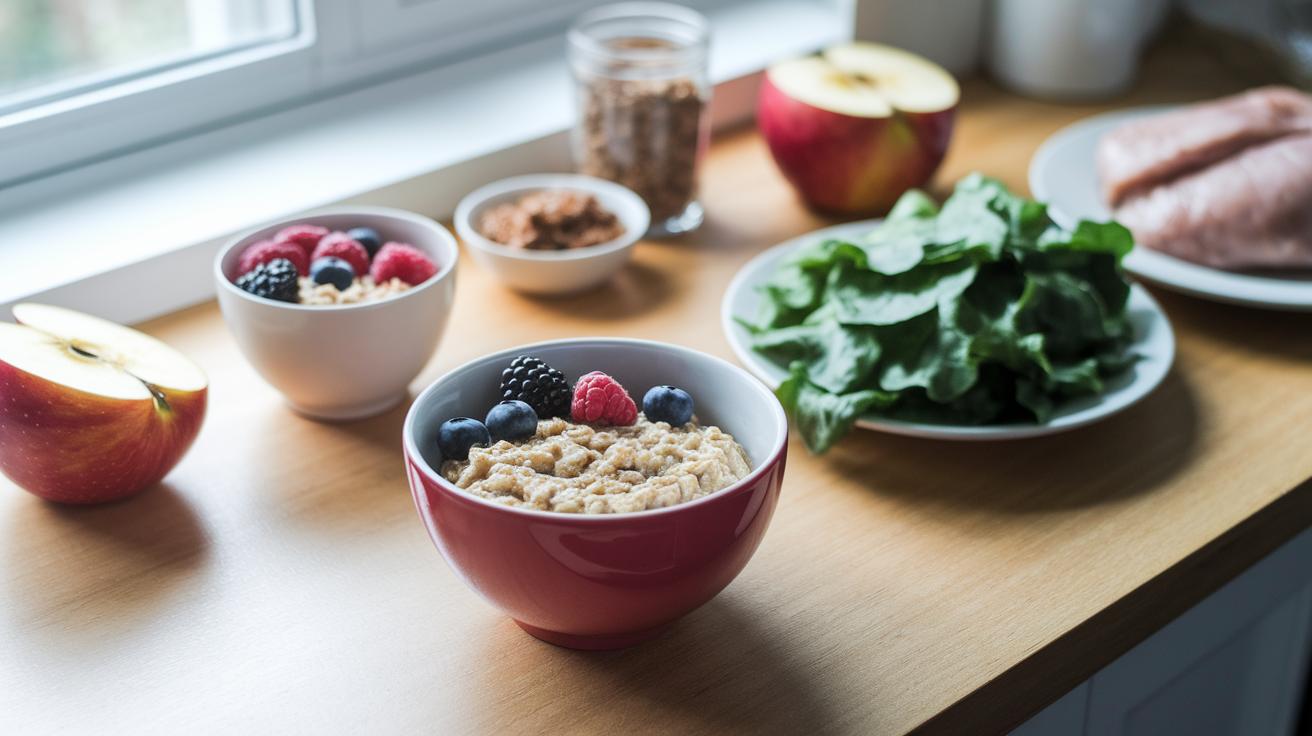
img-1.jpg

When it comes to the best prenatal vitamins, these formulas are made with care to support both you and your little one. Sometimes it’s hard to get all the important nutrients from food alone, so these vitamins bridge that gap with a nurturing blend that feels just right for your body during pregnancy.

  • Choline: This nutrient is vital for your baby’s brain and spine as they develop. Research shows nearly 95% of expecting moms might miss out on enough choline.
  • Methylfolate: Known as the preferred type of folate, it helps lower the risk of neural tube problems. Experts suggest taking at least 400 mcg each day, with a little extra if you’re in a higher-risk group.
  • Activated B-vitamins: These vitamins boost energy by helping your body turn food into fuel. They can also ease some of the tiredness that comes with pregnancy.
  • Omega-3 Fatty Acids (EPA and DHA): These special fats support your baby’s brain and eye development, helping create healthy connections in the growing brain.
  • Chelated Minerals: Iron (around 30 mg per day) and magnesium are paired together in a form that your body can absorb easily, all while keeping your tummy comfortable.
  • Iodine: This mineral keeps your thyroid in good shape and supports your baby’s brain growth. Aim for a daily intake between 150 and 250 mcg.

Together, these nutrients work in harmony to keep you feeling your best and help your baby grow strong and healthy throughout pregnancy.

Dosage Forms and Delivery of Top Rated Prenatal Vitamins

Traditional capsules are loaded with important nutrients and often include minerals bound for better absorption. They combine a complete range of vitamins and minerals into one pill, making them a handy choice for moms who enjoy a simple, once-a-day routine.

Gummy vitamins are a hit for their easy use and tasty flavor, which helps even on the busiest days. Still, they usually fall short on iron and omega-3, so they might not meet every nutritional need for expectant moms.

Liquid formulas are kind to sensitive stomachs and are simple to swallow, especially when morning sickness is in play. They offer a gentle way to get nutrients, though some might worry a bit about added sweeteners or preservatives.

Packets or pharmaceutical-grade pouches keep key nutrients like EPA/DHA separate to ensure they stay stable and are given in the right amounts. This method works well for anyone who needs precise and reliable nutrient delivery in their daily prenatal routine.

Safety and Side Effects of Top Rated Prenatal Vitamins

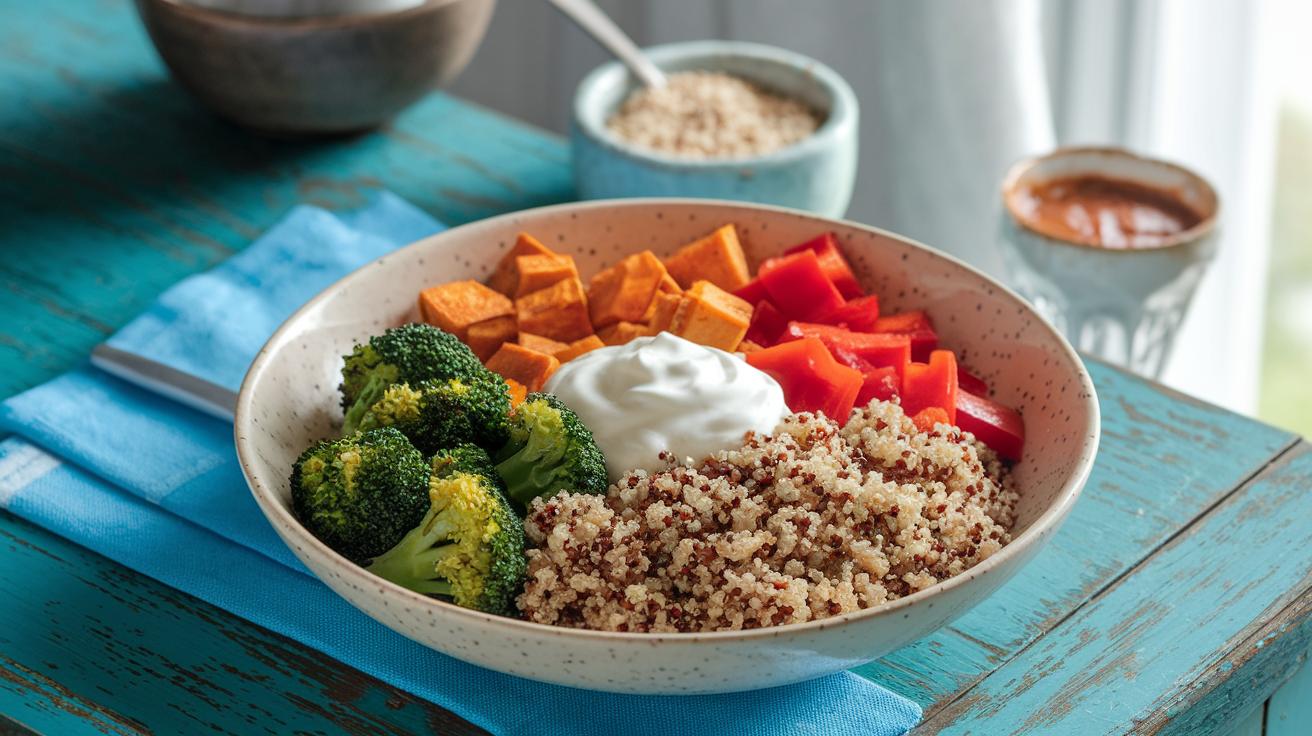
img-2.jpg

Adding safe supplements during pregnancy (care during pregnancy) can really boost your confidence in your daily routine, even if you might notice a few side effects along the way. Sometimes the iron in these vitamins can lead to constipation, a bit of bloating, or even slightly change your stool's color. And if you take a higher dose of B vitamins, you might see your urine turn bright yellow. Don’t worry, it’s completely harmless even if it surprises you. Occasionally, certain formulas might bring on a little nausea or some stomach cramps. Taking your vitamin with meals or just before bedtime usually makes things a bit easier on your tummy.

If you’re dealing with these side effects, try boosting your water intake and adding some extra fiber-rich foods into your day, it can really make a difference. Always take a moment to check the ingredient labels so you can avoid fillers or artificial colors that might upset your system. It’s also a smart idea to choose third-party tested, clean-label products, so you know every dose is something you can trust. And most importantly, listen to your body. If something feels off, chatting with your healthcare provider can help keep your prenatal routine both comfortable and effective.

Timing and Absorption for Top Rated Prenatal Vitamins

Starting your vitamin routine about a month before you plan to conceive helps your body build up folate (a key nutrient that helps lower the chance of neural tube defects). When you pair your prenatal vitamin with foods high in vitamin C, your body can absorb up to 50% more iron. This thoughtful preparation means you’re ready from the start, giving you peace of mind as you begin this journey.

Keeping a regular schedule is really important too. Taking your iron-rich supplement at the same time every day, maybe with breakfast or right before bed, helps maintain steady nutrient levels. Just remember to wait at least two hours after taking calcium or antacids so they don’t stop your body from using the iron. This simple routine makes your prenatal care feel even more confident and supportive.

Organic and Specialized Top Rated Prenatal Vitamin Blends

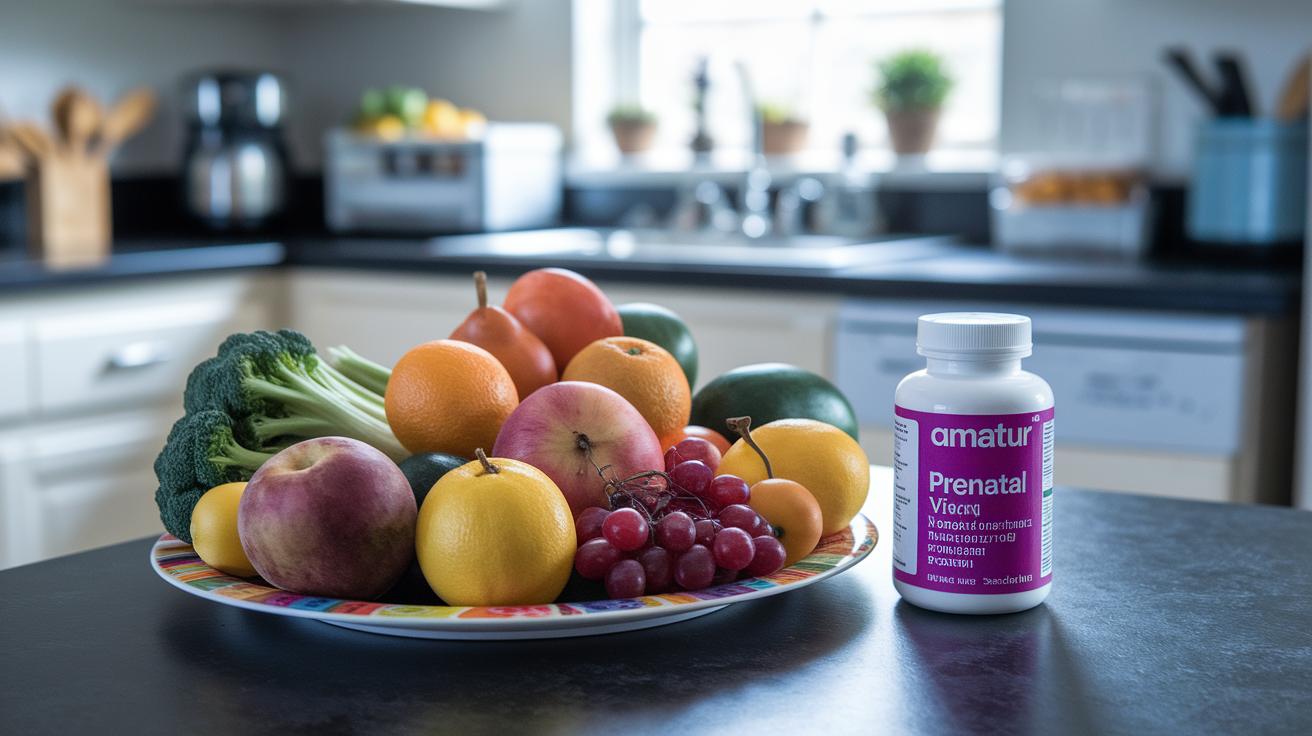
img-3.jpg

Organic certification plus clean labels give moms extra peace of mind. These products are made with non-GMO ingredients and steer clear of artificial dyes, fillers, gluten, and soy. They honor the natural way and help you feel confident about your daily nutrition.

One great choice is Ritual Essential Prenatal. It's vegan-friendly and supports you during pregnancy (that is, gestation). It offers a natural blend of key nutrients like methylated folate, choline, iron, and B-vitamins from ingredients you can trace. Really, it shows that nature’s own ingredients can work just as well as synthetic ones!

Some brands provide allergen-free options specially made for moms with dietary restrictions or autoimmune sensitivities. They carefully remove common allergens so even the most sensitive mamas can feel secure about taking them.

There are also special packs that come with extras like herbal liver support, CoQ10 for heart energy, and extra omega-3 capsules. These targeted choices help especially during challenging times like morning sickness. They offer a gentle, all-around way to care for your body, making your prenatal journey a nurturing and confident one.

FAQs on Top Rated Prenatal Vitamins

When should I begin taking prenatal vitamins?
It’s best to start at least one month before you try to get pregnant. This gives your body time to build up 400 mcg of folate, which supports your baby’s early development (especially the neural tube).

What supplement forms are available?
You can choose from capsules, gummies, or liquid vitamins. Each form can help your body absorb the nutrients a bit differently, so pick what feels right for you.

Which core nutrients should I look for?
For a healthy balance, look for folate (between 400 and 4000 mcg), iron (about 30 mg), calcium (around 1000 mg), vitamin D (15 mcg), and omega-3 fatty acids (200-300 mg). These key nutrients work together to support both you and your growing baby.

What potential side effects might occur?
Some moms might experience mild nausea or constipation, especially because of the iron. Taking your vitamins with food and drinking enough water may help ease these issues.

How do these vitamins fit into my nutrition guidelines?
These vitamins are meant to fill in any dietary gaps during pregnancy. They work alongside your usual meals to give you balanced support without repeating advice you’ve already heard.

Should I seek professional advice for dosing?
Yes, it’s important to talk with your healthcare provider for advice tailored to your needs. This is especially true if you have special conditions like thyroid issues or genetic factors such as MTHFR mutations.

Final Words

In the action, we reviewed key aspects of choosing top rated prenatal vitamins, from vital nutrients and dosage forms to smart timing and even organic options. We discussed safety tips, side effects, and answered FAQs to support clearer choices during pregnancy.

It feels encouraging to have expert insights and practical comparisons all in one place. With clear guidance and genuine support, you can approach this special time with assurance and a smile. Top rated prenatal vitamins are here to help fuel your confidence every step of the way.

FAQ

What is the most recommended prenatal vitamin for pre-pregnancy and pregnancy?

The most recommended prenatal vitamin provides essential nutrients like folate, iron, omega-3s, and choline, supporting pre-pregnancy health and fetal development with clinically validated, high-bioavailability formulations.

How do Nature Made Prenatal and its multivitamin options with folic acid and DHA compare?

The Nature Made Prenatal options offer a balanced blend featuring folic acid and DHA for brain and eye development, all while meeting strict purity and quality benchmarks for expectant moms.

What are the most important vitamins for pregnancy that support fetal development?

The most important vitamins for pregnancy include folate (preferably as methylfolate), iron, vitamin D, and omega-3 fatty acids, all of which are critical for fetal brain development and maternal well-being.

Do doctors still recommend taking prenatal vitamins during pregnancy?

The question of whether doctors still recommend prenatal vitamins is answered by their ongoing advice to use well-formulated prenatal supplements, as they help secure necessary nutrients during key developmental stages.

Can I switch prenatal vitamins during pregnancy if I need to?

The consideration of switching prenatal vitamins during pregnancy is valid when discussed with your healthcare provider, especially if nutritional needs change or side effects present, ensuring continuous balanced support.

What pre-pregnancy vitamins should I take to get ready for pregnancy?

The question regarding pre-pregnancy vitamins points to starting with a blend that includes folate, vitamin D, and iron, taken at least a month before conception, to help promote a healthy foundation for pregnancy.

Maternal Nutrition For Preventing Pregnancy Complications!

0

Have you ever thought about how your food choices might affect your pregnancy? Eating healthy is like giving your body a warm, gentle hug. It fills both you and your baby with the energy you need to face challenges like high blood sugar (sugar in your blood) and early labor.

A simple, balanced meal plan, one that includes fruits, veggies, lean proteins, and whole grains, can be like a caring friend, adjusting as your body’s needs change. Keep it simple: eat enough, mix up your meals, and strive for balance. This way, you may lower those risks and feel your best.

Core Strategies in Maternal Nutrition to Prevent Pregnancy Complications

Eating well during pregnancy is like giving your body a gentle hug. Start with lots of colorful fruits and veggies, choose lean proteins like beans and eggs, and opt for whole grains to keep your energy up. As your pregnancy changes, your body needs a bit more fuel, so try to adjust your calories. And remember, chatting with a nutrition expert can help tailor a plan just for you.

When you follow a balanced diet, it can lower risks like high blood sugar during pregnancy, early birth, high blood pressure, and too much weight gain. Think of these healthy eating tips as a friendly roadmap that grows with you through every trimester. Even small changes can make a big difference for both you and your baby.

There are three simple ideas to keep in mind: get enough food, mix things up, and keep meals balanced. For instance, if you're carrying one baby, you might need about an extra 340 calories a day in your second trimester. If you're expecting twins or triplets, your body will need even more. These pointers help ensure you're meeting both your big and little nutrient needs during this important time.

Every Wednesday evening, practical nutrition classes share easy meal plans and risk-reduction tips that feel like chatting with a friend. They offer real-life examples and meal ideas that can ease common feelings of nausea and fatigue, showing you that healthy eating is absolutely within reach.

  • Enjoy a variety of colorful fruits and vegetables.
  • Add lean proteins to every meal.
  • Use whole grains and complex carbs for steady energy.
  • Include healthy fats to keep your meals balanced.
  • Keep an eye on portion sizes.
  • Drink plenty of water throughout the day.
  • Ask nutrition experts for advice when you need it.

These friendly tips form a strong base for your health journey. By weaving these easy eating habits into your daily routine, you can reduce pregnancy complications and create a warm, nurturing space for both you and your baby.

Macronutrient and Micronutrient Essentials in Prenatal Diets

img-1.jpg

Protein is a star in your prenatal diet, making up about 10–35% of your daily calories. Eating lean meats, beans, or eggs gives you the building blocks you need to help your baby’s tissues grow and your muscles heal. And don’t forget, the little vitamins and minerals, or micronutrients, work hard too while supporting both you and your baby.

Folate is key for your baby’s early brain and spinal development, iron keeps you from feeling constantly tired by fighting anemia, calcium supports strong bones, and omega-3 fatty acids help your baby’s brain and nerve cells develop. A bit of extra attention to these nutrients can make a big difference in keeping you both healthy and ready for all that’s ahead.

Nutrient Role in Pregnancy Recommended Daily Intake
Protein Helps grow baby’s tissues and repairs your muscles 10–35% of total calories
Folate Supports early brain and spinal development 400–800 µg
Iron Helps prevent anemia (low energy and fatigue) 27 mg
Calcium Keeps your bones strong 1,000 mg
Omega-3 Fatty Acids Aids brain and nerve cell development 200–300 mg

Structured Meal Timing and Sample Meal Plans for Expectant Mothers

Sticking to a regular meal schedule can really help smooth out blood sugar swings and ease symptoms like nausea or feeling tired. When you plan set times for meals, you're giving your body a reliable routine to lean on throughout your pregnancy. For example, having breakfast, lunch, and dinner at about the same times each day with planned snacks means you're less likely to be surprised by hunger or low energy.

A meal plan that includes three main meals and two healthy snacks can give you just the right balance of whole grains, lean proteins, and essential vitamins and minerals. It’s like putting together a puzzle, each piece (like fruits, vegetables, and legumes) helps keep your energy steady and supports your baby’s growth. Imagine starting your day with meals that not only curb hunger but also provide all the nutrients you need. It’s a simple change that can make your day feel much more manageable.

Breakfast might look like whole grain oatmeal topped with sliced bananas and a dash of cinnamon for natural sweetness, paired with a side of Greek yogurt mixed with berries for a protein boost, and maybe a small handful of nuts for some healthy fats.

For lunch, try a hearty salad filled with mixed greens, chickpeas, and a colorful mix of carrots, bell peppers, and cherry tomatoes. Add a serving of quinoa or brown rice for fiber and lasting energy, along with a lean protein like grilled chicken or tofu to help support muscle health.

When dinner rolls around, you could enjoy grilled or baked fish with a side of steamed broccoli and whole grain couscous, offering a fine mix of protein and fiber. A plate of roasted vegetables, sweet potatoes, zucchini, and red onions, adds valuable vitamins and minerals, and a small salad with a light vinaigrette can bring a refreshing touch to your meal.

For snacks, you might pair an apple with a tablespoon of natural almond butter to mix fiber and healthy fats, or have a bowl of fortified cereal with low-fat milk (or a milk alternative) for a calcium and vitamin D boost. A smoothie made with spinach, mango, and a splash of yogurt can also serve as a quick, nutrient-packed treat.

Remember, little tweaks in your meal planning can have a big impact on how you feel every day. Enjoy your meals, and take care of yourself and your growing little one!

Prenatal Vitamin Supplementation Benefits and Expert Dosage Guidelines

img-2.jpg

Pregnancy can be a whirlwind, and sometimes our meals just don’t cover all the nutrients we need. Prenatal supplements help fill in these gaps by offering folic acid, iron, calcium, and vitamin D. For instance, folic acid can lower the risk of certain birth defects (like problems with the brain and spine), while vitamin D supports your immune system.

I remember a friend sharing that before she began taking her daily prenatal vitamins, she often felt run down. Once she started them, she noticed a real boost in her energy, it made a big difference in her day-to-day feeling.

Iron is important for keeping your blood oxygen-rich, and calcium works to keep your bones strong during this busy time. And yes, vitamin D adds an extra layer of support for your immune system. Together, these nutrients not only help you feel better but also lower the chances of issues like maternal anemia.

Experts usually advise sticking with a daily prenatal vitamin routine. They recommend picking a vitamin that covers all the essentials, meaning the right amounts of folic acid, iron, calcium, and vitamin D, to help reduce any complications during pregnancy. Adding these supplements to your routine can be a simple, effective way to keep your pregnancy on a healthy track.

Food Safety and Risk-Reduction Eating Tips in Antenatal Nutrition

Keeping your kitchen safe is all about simple rules that help fight germs. For every meal, start by washing your fruits and veggies well to brush away any dirt. When you're cooking proteins, choose foods that are cooked thoroughly instead of raw or only lightly cooked meats or eggs. This little step helps protect both you and your baby from harmful bacteria like Listeria and E. coli. It's amazing how small changes can make a big difference.

Remember to handle and store perishable foods carefully. Keep cold items chilled at the right temperature and always use clean surfaces when you chop fruits, veggies, or proteins. Also, try to avoid foods with high risks, such as certain high-mercury fish, to lower your chances of toxin exposure. These simple habits help keep your immune system strong during pregnancy, so you can enjoy every meal with confidence.

Final Words

In the action, we explored core dietary strategies that support a healthy pregnancy, from balancing essential nutrients and meal planning to the benefits of prenatal vitamins and safe food practices. Each section offers practical guidance, helping you feel more confident in your eating routine and overall wellness.

We hope you feel empowered to use maternal nutrition for preventing pregnancy complications as a trusted tool in your daily life. Stay positive and enjoy the process of nurturing you and your little one!

FAQ

What does a maternal nutrition PDF provide for preventing pregnancy complications?

A maternal nutrition PDF provides detailed guidelines on balanced eating, highlighting essential nutrients and meal plans that support both mother and baby during pregnancy.

What are the effects of poor nutrition during pregnancy on mother and baby?

Poor nutrition during pregnancy can increase risks for gestational diabetes, preterm birth, and developmental delays, affecting both maternal health and the baby’s growth.

How is maternal nutrition defined, and why is it important during pregnancy?

Maternal nutrition is the dietary care a mother uses during pregnancy to support her health and fetal development, playing a crucial role in preventing complications and promoting wellness.

What is considered essential maternal nutrition during pregnancy?

Essential maternal nutrition includes balanced macronutrients, vitamins like folate for neural tube development, iron for prenatal energy, and calcium, all of which support healthy pregnancy outcomes.

How can a balanced diet help reduce the risk of pregnancy complications?

A balanced diet that follows comprehensive guidelines with varied, nutrient-dense foods helps reduce risks such as gestational diabetes and high blood pressure during pregnancy.

What nutrient is important for preventing birth defects during pregnancy?

Folate, also known as vitamin B9, is vital for preventing neural tube defects and is a key component of prenatal nutritional recommendations.

What nutrition counseling recommendations are advised for pregnant mothers?

Nutrition counseling for pregnant mothers includes personalized advice on balanced meals, regular meal timing, and proper supplementation to meet increased energy and nutrient needs during pregnancy.

Postpartum Trainer Empowers Post-pregnancy Strength

0

Do you sometimes worry that building strength after your baby might be too risky? A postpartum trainer is more than just an exercise coach, they’re like a caring friend helping you get your confidence back. They create workout plans that fit your unique needs, so you can slowly regain energy and feel comfortable in your body again.

Each small step builds up your strength. And as you get stronger, recovery becomes a positive and empowering journey that reminds you how much each bit of progress counts.

Read on to see how this gentle guidance recharges your post-pregnancy strength and helps you feel whole again.

How a Postpartum Trainer Supports Your Postnatal Fitness Goals

A postpartum trainer is like a caring friend who creates workouts just for you, whether you’re slowly getting back into exercise or building up new strength. You can choose from in-home sessions, online coaching, fun outdoor classes, or even helpful workout videos. There’s even a free virtual fitness chat where you can talk about your goals and learn about a special 10% off deal for a pack of five sessions. Imagine chatting with someone who really gets you, one mom even shared how using focused breathing and tummy exercises helped her regain her pre-pregnancy fitness in less than three months!

With over 10 years of experience and a strong background in taking care of moms’ health, these trainers create a plan with two to four strength workouts a week. Every session is planned with care, keeping your safety and well-being in mind. It might even feel as refreshing as taking a deep, slow breath, bringing a moment of calm in the busy chaos of looking after your new little one.

Working with a postpartum trainer is about more than just exercise, it’s a journey of support and renewal. Your coach listens carefully, adjusts each exercise to how your body feels, and cheers you on with every step. Every workout is a small but important moment that helps rebuild your strength, confidence, and energy, guiding you gently back to feeling like yourself again.

Key Certifications and Qualifications for a Postpartum Trainer

img-1.jpg

A good trainer for new moms has special pre and postnatal fitness certifications and over 10 years of real-life experience helping mothers through big changes. This solid background means each session uses time-tested methods and safe exercises, as you can read more about in our postpartum recovery guide. Imagine hearing someone say, "Before I even teach gentle core exercises, I've mastered every breathing technique that helps with recovery." It really shows that your trainer knows what they're doing, and that can make you feel so reassured.

These experts aren’t just about a piece of paper. They create custom online plans, offer a mix of in-person and virtual sessions, and coach you on building lasting healthy habits. They adjust workouts to match whatever stage you're at, so you always feel cared for, no matter your background or abilities. Whether it’s perfecting your core exercises or helping your whole body feel better, this kind of support helps build your confidence little by little. It’s like having a good friend who tweaks each exercise to how you feel today, making sure you know your postpartum fitness is handled with genuine care and expertise.

Personalized Postnatal Exercise Routines With a Postpartum Trainer

Working with a postpartum trainer means you get a workout plan that grows with your recovery. Most weeks, you'll enjoy two to four strength sessions that start with calming breaths and slowly build up to gentle core and pelvic-floor moves. Many moms have shared how these routines make them feel strong and full of confidence. One mom said, "Each move felt like a small victory that boosted my confidence."

These sessions use easy-to-follow techniques that feel different from what you might have tried before. They mix gentle core work with simple habit coaching to help keep you motivated. Here are five exercises you can expect:

  • Breathing exercises to relax your mind (imagine taking a deep breath and filling up with warm sunlight).
  • Gentle abdominal bracing to build a strong core.
  • Soft pelvic-floor exercises to create a stable base.
  • Modified planks that help ease you into strength training.
  • Light cardio warm-ups to slowly raise your heartbeat.

Every part of this workout is chosen to help refresh your body and lift your spirit each day.

C-Section Recovery Coaching by a Specialized Postpartum Trainer

img-2.jpg

When you're healing from a C-section, every little step matters. A caring postpartum trainer is right there with you, crafting a gentle recovery plan that respects your body's unique needs and helps bring your core back in line after surgery.

In a typical session, you might begin with soft breathing exercises to ease into a calm state, then move into gentle core activations and light stretching. These moves are planned to slowly boost your strength, support your pelvic floor, and increase your mobility, all while keeping your healing incision safe. It’s all about slow and steady progress, so you never feel rushed or in pain.

The trainer doesn’t just focus on your physical recovery; they listen to how you’re feeling emotionally too. They adjust the plan based on your comfort, offering warm encouragement and honest support. Every small improvement is celebrated, making your journey feel personal and secure.

With each session, you're not only rebuilding physical strength but also regaining that inner confidence. The whole approach is designed to feel like a nurturing conversation, giving you the gentle care and attention every mom needs during this special time.

In-Person Vs Virtual Postpartum Trainer Sessions

Postpartum training can look different depending on what you need. Think about your daily routine and what kind of support feels right for you. If you like getting help right away with a personal touch, in-person sessions might be your best bet. But if you want the flexibility of working out at home while watching over your little one, virtual sessions really fit the bill. One mom shared that she loved the live pointers during her in-home session and appreciated how the virtual option let her work out during her baby's nap.

Format Best Suited For Main Benefit
In-Person Moms needing hands-on guidance Instant and tailored feedback
Virtual Moms with busy, unpredictable schedules Convenience and flexibility
Hybrid Moms who enjoy both approaches Combines live instruction with at-home comfort
  • In-person sessions shine if you love face-to-face interaction and quick fixes.
  • Virtual sessions offer an easy way to fit workouts into your busy day.
  • A hybrid plan lets you enjoy the best of both worlds.

Postpartum Trainer Success Stories and Testimonials

img-3.jpg

One mom shared how getting back to feeling like herself in less than three months was a huge win, but she wasn’t alone. Another client noticed that doing special core exercises eased her constant lower back pain. She told me that these workouts helped her enjoy everyday life and face daily stresses with a bit more ease.

Then there was another inspiring story. A mom discovered that after just eight weeks, her core felt 20% stronger. She said, "Every small win built up my strength and lifted my mood, even on the challenging days." It’s like she experienced a little burst of energy with every session, making her feel more confident and ready to take on whatever came her way.

These personal stories show that the right kind of coaching can do so much more than just improve fitness. It can help rebuild a mom’s strength, ease physical discomfort, and foster confidence as she navigates the busy days of motherhood.

Final Words

In the action, this article showcased how a postpartum trainer guides safe and tailored exercise routines for mothers. The post highlighted hands-on support with in-home, virtual, and C-section recovery coaching. It also detailed the trainer's solid credentials and real success stories that make a difference in rebuilding strength postdelivery.

Every step is designed to help you feel supported on your way to renewed vitality. Keep moving forward with confidence and care!

FAQ

Postpartum trainer jobs

The query about postpartum trainer jobs indicates opportunities for experts in maternal recovery. These roles involve in-home, virtual, and group sessions designed to support new moms in reclaiming strength and confidence.

Postpartum trainer near me

When you search for a postpartum trainer near you, you’re looking for local experts who offer personalized coaching and safe exercise routines to help you recover and rebuild fitness after childbirth.

Postpartum trainer certification

Asking about postpartum trainer certification means you’re interested in knowing that qualified trainers hold specialized credentials in pre/postnatal fitness, ensuring safe and effective routines for new mothers.

Postpartum Trainer, MD

The mention of a Postpartum Trainer, MD suggests a medical professional with expertise in maternal wellness who blends clinical insights with tailored fitness guidance for a safe and supportive recovery.

Postpartum trainer training

Postpartum trainer training refers to the specialized education that equips fitness experts with knowledge in safe exercise methods, habit coaching, and recovery strategies specifically tailored for new and postpartum moms.

Best postpartum trainer

Looking for the best postpartum trainer means finding a professional with years of experience, relevant certifications, and a personalized approach that emphasizes safe recovery and gradual strength rebuilding.

Pre and post natal personal trainer near me

The phrase pre and post natal personal trainer near me indicates a search for experts who handle both prenatal and postnatal fitness. Such trainers tailor routines to ensure safety and effectiveness throughout all stages.

Pregnancy personal trainer near me

When you search for a pregnancy personal trainer near you, you’re seeking professionals who create gentle, safe exercise plans specifically designed to support expectant mothers during their pregnancy.

What is the 5-5-5 rule for postpartum?

The question about the 5-5-5 rule for postpartum refers to a structured method that guides new moms in balancing exercise, rest, and recovery to build strength safely after childbirth.

Do waist trainers really work postpartum?

Inquiring if waist trainers really work postpartum highlights a debate; while they may offer temporary support, evidence shows that comprehensive, safe exercise routines are more effective for lasting recovery.

Is $300 a month a lot for a personal trainer?

Asking if $300 a month is a lot for a personal trainer suggests evaluating investment in expert, personalized postpartum fitness coaching, where fees often reflect tailored plans, professional expertise, and consistent support.

What is the 3 5 3 method postpartum?

The question regarding the 3 5 3 method postpartum points to a targeted workout approach that blends strength, core, and cardio exercises to help new mothers gradually rebuild fitness and overall well-being.

Prenatal Vitamins With Methylfolate: Smart Choice

0

Have you ever wondered if your prenatal vitamin is really giving you and your baby a boost? Prenatal vitamins with methylfolate start working right away; think of them like fresh ingredients that don’t need any extra prep. They help your body use nutrients during those early, precious weeks of pregnancy. Research even shows that methylfolate can help moms who have a tougher time processing folate. This thoughtful approach gives both you and your little one a strong, healthy beginning.

Why Choose Prenatal Vitamins with Methylfolate?

Methylfolate is the active form of folate that your body can use right away. Unlike synthetic folic acid, which needs to be changed into a usable form, methylfolate is ready to go, kind of like having fresh ingredients that don’t need any extra prep. This means both you and your baby get the important nutrients your bodies need without delay.

It’s especially important when you’re just starting out on your pregnancy journey. The Centers for Disease Control and Prevention suggest that moms have about 400 mcg DFE daily before and during early pregnancy, particularly in the first 28 days when the neural tube, a critical foundation for your baby’s development, is forming.

Studies show that prenatal vitamins with methylfolate help your body absorb nutrients better. This boost in absorption is really helpful during those precious early weeks of gestation. And it works wonderfully for moms who might have a little extra challenge processing folate, like those with MTHFR gene variations.

Choosing a prenatal vitamin with methylfolate is a smart way to ensure that every bit of nutrition counts. It gives you a straightforward, active nutrient that supports both you and your baby’s healthy development during a very important time.

Methylfolate versus Folic Acid in Prenatal Vitamins

img-1.jpg

When you look at prenatal vitamins, you’ll see two main types of vitamin B9: folic acid and methylfolate. Folic acid has long been trusted because solid research shows it helps prevent neural tube defects with a dose of 400 mcg DFE (dietary folate equivalent). Methylfolate, on the other hand, is the active form that your body can use straight away without any extra work.

Form Key Features
Folic Acid 400 mcg DFE; requires metabolic reduction.
Methylfolate Active form; immediate bioavailability.
Fermented Folic Acid Probiotic-derived complex; supports absorption.

Most people can change folic acid into the form the body uses. But if you have a genetic trait that makes this process tougher, methylfolate might be just the ticket because it’s ready to be used immediately. This can be very important in those early days after conception when your baby’s neural tube is just forming.

Also, there’s a growing option called fermented folic acid. This version comes from probiotics and may help improve absorption. It’s one of the ways prenatal nutrition is evolving so moms have more choices. Each option has its own benefits, which means you can pick the one that best fits your needs.

Optimal Dosage of Methylfolate in Prenatal Vitamins

Before you begin trying to conceive, it helps to get a jump start on your supplement routine. Aim for about 400 mcg (micrograms) of active folate daily. Starting your vitamins at least one month before you try ensures your body is already filled with the nutrients needed to support early development. It’s like preparing the soil before planting a seed, small steps now help build a strong foundation for your baby.

In the early weeks of pregnancy, sticking with 400 mcg daily is usually enough. However, if you have a family history of neural tube defects (serious birth defects of the brain and spine), some experts might suggest bumping up to 600 mcg. This little extra boost can be very helpful during those crucial first weeks when your baby's neural tube is forming. It’s all about giving your body that extra support when it really counts.

Later on, as your baby grows during the second and third trimesters, increasing your folate intake to 600 mcg daily can help meet the extra nutritional demands. This increased level supports your overall health and makes sure your baby gets the steady supply of nutrients it needs to continue growing strong.

For those with specific genetic challenges, like issues with the MTHFR gene, your doctor might recommend a higher dosage, sometimes up to 800 mcg daily. This higher dose helps your body get the active folate it needs, especially when it struggles to convert folate naturally. Always follow your doctor's advice when it comes to adjusting your dosage.

Prenatal vitamins with methylfolate: Smart Choice

img-2.jpg

This guide helps you compare the best prenatal vitamins with methylfolate so you can choose the one that fits your needs and supports your baby. We break down each option by looking at key ingredients like minerals and DHA (a type of omega-3 that supports a baby’s brain and eyes). By checking out reviews and ingredient lists, you'll get a clear idea of which supplement might be the right match for you.

Advanced Perfect Prenatal

This option packs a solid 800 mcg DFE of methylfolate and skips iron, making it a great pick for moms who prefer to avoid extra iron because it sometimes upsets the tummy. It uses active folate that your body can put to work right away, no extra processing needed. This design helps your body absorb nutrients better and avoids problems that can come with iron.

Every Woman’s One Daily

Every Woman’s One Daily gives you 600 mcg DFE of methylfolate along with 200 mg of DHA to back your baby’s brain and eye development. Plus, it includes vitamins like B6 and choline that work hand in hand to support your overall health. Many moms really like its balanced approach, feeling it helps make nutrient uptake even easier.

Nature’s Best Prenatal (Example Brand)

Nature’s Best Prenatal stands out by emphasizing organic-certified ingredients and a mix of important minerals like iron, choline, and vitamin B6. It also provides 600 mcg DFE of methylfolate, keeping a focus on natural-sourced elements. If you value a wholesome blend with active folate and the right minerals, this could be the supplement for you.

Product Methylfolate (DFE) Iron (mg) DHA (mg)
Advanced Perfect Prenatal 800 mcg 0 0
Every Woman’s One Daily 600 mcg 18 200
Nature’s Best Prenatal 600 mcg 15 100
Standard Folic Acid Formula N/A 27 0

When you compare these products, you'll notice that prenatal vitamins with methylfolate offer better nutrient absorption, especially when paired with DHA. Moms have shared that they love the balanced mix and the way it supports their overall well-being. In short, choosing a prenatal vitamin with methylfolate is a smart way to meet your nutritional needs now while setting the stage for long-term health for both you and your little one.

Safety Profile of L-Methylfolate in Prenatal Vitamins

Clinical trials show that standard amounts of l-methylfolate in prenatal vitamins are very safe. Most moms don’t notice any issues when using these supplements. Studies tell us that any side effects are usually very mild and go away quickly. In fact, there are very few problems when you follow the recommended dose, making it a trusted partner in supporting your nutrition during pregnancy.

Sometimes, a few moms might feel a bit of bloating, an upset stomach, or even have a touch of insomnia. These reactions are rare and often happen only when you take more than the usual amount. When a higher dose is needed, doctors suggest keeping a close watch to catch any changes early. Regular checkups can help make sure everything is on track, and working with your health care provider during any dosage changes is really important.

There’s also a chance for interactions if you’re taking certain antidepressants, especially SSRIs. That’s why it’s always a good idea to chat with your doctor. They can guide you on how to adjust your vitamin routine safely while considering any other medications you might be using.

Selecting the Right Prenatal Vitamins with Methylfolate: Minerals, DHA, and Label Tips

img-3.jpg

When you're looking for a prenatal vitamin, start by checking the label closely. A good product will list active folate as Dietary Folate Equivalents (DFE) instead of just folic acid. This makes it clear exactly how much folate you’re getting. And remember, your needs might be different based on your daily diet and lifestyle.

Keep a few key points in mind as you compare options. First, always check the DFE value, which tells you the amount of active folate your body can use. Next, look for important minerals like iron and choline that support your health and your baby’s growth. It also helps if the vitamin combines DHA with l-methylfolate, as this mix can support your baby's brain and vision. Lastly, look for trusted third-party certifications like USP or NSF on the label, they show the product has met high quality standards.

Take your time reading each label and matching the ingredients to your unique needs. And of course, have a chat with your healthcare provider to get advice that's just right for you and your little one.

Final Words

In the action, we explored how prenatal vitamins with methylfolate work as a ready-to-use form of folate, offering improved nutrient absorption and support for early fetal development. We compared methylfolate to folic acid, looked at optimal dosage guidelines, and reviewed ingredient insights to guide careful selection.

This discussion leaves us feeling empowered to confidently choose prenatal vitamins with methylfolate to support healthy maternal and baby care. Every small step in understanding these supplements brings a bit more peace to the path of motherhood.

FAQ

Q: What are some highly rated prenatal vitamins with methylfolate, including reviews like Mama Bird and Honest options?

Top-rated prenatal vitamins with methylfolate receive honest feedback for quality and balanced nutrition. Reviews highlight formulas that combine active folate with key nutrients to support early pregnancy and overall maternal wellness.

Q: How do prenatal vitamins combine methylfolate with folic acid, and why might you choose methylfolate over folic acid?

Prenatal vitamins sometimes mix methylfolate, which is active and ready for use, with folic acid. Choosing methylfolate benefits those with MTHFR variations by reducing the metabolic steps needed to use folate.

Q: What benefits do prenatal formulas with methylfolate, DHA, and Choline offer?

Formulas that include methylfolate with DHA and Choline support the baby’s brain and neural development while providing enriched active folate for the mother, helping meet daily nutritional needs efficiently.

Q: Does methylfolate help you get pregnant?

Methylfolate supports healthy cell growth and early development, which is vital for preparing your body for pregnancy. Each individual’s results vary, so it’s best to discuss your needs with your healthcare provider.

Q: What multivitamins include methylfolate?

Many multivitamin products now list methylfolate as their active folate ingredient. Look for labels that show Dietary Folate Equivalents to ensure you’re getting bioavailable folate in your supplement.

Q: Which prenatal vitamin should you choose if you have MTHFR gene variations?

If you have MTHFR variations, a prenatal vitamin with methylfolate is a smart choice since it provides active folate without extra metabolic conversion. Consult your healthcare provider for advice tailored to your unique needs.

Infant First Year Milestones: Joyful Growth Insights

0

Have you ever noticed just how fast a baby can grow in one short year? In those early months, every smile, little grasp, and adorable babble fills the day with new life.

This post takes you on a journey through those special milestones, from tiny hands reaching for a favorite toy to the heartwarming sound of first words. Think about how those small changes, like a new movement or sound, can signal a step forward in your little one’s growth.

I invite you to join us as we explore this gentle, joyful journey. Every day becomes a new celebration of discovery.

Infant first year milestones: Joyful growth insights

In those early days, from birth until around 3 months, babies show off natural reflexes. They use the rooting reflex to search out a nipple and grip with their tiny hands. Their very first smiles light up the room, and they start following a face or a moving object with gentle curiosity. Picture a little one quietly gazing at a mobile overhead, as if saying, "I'm discovering all this bright, beautiful light!" These moments gently pave the way for deeper, more interactive conversations.

Then, around 4 to 6 months, things get even more lively. Babies begin to roll over and reach for toys with eager little hands. You might hear their playful babbling as they mix vowels with soft consonant sounds, crafting their own little melody. Imagine a happy baby on a soft blanket, playfully batting a vibrant toy, showing how movement and sound can spin together like a delightful dance.

As they move into the 7-to-9-month phase, many babies sit up on their own and even attempt to crawl with bursts of excitement. During this time, they start to grasp that even when a toy is partly hidden, it hasn’t just vanished, almost as if saying, "I know it’s still there!" Each new ability is like a tiny, heartfelt victory, gently warming everyone’s hearts.

By the time they reach 10 to 12 months, little ones often pull themselves up to stand and cruise along the furniture. They may even offer their very first words, like mama or dada, accompanied by sweet, accompanying gestures. These movements, sounds, and expressions are key signs of their growing strength, and regular check-ups help ensure they’re thriving every step of the way.

Key Motor Milestones in Infant’s First Year

img-1.jpg

At 0-2 months, babies start with natural instincts like rooting and grasping. They begin to work on head control and can track moving objects with bright, curious eyes. You might try giving them contrasting objects during cuddle time to spark their visual interest!

From 3-4 months, you may see your baby pushing up on their arms and even rolling over. These smooth movements show they're building muscle strength. Increasing tummy time can really help them develop better coordination.

By 5-6 months, many little ones can sit with just a bit of support. Imagine your baby sitting during storytime, leaning forward with a look of sweet curiosity. It's a sign their core muscles are getting stronger.

At 7-8 months, babies often sit all by themselves, showing improved balance and ease. Placing soft cushions around them creates a cozy and safe space for practice.

Around 9 months, crawling becomes more common and many babies start pulling themselves to stand. This makes it easier for them to explore their world. Setting up a safe floor space encourages them to reach and move freely.

From 10-12 months, babies often cruise along furniture and may even take their first independent steps. It’s an exciting stage of gross motor development. Using gentle push toys can boost their confidence as they learn to walk.

Language and Communication Milestones in Infant’s First Year

We've brought together those key language milestones, like early reflex sounds, cooing, babbling, and even the first simple gestures, into our Infant First Year Milestones: Joyful Growth Insights section. This way, you'll find all the essential details in one friendly, easy-to-read spot without any extra repetition.

Cognitive and Social-Emotional Milestones for Infants

img-2.jpg

Cognitive Development Milestones

In the first few months, babies start noticing their world. They follow a moving toy with their eyes and recognize a familiar face. Think of a little one watching a gently swinging mobile – it's as if they're saying, "I see you!" Between 4 and 6 months, babies explore by putting objects in their mouths and fiddling with them. Imagine a tiny explorer examining a soft rattle with wide, curious eyes, learning about textures and shapes. By 7 to 9 months, they begin to understand that even hidden objects still exist. You might see your baby searching for a toy that's partly covered, a sweet sign of early problem-solving. And between 10 and 12 months, little ones start solving simple puzzles. For example, if you move a small cloth away, they might pull it back to find a toy, mimicking a familiar move they've seen before.

Social and Emotional Interaction Milestones

Social smiles start early, usually around 1 or 2 months, when your baby greets the world with a heartwarming grin. Between 3 and 6 months, laughter fills the room, imagine the joy during a game of peek-a-boo when your baby's face lights up. Then, from 6 to 9 months, you might notice some stranger anxiety along with a clear preference for familiar faces. This shows your baby is learning who makes them feel safe. By 9 to 12 months, interactive play really blossoms. Your little one might wave "bye-bye" or clap their hands when they see a friendly gesture, showing a delightful mix of social and cognitive growth. Every new moment is a precious discovery for both baby and caregiver.

Tracking Techniques and Developmental Warning Signs in the First Year

Keeping a simple journal or using a milestone app can be a wonderful way to remember your baby’s first moments. For instance, you might note something like, "At 3 months, I wasn’t seeing the bright smile I expected and there wasn’t much eye contact. It made me think of checking in with our pediatrician."

You can also try using a growth chart to track motor, language, and social skills every week or month. These charts give you a clear picture of how your baby is growing and changing over time.

Here are a few gentle warning signs to keep an eye on:

  • 3 months: No social smile or very little eye contact
  • 6 months: Weak head control or not trying to roll over
  • 9 months: Can’t sit without help or isn’t babbling
  • 12 months: No first words or not trying to pull up to stand

If you notice that any of these skills seem to be delayed for more than three months, it could be a good idea to talk with your pediatrician. Early help might make a big difference in supporting your baby’s motor, language, and thinking skills.

Taking a few moments each day to jot down these little milestones, even just a quick note in your pocket notebook, can really reassure you. In truth, tracking these small changes turns everyday moments into a clear story of your baby’s growth, helping you celebrate each exciting step along the way.

Best Practices to Support Infant First Year Milestones

img-3.jpg

Starting simple with daily routines is a wonderful way to help your baby grow physically, think more clearly, and feel emotionally secure. It all begins with little moments in a safe space that let your baby build strength and learn early skills.

Here are some friendly ideas you can try:

  • Tummy time from day one: Begin with just a few minutes a day and slowly work up to about 20 minutes by three months. This fun practice helps build head and neck muscles. Imagine your baby happily exploring the world around them during tummy time, noticing every new little detail.

  • Floor play with safe, colorful toys: Set up a soft area with a few engaging toys to encourage reaching, grasping, and eventually crawling. Picture your baby confidently exploring a small array of bright toys, curious and excited about every touch.

  • Chat and read aloud: Spend time talking and reading to your baby. Even simple back-and-forth cooing builds those early language skills and deepens your warm, nurturing bond.

  • Feeding support: Whether you are breastfeeding or using formula, keeping it exclusive for the first 6 months can be very helpful. Around 6 months, you can introduce iron-rich solids to boost overall growth.

  • Regular check-ups: Planning well-child visits at 1, 2, 4, 6, 9, and 12 months gives you extra comfort and helps track your baby’s progress as they reach these special milestones.

Final Words

In the action, this guide outlines month-by-month growth, from early reflexes to first steps. It captures motor progress, early language cues, social smiles, and thinking skills that make up typical infant first year milestones.

We talked about simple tracking methods and routines you can use every day. Enjoy watching your little one grow and reach these special markers with care and confidence.

FAQ

What are the milestones of a baby’s first year?

The milestones of a baby’s first year include early reflexes and social smiles in the first few months, rolling and babbling midyear, crawling and pulling to stand by 9 months, and first words and interactive play around their first birthday.

What are three red flags at 12 months?

The red flags at 12 months include the absence of first words, the baby not pulling to stand, and limited social interaction during playtime, which may suggest a need for further developmental evaluation.

What month is the hardest in the first year of infancy?

Many parents find the period between 4 and 6 months challenging as babies experience rapid changes in motor skills, language development, and sleep patterns, often leading to new care demands.

What are the milestones of a baby at 1 year?

A 1-year-old typically pulls to stand, cruises along furniture, says early words like “mama” or “dada,” and shows increasing social interaction, signaling steady progress in both movement and communication.

Calcium Requirements For Expecting Mothers: Radiant Health

0

Ever thought that not having enough calcium might affect both you and your baby? Calcium helps build strong bones and teeth for your little one and keeps you feeling strong too. Every mom-to-be is unique, and your needs can shift with age and your day-to-day routine. In this chat, I'll share some simple tips and clear advice to help you feel your best and give your baby a solid start.

Calcium Intake Recommendations for Expecting Mothers

Every mom-to-be is unique, so the amount of calcium you need isn’t the same for everyone. Experts often suggest aiming for 1000 to 1300 mg each day, but this can change based on your age and where you live. Did you know that babies are born with around 300 bones that slowly fuse as they grow? That little fact reminds us how important calcium is even before your baby takes its first breath.

When you take care of your own bones, you’re also setting the stage for your baby’s growing teeth and bones. In fact, about 30 grams of calcium passes from you to your little one during pregnancy. Keeping a good balance can really make a difference in how you both feel, from the beginning of pregnancy all through after childbirth.

It helps to include a mix of calcium-rich foods in your meals, whether you prefer dairy items or plant-based options. Spreading these foods out in meals and snacks throughout the day can help your body absorb the calcium better. Think of it as a gentle, everyday routine that supports a healthy start for both you and your baby.

Remember, every small effort counts in nurturing a radiant, healthy pregnancy.

Benefits of Adequate Calcium During Pregnancy

img-1.jpg

Getting enough calcium while you're pregnant is a total game changer for you and your little one. This key mineral helps keep your bones strong during all the changes in your body, so you feel supported and steady every day. When your body gets a good dose of calcium, it fights off bone loss, which can sometimes happen if you’re not getting enough.

For your baby, this means building strong bones and forming healthy teeth, kind of like adding sturdy bricks to a foundation. Imagine each bit of calcium as a little building block that helps create a healthy start in life.

Plus, meeting your daily calcium needs is linked to lowering the risk of high blood pressure and preeclampsia during pregnancy. This extra care for your body not only strengthens your bones but also makes you feel more comfortable overall.

A simple tip: try adding a serving of yogurt or a sprinkle of chia seeds to your meals. These easy choices help boost your calcium intake and make a big difference, paving the way for a bright, healthy future for both you and your baby.

Calcium requirements for expecting mothers: Radiant Health

When planning your meals during pregnancy, try adding different foods rich in calcium. This helps both you and your baby stay strong and healthy. Mixing up what you eat can make your meals more fun and tasty. Many moms enjoy dairy, but you might find that plant-based options give your day a refreshing twist.

Here are some good calcium sources and their approximate amounts per serving:

Food Approximate Calcium per Serving
Dairy (milk, yogurt, cheese) About 300 mg
Leafy greens (kale and spinach) Around 100 mg per cooked cup
Fortified plant milks Roughly 300 mg per cup
Tofu Approximately 253 mg per half-cup serving
Almonds About 80 mg per ounce
Broccoli Nearly 60 mg per cooked cup
Sardines Approximately 325 mg per 3 oz serving
Fortified cereals Around 200 mg per serving
Chia seeds Roughly 179 mg per ounce

Sometimes, it might be hard to get all the calcium you need just from meals. In those moments, a little snack, like a handful of almonds or a sprinkle of chia seeds, can really add up. For more ideas and help with planning colorful, delicious meals that support your and your baby’s health, check out the maternal diet and wellness guidelines at https://womensconference.org?p=11209.

Calcium Supplementation Strategies for Expecting Mothers

img-2.jpg

Sometimes, even a healthy diet might not give you enough calcium for you and your baby. In these cases, a supplement can make a big difference, but it's always a good idea to chat with your doctor before starting any new supplement. Remember, getting the right amount is key, too much can sometimes cause problems.

There are a few common types of calcium supplements that many moms-to-be use. For example, calcium carbonate is popular because it gives you a higher dose of calcium. Another option is calcium citrate; it might not provide as much calcium per serving, but it is gentler on your stomach. You might also see supplements that mix calcium with vitamin D. Vitamin D helps your body absorb calcium better, which is really helpful during pregnancy. Think of it as pairing ingredients for a balanced recipe!

When it comes to taking your supplement, splitting the dose into smaller amounts throughout the day can help your body absorb it better. It also helps to take them with meals. Many moms find it helpful to take one dose with breakfast and another with dinner. Just be careful about taking calcium with meals that are very high in iron, as that mix might slow down absorption.

Supplement Type Elemental Calcium Recommended Timing
Calcium Carbonate About 40% per tablet With meals
Calcium Citrate Roughly 21% per tablet Divided doses throughout the day
Calcium with Vitamin D Varies by formulation Divided doses with breakfast and dinner

Factors Affecting Calcium Absorption in Gestation

Your body’s ability to take in calcium when you're expecting can change based on a few gentle factors. Vitamin D is a big helper in this process. When you get a little sunlight or enjoy foods rich in vitamin D, your body is better able to absorb the calcium you eat.

Sometimes, parts of your diet might lower how much calcium your body takes up. Foods like certain grains that have phytic acid or greens like spinach with oxalates can block some of that calcium. And if you’re lactose intolerant, dairy might be a tougher source of calcium. It’s a bit like trying to fill a jar with water when the lid isn’t quite open enough.

A simple tip to boost calcium absorption is to try spacing your calcium intake away from meals high in iron or fiber. For example, you might have a calcium-rich yogurt with breakfast and save an iron-packed meal for later. These small changes can make a big difference in how well your body uses the calcium.

Risks of Calcium Imbalance for Expecting Mothers and Fetuses

img-3.jpg

When your calcium levels aren’t quite right during pregnancy, it can cause some real challenges for both you and your little one. Not having enough calcium might lead to muscle aches, a sore back, stiff joints, or even cramps that slow you down. In tougher cases, low calcium can also be linked to bone weakness (osteoporosis) or a condition called hypocalcemia (where calcium in the body is too low). It’s a bit like trying to build a house with bricks that aren’t strong enough, the bones might not get all the support they need.

For your baby, low calcium can increase the chance of developing congenital rickets. This condition makes the baby’s bones soft and weak, which might mean they grow up a bit shorter or have bone deformities later on. Picture a tiny plant that struggles to stand tall if it doesn’t get enough water and nutrients.

On the other hand, too much calcium can be problematic as well. If you’re taking supplements without proper advice, you might end up with high blood pressure or even seizures. It may seem like a little extra is safe, but overdoing it can really tip your body’s natural balance.

That’s why it’s so important to work hand-in-hand with your healthcare provider. They can help you find just the right amount of calcium to support both your health and your baby’s, so you can enjoy a safe and happy pregnancy.

Practical Meal-Planning Tips to Reach Calcium Goals in Pregnancy

Midwives often suggest spreading out calcium-rich foods throughout your day. Start off with a warm bowl of fortified cereal and a glass of milk, dairy or plant-based, to gently wake up your body. A mid-morning yogurt smoothie can feel like a refreshing little boost, giving you a tasty dose of calcium.

At lunch, treat yourself to a salad filled with leafy greens and a sprinkle of cheese or tofu cubes. Pair it with a piece of whole-grain bread for a bit of extra heartiness. Later in the day, a handful of almonds or a small glass of fortified juice offers a sweet, calcium-packed snack that feels both light and satisfying.

Come dinner time, think about adding a slice of cheese or a small bowl of low-fat milk to your meal. You can also try mixing in tofu with your favorite recipe for a change of pace. The idea is to vary your meals, not only will this keep things interesting, but it will steadily help you achieve your daily calcium needs.

Try planning a few menus each week that mix up your favorites. Maybe start your day with a casual cheese omelet and later enjoy a tofu salad for dinner. These simple, intentional choices can help you naturally meet your calcium goals while keeping your meals fun and balanced. And remember, planning well-balanced meals not only supports strong bones but also fuels your energy to care for your growing baby.

Final Words

In the action, we explored how simple tips help maintain balanced calcium intake during pregnancy. We looked at what works best by comparing dietary choices, smart supplementation, and meal strategies. Meeting the Calcium requirements for expecting mothers supports both your bone health and your baby’s growing needs. Each piece of practical advice contributes to a smoother, more confident experience. Keep embracing these nurturing practices, you are doing wonderfully for both you and your little one.

FAQ

When should a pregnant woman start taking calcium, especially during the first trimester?

Starting calcium early in pregnancy—including the first trimester—is beneficial. Early intake supports fetal bone growth and helps maintain your bone strength throughout pregnancy, so doctors often encourage it from the start.

What is the recommended daily dose of calcium and vitamin D3 for expecting mothers?

The daily dose usually ranges from 1000 to 1300 mg of calcium, often paired with vitamin D3. Healthcare providers suggest dividing the dose with meals for better absorption, so follow your provider’s advice.

What is the RDA for calcium for a pregnant woman?

The RDA for pregnancy generally falls between 1000 to 1300 mg daily, varying by age and individual needs. This level helps support your bone health and fetal development during pregnancy.

When should a woman stop taking calcium supplements during pregnancy?

Many experts recommend continuing supplements until your diet alone meets your needs or after delivery. Your healthcare provider can guide you on when to stop or adjust your supplementation.

What is the best calcium supplement for pregnancy and how do iron doses interact?

Calcium supplements like calcium carbonate or citrate are common choices. Since iron and calcium can affect each other’s absorption, doctors often advise taking them at different times to ensure both are effective.

What are the symptoms of low calcium during pregnancy?

Low calcium levels can show signs such as muscle cramps, joint discomfort, or tingling. If you experience these symptoms, it’s wise to consult your healthcare provider for proper assessment and guidance.

Postpartum Acupuncture: Radiant Recovery For New Moms

0

Have you ever wondered if little needles can help bring back your energy after having your baby? Postpartum acupuncture is a gentle way to support your body and mind when you might be feeling tired. It uses light, tiny needles along with warm, soothing touches to ease everyday tension and help you feel more like yourself.

Imagine taking a short, calming break where old wisdom meets modern care. It’s like a little reset that helps guide you through your recovery with kindness and simplicity. This caring approach might just be the friendly boost you need for a smoother, brighter recovery.

Postpartum Acupuncture Overview: Holistic Recovery Benefits and Protocols

Postpartum acupuncture is a gentle way to help your body heal after having your baby. It uses light needle work, simple diet tips, and small lifestyle changes to support both your body and your heart. Think of it like giving your body a mini retreat, restoring energy (qi, which is your body's natural life force) and balance after delivery.

This method comes from time-tested traditions in Chinese medicine. For many years, new moms were encouraged to rest for about 30 days, with acupuncture playing a big role in relaxing the mind and easing everyday stress. It works by gently targeting special points on your body, which might help even out your mood and bring hormonal balance back to life.

Along with the needle work, you’ll get simple, personalized advice on choosing warm, nourishing foods that help rebuild your energy and blood levels. The lifestyle suggestions are friendly tips to lighten the physical load of caring for your newborn, all inspired by ancient practices made just for you.

Overall, this approach is all about speeding up your recovery after the incredible journey of childbirth. Picture a quiet, 30-minute session that feels like a personal moment of care, a little escape where you can feel nurtured and a bit more like yourself again, even in the midst of busy new-mom days.

Key Acupuncture Techniques and Points in Postpartum Care

img-1.jpg

Acupuncture after childbirth uses gentle needling and warming touches to help your body heal after giving birth. One method, called Mother Warming with Moxa, involves lightly burning a special herb near your lower tummy. This soft warmth helps your uterus return to its normal size, reduces bleeding, boosts your energy, and even supports milk production. There's also a comforting technique that aids breastfeeding by gently stimulating key spots to encourage milk flow, increase supply, and soothe any inflammation from blocked ducts or discomfort from mastitis.

Each session usually lasts about 30 minutes, and you can hold your baby while you receive the care. This flexible setup makes it easier to fit in some self-care during those busy early days of motherhood.

Here are five main postpartum acupuncture techniques:

  1. Mother Warming with Moxa – Uses gentle heat on the lower tummy to help your uterus contract and improve blood flow.
  2. Lactation Support Needling – Focuses on special points to boost milk flow and ease inflammation around the ducts.
  3. Postpartum Pain Relief Needling – Targets areas that help ease muscle aches and strains from the daily demands of caring for your baby.
  4. Qi and Blood Replenishment – Stimulates points to restore energy and keep your body’s natural flow balanced.
  5. Mind-Body Relaxation Needling – Uses calming points to lower stress and bring comfort to both your body and mind.

Clinical Evidence and Safety of Postpartum Acupuncture

Postpartum acupuncture is seen as a welcoming and gentle option for new moms. In one study with 85 women, researchers compared how well acupuncture paired with counseling worked against taking 20 mg of fluoxetine every day. The moms met with their care team five times a week for six weeks, and their feelings were tracked using the Hamilton Depression Scale, a tool that helps show changes in mood and overall well-being.

It turns out that the group receiving acupuncture and counseling improved just as much as the medication group. This suggests that needle therapy can be a helpful part of recovery after childbirth, especially for moms facing mood ups and downs. And, when administered by a trained professional, acupuncture shows very few side effects.

Many mothers share that these sessions help ease stress, relieve physical discomfort, and lift their spirits. This careful study offers solid insight into how traditional needle therapy can support healing after birth.

Study Design Interventions Duration Outcomes
Randomized Clinical Study Acupuncture + Psychological Intervention vs 20 mg Fluoxetine Daily 6 Weeks Comparable improvement in HAMD depressive symptoms

postpartum acupuncture: Radiant Recovery for New Moms

Today, many moms are trying a gentle new twist on postpartum acupuncture that uses refined micro-needling techniques. By using lighter needle touches at specific spots, these treatments help balance hormones (the body’s messengers) and ease stress. One practitioner shared that by adjusting the needle's depth, hormonal signals can be better supported, which may help reduce the tiredness often felt by new moms.

Recent studies show that this careful approach may boost sleep quality and help moms feel more relaxed even after the early hectic days of motherhood. Case studies suggest that women can feel less muscle tension and enjoy a smoother return to their usual routines in the months following childbirth.

Unlike the old ways that focused only on rest and proper nourishment, today’s methods mix these precise needling techniques with supportive physical treatments for a fuller recovery. One new mom even told her story of feeling calmer and regaining her energy sooner than she expected with this combined care.

Protocol Traditional Approach Advanced Approach
Needling Technique General point stimulation Targeted micro-needling focusing on hormone-related points
Session Focus Rest and broad nourishment Long-term recovery and balance enhancement

All in all, these fresh insights into postpartum acupuncture show promise by using precise techniques that bring lasting benefits to both physical recovery and emotional well-being.

Key Acupuncture Techniques and Points in Postpartum Care

img-1.jpg

Postpartum acupuncture uses soft needle work and gentle heat to help your body heal after childbirth. It’s a kind way to support you as you recover, with methods that calm and restore.

  1. Mother Warming with Moxa – This technique uses a warm herbal treatment on the lower belly. It helps your uterus contract, reduce blood loss, boost energy, and support milk flow. One mom said, "It felt like a warm hug on a busy day."

  2. Lactation Support Needling – This approach gently taps specific points to improve milk let-down and increase supply. It also helps ease swelling when ducts are blocked, making feeding a smoother process.

  3. Postpartum Pain Relief Needling – This method targets key spots to ease muscle aches from carrying your baby or long nursing sessions. It offers welcome relief from everyday strains.

  4. Qi and Blood Replenishment – This treatment focuses on recharging your body’s natural energy and balance after birth. Studies show it can help replace the energy used during delivery.

  5. Mind-Body Relaxation Needling – This gentle technique soothes the mind and lowers stress by using calming points. It helps you find moments of quiet and relaxation during your recovery.

Recent clinical notes have shown that many moms feel less strain and more balance after these sessions, highlighting the supportive role of these techniques.

Clinical Evidence and Safety

A study with 85 women compared two ways to ease feelings of depression. One group received acupuncture along with warm, caring psychological support (five gentle sessions each week for six weeks), while another group took 20 mg of fluoxetine every day. They used the Hamilton Depression Scale (HAMD, a tool to measure depression) to see how much each treatment helped, and both groups showed similar improvements. Picture a gentle touch that eases overwhelming feelings – that’s how many mothers described their experience with acupuncture.

Treatments done by skilled professionals proved to be very safe, with hardly any side effects. Many mothers shared that they felt more centered and more in control of both their body and emotions.

Study Design Interventions Duration Outcomes
Randomized Clinical Study Acupuncture + Psychological Support vs. 20 mg Fluoxetine Daily 6 Weeks Similar improvements in HAMD scores

Preparing for Your Postpartum Acupuncture Sessions

img-1.jpg

Planning your postpartum acupuncture session? Each treatment usually lasts about 30 minutes and is specially designed to suit your needs based on your Chinese medicine diagnosis and recovery goals. It’s a chance for you to gently restore balance after childbirth.

Your provider might offer appointments at their clinic or even come to your home. With a newborn around, a home visit can give you a quiet, stress-free space while your baby snoozes comfortably in the familiar setting of home.

To make the session go smoothly, wear loose, comfy clothes that give easy access to your lower legs, arms, and tummy. This way, the practitioner can quickly reach the points that matter most for your healing. Picture yourself settling into a calm room where gentle care supports both your body and mind during a much-needed break.

Need some ideas for aftercare? Check out these postpartum recovery tips to keep your healing journey going strong.

Integrating Acupuncture with Complementary Postpartum Care

Acupuncture now fits into a broader care plan that many moms are exploring. Along with enjoying warm, nutrient-packed meals, like a comforting bowl of vegetable soup or a hearty beef stew, new research shows that a simple guided meditation can really boost recovery. Try this out: close your eyes, take slow, deep breaths, and think of a warm family moment. It’s a gentle way to add healing to your day.

Taking it easy with gentle postpartum exercise is still so important. A slow walk or a bit of light stretching helps rebuild strength, and recent research suggests that trying a soft infant massage might ease muscle tension while deepening that special bond with your baby. One mom even shared, “Walking slowly with my baby close by made me feel cared for both physically and emotionally.”

There’s even more flexibility now. Some sessions offer options like acupressure or a light facial massage, all designed so you can nurse or cuddle your baby during the treatment. It’s all about mixing health care with those precious moments of closeness.

For more tips on enhancing your postpartum care, check out the postpartum recovery guide at postpartum recovery guide.

Finding Qualified Postpartum Acupuncture Practitioners

img-2.jpg

Finding a trusted practitioner is like taking a warm, reassuring step on your way to feeling better. Many caring Chinese medicine clinics and local practitioners offer treatments made just for new moms. Some treatments happen in a friendly clinic, while others come to your home, letting you relax and focus on healing.

You’ll love the flexible scheduling that fits a busy new-mom life. Plus, prices can vary, and sometimes your insurance might cover postpartum acupuncture. It’s always a good idea to double-check your coverage and ask about package deals if you plan to attend several sessions.

Here’s a simple start:

  1. Ask other moms or your trusted health professionals for their recommendations.
  2. Check that the acupuncturist is certified in traditional Chinese medicine.
  3. Find out if they offer treatments at a clinic or in the comfort of your own home.

Taking these steps can help you move closer to a gentle, bright recovery.

Final Words

In the action of embracing holistic recovery after childbirth, this article shared gentle techniques like Mother Warming with Moxa and acupressure for lactation support. It offered clear insights into treatment safety through research and easy tips on preparing for your sessions.

Each section provided a friendly guide on integrating dietary advice, rest, and expert care. With an approachable look at postpartum acupuncture, the hope is that every mother feels more balanced and supported as she enjoys this special time.

FAQ

What are postpartum acupuncture points?

The postpartum acupuncture points refer to specific body areas used to restore energy and balance after childbirth. They help ease discomfort and support the body’s natural recovery process.

Where can I find postpartum acupuncture near me?

Postpartum acupuncture near you is available through certified practitioners offering clinic appointments or home visits. They provide treatments designed to support your recovery and overall well-being after birth.

How does acupuncture help with postpartum anxiety?

Acupuncture for postpartum anxiety works by helping calm the nervous system and balance hormones. It provides gentle relief from stress and mood swings during a sensitive time after delivery.

What do mothers share about postpartum acupuncture on Reddit?

Conversations on postpartum acupuncture in Reddit communities reveal personal experiences and practical tips. Mothers discuss treatment benefits, session tips, and how acupuncture has supported their recovery.

Can acupuncture help with postpartum weight loss?

Acupuncture for postpartum weight loss may support metabolism and reduce inflammation by balancing hormones. Many find it a useful complement to diet and exercise, though results can vary among individuals.

How does acupuncture after a C-section aid recovery?

Acupuncture after a C-section can ease postoperative pain, lower stress, and support natural healing. It serves as a gentle complement to traditional care and helps speed up your recovery journey.

Is acupuncture helpful postpartum?

Acupuncture is helpful postpartum by combining gentle needling with wellness advice to restore energy, ease stress, and promote overall physical and emotional recovery after childbirth.

How soon after birth should acupuncture be done?

Acupuncture is typically recommended after your initial rest period, often around 30 days post-birth. It’s best to consult a qualified practitioner to determine the right timing for your unique needs.

What is the 5 5 5 rule for postpartum care?

The 5 5 5 rule suggests taking key recovery time: rest for five days, limit strenuous activity for five weeks, and gradually resume normal activities over five months to support long-term healing.

B6 B12 Folic Acid Boosts Your Daily Vitality

0

Have you ever thought that just three vitamins might brighten your day? B6, B12, and folic acid work together like a friendly team, helping turn your food into the energy you need. They also help keep a tricky chemical balanced, which supports both your heart and your brain.

Think of this vitamin mix as a little boost for your daily energy. It might be just what your body needs to feel more lively and ready to handle everyday tasks. Stay with us to see how these vitamins can truly help make your day a little bit brighter.

B6 B12 Folic Acid Benefits and Uses

Imagine vitamins B6, B12, and folic acid working together like a friendly team, giving your body the boost it needs. They help change the food you eat into energy that you can feel throughout your day. It’s like having a little power team inside you that keeps your cells active and helps your heart and brain stay healthy by keeping a tricky chemical called homocysteine in check.

Vitamin B6 is like a helper in your body that knows how to break down proteins and build new ones. This vitamin helps keep your hormones balanced, boosts your immune system, makes blood cells, and even helps your nerves work well. When B6 joins forces with B12 and folic acid, they work together to help your body use nutrients properly and lower risks for heart problems.

Together, these vitamins can give you more energy and protect your brain, making sure every part of your body works like it should. Think of it as a little spark that energizes your morning routine, keeping everything in balance. Eating a diet rich in these vitamins or taking a trusted supplement can help you feel your best every day.

Vitamin B6: Functions, Dietary Sources, and Deficiency Signs

img-1.jpg

Vitamin B6 is a helpful little nutrient that works hard in your body. It helps change food into energy by breaking down and building proteins from amino acids (the small pieces that make up proteins). It also keeps your hormones balanced, boosts your immune system, supports blood production, and helps your nerves stay healthy. And when it joins up with vitamins B12 and folic acid (the kind that helps your body with blood and cell growth), it keeps an amino acid called homocysteine, which can be linked to heart troubles, under control. Fun fact: chickpeas aren’t just delicious, they also give you a great boost of B6 to help keep you energized!

You can find vitamin B6 in foods like poultry, fish, potatoes, bananas, and fortified cereals. Including these foods in your meals can help you feel more energetic and keep your body running smoothly.

Sometimes, your body might show you signs that it isn’t getting enough B6. You might feel tired or weak, notice some skin irritations, see cracks around your mouth, or feel more irritable. Some people even experience numbness in their hands and feet. If you start to notice these signs, it might be a good idea to check what you’re eating or have a chat with a healthcare professional.

Making sure you get enough vitamin B6, whether through a balanced diet or with a little extra help from supplements, can really keep your body happy and strong.

Vitamin B12: Absorption, Anemia Prevention, and Neurological Roles

Vitamin B12 is a real energy booster. When you take it in, your stomach acid and a natural helper called intrinsic factor work together so it can make its way into your bloodstream. This process helps create red blood cells that carry oxygen to your muscles and organs. It’s also good to know that many people with pernicious anemia might have low iron as well, so getting checked for vitamin B12, B6, folic acid, and iron is really useful.

But that’s not all, vitamin B12 also keeps your nerve cells healthy and even plays a role in making DNA. With the help of vitamin B6 and folic acid, it can lower homocysteine levels, a substance that’s sometimes linked to heart problems. Think of it as a trusted helper that prevents anemia and keeps your brain’s messaging system in great shape.

You can boost your B12 naturally by enjoying foods like meat, eggs, and dairy. And if you prefer a supplement, try to pick one that clearly explains how well your body can absorb it.

Keeping your vitamin B12 levels balanced is a simple step toward keeping your body energized and your cells happy.

Folic Acid (Vitamin B9): Pregnancy Support and Homocysteine Regulation

img-2.jpg

Folate, which you might also hear called vitamin B9 (or sometimes B11), is a little helper your body really needs. It supports how you grow, keeps your system running smoothly, and looks after your nerves. It even helps make the building blocks for red and white blood cells and your body’s blueprint (RNA and DNA). Think of it like laying a solid foundation when building a house, it gives your baby a strong start.

When your body doesn’t get enough folate, it can show by making you feel really tired, giving you tummy trouble, or even bringing on a low mood. For moms-to-be, not enough folic acid might lead to serious problems like anemia or a heart risk because of high homocysteine levels. At the right dose, it’s safe and helpful, but too much may hide a vitamin B12 shortage and delay getting the right treatment for serious issues.

It’s a smart idea to check out trusted prenatal care advice and healthy eating tips. This way, you can be sure you’re getting just the right amount for both you and your baby.

Many people find that taking these vitamins once a day is a great fit. If you take them with a meal, they tend to be easier on your stomach. For example, you might try pairing your vitamins with breakfast to help keep your energy steady all day!

Here are some common daily intake ranges for adults:

  • Vitamin B6: About 1.3 to 2 mg
  • Vitamin B12: About 2.4 mcg
  • Folic Acid: Typically 400 mcg

Taking your vitamins with food is a smart idea. It helps your body absorb the nutrients better and can ease any slight tummy troubles. Some moms prefer taking them in the morning to give a little extra boost to their energy. With these doses, B vitamins are usually safe for healthy folks, letting you enjoy the benefits without worry.

Side Effects, Interactions, and Safety Tips for B6 B12 Folic Acid

img-3.jpg

If you’re taking B6, B12, and folic acid, you might notice a few unexpected side effects. Some moms say they feel a bit nauseous or get an upset tummy. Others mention diarrhea, feeling unusually sleepy, or even a warm flush. And sometimes, you might feel a slight tingling or numbness in your hands and feet. If these sensations don’t go away, it’s a good idea to chat with your doctor about how you feel.

It’s really important to look over any other medicines or herbal products you’re using with your healthcare provider. Mixing your vitamins with prescription or over-the-counter drugs may change how they work together. For instance, you might notice a little stomach discomfort when starting a new vitamin routine, but it might fade after a few days or a small change in how you take it. Sharing your full list with your provider can help keep things safe.

Here are a few points to keep in mind:

What to Watch For What to Do
Nausea, diarrhea, or mild flushing Keep an eye on it
Persistent drowsiness or tingling Talk to your doctor
Serious symptoms like passing out or trouble breathing Call 911 immediately or contact your local poison control center

Listen to your body and remember that keeping your provider informed can help you safely enjoy the benefits of these vitamins.

Food Sources vs Supplements: Strategies for Balanced B6 B12 Folic Acid Intake

Whole foods are like trusted pals that boost your energy every day. For example, leafy greens and beans deliver folic acid naturally, which your body soaks up easily along with extra good stuff like minerals and fiber. Foods such as poultry, fish, and whole grains bring vitamin B6, while dairy, eggs, and lean meats offer vitamin B12. Eating a mix of these foods keeps you nourished and feeling well.

When whole-food options are hard to come by, fortified foods can help bridge the gap. Think of cereals or breads enriched with vitamins B6 and B12, they make it simpler to keep your nutrition on track, even when life gets busy. And because folate doesn’t stick around in your body for long, it’s important to get it regularly.

  • Consider adding both raw and cooked vegetables to your meals.
  • Pair protein-packed foods with complex carbohydrates.
  • Use fortified cereals or a sprinkle of nutritional yeast when you need a boost.

Mixing these strategies means you get the best of both worlds, the fresh goodness of natural foods and the handy benefits of supplements, to help you feel your best every day.

Choosing Quality B6 B12 Folic Acid Supplements: Reviews and Buying Guide

img-4.jpg

When you’re looking for a daily boost of energy, it helps to pick brands that are clear about what they offer. Good supplements have been tested by an independent lab that checks for purity and the right dose. It’s nice to hear from other folks too. Their reviews tell you if the supplement really works and stays safe.

Take a moment to check the product label. Look for easy-to-read directions on how much to take and a simple ingredient list without extra fillers. Trustworthy brands share details about how they make their products, and many even list certificates on the box. For example, one supplement might be highlighted for its strict testing and steady quality every time.

It’s also a smart idea to compare prices. A lower cost doesn’t always mean lower quality when trusted labs back up the claim of safety and efficiency. Read what other customers are saying about how well it works and if they had any minor issues like a little stomach upset.

Before adding something new to your routine, have a quick chat with your doctor to make sure it won’t mix badly with any other medications you’re taking. A truly quality supplement meets all the set standards and makes you feel reassured with each dose.

Final Words

In the action, we explored how b6 b12 folic acid works together to support energy production and heart health while also caring for your brain. This guide broke down each vitamin's role, from keeping your immune system strong to managing homocysteine levels. We also shared tips on recommended doses, food sources, and safe supplement use. It's reassuring to know that simple, balanced choices can help nurture both body and mind, making every day feel just a little brighter.

FAQ

What are vitamins B6, B12, and folic acid good for?

They work together to support energy production, help lower homocysteine levels linked to heart and brain health, and maintain overall metabolic balance.

Can I take B6, B12, and folic acid together?

Taking these vitamins together is safe when used as directed since they complement each other in supporting red blood cell production, nerve function, and overall metabolism.

Which foods provide vitamins B6, B12, and folic acid?

You can find B6 in poultry, fish, and legumes; B12 mainly in meat and dairy products; and folic acid in leafy greens, legumes, and fortified cereals.

What are common signs of folic acid deficiency?

Folic acid deficiency may show up as fatigue, irritability, pale skin, and mouth sores, indicating that your body isn’t getting enough of this essential vitamin.

What side effects might occur with B6, B12, and folic acid supplements?

Some people may experience nausea, stomach upset, diarrhea, or tingling sensations; if these symptoms persist, it’s best to speak with a healthcare provider.

What are the benefits of folic acid during pregnancy?

Folic acid helps prevent neural tube defects in the developing fetus and supports healthy cell division, working with B6 and B12 for overall prenatal wellness.

What is the common use of supplements containing B6, B9 (folate), and B12?

These supplements support energy metabolism, promote healthy blood cell formation, assist with nerve function, and may help keep homocysteine levels in check.

What should I know about B6+B12+folic acid tablet brand names?

While specific brand names aren’t listed here, many trusted manufacturers combine these vitamins into a single supplement; consult a healthcare provider for reputable recommendations.

Can vegetables provide enough vitamin B12?

Vitamin B12 is mainly found in animal products, so vegetarians are advised to seek fortified foods or supplements to maintain adequate levels.

What is known about the B6 Folic Acid B12 product offered at Trader Joe’s?

Trader Joe’s may carry B-complex supplements that include these vitamins; it’s wise to check the label for dosages and quality to ensure it meets your nutritional needs.

Holistic Approach To Wellbeing Sparks Joyful Health

0

Have you ever thought that true health involves more than just a fit body? We often assume that being well means simply exercising or watching our diet.

But real well-being takes care of the whole you, your body, your mind, and your heart. Imagine a peaceful walk or sharing a genuine laugh with someone, all adding up to a balanced, joyful day. Even small acts of self-care can spark lasting energy and hope, giving you a strong foundation for a life that truly feels vibrant.

Integrative Pathways in a Holistic Wellbeing Approach

Taking care of yourself means looking after your body, mind, and spirit every day. It’s about blending simple habits, like a short walk or sharing a laugh, with a caring mindset to support your whole well-being. You might find that these little moments add up to a strong foundation for a balanced life.

Sometimes, getting a bit of professional help can gently remind you that even small shifts in your thinking can bring big changes. Imagine waking up knowing you have a plan that looks after your heart, your thoughts, and your spirit all at once, much like setting out the bricks before building a cozy home. It’s a caring way to balance physical health with emotional strength, especially when serious challenges like heart issues or cancer make everyday life even tougher.

By mixing traditional treatments with everyday self-care, you create a routine that touches every part of you. This means combining quick, regular practices with more focused support like urgent care or mental health counseling. When you care for your body, mind, and spirit together, you build a resilient life filled with energy and hope.

Physical Vitality in a Holistic Wellbeing Approach

img-1.jpg

Lowering high blood pressure can really start right at home. You might try cutting down on added salt and use fresh herbs and spices instead to bring out the natural taste of your food. For instance, why not swap out salty chips for crunchy carrots or crisp apples? One mom shared, "Before a workout, I replaced my usual chips with apple slices, and it kept my heart happy all day."

Simple exercise routines can lift your energy and keep you feeling strong. Think about taking brisk walks or doing light stretches, small moves can make a big difference. Even young athletes can enjoy routine check-ups, kind of like a mechanic giving a car a tune-up, to ensure everything is running smoothly.

When the weather heats up, listen to your body if it sends signals like bloating. A cool smoothie or a light, refreshing meal might be just what you need to feel better. And if things seem off, consider checking in with patient-focused clinics or urgent care centers to stay in tune with your active lifestyle.

Keeping track of your nutrition is a smart way to care for yourself. Reading labels for lower-sodium choices and loading your plates with fresh fruits and veggies is a great step toward nurturing your whole well-being.

Mindful Wellness Techniques in Holistic Wellbeing

Finding balance for your mind and body is easier when you add little mindful moments to your day. Stress at work, home, or even too much screen time can make both kids and adults feel tense and anxious. Have you ever felt that neck stiffness from staring at a screen for too long? Taking a break with these trusted methods can really help lower stress and keep worry at bay.

Sometimes, a short pause in your busy day is all it takes to clear your head. These mindful techniques help you tune into your feelings and ease physical tightness. When you try deep-breathing exercises, for instance, your body learns to relax even when everything feels overwhelming. This simple self-care routine not only calms your nerves but also sharpens your focus, making you feel more steady and in control.

Why not try adding a few easy exercises to your daily routine? Here are some ideas to explore:

  • Guided meditation
  • Progressive muscle relaxation
  • Deep-breathing exercises
  • Mindful walking
  • Journaling prompts
  • Digital-detox intervals

Each of these techniques offers a moment to breathe, reconnect with yourself, and build inner balance. Taking regular breaks, especially from screens, can ease body strain and help you stay calm and centered. By practicing these mindful habits, you invite a sense of presence that can lead to a calmer, more joyful day.

Spiritual Practices for Holistic Wellbeing

img-2.jpg

Taking a few quiet moments for self-reflection can really boost your health by nurturing both body and mind. Try simple meditation, a steady daily ritual, or just a few minutes to find your inner balance. These practices do more than calm you, they help you handle life’s challenges and keep you centered. Sometimes, a trusted spiritual guide or a caring healthcare provider might suggest easy tips like deep, mindful breathing or a few minutes of silent reflection to remind you of the gentle beauty in stillness.

Another idea is to set aside a daily moment that feels comforting. You might light a candle while saying a little prayer or repeating a soothing mantra. A friend once said her quiet time felt like a loving hug that helped center her day. Little routines like these, even when added to your overall self-care, show that taking care of your spirit is just as important as your physical health.

Each of these practices, whether it’s a few minutes of calm or a slow, thoughtful ritual, gives your inner self a gentle boost, helping lift your mood and balance your life. Try them out and let your inner light shine bright.

Social Connection’s Role in Holistic Wellbeing

Social connections at work aren’t just about sharing a quick smile during a break. They’re a big part of making sure everyone feels good and supported every day. When managers take a moment to check in, it helps people feel heard and lowers the stress that can slow us down. Studies show that nearly one third of workers don’t perform their best when stress builds up, while teams that really bond can see productivity jump by almost 12%.

Simple chats, friendly team lunches, or a quick talk about the day can stop stress from quietly piling up – sometimes costing as much as £4,000 per person a year when someone struggles alone. These little moments of connection remind us that we’re all in this together.

When there’s a routine of caring check-ins, the workplace isn’t just a place to work. It becomes a community where people stay longer, miss fewer days, and feel like they can truly thrive.

Crafting a Personalized Wellbeing Plan in a Holistic Approach

img-3.jpg

Start by taking a simple look at what you need right now. A little Health Risk Assessment can help shine a light on where you might need to make changes or add a bit more self-care. Then, try a Symptom Assessment to find the spots that need extra attention so you can make choices based on real facts.

Imagine planning your day like you plan a favorite meal. Setting balanced goals becomes much easier when you get advice from Virtual GP services that guide you from the comfort of your home. With care coordination, all these parts come together to create a plan that feels made just for you. Think of your routine including moments like a scheduled check-in with caring clinical services or practice support. It reminds you to take care of yourself and keeps you connected with professionals who are there when you need to adjust your plan.

Every day, you might set aside a few quiet minutes for activities that bring you joy and better health, a moment for reflection or a burst of energy from a quick, practical tip. It’s all about creating a rhythm that combines real self-care with a full wellness routine that fits into your busy life. Step by step, these little actions help you build a plan that grows and changes with your needs.

Natural Healing Methodologies in a Holistic Wellbeing Framework

Natural healing methods give you gentle, noninvasive care that works together with modern medical help. More families are now mixing old remedies with new technology to keep everyone feeling their best. For example, the Office of Transformation shows how fresh tools can boost support for caregivers and patients. This kind of technology connects urgent care with natural health choices, making these healing practices easier to access.

Using these methods means choosing natural, whole-body care that works softly and kindly. Some therapies, like everyday herbal remedies, use the natural gifts of plants to ease small problems. And then there’s acupuncture, where fine needles press on just the right spots to help ease discomfort. Techniques like aromatherapy fill your space with comforting scents, while guided imagery helps quiet the mind through focused visualization. Each of these noninvasive options works alongside regular medical care to give you a balanced, all-around approach to everyday health.

Therapy Description Recommended Use
Common herbal remedy Uses natural plant extracts to soothe minor symptoms. For mild infections and everyday aches.
Acupuncture Employs fine needles to stimulate key points. Helps relieve pain and tension.
Aromatherapy Involves essential oils to encourage a relaxed state. Aids in stress relief and relaxation.
Guided imagery Uses visualization techniques to promote calm. Enhances emotional balance and mindfulness.

Sustaining Holistic Wellbeing Through Long-Term Strategies

img-4.jpg

When we talk about lasting health, it’s about making small choices every day that really add up over time. A quick chat with your boss, a friend, or even a neighbor can gently remind you how important your well-being is. Have you ever felt that a kind conversation softens a tough day? These little check-ins not only catch small issues early but also help you build strong, lasting resilience.

Simple stress-busting tips, like taking a short break or a deep breath, work best when they're part of your daily routine. Think of them as gentle nudges that make your day a bit easier and more joyful. And when you add in lifestyle habits like a little exercise or balanced meals, it creates a routine that suits you perfectly.

Today’s changing communities show us that steady support is something everyone needs. That’s why many workplaces now offer programs and training to help keep our health in check, no matter our age.

Final Words

In the action, the article reminds us how blending body, mind, and spirit creates balance for everyday living. It explored physical vitality exercises, mindful wellness techniques, spiritual practices, and the power of social connection, all while guiding us to craft personalized well-being plans. We saw that natural healing methods and long-term care steps add real depth to a holistic approach to wellbeing. When small, thoughtful actions become part of your routine, everyday moments can turn into lasting support that brightens your days.

FAQ

What is holistic health and wellness?

The concept of holistic health means taking care of your body, mind, and spirit together in everyday living, nurturing overall emotional, physical, and mental balance.

What are the key components or pillars of holistic wellbeing?

The key components include physical vitality through exercise and nutrition, mindful wellness techniques for stress relief, spiritual practices, and strong social bonds that all work together to support complete wellbeing.

How does a holistic approach work in medicine?

A holistic approach in medicine blends traditional care with techniques that support mental and emotional health, making space for integrated treatments and professional guidance as part of a full care plan.

What are some examples of holistic health practices?

Examples include daily exercise, balanced nutrition, mindful meditation, guided relaxation, and activities that build social connections—simple routines that help nurture care for your whole self.

How can companies adopt a holistic approach to employee wellbeing?

A holistic work approach involves supportive check-ins, mental health programs, stress-busting practices, and opportunities for physical activity, all aimed at boosting employee morale and everyday productivity.

11 Month Infant Milestones: Cheerful Steps Ahead

0

Have you ever wondered how your little one figures out all the new things around them? At 11 months old, babies start to show off their growing skills by crawling, standing, and even taking a little confident step. They love to explore objects with their tiny hands and babble in their own unique way, bringing smiles with every little movement. In this post, I'll walk you through the key milestones of this special age, offering a peek at the joyful moments that lie ahead in your baby’s everyday adventures.

11 month infant milestones: Cheerful Steps Ahead

At 11 months, your little one is busy exploring everything around them. They might be crawling on their hands and knees, scooting on their belly or bottom, or even pulling themselves up to stand by grabbing onto furniture. Some babies may even take a tiny, independent step, like a small adventurer saying, "I took a brave step today!"

At this stage, your baby loves to play with objects. They shake, throw, drop, push, and bang things to see what happens. It’s their way of learning how cause and effect works, kind of like discovering that a rattle makes a fun noise when you move it.

Your baby’s way of talking is growing, too. They use gestures like pointing, nodding, or waving, and some even say simple words like "mama" or "dada." It’s the start of a lovely conversation that blooms a little more each day.

Socially, your baby shows a strong preference for you, their primary caregiver. It’s normal to see some separation anxiety when you step away, and they might feel a bit shy around new people. These feelings usually grow calmer by 18 months.

Every day follows its own little routine. Your baby usually sleeps about 13.5 hours in total, most of that at night with a couple of naps adding up to 2 or 3 hours during the day. They stay awake for around 3 to 3.75 hours between naps, enjoy roughly 24 oz of milk, and have 2 to 3 solid meals plus 3 to 5 nursing or bottle feedings. All these little steps help build a strong foundation for their growing world.

Physical Coordination and Growth Milestones at 11 Months

img-1.jpg

At 11 months, babies are getting more coordinated. They crawl in different ways, pull themselves up to stand, and cruise along furniture. Sometimes, you might even see a little one take a brave, independent step!

Their hand skills are growing too. They love to bang objects together, drop things into little containers, or make scribbles that look like early drawing. It’s amazing to watch these small changes happen every day.

You might notice that babies usually gain about 13 ounces each month. They also tend to grow about half an inch in both length and head size every month. By the time they turn one, they can grow around 10 inches taller and their head might be 5 inches larger.

Metric Average Monthly Gain Total Increase by 12 Months
Weight ~13 oz N/A
Length ~0.5 in ~10 in
Head Circumference ~0.5 in ~5 in

If you’re looking for more ideas on helping your little one refine these skills, check out our page on gross motor skill development.

Cognitive and Sensory Milestones in 11-Month-Olds

At 11 months, little ones are busy exploring and discovering how their actions can bring about a response. They shake their toys, drop objects from their hands, and even bang things together, all of which help them learn about cause and effect. It’s almost like a little adventure where they learn that every action has a reaction. You might say, "Hey, did you know that banging your toy makes a fun noise?" and watch as they brighten up with curiosity.

Around this time, they also start showing signs of object permanence. That means if you hide a toy, they might search for it because they remember it exists, even when they can't see it. They use their fingers to explore by moving blocks around, sorting shapes, and feeling different surfaces. Their eyes catch every little movement, and they seem to soak up the varied textures and sounds around them.

It’s really delightful to see such sparkles of curiosity in every gesture. Babies reach out eagerly for things that move and examine every corner of the room. As a parent, you can support their growth by offering a range of safe, interesting objects to explore. This playful discovery not only sharpens their sensory skills but also lays the groundwork for more advanced learning in the future.

Language Milestones and First Words for 11-Month-Old Infants

img-2.jpg

At 11 months, your little one starts finding delightful ways to express themselves. They use sweet gestures like pointing, waving, and nodding to let you know what they need or find interesting. You might even catch them saying simple words like mama or dada as they play with sounds.

Having a little chat during daily playtime really helps build their language skills. For instance, you could say, "Look, the ball is rolling!" when you roll it back and forth. Chat about everyday things like making breakfast, getting dressed, or reading a favorite book. These natural moments encourage your baby to join in the conversation.

Singing simple songs, reading picture books, and using lots of friendly gestures can boost their ability to understand and use language. These everyday interactions make learning feel fun and relaxed. Remember, every baby is unique and grows at their own pace, so enjoy each little step forward. If you're looking for more tips to help nurture these early language milestones, check out our language development milestones for extra support.

Social and Emotional Milestones at 11 Months

At 11 months, your little one shows genuine warmth toward the people they know best. They light up with a big smile when you appear and burst into giggles during a fun game like peek-a-boo. And when you step away, you might see them reaching out or hear a soft cry, a little reminder of how much they rely on you for comfort.

Your baby also experiences a whirlwind of emotions throughout the day. They smile with delight when something good happens, get a bit upset if a favorite toy isn’t within reach, and show curiosity whenever something new catches their eye. You might catch them cuddling a beloved blanket or gently rocking themselves, little signs that they’re starting to learn how to soothe and comfort themselves.

When you’re with your baby at home, take a moment to watch how they react to new faces or settings. Sometimes, they might feel shy around someone they don’t yet know, yet they’ll beam when greeted by a familiar friend. Each smile, frown, or soft touch tells a story of how they’re beginning to share their feelings and build a secure bond with you.

Sleep and Feeding Milestones for 11-Month Babies

img-3.jpg

At 11 months, your little one usually gets around 13.5 hours of sleep every day. They often sleep roughly 11 to 12 hours at night and take two naps that add up to 2 to 3 hours. Most babies stay awake for about 3 to 3.75 hours between sleeps. If you notice some hiccups in their sleep, like brief night wakings during a regression, a little tweak might help. Try dimming the lights and softly saying, "Time for a cozy sleep now." It can work wonders in signaling bedtime.

Their feeding routine stays much like it has before. Most 11-month-olds drink about 24 oz of milk each day. Besides that, they often enjoy 2 to 3 small, textured solid meals along with 3 to 5 nursing or bottle feedings. If you spot any new signs from your baby, don’t hesitate to adjust meal times a bit or introduce different textures, like mashed fruits or soft veggies, to help build their chewing skills.

Tracking 11-Month-Old Milestone Progress

Watching your little one grow is such an adventure. You might find it really helpful to keep a simple checklist to note when your baby begins crawling, cruising, babbling, or even self-feeding. For instance, you could mark the day you saw your baby drop a toy on purpose and look all surprised – those moments are beautiful reminders of progress.

It can also be useful to update a growth chart each month with your baby’s weight and height. Sometimes, you’ll notice steady growth spurts or small shifts that might need extra attention. Many parents find that keeping sleep and feeding diaries makes it easier to see everyday patterns and spot little changes in routine.

Here are some friendly tips for tracking your baby’s milestones:

  • Record the dates when new skills appear.
  • Notice any changes in sleep length or meal routines.
  • Jot down playful observations, like an unexpected gesture or sound.

Sharing these notes with your pediatrician at the 12-month check-up can be a great way to see that your baby’s milestones are on track. Plus, keeping such detailed records lets you catch any delays early and celebrate each joyful step along the way.

Red Flags and When to Consult a Pediatrician for 11-Month Milestones

img-4.jpg

Sometimes, you might notice your little one isn’t reaching the milestones you expected, and that’s okay. If your baby isn’t crawling or trying to pull up to stand by around 12 months, it might be time to chat with your pediatrician. Have you ever seen your child less curious about moving around or exploring? That could be worth a closer look.

It can also help to watch for other little signs. Maybe your baby isn’t pointing or using other gestures while playing. Or perhaps they only offer a few coos without any back-and-forth babbling. Missing eye contact or the usual bright smiles while interacting, along with ongoing fussiness, sleep troubles, or feeding issues, might also be signals to check in with a doctor.

Here are a few things to keep an eye on:

  • Not crawling or trying to stand by 12 months
  • Missing out on gestures like pointing or smiling during play
  • Limited babbling and not responding when called

If your baby doesn’t seem to respond to their name or engage in little back-and-forth interactions, consider getting a pediatric evaluation. It’s a simple step that can help make sure your child is growing and developing just as they should.

Final Words

In the action of watching your little one grow, this post has painted a clear picture of what to expect across physical coordination, cognitive sparks, language cues, social smiles, and sleep routines. Each section offers a handy guide to the 11 month infant milestones and helps you build confidence in recognizing each accomplishment. Keeping track of these precious steps lets you celebrate your baby’s progress and feel supported every step of the way. Enjoy these moments, they truly light up everyday life.

FAQ

Q: What does an 11-month infant milestone checklist include?

A: The 11-month milestone checklist covers physical skills like crawling or cruising, cognitive play like cause-and-effect actions, early language with babbles or words, social cues like smiling and stranger shyness, and typical sleep and feeding habits.

Q: What should an 11-month-old be able to do physically and socially?

A: The 11-month-old usually crawls, pulls to stand, and may cruise along furniture. They show attachment to caregivers, enjoy interactive play, and might display mild separation anxiety with new faces.

Q: How many words or what speech skills should an 11-month-old show?

A: The 11-month-old often babbles, uses gestures like waving, and may say simple words such as “mama” or “dada.” Their speech skills also include back-and-forth interactions during everyday routines.

Q: What developmental red flags or warning signs might I notice around 11-12 months?

A: The developmental red flags include a lack of crawling or pulling to stand, minimal babbling, and no gestures like pointing or waving. Weak social smiles or poor eye contact may also suggest the need for a pediatric checkup.

Q: What activities can encourage milestone progress in an 11-month-old?

A: The 11-month-old benefits from tummy time, playing with safe objects to explore cause and effect, interactive games like peek-a-boo, and simple routines that encourage babbling and gesturing.