Have you ever thought that a tiny pill might give your body a little boost naturally? Pre-pregnancy vitamins (the extra nutrients you take before getting pregnant) help prepare your body for the changes ahead. They play a role in many important body functions, from building strong bones to supporting early brain growth. Even everyday supplements like folic acid and vitamin D can make a big difference.
In this post, I'll share how a few daily vitamins can help set the stage for a healthy pregnancy and early development. It’s amazing how these small boosters might lead to life-changing results. Let’s explore how taking these vitamins can prepare you for a beautiful new journey.
Essential Pre Pregnancy Vitamins and Supplements for Conception
Getting ready for pregnancy means giving your body the right fuel so both you and your future baby can stay healthy. One of the first things to consider is folic acid. Taking at least 400 µg a day is simple yet powerful, as it helps prevent birth defects in the brain and spine. It’s amazing how such a small pill each day can really make a difference!
Vitamin D is another key player. A dose of 400–600 IU daily helps keep your baby’s bones strong by balancing calcium and phosphate levels. Iodine, with about 150 µg per day, plays a big role in supporting your baby’s brain growth and overall development.
Iron shouldn’t be forgotten either. About 30 mg each day is recommended because your body needs extra blood as you prepare for pregnancy. Calcium, which you can mostly get from your usual diet, is important too , aiming for 1,000 mg a day helps lay the foundation for your baby’s bones.
Vitamin A is crucial for your baby’s eyes, ears, and other organs, with a daily amount of 750–770 µg. Meanwhile, vitamins C and E (85 mg and 15 mg a day) help build collagen and keep your immune system strong.
All these vitamins and minerals work together to create a strong nutritional start for your baby. By mixing nutrient-dense foods with there supplements, you’re setting up a nurturing base for a healthy pregnancy and early fetal growth.
Folic Acid Supplementation Planning for Pre Pregnancy Vitamins
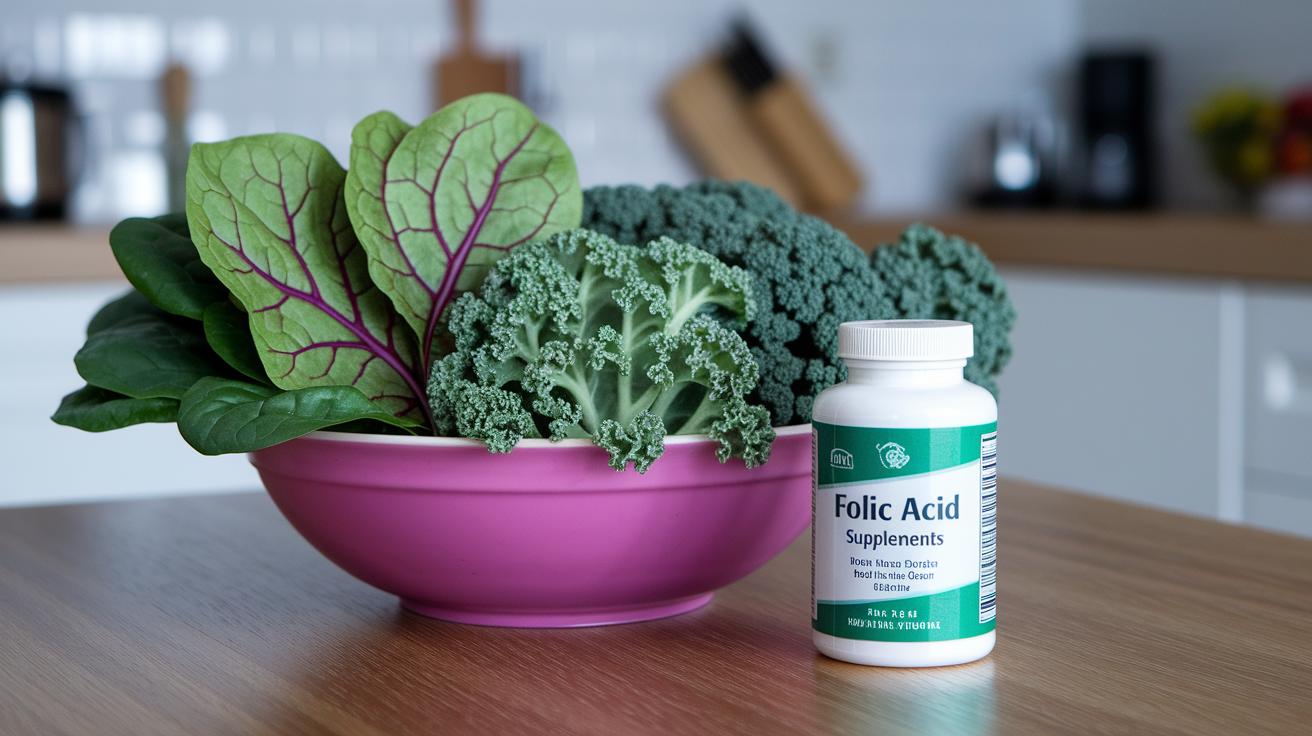
Folic acid is really important for a healthy pregnancy. Taking at least 400 µg each day, starting one month before you try to get pregnant, can lower the chance of neural tube problems as your baby begins to develop. It’s amazing how early research showed that folic acid could make such a big difference!
You can also get folate from your meals. Foods like green leafy vegetables, think spinach or kale, and fortified cereals naturally offer folate. When you mix these foods with a daily supplement, it helps make sure you’re getting just the right amount, especially on days when your plate isn’t full of veggies.
Planning ahead with folic acid not only supports your ability to get pregnant but also lays a strong nutritional foundation for your little one. And if you’re in a higher-risk group, like if your BMI is over 30, your doctor might recommend a higher dose, sometimes up to 4,000 µg per day, to keep you both well nourished.
Key Nutrient Dosage: Iron, Iodine, and Vitamin D in Pre Pregnancy Vitamins
Iron, iodine, and vitamin D all work together to help you and your future baby start on the right foot. Taking 30 mg of iron each day builds up the reserves you need for the journey ahead. Recent research shows that vitamin D at 600 IU daily might boost iron absorption while still supporting strong bones. Sometimes, iron can give you a bit of nausea or even cause constipation. If that happens, try having it with a light snack or breaking it into smaller doses, and remember to drink plenty of water. It’s a bit like smoothing a bumpy road with small, steady steps.
Iodine is another important nutrient. A daily dose of 150 µg supports your thyroid (which helps with brain and energy balance) and keeps you feeling steady. Keeping your iodine levels just right works well with both iron and vitamin D, helping your body function smoothly during this time.
| Nutrient | Dosage | Insights & Practical Tips |
|---|---|---|
| Iron | 30 mg/day | Research shows vitamin D might boost iron absorption. Take with a snack and stay well hydrated to ease nausea and constipation. |
| Iodine | 150 µg/day | Helps support thyroid function for energy balance. Works best when paired with the other nutrients for overall stability. |
| Vitamin D | 600 IU/day | Supports strong bones and may enhance iron uptake. Consider timing your doses to support iron absorption. |
- A handy tip: Splitting your iron dose can really help if you experience any side effects.
- Another tip: Taking vitamin D with iron might smooth out the absorption and lessen any discomfort.
- Always chat with your healthcare provider when thinking about changes to your supplement routine to make sure it fits your personal needs.
Dietary Sources and Supplement Synergy for Pre Pregnancy Vitamins
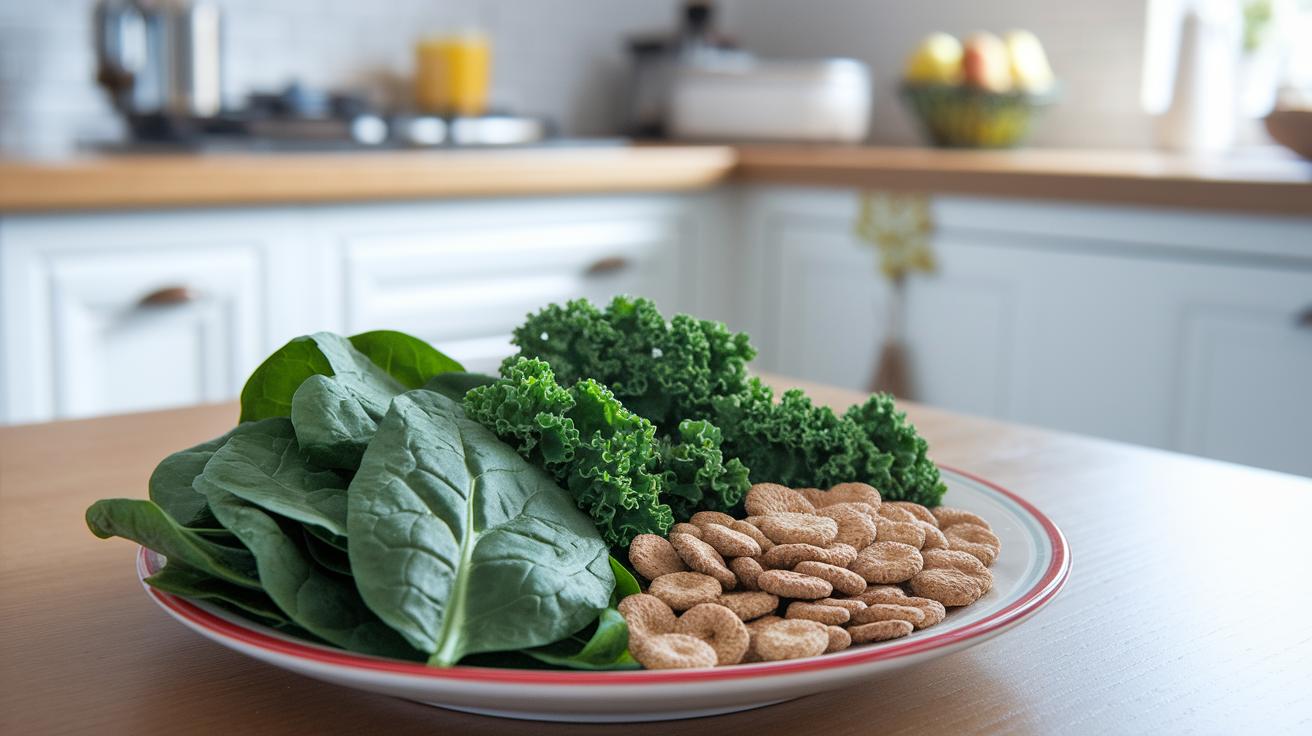
Eating well can really work wonders when you mix in the right supplements. Imagine a plate filled with bright veggies like spinach and kale, paired with fortified cereals. This creates a blend that offers natural folate along with an extra boost from supplements. For example, when you enjoy lean red meat, beans, or lentils along with your daily iron tablet, you're making it easier for your body to store the iron it needs for pregnancy.
It isn’t just about iron and folate. Seafood with a pinch of iodized salt gives you natural iodine, and dairy or fortified plant milk adds the calcium your bones need. And don’t forget about vitamin D – a little sunlight and some fortified dairy help your body absorb it best. Supplements can fill in the leftover gaps, making sure all these nutrients work well together.
Here's a quick guide to show where you can get these nutrients and how much you might need:
| Nutrient | Dietary Sources | Recommended Intake |
|---|---|---|
| Folate | Leafy greens, fortified cereals | 400 µg/day |
| Iron | Red meat, legumes | 30 mg/day |
| Iodine | Seafood, iodized salt | 150 µg/day |
| Calcium | Dairy, fortified plant milk | 1,000 mg/day |
| Vitamin D | Sunlight, fortified dairy | 15 µg/day (600 IU) |
When everyday foods join forces with carefully chosen supplements, they can really help boost fertility naturally. Have you ever noticed how a balanced meal can set a positive tone for your day?
Choosing and Evaluating Top Pre Pregnancy Vitamin Supplements
When you're on the hunt for a great multivitamin, a simple checklist can really help you narrow down your options. Start by making sure the supplement has at least 400 µg of folic acid (a key vitamin that supports fertility and early baby development). It should also include 150 µg of iodine to help with thyroid and brain growth, 30 mg of iron to build up your blood reserves, and 15 µg of vitamin D to help your body absorb calcium.
Take a close look at the blend of vitamins too. A good multivitamin should also offer around 750 µg of vitamin A, 85 mg of vitamin C, and 15 mg of vitamin E. Just remember, having too much vitamin A or C can sometimes be counterproductive, so it's important not to overdo it. Many women find that the benefits of folic acid and vitamin D really stand out, making them two essential nutrients to focus on.
Also, think about how you prefer to take your vitamins. Whether you like capsules or gummies, choose the form that fits best with your daily routine and how you like to absorb nutrients. And yes, cost matters too, often spending a bit more on an FDA-approved brand can mean you’re getting a reliable formula and better quality. That extra cost can be a smart investment in your health.
A few practical tips to keep in mind:
- Make sure the nutrient amounts match the recommended values.
- Read labels carefully to see if the product is FDA-approved.
- Consider the cost along with whether the form (capsules, gummies, etc.) fits your lifestyle.
- Look for sample sizes or starter kits if available, so you can try before committing long-term.
For more detailed reviews and insights, check out prenatal care vitamins at https://womensconference.org?p=10823. This careful approach can help you feel confident about supporting your fertility naturally with a well-chosen multivitamin.
Safety, Timing, and Side Effects of Pre Pregnancy Vitamins

If you take too many B vitamins, you might see your urine turn bright yellow. This is just your body getting rid of the extra vitamins it doesn't need.
When you use iron supplements, you could feel some tummy discomfort. To help with that, try taking smaller doses with meals, drink plenty of water, and consider using a stool softener if needed.
It's best not to take too much vitamin A. Check in with your healthcare provider to make sure your vitamins match your needs.
Final Words
Jumping right in, we covered the essentials of pre pregnancy vitamins and supplements, from key nutrient guidelines like folic acid and vitamin D to balancing dietary sources with smart supplementation. We looked at safe dosages, timing, and even how to pick quality multivitamins that support both fertility and early fetal growth.
Staying informed with solid, evidence-based advice helps pave the way for a healthy start. Keep your routine balanced with pre pregnancy vitamins to feel more confident along the way.
FAQ
Frequently Asked Questions
What are the best pre-pregnancy vitamins and do they work?
The best pre-pregnancy vitamins include folic acid, iodine, iron, and vitamin D. These nutrients support healthy fertility and fetal growth while helping to prevent neural tube defects.
How can I prepare my body for pregnancy?
Preparing your body for pregnancy means starting vitamins at least one month ahead. This supports healthy nutrient levels that help your body get ready for conceiving.
Is it safe to take prenatal vitamins when I’m not pregnant?
Taking prenatal vitamins before pregnancy is safe. They help build nutrient reserves, making sure your body has what it needs for a healthy pregnancy when the time comes.
What are the most important vitamins for pregnancy?
The most important vitamins for pregnancy are folic acid, vitamin D, iodine, and iron. These nutrients support your baby’s brain development, bone strength, and overall well-being.
Are there any pregnancy vitamins to avoid?
Some vitamins like excess vitamin A should be avoided during this time. Sticking to recommended doses ensures you get the benefits without risk to fetal development.
Can men use pre-pregnancy vitamins too?
Pre-pregnancy vitamins for men often include antioxidants and zinc to support sperm health, offering benefits for those planning to start a family.
Is starting prenatal vitamins six months before pregnancy effective?
Starting prenatal vitamins six months before pregnancy helps build essential nutrient stores and supports overall well-being, making it a beneficial approach even when not yet pregnant.
What benefits do prenatal vitamins offer while I’m not pregnant?
Prenatal vitamins taken before pregnancy boost nutrient levels that support later conception, promoting overall health and readiness for a healthy pregnancy.