Sunday, June 28, 2026
Home Blog Page 99

Maternal Nutrition For Vegetarian Mothers: Radiant Health

0

Have you ever wondered if a vegetarian pregnancy might miss out on some key nutrients? It might seem a little risky, but with smart meal planning, many vegetarian moms feel healthy and strong. Research even shows that sometimes meat-eaters don’t get all the important vitamins and minerals they need.

By adding foods like fresh leafy greens, beans, nuts, and cereals with added vitamins, you can easily cover any nutrition gaps. A small change like this can really boost how you feel and help your baby grow healthy and strong.

In this guide, we’ll share simple, friendly tips to help you create a balanced, nourishing meal plan during your pregnancy. Think of it as a warm conversation where we help you feel confident about the choices you make for you and your little one.

Balancing Maternal Nutrition in a Vegetarian Pregnancy

If you plan a vegetarian diet carefully, you can get all the nutrients you need during pregnancy. A study from Switzerland in 2015 found that everyone, even those who eat meat, can sometimes miss out on important vitamins and minerals. When you choose a plant-based way of eating, keep an eye on nutrients like vitamin B12 (helps your body make blood) and iron (builds strong blood). I remember once adding fortified cereal to my breakfast early in pregnancy; it felt like a small change that made a big difference!

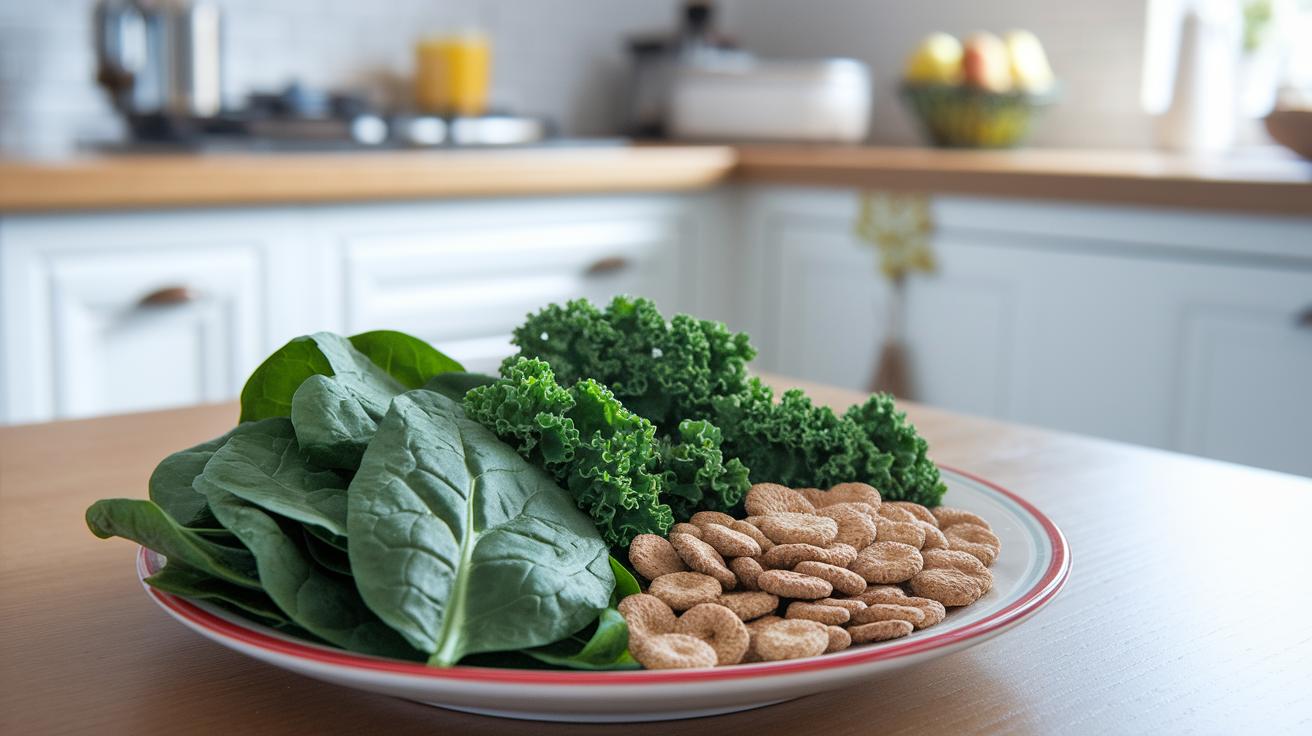
Eating a mix of different foods is really important. Try including favorites like beans, leafy greens, nuts, seeds, and whole grains in your meals. Simple swaps, like using plant protein powders or tossing chickpeas into a fresh salad, can easily fill in any gaps, making each bite count.

It’s also a great idea to take daily supplements like prenatal multivitamins and algae-based DHA (a plant-friendly source of omega-3). Pairing these with your varied meals can keep you feeling strong and supported throughout your pregnancy. For more helpful tips on putting together a green plan during gestation, you can check out the Maternal diet and wellness guidelines.

Planning your meals ahead and having regular check-ins with your healthcare provider can really help you stay on track. Even little, everyday adjustments can lead to a healthy and flourishing pregnancy.

Key Nutrients for Maternal Nutrition in Vegetarian Gestation

img-1.jpg

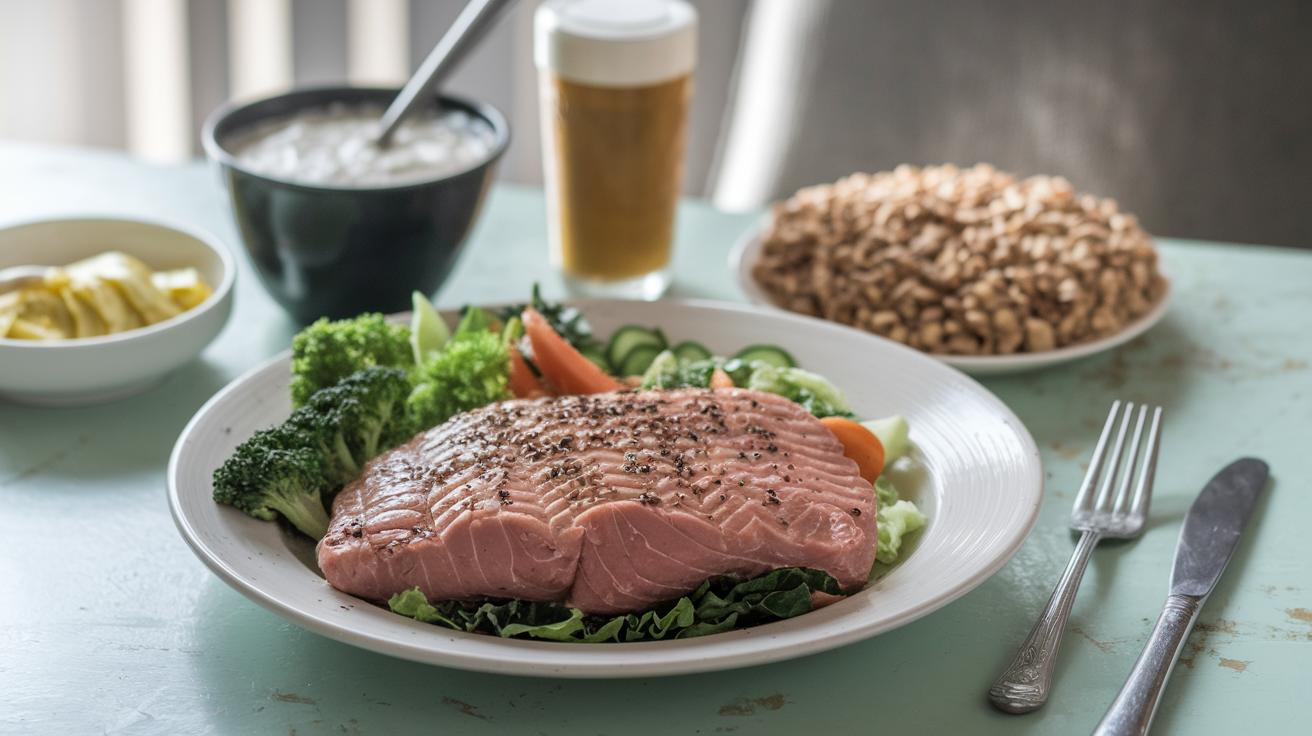
When you plan your vegetarian meals during pregnancy, it's important to make sure you get the right mix of nutrients to support both you and your baby. You need protein to help build your tissues, iron for strong and healthy blood, and folate (a type of vitamin) to support cell growth. Calcium and vitamin D work together to build strong bones, while vitamin B12 keeps your nerve cells healthy. Omega-3 DHA and zinc also boost your baby's brain development and help keep your immune system strong.

It can be a little tricky to get all these nutrients from plant-based foods alone, since sometimes they might not provide enough vitamin B12 or iron. I once whipped up a salad with spinach and chickpeas on a hectic day to make sure I got a bit of that extra iron boost. Taking prenatal vitamins along with plant-based protein powders or algae-derived DHA supplements can really help cover any gaps.

Choosing foods like lentils, tofu, and quinoa for protein and dark leafy greens or fortified plant milks for calcium can go a long way. Below is a handy table that shows the key nutrients, the recommended daily amount you need, and some great plant-based foods to help you hit those numbers:

Nutrient RDA in Pregnancy Plant‐Based Sources
Protein 75 g Lentils, tofu, tempeh, quinoa
Iron 27 mg Spinach, chickpeas, fortified cereals
Folate 600 mcg Dark leafy greens, beans, avocados
Calcium 1,000 mg Fortified plant milk, almonds, kale
Vitamin B12 2.6 mcg Fortified cereals, nutritional yeast
Vitamin D 600 IU Fortified plant milk, sun exposure
Omega-3 DHA 200–300 mg Algae oil supplements, chia seeds
Zinc 11 mg Pumpkin seeds, lentils, cashews

Using this guide, you can plan balanced meals with little tweaks that add up to a nutrient-rich diet throughout your pregnancy.

Maternal nutrition for vegetarian mothers: Radiant Health

Imagine starting your day with a meal that fuels both your body and spirit. For breakfast, try a warm bowl of steel-cut oats mixed with chia seeds and fresh berries. It’s a simple, bright start, giving you plenty of fiber and omega-3s, like a gentle burst of sunshine on a busy morning.

Then, when mid-morning hunger strikes, grab a crisp apple with a little almond butter. This snack is packed with vitamin E and calcium, keeping your energy steady and your hunger away.

At lunchtime, you might mix up a spinach, lentil, and quinoa salad. Every bite helps with iron, protein, and folate, and adding some orange slices or bell pepper strips can help your body absorb even more iron. Later, when you need a little pick-me-up, enjoy some crunchy carrot sticks with hummus. This snack offers beta-carotene and protein to keep you cheeky and cheerful as you move through your day.

For dinner, consider a warm tempeh and vegetable stir-fry served over brown rice. It’s a hearty dish loaded with essential protein and zinc. To wind down your day, a serving of fortified soy yogurt adds calcium and vitamin B12, gently capping off your evening meal while keeping your nutrition balanced.

And don’t forget, a generous flow of water, about eight to ten cups throughout the day, helps keep your body refreshed and aids in nutrient absorption. Experimenting with beans, lentils, chickpeas, berries, cruciferous veggies, dark leafy greens, and whole grains can make your meals just as vibrant as the life you lead.

Supplementation to Enhance Maternal Nutrition in Plant-Based Gestation

img-2.jpg

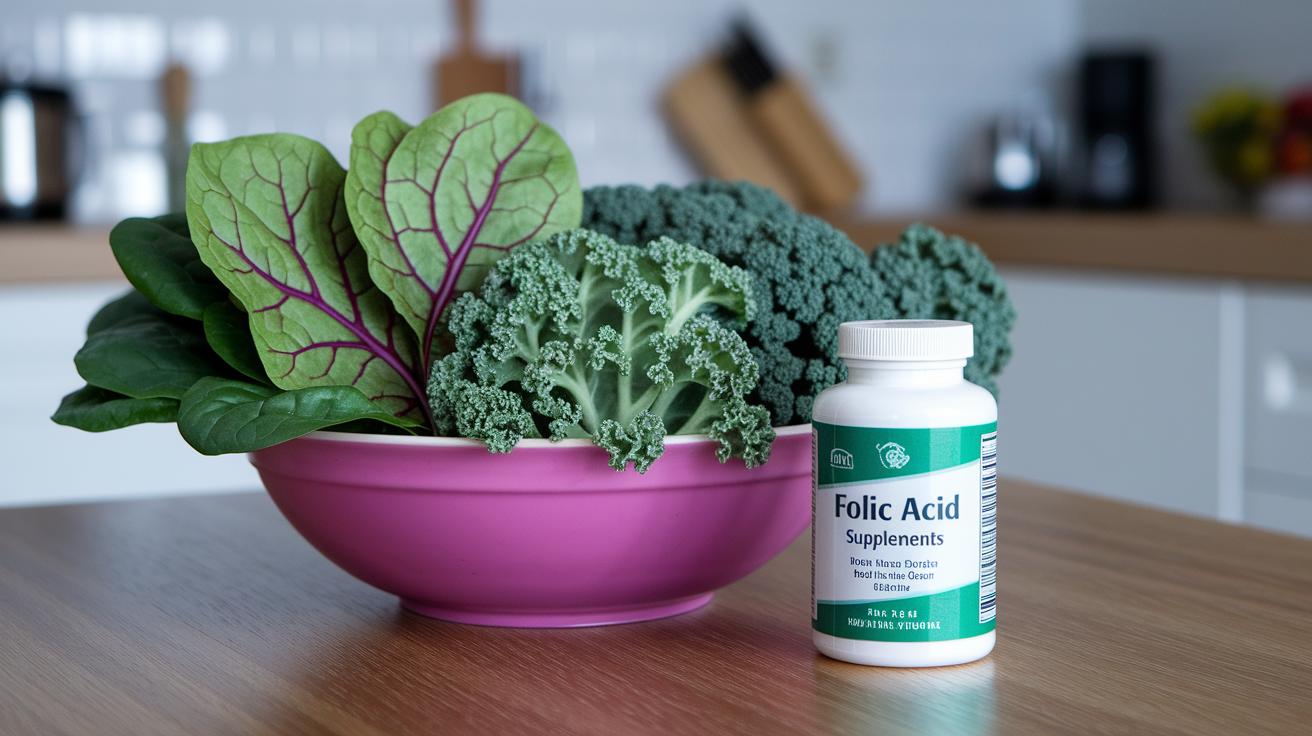
Taking prenatal vitamins gives you essential nutrients like folate, iron, B12, and vitamin D, nutrients that help support a healthy pregnancy. If you enjoy a morning smoothie, try blending in a scoop of plant-based protein powder (like pea, rice, or soy) to add 20–25 grams of protein. One mom even mentioned, “A quick shake with protein powder is my go-to on busy days!”

Algae-derived DHA is a smart choice for meeting your omega-3 needs without fish. And high-fiber foods, such as chia seeds, flaxseed, oats, and legumes, are great for keeping your digestion happy and your tummy full. Have you ever tried mixing chia seeds into your yogurt bowl for an extra fiber boost?

Nuts and seeds are another fab option, they add healthy fats, magnesium, and zinc to your diet. A small handful can brighten up a salad or serve as a tasty snack. Here’s a tip: cooking acidic foods in cast-iron cookware can actually increase the iron in your meals. For instance, simmering your tomato sauce in cast iron can make dinner feel a little more nourishing!

Maternal nutrition for vegetarian mothers: Radiant Health

Teratogen Specialist Guidance

If you’re pregnant and following a vegetarian diet, keeping an eye on your vitamin B12 and iron levels can make a big difference. A caring specialist with over 25 years in maternal and child health suggests starting early with simple lab tests, typically once each trimester, to check your weight gain and nutrient levels. It’s really helpful to work closely with your doctor so they can review your results and, if needed, adjust your supplements or meal plans. For instance, if your iron levels dip, you might try adding more spinach or a gentle iron supplement to your daily routine. This step-by-step check-up plan is designed to support you throughout your pregnancy, making sure both you and your baby get the nourishment you need.

Dietitian Meal Planning Tips

Imagine planning your meals like you’d plan a cozy family dinner. A registered dietitian with an MPH recommends setting aside a little time to plan your meals in advance and to mix in different superfoods each month. By using seasonal produce, you not only add more variety and nutrients to your diet, but you also support eco-friendly choices. Creating a grocery list that focuses on locally sourced vegetables and whole grains can make shopping easier and more sustainable. And hey, paying attention to portion sizes helps ensure every meal gives you balanced protein, iron, and other important nutrients. Simple tricks like pre-cooking beans or chopping your greens ahead of time can really ease the daily cooking routine, setting you up for steady, nourishing meals every day.

Final Words

In the action of balancing a vegetarian pregnancy, this guide shows how nutrient-dense foods, mindful meal plans, and the right supplements come together to support your health. The table and sample meals make it easy to see how every bite contributes to lasting energy. Expert tips remind you to monitor key levels like vitamin B12 and iron while adapting your diet. This article offers practical steps for maternal nutrition for vegetarian mothers, leaving you with reassurance and a positive outlook as you continue on your healthy, fulfilling path.

FAQ

What are the risks of a vegetarian pregnancy?

The risks of a vegetarian pregnancy center on potential vitamin B12 and iron shortfalls without careful meal planning and supplementation. A well-rounded, plant-based plan helps keep risks low.

What should a vegetarian pregnant woman eat, and are there meal plan resources available?

A vegetarian pregnant woman should enjoy a mix of beans, greens, whole grains, nuts, and fruits. Meal plan resources, including Indian meal plans and meal plan PDFs, offer clear guidance on nutrient diversity.

What benefits can a vegan pregnancy offer?

A vegan pregnancy can bring benefits such as higher intakes of antioxidants and fiber. Still, it needs focused attention on vitamin B12 and iron from supplements and fortified foods.

Which foods should a pregnant vegetarian avoid?

Pregnant vegetarians should skip heavily processed foods and ingredients high in additives. Choosing whole, natural foods supports a balanced nutrient profile.

What dietary recommendations are there for the first trimester on a vegetarian diet?

In the first trimester, a vegetarian diet should include nutrient-dense items like leafy greens, fortified cereals, and legumes, all combined with prenatal vitamins for complete nutritional support.

Can a vegan diet cause miscarriage?

Concerns about a vegan diet causing miscarriage are not firmly proven. A balanced, nutrient-rich approach with proper supplements minimizes the risk of deficiencies linked to pregnancy complications.

Will the baby be healthy if the mother follows a vegetarian diet?

The baby’s health is well supported when the mother’s vegetarian diet is balanced. A diverse intake of plant foods and prenatal vitamins promotes healthy development.

What is the most common vitamin deficiency in a pregnant woman who follows a vegetarian diet?

The most common vitamin deficiency in vegetarian pregnancies tends to be vitamin B12, often accompanied by low iron levels if the diet lacks fortified foods and appropriate supplements.

Does a vegetarian diet affect fertility?

A well-planned vegetarian diet does not affect fertility. Prioritizing nutrient-rich foods and regular health check-ups helps maintain reproductive well-being.

Postpartum Blues Treatment: Spark Joy & Quick Relief

0

Have you ever noticed that sometimes the joy of welcoming a new baby can mix with a little sadness? Many new moms feel both excited and a bit worried after childbirth. When you’re running on little sleep, dealing with fluctuating hormones, and figuring out all these new changes, it can feel like you’re off-kilter. There are caring, simple ways to help lift that cloud and bring back some light. Today, we’ll share a few gentle tips and discuss how reaching out for extra support might be just what you need. Let’s explore together how a touch of care can brighten your days during this special, yet sometimes challenging, time.

Key Strategies for Postpartum Blues Treatment

Having a new baby can feel amazing, but it can also bring a mix of emotions. Right after childbirth, many parents notice that feelings swing quickly from joy to a bit of worry. These baby blues typically last a few days up to two weeks. Changes in sleep, hormones, and the new demands of caring for a little one all play a part.

Most of the time, baby blues fade on their own. However, sometimes they can be more intense or even signal a deeper challenge. There are two main ways to ease these feelings: self-help strategies and professional support. For instance, little steps like keeping a regular sleep schedule, eating balanced meals, and chatting with family and friends can help stabilize your mood. If you need more ideas on self-care, check out the postpartum recovery tips on our website.

If those feelings of sadness feel too much or linger longer than expected, it's okay to ask for help. Sometimes a bit of counseling or therapy can provide that extra support designed just for you. By getting help early, you can start to feel better faster, rebuild your confidence, and settle into your new role as a parent more smoothly.

Differentiating Postpartum Blues Treatment and Postpartum Depression Care

img-1.jpg

Sometimes, after having a baby, you might feel different moods and wonder if it’s just the baby blues or something that needs extra care. Baby blues are very common. They start right after birth and usually fade in one to two weeks. On the other hand, postpartum depression can begin anytime from one week up to three months after delivery, and it lasts for more than two weeks. The feelings are stronger and tougher to handle.

Knowing when the feelings start, how long they last, and how strong they are can help you decide if you can try some self-care steps or if you might need extra support from a doctor.

Feature Postpartum Blues Postpartum Depression
Timing Starts right after childbirth Begins from 1 week to 3 months later
Duration Lasts 1-2 weeks Lasts more than 2 weeks
Severity Milder mood changes More intense feelings
Treatment Needs Usually managed with self-care Often needs professional help
Risk Factors Common worry and stress of new parenthood May include a history of mood issues or high stress

If your feelings are light and don't stick around long, taking time for rest and gentle routines might be enough. But if your emotions feel heavy or don’t start to improve after two weeks, it could be a good idea to chat with your doctor. Getting the right support can help you feel better sooner.

Postpartum Blues Treatment: Spark Joy & Quick Relief

Taking charge of your day can truly lift your spirits. When you plan little moments just for you, it feels like adding a dash of sunshine to busy days with your new little one.

Simple, caring steps make a big difference. Try to build little habits that fit your life: short daily naps and a steady bedtime; eating nutrient-rich meals that include omega-3 (healthy fats) and B vitamins; enjoying gentle activities like yoga or a peaceful walk; setting aside a few minutes for mindfulness or a quick guided meditation; drinking enough water; jotting down your feelings in a journal; practicing deep breaths; and making sure you catch up with a friend every so often.

These little actions give you a special pocket of time that’s all your own. A quick nap might feel like a mini-vacation, and keeping a journal can show you how far you’ve come over time. Each small step is a reminder that even tiny changes can add up to a brighter day.

If you’re looking for more step-by-step ideas, check out the postpartum recovery guide at https://womensconference.org?p=11055. Tracking these moments can gently remind you that each little win is an important step in your journey to feel balanced and joyful.

Professional Interventions in Postpartum Blues Treatment

img-2.jpg

Sometimes, when you’ve been taking care of yourself but still feel low or overwhelmed for more than a couple of weeks, it might be a sign that professional help could be a good idea. Your body and mind can really use some extra support during these challenging times. If you’re constantly tired, finding it hard to bond with your baby, or have unsettling thoughts, it might be time to consider talking to a licensed expert.

Talk Therapy

Talk therapy, like cognitive-behavioral therapy or interpersonal therapy, is all about chatting through your feelings and finding new ways to handle stress. It helps you spot the things that make you feel down and shows you small steps to change these patterns. It’s a gentle way to help you rebuild your daily routine and see things more clearly.

Medication Management

Sometimes, medicine can be a helpful part of getting better. Doctors might suggest medications known as SSRIs, which have been shown to be safe for breastfeeding moms. These medicines work by balancing the chemicals in your brain and are carefully prescribed to avoid unwanted side effects. Your health, as well as your baby’s safety, always comes first when creating a treatment plan.

Emerging Therapies

Researchers are always looking for new ways to help moms through tough times. Some innovative treatments being studied now might soon offer additional options when traditional methods aren’t enough. This means that in the near future, there could be even more ways to support your emotional well-being.

Choosing the right care provider is so important. Look for someone who really understands the ups and downs that come with being a new mom. A caring, experienced healthcare provider can create a treatment plan that fits your unique needs and helps you find your way back to feeling like yourself.

Recognizing When to Seek Postpartum Blues Treatment

If you find yourself feeling down, worried, or easily frustrated for weeks on end, or if connecting with your baby seems really tough, it might be more than just a normal mood dip. You might catch yourself thinking, "I felt so low that even smiling at my baby was a struggle," and that's a sign that your usual self-care might not be enough.

A tool like the Edinburgh Postnatal Depression Scale can really help. It lets you keep track of your mood over time. If you notice that your score keeps coming back high, it might be time to talk with a caring healthcare provider for a full check-up.

Building Support Networks for Postpartum Blues Treatment

img-3.jpg

When you have loved ones around you, even a little help can brighten your day. Imagine sharing a quiet walk with your partner or getting a hand with baby care. Hearing them say, "We're in this together" feels like a warm hug after a long day. These small acts of care help ease those difficult moments and remind you that you're not alone.

Taking time to connect with other moms who understand your journey can really lift your spirits. Consider joining a local meetup or an online group where you can swap simple tips and celebrate little wins. These circles of care offer a safe space to share feelings, exchange ideas, and even find important resources when you need them most.

Final Words

In action, we explored the steps moms can take to alleviate those early mood dips after childbirth. The post highlighted the differences between everyday baby blues and deeper mood shifts, offering both self-help tips like improved sleep and nutrition and advice on when to seek professional help. It also detailed the importance of community connections for a caring, ongoing support system. By following this postpartum blues treatment, moms can build a foundation for renewed hope and well-being.

FAQ

How long do postpartum blues last?

Postpartum blues typically last one to two weeks after childbirth. This natural phase helps new mothers adjust to changes, and the mood fluctuations usually fade as they settle into their new routines.

How to help a new mom with baby blues?

Helping a new mom with baby blues means offering a supportive ear, practical assistance, and gentle encouragement. Simple acts like listening and helping with daily tasks can ease her transition during this emotional time.

How do you overcome postpartum blues?

Overcoming postpartum blues involves using self-care strategies like regular sleep, a balanced diet, light exercise, and stress-relief techniques. These steps can boost mood while easing the adjustment to new motherhood.

How can I help my postpartum depression?

Helping with postpartum depression means encouraging professional guidance, staying connected, and offering consistent support. It’s important for her to share her feelings and to seek expert advice when mood changes persist.

Prenatal Vitamins Vs Multivitamins: A Wise Choice

0

Have you ever wondered if a regular multivitamin really compares to a prenatal vitamin? Research shows that prenatal vitamins usually have almost twice the folic acid plus extra iron to help your baby’s early growth.

When you’re planning for a little one, every nutrient matters. These vitamins are made with your unique needs in mind. Today, let’s chat about how prenatal vitamins offer extra care while multivitamins provide general benefits.

This small choice might be just the wise decision that makes all the difference for you and your baby.

prenatal vitamins vs multivitamins: A Wise Choice

Prenatal vitamins are made especially for moms-to-be. They pack a much higher dose of folic acid, about 400 to 550 micrograms per serving, whereas regular multivitamins only offer around 200 micrograms. This extra boost is really important for helping to prevent neural tube defects. Have you ever thought about how starting folic acid before conception can make a big difference?

Prenatal formulas also include 27 milligrams of iron per serving to help support the extra blood that builds up during pregnancy. In comparison, most multivitamins only have around 18 milligrams, which might not be enough when your body is working harder than ever. Plus, prenatal vitamins usually come with 150 micrograms of iodine, something many regular multivitamins lack, which is key for your baby's brain development.

There’s also choline in prenatal vitamins, a nutrient that aids brain growth for your little one. Regular multivitamins might not have choline or may provide too little, missing an important opportunity to boost your baby’s brain health.

Experts generally suggest that if you're pregnant or planning to be, you don’t need to mix these vitamins. Stick to prenatal vitamins since they’re specially balanced for the journey of conception, pregnancy, and early development.

Folic Acid Focus in Prenatal Vitamins vs Multivitamins

img-1.jpg

Folic acid is really important in early pregnancy because it helps lower the risk of neural tube defects that can start forming very early. The FDA recommends that women who are planning a pregnancy or just starting get about 400 mcg of folic acid each day. Prenatal vitamins usually contain between 400 and 550 mcg, while regular multivitamins often have around 200 mcg or less. It’s best to begin taking folic acid at least one month before you try to conceive so your body can build up the right stores for your baby's early growth. Maybe set a little reminder: "Don't forget my prenatal vitamin tomorrow!"

Here are four simple steps for getting your folic acid timing just right:

  1. Start taking folic acid at least one month before you plan to become pregnant.
  2. Continue your daily dose as soon as you think you might be pregnant or if you confirm it.
  3. Keep taking it through the early weeks of your pregnancy.
  4. Have a chat with your healthcare provider to ensure you’re getting enough folate.

These easy steps make it clearer to build a healthy plan for you and your baby.

Iron and Iodine: Mineral Levels Compared

Prenatal vitamins usually contain about 27 mg of iron and 150 mcg of iodine to support both mom and baby. Regular multivitamins typically have around 18 mg of iron and often do not include iodine.

Not getting enough iron can make you feel very tired and may even raise the risk of birth difficulties. And if there isn’t enough iodine, it could affect your baby’s brain development.

  • Iron helps your body manage the extra blood needed during pregnancy.
  • Iodine supports a healthy thyroid for both you and your baby.

Imagine iron as the fuel that keeps your blood flowing smoothly, much like high-quality gasoline helps an engine run well.

Vitamin Type Iron Amount Iodine Amount
Prenatal Vitamin 27 mg 150 mcg
General Multivitamin 18 mg Often none

Choline, Vitamin D3, and Key Nutrients in Prenatal vs Multivitamins

img-2.jpg

Prenatal vitamins are made with extra care for both you and your baby. They include important nutrients like choline (about 450–550 mg daily) which helps your baby’s brain grow strong. Most plain multivitamins skip this nutrient, so it’s like choosing a recipe that’s been perfected just for your family.

Prenatals often boost vitamin D3 to around 600 IU, compared to the roughly 400 IU you’d find in many regular multivitamins. Vitamin D3 pairs with vitamin K2 to help your body soak up calcium, giving you the support you need for strong bones during pregnancy. Imagine these vitamins working together as a warm, reliable team to take care of you.

Some prenatal formulas even add DHA, an omega-3 fatty acid (typically 200–300 mg), which aids your baby’s brain and nerve development. This nutrient is usually left out of general multivitamins. In truth, taking prenatals is like getting a thoughtfully prepared meal, rich with the right ingredients for your unique journey.

Safety Profiles and Side Effects of Prenatal Versus Multivitamins

If you're not expecting, taking prenatal vitamins that come with extra doses of nutrients might bring along side effects you really don't need. These vitamins are designed especially for pregnant women and pack more iron and vitamin A than regular multivitamins. Too much iron can make you feel constipated or even nauseous. And a high dose of vitamin A could push you toward harmful levels. Regular multivitamins give you smaller amounts of these nutrients, so they usually cause fewer issues. It’s a good idea to take any vitamin with food because it helps your body absorb the vitamins better and eases any stomach irritation.

  • Excess iron may lead to constipation and a queasy stomach – always take your vitamins with a meal.
  • High amounts of vitamin A can risk toxicity symptoms – stick to the suggested dose.
  • General stomach discomfort? Remember to have some food when you take your supplement.

Cost and Accessibility: Prenatal Vitamins Compared to Multivitamins

img-3.jpg

Prenatal vitamins usually cost about 20–30% more than your regular multivitamins. That extra cost covers the special research and careful balance of nutrients made just for moms-to-be, like the right amounts of folic acid and iron for you and your baby.

Sometimes, you might find cheaper prenatal options at your local store. But be sure to read the label closely, much like you’d check a family recipe, to make sure the quality and ingredients meet your needs.

Many insurance plans and help programs even cover prescription prenatal vitamins, which can make things much more affordable. So, why not ask your healthcare provider about any programs that might help you save money without cutting back on quality?

And if you’re into finding a good deal, look for discounts or bulk buying options. This way, you get the nutrients you need without breaking the bank.

Expert Guidelines and Timing for Prenatal vs Multivitamins

If you're planning a pregnancy, experts say it's best to switch from your regular multivitamins to prenatal vitamins about 30 days before you start trying. They recommend continuing with these vitamins during your pregnancy and while breastfeeding. One specialist mentioned, "Starting prenatal vitamins early lays a solid foundation for both mother and baby."

Taking your vitamins with a meal not only helps your body absorb them better but also eases any tummy discomfort.

Here are a few handy reminders:

  • Start prenatal vitamins 30 days before you try to conceive.
  • Keep taking them throughout your pregnancy and while breastfeeding.
  • Always pair your vitamins with food for better absorption.

Final Words

In the action, we compared prenatal vitamins vs multivitamins by highlighting nutrient differences like folic acid, iron, iodine, choline, and vitamin D3. We broke down how prenatal formulas offer essential benefits for expectant mothers, explained safety tips for proper use, and touched on cost and timing guidelines for the best results. Our discussion shows how choosing the right supplement can support both maternal and baby wellness. Every step you take toward informed choices is a step toward a brighter, healthier future!

FAQ

Q: What are the benefits of taking prenatal vitamins when you’re not pregnant?

A: The benefits of taking prenatal vitamins when you’re not pregnant include building up nutrient stores—like folic acid, iron, and choline—to support a healthy conception and early pregnancy when planned.

Q: What are the best prenatal vitamins?

A: The best prenatal vitamins are those that supply adequate folic acid, iron, iodine, and choline in amounts that meet recommended guidelines and support maternal health before and during pregnancy.

Q: How long can you take prenatal vitamins if you’re not pregnant?

A: The duration of taking prenatal vitamins when you’re not pregnant depends on your health needs, but using them long term may lead to an excess of some nutrients; it’s best to consult a healthcare provider about your situation.

Q: What side effects or downsides might occur from taking prenatal vitamins when not pregnant?

A: The potential downsides of taking prenatal vitamins when not pregnant include mild nausea, constipation, or other gastrointestinal discomfort from high iron levels, and excessive vitamin A may pose risks.

Q: Can I take prenatal vitamins if I’m trying to get pregnant?

A: The guidance on taking prenatal vitamins when planning a pregnancy indicates that starting them at least one month before conception helps boost key nutrients needed for early fetal development.

Q: What are the most important vitamins for pregnancy?

A: The essential vitamins for pregnancy include folic acid, iron, iodine, choline, and vitamin D3, all of which play key roles in supporting fetal brain development and overall maternal wellness.

Q: What are the benefits of prenatal vitamins during pregnancy?

A: The benefits of prenatal vitamins during pregnancy involve tailored nutrient support with higher levels of folic acid, iron, iodine, and choline to help prevent neural tube defects and support healthy fetal growth.

Q: Should I take a multivitamin or prenatal vitamin?

A: The choice between a multivitamin and a prenatal vitamin leans toward prenatal vitamins for those planning or during pregnancy, as they offer targeted nutrients in appropriate amounts for maternal and fetal needs.

Mindful Health Solutions Ignite Your Wellness

0

Have you ever stopped to think that a small change in your daily care might brighten your whole day? Mindful Health Solutions mixes talk therapy, yoga, and mindfulness in a way that feels as soothing as a warm cup of herbal tea after a tiring day. This friendly care touches both your mind and body, offering sessions you can join in person or online to easily fit your busy schedule. It’s all about taking one gentle, mindful step at a time to help you feel better.

Mindful Health Solutions: A Holistic Definition

At Mindful Health Solutions, we take a caring, all-around approach to wellness. We combine talk therapy, expert help with mental health, yoga, and mindfulness to care for your mind, body, and soul. Imagine stepping into a session that feels as soothing as a warm cup of herbal tea after a long, tiring day, it’s designed to bring you calm and understanding.

They offer a range of treatments made for real-life needs. Whether you’re in need of one-on-one time, family sessions, care for your child or teen, or support for a couple, there’s a space for you. And if your schedule is packed, you can book an online session from home, creating a personal, quiet corner just for you. They also provide more intensive care, like outpatient services, partial hospitalization, and even modern treatments like TMS (a gentle brain stimulation method) when extra help is needed.

Mindful Health Solutions welcomes you both in person, in California, Texas, and Washington, and online for a flexible, caring experience. They work with most major insurance plans and proudly hold a Gold Seal of Approval that shows their commitment to quality, trusted care. Updated through 2025, this blend of proven mindfulness practices and warm, compassionate mental health support creates a truly nurturing path to healing.

Key Mind-Body Treatment Techniques in Mindful Health Solutions

img-1.jpg

At Mindful Health Solutions, we believe in caring for both body and mind with practices that feel as gentle as a warm blanket on a cool night. Our licensed therapists lead yoga sessions in a quiet, spa-like space where every stretch helps let go of built-up tension. Sometimes, a therapist will invite you to "imagine your breath moving softly, like a gentle breeze, with each exhale carrying away a bit of stress." It really feels like a little mindful pause in your busy day.

Plus, our virtual mindfulness sessions make it easy to enjoy these benefits right at home. Whether you’re settling into your favorite chair or unwinding after a long day, our online classes bring relaxation straight to you. Picture your worries slowly melting away with each deep, calming breath, much like ice disappearing on a warm day.

We also offer guided meditation and structured breathwork. These techniques, like slow and steady breathing or gentle meditation, are designed to ease stress and help you find your balance.

What We Offer How It Helps
Yoga in a calm, spa-like setting Releases tension and brings relaxation
Virtual mindfulness classes Makes relaxation easy and accessible at home
Guided meditation and breathwork Reduces stress and nurtures balance

Each method is backed by solid research, offering modern mindfulness practices that truly light up your wellness journey. Imagine having a little oasis of calm ready to help you feel centered each day.

Holistic Therapy Methods and Treatment Effectiveness in Mindful Health Solutions

At Mindful Health Solutions, we mix warm, caring talk therapy with new treatment options and careful medication checks to offer a full approach to mental health. We know that the usual treatments don’t always work for everyone, so we like to explore new ways that might feel more gentle and effective.

One option we’re proud to share is Transcranial Magnetic Stimulation (TMS). This is a soft, non-invasive treatment that uses magnetic pulses (think of them as gentle taps) to help when depression just won’t budge. It works for about 65% of people, and it can feel like a refreshing shower that washes away a bit of your stress.

We also offer SPRAVATO (Esketamine) for those dealing with major depression. Like TMS, SPRAVATO helps around 65% of folks, and it acts quickly to ease persistent symptoms. Imagine that first ray of sunshine breaking through gray clouds, it brings hope and a new sense of possibility.

If you need fast relief, Ketamine Infusion Therapy might be the answer. With nearly a 70% response rate, this treatment can quickly lift heavy feelings and give you that burst of relief when you need it most. Along with regular psychiatric check-ins and supportive talk therapy, these treatments are part of a caring plan that looks at you as a whole person.

Therapy Type Key Benefit Effectiveness Rate
Transcranial Magnetic Stimulation (TMS) Helps with treatment-resistant depression 65%
SPRAVATO (Esketamine) Relieves major depressive disorder symptoms 65%
Ketamine Infusion Therapy Provides rapid symptom relief 70%

These treatments show our commitment to blending caring, evidence-based care with a gentle approach that puts you at the center of your healing journey.

Digital Mental Health Platforms and Virtual Care in Mindful Health Solutions

img-2.jpg

At Mindful Health Solutions, we bring care right to you using technology. Our secure patient portal is like a key that opens up your medical records, feedback, and billing details. It feels a bit like opening a trusted digital diary where every click helps you understand your progress in a simple and comforting way.

Telepsychiatry sessions let you talk with experts from wherever you are. Imagine setting up a virtual appointment as easily as arranging a family video chat. This means you can get help and follow-ups without worrying about travel.

Online therapy and virtual mindfulness consultations make it easy to connect with care, even if you live far away from the clinic. Whether you're in California, Texas, or Washington, you'll feel like you have a friendly and caring professional by your side. The unified care portal brings together all these services, making it feel natural to check in on your health, just like you would check your favorite mobile app for updates.

This digital platform is like a helpful hand guiding you every step of the way, making modern mental health care both easy to access and truly comforting in our busy digital world.

Choosing Providers for Mindful Health Solutions: Regional Availability and Accreditation

When it comes to picking a care provider, it really helps to know there are trusted choices all over. In California, you have 14 clinics in places like El Dorado Hills, Fairfield, Sacramento, Stockton, Los Angeles, Mission Viejo, Newport Beach, Santa Monica, Burlingame, Oakland, San Francisco, San Rafael, and Walnut Creek. These clinics are cozy spots where you can get the help you need along the West Coast.

Over in Texas, there are five main clinic sites in Cypress, Georgetown, Rockwall, San Antonio, and Heath, with extra support in Austin and Houston. And if you’re in Washington, there are three clinics in Wenatchee, Tacoma, and Seattle along with virtual care throughout the state. This means no matter where you are, finding help is easier than ever.

Every one of these providers proudly carries a Gold Seal of Approval. Think of it like a cherished family recipe that’s been tested and loved – this mark shows that each clinic meets high standards of quality and kindness. Plus, most are part of major insurance plans, which often leads to lower costs and shorter waits, usually around 4–6 weeks.

It’s like having a friendly, familiar place right nearby whether you’re taking care of your own health or a family member's. With so many options to choose from, you can find a provider who fits just right with your schedule and needs, helping you step into a life that feels supported and balanced.

Personalized Wellness Plans and Care Coordination in Mindful Health Solutions

img-3.jpg

At Mindful Health Solutions, we create a care plan just for you. We begin with a friendly mental health check-up, where we talk through what matters most to you. It’s like designing a plan that fits you as perfectly as your own breath.

Our caring team of therapists, psychiatrists, and wellness experts works together like a group of close friends sharing advice. They blend their ideas to make sure every part of your well-being is gently cared for. It’s a team effort that feels warm and supportive.

We follow a smart approach that uses the latest research to adjust your treatment as you change. Your personal care plan is reviewed over time, so it always matches how you’re feeling. Each small change helps bring balance to your mind and body, making your journey smoother day by day.

Success Stories and Patient Feedback in Mindful Health Solutions

Stories from our patients show just how deeply our care touches their lives. Many have told us that feelings of sadness and worry, like depression and anxiety, have eased enough to make everyday challenges a bit lighter. One patient shared, "After my sessions, I felt like a heavy cloud lifted, and I finally saw the sunshine again." Such honest words remind us why our peaceful, spa-like setting and caring approach work so well, it feels as refreshing as a cool drink on a warm day.

Families also appreciate our mix of in-person visits and online sessions. One parent mentioned, "I could easily book online sessions during a busy week, and they felt just as warm and supportive as when I came to the center." This flexibility has played a big part in the trust you see in our service ratings.

Many say our care feels personal and genuine, more like catching up with a friend who truly understands than a routine appointment. Every kind word we receive boosts our belief that this supportive approach not only makes a difference but also lights up your journey to feeling well.

Final Words

In the action of caring for mind, body, and soul, we explored how mindful health solutions bring together talk therapy, holistic treatments, and digital care. We looked at gentle yoga and breathwork sessions, quality regional providers, and tailored wellness plans. Every aspect works in harmony to offer clear, caring support. It's uplifting to see how evidence-based practices come together to help families thrive, leaving each step filled with hope and positivity.

FAQ

Mindful Health Solutions reviews

The reviews of Mindful Health Solutions show that patients appreciate the integrated approach combining therapy, mindfulness, and psychiatric care, which many say helps them feel better and more balanced.

Mindful Health Solutions Login

The login feature for Mindful Health Solutions offers a secure way to access your appointments, medical records, and billing information, helping you manage your care easily.

Mindful Health Solutions Reddit

Discussions on Reddit about Mindful Health Solutions reveal personal stories where users share their experiences with the integrated treatment model, giving insights into both in-person and virtual services.

Mindful Health Solutions locations

The locations of Mindful Health Solutions span several states, including many clinics in California, a few in Texas, and offices in Washington, providing in-person and virtual care services.

Mindful Health Solutions portal

The Mindful Health Solutions portal is a secure online hub where patients can view their records, receive feedback, and manage billing, making the whole experience seamless and convenient.

Mindful Health Solutions San Francisco

In San Francisco, Mindful Health Solutions offers in-person therapy and integrated care services designed to support your mental wellness with a calm, mindful approach.

Mindful Health Solutions careers

Careers at Mindful Health Solutions invite you to join a team dedicated to whole-person wellness, where you can work with compassionate professionals in an environment focused on integrated mental health care.

Mindful Health Solutions Glassdoor

Reviews on Glassdoor show that employees of Mindful Health Solutions value a supportive work atmosphere and appreciate the company’s dedication to integrating evidence-based mindfulness practices into care.

Who is the founder of Mindful Health Solutions?

Information on the founder of Mindful Health Solutions isn’t widely publicized, as the focus is on delivering integrated, evidence-based mental health care rather than spotlighting individual leadership.

How much does mindful health cost?

The cost of mindful health services varies depending on factors like session type, frequency, and insurance coverage, making the services flexible to suit different financial situations.

Does Mindful Health prescribe Adderall?

Mindful Health Solutions offers thorough psychiatric evaluations and medication management, so prescriptions like Adderall are issued based on individual assessments by licensed healthcare providers.

What is mindful health?

Mindful health refers to an integrated care model that brings together talk therapy, psychiatric services, and mindfulness practices to support whole-person wellness in a gentle, evidence-based way.

Isomaltooligosaccharide Innovations: From Fermentation to Clean Label

Definition

Isomaltooligosaccharide (IMO) is a functional oligosaccharide composed of glucose molecules primarily linked by α-(1→2) and α-(1→6) glycosidic bonds. It is a naturally occurring or enzymatically synthesized mixture of short-chain carbohydrates with degrees of polymerization ranging from 3 to 9. IMOs are known for their prebiotic effects, low caloric content, and ability to improve intestinal health, making them highly desirable in health foods, dietary supplements, and animal feeds.

IMOs can be derived through enzymatic hydrolysis of starch or via microbial fermentation. The resulting product can range from mostly digestible disaccharides (like isomaltose) to more resistant forms such as maltosyl-isomaltooligosaccharides (MIMOs). The latter exhibit beneficial properties such as improved gut microbiota modulation and resistance to enzymatic digestion in the small intestine. This dual nature allows IMOs to serve both as sweeteners and dietary fibers, making them valuable in clean-label food and beverage formulations.

Market Size

Global Isomaltooligosaccharide (IMO) market was valued at USD 108.40 million in 2024 and is projected to reach USD 149.03 million by 2032, growing at a Compound Annual Growth Rate (CAGR) of 3.60% during the forecast period. 

This growth is fueled by increased awareness of gut health, rising demand for functional foods, and shifting consumer preferences toward natural, low-calorie sweeteners.

North America represents a significant regional market, estimated at USD 30.02 million in 2024, and is expected to grow at a CAGR of 3.09% through 2032. The growing popularity of prebiotics and plant-based food products is driving regional consumption.

Globally, the IMO market benefits from its versatility in application across industries including human nutrition, animal feed, sports nutrition, and functional beverages. As consumers demand healthier alternatives to high-fructose corn syrup and artificial sweeteners, IMOs are expected to capture a larger share of the global carbohydrate market.

Download FREE Sample of this Report @ https://www.statsmarketresearch.com/download-free-sample/8034216/global-isomaltooligosaccharide-market

Recent Developments in the Isomaltooligosaccharide (IMO) Market

The Isomaltooligosaccharide (IMO) market is witnessing robust growth, largely propelled by increasing consumer awareness about gut health and the rising demand for functional food ingredients. A key development is the continuous innovation in enzymatic production processes, leading to more efficient and cost-effective ways to produce IMO with improved yield and control over its oligosaccharide profile. This allows for tailored IMO products for specific health benefits, such as enhanced prebiotic activity or optimized sweetness. Furthermore, research continues to validate IMO’s positive impact on gut microbiota, digestion, and metabolic health, leading to its expanded application in a wider range of products, including functional snacks, beverages, dietary supplements, and even in areas like weight management and immune support. The recognition of IMO as a dietary fiber by regulatory bodies like the US FDA further boosts its appeal and market penetration.

Major Distribution Channels for Isomaltooligosaccharide (IMO)

The primary distribution channels for Isomaltooligosaccharides (IMO) are through Business-to-Business (B2B) sales to food and beverage manufacturers, pharmaceutical companies, and nutraceutical producers. These manufacturers then incorporate IMO into their finished products, which are distributed to consumers through various retail channels, including supermarkets, health food stores, pharmacies, and online platforms. Specialized ingredient distributors and brokers play a vital role in connecting IMO producers with these industrial buyers. Given its application in animal feed and veterinary drugs, there’s also a distribution network catering to the agricultural and animal health sectors. Manufacturers of IMO often work directly with large-scale clients, while smaller enterprises might rely on a network of regional or international distributors to reach a broader customer base.

Market Dynamics (Drivers, Restraints, Opportunities, and Challenges)

Drivers

  • Increased Demand for Prebiotics: Rising awareness about the health benefits of prebiotics, particularly for digestive health, is driving IMO consumption.
  • Functional and Clean Label Foods: Consumers are increasingly seeking food and beverage products with functional ingredients, making IMOs an attractive option.
  • Natural Sweetener Preference: As health-conscious consumers avoid artificial sweeteners, IMOs serve as a natural, lower-glycemic-index alternative.
  • Versatile Applications: IMOs are used across diverse applications, including bakery, dairy, beverages, and nutraceuticals, due to their functional and organoleptic properties.

Restraints

  • High Production Costs: The enzymatic or microbial production processes are cost-intensive, potentially limiting wide-scale adoption in cost-sensitive markets.
  • Labeling and Regulatory Complexity: Regulatory definitions and classifications of dietary fibers differ by country, which can complicate product labeling and restrict market expansion.

Opportunities

  • Expansion into Emerging Markets: As awareness of gut health and wellness increases in Asia-Pacific and Latin America, new opportunities are emerging for IMO manufacturers.
  • Product Innovation: Development of more digestion-resistant IMO variants with enhanced prebiotic functionality can unlock new market segments.
  • Pet and Animal Nutrition: The growing pet food and livestock feed industries offer untapped potential for IMO as a feed additive that promotes gut health and nutrient absorption.

Challenges

  • Misconceptions Around Digestibility: Confusion in differentiating between digestible and non-digestible IMO variants can hinder market clarity and consumer confidence.
  • Competitive Alternatives: Other prebiotic ingredients like inulin, fructooligosaccharides (FOS), and galactooligosaccharides (GOS) offer similar benefits, increasing competition in the functional ingredient space.

Regional Analysis

North America

  • This region is driven by advanced nutrition research, strong demand for functional foods, and established regulatory frameworks supporting dietary fibers. U.S.-based companies are actively investing in product innovation and clinical validation of IMO benefits.

Europe

  • With growing emphasis on digestive health and clean-label foods, European markets like Germany, the UK, and France are witnessing increased demand for IMOs. However, stringent regulations regarding dietary fiber classification may slow expansion.

Asia-Pacific

  • The fastest-growing regional market, bolstered by population growth, dietary diversification, and rising disposable incomes. Countries like China, Japan, and India are key players, with local manufacturers ramping up production capacity.

South America

  • Although relatively nascent, markets such as Brazil and Argentina show promise due to improving consumer education and evolving health trends. Investments in food processing and exports are expected to support growth.

Middle East and Africa

  • IMO market penetration remains low, but increasing interest in functional ingredients and global health trends are expected to drive adoption in the coming years, especially in urban areas with rising middle-class populations.

Competitor Analysis

Global IMO market is moderately consolidated with a few key players holding substantial market share. These companies focus on vertical integration, patenting of production technologies, and expanding product portfolios.

  • Baolingbao Biology Co., Ltd.: A leading IMO manufacturer in China, known for cost-effective large-scale production and international export capabilities.
  • Shandong Bailong Chuangyuan Bio-Tech Co., Ltd.: Offers a range of functional sweeteners including IMOs, catering to both domestic and global markets.
  • Nihon Shokuhin Kako Co. Ltd.: A Japanese firm with a reputation for high-purity, fermentation-derived IMO products.
  • SHOWA Corporation: Focuses on research and development of specialized IMO products with enhanced health benefits.
  • Bioneutra: A Canadian company known for its clinically studied prebiotic IMO product lines targeting North American markets.
  • Jiangxi E&C Sugar Alcohol Co., Ltd. and Tianmei Biological Technology: Regional Chinese firms focusing on domestic demand and expansion into Southeast Asia.

Global Isomaltooligosaccharide (IMO) Market: Market Segmentation Analysis

This report provides a deep insight into the global Isomaltooligosaccharide (IMO) market, covering all its essential aspects. This ranges from a macro overview of the market to micro details of the market size, competitive landscape, development trend, niche market, key market drivers and challenges, SWOT analysis, value chain analysis, etc.

The analysis helps the reader to shape the competition within the industries and strategies for the competitive environment to enhance the potential profit. Furthermore, it provides a simple framework for evaluating and assessing the position of the business organization. The report structure also focuses on the competitive landscape of the Global Isomaltooligosaccharide (IMO) Market. This report introduces in detail the market share, market performance, product situation, operation situation, etc., of the main players, which helps the readers in the industry to identify the main competitors and deeply understand the competition pattern of the market.

In a word, this report is a must-read for industry players, investors, researchers, consultants, business strategists, and all those who have any kind of stake or are planning to foray into the Isomaltooligosaccharide (IMO) market in any manner.

Market Segmentation (by Application)

  • Health Care Products
  • Food & Beverage
  • Veterinary Medicine & Feed Additive

Market Segmentation (by Type)

  • Isomaltose
  • Panose
  • Isomalt Trisaccharide

Key Company

  • Baolingbao Biology Co.,Ltd.
  • Shandong Bailong Chuangyuan Bio-Tech Co.,LTD
  • Nihon Shokuhin Kako Co. Ltd.
  • SHOWA Corporation
  • Bioneutra
  • Jiangxi E&C Sugar Alcohol Co.,Ltd.
  • Tianmei Biological Technology

Geographic Segmentation

  • North America (USA, Canada, Mexico)
  • Europe (Germany, UK, France, Russia, Italy, Rest of Europe)
  • Asia-Pacific (China, Japan, South Korea, India, Southeast Asia, Rest of Asia-Pacific)
  • South America (Brazil, Argentina, Columbia, Rest of South America)
  • The Middle East and Africa (Saudi Arabia, UAE, Egypt, Nigeria, South Africa, Rest of MEA)

FAQ:

What is the current market size of the Isomaltooligosaccharide (IMO) market? The global market size was estimated at USD 108.40 million in 2024 and is projected to reach USD 149.03 million by 2032, with a CAGR of 3.60%.

Which are the key companies operating in the Isomaltooligosaccharide (IMO) market? Major players include Baolingbao Biology, Shandong Bailong Chuangyuan, Nihon Shokuhin Kako, SHOWA Corporation, and Bioneutra, among others.

What are the key growth drivers in the Isomaltooligosaccharide (IMO) market? Key growth drivers include rising demand for prebiotics, natural sweeteners, clean-label products, and versatile applications across food, beverage, and health sectors.

Which regions dominate the Isomaltooligosaccharide (IMO) market? North America, Asia-Pacific, and Europe are the leading regions, with Asia-Pacific experiencing the fastest growth.

What are the emerging trends in the Isomaltooligosaccharide (IMO) market? Emerging trends include the development of digestion-resistant IMO variants, increased use in pet and animal nutrition, and expansion into emerging markets.

About Stats Market Research

Stats Market Research is a trusted provider of healthcare and medical technology market intelligence, delivering actionable insights through advanced data analytics and proprietary research methodologies. Our team of industry experts provides comprehensive analysis across medical devices, diagnostics, and digital health technologies.

☎️ International: +1 (332) 2424 294
📄 Website: www.statsmarketresearch.com

The India Semiconductor Market was valued at US$41,200 million in 2024


The India Semiconductor Market was valued at US$41,200 million in 2024 and is projected to reach US$115,600 million by 2030, at a CAGR of 18.8% during the forecast period.

Due to government measures to increase domestic manufacturing, technological improvements, and the growing demand for electronic products, the Indian semiconductor market is expected to grow significantly. The need for semiconductors has increased due to India’s growing consumer electronics, automotive, and industrial sectors, making the nation a vital link in the worldwide supply chain. To encourage domestic manufacturing and lessen reliance on imports, especially from East Asia, the government has implemented a number of initiatives, including the Semiconductor Mission and the National Policy on Electronics. Consequently, a number of international semiconductor firms are establishing research and production facilities in India, which is driving the market’s expansion.

In 2017, India’s semiconductor imports totalled US$ 4.65 billion, while its exports totalled US$ 0.21 billion. While imports decreased to US$ 3.15 billion by 2019, exports increased to US$ 0.33 billion. However, due to global economic disturbances like the COVID-19 pandemic, 2020 saw a decline in both imports and exports. Due to pent-up demand following the slump, 2021 saw an extraordinary comeback, with imports totalling US$5.36 billion. India made significant attempts to become a semiconductor hub in 2022, as seen by its exports, which hit a record high of US$0.52 billion.

Download Free Sample Report: https://semiconductorinsight.com/download-sample-report/?product_id=59036

Industry Dynamics

In an effort to strengthen its domestic supply chain and lessen reliance on imports, the Indian government has taken proactive measures to promote a self-sufficient semiconductor ecosystem. One of the most important of these programs is the Production Linked Incentive (PLI) Scheme, which offers financial rewards to increase electronics manufacture. In order to assist create a thorough local industry framework, this program is especially important for luring international semiconductor companies to set up manufacturing and research centers in India. Another important program that provides funds and incentives especially for the semiconductor industry is the Semiconductor Mission. In order to improve India’s infrastructure in this area, this mission is intended to assist businesses in establishing semiconductor fabrication factories and design facilities.

Recent Developement

1. Government Revamps PLI for Electronics & Chips

India’s flagship Production‑Linked Incentive (PLI) scheme, which helped the semiconductor and electronics sectors scale rapidly, will be phased out by mid‑2026. In its place, the government has unveiled a ₹22,900 crore Component Manufacturing Scheme to promote deep value‑chain development in electronics and semiconductors 

2. Strategic Tariff Challenge from the U.S.

A newly announced 50% tariff on copper imports into the U.S. is expected to disrupt supply chains, impacting India’s electronics and semiconductor manufacturing plans that heavily depend on copper inputs 

3. U.S. EDA Software Curbs Lifted—India on Alert

With the U.S. opening access to Electronic Design Automation (EDA) tools for China, Indian industry experts warn this move could strengthen Chinese competition, intensifying pressure on Indian chip design firms

Kay Players:

.        Vedanta Ltd

  •       Tata Electronics
  •       Wipro
  •       Micron Technology
  •       Bharat Electronics Limited (BEL)
  •       ASM Technologies
  •       Saankhya Labs
  •       Continental Device India Pvt. Ltd. (CDIL)
  •       Dixon Technologies (India) Ltd.
  •       ISMC Digital
  •       SPEL Semiconductor
  •       Other Key Players

Segment Analysis

By Type

.        Integrated Circuits (ICs)

  •   Optoelectronics
  •   Discrete Semiconductors

By Application

  •   Consumer Electronics
  •   Automotive
  •   Industrial
  •   Telecommunications
  •   Computing
  •   Healthcare

By Technology

  •   Process Technology
  •   Packaging Technology
  •   Fabrication Technology

Download Free Sample Report: https://semiconductorinsight.com/download-sample-report/?product_id=59036

About Us:

Semiconductorinsight has been a leading aggregator and consulting provider of semiconductor industry market research reports since 2016, offering high-quality, reliable, and timely reports and consulting services to our clients. 

Services Offered

  1. Market Reports:
    • Comprehensive and data-driven reports offering deep dives into specific segments of the semiconductor industry.
    • Forecasts and trends analysis backed by robust methodologies and historical data.
  2. Custom Research:
    • Tailored research solutions addressing unique business challenges and opportunities.
    • Market entry strategies, competitive benchmarking, and M&A advisory.
  3. Consulting Services:
    • Strategic consulting for technology adoption, product development, and investment decisions.
    • Expertise in helping businesses align with emerging trends like IoT, 5G, and edge computing.

 CONTACT US:
City vista, 203A, Fountain Road, Ashoka Nagar, Kharadi, Pune, Maharashtra 411014
[+91 8087992013]
help@semiconductorinsight.com

Global Post CMP PVA Brush Market Outlook 2025

Global Post CMP PVA Brush Market Outlook 2025 : Growth Trends, Key Players, and Forecast Analysis.

Global Post CMP PVA Brush Market size was valued at US$ 312.4 million in 2024 and is projected to reach US$ 498.7 million by 2032, at a CAGR of 6.87% during the forecast period 2025-2032. The Asia-Pacific region dominates the market, accounting for over 62% of global revenue due to concentrated semiconductor manufacturing in countries like Taiwan, South Korea, and China.

Post-CMP (Chemical Mechanical Planarization) PVA brushes are specialized cleaning tools used in semiconductor manufacturing. These polyvinyl alcohol-based brushes feature soft, porous structures with precise surface projections designed to remove residual slurry particles and contaminants after the CMP process without damaging delicate wafer surfaces. They come in roll and sheet forms, with advanced SCL-grade variants offering enhanced cleaning performance for next-generation chip fabrication.

The market growth is primarily driven by increasing semiconductor production volumes, particularly for 300mm wafers which require precise post-CMP cleaning. While the rollout of advanced nodes below 7nm creates new opportunities, rising material costs and the need for brush customization present challenges. Key players like Entegris and ITW Rippey are investing in R&D to develop brushes compatible with emerging materials like cobalt and ruthenium interconnects, with several product launches expected in 2024-2025 to address evolving industry requirements.

Get Full Report with trend analysis, growth forecasts, and Future strategies : https://semiconductorinsight.com/report/global-post-cmp-pva-brush-market/

Segment Analysis:

By Type

Roll Shape PVA Brushes Dominate Due to High Compatibility with Automated Wafer Cleaning Systems

The market is segmented based on type into:

  • Roll Shape
    • Subtypes: Standard density, High density, and others
  • Sheet Shape
    • Subtypes: Single-layer, Multi-layer, and others

By Application

300 mm Wafer Segment Leads Owing to Increasing Adoption in Advanced Semiconductor Manufacturing

The market is segmented based on application into:

  • 300 mm Wafer
  • 200 mm Wafer
  • Others
    • Subtypes: MEMS devices, Compound semiconductors, and others

By Material Grade

SCL Grade Segment Gains Traction for Superior Cleaning Performance in Critical Applications

The market is segmented based on material grade into:

  • Standard Grade
  • SCL Grade
    • Subtypes: SCL-100, SCL-200, and others
  • Premium Grade

By End-Use Industry

Semiconductor Segment Dominates Due to Growing Demand for Advanced Chip Manufacturing

The market is segmented based on end-use industry into:

  • Semiconductor
  • Electronics
    • Subtypes: Display panels, Hard disk drives, and others
  • Optical
  • Others

MARKET DYNAMICS : 

MARKET DRIVERS

Expansion of Semiconductor Manufacturing to Fuel Demand for Post CMP PVA Brushes

The global semiconductor industry is experiencing unprecedented growth, driven by increasing demand for consumer electronics, automotive semiconductors, and IoT devices. With semiconductor manufacturers ramping up production to meet this demand, the need for post-CMP cleaning solutions has surged. PVA brushes play a critical role in removing residual particles after chemical mechanical planarization (CMP), ensuring defect-free wafer surfaces. The semiconductor industry is projected to exceed $1 trillion in value by 2030, creating substantial opportunities for PVA brush manufacturers.

Technological Advancements in Wafer Fabrication Processes Driving Adoption

As wafer fabrication processes advance to smaller node sizes below 7nm, the requirement for ultra-precise cleaning solutions has intensified. Modern PVA brushes offer superior particle removal efficiency down to sub-micron levels while minimizing surface damage – a crucial requirement for next-generation semiconductor manufacturing. The transition to 300mm wafer production, which currently represents over 80% of global capacity, has further increased the need for high-performance cleaning tools. Leading foundries are increasingly adopting specialized PVA brush designs to maintain yield rates above 95% for advanced process nodes.

Growing Focus on Yield Optimization in Chip Manufacturing

Semiconductor manufacturers are placing greater emphasis on yield optimization as production costs for advanced nodes continue to escalate. Post-CMP cleaning defects account for approximately 15-20% of overall wafer yield losses, making effective cleaning solutions essential. Modern PVA brushes help reduce defect density by effectively removing slurry residues and metallic contaminants while maintaining surface planarity. The ability to customize brush properties (such as porosity and hardness) for specific CMP processes has made them indispensable tools for maximizing fabrication yields.

MARKET OPPORTUNITIES

Emerging Memory and Logic Chip Applications Creating New Growth Avenues

The rapid development of next-generation memory technologies (such as 3D NAND and MRAM) and advanced logic chips presents substantial opportunities for PVA brush manufacturers. These applications often require specialized cleaning approaches due to their unique material stacks and sensitive device structures. Custom PVA brush solutions designed for these emerging applications command premium pricing and enjoy stronger margins compared to standard offerings. Several leading manufacturers are investing heavily in R&D to develop application-specific brush formulations.

Geographical Expansion into Developing Semiconductor Hubs

The establishment of new semiconductor manufacturing facilities in regions like Southeast Asia and India presents significant growth potential. Governments in these regions are offering substantial incentives to develop local semiconductor ecosystems, attracting major foundries and IDMs. PVA brush manufacturers that establish local production or distribution networks in these emerging hubs can gain first-mover advantages in these rapidly developing markets.

POST CMP PVA BRUSH MARKET TRENDS

Growing Demand for Semiconductor Manufacturing Drives Post CMP PVA Brush Adoption

The global semiconductor industry’s rapid expansion is creating unprecedented demand for high-precision cleaning solutions, with Post CMP (Chemical Mechanical Planarization) PVA brushes emerging as a critical component in wafer fabrication. As semiconductor nodes shrink below 10nm, manufacturers require ultra-clean surfaces with minimal defect rates, pushing the adoption of specialized PVA brushes that combine softness with exceptional particle removal efficiency. The market is witnessing increasing preference for brushes with controlled porosity and optimized fiber density to prevent pattern damage during post-CMP cleaning. Manufacturers are also developing brushes with enhanced chemical resistance to withstand harsh cleaning solutions while maintaining dimensional stability.

Other Trends

Material Innovation and Customization

The competitive landscape is driving innovation in PVA brush materials, with manufacturers developing composite formulations that balance durability with cleaning performance. New brush designs incorporate varying hardness levels across different zones to accommodate intricate wafer topography, particularly for 3D NAND and advanced logic devices. Customized brush shapes are gaining traction, with some variants featuring specialized groove patterns that enhance chemical distribution during cleaning cycles. These material advancements are crucial as wafer sizes continue to increase, with 300mm wafers now accounting for over 70% of production while 450mm wafer compatibility becomes a future-proofing consideration.

Sustainability Initiatives Reshape Product Development

Environmental concerns are influencing the Post CMP PVA brush market, with manufacturers focusing on extended product lifecycles and reduced consumable waste. New brush regeneration techniques allow multiple refurbishment cycles while maintaining cleaning performance, reducing replacement frequency by 30-40% in some applications. The industry is also moving toward water-soluble binders and biodegradable components to minimize environmental impact during brush disposal. These sustainability measures are becoming key differentiators as semiconductor fabs implement comprehensive green manufacturing initiatives, with some leading foundries now requiring environmental impact assessments for all consumable materials.

Recent Developments : 

  1. Advancements in Brush Material and Structure
    Manufacturers are introducing high-performance PVA brushes with improved pore uniformity, higher durability, and lower particle generation. These innovations support advanced semiconductor nodes and enable better post-CMP wafer surface cleaning.
  2. Growing Demand from Advanced Nodes (5nm and Below)
    The transition to sub-5nm technologies in logic and memory fabs is increasing the demand for next-generation PVA brushes that can deliver precision cleaning without scratching or damaging sensitive wafer surfaces.
  3. Regional Production Expansion and Localization
    Key suppliers are expanding manufacturing facilities in Asia (particularly Japan, South Korea, and Taiwan) and are also localizing production in the U.S. and Southeast Asia to meet regional supply chain and regulatory needs.
  4. Strategic Partnerships and Product Co-Development
    Leading players are engaging in collaborations with major semiconductor fabs for the co-development of application-specific PVA brushes. These partnerships aim to enhance product customization and performance for particular wafer processes.
  5. Focus on Reusability and Environmental Sustainability
    The industry is shifting towards sustainable solutions, including reusable brush designs and eco-friendly materials. Some companies are also exploring recycling options to reduce waste and align with global ESG goals.

Download A Sample Report : https://semiconductorinsight.com/download-sample-report/?product_id=95951

COMPETITIVE LANDSCAPE

Key Industry Players

Leading Manufacturers Focus on Innovation to Maintain Market Dominance

The global Post CMP PVA Brush market features a competitive mix of specialized manufacturers and diversified material science companies. Entegris has emerged as a dominant player, leveraging its extensive experience in semiconductor materials and cleaning solutions. The company’s technological expertise in developing high-performance PVA brushes for advanced wafer cleaning applications gives it a significant edge in this market segment.

ITW Rippey and Aion hold notable market positions, particularly in North America and Asia-Pacific regions. These companies have strengthened their market presence through continuous product innovation and strategic partnerships with semiconductor equipment manufacturers. Their growth is further supported by increasing demand for precision cleaning solutions in 300mm wafer fabrication facilities.

Market competition is intensifying as companies invest heavily in R&D to develop brushes with superior particle removal efficiency and longer service life. Several manufacturers have recently introduced novel brush designs with optimized fiber density and polymer formulations to address the evolving requirements of next-generation semiconductor nodes.

Meanwhile, specialized players like BrushTek and Statclean Technology are expanding their market footprint through customized solutions. These companies focus on niche applications and offer tailored brush configurations for specific CMP (Chemical Mechanical Planarization) processes, thereby creating differentiation in an increasingly competitive market.

List of Key Post CMP PVA Brush Companies Profiled

  • ITW Rippey (U.S.)
  • Aion Co., Ltd. (Japan)
  • Entegris, Inc. (U.S.)
  • BrushTek (U.S.)
  • Coastal PVA (U.K.)
  • Statclean Technology (S) Pte Ltd (Singapore)
  • Polymer Innovations, Inc. (U.S.)
  • Micronova Manufacturing, Inc. (U.S.)

Browse Related Reports : Global Carbon Brush Holder Market Research Report 2025

CONTACT US:

City vista, 203A, Fountain Road, Ashoka Nagar, Kharadi, Pune, Maharashtra 411014
+91 8087992013
help@semiconductorinsight.com

Infant Milestones 8 Months: Thriving Growth

0

Have you ever noticed how a tiny smile or a little roll might mean a big breakthrough? At eight months, your baby is showing off new skills that hint at growing independence. Little moments, like sitting up by themselves or scooting around, open up fresh chances for play and learning together. In this post, we'll chat about these clear signs of growth and show you how every milestone helps build a confident, happy little person.

Essential Overview of Infant Milestones 8 Months

At around eight months, your little one might start to explore their world with more independence. They could begin crawling or even scooting around on their bottom, which is a delightful sign of growing mobility. You may have noticed a more regular sleep routine too, about 11 to 12 hours at night along with 2 to 3 hours of naps during the day, adding up to roughly 14 hours of sleep overall. Feeding time is also changing; your baby is having 4 to 5 feeds of breast milk or formula each day and may be starting to enjoy some soft, solid foods.

It’s pretty exciting to see these changes, isn’t it? Even their little language and social skills are on the rise. Their babbling begins to sound more like actual speech as they watch you and try to copy your sounds. You might also notice that they get a bit clingy or shy around strangers, which is a normal part of their emotional growth. They’re also starting to understand that objects continue to exist even when they can’t see them. All these milestones offer a clear, comforting snapshot of how your baby is growing and thriving in every way, from their physical and sleep patterns to feeding, talking, and emotional development.

infant milestones 8 months: Thriving Growth

img-1.jpg

At eight months, little ones start showing some exciting signs of growing up! They can sit on their own now, which gives them a safe spot to explore everything around them. Many babies can roll from back to tummy and tummy to back, a sign that their neck and tummy muscles are getting much stronger. Some even begin pre-crawling or full-on crawling, and every move is a gentle step toward more independence. You might also notice they gain about 0.5 to 1 pound each month and they grow roughly half an inch taller. Isn’t that a charming little progress?

Their motor skills are getting a lovely boost as well. Now, babies love to try new ways of touching and playing with what’s around them. When they start using a pincer grasp, picking up small things between their fingers, it really opens up a whole new world of play. They can transfer a tiny toy from one hand to the other, tap it gently, or squeeze it with more control. You might see them shuffling on their bottoms, pivoting, or even pulling themselves to stand a little bit. Every little movement shows just how much stronger and coordinated they’re becoming.

Metric Typical 8-Month Value
Monthly Weight Gain 0.5–1 lb
Monthly Height Increase 0.5 in

Gross motor skills are blossoming at this age. Babies are busy crawling or shuffling and even starting to pivot around to check out their surroundings. Their improved fine motor skills, like using the pincer grasp, are adding a new layer of fun when they grab toys or try self-feeding. Each new skill brings a sense of independence and excitement that sets the stage for even greater adventures ahead. Every move is a heartfelt reminder of how precious these little steps are.

Cognitive and Sensory Development in 8-Month-Old Infants

At eight months old, your baby is starting to learn that things still exist even when they can’t see them. You might see little hands reaching for a toy hidden under a cloth or a curious glance peeking around a corner, just like during a fun game of peek-a-boo. Their senses, like sight, sound, and touch, are working well together. Picture that heartwarming moment when your baby grabs a toy as a soft melody plays in the background, all these senses coming together in a lovely little dance.

At this age, playful experiments become a big part of learning. Babies often drop or shake a toy to see what happens. This fun trial and error boosts their problem-solving skills and helps them follow movements, whether it’s a rolling toy or your hand waving cheerfully. Every little discovery feels magical and helps them build confidence as they explore the world around them.

Language Acquisition and Communication Signs at 8 Months

img-2.jpg

At eight months, your baby starts to show how they understand words in the sweetest ways. They turn their head when they hear a familiar voice, eagerly listen when you call their name, and watch you closely as you talk. Their eyes light up, following the ups and downs of your voice like they’re tuning in to a lovely song. It’s as if they’re learning the melody of your words, soaking up every sound with real curiosity. For instance, they might stop and smile brightly when you say their name, showing just how connected they feel to you.

Their way of speaking is growing too. Your little one begins to mix sounds into delightful babble that sometimes sounds like “mama” or “dada,” even if it isn’t perfect yet. They’re also starting to use gestures, like reaching or pointing, to share things that catch their attention, almost as if they’re inviting you to join their little adventure. Every coo and tiny movement shows their budding ability to communicate in a loving, heartwarming way.

Social-Emotional Development and Interaction at Eight Months

At eight months, babies often light up whenever they're playing. They show their delight with big smiles and cheerful giggles during fun moments. You might see them grinning at simple games like peek-a-boo, gentle tickling, or even a funny sound from someone they love. Their bright eyes and playful movements create a warm atmosphere that helps you both feel closer and build trust. It’s truly heartwarming to watch these little moments bring you together.

Around this time, you may notice your little one getting upset if you step away, even for a few moments, but they calm down almost instantly once you return. Sometimes, when meeting new faces or in a new place, your baby might cling to you for comfort. For example, during a family gathering, they might reach out for you and stay close until they feel secure. These responses show how your baby is learning who is safe and comforting. Plus, they love making eye contact and always respond joyfully to a warm hug. By tuning in to these cues, you can offer the extra reassurance they need, helping them feel truly safe and valued.

Sleep Patterns and Feeding Transitions for an 8-Month-Old

img-3.jpg

By eight months, your little one is usually sleeping 11 to 12 hours at night, with naps amounting to 2 to 3 hours during the day, often spread over two naps. The awake time between naps tends to be around 2 to 3.5 hours. It’s important to always place your baby on their back on a firm sleeping surface without any loose bedding, like a safe little nest where they can rest soundly.

At this stage, many babies enjoy 4 to 5 feedings of breast milk or formula each day, along with new tastes from soft solids such as smooth purees or tiny finger foods. As they start to master the pincer grasp (using their thumb and finger), you might see them picking up a small piece of food all by themselves. It’s a sweet sign of growing independence and new skills.

Practical Checklist and Warning Signs for Infant Milestones at Eight Months

At eight months, watching your baby hit new milestones can be really exciting. This simple checklist shows some of the skills your little one might be learning and a few things to keep an eye on. It’s a friendly guide to help you celebrate the small victories and notice if anything feels off.

  • Your baby may sit up by themselves during play, showing their core muscles are getting stronger.
  • They might roll over in both directions, which is a fun sign that their motor skills are improving.
  • You could see them starting to crawl or experimenting with pre-crawling moves, hinting at new independence.
  • They may pick up small items using a pincer grasp (using the thumb and finger), a big step for self-feeding.
  • Playing peek-a-boo might bring giggles, showing they understand that hidden objects still exist.
  • Your baby could be creating a variety of babbling sounds; if they aren’t by 9 months, it’s something to watch.
  • They often reach out for toys and play with them, which shows growing curiosity and fine motor skills.
  • Their attempts at self-feeding finger foods mark a nice step in developing dexterity.
  • Expect lots of social smiles and warm looks toward you. If those are missing, it might be a signal to get things checked.
  • Feeling a bit of separation or stranger anxiety is normal, but if your baby never shows these feelings, it might be worth a talk with a professional.

If you’re noticing that your baby isn’t meeting some of these milestones, like finding it hard to sit up, not showing interest in self-feeding, or not babbling much, it could be a good idea to ask a pediatric expert for advice. Every baby is unique, and small differences in growth are normal. Still, if several warning signs seem to add up or you just feel uneasy, reaching out to a professional can give you that extra peace of mind.

Final Words

In the action moment, we saw how eight-month-old babies start to explore the world around them. Their growing ability to crawl, babble, and even show early signs of object permanence makes this an exciting time. We talked about sleep routines, feeding transitions, and the careful blend of physical, cognitive, and social growth that makes infant milestones 8 months so meaningful. Every small move and sound is a step toward greater development. Keep celebrating each tender moment as your child continues to flourish with confidence.

FAQ

What do the CDC infant milestone checklists say about eight-month-olds?

The CDC guidelines for eight-month-olds describe babies as usually sitting without help, beginning to crawl or bottom shuffle, babbling varied sounds, and showing early object permanence and social smiles.

What should babies be doing at eight months?

Eight-month-olds typically sit steadily, experiment with crawling or bottom shuffling, try different babbling sounds, and start to recognize familiar people and objects, marking key developmental progress.

What are three developmental red flags by nine months?

Three red flags at nine months include the absence of consistent babbling, lack of progression toward crawling or sitting without support, and minimal social smiles or interaction when expected.

How many words should an eight-month-old say?

At eight months, babies usually produce varied babbling sounds and may say “mama” or “dada” without clear meaning, as full word use often develops later in infancy.

What are common developmental red flags in infants?

Developmental red flags include the absence of expected babbling, delays in self-sitting or attempting to crawl, and reduced social interaction such as a lack of smiling during play.

What are the month-by-month baby milestones from 6 to 10 months?

By six months, infants show early social smiles and head control; at seven and eight months, they develop independent sitting and babbling; and by nine to ten months, they work toward crawling and more complex social interactions.

What activities benefit an eight-month-old’s development?

Activities like peek-a-boo games, safe tummy time, and encouraging reaching for toys help stimulate motor skills, early communication, and social engagement in eight-month-olds.

Plant-based Maternal Nutrition Considerations: A Sunny View

0

Have you ever thought about whether a vegan diet can truly support you and your baby during pregnancy? Imagine a gentle journey where simple and carefully planned meals bring both nourishment and a peaceful feeling. With a blend of foods rich in vitamins and minerals and a few small adjustments along the way, a plant-based plan can help ease worries about missing important nutrients.

Today, we will share easy steps to create a meal plan that grows and changes with you. This thoughtful approach to vegan eating can brighten your days and support both your health and your baby’s development.

Plant-Based Maternal Nutrition: Balancing Benefits, Risks, and Dietary Adequacy

Vegan pregnancy diets can be very healthy when you plan them carefully. By following simple maternal care guidelines and focusing on foods that are nutrient-rich and sometimes fortified, you can help support a healthy pregnancy. This method eases old worries about missing out on important nutrients and shows that a vegan plan can work well when thought through. It really turns everyday challenges into chances to boost your health.

Balanced vegan meals can also help when you're dealing with issues like nausea or sudden cravings. A few small tweaks in your meal choices may make a big difference in keeping both your taste buds happy and your body nourished. It’s all about mixing variety with mindful eating to create a delightful plant-based nutrition experience.

  • Include a mix of nutrient-rich and fortified foods each day.
  • Plan meals with a variety of fruits, vegetables, whole grains, and legumes.
  • Make little adjustments to manage feelings of nausea and unusual cravings.
  • Consider adding prenatal vitamins if you find that food alone isn’t enough.
  • Stay flexible and adjust your meals as your nutritional needs change.

In practical terms, keeping a balanced vegan diet during pregnancy means understanding both the perks and the challenges. For example, adding supplements like prenatal vitamins is a smart move when whole foods might not cover every need. With clear nutrient tips, you can learn how to combine different foods to get the essential vitamins, minerals, and amino acids your body needs. It’s like creating a nourishing recipe that grows and adapts with you through your pregnancy journey.

Plant-based maternal nutrition considerations: A Sunny View

img-1.jpg

Having a vegan pregnancy diet that's thoughtfully planned can make a real difference for you and your baby. It means focusing on the key nutrients that help your body and your little one grow. For instance, iron is needed to make extra blood so both of you get plenty of oxygen. Calcium is another star player, helping build strong bones and teeth. Vitamins like B2, B6, and B12 bring energy, support your nervous system, and even help form red blood cells. And let’s not forget zinc, it’s great for making DNA and boosting your immune system.

Every day can be a chance to add nourishing foods to your plate. Think about including fortified plant milks, hearty legumes, crunchy nuts and seeds, fresh leafy greens, and whole grains. Imagine a simple, comforting meal like a bowl of spinach salad with a few nuts and a splash of fortified soy milk, a meal that feels as refreshing as a bright, sunny day.

Mixing different plant sources in your meals means you’re more likely to get all the important nutrients. Try playing around in the kitchen with recipe ideas so that every bite supports both you and your baby during this exciting phase of life.

Optimizing Plant Protein Sources and Amino Acid Profiles in Vegan Pregnancy

When you’re expecting and keeping a vegan diet, choosing the right plant proteins helps both you and your baby thrive. A key amino acid called glycine (an important building block) supports your baby’s bones, teeth, and organs while also helping your body adjust during pregnancy. Every meal you enjoy is a chance to nourish both you and your little one.

A simple trick is to pair foods that work well together. For example, mixing legumes with whole grains can give you a full range of amino acids. You might combine beans with brown rice or savor a hearty lentil stew with quinoa on the side. It’s like putting together a puzzle where each piece fits perfectly to make one complete picture.

There are also plenty of other tasty options like tofu, tempeh, nuts, seeds, or even soy milk. Have you ever noticed how a new recipe can brighten your day? Maybe try a stir-fry with tofu, colorful veggies, and a dose of quinoa. These little experiments in the kitchen not only keep your meals interesting but also ensure you’re getting a balanced mix of plant protein.

Addressing Critical Nutrient Challenges: Glycine, Choline, and Vitamin A Needs

img-2.jpg

Glycine is an important amino acid that we lean on during pregnancy. It helps with a process called methylation (a way to help build DNA) and might even lower the risk of preeclampsia. Think of it as a little helper, making sure your body runs smoothly when you need it most.

Choline is a nutrient that works like an architect for your baby’s developing brain. It helps form the neural tube, which grows into the brain and spinal cord. Imagine it laying out a strong and safe foundation for your child’s future.

Vitamin A is key for growing healthy little ones. It supports the proper development of the heart, eyes, ears, limbs, and even the immune system. Without enough vitamin A, there can be real risks, like issues with these vital parts of the body. A colorful plate filled with sweet potatoes, carrots, and dark leafy greens is a great start, but sometimes you might need a little extra boost from supplements.

If you’re finding it hard to get these nutrients just from food, it might be a good idea to chat with your healthcare provider about vegan prenatal supplements. They can help you choose safe, plant-based options to make sure both you and your baby get the support you need during this special time.

Practical Plant-Powered Pregnancy Meal Planning and Sample Menus

Planning your meals when you're expecting can be a fun way to enjoy tasty, plant-based foods while keeping your body well-nourished. It helps to set aside a little time each week to map out breakfasts that taste great and pack a nutritious punch. Think about it, creating a go-to breakfast routine can truly empower you and give you the strength for the day ahead!

Here’s an example of a simple vegan meal plan that might work during your prenatal (care during pregnancy) days:

  • Monday: Enjoy a creamy chia pudding made with soy milk and topped with fresh fruit, nuts, and seeds.
  • Tuesday: Blend up a refreshing spinach-mango-oat smoothie that’s both smooth and packed with good nutrients.
  • Wednesday: Try a hearty tofu breakfast burrito filled with mushrooms and a light drizzle of pesto.
  • Thursday: Prepare overnight oats with a mix of nuts, seeds, and your favorite fruits.
  • Friday: Have a delightful plant yogurt parfait, paired with a homemade granola crunch.
  • Saturday: Savor fluffy pancakes served with a spread of nut butter and fresh fruit slices.
  • Sunday: Indulge in blueberry-rosemary scones, round out your meal with a bowl of plant yogurt, and a splash of fortified orange juice.

Using a variety of vegan meal ideas like these can keep your mornings fresh and help you get a broad range of plant nutrients. It’s all about enjoying your food and turning breakfast into a little daily celebration of care and flavor.

Supplementation Strategies and Safety Considerations in Vegan Gestation

img-3.jpg

A lot of expectant moms who follow a vegan diet find that it works well. Still, sometimes a few important nutrients might need a little boost from supplements or fortified foods.

Take vitamin B12, for example. It helps keep your nerves and blood cells healthy and usually comes from fortified foods or a special supplement. Vitamin D is key for strong bones, and you can get it from dairy-free fortified options, especially when you don’t get much sunlight.

Omega-3 fatty acids, like DHA and EPA, are important for your baby’s brain development. Many moms choose algae-based supplements because they offer a clean way to get these healthy fats. Iodine also plays a part by keeping your thyroid functioning well. If your diet doesn’t include enough iodine-rich foods, a small supplement might be a good idea. And don’t forget about calcium, it’s sometimes hard to get enough if you aren’t enjoying plenty of fortified choices.

  • Choose supplements that provide vitamin B12, vitamin D, DHA/EPA, iodine, and calcium.
  • Check labels on fortified foods to see how they match your nutrition needs.
  • Talk with your healthcare provider to set up a plan that fits your unique needs.

Feel free to experiment a bit until you find the right combination that supports your wellness during pregnancy.

Final Words

In the action, this article explored the upsides and concerns of planning a vegan pregnancy diet. We looked at key nutrients like iron, calcium, B vitamins, and zinc, discussed pairing plant proteins, and shared ideas for balanced vegan meals during gestation. It also touched on addressing challenges with glycine, choline, and vitamin A through supplementation.

Key takeaways:

  • Embrace nutrient-dense foods.
  • Pair plant proteins effectively.
  • Balance essential micronutrients.
  • Keep meal planning creative.
  • Use supplements when needed.

May Plant-based maternal nutrition considerations guide your well-being.

FAQ

What are some risks associated with a vegetarian or vegan pregnancy?

The risks associated with a vegetarian or vegan pregnancy are low when the diet is planned carefully. A balanced approach including nutrient-rich foods and proper supplements helps support both maternal and fetal health.

Is there a useful vegetarian pregnancy meal plan available in PDF format?

A vegetarian pregnancy meal plan PDF can provide clear guidance on balanced, plant-based meals designed to deliver essential vitamins and minerals for a healthy pregnancy.

What is the impact of a vegan diet on pregnancy outcomes?

The impact of a vegan diet on pregnancy outcomes is positive when the diet is well-planned, offering essential nutrients that support fetal development and overall maternal wellbeing.

Can being vegan cause miscarriage?

The risk of miscarriage is not linked to a vegan diet when meal planning is thoughtful. Consuming a variety of nutrient-dense foods and following medical advice can help maintain a healthy pregnancy.

Are there recommended vegan pregnancy books for guidance?

A good vegan pregnancy book offers practical tips on meal planning, nutrient supplementation, and real-life advice, serving as a supportive resource for plant-based mothers.

Which supplements should a vegan pregnant person consider?

Vegan pregnancy supplements often include vitamin B12, vitamin D, iodine, and omega-3 fatty acids to fill any nutritional gaps and promote healthy development for both mom and baby.

What foods should a vegetarian avoid during pregnancy?

Vegetarian diets during pregnancy should avoid foods like unpasteurized dairy and raw sprouts while focusing on safe, nutrient-rich alternatives to ensure the health of both mother and baby.

Which nutrients are of particular concern for pregnant vegans?

Nutrients that often warrant extra attention for pregnant vegans include vitamin B12, iron, calcium, vitamin D, zinc, and omega-3 fatty acids, all crucial for the development of a healthy baby.

Is a plant-based diet safe during pregnancy?

A plant-based diet is safe during pregnancy when it includes a variety of nutrient-dense foods and necessary supplements. Proper planning and professional guidance help secure both maternal and fetal health.

What is one nutrition-related consideration for the mother’s own health during pregnancy?

One key consideration is ensuring sufficient energy and vitamin intake through balanced, wholesome meals and, when needed, supplements, which support the mother’s health throughout pregnancy.

Postpartum Massage Therapy: Gentle Relief After Birth

0

Have you ever noticed how a warm, gentle touch can help ease the tension after giving birth? Postpartum massage (a soothing treatment for your body after birth) might be just what you need. It softens sore muscles and helps lower stress in a very calming way.

In the weeks and months after having your baby, this comforting massage supports healing and brings a gentle sense of calm. It helps make those everyday moments feel a little easier and a lot more peaceful.

How Postpartum Massage Therapy Eases Your Recovery

After having your baby, postpartum massage therapy gives you gentle relief in those first weeks and can help even up to a year later. Many moms try this soothing treatment in the first 12 weeks (check out our postpartum recovery timeline for more details). It helps ease the body tension left from labor and supports your overall well-being.

Each massage lasts about 60 or 90 minutes and is set up just for you, based on your delivery and what you need right now. This calming treatment not only soothes your body and mind but can also help you sleep better. Imagine how a relaxing massage can ease those sore muscles and make bedtime feel more peaceful!

  • Helps reduce stress and encourages restful sleep
  • Boosts blood flow to support milk production
  • Improves lymph flow to ease swelling after pregnancy
  • Enhances circulation for quicker overall healing
  • Relaxes muscles strained by labor and caring for your newborn
  • Supports the gentle realignment of the uterus and pelvic ligaments

By lowering stress hormones and releasing built-up tension, postpartum massage therapy gives you a supportive boost when you need it most. This caring treatment helps with physical discomfort and lifts your mood and energy. It makes those everyday tasks feel a bit easier as you settle into your new life as a mom.

Safe Timing and Techniques for Postpartum Massage Therapy

img-1.jpg

After you have a baby, it’s important to listen to your body. Only start a massage when you feel strong enough and ready. If you had any complications or a C-section, it’s a good idea to check in with your doctor first. For more tips on healing after birth, you can take a look at these postpartum recovery tips. Gentle massage can help ease sore muscles and calm your stress, but if you’ve had a C-section, steer clear of any pressure on your tummy for about six weeks.

When to Start Postpartum Massage

Before you book your first massage session, chat with your doctor. If you had a vaginal birth, you might be ready to try it when you feel up to it. But if you’re recovering from a C-section, you’ll likely need a little more time so your body can heal properly. It’s best to avoid any focus on your tummy until your doctor says it’s safe, so you can relax and ease back into your routine without worry.

Techniques and Positions

During your massage, you might be asked to lie on your side or in a semi-reclined position. This helps to take the strain off your uterine ligaments and makes you feel more comfortable. Therapists typically use gentle Swedish strokes, reflexology, and a bit of light stretching, simple techniques that support your recovery and help soothe both your body and your mind.

Types of Postnatal Massage Therapeutic Approaches

After birth, your body can feel a little out of whack, and postnatal massage is here to help ease that discomfort. It's a kind, gentle way to soothe those common aches and help you start feeling more like yourself again. Therapists blend time-tested techniques with special touches to ease tight muscles, reduce swelling, and bring calm balance back to your body.

  • Swedish massage: Uses smooth, flowing strokes to relax your muscles and offer a moment of calm.
  • Reflexology: Applies gentle pressure on key points of your feet to lift your overall sense of well-being.
  • Light stretching: Carefully eases tightness while gently boosting your flexibility.
  • Lymphatic drainage: Encourages fluid flow to help cut down on swelling.
  • Deep tissue work: Focuses on those deeper muscle layers to ease persistent tension.
  • Myofascial release: Frees up tight spots and makes moving around scar tissue more comfortable.
  • Craniosacral therapy: Uses a soft, rhythmic touch to ease stress and help restore balance.

When you’re picking a method, think about what your body needs most. Chat with a caring therapist so you can decide on the best approach to support your healing and help you feel your best as you care for your little one.

Choosing a Qualified Postpartum Massage Therapist

img-2.jpg

When you're on the hunt for a massage therapist, it's a good idea to look for someone with special training in both pregnancy (prenatal) and after birth (postnatal) care. A trusted therapist will also have liability insurance and be a member of a respected massage group. This shows they've kept up with current training and safety rules, so you can feel at ease while you heal.

Choosing between an in-home session and one in a dedicated center really comes down to personal comfort. In-home massages let you relax in your own familiar space, which can be very comforting. But if you're looking for a place that is all about taking care of moms, a wellness center might offer that special, supportive atmosphere.

Have you ever asked other moms for their recommendations? Checking with community wellness programs or getting referrals from friends can really help. Many therapists even travel to your home, combining expert care with the ease of scheduling around your busy life. Taking the time to review your options means you'll find someone who truly understands and supports your recovery.

Postpartum Massage Session: What to Expect

Your visit starts with a warm, friendly chat. Your therapist asks about your delivery, recovery hopes, and any sore spots. They’ll also remind you to wear loose, comfortable clothes. Imagine settling into your favorite cozy chair after a long day, with soft pillows and a welcoming space that gently invites you to relax.

Next, your massage is designed just for your healing. Your therapist mixes gentle Swedish strokes, a bit of reflexology (a soothing foot massage), and light stretches. They steer clear of direct tummy work if you had a C-section in the past six weeks. It’s like a caring, soft massage that eases tight muscles and leaves you feeling refreshed and nurtured as you care for your little one.

Pricing and Insurance Coverage for Postpartum Massage Therapy

img-3.jpg

When you book a postpartum massage, you can expect to pay about $80 to $150 for a 60-minute session and roughly $120 to $200 if you choose a 90-minute session. Many centers offer special deals like package discounts, gift certificates, or even promotional rates to help ease the cost. It’s always a good idea to ask about any available offers or bundle packages when you make your appointment.

Insurance coverage for postpartum massage isn’t very common. However, if your doctor prescribes the treatment, some policies might cover it. Checking with your insurance provider ahead of time can save you some hassle, and getting any required pre-authorizations can help make the billing process go smoothly.

Frequently Asked Questions About Postpartum Massage Therapy

How does postpartum massage improve sleep and reduce tension?
A gentle massage can help relax tight muscles and calm your body, making it easier to drift off at night. Imagine soft, soothing strokes that lower stress and ease you into a peaceful sleep.

What role can massage play in easing postpartum stress and emotional fatigue?
After long days caring for your newborn, a calm massage can feel like a short, refreshing break that lightens your load. It helps ease both physical and emotional stress, giving you a moment to feel lighter and more at ease.

Is it safe to combine massage with other self-care practices after birth?
Yes, combining postpartum massage with other habits like gentle stretching and staying hydrated can boost your overall recovery. It adds an extra layer of comfort and makes your self-care routine even more balanced.

What should I discuss with my therapist before my first postpartum massage?
Before your first session, talk with your therapist about your recovery stage, any sensitive areas, and what you feel comfortable with. This open chat helps them choose the best techniques to support your healing journey.

How can massage therapy support my overall well-being during early motherhood?
Massage does more than ease muscle tension, it can clear your mind and give you a bit more energy. This extra care makes everyday motherhood tasks feel lighter and brings a calm touch to busy days.

Final Words

In the action, postpartum massage therapy eases recovery by reducing tension and promoting healing. It offers gentle relief following childbirth.

This guide covers timing, techniques, and expert advice.

• Reduces stress
• Relieves sore muscles
• Promotes better sleep
• Boosts circulation
• Supports milk production
• Aids lymphatic drainage

Together, these benefits make postpartum massage therapy a valuable part of recovery. It helps every new mom feel cared for and confident as she finds gentle support during this transformative time.

FAQ

How soon after childbirth can I receive a postpartum massage?

Many mothers start once they feel ready. Doctors may advise waiting a few weeks, especially after a C-section.

What is the 5 5 5 rule for postpartum?

The 5 5 5 rule involves five minutes of deep breathing, five minutes of gentle movement, and five minutes of quiet time to help ease recovery and promote calm.

What type of massage is best for postpartum recovery?

Gentle massage using Swedish strokes, light stretching, and reflexology helps relieve soreness and supports healing.

How can I find postpartum massage therapy near me or at home?

You can search online or check local mother groups. Many therapists now offer in-home sessions for added convenience.

What is the typical cost of postpartum massage therapy?

Session prices generally range from approximately $80 to $200 depending on duration and location, with packages sometimes available for a better rate.