Have you ever noticed how little changes can brighten your pregnancy journey? Many moms are surprised to see how a few simple choices can lift your mood and energy. Taking your prenatal (care during pregnancy) vitamins, enjoying some gentle exercise, and drinking enough water might seem small, but they add up to a healthier, happier you. This guide offers easy tips to help you feel supported every day. Let's chat about how simple habits can lay a strong, caring foundation for your wonderful journey of growing your little one.
Core Pregnancy Health Tips for Expectant Mothers

Taking care of yourself when you're pregnant helps you feel bright and strong. Start by choosing healthier habits like cutting back on smoking, alcohol, and other risky substances. It also helps to begin taking prenatal vitamins that offer iron, calcium, and vitamins A, B, and C, with folic acid playing an extra important role (it helps prevent birth defects). A daily dose of 400–800 mcg folic acid before getting pregnant can really help set you up for success.
Moving your body and eating well can make a big difference in your day. Try to get around 30 minutes of moderate exercise three to four days a week. This kind of movement helps improve blood flow, lifts your mood, builds muscles for labor, and can even help you sleep better. Drinking about 8–10 glasses of water every day is important, too, because your body needs more blood as you grow your little one. And don’t forget to book your first prenatal appointment with your doctor while keeping an eye on your weight. For most moms, a healthy weight gain is around 25–35 pounds if you were at an average weight before getting pregnant.
Below are some simple tips that might help:
- Cut down on smoking, alcohol, and unsafe medications.
- Start taking prenatal vitamins to get the essential nutrients, especially folic acid.
- Get about 30 minutes of gentle exercise three to four times a week.
- Drink about 8–10 glasses of water every day.
- Add an extra 300–500 calories a day once you enter the second trimester.
- Try to get at least eight hours of sleep at night, and add naps if you need extra rest.
- Schedule your first prenatal check-up and keep track of your weight gain.
These tips are based on solid advice and can guide you in caring for yourself during this special time. When you follow them, you may feel healthier, stronger, and more ready to enjoy all the joys that pregnancy brings.
Nutrition Recommendations for a Healthy Pregnancy
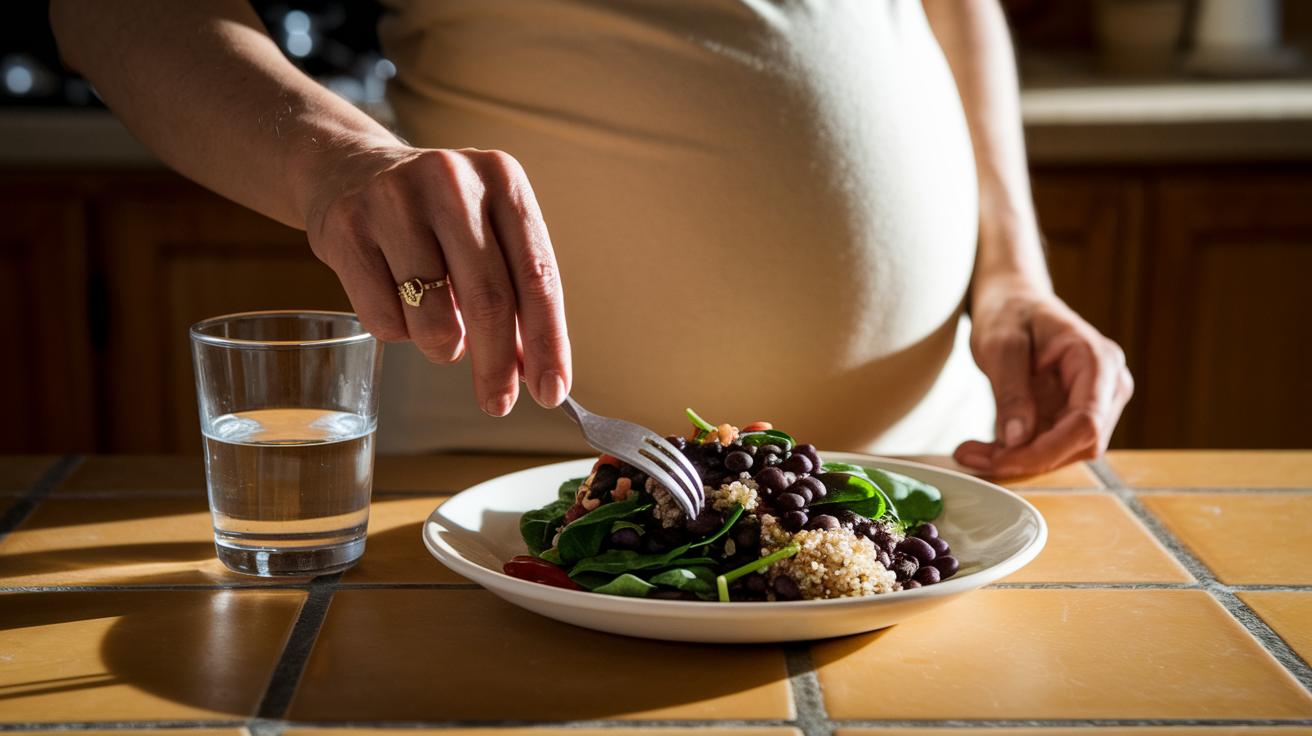
Eating good, wholesome foods gives you energy and helps your baby grow strong. When you reach your second trimester, try adding an extra 300 to 500 calories a day by enjoying balanced meals. For example, include foods rich in folate (like leafy greens and legumes) along with fiber-packed options. Imagine a plate of sautéed spinach, black beans, and quinoa, it’s a yummy way to get all those important nutrients while keeping your meals fresh.
Also, remember to drink plenty of water. Aim for 8 to 10 glasses a day to help your body handle extra blood volume and digest food smoothly.
And please steer clear of tobacco, alcohol, or any unsafe substances, because they can hurt your nutritional health and affect your baby's development.
Exercise Advice for Pregnancy Health

Moving around during pregnancy can boost your energy, ease aches, and get your body ready for labor. Aim for about 30 minutes of moderate exercise three to four times a week. This type of activity can help improve your circulation, lift your mood, manage your weight, and even help you sleep better. A gentle activity like brisk walking keeps you active without pushing you too hard.
Changing up your routine can meet different needs. For example, try swimming laps or a soft prenatal yoga flow if you have back pain. A few light dumbbell exercises can build muscle strength to help with labor. And don’t forget pelvic floor (Kegel) exercises, they strengthen important muscles, boosting your confidence in your body’s ability to heal after birth.
- Brisk walking
- Swimming laps
- Prenatal yoga flows
- Light dumbbell strength moves
- Pelvic floor (Kegel) exercises
Managing Pregnancy Discomforts and Sleep Tips for Pregnancy Health

Good sleep is a real game-changer when you’re pregnant. Try to get about eight hours at night, and don’t hesitate to grab a few extra naps during the day if you're feeling tired. A warm shower before bed can soothe your muscles and help melt away the day's stress. Imagine your pillow as a caring friend, placing it under your belly or behind your back can ease the pressure so you can rest more comfortably.
If you’re dealing with aches or mild pains that disturb your sleep, your doctor might suggest acetaminophen (a safe pain reliever) to help ease the discomfort. Always check in with your healthcare provider before trying any new pain relief option. And if you notice ongoing nausea, vomiting, or any unusual discomfort, it’s a good idea to call your doctor to make sure both you and your baby are doing just fine.
Building a peaceful nighttime routine can boost your sleep and lessen discomfort, leaving you more energized for the next day. Sometimes a warm bath or a set of cozy sheets can work wonders. Every little change helps create a calming sleep space, and sticking with these routines can lead to more restful nights and happier, healthier days.
Essential Supplements and Safe Medication Practices for Pregnancy Health

Prenatal Vitamins and Dosage
Taking your daily vitamins can feel like a gentle boost, helping both you and your baby thrive. Your doctor might suggest about 400 to 800 mcg of folic acid (a vitamin that helps prevent certain birth defects) each day, ideally starting before you even plan your pregnancy. You may also need around 27 mg of iron to support your growing blood volume, and 1,000 mg of calcium to keep your bones strong, along with some vitamin D for overall health. Think of it like nourishing yourself with a wholesome meal first thing in the morning, knowing you’re giving your body and your little one the right building blocks for a healthy day.
Safe Medication Practices
Whenever you’re considering any new medications or supplements, it’s best to have a quick heart-to-heart with your healthcare provider first. Have a chat with your doctor to make sure everything you take is safe for you and your baby. This extra step is like checking a recipe twice before baking, a small pause that helps ensure you’re taking the very best care of both yourself and your precious one.
Pregnancy Health Tips: Feel Radiant Today

When you're expecting, many couples wait until they see the baby's heartbeat on an ultrasound (usually around 6 to 8 weeks) before sharing the news. This little moment of confirmation is not just scientific, it’s a warm and joyful signal to build your circle of care and support.
It's important to listen to how you feel during these early days. If you notice mood changes, anxiety, or even feelings of sadness, it might be your body’s way of asking for a bit of extra care. Talking with your doctor about these feelings can feel just like chatting with a close friend, ensuring both you and your baby get the gentle attention you need.
Building a strong support system can make a big difference. Whether it's leaning on family, connecting with friends, or joining a local moms’ group, surrounding yourself with people who understand can help keep your emotions balanced. Regular check-ins with your gynecologic provider are a great way to share any worries and catch any issues early. These simple steps help create a caring space where you can feel truly radiant today.
Trimester-Specific Health Tips for Pregnancy Health
First Trimester Care Plan
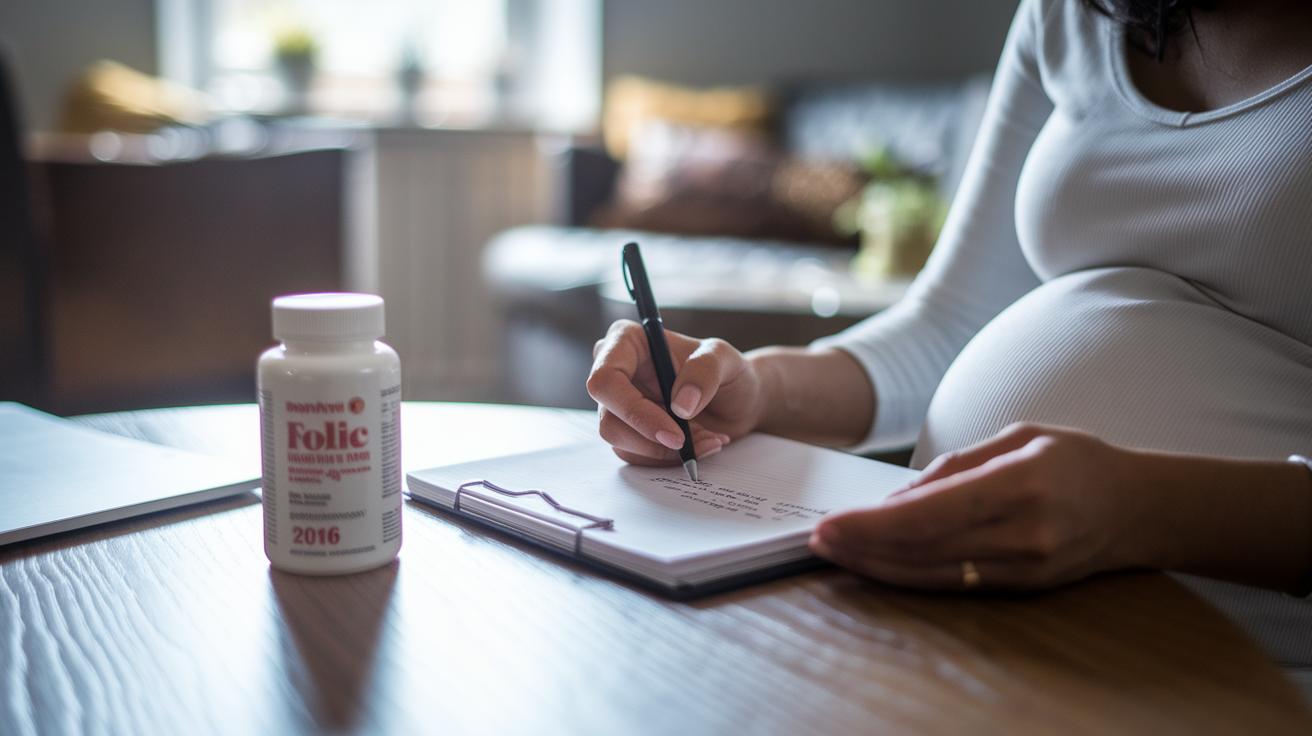
During the first trimester, it’s a great idea to book your first prenatal check-up and start taking folic acid. At the same time, try keeping a small health journal where you jot down any early changes like a bit of morning nausea or feeling more tired than usual. For example, you might write, "I was more tired today, but a short walk really lifted my mood."
It can also help to ask your doctor about nutrition counseling. A quick chat about what to expect and simple ways to manage early symptoms might clear up some questions without going over what you already know.
Second Trimester Support
In the second trimester, you might start paying closer attention to how your body is gaining strength. Besides adding a few extra calories and keeping a balanced diet, consider gentle stretching or light resistance exercises to boost your flexibility. You could note something like, "After a 15-minute stretch, I felt a lot more calm and ready for the day."
It’s also a good time for a check-in with your healthcare provider. A mid-pregnancy visit focusing on energy levels and any needed diet tweaks can give you personal tips that work for you, without just rehashing the basics.
Third Trimester Strategies
By the third trimester, staying well-hydrated and doing pelvic floor exercises are musts. You might also explore ways to ease discomfort and sleep better, such as alternating your sleeping positions with a maternity support pillow. Try writing, "Switching sides really helped me sleep more soundly last night."
Another idea is to join a short class or workshop on breathing techniques that are perfect for this stage. Learning new methods can give you practical ideas to manage aches and prepare for labor, all while supporting the usual healthy habits.
Final Words
In the action of caring for your pregnancy, we shared practical ways to boost wellness and safety. We talked about balanced meals, regular exercise, managing discomforts, and smart supplement choices.
- Take prenatal vitamins with folic acid
- Stay hydrated
- Enjoy balanced, nutrient-rich meals
- Engage in gentle exercise
- Get plenty of sleep
- Practice stress relief techniques
- Consult your healthcare provider
Following these pregnancy health tips can bring comfort and confidence as you nurture yourself and your little one.
FAQ
Q: What pregnancy health tips can help in the first trimester?
A: The first trimester tips involve scheduling your initial prenatal visit, starting folic acid and vitamins, and reducing risky habits. These steps set a healthy foundation for you and your baby.
Q: What pregnancy health tips are recommended for the second trimester?
A: Second trimester advice includes adding 300–500 extra calories, enjoying balanced meals, staying well hydrated, and engaging in moderate exercise three to four days a week.
Q: What are key pregnancy health tips for the third trimester?
A: Third trimester tips stress maintaining hydration, practicing sleep-support strategies like gentle showers and pillow adjustments, and continuing pelvic floor exercises to support comfort and childbirth preparation.
Q: What pregnancy tips can help first time moms?
A: Tips for first time moms encourage regular healthcare visits, a nutritious diet, light exercise, and plenty of rest, while leaning on supportive networks to ease new motherhood challenges.
Q: What are the symptoms indicating a healthy baby in pregnancy?
A: Signs of a healthy baby include a regular heartbeat, consistent growth patterns, and noticeable movements, all of which are monitored during routine prenatal check-ups.
Q: What are 10 things a pregnant woman needs?
A: A pregnant woman benefits from prenatal vitamins, a water bottle for hydration, healthy snacks, comfortable clothing, supportive shoes, reliable healthcare, peaceful sleep settings, gentle exercise tools, informative books, and a caring support network.
Q: What is the best advice during pregnancy?
A: The best advice during pregnancy is to stay focused on healthy eating, regular activity, proper rest, and keeping in touch with your healthcare provider to support overall well-being.
Q: What do the 5-3-1 and 5-5-5 rules mean, and what is the golden rule for every pregnant woman?
A: The 5-3-1 and 5-5-5 rules serve as easy reminders for balanced meals, consistent routines, and proper supplementation, while the golden rule is to always listen to your body’s needs.