

Have you ever felt anxious about handling pregnancy when you don’t have health insurance? It can seem overwhelming when medical bills pile up like that. But there’s hope, even without insurance, you can find help to ease the money worries.
There are laws for affordable care that include help for moms during pregnancy (this means support like maternity care), and programs like Medicaid, CHIP, or even local health clinics ready to lend a hand.
In this post, we’ll walk you through some simple steps to get the care you need. We really hope this helps bring a little comfort during such an important time in your life.
Navigating Pregnancy Without Health Insurance: Essential First Steps

Facing pregnancy without health insurance can feel really scary, especially when the cost of giving birth might run about $10,000 to $12,000. But even if you're not covered by work or a government plan, there are ways to ease these worries. Under the Affordable Care Act, all qualified health plans include help for maternity and childbirth, which can be a lifeline for many families.
There are a few clear options to consider. You might be eligible for Medicaid or CHIP, which are available based on your state's income rules. There are even discount programs, like AmeriPlan, that can cut costs by 50% or more in many areas. Local community clinics can also be a great resource, sometimes offering care on a sliding scale. Some hospitals even provide payment plans or charity care to help manage the bills.
- Apply for Medicaid or CHIP if you meet your state’s income guidelines.
- Ask about sliding-scale services at nearby community clinics.
- Check out discount programs like AmeriPlan where available.
- Talk to hospitals about charity care or flexible payment plans.
- Reach out to patient advocate offices for help with medical expenses.
- Review your state’s rules for accelerated Medicaid programs.
- Explore local nonprofit groups that offer prenatal financial assistance.
- Connect with community health departments for more prenatal support.
Taking the next steps is all about getting organized. Gather the necessary paperwork and then set up a time to talk with a local health clinic about your options. This plan helps you find the care you need while easing financial worry. Have you ever noticed how taking one small step can really help clear up the confusion during such an important time?
Cost Analysis of Pregnancy Without Insurance

If you’re expecting and don’t have health insurance, the cost of pregnancy can really seem overwhelming. Back in 2011, a typical vaginal delivery cost about $10,657. And if you needed a scheduled or emergency C-section, the price jumped by 50% or more, averaging around $16,000. On top of that, expenses for prenatal check-ups, tests, and delivery usually add up to anywhere between $10,000 and $12,000.
| Delivery Type | Average Cost |
|---|---|
| Vaginal Delivery | $10,657 |
| C-section Delivery | $16,000 |
Understanding these expenses is a key step in planning your finances. When you break down the numbers, you can look into payment plans, find community support, or even explore assistance programs. This clear view helps you set up a budget that covers your routine prenatal care as well as any unexpected costs during delivery, turning a big hurdle into manageable parts.
Alternative Prenatal Care Options for Uninsured Pregnant Women

If you’re expecting without health insurance, finding free prenatal care clinics and affordable care might be a huge relief. Many areas offer care where fees are based on what you can afford, or even free services. You could visit a Federally Qualified Health Center, Planned Parenthood, or your local health department, all known for offering quality prenatal services without the full cost. It’s all about getting you the help you need for you and your baby without adding extra stress.
Local clinics might have special programs just for you. For instance, Planned Parenthood sometimes holds days for low-cost or free services, and community health departments may set up prenatal care days open to everyone. Even discount programs, like AmeriPlan, can cut lab and visit costs by up to 50%, though they might not be available in every state. Some hospitals and nonprofit clinics also organize community prenatal care days so that cost never keeps you from important check-ups.
When you’re looking for care, try calling your local Federally Qualified Health Center or health department. Ask if they have community days or outreach programs for free prenatal services. A few clinics might even help guide you through applying for Medicaid or CHIP. These steps can connect you with caring professionals who are ready to support you during this special time.
Understanding Medicaid and CHIP Eligibility for Pregnant Women Without Health Insurance

Medicaid and CHIP guidelines depend on your household income, and these rules can change from state to state. States sometimes update their guidelines – even with new changes coming as soon as 2025. For a lot of pregnant women without health insurance, figuring out your income limits is the first step to getting the care you need. The system works on a sliding scale: the lower your income, the easier it is to qualify, almost like turning down the volume on high costs so everything feels just right.
Some states, such as New Mexico, Virginia, Louisiana, and Alabama, have set higher income ceilings to help more moms in this important time. In many areas, there are even programs that provide immediate eligibility, so you can start receiving care right away while your full application is being completed. It’s a little like getting an instant hug – ensuring you feel supported from the very beginning of your care.
If you’re not sure whether you qualify, there are friendly phone lines and navigator programs in many states ready to help. Think of these services as a trusted friend walking you through which documents you need and explaining how your income fits into the picture. Reaching out for this kind of personal help can make the whole process feel a lot less scary, getting you the support you need to care for yourself and your baby.
Applying for Medicaid While Pregnant Without Health Insurance: Step-by-Step Guide

When you're expecting and need help with health care, applying for Medicaid is a great option. Here’s a simple, caring guide to walking you through the process.
First, decide how you want to apply. You can visit your state's Medicaid portal on your computer, call their phone line, or even stop by a local office. Pick the way that feels easiest and most comfortable for you.
Next, gather the documents you need. You’ll want to have proof of your pregnancy, some form of identification, your Social Security number, and recent financial statements handy. Having these papers ready can make the process a lot quicker and smoother.
Then, be prepared to wait a little while for processing, usually from about 7 to 45 days. Some states might even speed things up if you qualify, so don't worry if it takes a bit of time.
It’s also a good idea to check in on your application. If you haven’t heard back within the expected time, give your local Medicaid office a call. Keeping a note of your calls can really help keep things on track.
And finally, if your application gets denied or if they ask for more information, don’t be discouraged. Be ready to reapply or to appeal the decision. Acting quickly can help ensure you get the support you need during this important time.
Managing Out-of-Pocket Expenses During Pregnancy Without Insurance
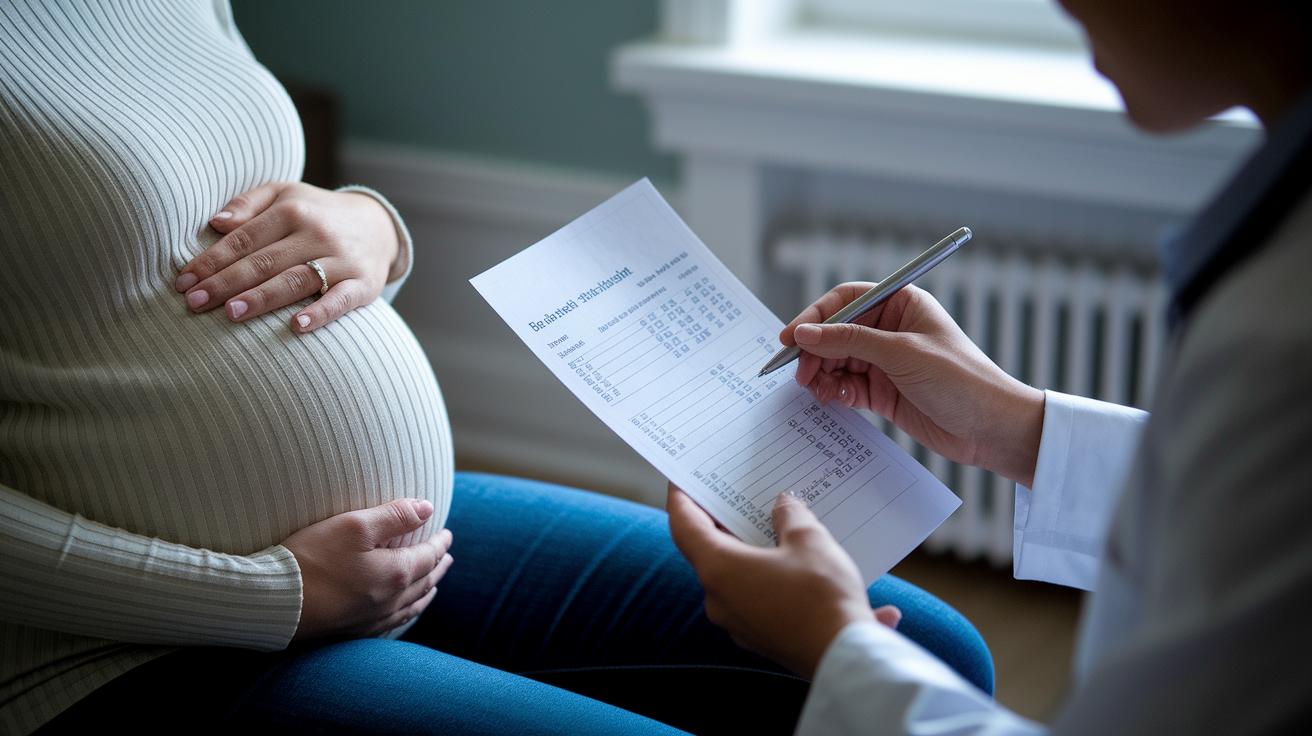
Sometimes tests like ultrasounds and prenatal blood work come with extra costs. If you see these fees on your bill, ask for a detailed list so you know exactly what you're being charged. For example, you could say, "Can you show me a breakdown of this ultrasound fee?" This simple question might reveal a charge you can adjust.
Some providers offer discount programs that might cut test costs by up to 50%. It never hurts to ask, so try saying, "Is there a discount available for my ultrasound?" That kind of focused question could help you save money in the long run.
When you review your bill, reach out to the billing department about flexible payment options. Many hospitals provide charity care or sliding-scale plans to help ease the burden if test costs, like prenatal blood work, are hard on your budget. For instance, ask, "Do you have a payment plan that covers these prenatal testing charges?" It might open up some easier payment choices.
Also, check with local nonprofits or temporary assistance programs. They sometimes offer small grants or vouchers for extra costs on services such as ultrasounds or specialized blood work. A quick call to your community health center could connect you with support that lightens the financial load.
Emergency Medicaid Coverage for Pregnancies Without Insurance

If you find yourself in an unexpected labor emergency and don’t have insurance or qualify for regular Medicaid, Emergency Medicaid is here to help. This special program steps in during urgent situations, offering support for hospital care when you need it most.
Keep in mind that Emergency Medicaid is meant for sudden, unplanned hospital admissions during labor. It doesn’t cover your usual prenatal visits or ongoing pregnancy care. You’ll need to show proof of your citizenship and clear evidence of an emergency to qualify.
Before agreeing to any extra tests or treatments, have a quick chat with your care provider to see if they’re covered by Emergency Medicaid. It’s also a smart move to check with hospital billing to make sure non-emergency procedures aren’t mistakenly included. This way, you can avoid any unexpected costs during a really challenging time.
Support Networks for Pregnancy Without Health Insurance

Online forums and Facebook groups are like friendly circles where uninsured moms come together to share their stories and practical tips. It feels like having a heart-to-heart with friends about managing pregnancy expenses and finding that comforting support when you need it most.
Local community clinics, Planned Parenthood, and organizations such as March of Dimes are great places to turn to for free services and prenatal help (care during pregnancy). Many hospitals even have patient advocate offices that help you navigate charity care and affordable payment plans, making your journey a little easier.
It all starts by reaching out and asking for help. Begin by checking out local resource directories from community health coalitions or nonprofit groups. Then, try joining online communities where you can get advice tailored to your situation. And why not set up an appointment at a low-cost clinic to see if they offer additional free insurance resources? Connecting with different supports like this builds a well-rounded network, one that helps with both your health and your finances during your pregnancy.
Final Words
In the action, this article lays out a clear guide for helping you handle key aspects of pregnancy without health insurance. We shared insights on cost planning, exploring alternative care options, and understanding Medicaid, CHIP, and emergency coverage. Each section aims to offer a simple plan to help ease financial worries while guiding you to trusted local clinics and support networks.
Step by step, you can take charge of your care, feel confident in your choices, and move forward positively.
FAQ
What does “pregnancy without health insurance reddit” refer to?
The phrase highlights online discussions where expectant mothers share their real-life experiences and advice about managing prenatal care and costs without the help of insurance.
What does “pregnancy without health insurance cost” mean?
The phrase explains that uninsured prenatal care and delivery can cost about $10,000 to $12,000, with extra charges possible for additional services or complications during childbirth.
What should you do if you don’t qualify for Medicaid while pregnant without insurance?
The question suggests that if Medicaid eligibility isn’t met, you might look into community clinics, hospital payment plans, or discount programs to help manage prenatal care and delivery expenses.
Where can you get free prenatal care if you don’t have insurance?
This question means that free or low-cost prenatal care is available at community health centers, Planned Parenthood, and local health departments, which often offer sliding-scale fees or no-cost services.
What should you know about Blue Cross Blue Shield and supplemental insurance for pregnancy?
The inquiry explains that many health plans, including those from Blue Cross Blue Shield, cover maternity care, and supplemental plans may reduce extra costs; it’s wise to review details before deciding.
What happens if you get pregnant without insurance and what steps should you take?
The question indicates that being uninsured may lead to high out-of-pocket costs for prenatal care and delivery, so it’s important to seek available programs like Medicaid, community clinics, and hospital payment plans right away.


