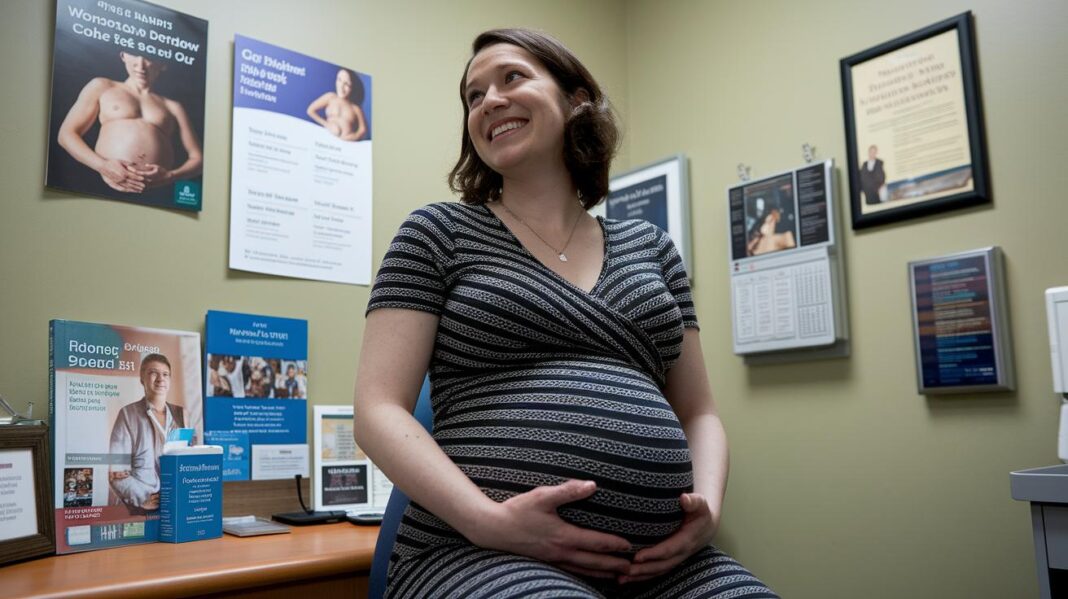
Have you ever wondered why some moms feel so at ease during their prenatal visits? OB/GYNs really care and make each appointment feel warm and genuine. They take the time to explain your health and your baby’s care in simple, everyday words, as if you were sharing a chat with a close friend. They guide you through every check-up with care and clarity, helping you plan for a safe and joyful birth. Their friendly schedule and heartfelt approach make a difference you can feel from the very first visit.
How OB/GYNs Provide Comprehensive Prenatal Care
Expecting moms can count on OB/GYNs who bring expert training and genuine care. They spend years in school, 4 of med school and 4 of residency, with an optional extra 3-year fellowship, to be ready for both regular and high-risk pregnancies.
At your first visit, usually around 8 to 12 weeks, your doctor checks your health background, does a physical exam, runs some lab tests, and even figures out your due date. Every appointment feels warm and clear, as experts explain what’s happening in simple, caring words.
The schedule for visits is straightforward, making it easier to plan ahead:
- Weeks 8–12: Your first visit
- Weeks 12–28: One visit each month
- Weeks 28–36: Visits every two weeks
- Weeks 36–40: Weekly visits
One mom shared, "I felt so relieved when my doctor explained everything during my first visit, it felt just like chatting with a close friend." This clear timeline helps spot any issues early, keeping both you and your baby safe.
It’s even simpler today to book appointments online, find doctors near you, and keep track of every visit. All in all, OB/GYN-led care builds a strong base for a healthy pregnancy, making each visit a step toward a happy, safe birth experience.
Scheduling OB/GYN Prenatal Care Appointments

Many OB/GYN offices now make it really simple to book your prenatal (care during pregnancy) appointments online. This means you don’t have to rearrange your busy day to get the care you need. For example, a platform like MyChart lets you check your records, look at billing details, and schedule visits with ease. You can even set your first appointment at about 8–12 weeks after a positive test, paving the way for a smooth journey ahead.
It’s comforting to know that many moms appreciate same-day and walk-in options when they need a quick visit. In the early stages of pregnancy, you might have check-ups every month, with visits becoming more regular later on if needed. This steady, personalized plan helps you feel secure and cared for as you prepare for your baby’s arrival.
One mom shared, “I loved knowing I didn’t have to wait long every time I needed to see my doctor.” If you’re ready to start, just click the link for a prenatal care appointment: prenatal care appointment. It’s a simple, friendly way to get the care you need quickly and comfortably.
OB/GYN Prenatal Screening Tests and Timeline
Pregnancy checkups are like little milestones that help you feel safe and ready for each new stage. Your OB/GYN will walk you through a series of tests that start early and continue as you move along in your pregnancy. For instance, between 8 and 12 weeks, you’ll have a blood test to check your blood type and Rh factor (basically, to catch any issues with blood compatibility). In your first trimester, a complete blood count and iron check help see if you're at risk for anemia, making sure you have the strength you need.
By 12 weeks, you'll also do an infectious disease screening to spot conditions like HIV, hepatitis B, and syphilis, all to protect you and your baby. Then, around 18 to 20 weeks, an anatomy ultrasound gives you a peek at your baby’s development and shows a clear picture of how everything is growing. Later on, between 24 and 28 weeks, a glucose tolerance test checks for gestational diabetes, an important step in keeping your pregnancy on track. And if more details are needed, your doctor might suggest a 3D or targeted ultrasound for a closer look at your baby.
Each of these tests is set up on a careful timeline that brings you peace of mind while your provider keeps a watchful eye on any changes. This steady schedule helps ensure that any needed tweaks to your care plan can happen quickly, keeping you and your baby as healthy and safe as possible.
| Test | Timing | Purpose |
|---|---|---|
| Blood type & Rh factor | 8–12 weeks | Identify incompatibilities |
| CBC & iron panel | First trimester | Assess anemia risk |
| Infectious disease screening | By 12 weeks | Detect maternal infections |
| Anatomy ultrasound | 18–20 weeks | Evaluate fetal development |
| Glucose tolerance test | 24–28 weeks | Screen for gestational diabetes |
| 3D/targeted ultrasound | As indicated | Detailed fetal anatomy assessment |
OB/GYN Prenatal Nutritional and Lifestyle Guidance

Your OB/GYN shares friendly, tried-and-true advice to help you and your baby thrive. They often suggest taking 400 to 800 mcg of folic acid (a vitamin that helps prevent certain birth defects) every day, along with about 27 mg of iron and 1,000 mg of calcium to meet your body's growing needs. If you have a normal body mass index (BMI), a healthy goal is to gain between 25 and 35 lbs during your pregnancy, though your target might change if you’re under or overweight. It’s all about giving you a strong, nourishing start.
Staying active also plays a big part in prenatal care. Many OB/GYNs recommend about 150 minutes of moderate exercise each week , maybe a brisk walk or a calming yoga session that suits your day. One mom once shared that a short walk each morning made her feel more connected to her body and more ready for whatever the day brought. You’re also encouraged to avoid alcohol, tobacco, and unpasteurized foods to keep risks low and help create a safe, healthy space for your baby.
OB/GYN Management of High-Risk Prenatal Care
When you have a high-risk pregnancy, your OB/GYN, who has special training in caring for moms with extra needs, creates a care plan just for you. They help manage things like gestational diabetes, high blood pressure, and challenges that can come with being a bit older. And they team up with other experts to keep both you and your baby safe.
Your appointment schedule will be a little different from a low-risk pregnancy. Usually, you’ll see your doctor every two weeks from 28 to 36 weeks. Then, after 36 weeks, you'll have weekly visits to make sure everything is on track. Imagine hearing your doctor say, "We'll check your baby's well-being every step of the way." That kind of comforting chat builds trust and eases your worries.
Besides office visits, you might also have extra tests done. These include weekly non-stress tests and biophysical profiles that watch your baby's heartbeat and overall health by checking movements, breathing, and muscle tone. One mom mentioned, "When my doctor explained what each test measured, it felt like a friendly check-up rather than a clinical exam." These tests help your doctor catch any changes early, so quick steps can be taken if needed.
| Weeks | Frequency of Appointments |
|---|---|
| 28–36 | Every 2 weeks |
| 36–40 | Weekly visits |
Preparing for Your OB/GYN Prenatal Care Visit

Your first OB/GYN visit usually happens between 8 and 12 weeks into your pregnancy. At this visit, you’ll share your medical history, get a basic physical exam, have some lab tests, and learn your estimated due date. It’s a great time to ask any questions or express any concerns you might have.
Before you head in, be sure to bring your insurance card, a list of your current medications, any forms you need to submit, and your ID. You might also consider bringing a partner or a close friend for extra support. One mom said having her partner there felt like having a comforting chat with someone who really understood her.
Wear cozy, easy-to-change clothing, and think about packing a small bag with your essentials. If you’d like more tips on what to bring or how to make the most of your first visit, checking a simple checklist ahead of time is a smart idea. This careful planning can set you up for a positive and caring experience.
Final Words
In the action, we explored how OB/GYNs guide expectant parents through every step. We covered the timeline from the first prenatal visit to more frequent checks for high-risk care. We looked at detailed appointment scheduling, essential screening tests, and nutritional tips shared by experts.
The insights offer a clear look at comprehensive maternal care. With OB/GYN-led prenatal care obgyn, every parent can feel prepared and supported each week of pregnancy. Keep moving forward with confidence and care!
FAQ
Frequently Asked Questions
What is the pregnancy appointments timeline?
The pregnancy appointments timeline begins with a first visit at 8–12 weeks, followed by monthly visits until 28 weeks, biweekly visits until 36 weeks, and weekly visits until delivery.
How can I find prenatal care near me?
You can search online for “prenatal care appointment” or local OB/GYN listings to quickly locate providers in your area and schedule an initial visit starting at 8–12 weeks.
When is my first OB/GYN visit and what happens?
The first OB/GYN visit is typically between 8–12 weeks. During this visit, your medical history is reviewed, a physical exam is performed, lab tests are done, and your due date is estimated.
What are the different aspects of prenatal care?
Prenatal care covers routine visits, nutritional guidance, essential screening tests to monitor health, and specialized care for high-risk cases, all managed by your OB/GYN.
Is 12 weeks too late for the first prenatal visit?
Having your first prenatal visit by 12 weeks is within the recommended timeline, allowing early detection of potential concerns and timely advice on your care.
What happens during each prenatal visit?
Each visit includes a health review, physical exam, lab tests, screening for conditions, and discussions about nutrition and well-being, with more frequent appointments as your pregnancy progresses.
Should my husband or partner come to the first prenatal visit?
Many providers welcome partners at the first visit to offer support, but it’s best to check with your clinic regarding their specific policies and recommendations.
When should I see an OB/GYN after a positive pregnancy test?
After a positive test, it’s ideal to schedule an OB/GYN appointment as soon as possible, typically within the 8–12 week window, to begin comprehensive prenatal care.
Do gynecologists and OB/GYNs both provide prenatal care?
Yes, gynecologists provide prenatal care, and OB/GYNs are specialists in women’s reproductive health who manage both routine and high-risk pregnancies.
What is included in prenatal care?
Prenatal care includes a detailed review of your medical history, physical exams, lab work, specific screening tests, and guidance on nutrition and lifestyle to support a healthy pregnancy.