

Have you ever wondered if you’re really getting all the right nutrients while you’re pregnant? Even when you eat healthy, your body’s needs can change, and prenatal vitamins (extra vitamins for pregnancy) can help fill those gaps. They work a bit like a trusted friend, gently supporting your well-being and your baby’s growth. In this post, we’ll chat about how these vitamins can back you up during this special time, and maybe even give you that boost of confidence you need.
How Prenatal Care Vitamins Support Pregnancy Health

Eating a balanced diet with fruits, veggies, whole grains, and lean proteins is great for everyday health. But when you’re pregnant, your body needs a little extra help. Even a healthy eating plan might not give you all the key nutrients you and your baby need. That’s where prenatal vitamins come in, they help fill in those gaps and give you the support you both deserve.
Prenatal vitamins work like a gentle boost, ensuring that you and your baby get the important vitamins and minerals needed for healthy growth. They help with your baby’s brain and spine development, support the natural increase of your blood, and aid in building strong bones. Including a prenatal vitamin in your routine is a kind way to take care of yourself during this special time.
Below is a simple table showing the 7 core vitamins found in many prenatal formulas, along with their everyday doses and their roles:
| Vitamin | Daily Dose | Role |
|---|---|---|
| Folic acid | 400 mcg | Supports neural tube development (baby’s brain and spine) |
| Iron | 30 mg | Helps expand your blood volume |
| Calcium | 1,000 mg | Builds strong fetal bones |
| Vitamin D | 15 mcg | Aids in calcium absorption |
| Vitamin A | 750–770 mcg | Helps develop organs and eyes |
| Vitamin C | 85 mg | Boosts collagen production |
| Vitamin E | 15 mg | Supports immune function |
Before adding any supplement to your routine, take a moment to read the label carefully and chat with your healthcare provider. At your next prenatal checkup, share your current eating habits and any questions about extra nutrients you might need. This simple conversation can help ensure your vitamin plan fits your personal health needs while supporting you every step of the way.
Folic Acid and Its Role in Prenatal Care Vitamins

Folic acid is a super important nutrient that helps keep your baby’s brain and spine developing the right way in those very early days. Even if you eat well, a prenatal vitamin with folic acid makes sure your little one gets the support they need right from the start.
Here’s what most people follow:
- Take 400 mcg every day, beginning at least one month before you try to get pregnant.
- If you’ve had a pregnancy with spina bifida before or face other risks, your doctor might suggest 4,000 mcg a day.
Timing really matters here. Starting your folic acid supplement before you conceive fills your body with the right amounts of nutrients early on. While you can find folate in foods like leafy greens and fortified cereals, a supplement gives you a stronger dose to cover any gaps.
Have you noticed how a little bit of planning can make a big difference? Chat with your doctor during your next prenatal visit to find out the best folic acid plan just for you.
Iron and Calcium in Prenatal Care Vitamins
When you’re expecting, iron plays a big role in your prenatal vitamins. It helps you build extra blood needed to care for both you and your baby. Think of iron as a little helper carrying oxygen throughout your body, which is really important as your baby grows. Most vitamins advise around 30 mg of iron every day, adding up to nearly 1,000 mg by the time you reach full-term. Sometimes, though, taking iron supplements might bring on a bit of nausea or constipation.
Calcium is just as important. It helps form your baby’s bones, especially in the last few months of pregnancy. Typically, you’ll want to aim for about 1,000 mg of calcium each day. When you count the calcium you get from your meals, it’s best to keep it under 2,500 mg to avoid having too much.
Many prenatal formulas also include vitamin D (which helps your body absorb calcium) at about 15 mcg per day. This vitamin makes sure the calcium is used well, helping your baby build strong bones while supporting your own bone health. Balancing these nutrients is a lot like following your favorite recipe, it takes the right blend of ingredients. By keeping an eye on how iron and calcium interact, you can support healthy growth for your baby and feel your best during this special time.
Vitamin D and Vitamin A in Prenatal Care Vitamins

Vitamin D is a real helper when it comes to keeping bones and teeth strong during pregnancy. It works by balancing calcium and phosphate in your body. A small daily dose of 15 mcg is all you need. Have you ever noticed how eating a meal with a bit of healthy fat helps your body absorb vitamins better? That’s exactly how vitamin D works best. It might even help in keeping gestational diabetes at bay!
Vitamin A is just as important when you're expecting. It helps your baby’s eyes, ears, limbs, and heart grow the right way. Experts suggest taking between 750 and 770 mcg a day. This amount gives your little one the building blocks needed for healthy development.
Remember, it’s important not to overdo it. While vitamin A offers many benefits, going over 3,000 mcg in a day can be risky. Keeping your vitamin intake within these safe limits lets you enjoy the benefits of both vitamins without any extra worries.
Choosing the Best Prenatal Care Vitamins for You
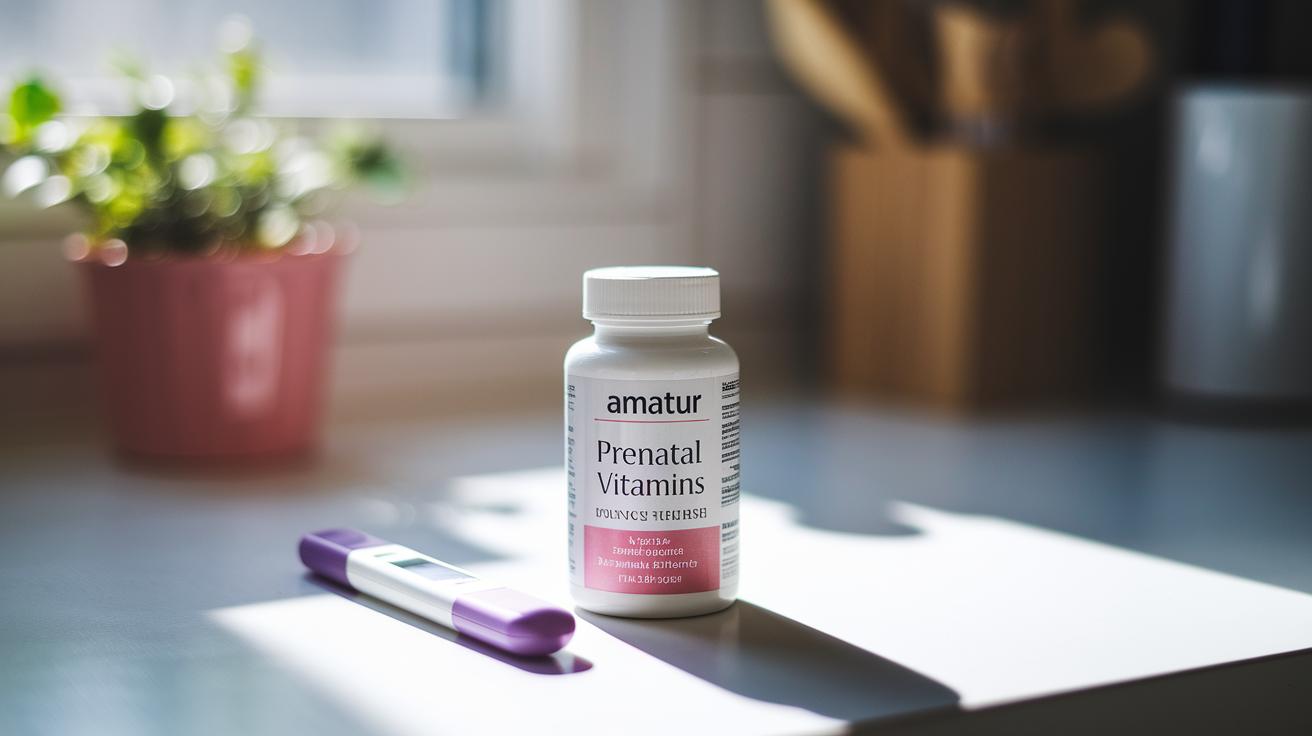
When you start looking for a prenatal vitamin, try comparing the over-the-counter options with any available prescription formulas by focusing on the key nutrients. Many affordable options have the folic acid, iron, calcium, vitamin D, and even DHA you need for healthy growth during pregnancy. It’s not about whether you prefer tablets, capsules, or gummies, it’s making sure your supplement has the right mix. Look at the label to see if it offers at least 400 mcg of folic acid, around 30 mg of iron, 1,000 mg of calcium, 15 mcg of vitamin D, and extra support like DHA.
It can be really helpful to chat with your doctor or nurse about your choices, so you get the right match for your body and your baby’s needs. Next time you’re at your first prenatal visit, ask about different vitamin formulas and any prescription options you might consider. The goal is to find a vitamin that delivers what you need without adding extra fuss.
Taking a little time to read the ingredient list and compare different brands can give you more confidence that you’re choosing the best support for both you and your baby during this special time.
Timing and Dosage Guidelines for Prenatal Care Vitamins

Starting your vitamins at least one month before trying to get pregnant is a smart move. This early start fills your body with extra nutrients from the very beginning. Once you’re pregnant, it’s a good idea to continue taking your vitamins every day, and many experts even suggest keeping them up after your baby is born, depending on your situation. Taking your vitamins with a meal can also help your body absorb them better, especially those that need a little fat from your food to work well. If your vitamin has higher levels of iron, splitting your dose into two or more parts during the day might help keep your tummy happy and reduce nausea or mild constipation.
Talk with your healthcare provider to set up a plan that feels just right for you. They might change your dose a bit based on your health and what you usually eat. A plan that’s made just for you helps ensure you get the right mix of nutrients during your pregnancy. Have you ever noticed how something small, like a reminder with your morning meal, can really stick with you? Trusting your body and your doctor’s advice can create a caring path for both you and your little one.
Potential Risks and Side Effects of Prenatal Care Vitamins

Sometimes prenatal vitamins can feel a bit tricky, and you might notice a few changes when you start taking them. Maybe your stomach feels a little off, or you experience other small reactions. It’s a sign that your body is adjusting, so knowing what to expect can really help.
A few moms find that the iron in their vitamins upsets their tummy. You might feel a little nauseous or even experience some constipation. Splitting the dose or taking your vitamin with a small snack can help keep your belly comfortable.
Another thing to note is that you might see a bright yellow color in your urine. This happens because of the high doses of B vitamins and is completely harmless, it just means your body is busy processing the vitamins.
It’s also important to be careful with vitamin A. Taking more than 3,000 mcg of preformed vitamin A each day could increase risks, including potential birth problems. So, always check your vitamin labels and stick to the recommended doses for the best safety for both you and your baby.
Frequently Asked Questions About Prenatal Care Vitamins

Even when you eat well, pregnancy means your body needs extra nutrients. Prenatal vitamins pack in the important stuff like folic acid, iron, and calcium that help both you and your baby thrive. Many moms use these vitamins to cover any gaps a healthy diet might leave, giving that extra boost from the very start.
If you're not expecting, it's okay to take prenatal vitamins, but keep in mind they're made with pregnancy in mind. They have extra iron and folic acid that might be more than you need. For moms who aren’t planning a pregnancy, a regular multivitamin might be a better fit. It’s always a smart idea to chat with your doctor about what works best for you.
You might wonder when you’ll start noticing changes like more energy or healthier hair. Generally, it takes a few weeks of steady use for your body to adjust to the extra nutrients. Some moms see little improvements after about a month, whether it’s a boost in energy or better hair quality. Everyone’s different, so a bit of patience is really key.
Final Words
In the action, this article showed how key nutrients like folic acid, iron, calcium, vitamin D, and vitamin A work together to support pregnancy health. We shared dosage tips, timing guidelines, and ways to compare supplement options.
The guide also touched on safety considerations and answered common questions to help make choosing the right prenatal care vitamins a little easier. Every step you take matters, building a brighter, healthier path for you and your baby.
FAQ
What are the most important vitamins for pregnancy?
The most important vitamins for pregnancy include folic acid, iron, calcium, vitamin D, vitamin A, vitamin C, and vitamin E. These nutrients support neural tube development, blood volume expansion, bone formation, and immune health.
What makes a prenatal vitamin the best choice?
The best prenatal vitamins deliver essential nutrients like 400 mcg folic acid, 30 mg iron, 1,000 mg calcium, and 15 mcg vitamin D, often with added DHA for brain development while being backed by trusted healthcare recommendations.
Which pregnancy vitamins should be avoided?
Vitamins to avoid during pregnancy are those with overly high doses—especially vitamin A—or with unlisted ingredients. It’s important to choose products that adhere to recommended daily guidelines for safety.
Can non-pregnant women benefit from taking prenatal vitamins?
Non-pregnant women might notice benefits like increased energy or improved hair health from prenatal vitamins, but these supplements cater to pregnancy needs. Discuss with your healthcare provider if they’re appropriate for you.
How do pregnancy supplements work in the first trimester?
In the first trimester, supplements help meet rising nutrient demands and support early fetal development. They provide essential vitamins and minerals typically added to a balanced diet for overall maternal well-being.
When should you start taking prenatal vitamins if you’re pregnant or planning to be?
Experts advise starting prenatal vitamins at least one month before conception or as soon as pregnancy is confirmed to support early fetal development and cover nutritional needs.
Is it necessary to take prenatal vitamins throughout all nine months of pregnancy?
While taking prenatal vitamins from preconception through pregnancy supports both mother and baby, some adjustments postpartum are possible. It’s best to discuss your individual needs with a healthcare provider during a prenatal check up.
When might it be too late to begin taking prenatal vitamins?
It’s ideal to start prenatal vitamins early, but even starting later in pregnancy can offer benefits. However, beginning in the first trimester maximizes support for fetal development.
What are the benefits of using a product like Pregnacare?
Pregnacare provides essential nutrients like folic acid, iron, and calcium, which support fetal growth and maternal health by meeting the increased nutritional requirements during pregnancy.
Is it safe to take prenatal vitamins every day?
Taking prenatal vitamins daily is safe when you follow dosage instructions. They supply vital nutrients needed during pregnancy, but always review labels and consult your provider during a prenatal check up for personalized advice.


