Ever wonder if a tiny pill can shape a joyful, healthy pregnancy? Prenatal vitamins pack a mix of key nutrients like folic acid, iron, and calcium that help support your body’s changes and your baby’s early growth. They fill in gaps, much like watering a small seed to help it sprout strong roots. In this article, we explore how these vitamins play a crucial role in nurturing both you and your baby for a vibrant, supported pregnancy.
How Prenatal Vitamins Support a Healthy Pregnancy
Prenatal vitamins are made just for moms-to-be. They bring together important vitamins like folic acid, iron, calcium, and iodine in one simple dose. Did you know that even before many women know they’re expecting, taking extra folic acid can help lower the chance of neural tube problems in the baby?
Starting these vitamins when you begin planning a pregnancy gives your body a little boost with the nutrients it needs. They fill in small gaps in your diet and support changes in your body, like a growing blood volume and stronger bones. Many doctors suggest starting early so your body is ready for everything that comes with pregnancy.
These vitamins are also key for your baby’s development. They help build a strong heart, bones, and brain from the very first stages of the embryo right to the end of your pregnancy. Think of your body like a car: when you fuel it with good stuff, it runs smoothly, keeping your blood flowing steadily and your bones strong while supporting your baby’s growth.
Always check in with your healthcare provider to decide which supplement is best for you. Their advice, based on your health and diet, helps make sure you and your baby get the best care possible.
Essential Nutrients in Prenatal Vitamins
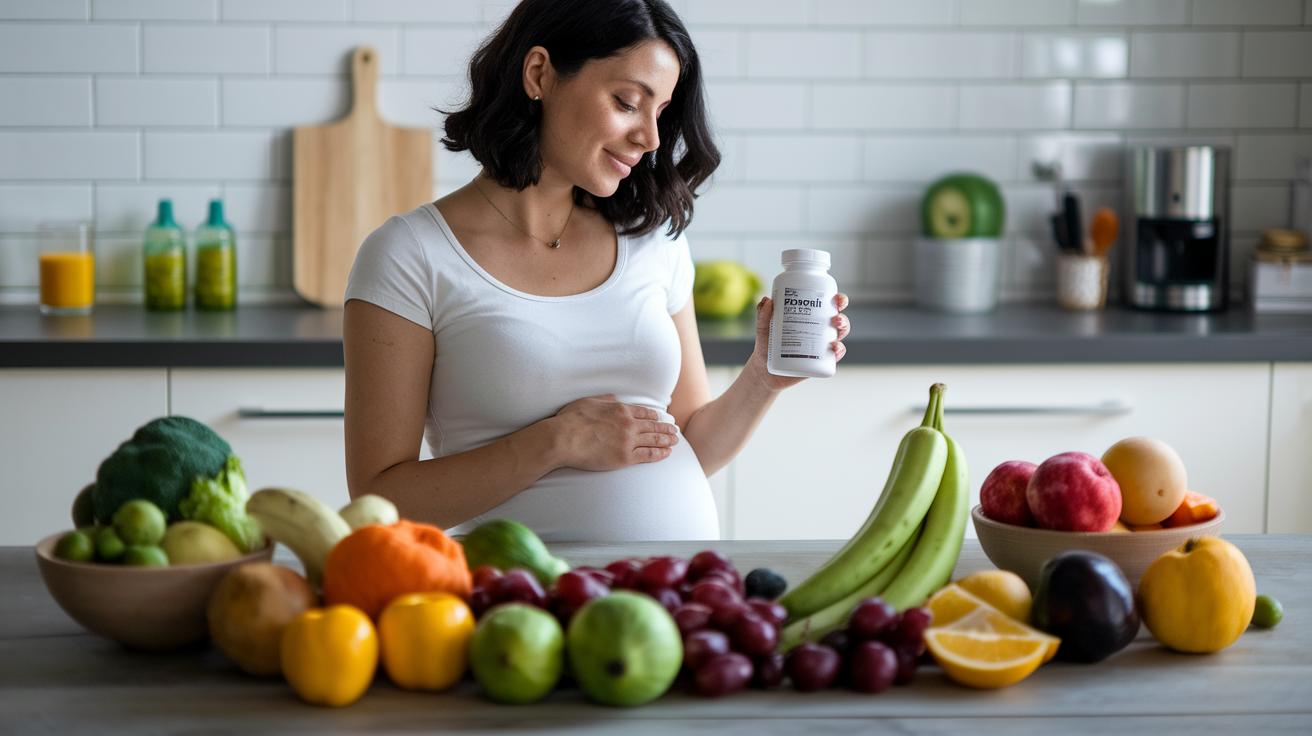
| Nutrient | Recommended Daily Amount | Key Benefit |
|---|---|---|
| Folic Acid | 400–800 mcg/day | Reduces neural tube defects |
| Iron | 27 mg/day | Helps boost maternal hemoglobin and carries oxygen |
| Calcium | 1,000 mg/day | Builds strong bones for both mom and baby |
| Vitamin D | 600 IU/day | Helps your body absorb calcium |
| DHA | 200–300 mg/day | Supports your baby’s brain and eye growth |
| Iodine | 150 mcg/day | Keeps your thyroid working well |
| Choline | 450 mg/day | Promotes healthy brain development for your baby |
Prenatal vitamins are like little bundles of support for your body during this special time. Folic acid is one of the stars here, it helps lower the risk of neural tube defects, which is so important for your little one’s early development. Iron works hard, too, by keeping your energy up and making sure oxygen flows smoothly, while calcium and vitamin D team up to build strong bones for both you and your baby.
DHA is essential for nurturing your baby’s brain and eye development, and iodine helps keep your thyroid happy so everything runs just fine. Plus, choline plays its part by giving a gentle boost to your baby’s brain growth.
Think of your body as a well-tuned engine where every nutrient has its part to play. When you get the right mix, it’s like each ingredient comes together to make your pregnancy healthier and more joyful. Sometimes, you might feel a bit off if the vitamins cause a touch of nausea. In that case, trying smaller doses more often or opting for a chewable version might be the answer. And remember, checking labels for allergens or outdated supplements is always a smart move. Always feel free to chat with your healthcare provider if you’re not sure about what you need.
Really, taking care of yourself with the right nutrients can make a big difference in how you feel and how safely you support your baby’s growth.
Timing and Dosage Guidelines for Prenatal Vitamins
Start taking your prenatal vitamins about a month before you try to conceive. This simple step sets you up for a happy, healthy pregnancy. It’s best to take your vitamins every day throughout all three trimesters. Early on, most doctors suggest a daily dose of 400–800 mcg of folic acid (a B vitamin that helps protect against neural tube defects) to meet your body’s fast-changing needs.
Many moms say that taking smaller doses more often or even choosing chewable vitamins can ease nausea, especially when morning sickness is at its peak. And don’t forget to check the expiration date on your vitamins, expired ones might not give you the nutrients you need. As you move through your pregnancy, your nutritional needs can change. That’s why talking with your healthcare provider is so important. They can help adjust your dosage to fit your body’s evolving needs and any special considerations you might have.
In simple terms, working with your provider on these personal tweaks makes sure you and your little one get the best care at every stage. This daily habit is a gentle way to look after yourself while supporting your growing baby.
Prenatal Vitamins Spark Joyful, Healthy Pregnancy

When you’re taking care of yourself and your baby, picking the right prenatal vitamins can feel really uplifting. It all starts with reading labels carefully, especially if you have allergies. Look for clear words like "gluten-free" so you know exactly what you’re getting and can avoid surprises.
It also feels good to look for quality seals from trusted groups like USP or NSF. These marks mean someone has checked the product, which can help ease your worries about your daily nutrients.
Another good tip is to compare the amount of each key nutrient with the price. Check how much folic acid, iron, and calcium you’re getting. This little bit of research can really pay off in making sure you’re getting great value for your health.
Be sure to watch out for extra fillers, too. Some vitamins have added ingredients that might affect how well your body absorbs the nutrients. Generally, products with fewer fillers and more focus on quality tend to get a thumbs-up from other moms.
Think about which type of vitamin works best for you. Gummies might be easier to handle, though they might not pack as much iron. Tablets or liquid forms could be a better fit if you need a bit more of that essential nourishment.
And don’t forget to look for options that match your lifestyle. If going vegan or avoiding GMOs and gluten is important to you, check the labels for those details. Also, knowing the expiration date and proper storage instructions helps keep everything fresh and effective.
- Check allergen labels
- Look for trusted quality seals
- Compare nutrients per serving with price
- Be mindful of extra fillers
- Weigh the pros and cons of different delivery types
- Seek out vegan, gluten-free, and non-GMO options
- Verify expiration dates and storage instructions
Using these steps, you can choose a prenatal vitamin that feels just right for a joyful, healthy pregnancy for both you and your little one.
Side Effects and Safety Considerations of Prenatal Vitamins
Sometimes, taking your prenatal vitamins can lead to a few small side effects. You might feel a little nauseous or experience some constipation and discomfort in your tummy. I once heard someone mention, "I felt a bit queasy on an empty stomach, but a small bite really helped." Too much folic acid can hide a vitamin B12 shortage, and high iron might upset your stomach. It’s normal to feel a bit off, and there are simple ways to ease those symptoms.
You might try taking your vitamins with a light snack or meal. Splitting the dose into smaller amounts during the day or switching to a chewable version can help, too. It’s also a smart idea to check the ingredients to avoid any fillers that might trigger allergies if you’re sensitive.
- Have your vitamins with a light snack or meal
- Split your dose into smaller parts if possible
- Explore alternative forms if your current one feels irritating
- Always review the ingredient list to spot any hidden allergens
Just a little reminder: if you ever feel uncomfortable, it’s a good idea to talk with your healthcare provider. They’re there to help adjust your supplement routine, especially if there might be any issues with other medications you take. Have you ever noticed how a tiny change, like adding a snack with your vitamins, can truly make a big difference in how you feel?
Prenatal Vitamins FAQs
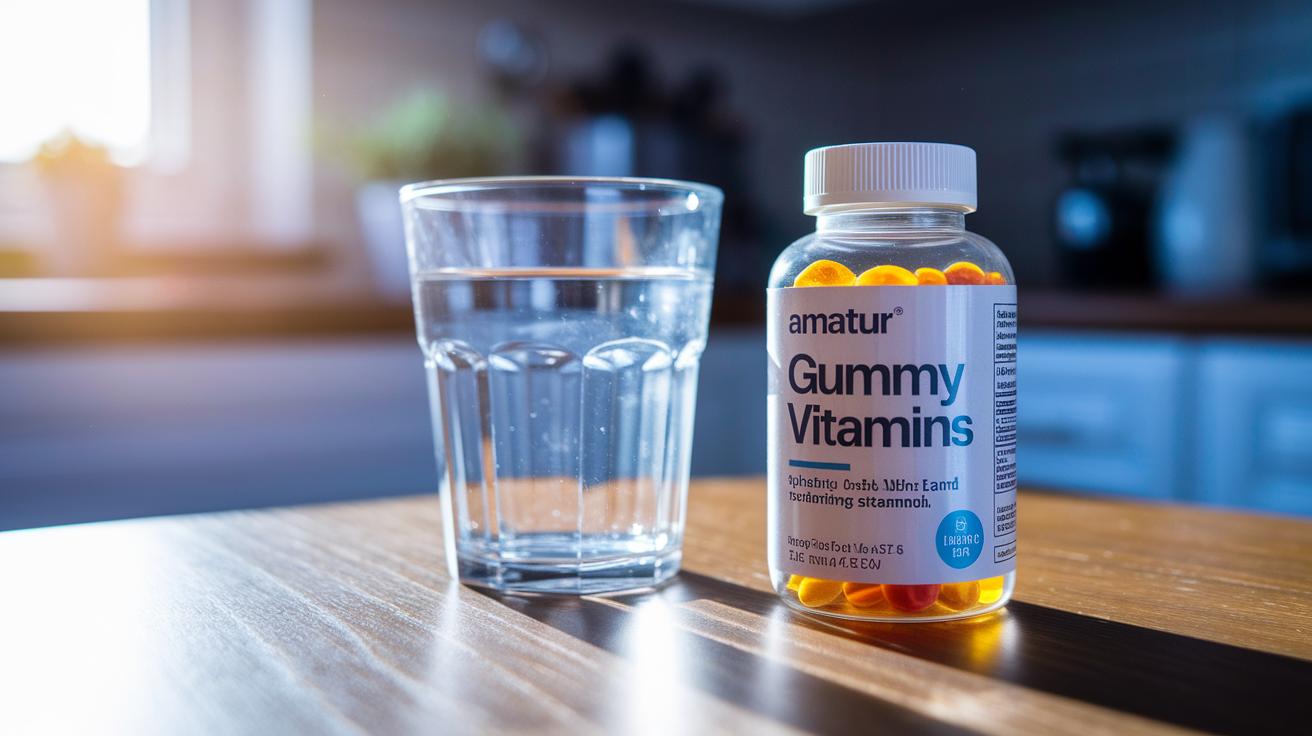
We’ve removed this section because all the helpful tips are now woven into other parts of the article. You’ll find these details in the Timing and Dosage Guidelines, Essential Nutrients, and Postpartum Care sections.
For instance, instead of a separate list, we now share that it’s best to start your vitamins at least one month before you try to conceive. Continue taking them during pregnancy to gently support both your health and your baby’s.
And if you’re curious about the different types of supplements, check out our discussion on supplement types. There, you’ll see notes like, “Gummy vitamins can feel convenient, but they often don’t pack as much iron. If you really like gummies, look for a fortified version.”
Lastly, all the advice about nutrients for lactation has moved over to our Postpartum Care section. You’ll find suggestions there like opting for formulas with extra B vitamins, vitamin D, and calcium to help support breastfeeding.
Final Words
In the action, this guide shows how prenatal vitamins supply the essential nutrients for healthy pregnancies. It covered key ingredients like folic acid, iron, and calcium, explained when to start and how to choose the right vitamin brand, and discussed ways to handle common side effects. We also answered everyday questions, making it easier to navigate each stage of mother and baby care. Following these practical tips, you can feel confident in supporting your health and well-being with prenatal vitamins.
FAQ
What are prenatal vitamins for pregnancy?
Prenatal vitamins for pregnancy provide essential nutrients that support both mom and baby. They help with fetal growth, neural tube development, and maintain maternal health throughout pregnancy.
What are the best prenatal vitamins?
The best prenatal vitamins include balanced amounts of folic acid, iron, calcium, vitamin D, and DHA. They are chosen based on quality standards and professional recommendations to support a healthy pregnancy.
What does taking prenatal vitamins when not pregnant mean?
Taking prenatal vitamins when not pregnant may be for nutrient support when planning for pregnancy or simply to boost nutritional intake. It is best to talk with a healthcare provider to match your personal needs.
What should I know about prenatal vitamins in gummy form?
Prenatal vitamins in gummy form offer a tasty and easy way to take your supplements. However, they often lack iron, so look for fortified options if you choose gummy vitamins.
How do prenatal vitamins with folic acid help?
Prenatal vitamins with folic acid focus on supplying enough folate to help prevent neural tube defects and support early fetal development. They ensure that a woman’s nutritional needs are met from the start.
What benefits do prenatal vitamins provide?
Prenatal vitamins offer benefits like supporting fetal brain and bone development, boosting maternal blood and nutrient levels, and decreasing the risk of birth complications through balanced vitamin and mineral intake.
Are there prenatal vitamins for men?
Prenatal vitamins for men generally refer to similar multivitamin formulas that support overall health. Standard prenatal supplements, however, target the specific needs of women during pregnancy.
What is notable about Nature Made prenatal vitamins?
Nature Made prenatal vitamins are a trusted brand known for meeting quality standards. They provide essential nutrients and are a popular choice among expectant mothers for their reliable formulation.
What do prenatal vitamins do for a woman?
Prenatal vitamins for a woman supply key nutrients, like folic acid, iron, and calcium, to support her health and the developing baby. They help reduce the risk of certain birth complications while promoting overall well-being.
Is it okay to take prenatal vitamins if you’re not pregnant?
Taking prenatal vitamins when not pregnant can offer extra nutrients, but they are designed with pregnancy needs in mind. It’s a good idea to check with a healthcare provider to see if they’re right for you.
Is it beneficial to take prenatals every day?
Yes, taking prenatals every day helps maintain a steady supply of essential vitamins and minerals. Daily use supports both maternal health and fetal development when taken alongside a balanced diet.
Are prenatals really needed during pregnancy?
Prenatals are needed during pregnancy because they fill nutritional gaps, support the baby’s growth, and help protect against risks like neural tube defects. They form an essential part of prenatal care.