

Ever wish your mind could feel a little calmer as you get ready for your new baby? Imagine a gentle way to ease your worries and relax tired muscles. Prenatal yoga uses easy stretches and slow, rhythmic breathing (a kind of calming flow) to help you feel more balanced during pregnancy. It not only helps lower anxiety but also builds on your body’s natural strength. And with moves made just for expectant moms, prenatal yoga turns stressful moments into small moments of peace.
How Prenatal Yoga for Anxiety Works
Prenatal yoga for anxiety uses gentle stretches, strengthening moves, and special breathing exercises to care for both your body and your mind while you're expecting. It sets up a calm, mindful space that eases common discomforts and softens overwhelming feelings. This soothing practice helps lessen anxiety and supports both physical and emotional well-being during pregnancy.
The exercises work by gently tapping into your body’s natural relaxation system. Slow, mindful movements combined with deep, rhythmic breathing help let go of tight muscles and calm your nervous system. For example, pranayama (controlled breathing) guides you into a relaxed state, easing soreness in your shoulders, jaw, and back while building strength and flexibility. This simple method can really help manage the physical challenges of pregnancy and reduce stress.
Many experts support these benefits. Trusted resources show that prenatal yoga sessions designed for anxiety are carefully made to meet the unique needs of expectant moms. Instructors who often have special training in prenatal yoga and mindful movement create routines that focus on safe stretching and deep relaxation. Their guidance shows that these practices not only ease anxiety but also empower you, helping you feel stronger and more at peace during your pregnancy.
Essential Prenatal Yoga Poses to Alleviate Anxiety
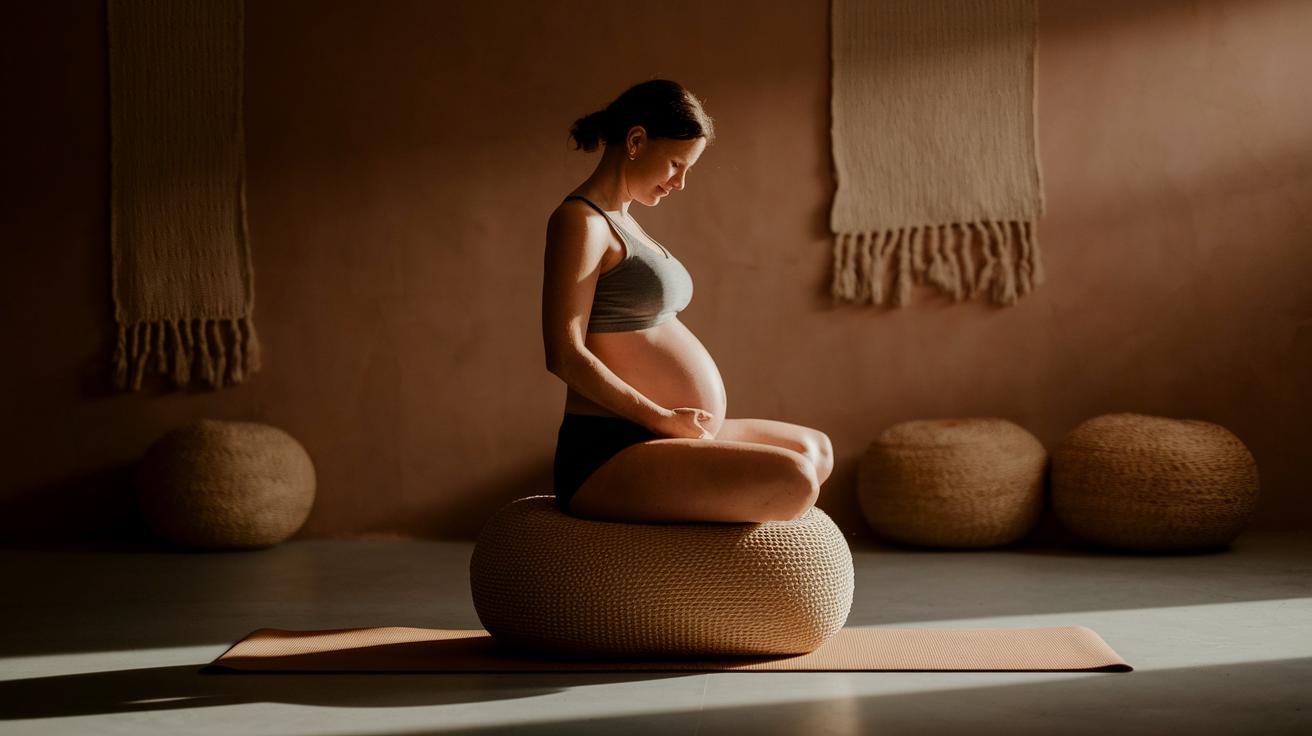
These gentle stretches help you feel more at ease during pregnancy by reducing physical tension and calming your mind. They offer a smooth flow of movement that not only comforts your body but also helps keep your emotions balanced. Each pose is held for about 3 to 5 deep breaths and repeated twice. This way, you have plenty of time to reconnect with your body. An experienced teacher with training in prenatal yoga, positive psychology, and advanced yoga techniques designed these moves to help you feel supported as your body changes and your mind relaxes.
-
Child's-pose variation: Rest your hips on a bolster and settle into a cozy position. Hold it for 3 to 5 breaths and notice the gentle release in your back and hips. Think of it like being wrapped in a warm blanket on a chilly day.
-
Cat-cow with pelvic tilt: Move slowly between arching and rounding your back. Do this 5 times to ease any tightness and help your spine move smoothly.
-
Supported Warrior II: Place blocks under your hands to steady yourself. Holding this position on each side builds both physical and mental strength, giving you a calm, determined feeling.
-
Seated forward fold with bolster: Gently lean forward to stretch your lower back. This simple move helps quiet your mind while easing any muscle tension.
-
Gentle bridge with knee support: Put a block under your sacrum and lift your hips. This move not only loosens your muscles but also opens your chest, inviting a relaxed feeling.
-
Reclining bound angle pose: Sit back with your knees open and your feet together, resting a bolster under your knees. This pose helps relax your nervous system and lets you surrender to a peaceful state.
Try incorporating these poses into your routine for 10 to 15 minutes a day. Adjust the number of repetitions to match how you feel. Remember, practicing regularly builds a gentle, nurturing habit that can see you through both calm days and those that feel a bit more challenging.
Breathing Techniques in Prenatal Yoga for Anxiety
Deep, slow breathing is a gentle way to help ease anxiety during pregnancy. It quiets your mind and relaxes your body by turning on its natural calm mode. When you combine your breath with soft, flowing movements, it brings both clarity and a warm sense of security.
One method to try is the ujjayi breath. You simply squeeze the back of your throat ever so slightly as you breathe, which creates a gentle, soothing sound. This sound helps remind you to stay present. Even just 3 to 5 minutes of this practice can ease tension and bring a deep sense of calm.
Another favorite is alternate nostril breathing, also known as Nadi Shodhana. Start by closing one nostril, then slowly breathe in through the open one, and switch sides when you exhale. This simple, balanced exercise can help smooth out the differences between the left and right sides of your brain, making you feel more at ease.
The 4-7-8 breathing technique is also great. Inhale quietly through your nose for 4 seconds, hold for 7 seconds, and then exhale slowly for 8 seconds. This little routine can soothe your nerves and bring overall relaxation, making it a comforting part of your prenatal care.
Safety Considerations and Modifications for Prenatal Yoga
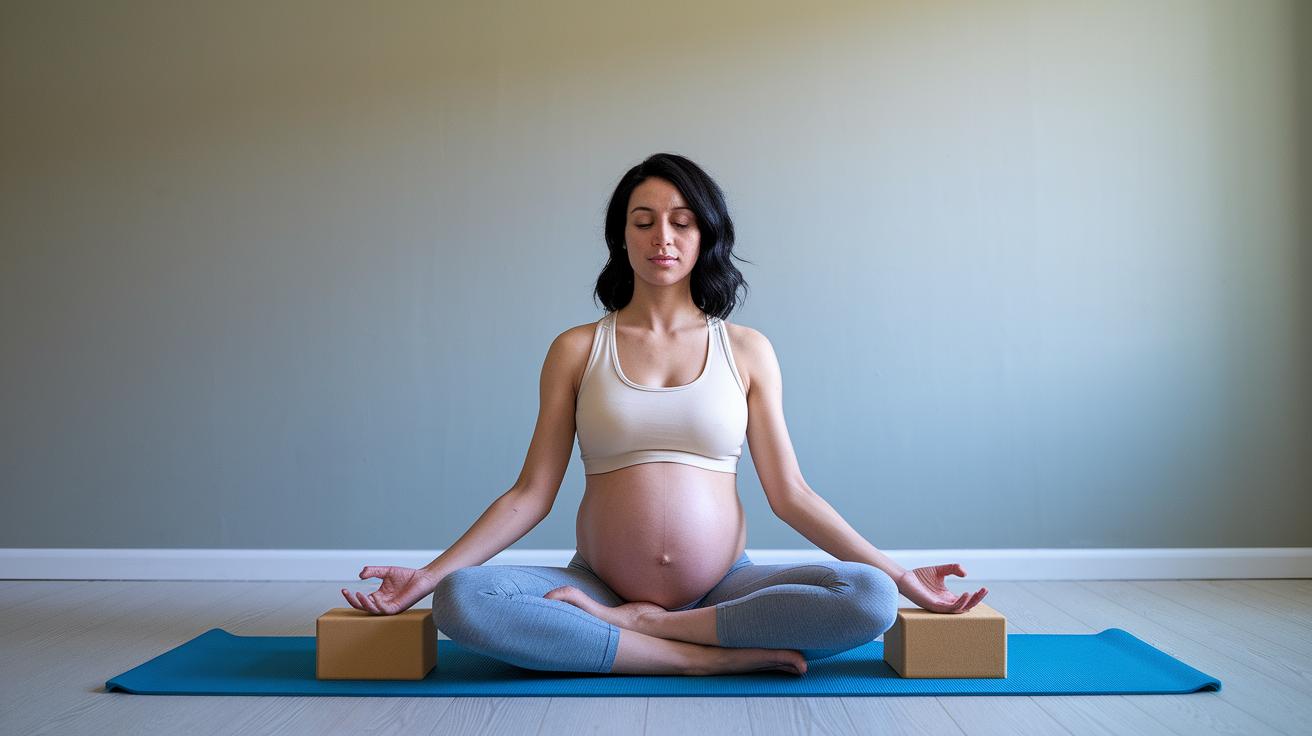
Pregnancy calls for a yoga practice that feels safe and downright soothing. Tweaking your routine can ease any little aches and help lower stress, turning each session into a warm, nurturing moment just for you. Whether you're trying some soft antenatal (care during pregnancy) moves or looking for a gentle way to relax, using props like blocks, bolsters, or even just a wall can make your space feel more comfortable and welcoming.
| Trimester | Avoid | Modify For Comfort |
|---|---|---|
| First trimester | Deep twists, strong backbends | Pick gentle spinal movements and support your hips with blocks |
| Second trimester | Supine holds, overstretching | Try side-lying poses and lean on a wall for extra support |
| Third trimester | Balance-challenging postures | Use a wide stance or a chair, and lean against a wall to keep steady |
Always check with your healthcare provider and really listen to what your body is telling you. Small adjustments every trimester add extra layers of comfort and help you feel even more secure. This kind of personalized approach lets you enjoy every pose while creating a practice that gently grows along with you, keeping your body and mind calm and cared for.
Designing a Prenatal Yoga Routine for Anxiety Relief
Kick off your 30-minute session with 10 minutes of deep, mindful breathing. Picture yourself sitting quietly and drawing in slow, calm breaths, like you’re enjoying a warm cup of tea. This gentle start helps calm your body and mind, getting you ready for the rest of your practice.
Next, move into a 15-minute sequence of easy yoga poses. Let each gentle movement melt away tension and bring you a sense of calm. This part of your routine is designed to ease your body into relaxation while keeping you connected to your breath.
Finish up with 5 minutes of guided meditation or savasana. This is your time to let everything settle and soak in the peaceful benefits, giving your body and mind a final moment of rest.
Try to practice 3 to 4 times a week. Building a routine like this can help lessen anxiety over time. On days when you feel especially relaxed, you might even add an extra minute of breathing or poses. Even short sessions make a difference, and you can always adjust the routine so it fits nicely into your day.
If you can, join community or instructor-led classes. Whether it’s a local studio or an online group, practicing with other moms-to-be can offer extra support and connection. Sharing these moments creates a comforting space that boosts both your self-care and overall sense of well-being.
Prenatal Yoga Programs and Expert Guidance for Anxiety Management
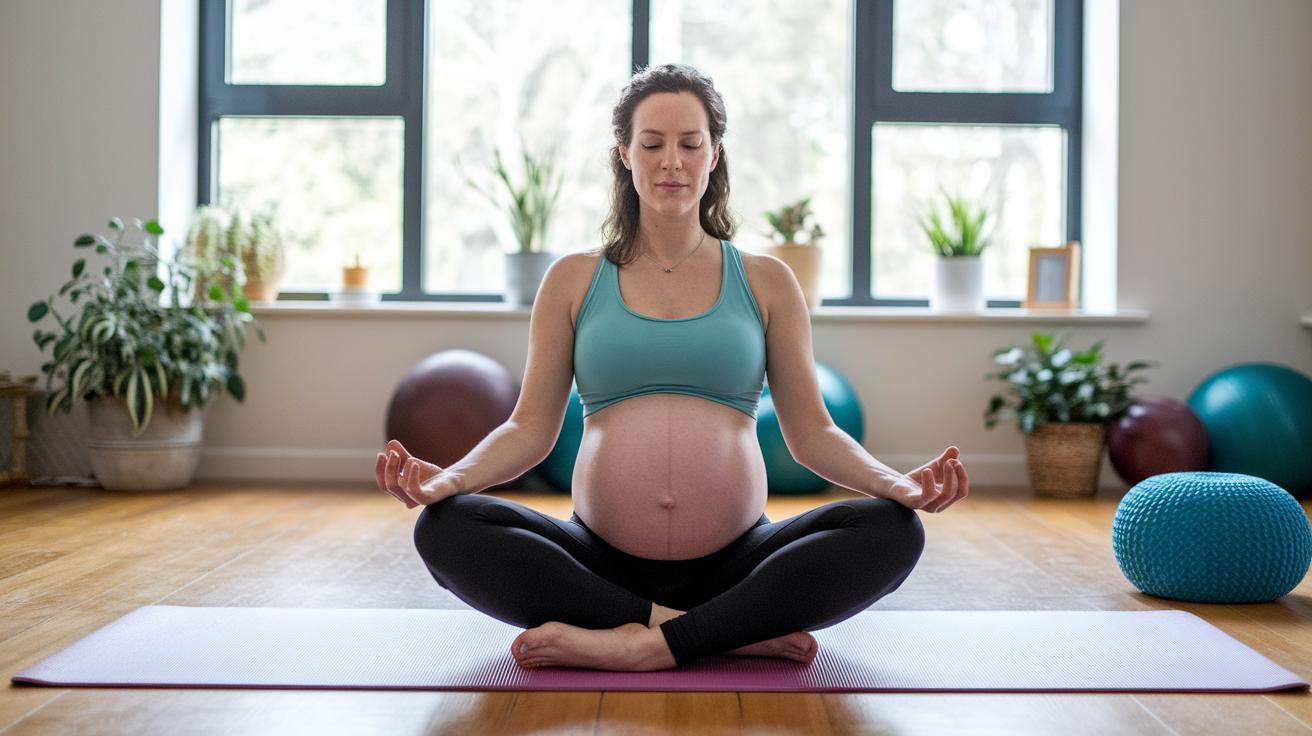
Many studios and online platforms offer gentle prenatal yoga classes that can help ease your worries during pregnancy. You might love the cozy in-studio sessions that feel like a warm hug, or the live online workshops that let you unwind at home. Imagine joining a free class where each pose feels like a soft wave of calm. Classes like the Shift prenatal yoga series mix soothing yoga with simple meditation, creating a comforting routine just for you.
When picking a class, keep an eye out for certified instructors who truly understand what expecting moms need. Make sure the teacher has special training in prenatal (yoga designed for pregnancy) techniques so you feel secure and cared for. Many of these programs also offer a chance to meet other moms facing similar challenges, adding extra emotional support to your journey. This expert guidance helps look after not just your body but also your peace of mind during your pregnancy.
Final Words
In the action, this article shows how prenatal yoga for anxiety can ease worry during pregnancy. We touched on gentle stretches, mindful breathing, and safe modifications for each trimester. The guide breaks down pose sequences, calming techniques, and practical routines that bring relief and confidence. It feels like a real conversation where expert insights mix with everyday tips. With every small movement, calm grows stronger, and each session helps create a peaceful space for both body and mind. Enjoy the process and keep moving toward a brighter, stress-free pregnancy!
FAQ
Prenatal yoga for anxiety YouTube and free prenatal yoga options
The query about prenatal yoga on YouTube and free classes means you can find online videos and resources that feature gentle sequences designed to ease anxiety during pregnancy. These tools guide you through safe movements and breathing techniques.
What type of prenatal yoga benefits anxiety, depression, and overall stress relief?
The question about the best prenatal yoga for anxiety addresses gentle, mindful poses and controlled breathing practices that help calm the mind and body. This style supports easing anxiety, depression, and overall stress during pregnancy.
What helps with anxiety during pregnancy?
The query on what helps with anxiety during pregnancy suggests that integrating gentle yoga, relaxation techniques, and controlled breathwork can offer significant relief while nurturing both emotional and physical well-being.
Who should not do prenatal yoga?
The question about who should not do prenatal yoga indicates that those with certain medical concerns, contraindications, or advised by a healthcare provider to avoid specific movements should modify or skip these practices for safety.
Does anxiety affect babies during pregnancy?
The question about anxiety affecting babies during pregnancy means that high stress in expectant mothers may influence fetal well-being, making it beneficial to adopt stress-relief practices like yoga to promote a calm prenatal environment.


