Ever wonder if the seafood you love can be both safe and healthy while you're expecting? Fish gives you important nutrients like omega-3s (fats that help your heart and your baby's growth) that support both you and your little one. Knowing which options have low mercury and learning the best ways to cook them makes it easy to enjoy a tasty meal without worry. In this chat, you'll find clear, friendly tips to choose smart, nourishing seafood that benefits your body and supports a healthy pregnancy. So, let's dive in and explore simple, safe, and delicious eating ideas together.
Essential Seafood Safety Advice for Pregnant Women

Eating seafood can be a healthy and yummy part of your pregnancy diet if you follow safe steps. A mix of different seafood types can boost your overall health and help your baby grow well. It’s really all about sticking to trusted tips and being careful when you cook your meals.
Experts from health agencies have split seafood into three groups to help you pick choices with lower mercury. For instance, canned light tuna is okay two or three times a week, but canned albacore tuna should only be enjoyed once a week. This way, you get the benefits like heart-friendly omega-3s without taking in too many contaminants.
Cooked shellfish such as shrimp, lobster, or crab are also a safe pick if you cook them well so that they hit the right temperature. To keep things extra safe from foodborne bugs, it’s best to skip raw fish like sushi. Instead, you might want to choose cooked sushi rolls or veggie-based dishes next time you go out to eat.
- Choose fish that are low in mercury
- Keep tuna servings moderate
- Make sure seafood is cooked well
- Avoid raw seafood options
Understanding Pregnancy Seafood Risks for Fetal Development

Mercury can be harmful to your baby because it easily moves through the placenta. Even tiny amounts from seafood high in mercury may interfere with your baby’s natural growth. That’s why picking the right seafood matters so much for both you and your little one.
Think of each fish you eat like a little helper. It’s good when that helper is friendly, but some types of seafood bring extra mercury that can cause trouble. For example, king mackerel, shark, tilefish, and swordfish have higher mercury levels.
When mercury builds up, it might affect your baby’s brain and get in the way of their learning, motor skills, or even behavior later on. The baby’s brain is very sensitive during pregnancy, so avoiding fish that are high in mercury is a smart choice. By selecting seafood that is low in mercury, you can enjoy healthy, tasty meals while keeping your baby’s development on track.
Key Nutritional Benefits of Seafood During Pregnancy

When you're expecting, every bite counts for both you and your little one. Seafood is a wonderful choice that not only tastes great but also brings essential nutrients to your table. It’s loaded with natural omega-3 fatty acids (those good fats that help with your baby’s brain and eye development) and vitamin D to support strong bones. Plus, the lean protein helps your body build and repair tissue, keeping you feeling nourished every day.
- Omega-3 fatty acids (DHA/EPA) for a healthy brain and heart
- Vitamin D to strengthen your bones
- Lean protein for building and repairing tissues
- Essential fatty acids that support clear vision and a sound brain
- A boost for your baby’s nervous system growth
Including seafood in your pregnancy meals is a smart and caring way to give your body the nutrients it needs for everyday energy and long-term wellness. And by doing so, you're also giving your baby a great start for healthy brain development. Enjoy these ocean goodies as a tasty and supportive choice for you and your growing family!
Safe Seafood Variety Selection and Portion Guidelines During Pregnancy

When you’re expecting, picking the right seafood is a simple way to care for yourself and your baby. Stick with fish that are low in mercury and rich in omega-3s, DHA, and vitamin D, nutrients that help support baby’s growth and your overall well-being. Cold-water fatty fish like salmon, herring, and sardines are great choices. They taste wonderful, help keep mercury levels low, and bring many good benefits to your plate. It also helps to know how many servings are best each week so you can plan nourishing, safe meals.
| Fish Variety | Mercury Level | Weekly Recommendation |
|---|---|---|
| Salmon | Low | 2–3 servings |
| Sardines | Low | 2–3 servings |
| Trout | Low | 2–3 servings |
| Light Tuna | Moderate | 2–3 servings |
| Albacore Tuna | Moderate | 1 serving |
| Swordfish | High | Avoid |
Following these simple tips lets you enjoy a range of seafood safely during pregnancy. By choosing fish with low mercury levels and keeping an eye on how much you eat, you’re giving yourself a boost of essential nutrients in a way that’s both tasty and mindful. Isn’t it comforting to know that each meal can be a little step toward feeling even more supported on this special journey?
Seafood to Avoid During Pregnancy: High-Mercury and Raw Options

When you're expecting, it helps to know which seafood to skip for your baby's safety. New studies show that even a little mercury or bacteria from raw seafood might affect how your baby grows. Think of it like this: a small bite of something risky can actually add up.
Here’s a simple list of what to avoid:
- King mackerel – even a little can push mercury levels too high.
- Shark
- Tilefish
- Swordfish
- Raw sushi – even one bite might bring germs that cause foodborne illness.
- Raw shellfish
It might be a good idea to revisit the earlier advice on including seafood safely during pregnancy. That way, you can enjoy meals with peace of mind while keeping your little one safe.
Best Seafood Preparation and Cooking Practices for Pregnancy
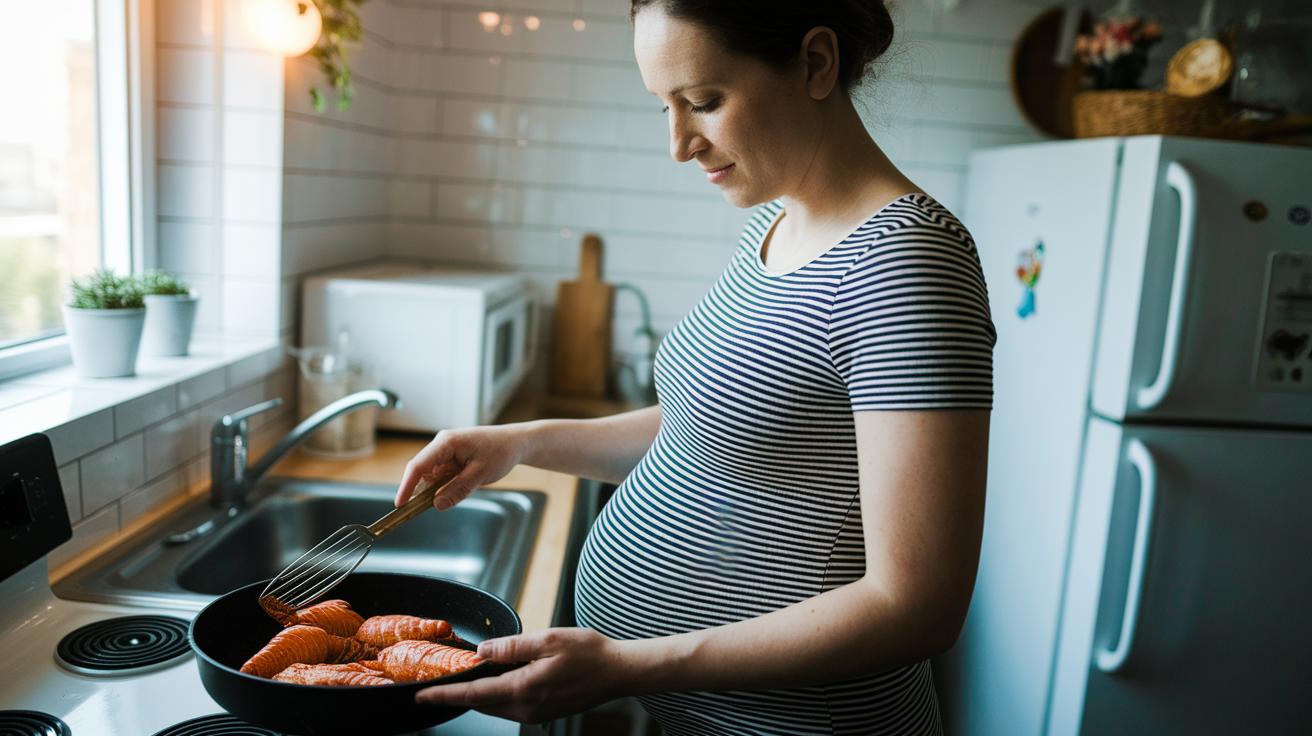
When you're expecting, enjoying a tasty seafood meal can be both nutritious and safe if you follow a few simple steps. It all begins with careful handling, using a little extra care from the moment you take seafood out of the freezer until it sits nicely on your plate. This gentle attention makes sure you get all the good nutrients you need, and it also helps protect your baby.
First off, always thaw your seafood slowly in the refrigerator. This step prevents any unwanted bacteria from growing. Next, give it a good rinse and pat it dry to clear away any extra residue. When it’s time to cook, heat the seafood to 145°F until it looks opaque and firm. This temperature is key to making sure any germs are taken care of. And remember, either serve it right away or keep it warm (above 140°F) until you're ready to eat.
Here’s a simple sequence to follow for a safe, well-cooked seafood dish:
- Thaw safely in the refrigerator
- Rinse and pat dry
- Cook to 145°F until opaque
- Serve immediately or keep warm (>140°F)
- Store leftovers within 2 hours
Taking these steps not only helps make your meal delicious but also creates a safe and nurturing dining experience for you and your baby. Enjoy your cooking and savor every healthy bite!
Alternative Omega-3 Sources for Pregnant Women Who Avoid Seafood

If you’re not eating fish, it’s still really important to add other omega-3 sources to your meals. These healthy fats help keep your body balanced and support your baby’s growing brain. I get it, sometimes fish can feel like a risk because of mercury or other worries. So why not try some delicious alternatives that work just as well? You can stir them into your morning smoothie, sprinkle them on a salad, or even mix them into your favorite baked snacks.
This way, you can enjoy the benefits of omega-3s without any extra concerns, keeping both you and your little one healthy and happy every day.
- Ground flaxseed
- Chia seeds
- Walnuts
- Algae-based DHA supplements
Final Words
In the action, we shared tips on choosing the right seafood, safe cooking techniques, and even alternatives that keep both you and your little one healthy. We covered guidelines that help you enjoy marine meals while being mindful of mercury levels and proper preparation. Taking these steps can make mealtime both delicious and safe. Embracing these practices lets you enjoy seafood safety in pregnancy with confidence and care.
FAQ
What does seafood safety during the first trimester mean for pregnancy?
Seafood safety during the first trimester means following guidelines to avoid harmful contaminants and bacteria by choosing low-mercury, fully cooked fish and shellfish for both mom and baby.
What does seafood safety during the third trimester involve?
Seafood safety in the third trimester involves adhering to the same guidelines as earlier, choosing low-mercury options, avoiding raw seafood, and ensuring that all fish and shellfish are thoroughly cooked.
What seafood is not allowed during pregnancy?
Seafood to avoid during pregnancy includes high-mercury fish like king mackerel, shark, tilefish, swordfish, and raw seafood options that can increase the risk of foodborne illness.
Can I eat shrimp while pregnant?
Eating shrimp during pregnancy is safe when the shellfish is fully cooked, which helps eliminate any harmful bacteria and aligns with recommended seafood safety practices for expectant mothers.
Can seafood affect fetal development?
Seafood can affect fetal development if high-mercury or raw options are eaten, while consuming low-mercury, well-cooked seafood provides beneficial nutrients that support healthy brain and nervous system growth.
What is a seafood pregnancy chart?
A seafood pregnancy chart is a practical guide that lists safe fish options, mercury levels, and recommended servings to help expectant mothers make informed and healthy seafood choices.