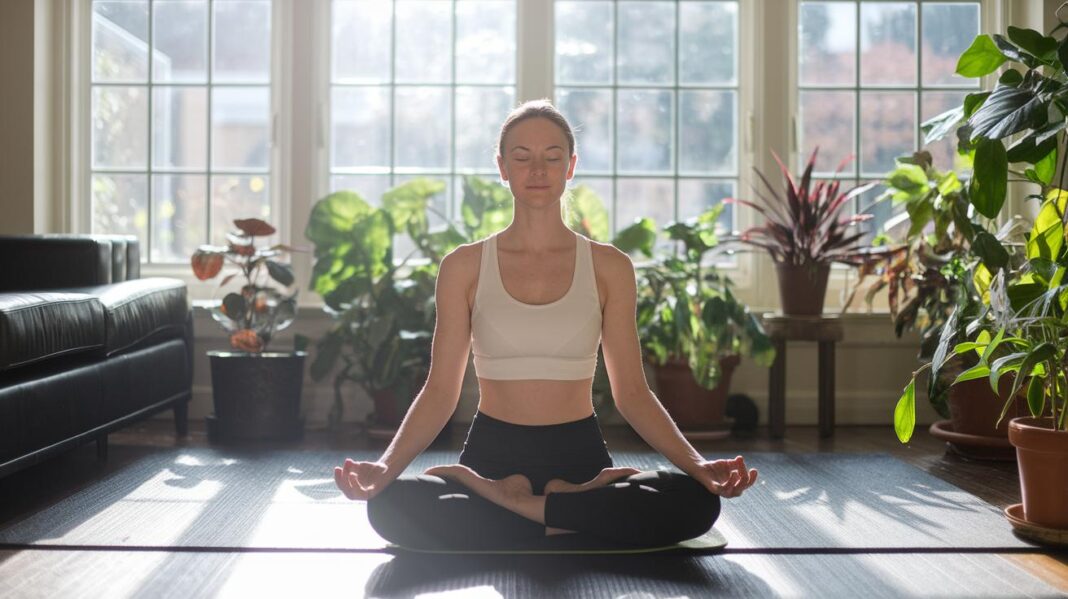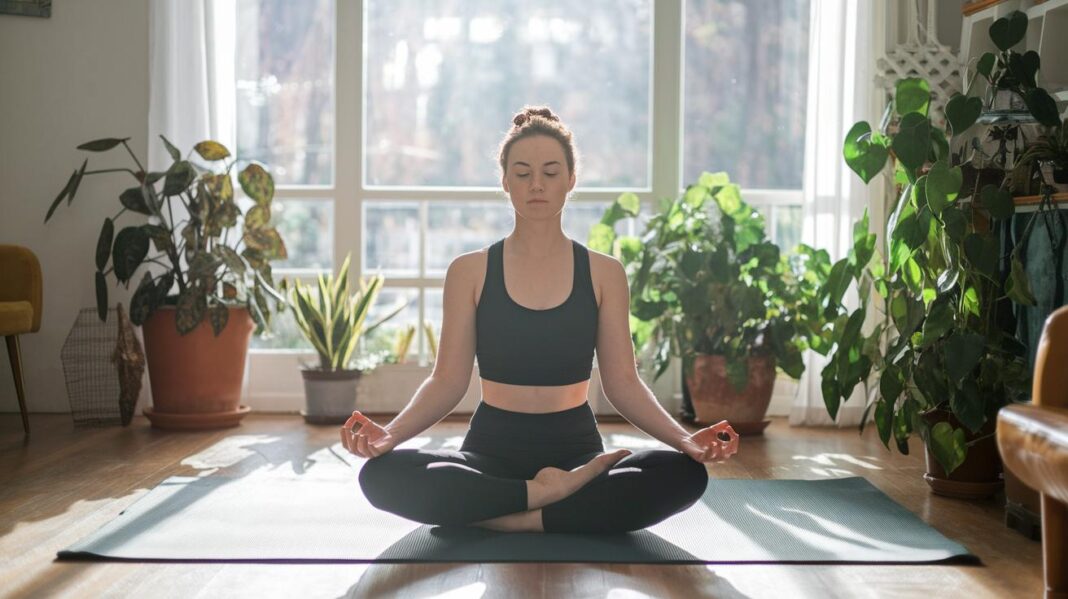
Have you ever noticed how a little pause can change a dark day into one filled with light? New surveys tell us that nearly one in four adults faces mental challenges. That’s why taking a mindful moment isn’t just a nice idea, it’s really important.
Imagine treating your feelings like a garden you nurture. Every slow breath or gentle walk can spark joy, much like a tiny seed growing into a beautiful flower. In this chat, we’ll look at simple self-care ideas that can lift your spirit and help you feel more balanced every day.
Comprehensive Self-Care Strategies for Mental Wellness

Self-care is a wonderful way to help your mind feel better, boost your self-esteem, and keep a hopeful outlook. Think of it as tending to your own little garden, where you nurture yourself with healthy food, enough sleep, gentle movement, and calm moments. Research tells us that nearly one in four adults in the U.S. experienced some form of mental illness in 2024. That means taking time for yourself could really change your day, even if you already practice some self-care.
A big piece of self-care is looking after four main areas of your energy. Imagine fueling your body like you would fill up a car with premium gas: enjoying quality food, keeping a steady sleep routine, getting light exercise like a 20-minute walk, and taking moments for mindful practices such as deep breathing or simple guided imagery. Start with a little step: take 10 minutes to breathe deeply. It’s a tiny break that can clear your mind, just like a refreshing breeze on a cloudy day.
Here are some practical self-care ideas:
- Enjoy a short meditation session to relax your mind.
- Set up simple routines that honor your sleep and keep you moving.
- Use deep breathing exercises to ease stress and lift your mood.
- Eat a well-balanced diet that nurtures both your body and mind.
Even small steps can make a big difference. And if you ever feel overwhelmed, remember that reaching out for support is a sign of strength. Taking time for yourself builds the resilience needed to enjoy a happier and healthier life.
Crafting a Personalized Self-Care Plan for Mental Wellness
Let’s start with a little check-in. Take a quiet moment for yourself and ask, "What do I need most right now?" Think of it as flipping through a photo album of happy moments, like remembering that time a gentle walk in the sunshine made you smile.
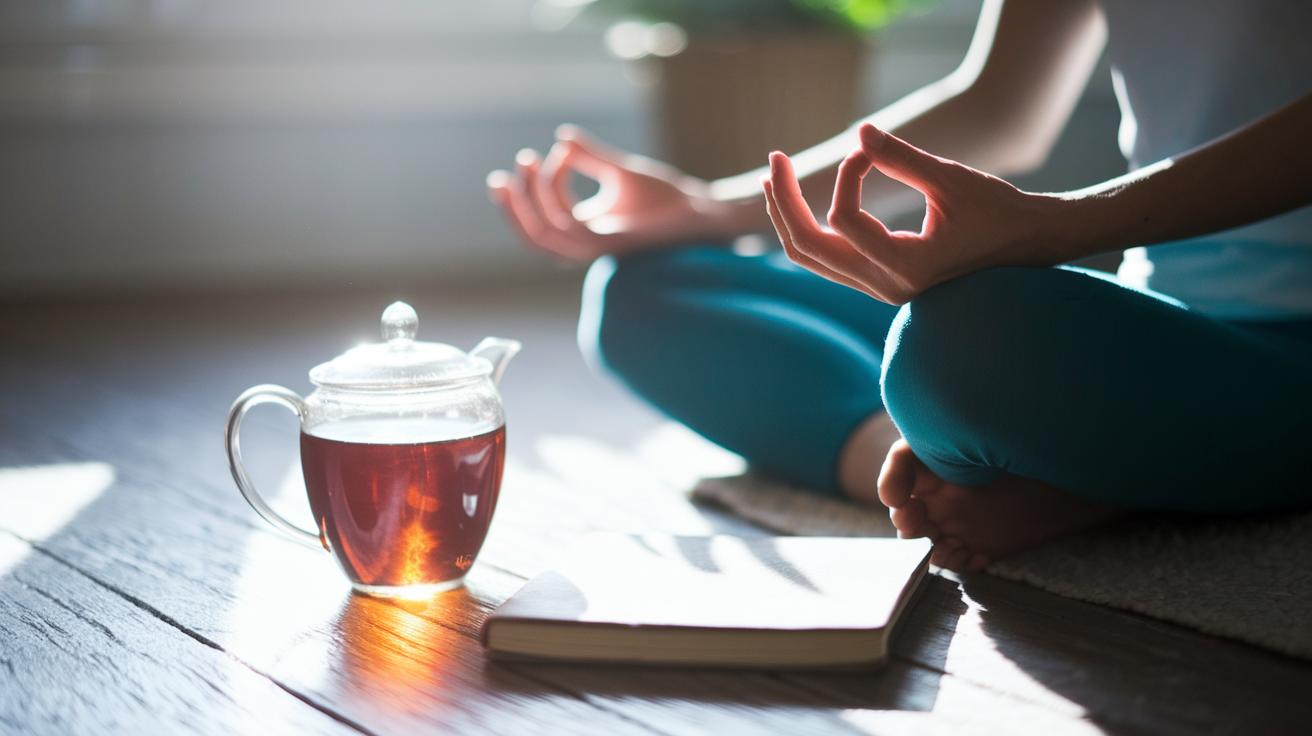
Next, jot down the little things that brighten your day. It might be savoring a warm cup of tea or losing yourself in a good book. Sometimes, listing these joys feels easy, but putting them into action can be a whole other challenge.
Then, set aside a block of time that’s just for you. Even if it’s just 15 minutes after lunch, make that time sacred, time to breathe, relax, and recharge your spirit. Picture it like planning a special family meal, where every ingredient is important.
Each week, take a moment to check if your plan is working for you. If something doesn’t feel as light or joyful as you hoped, feel free to shift things around a bit. It’s all about finding what brings you comfort and peace.
Finally, look back at your progress each month. You might use simple self-check tools like emotional regulation worksheets to help set new goals or celebrate those small wins. Adjusting your plan regularly can boost your mental well-being and make everyday moments a little brighter.
Mindful Meditation and Deep Breathing for Mental Wellness

Breath work is one of the best ways to take care of yourself. Even spending just 5–10 minutes a day on mindful meditation can help you feel stronger and ease your worries. Have you tried diaphragmatic breathing? It’s simple: sit in a comfy spot, close your eyes, breathe in slowly through your nose until your belly fills up, and then let the air out gently. This little exercise helps lower your stress and clears your mind. Fun fact: even top athletes used slow, deep breathing to get back in focus before their coaching sessions. It really shows that small changes go a long way.
Another great trick is box breathing. Here’s how you do it: breathe in for four counts, hold your breath for four, exhale for four, and then pause for another four. This even, calming rhythm can help settle your nerves and reduce stress hormones. Sometimes, it also helps to imagine a peaceful place, think of sitting by a quiet lake or under a soft, friendly sky. These simple practices let you pause in a busy day, reconnecting with a sense of calm wherever you are. Even short moments like these can brighten your mood and reduce stress when you really need it.
Nourishing Sleep and Physical Activity for Enhanced Mental Wellness

Getting a good night's sleep is one of the best ways to take care of yourself. When you make sleep a priority, it helps ease stress and keeps your feelings steady. For example, try dimming the lights and putting away your devices about 30 minutes before bed. Imagine curling up with your favorite calm book as you leave the day behind.
Light exercise is just as important. A simple walk or gentle bike ride for about 20 to 30 minutes, three times a week can lift your mood by boosting your body's natural feel-good chemicals. Think about taking a quiet morning stroll that gently wakes you up and sets a positive tone for the day.
Here are some ideas to help combine better sleep with a touch of exercise:
- Stick to the same sleep time every day, even on weekends.
- Create a tech-free moment before bed so your body knows it's time to relax.
- Add light exercise sessions to your weekly routine.
- Consider a calming habit like a few deep breaths to unwind before sleeping.
When you blend a good sleep routine with regular movement, you create a gentle rhythm in your life. This mix helps lower stress, sharpens your mind, and makes each day feel a little more manageable.
Setting Boundaries and Digital Detox for Mental Wellness

Taking a break from screens can really help lower your stress and let you feel more in the moment. Try having a tech curfew in the evening, turn off all your gadgets about an hour before bed. This little change gives you a quiet moment to relax, free from all those buzzes and beeps. It also helps create a clear line between work and time with your family, which keeps your energy from getting drained.
Making time to disconnect is as simple as planning a daily break from devices, even if it’s just for 30 minutes. Many moms in our support group have found that without these pauses, self-care efforts tend to fall apart. Start by checking in with yourself a few times a day about your screen habits and see what little tweaks might work best for your calm.
Think of it like taking a mini digital nap, a few deep breaths, a pause, and a moment to just be. These mindful breaks can ease your stress, build your inner strength, and help balance your work and home life. With small daily changes like these, you can create a calmer, more balanced life for you and your loved ones.
Accessing Therapeutic Support for Mental Wellness

Working with a mental health expert can really boost the way you care for yourself. It feels like having a caring friend who understands your ups and downs and helps you find gentle ways to deal with stress. Sometimes, each session feels like a little check-in that makes everyday worries a bit easier to manage.
A good first step is to take simple self-assessment tests for things like ADHD, depression, or even how we handle our feelings. These tests can point you to counselors who might be just the right fit for your needs. Think of it as getting a friendly map to the support that's best for you.
Here are some ways to get the most out of your therapy:
- Look into local counseling or online sessions so you can find what works for you.
- Jot down your goals and the challenges you're facing before your sessions.
- Try mixing your everyday self care with professional guidance to see even clearer results.
Research shows that blending self care and regular therapy can really help build emotional strength and improve overall mental health. Taking this step can bring you fresh ideas and a supportive network to help brighten your everyday life.
Journaling and Reflection Techniques for Self Care and Mental Wellness

Journaling can be a lovely way to notice how your mood changes and see what might be causing certain feelings. It’s like having a heart-to-heart with yourself. Maybe start by writing, "Today, I felt happy when…" For example, you could say, "I felt happy when I saw a friend smile gently," reminding you of those simple moments that make your day brighter.
Keeping a gratitude diary is another gentle practice. Each day, jot down a few things that make you feel good. Over time, this small habit can lift your spirits and boost your self-worth. You might write something like, "I’m grateful for the warm, soft light of the morning," as a little reminder of the good things in your life.
Taking a few quiet minutes to think about your day can do wonders too. Ask yourself, "What emotion did I feel most today?" This little question can help you understand your feelings better and spot the parts of your self care that might need a bit more attention. Try making these reflections part of your daily calm and you'll soon notice your strength growing bit by bit.
Final Words
In the action of building a balanced self-care plan, you explored practical ways to boost mental wellness. Short routines, mindful breathing techniques, proper sleep habits, and setting screen limits can make a big difference. You also learned that professional support and honest reflection through journaling offer extra help. Each step makes self care for mental wellness more achievable. Keep making small changes, and you’ll feel empowered to take on every day with renewed energy and hope.
FAQ
What are some effective self-care tips for mental health?
The self-care tips for mental health include practices like mindful breathing, journaling, balanced sleep and nutrition, physical activity, and taking device-free breaks to help reduce stress and boost overall wellbeing.
Why is self-care important for mental health?
The importance of self-care for mental health lies in its role in easing stress, strengthening self-worth, and building emotional resilience, which supports healthier daily routines and richer relationships.
What are some examples of self-care activities for adults?
Self-care activities for adults include mindful meditation, brief nature walks, journaling, simple physical exercises, and setting clear time-offs from screen time to maintain a balanced state of mind.
What are the benefits of practicing self-care?
The benefits of practicing self-care include improved mood, greater self-esteem, enhanced stress relief, better focus, and an overall boost in mental wellness that makes everyday challenges easier to manage.
What are the 5 C’s of mental health?
The 5 C’s of mental health refer to connection, communication, coping, compassion, and confidence, which together help individuals maintain balance and manage stress in daily life.
What are the 7 pillars of self-care?
The 7 pillars of self-care generally include physical activity, nutrition, sleep, mindfulness, emotional balance, social connection, and safety practices that together reinforce overall well-being.