

Have you ever felt really stressed and wondered if there’s a gentle way to help ease your mind? Self-hypnosis could be just what you need. It’s like giving yourself a quiet, comforting break to help you feel more at peace.
Imagine sitting in a soft, quiet corner of your day, watching your thoughts drift by like leaves on water. This simple, focused way of relaxing can help ease worries and lighten those daily little burdens.
Studies have shown that self-hypnosis truly works, offering a practical, caring tool to manage stress. In a busy world full of challenges, it lets you create moments of calm and comfort that can really make a difference.
Self-hypnosis for stress and anxiety: Calm Easy Relief
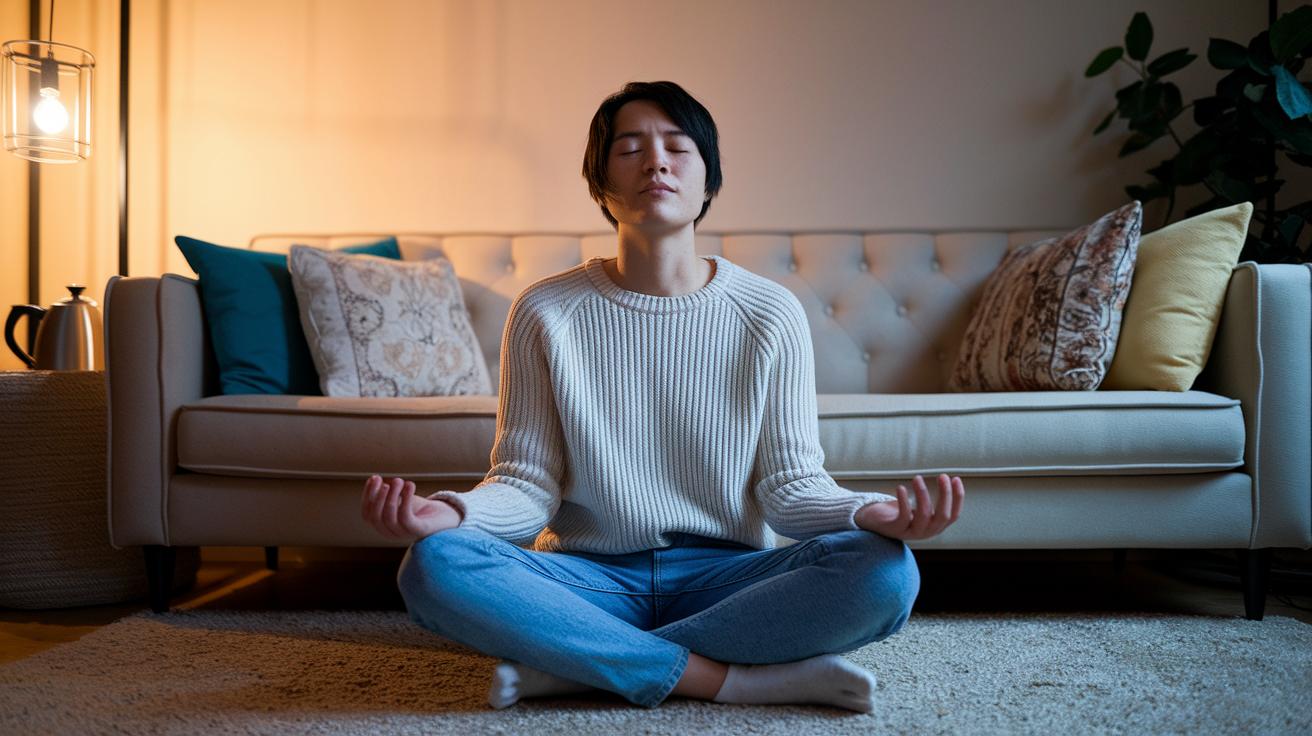
Ever tried self-hypnosis at home? It’s a gentle way to enter a calm, focused state where you guide your thoughts with positive suggestions. You simply shift your attention inward, letting go of your worries and calming your mind. Think of it like curling up with a favorite book or watching a comforting movie. It even works well alongside other treatments you might already be using for stress and anxiety.
Instead of having someone else lead you through the process, with self-hypnosis you’re in charge. You relax both your body and mind at your own pace, guided by your own breathing and focus. This isn’t like other methods that rely on external distractions; it’s all about your inner concentration and steady, relaxed breaths.
With regular practice, you might start noticing that everyday stresses feel a bit lighter. Self-hypnosis can boost your sense of control, ease your worries, and lift your self-esteem. Over time, you may find that your days become calmer and clearer, and you feel more inner strength. It’s a gradual change that can help you meet each day with a little more calm and confidence.
The Neurobiology of Self-Hypnosis in Anxiety Reduction

Self-hypnosis is a gentle way to bring your mind into a calm, relaxed state, almost like getting lost in your favorite story. In this quiet spot, you can focus on kind, positive thoughts that replace stress with a clear, peaceful feeling. It’s like giving your brain a little break to steer away from worries.
Research shows that self-hypnosis really works for easing stress and anxiety. Recent studies, including one session reviewed on March 29, 2024, reveal how this method lets you access deep parts of your mind safely. In these sessions, you remain in control while using simple, calming images to turn anxious feelings into something more balanced. Science tells us that this practice can truly help relieve everyday stress.
When you practice self-hypnosis, you tap into the quieter parts of your mind to create lasting change in how you handle stress. By focusing inward and using gentle, positive cues, you can slowly shift your reaction to anxiety. This simple technique not only helps calm excessive worry but also builds a stronger sense of control over your feelings.
Five-Step Self-Hypnosis Protocol for Stress Relief
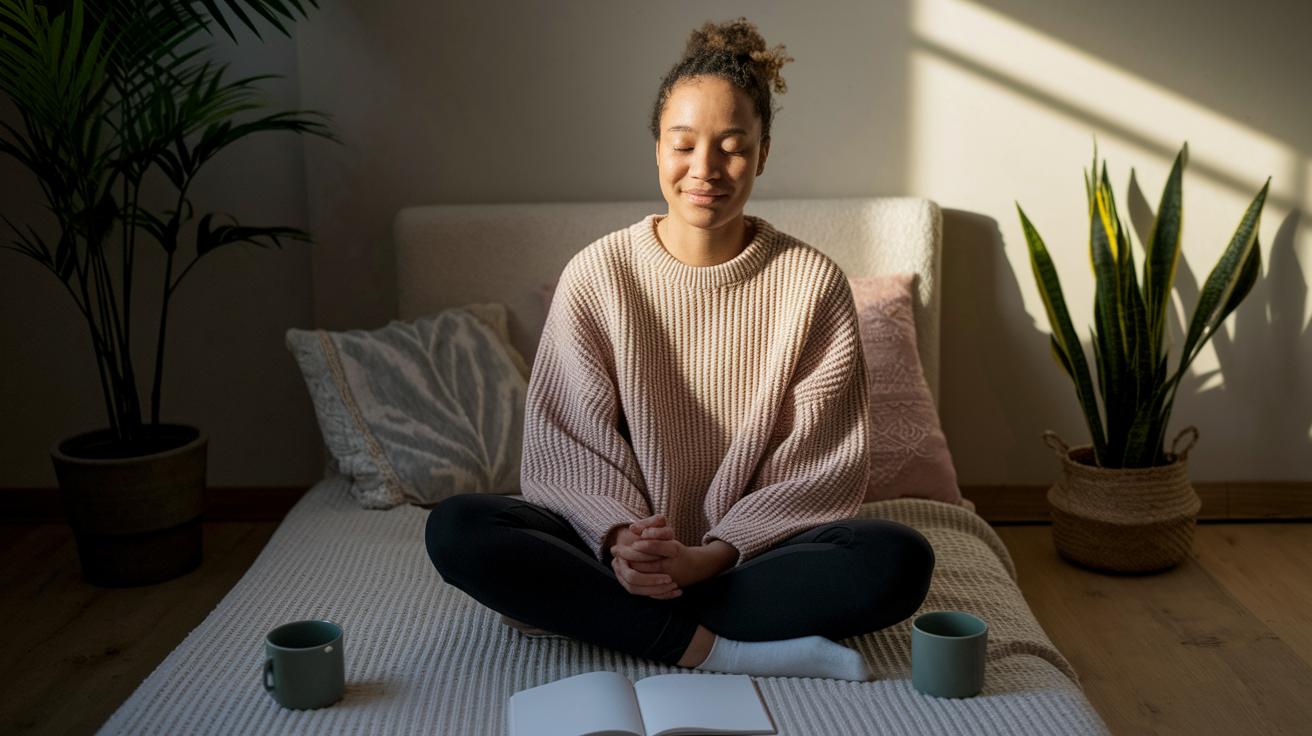
This simple routine helps you ease into a calm, relaxed state. Created by a caring psychiatrist from Stanford, it lets you be both the guide and the one being helped. Think of it as your little break, combining slow, deep breaths with kind, positive thoughts to help melt away stress and worry.
Step 1: Preparation
First, find a quiet, cozy spot where you won’t be bothered. Make a small promise to yourself, like saying, “I’m here to bring some calm into my day.” This step is just like planning a tiny getaway for yourself.
Step 2: Induction
Now, sit comfortably and focus on your breathing. Pick something gentle to look at, maybe a warm, soft light or a favorite spot by the window. With each slow breath, feel yourself drifting into a peaceful space. It’s a bit like turning down the volume on a noisy day.
Step 3: Deepening
Next, let yourself sink even deeper into relaxation. You can count slowly, imagining that each number makes you feel even more at ease, as if every count is a cuddle for your muscles. Picture your body softening like a sponge in water, and allow your mind to settle into a comforting rhythm.
Step 4: Suggestion
At this point, whisper kind thoughts to yourself. Say things like, “I am calm, I can handle today” or “I choose peace.” These gentle words help reframe your inner talk and remind you that you are in control, even when things seem a bit overwhelming.
Step 5: Termination and Reflection
When you’re ready, slowly bring your attention back to the room. Open your eyes gently and take a moment to notice how you feel. You might even jot down a few thoughts in a journal. Reflect on your experience, each breath, each calming word, in a way that helps you hold onto that peace.
Here are some comforting affirmations to carry with you:
| I feel more at ease with every breath. |
| My mind and body are in a state of calm. |
| I welcome peace with open arms. |
| I am in control of my inner dialogue. |
| I gently let go of tension and embrace relaxation. |
Safety Guidelines and Precautions in Self-Hypnosis Practice
Self-hypnosis is a gentle way to calm your mind. Think of it like taking a short, relaxing break from your busy day. It helps to set clear goals and follow safe practices. When you’re starting out, you might want to work with a licensed hypnotherapist to learn the right techniques. That extra guidance can help you set clear session goals and create a soothing routine you feel comfortable with.
Keep your sessions brief and focused. For example, try a five-minute session at home using a simple affirmation like “I welcome calm.” This short practice can help ease anxiety without making you too relaxed to get on with your day.
If you have a history of strong anxiety, deep emotional experiences, or past trauma, it’s best to chat with a professional before trying self-hypnosis on your own. And remember, don’t practice before driving or operating heavy machinery, since you might feel very relaxed. Getting advice from a licensed hypnotherapist ensures that your unique needs are cared for and helps make your self-hypnosis practice both safe and effective.
Tips to Optimize Your Self-Hypnosis Sessions
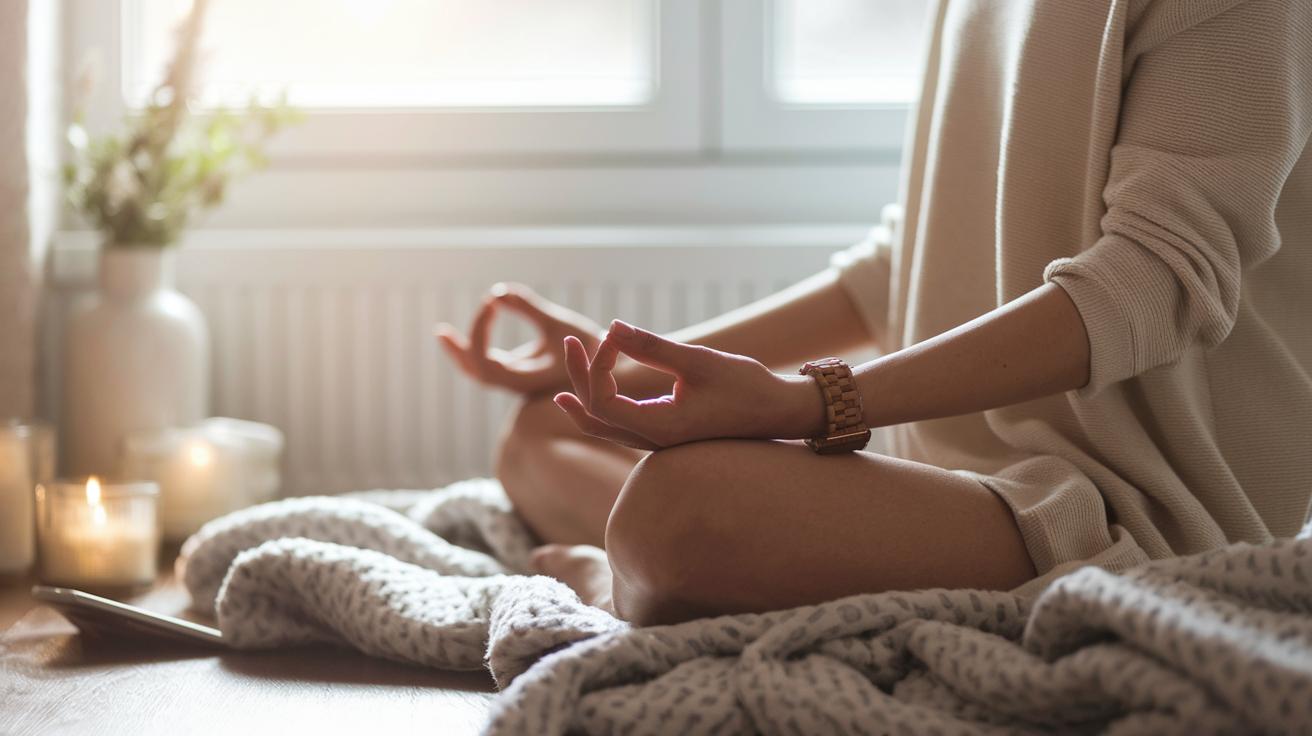
Your environment and your mindset really matter when you work on your self-hypnosis. Imagine settling into a quiet spot that feels like your own little haven where distractions just fade away. When you create that peaceful space, your mind can drift into gentle, positive thoughts and comforting images.
Here are a few simple tips:
- Pick a time each day that feels natural for you; keeping to a routine can make it feel like a warm, familiar habit.
- Turn off your phone and lower the lights to help set the mood, you’re making a special space just for yourself.
- Try using a recorded audio or a gentle app for stress management. Imagine a soft voice saying, "Let your mind gently float."
- Adapt your self-suggestions to target the little worries or triggers that bother you.
- Mix in relaxing breaths with clear, calming images; think of a sunny, peaceful field that eases your thoughts.
- Keep a little journal to jot down how you feel after each session. Even a short note like, "I found a moment of calm today," can help you see what feels best.
Little by little, these easy steps can make your self-hypnosis sessions a journey toward more inner balance and stress-free days.
Integrating Self-Hypnosis into Daily Routines for Anxiety Management
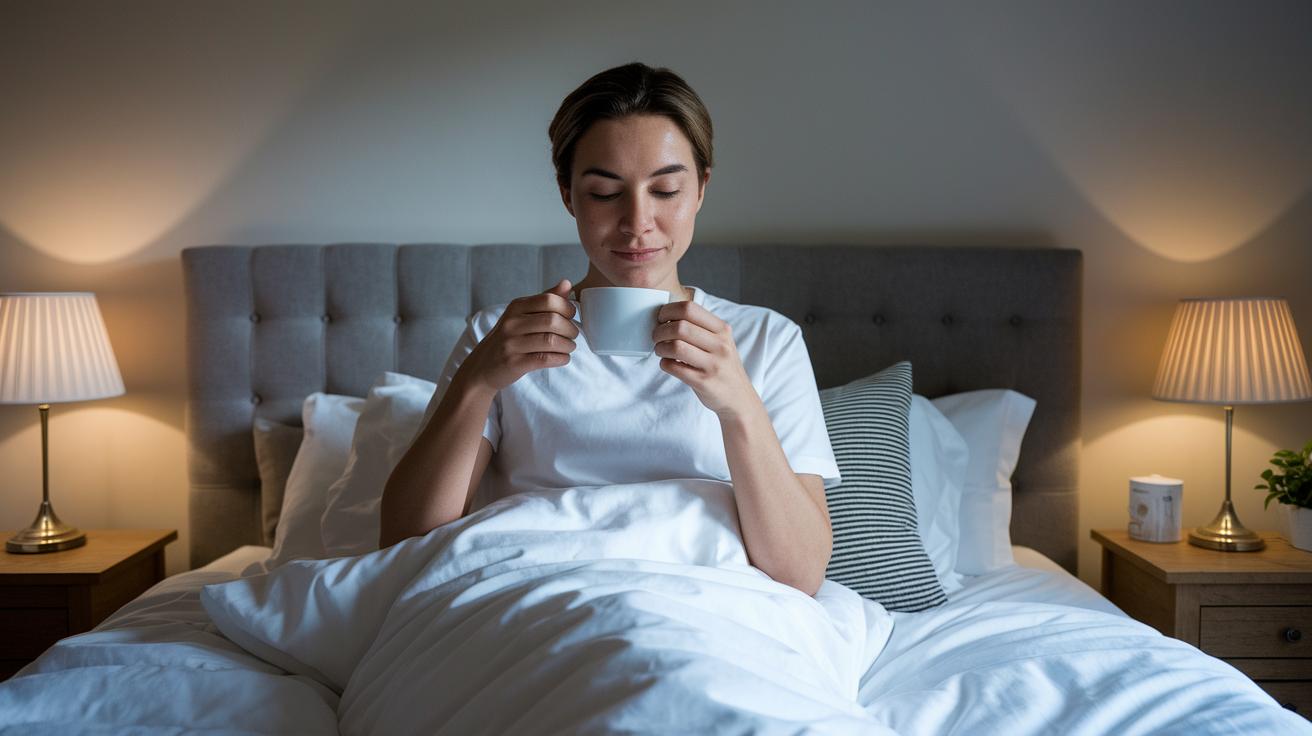
Imagine starting your day with a gentle, 5-10 minute self-hypnosis session right after you wake up. It helps you tune into your breathing and clear your mind, kind of like savoring a warm cup of tea that soothes you and brings a sense of calm.
Midday, take a brief pause for a mini self-hypnosis break. This little reset lets you step away from the busy pace and puts those nagging worries on hold, just like a quick meditation focused on easing anxiety.
At night, create a simple, calming routine with self-hypnosis to ease into sleep. In a softly lit room, spend 5-10 minutes unwinding your thoughts, as if settling into a cozy, quiet space. This gentle approach helps sleep come naturally when you finally close your eyes.
Expert Insights on Self-Hypnosis from Dr. David Spiegel

Dr. David Spiegel explains that self-hypnosis isn’t about losing control, it’s a gentle way to take charge of your mind and body. He talks about how practicing it helps you focus your thoughts and manage stress, almost like a light mental workout. He even clears up some common myths, saying that self-hypnosis helps you create calm, positive patterns instead of making you surrender your personal power. Imagine taking a slow, deep breath and softly saying, "I am in charge." That simple moment shows how your mind can invite calm even when things get a bit tough.
For those new to it, Dr. Spiegel suggests starting with easy breathing exercises and following simple scripts to build your confidence. He believes mixing self-hypnosis with other supportive methods can boost your overall well-being. Starting small with these straightforward steps can lead to a peaceful inner balance. His advice reminds us that self-hypnosis is a practical tool to help manage everyday stress and keep your focus strong.
Final Words
Jumping right in, the article breaks down self-hypnosis for stress and anxiety by exploring what it is and how it works. It takes you through a simple five-step protocol, shares safety tips, and offers practical ways to include it in your day. Expert insights reassure that this practice can boost calm and self-trust. Remember, using self-hypnosis for stress and anxiety is a gentle tool that helps you feel more in control and relaxed. Enjoy trying these techniques and embrace the positive shift in your daily routine!
FAQ
Where can I find free self-hypnosis videos for stress, anxiety, and depression?
The free self-hypnosis YouTube offerings provide guided sessions for stress relief and anxiety reduction, featuring soothing voiceovers and techniques designed to shift focus toward calm and balance.
Can self-hypnosis help with anxiety and stress?
Self-hypnosis helps reduce anxiety and stress by promoting deep focus and relaxation. Its positive self-suggestions work to ease negative thoughts, fostering a calmer and more centered state of mind.
How do I hypnotize myself to deal with stress?
Hypnotizing yourself for stress involves choosing a quiet space, breathing deeply, and repeating calming suggestions to guide your mind away from stress, all while staying in control of the process.
What is the 3 3 3 rule for anxiety?
The 3 3 3 rule for anxiety means naming three things you see, three sounds you hear, and three physical sensations you feel. This simple grounding technique helps distract from anxious thoughts and refocus the mind.


