Have you ever felt like stress has taken over your day? Sometimes, a sudden wave of tension catches us off guard, and before we know it, we feel overwhelmed.
I’ve been there, and I want to share a few simple ways to help you feel better fast. Try taking a deep, slow breath, focus on something around you to feel more present, or gently relax your muscles. These little techniques can help ease the tension quickly.
With time, these easy methods might even become habits that bring a bit of calm every day. Ready to give them a try for a calmer, more peaceful life?
Stress Management Strategies for Quick and Lasting Relief
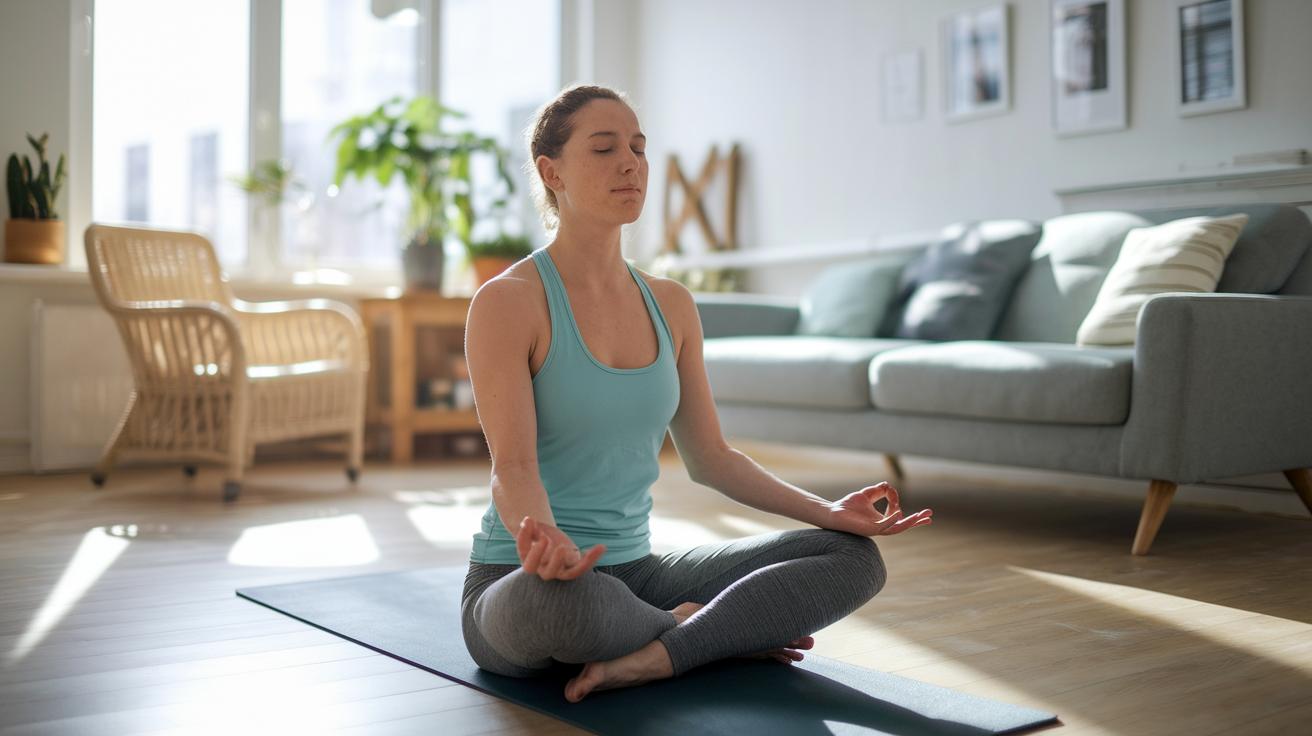
When stress catches you off guard, it helps to have both fast-acting remedies and steady habits. Sometimes you need a quick fix, and other times it’s about learning ways to cope for the long haul.
- Diaphragmatic breathing: Take deep belly breaths to help ease tension in an instant.
- Box breathing: Inhale, pause, exhale, and pause again in a smooth cycle that helps bring calm quickly.
- Grounding exercises: Look around and notice what you see, hear, or feel. This helps you stay focused in the moment.
- Quick guided imagery: Close your eyes and picture a soothing place that quiets your racing thoughts.
- Progressive muscle squeeze: Tighten then relax each group of muscles one at a time to let go of built-up stress.
These quick tips act like a reset button when life feels overwhelming, giving you a moment of peace in just a few seconds. But even though they help right away, think of them as a handy tool in your stress toolbox, they work best when paired with daily care, quiet time, and mindful moments.
Remember, little changes in your routine can build up a strong foundation of calm. By getting enough sleep, moving your body, and taking a few minutes to unwind every day, you slowly reshape how you deal with stress. Try these steps regularly, and you might find that a gentle, steady approach can make even the toughest days feel a bit lighter.
Science-Backed Stress Management Strategies with Mindfulness and Meditation
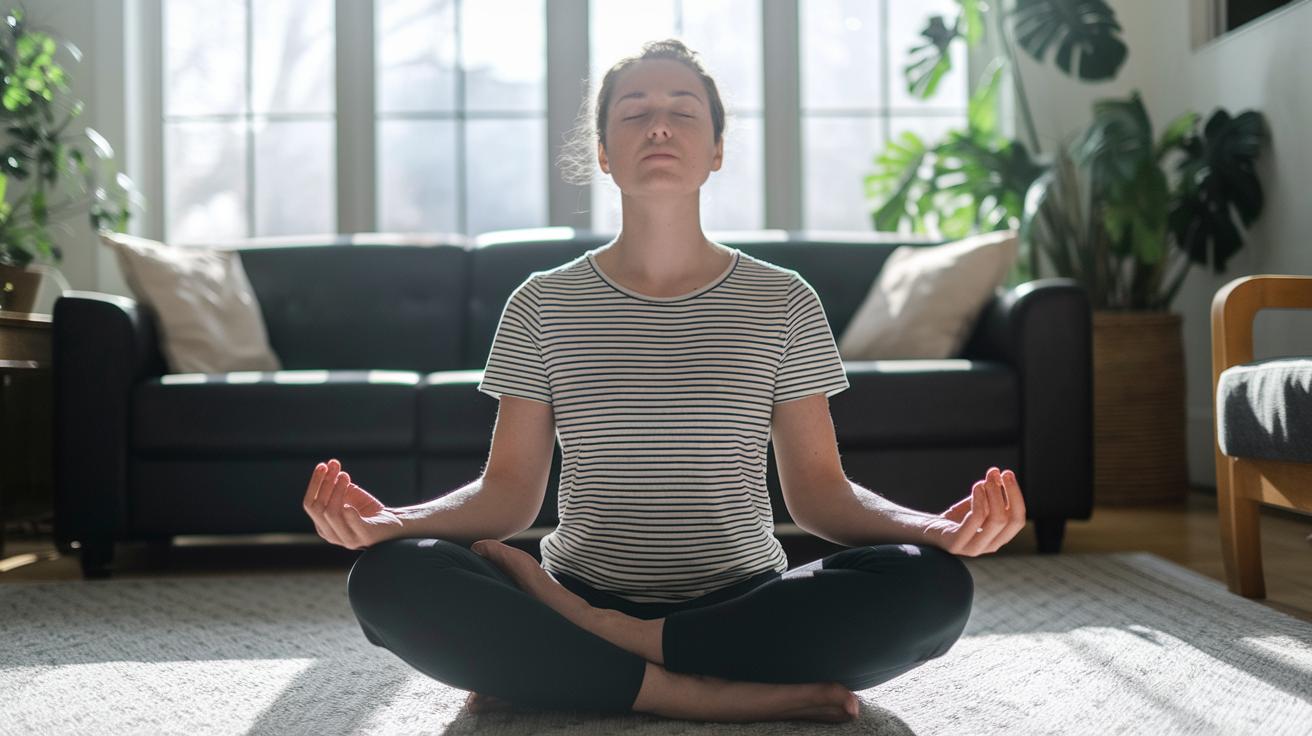
Many recent studies have shown that taking a few mindful moments each day really helps lower stress by nearly one third. When you spend time with mindfulness, meditation, or similar practices, your body starts to relax and your stress hormones drop, leaving you feeling much calmer.
Deep Breathing Exercises
Deep breathing is a simple yet incredibly effective way to relax. Try taking slow, even breaths, and feel your heart slow down while your nerves unwind. It’s amazing how just a few minutes of focus can make you feel a lot better!
Guided Imagery Sessions
Imagine sitting quietly with your eyes closed, picturing a quiet forest path or a gentle, sandy beach. Guided imagery works like a mental vacation, letting your busy thoughts drift away as you soak in peace and calm.
Progressive Muscle Relaxation
This technique invites you to slowly tense and then relax each group of muscles, starting with your toes and moving upward. By holding and then letting go, you can ease physical tension and become more in tune with your body. It's like giving yourself a gentle, caring massage from the inside.
| Technique | Time Needed | Benefit |
|---|---|---|
| Deep Breathing | 3-5 minutes in a quiet spot | Quickly lowers heart rate |
| Guided Imagery | 5-10 minutes without distractions | Gives your mind a refreshing break |
| Progressive Muscle Relaxation | 10-15 minutes at home | Eases muscle tension |
| Mindfulness Meditation | 10-20 minutes daily in a calm place | Reduces stress over time |
Daily Routine Stress Management Strategies to Keep Tension at Bay
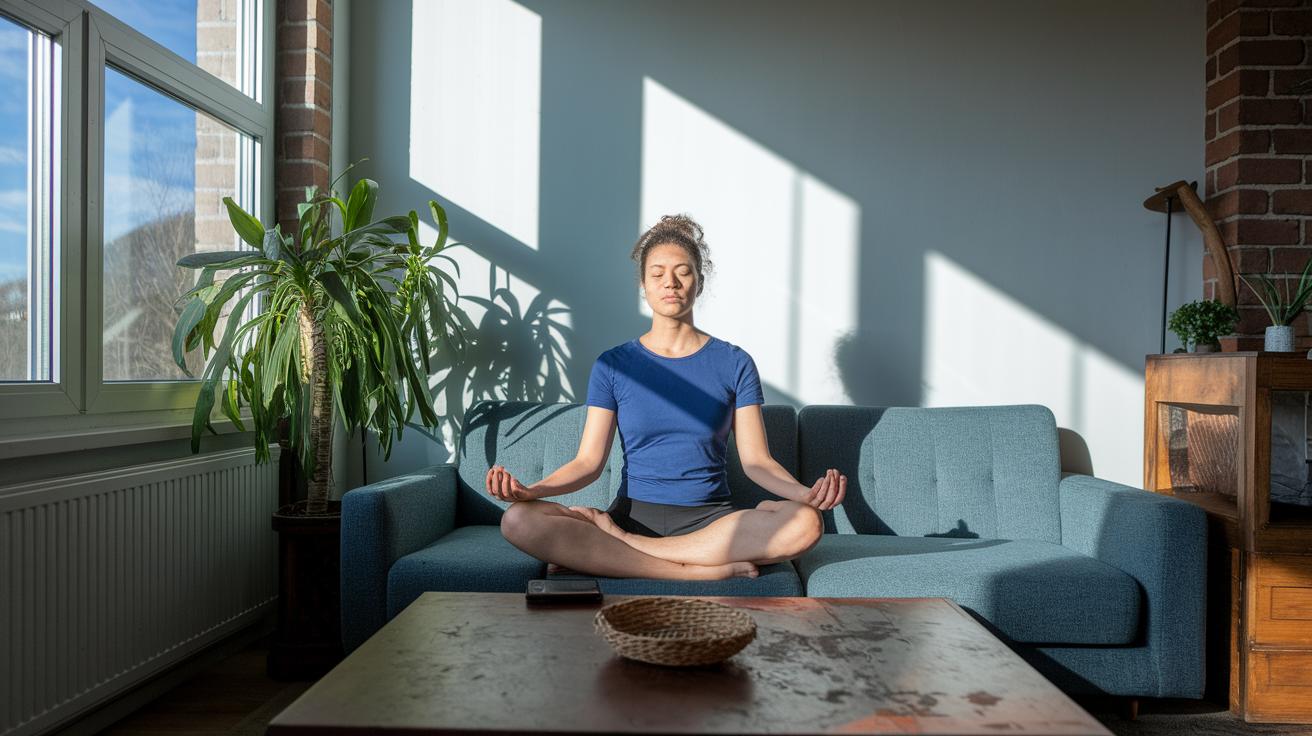
Having a regular daily routine can really help ease the stress we all feel. When you mix in little moments for self-care and relaxation, your body and mind start to expect a break. It’s like setting a gentle reminder for yourself that rest is part of your day. This simple habit not only helps you sleep better but also builds up positive routines that slowly lower your overall stress. Think about taking short breaks from screens or setting aside time just to breathe, it all makes each day feel a bit more balanced.
| Activity | Recommended Frequency |
|---|---|
| Self-care | Daily |
| Digital detox | Once a day |
| Journaling | Daily |
| Short walks | Daily |
| Micro-breaks | Every few hours |
| Bedtime wind-down | Nightly |
Taking a little time each day to write down your thoughts can really help too. Journaling lets you process what’s on your mind and see your feelings more clearly. By writing about your day, you can figure out what calms you and what might need a little tweak. It’s a simple way to keep track of your emotions and make small adjustments as you go.
And remember, sticking to a routine is a great way to keep calm in the long run. Checking in with yourself helps you fine-tune your habits so you can stay in tune with your feelings and enjoy lower stress levels over time. So, take it one step at a time and give yourself the kindness you deserve.
Workplace Stress Management Strategies for Sustained Calm at the Office
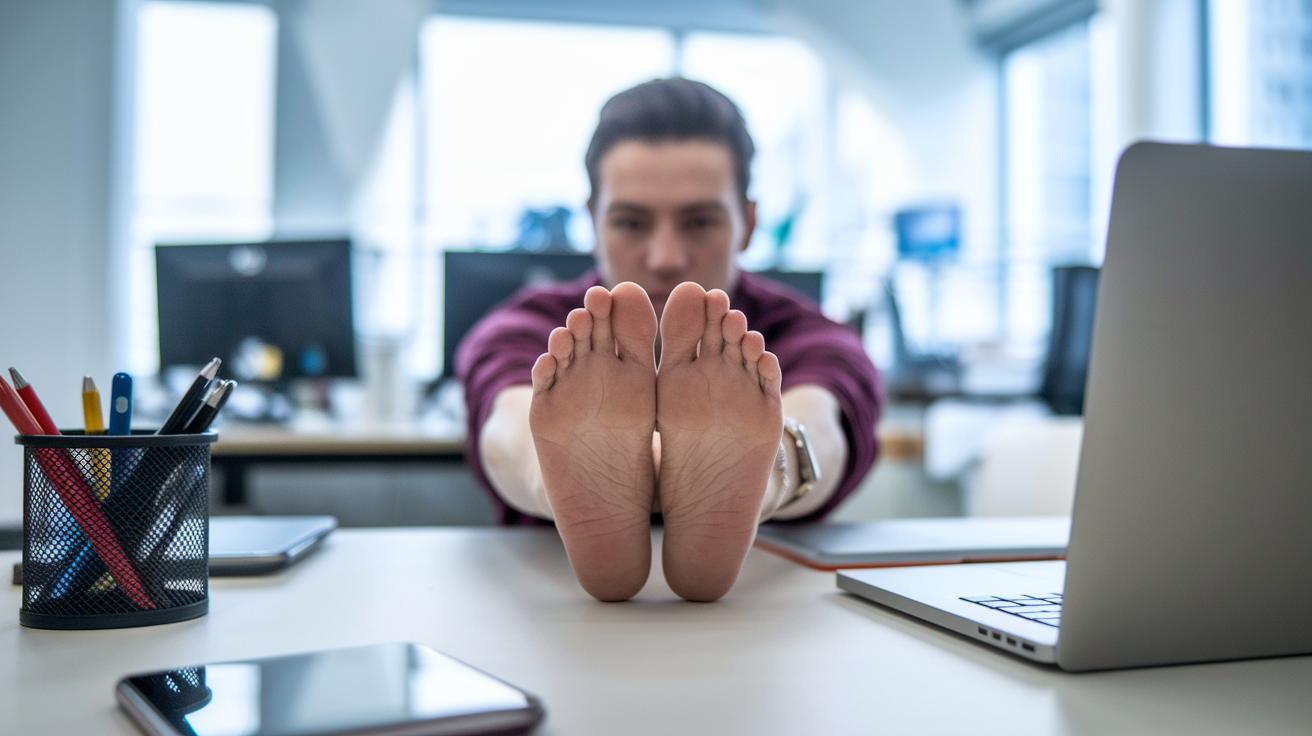
When work feels overwhelming, it can really take a toll on how you feel and even lower your energy at work. Unchecked stress makes your body feel tense and your mind tired, which can make it hard to stay focused and do your best.
Here are some simple ideas you can try right at your desk:
- Desk stretches: Stand up and gently loosen those tight muscles.
- Micro-break breathing: Pause for a few seconds to take a slow, deep breath and hit the reset button.
- Walking meetings: Mix a little movement with your chatting to boost your circulation.
- Posture checks: Remind yourself to sit up straight and let your shoulders relax.
- Digital breaks: Step away from your screen for a short while to clear your head.
- Peer check-ins: Have a quick chat with a work buddy to share a moment of support.
Many workplaces now offer wellness programs that can really change the feel of an office. Companies are adding little yoga sessions, meditation breaks, or even mini relaxation exercises into the day. These activities help reduce that tired feeling and create a more positive vibe where everyone feels cared for. Check out resources like Mental Wellness in the Workplace for more ideas on how to build a caring and supportive work space.
It can also help to set aside just five minutes here and there to practice mindfulness. Maybe try a few minutes of guided imagery or slow breathing right at your desk. These short breaks can give you a gentle reset between tasks and help keep the day running smoothly.
Remember, a little moment of calm can make a big difference in how you feel at work.
Physical and Nutritional Stress Management Strategies for Body-Mind Balance
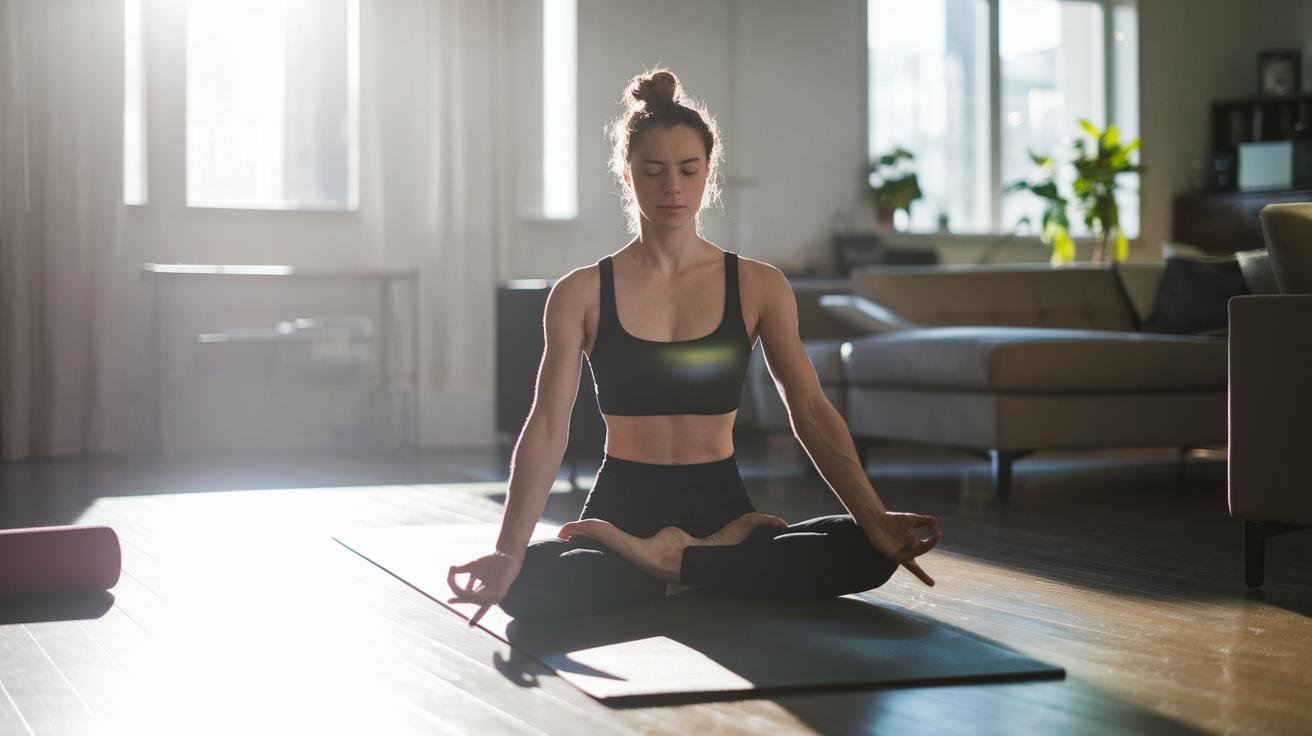
Having a regular routine of exercise, good sleep, and balanced meals is like giving your body a gentle hug. These habits work together to help calm your stress. When you make time to move, rest well, and eat nourishing foods, you can feel more relaxed and energized throughout your day.
Yoga and Stretching Routines
Have you ever noticed how a few simple stretches can make you feel so much lighter? Try some gentle yoga poses like child's pose, cat-cow, or a soft forward fold. Hold each one for about 30 to 60 seconds and repeat the series a couple of times each week. It’s a great way to ease tension and invite a bit of peace into your day.
Cardiovascular and Strength Workouts
Getting your heart rate up with a brisk walk, a bike ride, or even some light weight training can really boost your mood. These activities release happy chemicals that help you better handle the little pressures of everyday life. Aim for about 30 minutes most days if you can, it’s amazing what a little movement can do for your spirit!
- Oily fish for omega-3 benefits
- Fresh berries to support a brighter mood
- A handful of nuts for healthy fats
- A consistent bedtime for good sleep
- Dimming screens about an hour before bed
Mixing regular movement with good sleep habits and balanced meals builds a strong shield against stress. When you let your body move freely, rest deeply, and fuel it with wholesome foods, you'll likely notice a steadier mood and a fresh burst of resilience for the days ahead.
Advanced Resilience-Building Stress Management Strategies
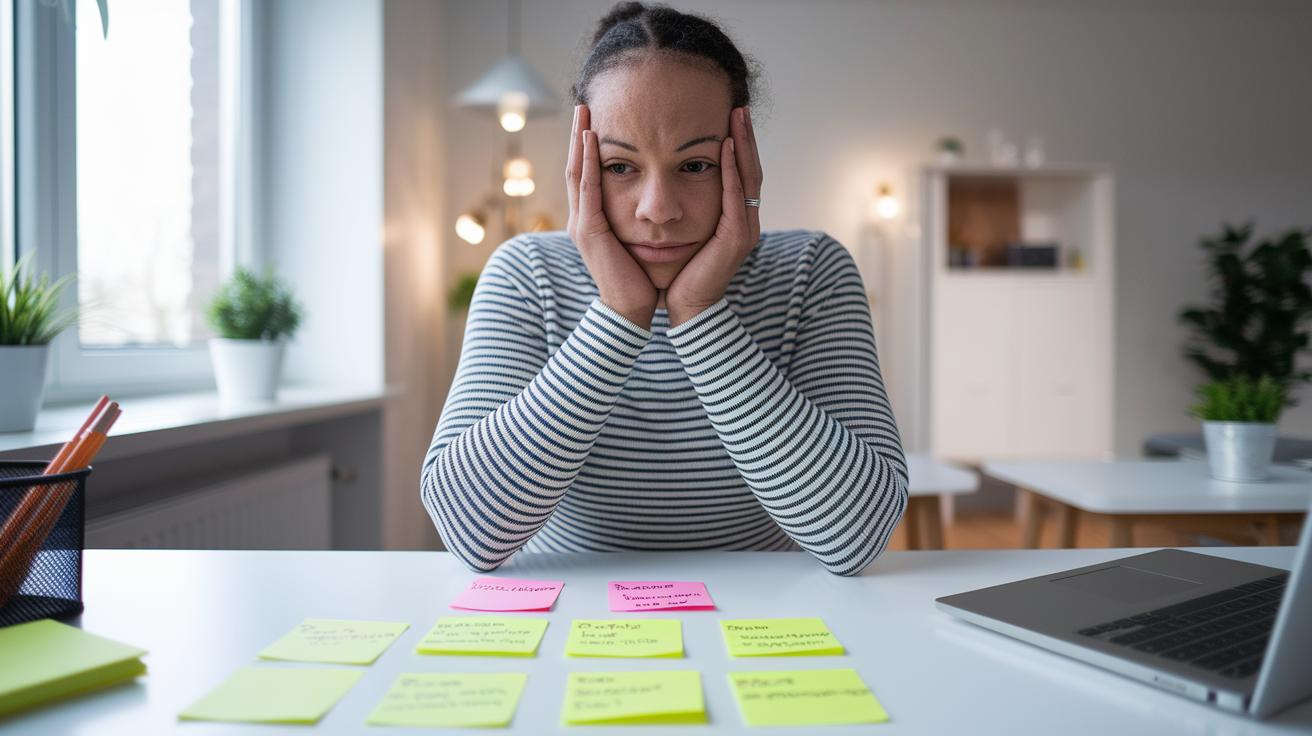
Building resilience means using simple habits to help you handle stress when life gets tough. With a bit of practice, you can learn to respond to challenges with a clear and calm mind every day.
- Try looking at negative thoughts in a new, kinder way.
- Keep an eye on your feelings as they come up.
- Make a simple plan for those unexpected stressful times.
- Listen to your body by noticing its signals and adjusting when needed.
- Change little aspects of your daily routine to help manage stress better.
Mix these ideas into your day-to-day life and see what works best for you. Over time, even the bumps along the way can become opportunities to practice staying calm. Every little change builds up your inner strength. So, take it one step at a time, enjoy the process, and celebrate every small victory on your path to a balanced, peaceful life.
Final Words
In the action, we've covered ways to ease stress instantly with techniques like deep breathing exercises and guided imagery. We've also looked at building a calm foundation through daily routines, mindful practices, and even office-based tips.
Remember that stress management strategies work best when you mix immediate relief with long-term practices. Small changes add up, helping you feel steadier and more hopeful each day. Keep trying new methods and celebrate every step toward a calmer life.
FAQ
What are five stress management techniques and strategies?
The five stress management techniques include diaphragmatic breathing, progressive muscle squeeze, grounding exercises, box breathing, and guided imagery. They provide quick relief and build a foundation for long-term stress control.
What are some coping strategies and tools for stress management?
Coping strategies for stress combine immediate tactics—like deep breathing and grounding—with structured plans. PDF guides and online resources offer clear steps to manage stress in daily life.
What does stress management therapy involve?
Stress management therapy involves combining quick relief methods with longer-term techniques to reduce stress. It helps lower stress hormone levels and supports a calm, balanced state of mind.
What are the 5 C’s of stress management?
The 5 C’s of stress management refer to calm, clarity, connection, coping, and commitment. This simple framework guides practical, mindful responses to everyday stress.
What are the 10 stress management techniques?
The 10 stress management techniques mix immediate tactics like deep breathing, guided imagery, and progressive muscle relaxation with daily habits that support ongoing mental wellness.