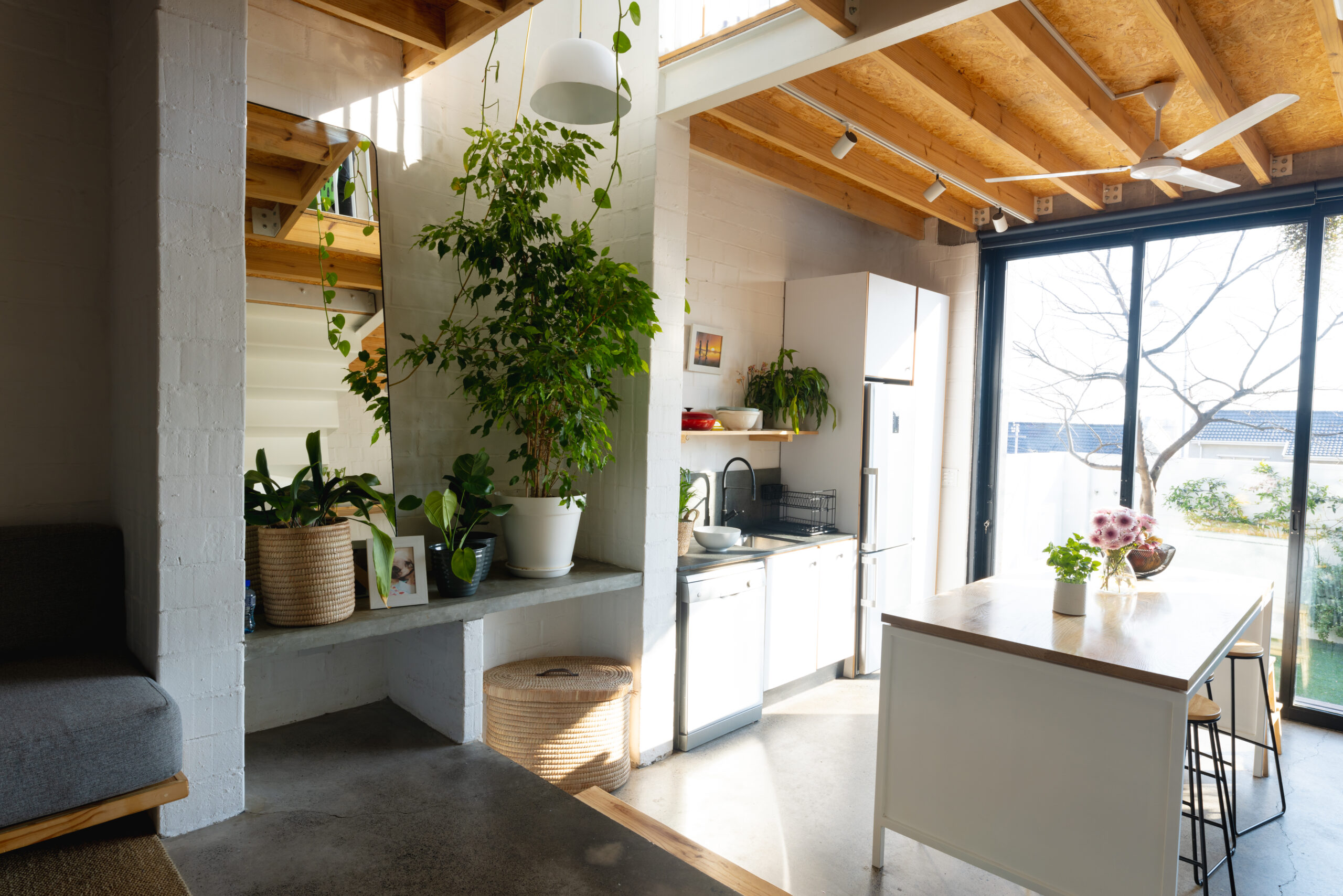
The tug of war between urban development and the natural world often feels like a losing battle for the environment. But what if our cities could work with nature instead of against it? Biophilic design—a concept that integrates natural elements into built environments—has emerged as a powerful trend, offering a blend of sustainability, improved well-being, and style.
If you’re looking to reimagine urban spaces with a focus on green living and aesthetic appeal, here’s a curated list of biophilic design trends that are transforming cities, offices, and homes.
1. Vertical Gardens That Revive Concrete Jungles
Concrete high-rises have dominated cityscapes for decades, but vertical gardens are giving these spaces a lush new look. These plant-covered walls not only beautify buildings but also improve air quality, provide natural insulation, and reduce noise pollution.
Examples like Singapore’s Parkroyal Collection Pickering Hotel—featuring cascading greenery—demonstrate how vertical gardens can marry utility with striking aesthetics. Homeowners and office spaces can replicate this trend using DIY indoor green walls made from creepers or potted ferns.
Tip: Choose low-maintenance plants such as pothos or ivy if you’re new to greenery.
2. Natural Light Optimization
Bright, naturally-lit spaces aren’t just trendy—they’re scientifically proven to boost productivity and mood. Architects are increasingly focusing on maximizing daylight with open layouts, skylights, and larger windows.
For urban apartments, innovations like light-reflecting blinds or strategically placed mirrors can draw natural sunlight deeper into the space. Buildings such as The Edge in Amsterdam—a sustainability landmark—exemplify the use of light to reduce dependency on artificial energy.
Tip: Paint walls in lighter hues to enhance the distribution of natural light in smaller spaces.
3. Rooftop Gardens for Urban Serenity
Rooftops once reserved for mechanical equipment are being transformed into green sanctuaries. Whether it’s a community garden or a private retreat, rooftop greenery is the perfect solution for maximizing space in crowded urban areas.
Aside from their tranquil appeal, these gardens combat the urban heat island effect, manage stormwater runoff, and provide habitats for pollinators. Cities like Chicago are leading the way, with over 500 green rooftops spanning the city.
Tip: Add seating areas to create a rooftop oasis perfect for unwinding or entertaining.
4. Indoor Trees for a Larger-Than-Life Statement
Why stop at potted plants when you could feature indoor trees? From fiddle-leaf figs to olive trees, these towering additions are making a grand statement in biophilic interiors. They create an immediate connection to nature while purifying the air and reducing stress.
Apple Stores worldwide are known for incorporating live trees into their retail spaces, creating a harmonious blend of technology and nature. For homeowners, a strategically placed tree can act as both a design focal point and a natural air filter.
Tip: Consider the tree’s sunlight requirements before positioning it indoors.
5. Natural Material Accents
Wood, stone, bamboo, and cork are natural materials making their way into furniture, flooring, and decorative accents in urban spaces. Unlike synthetic alternatives, these materials are renewable, biodegradable, and radiate a sense of warmth and authenticity.
Cork walls add texture and insulation, reclaimed wood tables breathe character into any room, and stone floors introduce durability with minimal environmental impact. Designers and homeowners alike are turning to these elements for their eco-friendliness and timeless charm.
Tip: Mix and match textures—think stone countertops paired with wooden cabinetry—for a multi-dimensional look.
6. Biophilic Workspaces That Reimagine Productivity
With remote and hybrid work gaining traction, biophilic offices are becoming a top priority. Features like indoor plants, water elements, and natural design aesthetics can significantly improve employee well-being and creativity.
Global corporations like Microsoft and Google have adopted biophilic workspaces with indoor gardens, natural furniture, and soft lighting to support happier, healthier, and more productive teams. Even small startups can integrate this trend with simple touches like desktop plants or outdoor collaboration spaces.
Tip: Start with a mix of hanging plants or terrariums to ease into incorporating biophilic elements in office setups.
Build Your Sustainable Urban Oasis
Biophilic design brings sustainability to the forefront without compromising on style or luxury. From rooftop gardens to natural light solutions, it offers practical and aesthetically pleasing ways to reconnect with nature in a rapidly urbanizing world.
Now’s the time to reimagine your surroundings with powerful innovations that support both the planet and your well-being. Begin your biophilic transformation today and create an urban space that truly thrives!