Nutrition is an important consideration for any living, breathing human. There are macronutrients which have to be managed. Trying to balance the right amount of protein, and carbs, for instance. However there are also micronutrients, nutrients which also have to be managed, but which there are many more of.
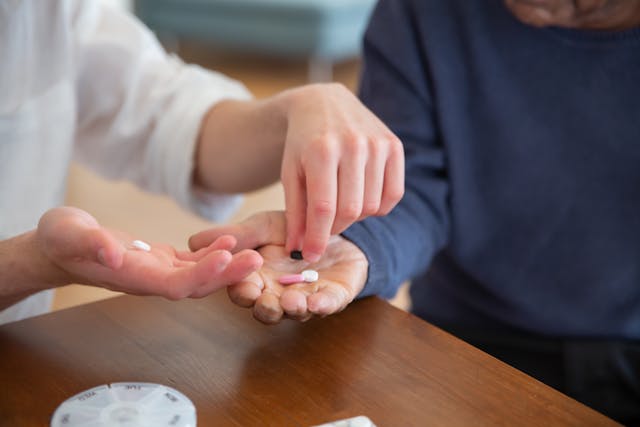
Balancing micronutrients is hard enough for the average person, but it’s especially hard for elderly populations. This is because many older individuals have medications or illnesses which inhibit their ability to take in micronutrients. In many cases, the residents of nursing homes don’t even have enough electrolytes to be properly hydrated. What this results in is an average of 51% of nursing home residents being dehydrated.
Numbers like these are pretty staggering, but when broken down they make sense. Medications like antidiabetics and anticonvulsants take away fluids very effectively. If this leads to dehydration this can mean a higher risk of falling, cognitive decline, and longer recoveries. There are solutions to this, such as direct micro-nutritional infusions, but these can be expensive over time.
And that’s just dehydration itself. Infection rates, cognition, chronic illnesses, and countless other conditions are all affected by micronutritions. Nursing homes are full of residents who are taking medications and have weaker bodies. Of course it is challenging for them to get the proper amount of micro or even macronutrients. Infusions are, again, one solution, but the issue is systemic at its core. Older populations need to more sustainably take in nutrients, the question now is, how? Learn more about hydration in nursing homes below:

Source: DriptIV.com