Have you ever noticed how a tiny thing like vitamin B9 can brighten your day? Some folks might not realize that it comes in two forms, one naturally found in leafy greens and another in supplements (we call this folic acid). Both of these help your cells grow, give you energy, and keep your body running smoothly.
Let's take a closer look at how these forms differ and how each one helps you feel healthy and active. Sometimes, the little choices make a big difference in our daily well-being.
Types of Folic Acid Boost Health and Vitality

Vitamin B9 is a little helper that keeps our bodies working well every day. It supports new cell growth, helps make red blood cells, and gives our immune system a boost. When you get enough vitamin B9, it lays the foundation for feeling good and staying active, even a small amount can quietly support your daily well-being.
Vitamin B9 is especially important if you’re planning for a baby or are already expecting. Having enough of this vitamin can help your baby grow healthily and may lower the risk of some birth challenges (like neural tube problems). That’s why many families combine natural foods with supplements. For example, many choose prenatal care vitamins so they can feel sure they’re doing all they can for a healthy start.
- Natural food folates: Found in foods like a cup of cooked spinach (about 160 mcg), legumes, and fortified grains. These are the forms your body loves to use straight from nature.
- Synthetic folic acid: Often seen in supplements and fortified products. This type is added to foods to help you meet your daily vitamin B9 goal.
- Methylated folate variants: These are bioactive forms that skip the body’s extra conversion step, making them ready to use, which is really useful if your body has a tougher time processing vitamin B9.
Knowing the differences between these types is key for everyday health and especially during pregnancy. Adults are generally recommended to have about 400 mcg DFE of vitamin B9 each day, and this goes up to about 600 mcg DFE when expecting. Remember, natural food folates might only offer about half the benefit, while synthetic and methylated options work a bit differently in your body.
Synthetic Folic Acid Variations and Bioavailability

Traditional synthetic folic acid is a form of vitamin B9 that you usually find in supplements and fortified foods. Your body needs a special enzyme called MTHFR to change it into a form you can use, kind of like having a locked toolbox that needs the right key. If your MTHFR activity is low, that key might be hard to find, and some folic acid might not work as it should.
MTHFR helps switch folic acid into a bioactive form that supports red blood cell creation and even DNA building. When this enzyme is less active because of common genetic variations, the process can slow down a bit. I’ve heard that a lot of people feel more energetic when they switch to a methylated version that’s already active, it's like getting a head start from the moment you take it!
Methylated folate forms, like L-methylfolate (L-5-MTHF), skip that waiting game by not needing the enzyme conversion. Some products, such as Quatrefolic®, add a glucosamine salt to help your body absorb the vitamin better. This way, you get the active form of vitamin B9 right away, offering immediate support for your cells and overall health. For anyone with lower MTHFR function, this reliable absorption can make a big difference.
Dietary Sources of Natural Folate: Food Folate Profiles
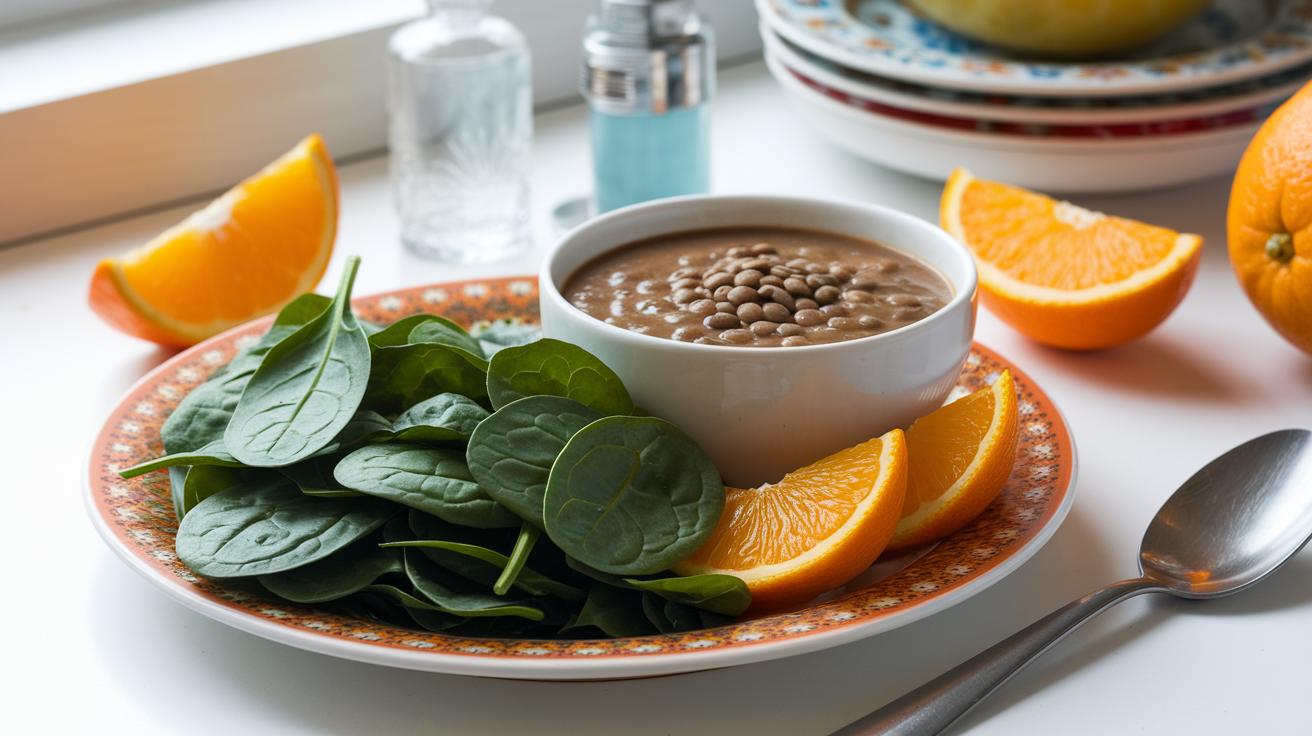
Dark leafy greens, legumes, and citrus fruits are some of the best natural sources of vitamin B9 (folate). For instance, a cooked cup of spinach has about 160 mcg of folate, and beans along with fresh oranges pack a nice nutritional punch too. Picture enjoying a meal with a crisp spinach salad, a warm bowl of lentil soup, and sweet, juicy orange slices – every bite not only tastes good but also adds a boost of this essential nutrient.
Just keep in mind that our bodies only absorb about half of the folate we eat. And when you cook your veggies, especially by boiling spinach, you could lose anywhere from 50% to 90% of its folate. So, even if you’re serving up a wholesome plate, the actual nutrient punch might be a bit lower than you expect.
Many daily diets, especially those without fortified foods, might not hit the recommended 400 mcg DFE mark. This means relying only on natural food sources might not supply all the vitamin B9 you need. For more details on planning a nutrient-rich diet, check out the maternal diet and wellness guidelines available on our website.
Dosage and Safety Guidelines for Folic Acid Intake

Folate is really important for growing new cells and making red blood cells. Adults need about 400 mcg DFE each day, and if you’re expecting, you’ll want around 600 mcg DFE daily. It’s best to keep synthetic folic acid below 1,000 mcg each day so it doesn’t mess with your vitamin B12 balance.
Many folate supplements come in doses from 800 to 1,200 mcg per serving. And when you add fortified foods into the mix, it’s easy to get close to or even pass this limit. Too much synthetic folic acid might stick around in your blood without being used properly. This extra folic acid could hide a lack of vitamin B12, which isn’t something you’d want.
It’s a smart idea to keep track of how much folate you get from both your food and any supplements. Check your labels and consider chatting with your healthcare provider if you’re unsure about the right amount for you. Staying on top of this can help you keep a good balance and feel your best.
Prenatal and Special Population Folic Acid Recommendations

If you’re planning a little one or already expecting, taking care of your folic acid needs can be a gentle yet powerful boost for both you and your baby. Research shows that taking about 400 mcg of folic acid every day around the time you plan to conceive can help lower the risk of conditions like spina bifida and anencephaly. It’s best to start at least a month before trying and continue through the first trimester to give your baby a strong start.
Sometimes, if you or your family have a history of neural tube issues or other risk factors, a higher dose, up to 4,000 mcg daily, might be needed. Always chat with your healthcare provider before making any changes so they can tailor advice to your unique situation. It really helps to discuss these details at your first prenatal visit.
Some moms also find that methylated folate, often called L-methylfolate, works best for them, especially if you have a variation in the MTHFR gene. This form skips a conversion step that some bodies struggle with, making it available right away. Many moms say switching to a methylated version feels like giving their bodies an extra boost to support both their health and their growing baby.
Ultimately, the right folic acid supplement for you depends on your health history, what you eat, and even your genes. A quick conversation with a trusted healthcare provider can help you decide whether a traditional supplement or a methylated option is best for you, ensuring a smooth and healthy start for both you and your little one.
Selecting the Right Folic Acid Supplement
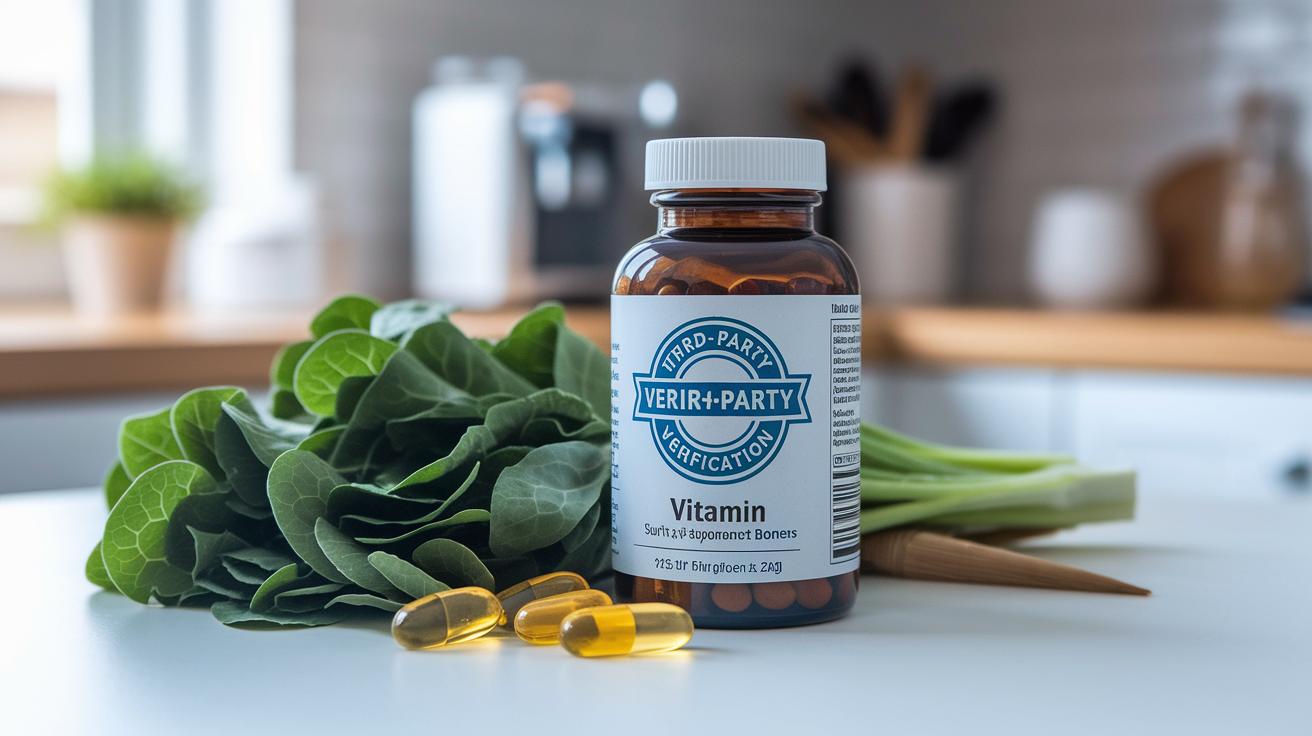
When you’re on the hunt for a folic acid supplement, start by checking for third-party verification seals. These marks show that the product has been tested for quality and purity, giving you that extra bit of reassurance.
Next, take a close look at how the active folate form is labeled on the package. You might notice names like L-5-MTHF or simply folic acid. This helps you decide if the supplement is ready for your body or if it needs extra work to convert. A good choice often includes helpful nutrients like vitamin B12 and B6, which work with vitamin B9 to support your overall cell health.
There are plenty of options available. You can choose from basic folic acid tablets to more advanced types like liposomal, peptide-complex, or time-release formulas. For example, a time-release supplement steadily delivers vitamin B9 throughout the day, offering you consistent support.
It also helps to read product reviews and compare prices. Hearing from other moms can guide you in your decision. Some products, such as Quatrefolic®, are well-known for improved absorption thanks to innovative glucosamine salt technology. Ultimately, the best choice comes down to what fits your needs and budget.
- Look for third-party seals
- Check for clear active form labels
- Consider helpful cofactors like vitamin B12 and B6
- Evaluate advanced delivery options like liposomal or time-release formulas
Keeping these points in mind can help you feel confident about choosing the right folic acid supplement for you.
Vitamin B9 Absorption Highlights
Getting enough Vitamin B9 is really important for your family's health. Natural food folate is only absorbed about half the time, and cooking can cut its benefits by as much as 90%! That means you might not get as much from your meals as you think.
Synthetic folic acid, on the other hand, can be absorbed up to 85% when you take it on an empty stomach. So if you're supplementing, try to take it before eating. And then there's L-5-MTHF, which is nearly 100% bioavailable, giving you almost an instant boost of benefits.
For a quick look, check out the table below:
| Source Type | Approximate Bioavailability | Key Points |
|---|---|---|
| Natural Food Folate | ~50% | Cooking can cut folate levels by up to 90% |
| Synthetic Folic Acid | Up to 85% | Best taken on an empty stomach |
| L-Methylfolate (L-5-MTHF) | Near 100% | Almost immediate benefits |
| Time-Release Folic Acid | Varies | Sustained benefits over time |
Final Words
In the action, we reviewed the different types of folic acid, from natural folate found in foods to synthetic supplements, including methylated variations that bypass the usual activation steps. We touched on why these distinctions matter for overall and prenatal health and shared guidance on proper dosage and supplement selection.
We hope this clear recap helps you confidently prioritize maternal wellness while enjoying the supportive care community you deserve. Stay positive and keep embracing the small steps toward better health with folic acid as part of your balanced care.
FAQ
Q: Folate vs folic acid
A: The difference between folate and folic acid is that folate is the naturally occurring form of vitamin B9 found in foods, while folic acid is a synthetic form used in supplements and fortified products, both aiding body functions.
Q: Is folate or folic acid better for pregnancy?
A: While both forms support healthy development, folic acid supplements are often recommended during pregnancy to reduce the risk of neural tube defects.
Q: What types of folic acid are used during pregnancy?
A: The types include synthetic folic acid found in supplements, L-methylfolate (a bioactive form), and natural food folates, each playing a role in maternal and fetal health.
Q: Is folic acid bad for you?
A: Folic acid is safe when taken at recommended doses; however, excessive intake may mask a vitamin B12 deficiency, so moderation is key.
Q: Are there foods to avoid when taking folic acid?
A: There are no specific foods known to conflict with folic acid, but maintaining a balanced diet is important for proper nutrient absorption.
Q: Can I take folate and folic acid together?
A: It is generally safe to take both together, but you should follow the advice of your healthcare provider regarding supplementation.
Q: How do folate and folic acid compare for anemia?
A: Both assist in red blood cell formation; however, a healthcare provider can best determine which option is most suitable for your specific health needs.
Q: What are the benefits of folic acid for women?
A: Folic acid supports DNA synthesis, aids red blood cell formation, and lowers the risk of neural tube defects during pregnancy, all of which are vital for overall health.
Q: What is the best form of folic acid?
A: While standard folic acid works well for most people, L-methylfolate may be preferable for individuals with certain genetic variations that affect folate metabolism.
Q: What are the different kinds of folic acid?
A: The different types include synthetic folic acid, bioactive L-methylfolate, and natural food folates, with each offering distinct benefits in absorption and bodily support.
Q: Who should not take vitamin B9?
A: Individuals with specific conditions, such as an untreated vitamin B12 deficiency or certain allergies, should consult a healthcare provider before taking vitamin B9 supplements.