
Parenting advice isn't always gentle. Here are 17 hard truths: spanking doesn't fix kids; unresolved parental trauma keeps abuse cycles alive; don't dismiss children's reports of inappropriate touching; absent fathers often get undeserved grace while custodial parents are blamed; child support can't replace a parent's presence; grandparents' roles have changed; kids mirror adult behavior; yelling in the morning wrecks the day; 'eat everything' rules can cause lifelong issues; your child doesn't have to meet every date and is not responsible for your emotions; telling boys not to cry harms them; expecting kids to self-regulate amid parental volatility is unfair; emotional incest and adult sexualization of children are rising. Read on for context and practical next steps.
17 Hard Truths Parents Need to Hear
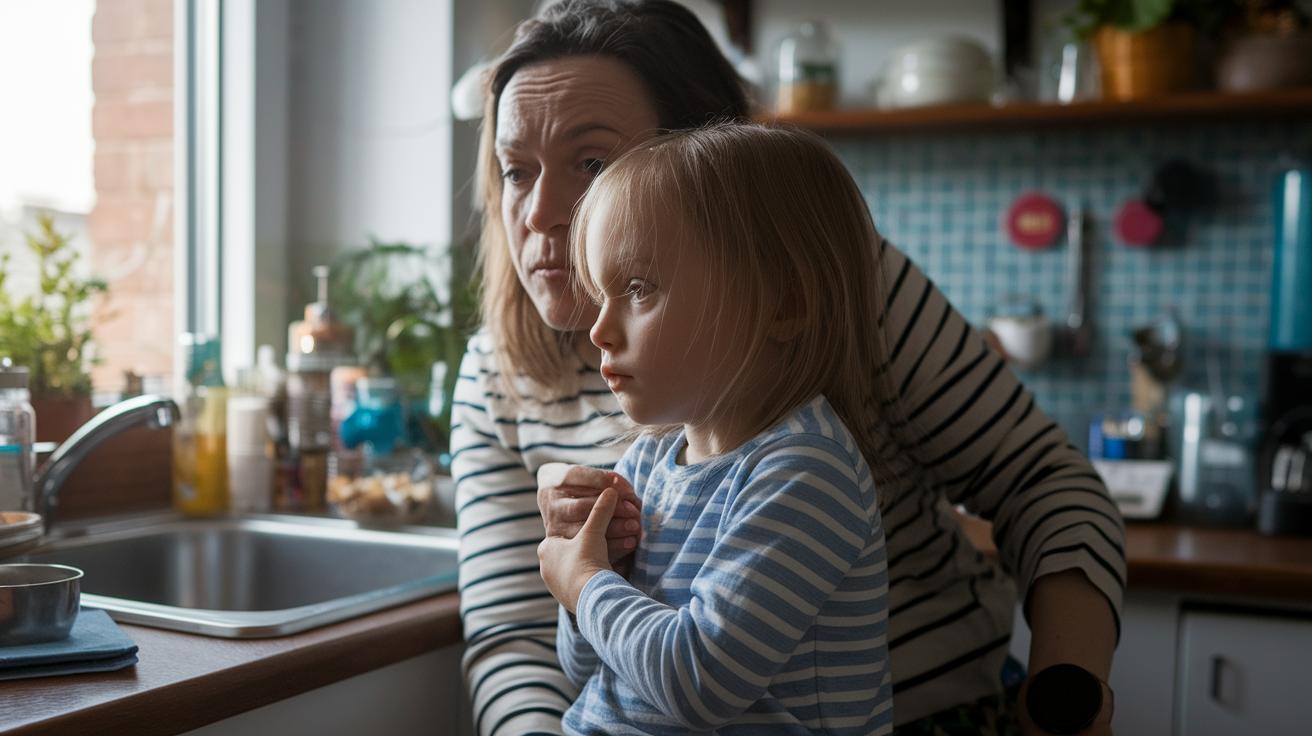
Parenting advice isn't always gentle. Here are 17 hard truths: spanking doesn't fix kids; unresolved parental trauma keeps abuse cycles alive; don't dismiss children's reports of inappropriate touching; absent fathers often get undeserved grace while custodial parents are blamed; child support can't replace a parent's presence; grandparents' roles have changed; kids mirror adult behavior; yelling in the morning wrecks the day; 'eat everything' rules can cause lifelong issues; your child doesn't have to meet every date and is not responsible for your emotions; telling boys not to cry harms them; expecting kids to self-regulate amid parental volatility is unfair; emotional incest and adult sexualization of children are rising. Read on for context and practical next steps.
The Damage of Physical Discipline and Forced Eating

Spanking and coercive feeding are framed as 'lessons' but research shows physical punishment increases aggression, anxiety, and weakens attachment. Parents who equate obedience with discipline may get short-term compliance but pay long-term emotional costs: mistrust, shame, and disordered eating. Forcing a child to clear their plate teaches food as a battleground, not nourishment, fueling power struggles and potential eating disorders. Instead of hits or threats, use calm limits, explanations, and natural consequences. Model problem-solving, give limited choices, and separate hunger cues from moral lessons. Kids need safety and structure, not bodily control masquerading as discipline.
Start the Day Right: Why Morning Calm Matters

How you start the day frames children's biology and behavior. Yelling at kids first thing creates stress chemistry – cortisol spikes that make concentration, regulation, and learning harder all day. Morning chaos also normalizes agitation: if the day begins with shouts, children learn that turbulence wins. Replace early shouting with routines, micro-choices, and predictable time cues. Set alarms early, prep clothes and lunches the night before, and practice one calm signal instead of raising your voice. Small logistical fixes plus consistent calm give kids emotional bandwidth to handle school, social situations, and new challenges.
Modeling Behavior: You Are the Mirror

Kids are social mirrors – they copy tone, conflict styles, and emotional regulation. When parents flip from 0-100, children internalize that emotional volatility is normal. Blaming kids for behaviors you modeled ignores your influence and misses opportunities for repair. Show how to apologize, name feelings, and self-soothe: 'I'm frustrated. I'm going to take three deep breaths.' That teaches accountability and regulation. Modeling calm under pressure, problem-solving instead of blame, and offering repair after mistakes reduces acting-out and builds empathy. Parenting is less about being perfect and more about being predictable, responsive, and willing to change.
Respect, Curiosity, and Emotional Boundaries

Curiosity is how children learn; 'why?' is inquiry, not insolence. Answer patiently; teach limits without shaming questions. Also set healthy boundaries: your child doesn't have to meet every romantic partner – prioritize their safety and comfort. Emotionally, kids are not repair tools; expecting them to calm your mood is unfair and burdensome. Messaging boys that crying is weak teaches emotional avoidance and future relationship harm. Normalize feelings for all children: validate, name emotions, and coach coping. Say, 'I see you're upset – let's figure this out together.' That builds resilience and emotional literacy rather than shame.
Absent Fathers, Custodial Blame, and the Role of Presence

Absent fathers often receive societal excuses while custodial parents shoulder disproportionate blame for outcomes. The truth: structural, emotional, and economic forces shape kids' lives – both parents matter. Financial child support helps, but presence, modeling, and consistent caregiving are irreplaceable. Criticism aimed only at custodial parents ignores the absent parent's role and the system that undervalues caregiving. Solutions look like shared responsibility where possible, trauma-informed parenting supports for single caregivers, and community resources that relieve the pressure on one adult. Reframing accountability away from blame to support improves outcomes for kids and families.
When Kids Say They've Been Touched: Believe Them

Dismissing a child's disclosure about inappropriate touching is one of the most damaging responses. Even when details are fuzzy, listen, believe, and act to protect. Adults frequently minimize or rationalize, which teaches victims they cannot trust their own voices. There's also an epidemic of sexualizing young girls – adults placing adult narratives on children. Emotional incest, where parents rely on children for adult needs, blurs boundaries and can be deeply harmful. Protecting kids means clear boundaries, age-appropriate privacy, and taking allegations seriously – then seeking proper investigation and professional support.
Grandparents, Family Shifts, and Support Networks

Grandparenting looks different than it used to. Longer work hours, geographic mobility, and changing family dynamics mean grandparents aren't always available or able to provide the kind of hands-on guidance previous generations did. That shift can be protective or painful, depending on relationships. For many, the absence of a grandparental safety net reveals the need for community-based support – after-school programs, trusted caregivers, and parenting groups. When grandparents are present, they can model consistency and family history; when absent, acknowledge the gap and intentionally create rituals and mentors that offer stability and intergenerational wisdom.
Processing Trauma: How and When to Seek Help

If you're recognizing these patterns – trauma, emotional incest, or cycles of punishment – professional support can make the difference between repeating history and healing. Look for trauma-informed therapists, parenting coaches, and community groups that focus on attachment-based strategies. Practical first steps include: assess safety, set immediate boundaries, stabilize daily routines, find a therapist skilled in trauma or family therapy, and learn emotion coaching techniques. Healing isn't instant but intentional: consistent presence, repair after ruptures, and modeling vulnerability shift family legacies. If you're overwhelmed, seek help – therapy, support groups, and close friends reduce isolation and accelerate change.