Have you ever noticed how a small change in play can help children make friends that last? Creating a warm, inviting space helps kids feel safe as they explore new ways to connect. When caring adults offer gentle guidance along with fun activities, every little interaction can lead to stronger bonds.
It’s really amazing how simple practices like asking open-ended questions or even role-playing can boost a child’s social skills. In this post, we’re sharing some easy tips to help children grow their social confidence and enjoy more happy moments with friends.
Core Strategies for Enhancing Social Competence in Children
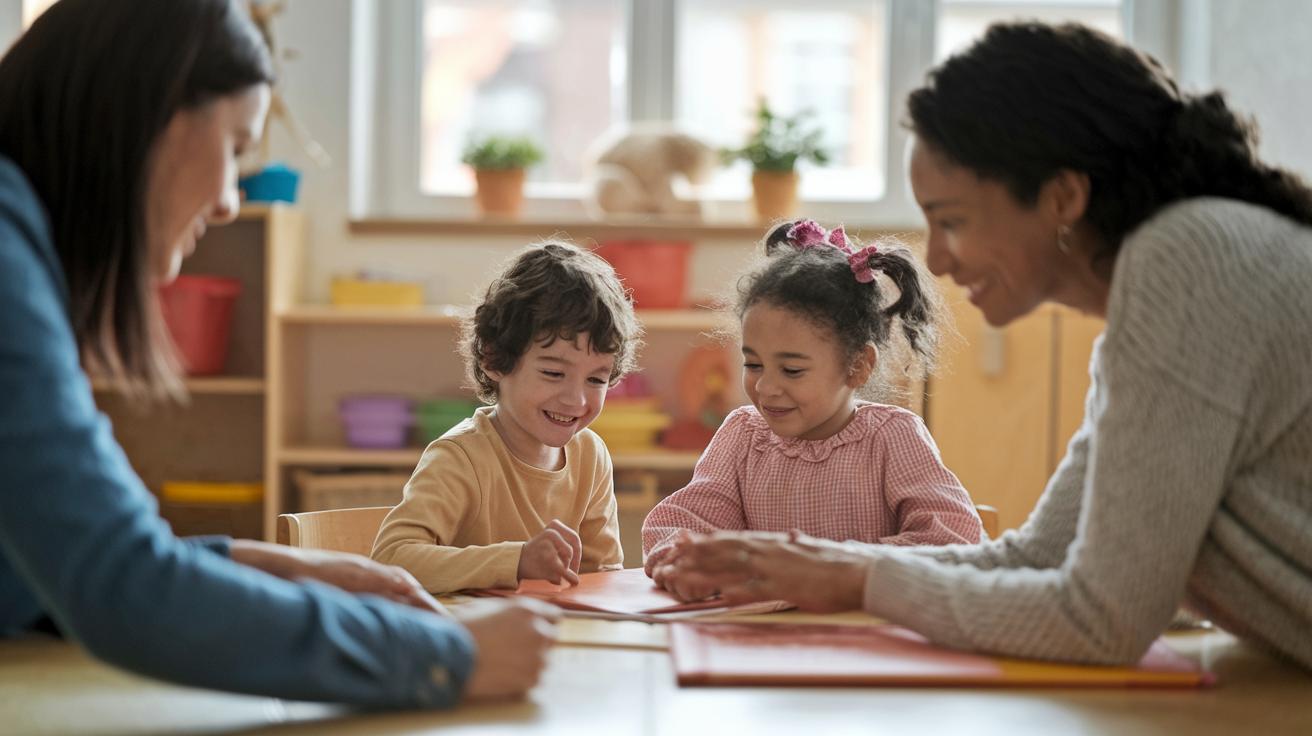
Parents and educators can help children build social skills by creating warm, friendly spaces where kids feel safe to be themselves. When children are in an environment that feels nurturing, they naturally explore their own interests and learn to connect with others. Research shows that combining gentle adult guidance with fun, structured activities helps kids learn more about themselves and improve their interactions.
Everyday little practices can lead to big changes in how children relate to their peers. Using proven, simple strategies makes it easier to tailor fun activities to a child’s personality, no matter where they are in their growth.
Here are some friendly tips:
- Follow the child's interests: Offer activities that match what a child loves, like joining music lessons or trying out sports, to help them make friends naturally.
- Ask open-ended questions: Invite answers that go beyond just yes or no, sparking real conversation.
- Try role playing: Set up fun scenarios where kids can practice everyday interactions, like sharing tasks or saying hello to a friend.
- Teach empathy: Use daily moments to talk about feelings, letting children learn how to care for others.
- Respect each child’s pace: Understand that some kids enjoy short conversations while others might want longer play sessions.
- Model positive behavior: Show by example how to listen well, make friendly eye contact, and offer kind greetings.
Studies in child development back these ideas. When caring adults mix fun help with clear guidance and gentle feedback, it builds a strong base for kids’ social growth. Every little interaction becomes a step toward lasting friendships and strong social skills.
Play-Based Learning Strategies to Build Social Skills

When kids play, they step into a fun mix of learning and laughter. Setting up interactive activities helps little ones learn to share, take turns, and express themselves in creative ways. It's amazing how these playful moments build social skills and create warm, joyful bonds every day.
- Staring Game: A quick challenge that invites kids to lock eyes and share a fun moment together.
- Roll the Ball: In this simple game, children take turns passing a ball, which shows them that working together and speaking clearly is a joy.
- Emotion Charades: A lively game where kids mimic different feelings, helping them label and understand each emotion.
- Topic Game: An activity where kids talk about items in a chosen group by moving through the alphabet, sparking creative and friendly conversation.
- Community Gardening: A hands-on project that brings children together in a garden, teaching them the value of teamwork and sharing.
Play-based learning is all about being flexible and fun. For little ones, using easy instructions in small groups creates a warm space to practice social skills. With older kids or larger groups, you can add a bit more structure for a healthy challenge. And whether they’re playing face-to-face or connecting over video chats, these activities turn everyday moments into meaningful social growth.
Fostering Emotional Intelligence Through Empathy and Regulation
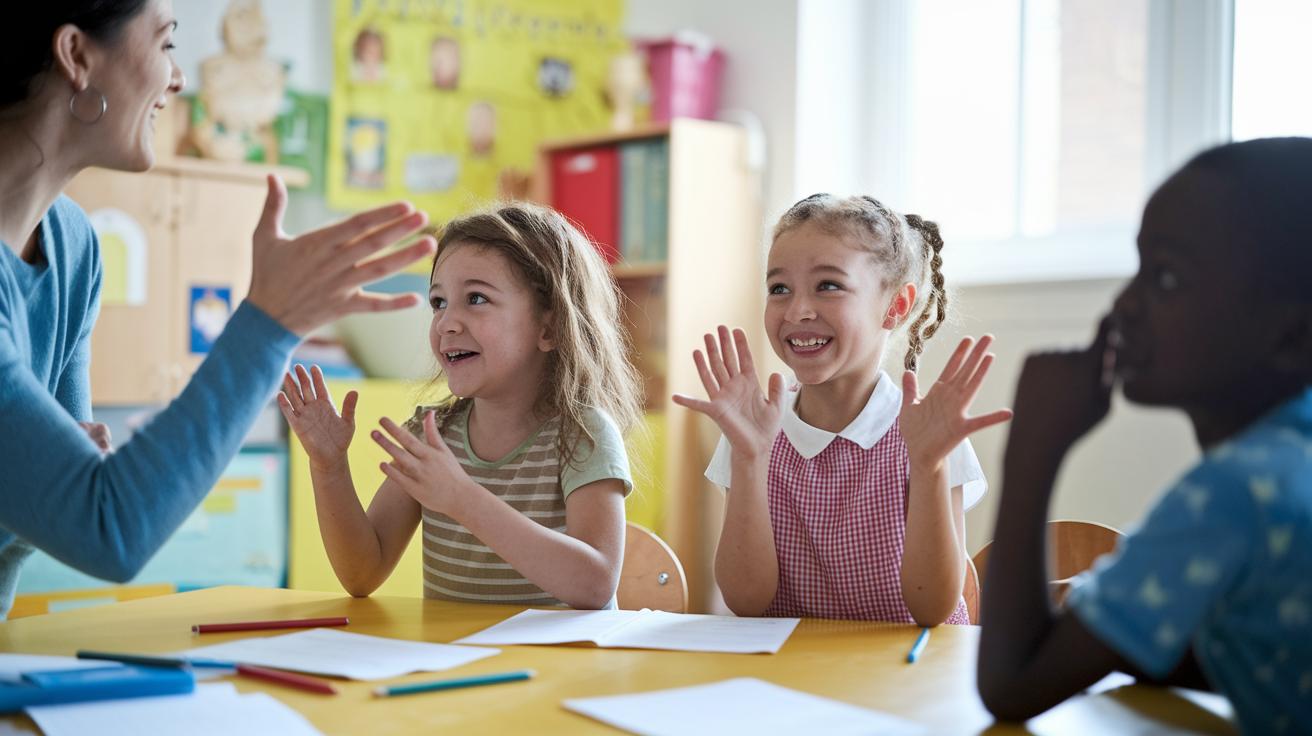
When kids play games like Emotion Charades or role play, they learn how to use their bodies, keep eye contact, and even try a friendly smile. These fun games let them act out different feelings so they can learn what emotions look like and even name them. Open-ended questions during these activities help encourage careful listening and personal reflection. For example, imagine a simple role play where one child pretends to share a toy and a friend responds kindly. It shows that understanding feelings often starts with just listening.
Talking about how we handle emotions is really helpful too. When grown-ups share little stories about how they calm down when upset or show calm through a gentle smile, kids pick up on these cues. Explaining what a relaxed posture or a warm smile means can guide them to recognize their own feelings. This caring support lets children grow more confident in managing emotions, one gentle step at a time.
Modeling and Reinforcement: The Role of Parents and Educators
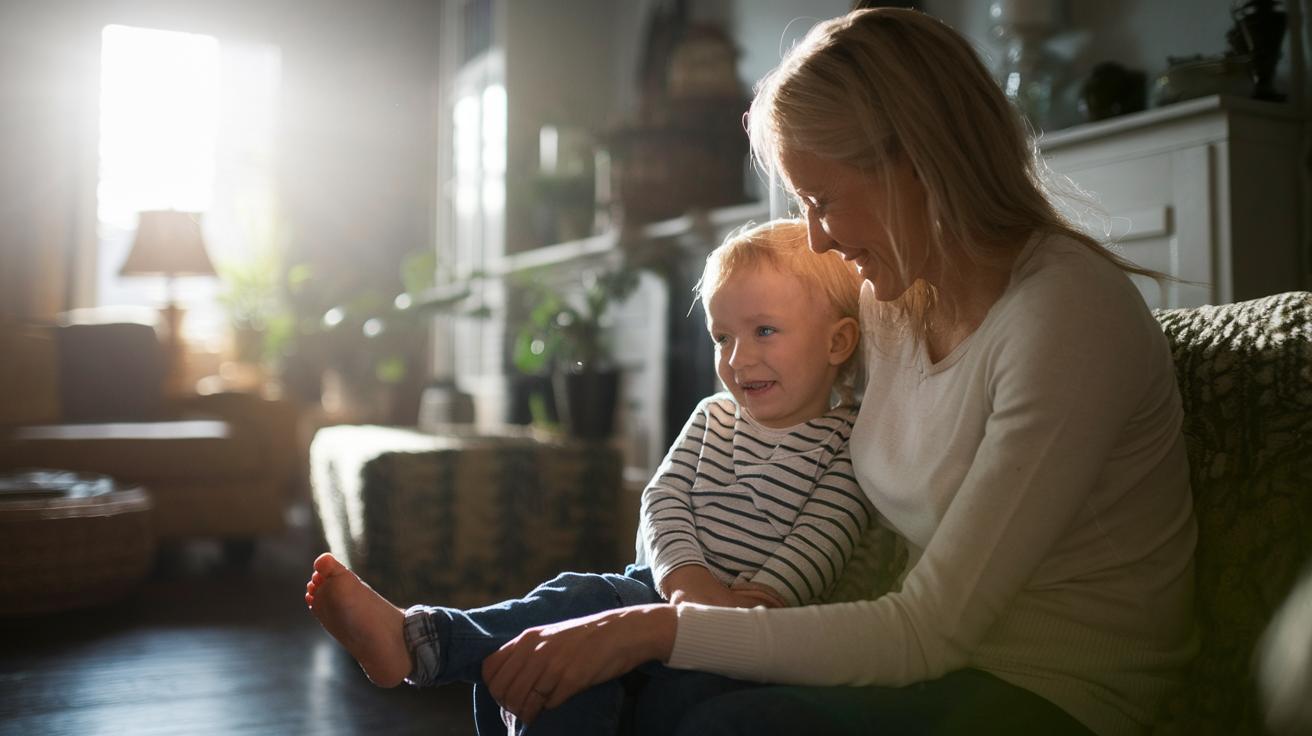
Adults show children the right way to talk and work out problems by acting kindly and patiently every day. When caregivers speak with warmth, listen closely, and respond with real care, little ones pick up on those habits. They learn to ask questions, answer on time, and chat respectfully just by watching the people they trust.
Parents and teachers can start by really listening when a child is talking. Imagine sitting together and giving your full attention, pausing, nodding, or repeating back what you heard to show that every word matters. This simple act builds trust and makes it clear that every voice is important. Over time, this warm way of chatting encourages kids to open up about how they feel.
Using kind words of praise when a child takes turns or calmly handles a small conflict makes a big difference too. A quick “good job!” or a smile can brighten a day. Sometimes, fun little rewards like points or stickers remind a child that working together and speaking clearly matters. And when mistakes happen, offering gentle advice helps them learn without feeling down. Slowly, these caring habits build strong skills for handling disagreements and making friends.
Sticking with these friendly steps over time helps kids grow into confident, caring communicators who thrive in a warm, supportive world.
Structured Social Competence Programs and Curriculum Approaches

Many classrooms are now mixing social and emotional lessons with group projects that help kids learn social skills. Teachers set up activities in small groups and fun social games where children get to play roles. This hands-on approach helps them understand different points of view and solve problems together. It’s a warm space where kids feel safe to share ideas while building the confidence they need for everyday interactions.
At home and in the community, extra programs extend these lessons with simple practice and gentle progress checks. For example, some programs combine school lessons with home activities, especially for children who might need a little extra help. Regular role-playing and group exercises help boost teamwork, and parents work closely with community organizers to offer useful feedback. This blend of classroom learning and real-world practice gives children more chances to sharpen their skills and form happy bonds with friends in different social settings.
Monitoring Progress and Addressing Social Anxiety

Keeping track of a child's social growth helps both parents and teachers see how well they connect with others. Simple checklists or watching a child in play can show us important details like making eye contact, taking turns, understanding feelings, and giving kind responses. For example, noticing if a child greets someone with a smile or waits patiently for their turn gives a clear picture of their social abilities. These observations highlight what they're good at and where a little extra support might help.
Helping a child who feels anxious in social settings is all about taking small, gentle steps that build confidence over time. Starting with small groups before moving on to bigger gatherings can make interactions feel much safer. Pairing children with a caring friend in a peer mentoring program is another sweet way to encourage them. And if the anxiety sticks around, talking to a professional might be the next best step. With steady, loving guidance, children can slowly overcome their worries and enjoy happy, friendly connections with others.
Final Words
In the action, we explored proven ways to build kids' social skills with a mix of simple play and mindful guidance. We covered these strategies:
- Follow the child’s interests
- Encourage open-ended questions
- Practice role playing
- Teach empathy
- Respect social limits
- Model positive behavior
These tips show that blending fun activities with caring adult support can make a real difference in enhancing social competence in children. Small, thoughtful steps lead to a more confident, socially skilled future.
FAQ
How does an “Enhancing social competence in children PDF” help parents?
The PDF on enhancing social competence in children outlines strategies and evidence-based tips. It gives parents practical tools to support their children’s social skills in everyday settings.
What are some examples of enhancing social competence in children?
Examples include using role-play, group activities, and play-based games that help kids practice eye contact, turn-taking, and gentle communication skills in safe, structured environments.
How does enhancing social competence benefit children in early childhood?
Enhancing social competence in early childhood builds basic social and emotional skills. This helps children share, cooperate, and express themselves, laying a strong foundation for future relationships.
What types of activities enhance social competence in children?
Social competence activities include interactive games, group projects, and role-playing exercises. These activities allow children to learn empathy, active listening, and problem-solving through fun, hands-on experiences.
What makes social and emotional competence a protective factor for children?
Social and emotional competence acts as a protective factor by equipping children with skills to manage conflicts and stress. These abilities help them build and maintain healthier relationships, shielding them from negative experiences.
Can you provide examples of social and emotional competence in children?
Examples of social and emotional competence include understanding and responding to others’ feelings, regulating emotions during conflicts, and engaging in cooperative play that requires sharing and empathy.
What social skills activities work well for students?
Social skills activities for students often include group discussions, peer collaboration projects, and interactive games. These help students practice communication, teamwork, and respectful listening in a classroom setting.
Where can I find a social skills activities PDF?
A social skills activities PDF is available from educational resources and parenting websites. It provides structured activities and step-by-step guidelines to help students build essential social interaction skills.