Have you been wondering if it's okay to start gentle workouts just one month after your baby is born? Many moms feel unsure about easing back into exercise because they worry it might hurt their healing bodies.
The good news is that with a few gentle moves and a way to track your progress, you can build your strength without overdoing it. Our 4-week plan offers simple, clear steps to help bring back your core strength and overall fitness.
In this post, we’ll chat about blending recovery with exercise so you can feel safe, confident, and supported every step of the way.
Kickoff to Your 4-Week Postpartum Workout: Safety Guidelines
Before you get back into a workout routine after having your baby, it’s really important to talk with your doctor first. Your delivery and how you’re healing can change when it’s safe to start exercising. By week four, your vaginal bleeding should be easing up or stopping. If it’s still heavy, please check in with your healthcare provider.
As you ease back into physical activity, keep these friendly tips in mind:
- Look out for light spotting that slowly fades over time; if the bleeding sticks around or is heavy, chat with your doctor.
- Steer clear of exercises that are too tough on your belly, especially if you’re dealing with diastasis recti (a weakening of your abdominal muscles).
- Start off gently with light walking or easy stretches.
- Listen to your body, if something doesn’t feel right or you notice any unusual symptoms, take it slow.
- Keep an eye on your progress and adjust your workouts as you heal.
Following these steps can help you rebuild your strength safely. Taking a careful approach and really listening to your body will support your healing and make your workout sessions feel more confident and enjoyable.
Core Strengthening Focus in Your 4-Week Postpartum Workout
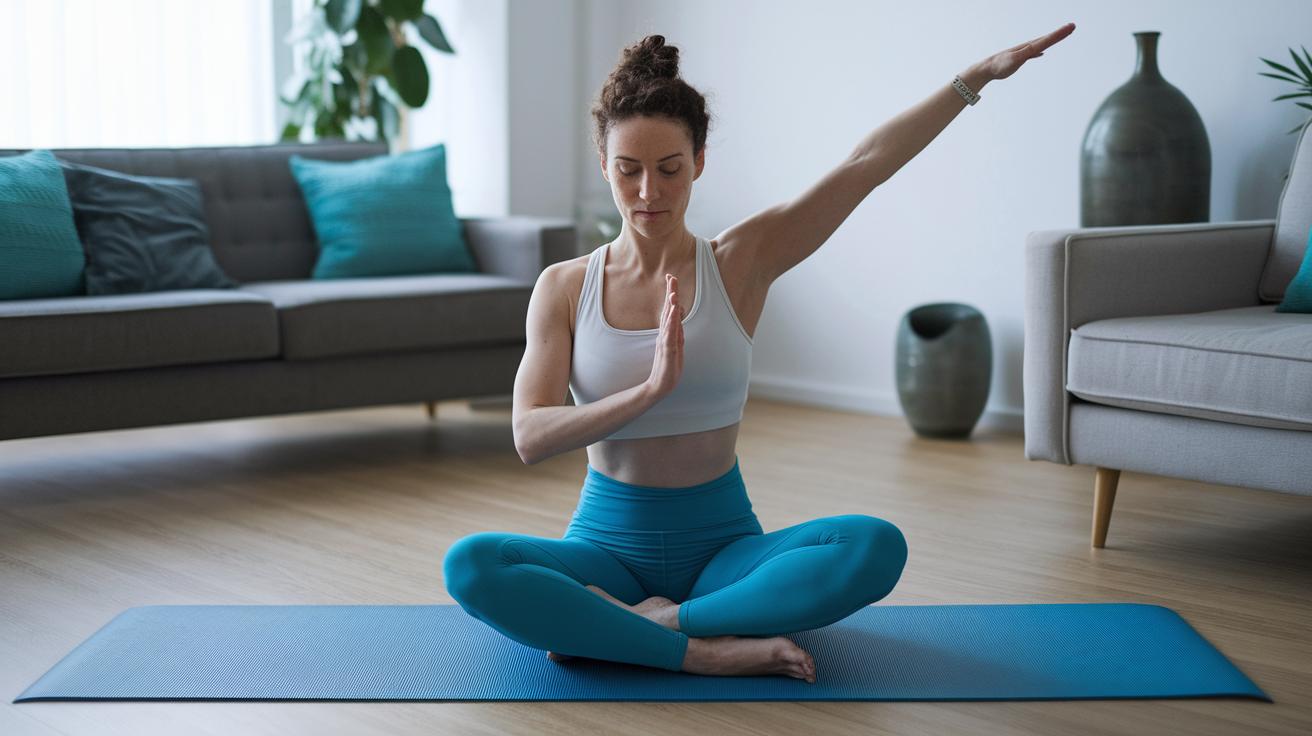
At four weeks postpartum, giving your core a gentle boost is really important. Your tummy and back muscles have been through a lot, and easing them back into movement helps you rebuild strength in a safe, gradual way. Starting with simple exercises like the Quadruped Single Arm Raise lets you reconnect with those deeper muscles, step by step.
Next, try adding moves like Bird Dogs and Glute Bridges. Just remember to exhale as you lift, this little trick helps engage your core more effectively and supports a solid foundation. The routine blends about 75% regular exercises with 25% TRX moves, so you get a mix that keeps things interesting while still focusing on core strengthening after birth.
Take your time with each movement. If something feels a bit too challenging, it’s completely okay to return to an easier option. Every part of this plan is designed to support a safe recovery while gradually building up your strength and stability.
4-Week Postpartum Workout: Regain Strength Safely
Starting slowly with your workout gives your body the gentle time it needs to adjust and heal. Each week, you can gradually boost your session's effort and length while using just a few tools like a mat, resistance band, or light weights. This simple plan is here to help you feel stronger, more confident, and supported on your recovery journey.
| Week | Sessions per Week | Duration | Focus |
|---|---|---|---|
| Week 1 | 3–4 | 15–20 minutes | Gentle activation |
| Week 2 | 4 | 20–25 minutes | Building strength and stability |
| Week 3 | 4–5 | 25–30 minutes | Enhancing endurance and balance |
| Week 4 | 4–5 | 30–35 minutes | Full-body integration and confidence |
Take a moment to notice how your body feels after each session, it’s a really good way to see your progress in action. If you start to feel a little tired or if a workout feels too tough, it’s totally okay to lower the intensity or shorten the session a bit. Keeping a simple log can help you track any extra energy or slight discomfort, which makes it easier to know when to step it up or just keep going at a pace that feels right for you. This plan is all about listening to your body while gently building up strength and confidence.
Pelvic Floor Recovery in Your 4-Week Postpartum Workout
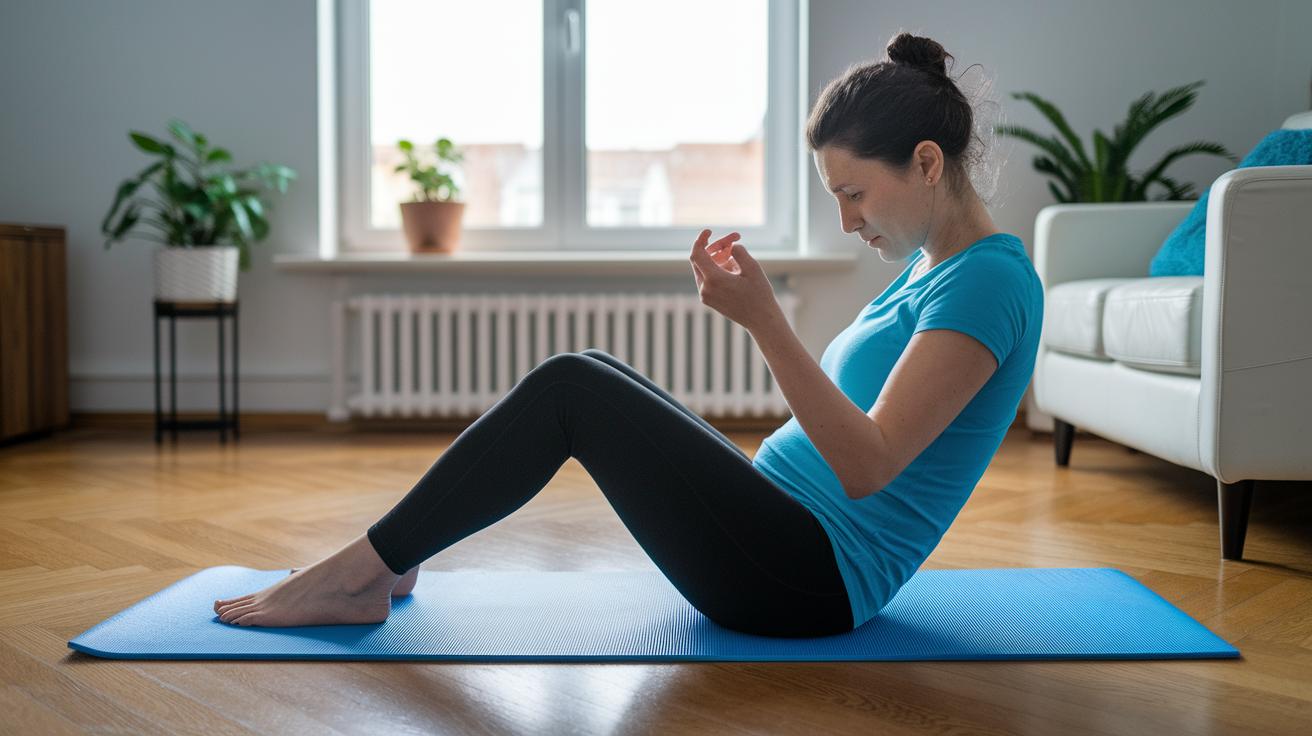
After you have your baby, your pelvic floor muscles start to adjust to some big changes. These important muscles help support your bladder, uterus, and bowels, but they might feel a bit loose or tired right now from all the stretching during pregnancy and delivery. You may notice they work differently day by day, which is a gentle reminder to begin reawakening them with care.
Start with simple moves like Kegels and heel slides. These gentle exercises help lift and support your pelvic floor without pushing your muscles too hard. You can also add deep, relaxed breathing and pelvic tilts to softly engage your deep core, imagine it like slowly nudging a muscle back to life, one mindful breath at a time.
As you feel more comfortable, be careful not to jump into harder exercises with extra resistance or TRX moves too soon. Overloading your recovering muscles might cause discomfort. So, take it slowly and listen to your body as you rebuild strength and stability.
Safe Exercise After Childbirth: Modifications for Your 4-Week Postpartum Workout
Getting back into exercise after having your baby is all about being gentle and patient with your body. At this point, you might notice that your muscles, especially around your tummy area, are still healing. It helps to remember that taking your time and choosing quality movements over high-intensity ones is key to a safe, supportive workout.
Think of each move as a little step on your recovery journey. If you keep your focus on healing, you'll find that even small, controlled actions make a big difference. It might be helpful to pay attention to your breathing, making sure it stays calm and steady, almost like you're gently rocking your baby to sleep.
Here are a few easy tweaks to keep in mind:
- Skip high-impact moves like jumping or full sit-ups because they can put too much strain on your soft tummy.
- If you have diastasis recti (when your abdominal muscles are too far apart), try reducing the range of motion in squats or lunges so you don’t push too far.
- When standing exercises feel tricky, use a chair or wall for support to help you stay steady and safe.
- Focus on slow, relaxed breathing. This simple step can really help your body adjust without feeling overwhelmed.
Above all, listen to what your body is telling you. If a move starts to feel uncomfortable or you notice extra bleeding, it’s a good idea to stop and take a break. Trusting your body this way not only helps avoid setbacks, but also builds your confidence as you grow stronger and more stable over time.
Home Recovery Workout Essentials for Week 4 Postpartum
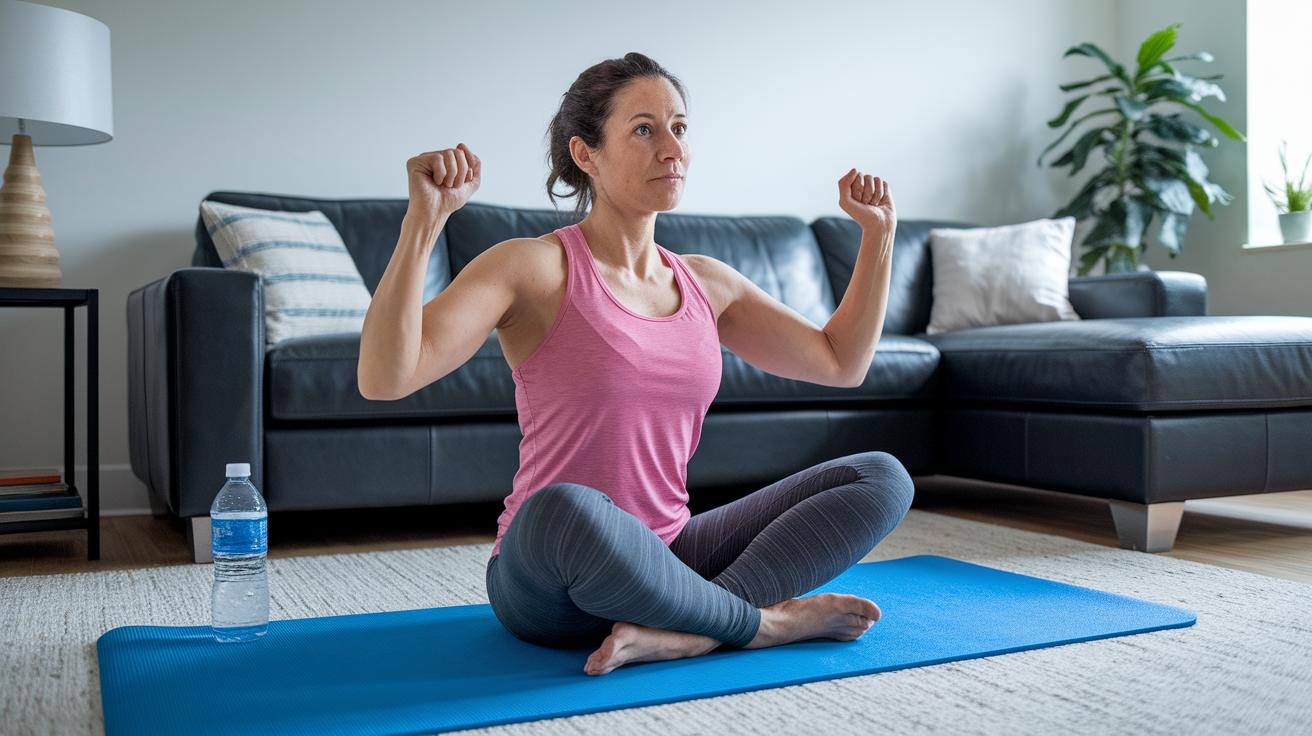
Working out at home is super convenient, especially when you're juggling a busy schedule. In this program, you get to exercise in the cozy comfort of your own space, making it easier to ease back into your routine without any extra fuss. And a quick walk around the block after your session can really help get your blood flowing and support your gentle recovery.
You really don't need much to create your home gym, a yoga mat, a resistance band, and a pair of light dumbbells are all you need. These simple tools help set up a safe and effective workout space. Plus, if you have a TRX system, it's a fun way to add some extra strength training to your routine.
When you're deciding on a spot for your workout, look for an area with plenty of room to move around freely. Make sure the surface is flat and safe, and keep some water nearby so you can stay refreshed. A calm, quiet space can help you stay focused, making every movement feel both secure and uplifting.
Incorporating Strength Training into Your 4-Week Postpartum Workout
Adding strength training to your recovery plan can gently rebuild your lower-body strength after childbirth. Think of simple moves like wall sits and glute bridges that help those hardworking muscles reconnect. It’s a caring way to boost your strength while giving you a little confidence boost as you get back to feeling like yourself. The key is to stretch your limits just enough while keeping safety in focus.
When you begin, try doing 2-3 sets of 10-12 repetitions for each exercise. Move slowly and mindfully, enjoying every little effort your muscles make. Focus on using the right form and remember to breathe deeply with each move. This steady approach lets you progress at a safe pace and lowers the chance of injury. Consistency is your friend, it helps your body heal and grow stronger over time.
When you start feeling that extra ease and notice you’re more stable or enduring the moves better, it might be time to challenge yourself a bit more. Maybe add a resistance band or light dumbbells if your body is ready. Listening to your body is so important, take small steps and always put your safety first.
Your New Mom Recovery Plan: Next Steps After the 4-Week Postpartum Workout

Now that you’ve completed four weeks, why not gently add some sparkle to your routine? Try mixing in a bit more cardio and slightly more challenging moves if you feel ready. Think of it like a fun new chapter, perhaps a brisk walk around the neighborhood or a light jog that helps build your endurance. Every little step is part of a plan that will slowly set the stage for even more confident workouts as you grow stronger.
As you follow this plan, always listen to what your body is telling you. If you start to feel unusual pain or notice heavier bleeding, take a pause. It’s okay to ease back into gentler activities until you feel balanced again. This plan is all about honoring your pace and making sure you’re gradually moving forward without pushing too hard.
For extra peace of mind and a bit of expert cheerleading, consider checking in with a postpartum fitness specialist or physiotherapist. They can help tailor your plan with simple tweaks, maybe a slight change in exercises or a few friendly nutrition tips, that match your personal needs. Every step you take is a win, a small move toward regaining your strength and confidence.
Final Words
In the action of safety checks, core strengthening, and gradual progress, we've shared clear guidance, from obtaining medical clearance to adapting safe exercises. This guide outlines the principles to spark a 4-week postpartum workout tailored to your needs.
Remember, a 4-week postpartum workout supports healing while building strength. Step by step, your 4-week postpartum workout reminds you to honor your body. Trust that each session of your 4-week postpartum workout propels you forward. Cherish every win and let gentle exercise brighten your path.
FAQ
What does a 4 week postpartum workout plan PDF include?
A 4 week postpartum workout plan PDF gives you a clear, week-by-week guide with gentle, doctor-approved exercises designed to gradually increase your strength and help you feel confident during recovery.
How does a 4 week postpartum workout on YouTube work?
A 4 week postpartum workout on YouTube guides you with video demonstrations, showing simple, safe exercises you can do at home to gently reintroduce movement after birth.
What can I expect from a 4 week postpartum workout at home?
A 4 week postpartum workout at home uses minimal equipment like a yoga mat or light weights, with routines focused on gentle movements and recovery to suit your space and schedule.
When should I start exercise after a normal delivery with stitches?
When starting exercise after a normal delivery with stitches, it’s best to wait for your healthcare provider’s clearance and listen to your body’s signals before resuming any activity.
How does a postpartum workout plan week-by-week help with recovery?
A week-by-week postpartum workout plan helps by gradually increasing exercise intensity, ensuring you rebuild strength safely while allowing time for proper healing and adjustment after childbirth.
What exercise is appropriate at 2 weeks postpartum?
At 2 weeks postpartum, gentle activities like short walks, light stretching, and basic pelvic tilts are ideal, provided you have your doctor’s approval and feel comfortable with mild movement.
What exercises can I do 4 weeks postpartum?
At 4 weeks postpartum, you can try safe core strengthening moves like pelvic tilts, modified squats, and gentle walks—all designed to ease you back into exercise while protecting your recovery.
Is it safe to exercise after 1 month of giving birth?
Exercising after one month postpartum is usually safe if you feel recovered and have doctor approval; start slowly with gentle movements to gradually build your strength.
Can I do squats at 4 weeks postpartum?
Squats are often okay at 4 weeks postpartum if modified for your recovery needs; focus on proper form and light range of motion, especially if you are managing abdominal healing.
What happens if I work out too early postpartum?
Working out too early postpartum can lead to increased discomfort, heavy bleeding, or setbacks in healing; it’s best to follow recovery guidelines and wait until you’re fully cleared by your doctor.