
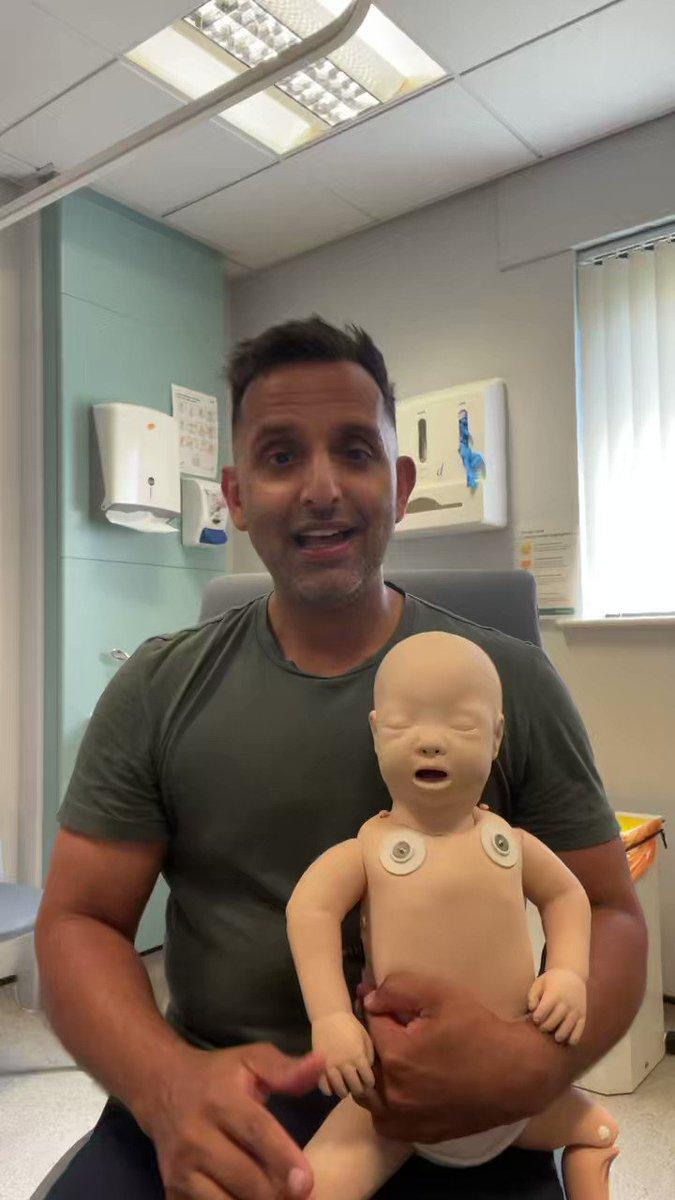
Here's a concise guide based on a short video about baby blues, postnatal depression and the rarer postnatal psychosis. The video underscores how common baby blues are — affecting roughly 4 in 5 new mothers — and explains that deeper postnatal depression affects about 1 in 10. It also highlights that postnatal psychosis is rare, occurring in roughly 1 in 500 births, but requires urgent attention. This intro sets the scene for signs, timelines and where to find help. We'll cover common symptoms, when to ask for help, treatment options and how friends and family can support recovery. Hope this is useful.
Intro: Video Summary & Key Stats

Here's a concise guide based on a short video about baby blues, postnatal depression and the rarer postnatal psychosis. The video underscores how common baby blues are , affecting roughly 4 in 5 new mothers , and explains that deeper postnatal depression affects about 1 in 10. It also highlights that postnatal psychosis is rare, occurring in roughly 1 in 500 births, but requires urgent attention. This intro sets the scene for signs, timelines and where to find help. We'll cover common symptoms, when to ask for help, treatment options and how friends and family can support recovery.
Baby Blues: What It Is and What to Expect

Baby blues are a very common, short-lived set of emotional changes many women experience in the first days after birth. Affecting roughly 4 in 5 new mums, symptoms typically begin 2–3 days after delivery, peak around day 3–5 and usually ease within two weeks as hormones settle and routines form. Expect tearfulness, mood swings, low energy, anxiety and trouble sleeping. These feelings can be frightening but are often temporary. Simple steps , extra rest, sharing feeds, practical help with the baby, and talking to a partner or health visitor , usually bring steady improvement.
Postnatal Depression: More Than 'Baby Blues'

Postnatal depression is a clinical depression that can develop anytime in the first year after childbirth and is more than an extended case of baby blues. It affects about 1 in 10 new mothers and involves persistent low mood, loss of interest or pleasure, overwhelming fatigue, tearfulness, anxiety, changes in appetite or sleep, and difficulty bonding with the baby. These symptoms tend to last longer than a couple of weeks and interfere with daily life. Effective treatments exist , talking therapies, medication where appropriate, and practical support , so reaching out to a GP, midwife or health visitor is an important first step.
Recognising Postnatal Psychosis: Rare but Serious

Postnatal psychosis is a rare psychiatric emergency that affects roughly 1 in 500 women after childbirth. It usually begins suddenly, often within the first two weeks postpartum, and can include symptoms like severe confusion, extreme mood swings, hallucinations, delusions, paranoia, disordered thinking, and agitation. Mothers may experience thoughts of harming themselves or their baby , these are medical emergencies. Because psychosis can escalate rapidly, immediate assessment by mental health services is essential; many women require hospital admission, sometimes to a specialist mother and baby unit where treatment, observation and the safety of mother and child are priorities. Early intervention saves lives.
When and How to Seek Help

Knowing when to seek professional help can be lifesaving. For any persistent low mood, anxiety or loss of functioning after childbirth, start by contacting your GP, midwife or health visitor who can assess and signpost care. If you or someone you know is experiencing severe symptoms , extreme confusion, hallucinations, thoughts of harming themselves or the baby, or rapid deterioration , call emergency services or your local mental health crisis team immediately. Keep a simple record of symptoms, sleep and eating patterns to share with clinicians. If you’re unsure, it’s better to ask; early assessment speeds access to treatments and support.
Treatment Options and Support

A range of effective treatments and supports exist for perinatal mental health. For postnatal depression, talking therapies such as cognitive behavioural therapy (CBT) and interpersonal therapy (IPT) are first-line, often combined with antidepressant medication when indicated , many common SSRIs are considered compatible with breastfeeding but always check with a prescriber. For postnatal psychosis, hospital-based treatment and sometimes antipsychotic medication or mood stabilisers are required. Specialist mother and baby units allow joint admission so mothers can be treated without separation from their infants. Practical support , home visits, peer groups, breastfeeding help and family assistance , is also crucial to recovery.
How Partners, Family and Friends Can Help

Partners and family play a vital role in detection and recovery. Offer practical help with feeding, nappy changes and household chores so the mother can rest. Listen without judgement; validate experiences and encourage professional help if feelings persist. Learn warning signs for severe illness , sudden confusion, bizarre beliefs or talk of harm , and take them seriously. Attend appointments, help coordinate childcare, and ensure medication is taken if prescribed. Be patient: recovery takes time. Encourage social contact and find peer support groups. Finally, look after your own wellbeing so you can provide sustained support.
Reducing Stigma, Resources and Next Steps

Breaking the silence around maternal mental health matters. Stigma can stop women seeking care; normalising the conversation and sharing experiences helps others come forward. Useful UK resources include the NHS perinatal mental health pages, Mind, and the Maternal Mental Health Alliance; internationally, organisations such as Postpartum Support International offer local directories. Crisis lines and local health services can guide urgent referrals. Watching informative videos can help partners recognise signs and encourage early help-seeking. If you found this guide useful, save the video, share with someone who might benefit, and remember: seeking support is a sign of strength, not failure.


