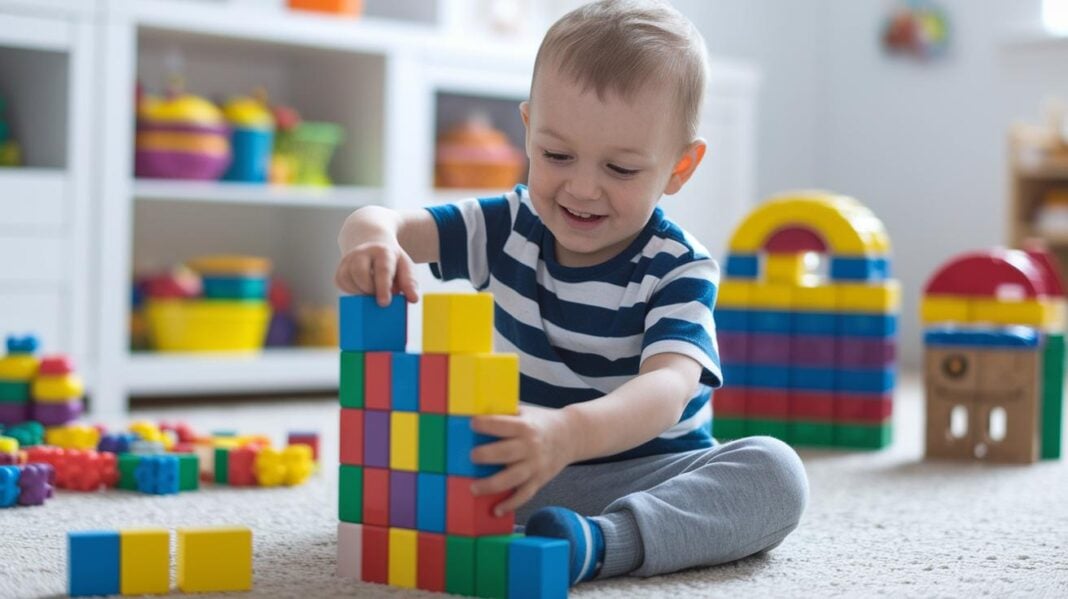
Have you ever watched a four-year-old chase after a ball or tell a tiny, charming story? It’s like seeing a little burst of magic happen right before your eyes. At this age, kids are growing stronger every day, picking up new words, and even starting to show care for others. Every new step, whether they’re hopping on one foot or speaking in longer sentences, makes their world a bit brighter. Let’s take a moment to enjoy these special milestones and celebrate all the little wins together.
4 year olds development: Bright Milestones Ahead
Watching your little one grow is truly wonderful. At four years old, kids are really starting to show their progress. They are getting stronger physically, their words are getting longer and even more colorful, and they are beginning to understand emotions much better. For example, many four-year-olds can catch a bounced ball and sometimes hop or stand on one foot. They also tell simple stories with sentences of four or more words, which shows that their language and thinking are growing every day.
Remember, every child develops at their own pace. Some kids might share every little detail about their favorite story, while others might just play quietly. These milestones are just a helpful guide and not a strict rule. It’s okay if every child follows a different path because each journey is special.
| Domain | Typical Milestones |
|---|---|
| Physical | Catches a bounced ball; hops and stands on one foot |
| Language | Tells stories and recalls parts of stories; uses sentences of 4+ words |
| Social/Emotional | Plays well with others; comforts friends who are upset |
| Cognitive | Understands the idea of “same” versus “different”; starts simple problem-solving |
Keeping track of these milestones with a checklist or growth chart can be really encouraging. It helps you notice the bright progress your child makes every day, and each new step is a reason to celebrate.
Physical and Motor Skill Development in 4-Year-Olds
At four years old, kids start to gain better control over their bodies. They love trying new movements like climbing, running, and jumping, which helps them with everyday tasks and fun games that improve their balance and strength.
Fine Motor Advancements
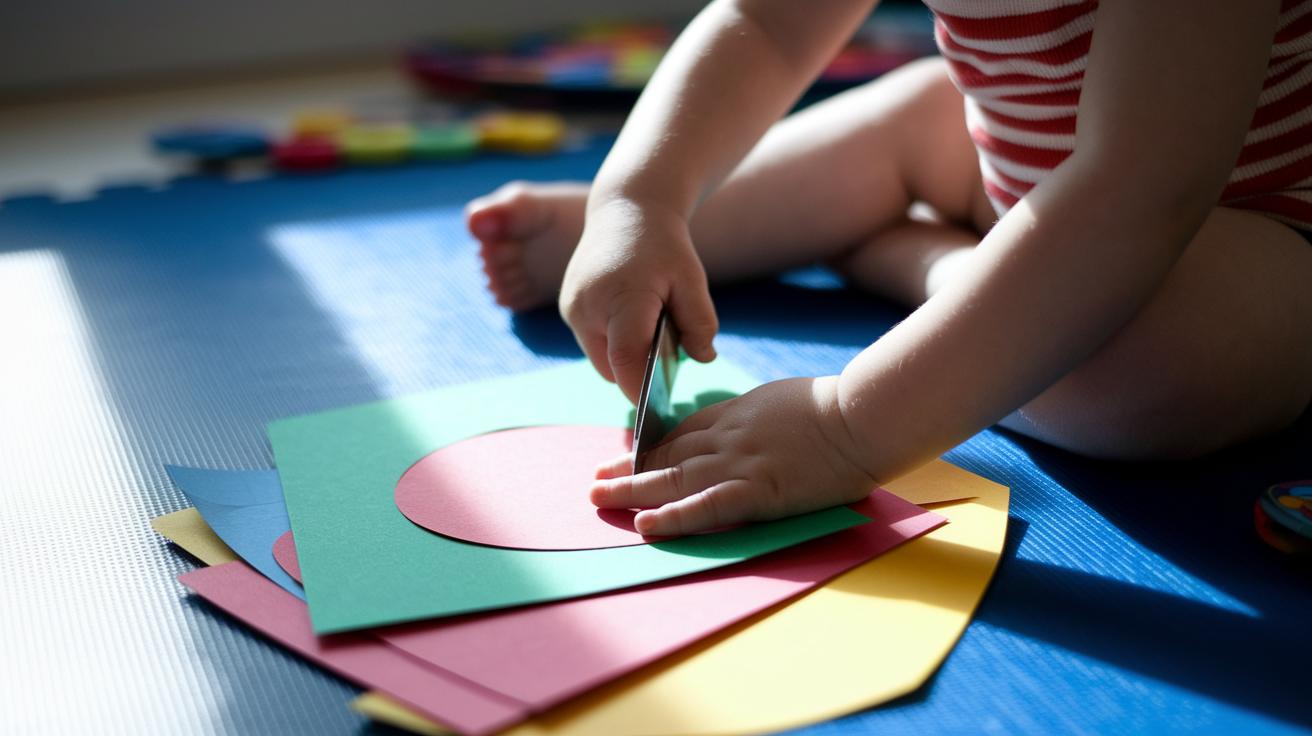
At this stage, little ones are getting really good at using their hands. They might build towers with nine or ten blocks, use safety scissors to cut out simple shapes, and even draw a person with just a few details. These small actions boost their hand-eye coordination and gently prepare them for writing later on. Imagine a child carefully cutting a circle out of paper, each little step adds up to big progress.
Gross Motor Coordination
Big movements are growing too. Kids can catch large balls and hop two or three times in place, and even balancing on one foot for a few seconds helps build core strength and stability. Picture a child chasing a bouncy ball outside, playful movement like this makes improving balance and muscle control feel fun and natural. Encouraging safe, active play at home, with outdoor games and child-friendly equipment, creates plenty of chances for them to move and explore.
Language and Communication Development in 4-Year-Olds
At the age of four, kids make amazing strides in understanding and using language. They know about 1,200 to 1,500 words now, and their sentences are longer, often more than four words. Imagine a little one telling a short story about their day or recalling the best part of a fun outing. They even start to play with sounds, like matching words that rhyme, and can follow directions that come in three easy steps, all while peppering their speech with curious questions like “why?” and “how?”
Some kids are really good at listening, quickly grasping what you say, while others express themselves by sharing neat, little stories. Picture a child excitedly sharing a favorite memory, each word shows their growing understanding and creativity. They naturally mix what they see around them into their conversations, which is a sign that their vocabulary and early literacy skills are blossoming.
One great way to help with these language leaps is to create a home full of words. Try reading a story together every day, asking open-ended questions during your routines, and even labeling everyday items around the house. Engaging in playful activities like singing or reciting nursery rhymes can make learning fun. These simple, interactive moments not only build listening skills but also encourage kids to express themselves, making language an exciting adventure.
Social and Emotional Development Milestones for 4-Year-Olds
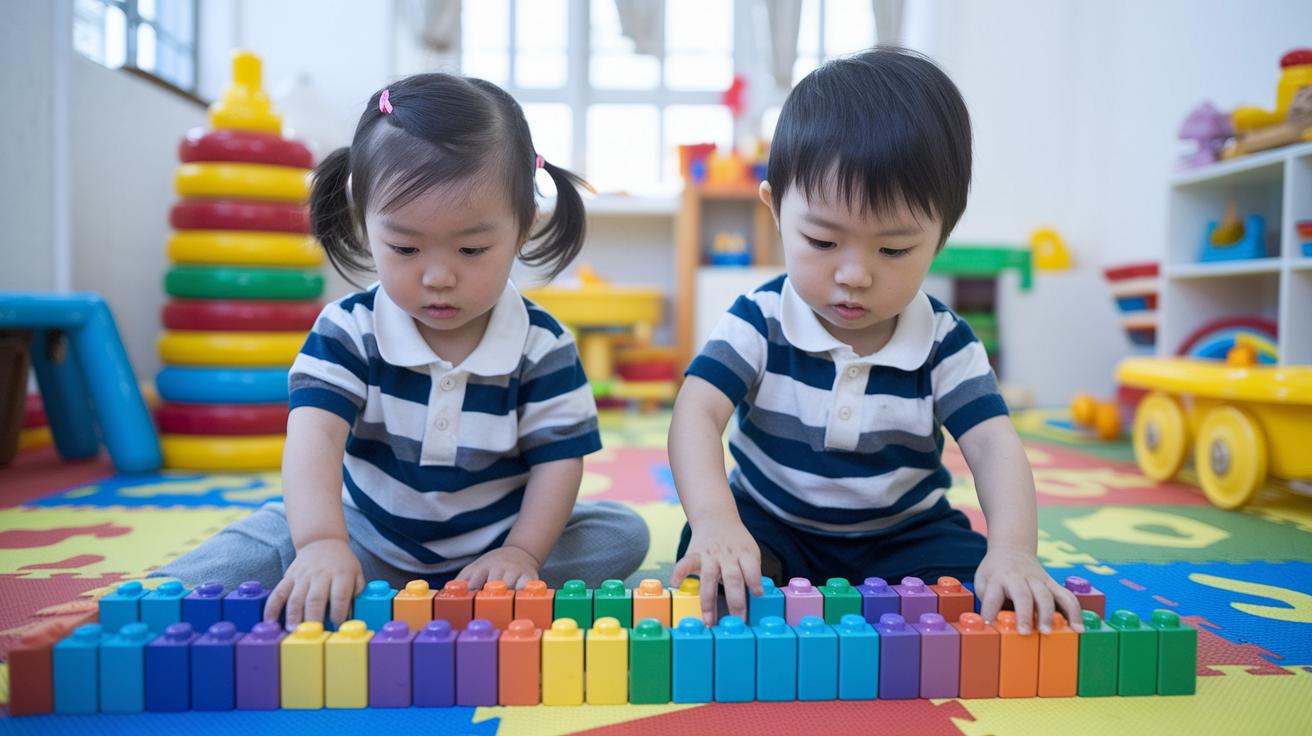
At four, kids start to really enjoy playing together and learning from each other. They often form small groups of two to four, sharing toys and taking turns with a big smile. It’s a fun way for them to pick up social rules while giggling over games and imaginative role-play. Ever heard a little one cheerfully say, "It's my turn now!" as they pass a ball? That simple moment shows they’re learning about fairness and togetherness.
They also begin to notice and name their own feelings at this age. You might hear them say they're happy, sad, or even scared (if a movie gets too spooky). Often, you’ll see them comforting a friend who’s upset. Picture one little kid gently patting a friend’s back and saying, "I know it hurts, but you’ll feel better soon." It’s a sweet example of how they start to understand and share empathy.
When little conflicts pop up, many four-year-olds try to work things out with words instead of resorting to grabbing or shouting. They may explain what’s bothering them or suggest taking turns to solve a mix-up. Sometimes, they even help out at home, like clearing the table after a meal, which shows how they’re growing more independent and building comforting, early social bonds.
Cognitive Growth and Early Learning in 4-Year-Olds
At four years old, kids begin to show amazing thinking skills. They start to notice differences and similarities, like when a child sorts blocks by color or shape. It’s really heartwarming when they ask “Why?” because it shows they’re curious about how things work.
They also start learning early math skills. Many little ones can count up to ten and enjoy matching objects by color and shape. Picture a child proudly lining up their favorite toys by size, it's a playful way to learn about counting and simple patterns.
Imaginative play is another way they grow. A four-year-old might solve a simple four- to six-piece puzzle or dive into a game of make-believe. Imagine a little one pretending to run a store, arranging items and deciding on roles with friends. These fun moments help build their language, problem-solving skills, and creativity, making learning feel natural and joyful.
Supporting 4-Year-Olds Development Through Activities
Guided activities are a great way to help your little one become more independent while learning new skills. You can use free online tools like downloadable infographics and screeners to see how your child is doing and find out where they might need a bit more help. These simple, everyday activities turn normal routines into fun learning moments that boost fine motor skills, language, and social play.
Play-Based Educational Activities
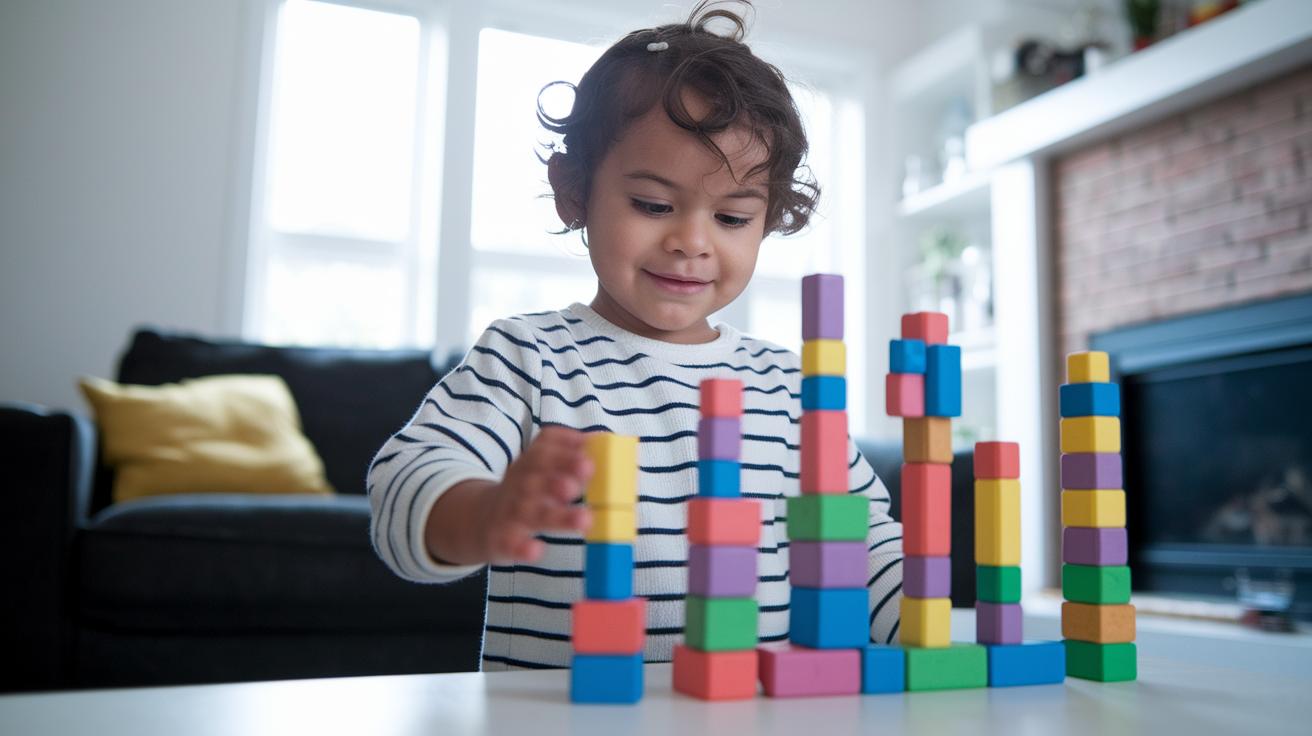
Everyday playtime can be a fun learning adventure. Think about block building, playing pretend, and counting games that spark creativity and keep little minds busy. Sensory bins filled with rice or beans let kids explore new textures and colors while practicing hand skills. Imagine a child happily stacking blocks and counting as they go, each game like this builds important brain connections.
Self-Help and Practical Skills
Even simple chores and daily routines help kids learn to do things for themselves. Helping with tasks like matching socks, clearing dishes, or following a morning routine builds independence, confidence, and responsibility in a natural, enjoyable way. Picture your little one proudly dressing themselves or setting the table with care, it’s these small moments that turn everyday actions into lasting life lessons.
Keeping a steady schedule with these guided activities makes learning a regular part of the day. And when you celebrate each small win, it builds even more confidence and creates a warm space where every little achievement is noticed and loved.
Final Words
In the action, we covered key areas in 4 year olds development: physical strength, language growth, social skills, and cognitive abilities. We talked about milestones like balance, storytelling, cooperative play, and problem-solving.
Each section highlighted interactive ways to support your child, from play to simple daily tasks. Keep observing, enjoying each moment, and remember that every child grows at their own pace. We’re here, celebrating every little victory together.
FAQ
What should a 4-year-old be doing developmentally?
The developmental milestones for a four-year-old include growing in physical coordination, language skills, social play, and early problem-solving, laying the groundwork for later learning and personal interaction.
What academic abilities should a 4-5 year old know?
The academic abilities for a four to five-year-old include recognizing letters, counting, and using longer sentences to tell stories, which help build a strong base for school readiness.
What is typical behavior for a four-year-old?
The typical behavior for a four-year-old involves engaging in cooperative play, asking many “why” questions, and using words to share feelings, reflecting their expanding awareness and emotional growth.
What might be a red flag in child development at this age?
A red flag in child development appears when a child loses skills they previously mastered, struggles with basic social interactions, or avoids using language to express feelings.
What does behavior regression mean for a 4-year-old?
Behavior regression in a four-year-old means they may temporarily revert to earlier behaviors, such as increased tantrums or reliance on comfort habits, often due to stress or changes in their daily routine.