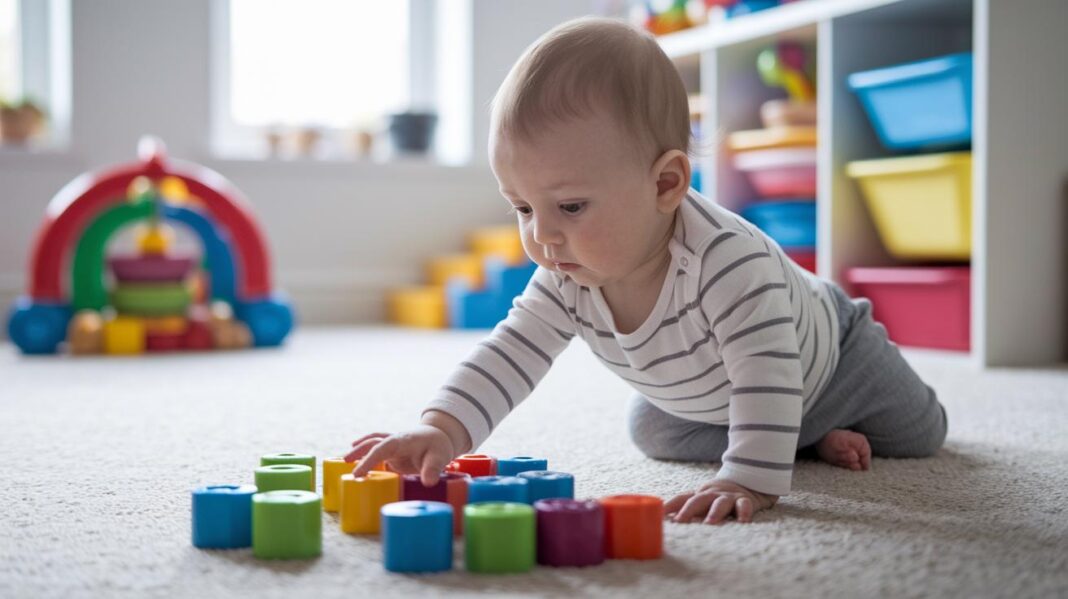
Ever wondered how your baby's first smile sparks the beginning of a brilliant mind? Every little moment, from a soft coo to a gentle touch, helps build memory, language, and even those early problem-solving skills. It’s like each giggle lights up a tiny spark in their brain, setting the stage for more amazing discoveries.
In this piece, we chat about how simple, everyday interactions help boost your baby's brain power. Imagine how those small shared moments can build a strong, loving foundation for all their future learning. It really is something special when you see the magic in each smile and coo.
Infant Cognitive Development Explained: Key Concepts & Importance
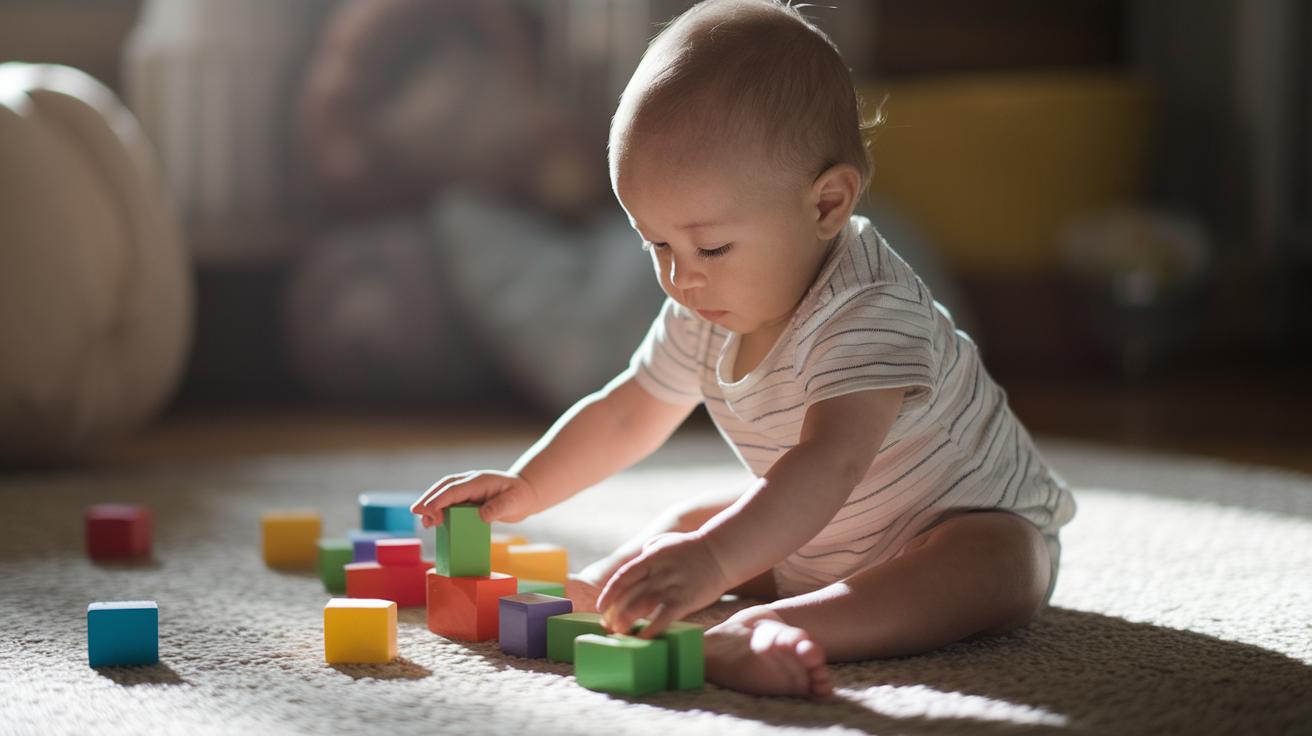
Cognitive development in a baby is all about how little ones start to think, understand, and learn right from the very beginning. Even in those first moments, their brains are quietly busy building skills like memory, language, and problem solving. Simple games and gentle interactions fill their days, naturally helping these skills blossom.
A baby's brain grows through everyday sensory and social experiences. A soft coo, a warm smile, or the excitement of exploring a new toy all help them link ideas together and grasp the wonders of their world.
- Thinking and Perception
- Memory Formation
- Language and Communication
- Problem-Solving Skills
- Social and Emotional Learning
As their tiny minds develop, basic brain systems start forming the pathways needed for seeing, remembering, talking, and solving little puzzles. Everyday play and caring moments encourage those crucial connections, setting the stage for all future learning. When you engage in shared activities like gentle play or reading aloud, you're lighting up their brain in ways that build a solid foundation for tomorrow’s achievements. Every smile, sound, and touch helps your little one explore and understand the world in a truly magical way.
Infant cognitive development Elevates Early Brain Power

Watching your little one learn is truly heartwarming. In their first year, you'll notice simple actions like following a moving toy turning into solving little puzzles. It’s amazing how every moment, from their first glance to their tiny touches, helps them understand the world around them.
| Age Range | Cognitive Skill |
|---|---|
| Birth–3 months | Follows moving objects; recognizes familiar faces and voices |
| 4–6 months | Reaches for and explores objects by mouth; starts responding to their name |
| 7–9 months | Understands that objects exist even when unseen; begins to explore cause and effect |
| 10–12 months | Mimics simple actions; learns through trial and error |
Each new skill, like the exciting moment when they track a favorite toy, is a gentle reminder of how curious and active their early brain is. Every little achievement builds a strong foundation for all the amazing things they will do. Isn't it wonderful to witness such growth day by day?
Sensorimotor & Sensory Experiences in Infant Cognitive Development
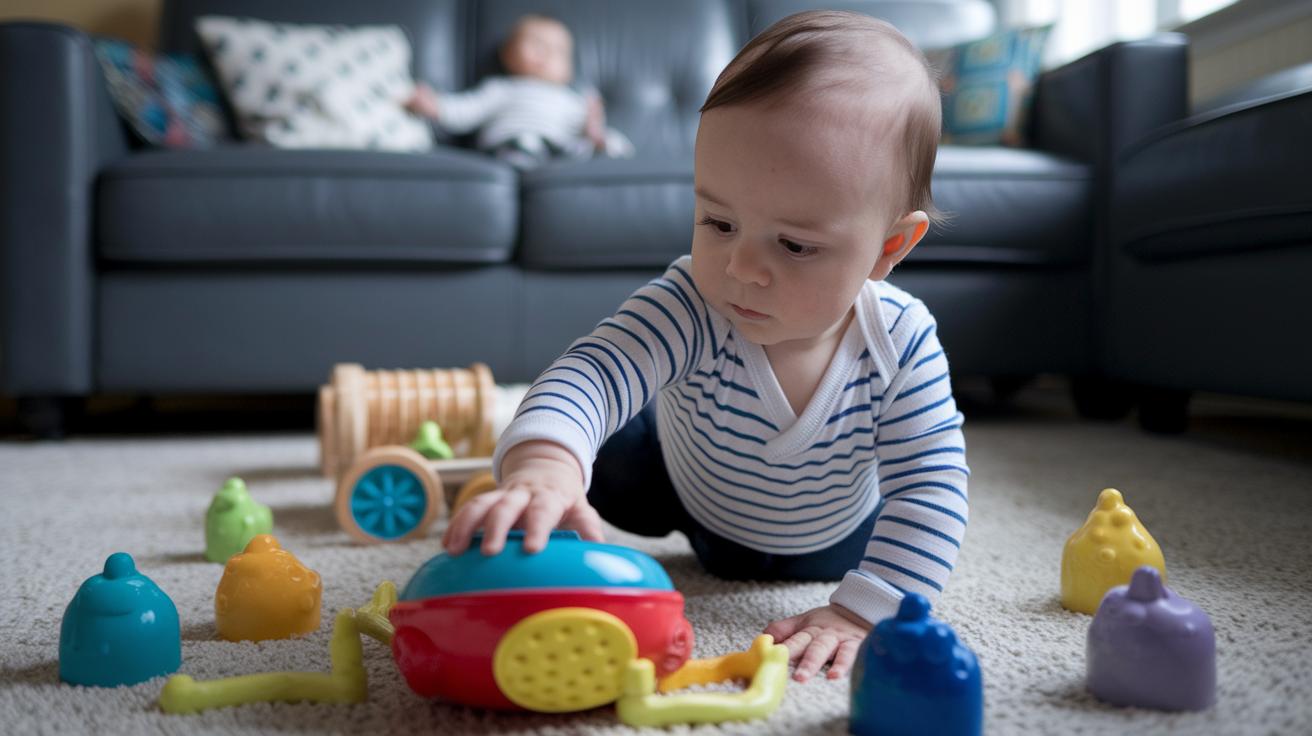
During the sensorimotor stage, babies start mixing what they feel, see, and hear with how they move. A little one might reach out for a soft toy or turn toward a quiet sound, and these simple actions help build a basic understanding of the world. It’s a special time when every touch and glance lays the foundation for linking movement with thinking.
Playing with all the senses together is really important. When babies feel different textures, listen to various sounds, and see bright colors, their little brains light up with new connections. Imagine a mom gently letting her baby hear the soft ring of a tiny bell while the baby's fingers explore a silky scarf. Each of these moments adds to building strong sensory skills.
Every day brings a chance for discovery. Playing with a cool, bumpy ball or watching patterns dance on a mobile gives babies a fun way to explore. These playful mixes of touch, sight, and sound offer a simple, powerful way for a baby to learn about the vibrant world around them.
Language Acquisition in Infant Cognitive Development

From day one, little ones start tuning in to the sounds around them, from familiar voices to the soft rhythms of everyday life. At first, they get good at understanding names and songs before they move on to cooing and babbling. Did you know that even before saying a word, babies are busy soaking in the sounds of daily conversation? Every kind word from a caregiver helps set the stage for learning to speak.
When caregivers chat, read aloud, or sing, they create a warm, nurturing space that turns simple sounds into real communication. A gentle conversation during playtime or a quiet moment describing the day helps babies connect sounds with meaning. These loving interactions give them the confidence to take their first steps from listening to speaking their very first words.
Memory Formation & Early Problem-Solving in Infant Cognitive Development
A baby's memory works in two simple ways. First, there's an automatic kind that happens without them even noticing. This part helps them get used to kinds of sounds, friendly faces, and warm smiles, all of which make them feel safe when a caregiver is near. Then, there’s the way they start to remember everyday routines. For example, after a few hugs or bedtime stories, they begin to expect those moments. Every time these interactions happen, they help light up the early brain circuits.
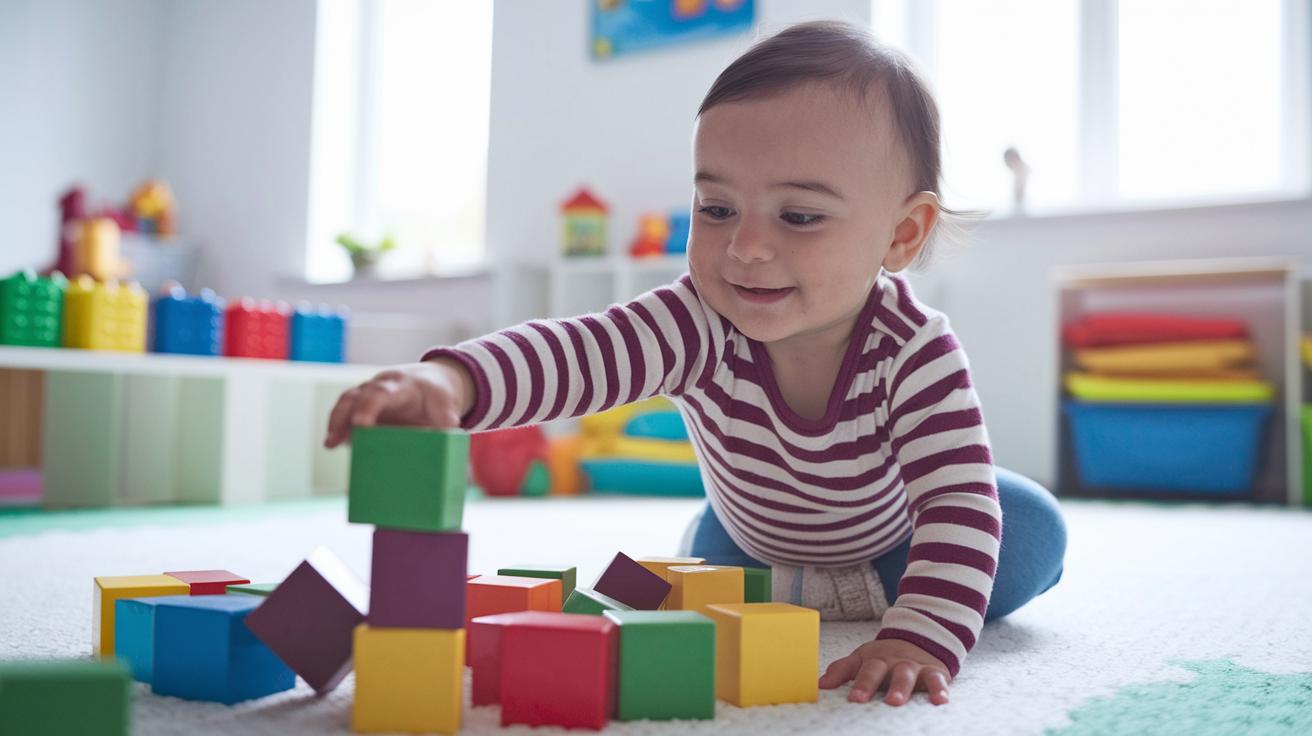
As little ones explore the world, they show early problem-solving skills through basic play. When a baby drops a toy and reaches for it again, it's a sign they're learning by trial and error. This hands-on exploration helps build early reasoning skills. Think about a baby knocking over a block tower only to build it back up, a fun moment that shows how actions can lead to different outcomes.
Social Interaction’s Impact on Infant Cognitive Development
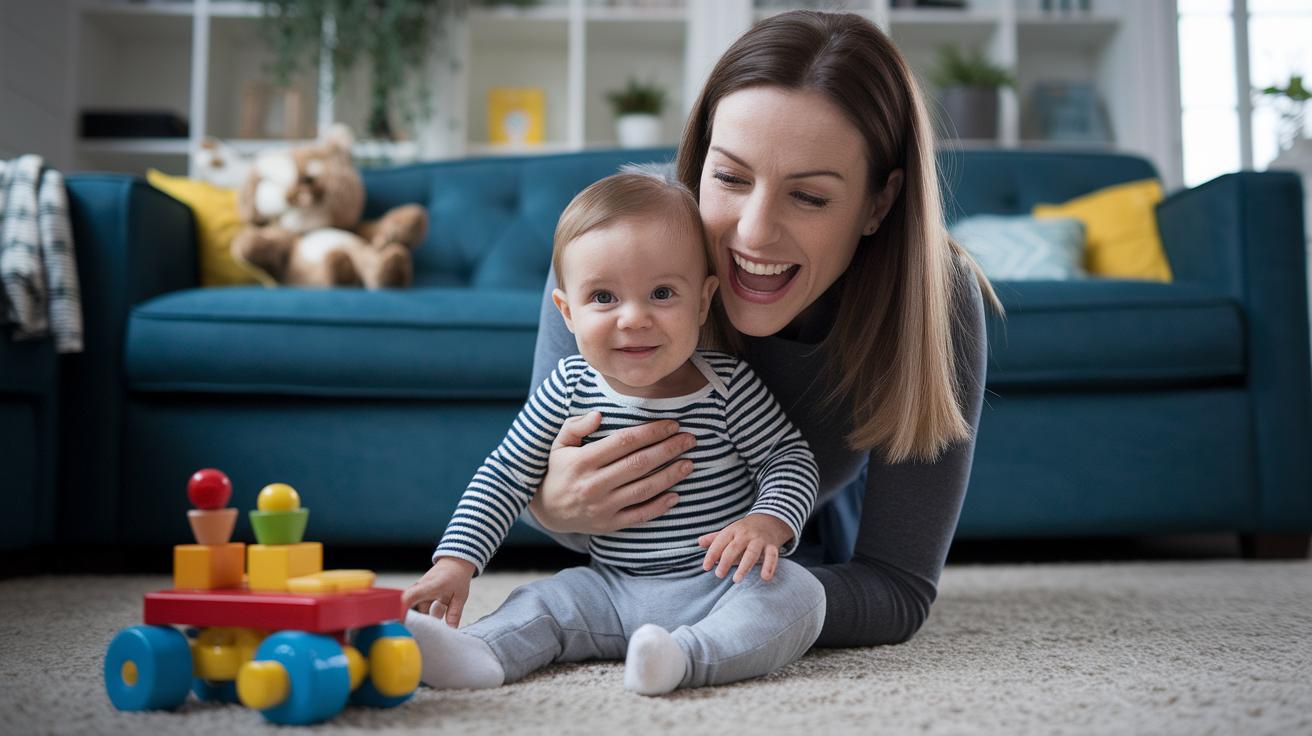
When you share playful routines like peek-a-boo or a warm smile, you're really laying the groundwork for your baby’s social skills and growing mind. These moments help your child learn that sharing smiles and following your gaze during play can lead to wonderful, shared experiences. It’s through these gentle interactions that little ones start to pick up words, understand what others mean, and even think a bit more deeply. It’s like setting up a safe, fun space where curiosity blooms naturally.
Every little shared moment is precious. Even the simple back-and-forth chatter, or that playful game where you invite a giggle in response, builds a world of growth for your baby. Imagine reading a short story with animated faces or using a soft toy to spark a reaction, these moments help form the neural pathways that manage feelings and build social know-how. And over time, these heartfelt exchanges not only strengthen the special bond between you and your child but also nurture a lifelong love of discovery.
Creating a Stimulating Environment for Infant Cognitive Development

Start by carving out a cozy little area for your baby. Choose a spot with soft surfaces, gentle lighting, and soothing sounds like quiet music or even the sound of your hum. It’s like setting up a mini adventure right at home, where a peek-a-boo game sparks smiles and helps build strong brain connections.
When picking toys, try to switch them out every now and then. Use fun, hands-on toys like stacking blocks or books with different textures. You can even include everyday items that are safe, like kitchen utensils, to add variety. Picture this: you hold a bright, colorful book and see the wonder in your baby’s eyes as they discover something new. Changing up these toys keeps playtime fun and helps your little one learn new ideas and solve little puzzles.
Make time every day for both planned activities and free play. Set aside moments for singing soft songs or reading your favorite stories aloud, while also giving your baby time to explore and play on their own. This mix helps build their motor skills, language, and their natural curiosity over time.
Final Words
In the action, we explored infant cognitive development by breaking down key ideas like sensorimotor play, language growth, memory formation, early problem-solving, and the importance of warm social interactions. The post highlighted that everyday routines and playful experiences build a strong foundation for our little ones. It’s clear that a nurturing home environment supports each baby’s emerging skills and lifelong learning. With expert insights and practical tips, we can help pave the way for bright and confident futures.
FAQ
What are examples of infant cognitive development?
Infant cognitive development examples include recognizing faces, tracking moving objects, cooing, and reaching for toys, all of which show early memory, sensory, and language skills emerging naturally.
What are the stages of infant cognitive development?
Infant cognitive development stages span from early sensory exploration and reflexive responses at birth to intentional actions, early problem-solving, and simple communication by the end of the first year.
How does cognitive development progress in infants 0-12 months?
Cognitive development in infants 0-12 months covers the gradual refinement of sensory responses, motor control, the beginnings of memory and language, and early problem-solving through interactive play.
What does an infant cognitive development PDF include?
An infant cognitive development PDF generally includes milestone timelines, descriptions of sensorimotor, language, memory, and social growth, plus diagrams or activity suggestions to support early learning.
How is infant cognitive development tested?
Infant cognitive development tests observe responses to visual and auditory stimuli, actions like reaching or tracking, and the infant’s ability to recognize familiar people or objects during play.
What activities support infant cognitive development?
Infant cognitive development activities involve engaging in peek-a-boo, stacking blocks, reading aloud, and playing with everyday objects that spark sensory exploration, memory, language, and social skills.
How does cognitive development occur in infancy (0-2 years)?
Cognitive development in infancy (0-2 years) evolves from basic sensory and motor responses to more complex memory, language, and problem-solving behaviors as infants interact and explore their environment.
How does cognitive development progress in toddlers (1-3 years)?
In toddlers (1-3 years), cognitive development shows growing problem-solving skills, imaginative play, more advanced language abilities, and increased social interaction as they learn from and mimic those around them.
What is the cognitive process in infancy?
The cognitive process in infancy involves the integration of sensory input and motor responses, building early memory, beginning language comprehension, and using simple problem-solving during everyday interactions.
What are four signs of intellectual growth in an infant?
Four signs include tracking moving objects, imitating actions, showing focused attention during play, and recognizing familiar voices or faces, all of which indicate developing memory, attention, and social awareness.
What is Piaget’s theory of cognitive development for infants?
Piaget’s theory for infants focuses on the sensorimotor stage, where infants learn through hands-on experiences, developing basic cognitive structures by interacting with their immediate environment.
What is expected in the cognitive development of a 0-3 month-old baby?
The cognitive development of a 0 to 3-month-old baby typically involves visual tracking, reacting to voices, displaying alertness during interactions, and engaging in basic sensory exploration to lay the learning foundation.