Have you ever wondered why your body feels so different after having a baby? Our guide, "Embrace Fresh Strength," takes a warm, friendly look at both the challenges and comforts of those first few weeks.
Imagine your body as if it were quietly chatting with healing and hope. In the very first week, you might notice gentle and sometimes unexpected feelings, and by the time of your six-week checkup, there’s comfort in knowing you’re healing well.
Small acts of self-care, like taking a quiet moment for yourself or enjoying a soothing bath, can build your strength during this delicate time. It’s amazing how little steps can lead you back to feeling whole again.
Your Postpartum Recovery Roadmap: The Fourth Trimester

Right after your baby arrives, your body starts its own quiet conversation about change. In that very first week, you might feel both relieved and really tired. Along with plenty of happy moments, there can be some tough spots like vaginal soreness, gentle after-birth contractions, and some bleeding or discharge. It’s like your body is asking for a little extra love, so take it slow, rest up, and give yourself a soft pat on the back.
Around weeks 2 and 3, you may start to notice the pain easing bit by bit. The discharge might still be there, and you might also deal with a little discomfort, like hemorrhoids. Think of it as a gradual unveiling where both your body and feelings settle into a calmer rhythm. Now might be a great time to enjoy a peaceful walk or very light stretching, much like catching up with a dear friend over a cozy cup of coffee.
By weeks 4 to 6, your body is busy healing any stitches from a C-section or perineal repair and rebuilding pelvic strength. As the healing improves, you might find that gentle movements like longer walks or simple stretching help make the day feel a bit more manageable. It’s also a phase where your feelings can shift, and leaning on family, friends, or a trusted professional can really soothe your spirit.
When you hit the 6-week mark, it’s time for that important checkup. A pelvic floor specialist can see how you’re doing and might suggest exercises tailored just for you. This checkup is a reassuring moment when expert advice meets your own good instincts, reminding you that each little step is moving you closer to feeling whole again.
At about six months postpartum, you might notice some changes like hair loss or shifts in your skin. While these signs can be a bit surprising, they show that your body is still adjusting. Keeping up with a healthy diet and little self-care routines can help you feel more steady during this transitional time.
By one year, many moms find that their body starts to feel more like it did before pregnancy. Even if the numbers on the scale show a shift, say an average of around 13 pounds lost every mom’s journey is unique. Embracing both the physical changes and the emotional ups and downs helps you build a quiet strength that grows with every day.
| Stage | Main Signs | Helpful Steps |
|---|---|---|
| Week 1 | Vaginal soreness, light contractions, and some bleeding/discharge | Lots of rest, cool ice packs, gentle care, and a watchful eye on any severe pain |
| Weeks 2–3 | Pain starts to ease, ongoing discharge, possible hemorrhoid discomfort | Short walks, delicate pelvic exercises, soothing baths, and caring support |
| Weeks 4–6 | Healing of stitches, rebuilding pelvic strength | Gradual activity, basic stretching, and extra personal care |
| 6-Week Check | Continued healing, check of pelvic strength | Meeting with a specialist for pelvic floor advice and a tailored plan |
| Six Months | Noticeable hair loss and skin shifts | A nutrient-rich diet, good hydration, and gentle self-care routines |
| One Year | Return to near pre-pregnancy feel, overall weight changes | Balanced meals, light exercise and leaning on support for emotional care |
Remember, each step you take is a gentle move towards feeling stronger, both in your body and your heart. Every little progress is a reason to celebrate yourself.
Nutrient-Rich Diet and Hydration for Postpartum Recovery

After giving birth, your body is busy mending itself. A balanced diet can help you feel more energetic and speed up healing. Including foods rich in protein, iron, vitamin C (a helper in healing), and zinc is a great idea. You might enjoy lean meats, kale, citrus fruits, and beans. Picture your plate as a colorful mix that supports each step of your recovery, just like a bowl of fresh fruit and yogurt that softly reminds your body to heal.
A nutrient-packed plan is essential when you're recovering from the weight changes that come with pregnancy, gaining 25 to 35 pounds and then losing about 13 right after birth. These nourishing foods help your body rebuild and give you the energy you need for everyday moments with your little one. It’s just as important to drink plenty of water. Try to enjoy 8 to 10 glasses each day. Staying well hydrated not only helps with milk production but also supports tissue repair. You might start your morning with a big, refreshing glass of water, a simple way to say, "Let's face the day together!"
Adding little snacks such as a handful of nuts or a fresh piece of fruit between meals can give you a quick burst of energy. These familiar nibbles keep you nourished and help you stay hydrated during this delicate yet empowering time.
Gentle Postpartum Exercise Regimen to Regain Strength

After having a baby, moving around can feel like a gentle way to rebuild your strength and reconnect with your body. Start with easy steps, like a short walk or slow, deep breathing (diaphragmatic breathing), whenever you feel ready. Imagine starting your day with a quiet, refreshing stroll, each step helps ease you back into movement.
In those first few weeks, keeping things simple really sets a positive tone. For example, a 5- to 10-minute walk, done twice a day, can give your circulation a nice boost and lift your mood. You might also try Kegel exercises right away to help tone your pelvic muscles, almost like giving your body a little pat on the back that healing has begun. Then, after a couple of weeks, try adding pelvic tilts and gentle tummy "hug" moves to nurture the deep muscles that support you every day.
Before you take on more, it’s a good idea to have a pelvic floor checkup around six weeks. This appointment is a friendly chance to get personalized advice from a professional, making sure your exercise plan matches how you're feeling.
Below is a simple list of six safe and helpful postpartum moves to help you regain strength:
| Exercise | Description |
|---|---|
| Diaphragmatic breathing | Slow, deep breaths to relax and strengthen |
| Walking | 5–10 minutes, twice daily for a gentle boost |
| Kegel holds | Hold for about 10 seconds, repeat 10 times |
| Pelvic tilts | Do 10 gentle tilts to ease back in |
| Gentle abdominal “hug” contractions | Squeeze your tummy lightly to engage core muscles |
| Light yoga stretches | Easy movements to gently stretch and relax |
Taking these steps at your own pace helps you rebuild your strength gradually, while putting your well-being front and center. Remember, every small step counts on this journey of care and healing.
Postpartum Recovery Guide: Embrace Fresh Strength

After giving birth, you might feel a mix of happiness and a few ups and downs. Many new moms experience baby blues, and some even feel really low. Remember, it's okay to take a little time just for you. Imagine wrapping yourself in your favorite cozy blanket and taking a short nap when your baby sleeps. A simple trick is to make your room comfy for sleep, dimming the lights and using a soothing white noise machine can help ease your worries and improve your rest.
A caring support network can truly lift your spirits. Ask family members if they can lend a hand with small tasks, or join a group where you can share your feelings with moms who really understand. Sometimes a quick chat with a friend or a talk with a caring counselor can lighten your load, just like putting down a heavy bag for a moment.
It might also help to add a touch of mindfulness to your day. Spend a few minutes focusing on your breathing or simply appreciate those little moments, like the soft sound of your baby’s coo or the gentle hum of the air conditioner. Here are some ideas to try:
- Nap when baby naps to get a bit more rest
- Set up a cozy sleep space with low light and gentle sounds
- Do short mindfulness exercises to help clear your mind
Every small step like this can lift your mood and help you feel stronger, making it easier to care for both yourself and your little one.
Managing Common Postpartum Challenges and FAQs

After your baby is born, your body might show little signs that it needs some gentle care. For instance, you might notice a little leak when you laugh or sneeze. This is pretty normal at first, so doing a few gentle Kegel exercises can help strengthen your muscles. Just be sure to skip heavy lifting until you feel ready. And if your breasts feel sore because of new milk, a supportive bra or a cool compress can really help. For those dealing with hemorrhoids, try a warm sitz bath with Epsom salt or a witch hazel compress to ease the discomfort.
Many new moms wonder about the right time to call their healthcare provider. If you start to feel a fever over 100.4°F, notice any odd, foul-smelling discharge, or experience pain that feels heavier than usual, it’s a good idea to reach out. It’s a bit like feeling that little flutter of worry and then finding relief in a quick call for advice, it can really put your mind at ease.
Here are a few simple recovery do’s and don’ts:
- Do try gentle Kegel exercises every day to help with incontinence.
- Don’t jump into heavy lifting or strenuous activities too soon.
- Do use supportive undergarments and cool compresses if your breasts are tender.
- Do consider taking sitz baths with Epsom salt if hemorrhoids bother you.
- Do call your provider if you get a high fever, notice unusual discharge, or feel severe pain.
Keeping these tips in mind can help you feel more confident as you settle into this new phase of self-care.
Essential Postpartum Recovery Kit and Care Products
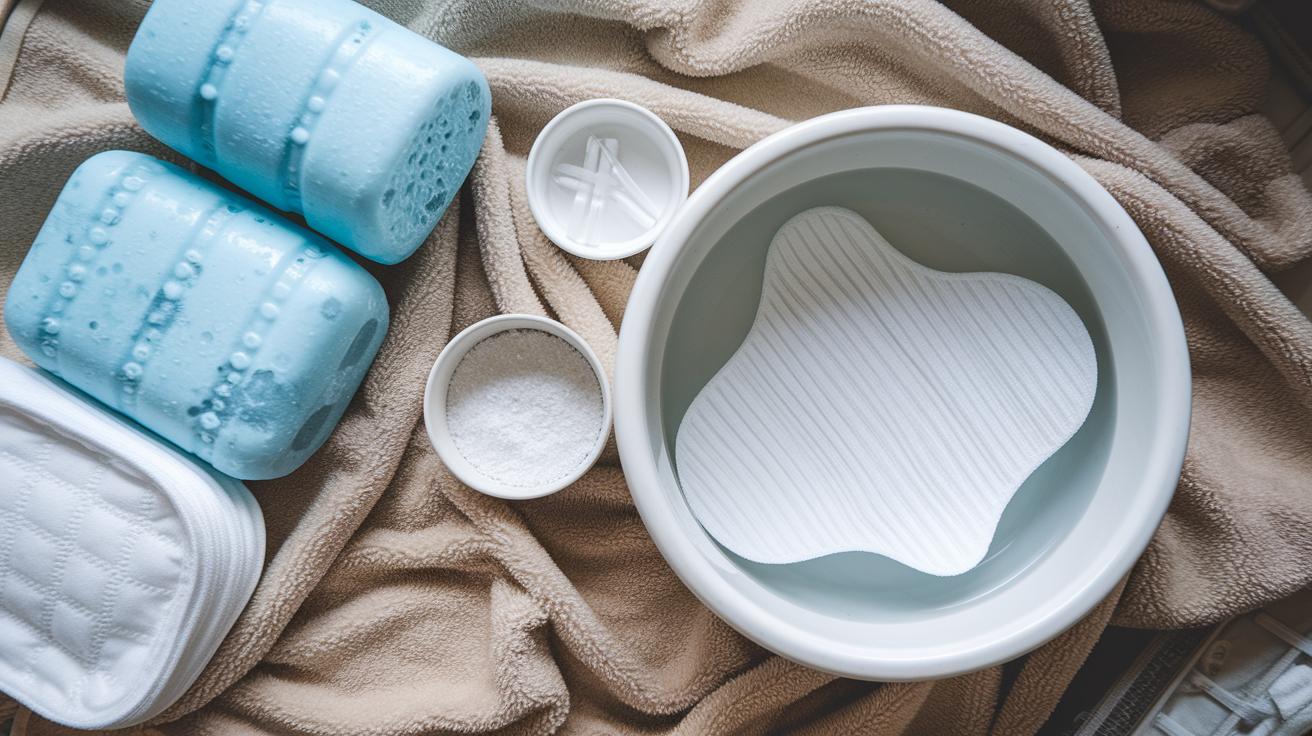
After you give birth, it means a lot to have a few trusted items around to help you feel safe as your body heals. A carefully put-together postpartum recovery kit becomes like that gentle friend who’s always there to ease discomfort and support you during this sensitive time.
Imagine feeling a bit swollen and reaching for a perineal ice pack that cools and soothes those tender spots, it’s like a softly whispered promise of relief. Keeping absorbent postpartum pads and leak-proof underwear on hand can make all the little changes feel a bit more manageable, almost like wrapping yourself in a secure, familiar hug.
If you’re dealing with the soreness of hemorrhoids or need comfort for your perineum, consider the magic of a sitz bath with Epsom salt. A warm sitz bath, as described in our helpful guide, gently washes away discomfort and feels as comforting as a warm embrace after a long, tiring day. And when it comes to caring for tender stitches, a few witch hazel tucks can make the healing process a bit gentler.
Here are some key items to consider adding to your kit:
- Perineal ice packs for quick, cool relief
- Sitz bath supplies with Epsom salt for soothing soaks
- Absorbent postpartum pads and leak-proof underwear for everyday ease
- Witch hazel tucks to gently comfort tender stitches
For a full list of these caring essentials, feel free to check out our postpartum recovery kit resource. Each thoughtful item is chosen to support your healing journey and keep you nurtured every step of the way.
Tracking Your Postpartum Recovery Progress and Professional Support

It feels good to know that every small change in your body is a sign that you’re healing. Keeping a simple record of your recovery can help you spot when you might need extra care. For example, you could note when your bleeding becomes lighter, your pain decreases, or your mood feels more steady. Maybe jot down, "Today my soreness was a bit less," or "I felt extra calm after a short walk."
Don’t forget to plan your six-week postpartum checkup. This is a great chance to have a chat with your healthcare provider about any changes or worries you have, and they will check your pelvic floor (the muscles used to support the bladder, uterus, and bowel).
Be sure to keep an eye out for signs that you might need professional advice. These can include:
| Warning Sign | Description |
|---|---|
| High fever | Fever that doesn’t go down and may be a sign of infection |
| Heavy bleeding | More than what is normal or expected |
| Persistent pain | Pain that keeps getting worse |
If you start feeling overwhelmed, remember that you don’t have to face it alone. It might help to reach out to a pelvic physical therapist, a lactation consultant, or a mental health counselor. Noticing your healing milestones and understanding when something feels off can give you the strength to ask for support when you need it.
Final Words
In the action, this postpartum recovery guide has shown you simple steps to care for your body and nurture your emotions. We talked about physical healing, balanced nutrition, gentle exercises, and self-care routines that ease your recovery time. Each section offered clear tips, from tracking progress to choosing support resources, that make daily recovery feel manageable and hopeful.
Keep moving forward with small, steady changes. Every caring effort you put in brings you closer to embracing a strong, supported new chapter.
FAQ
Q: What is a day-by-day postpartum recovery guide?
A: A day-by-day recovery guide explains the daily changes, including managing soreness, discharge, and early healing steps while addressing both physical and emotional needs right after birth.
Q: What does ACOG recommend for postpartum recovery?
A: ACOG advises a gradual recovery plan that focuses on physical healing and emotional wellness, including a six-week checkup for pelvic health and overall recovery progress.
Q: How long does postpartum recovery last?
A: Postpartum recovery typically spans six weeks for basic healing, though full recovery—including emotional and subtle bodily changes—can take up to one year for many new mothers.
Q: What activities should be avoided right after giving birth?
A: New mothers are advised to avoid heavy lifting and intense physical activity early on to prevent strain and allow the body to heal naturally after childbirth.
Q: Can recovery from pregnancy take up to two years?
A: While most physical recovery occurs within a year, some mothers may notice lingering changes for up to two years as they adjust and continue to nurture their wellbeing.
Q: How do I care for my vagina after giving birth?
A: Caring for your vagina involves gentle cleansing, using a peri bottle for comfort, choosing breathable underwear, and following your provider’s advice to support healing and reduce discomfort.
Q: What is the 5 5 5 rule in postpartum care?
A: The 5 5 5 rule is a guideline suggesting small, frequent self-care practices during postpartum recovery to ease the transition and promote steady, gentle healing.
Q: Which day postpartum is usually the hardest?
A: The first few days after birth are often the most challenging, as new mothers may experience intense physical discomfort and emotional ups and downs while beginning to recover.
Q: What helps speed up recovery after giving birth?
A: Recovery can be aided by following a nutritious diet, staying hydrated, practicing gentle exercises like Kegels, getting adequate rest, and using self-care techniques throughout the healing process.