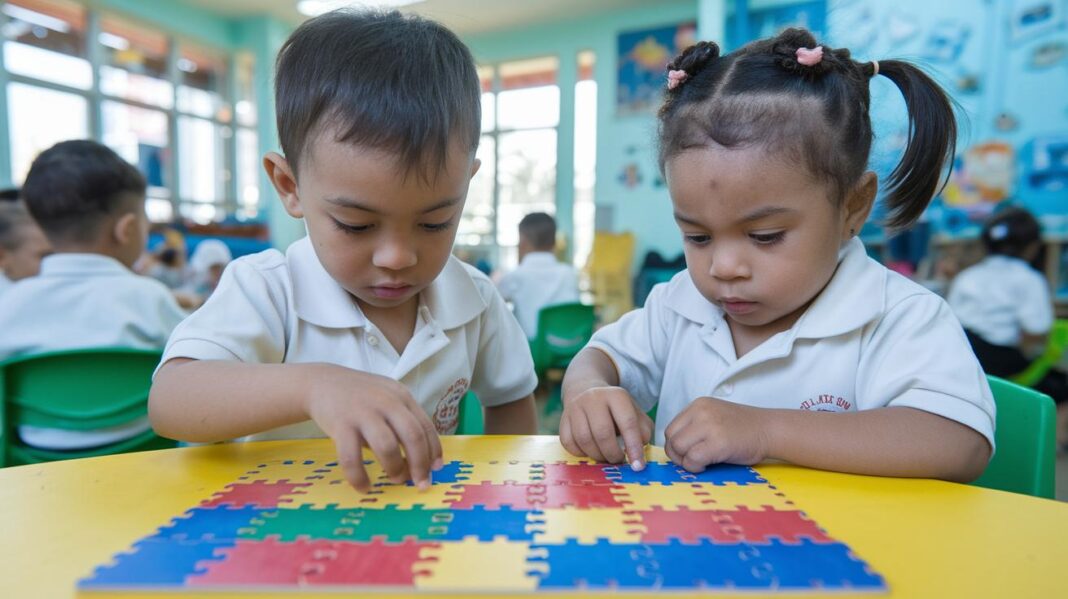
Have you ever wondered if a simple game could spark your child's imagination? Think about preschool activities that mix fun with learning. They help little ones explore new ideas while building strong thinking skills. Picture your child happily solving a puzzle or sorting bright shapes, each playful moment planting seeds for better memory and creativity.
In this post, I'll share some hands-on ideas that bring fun and brain-boosting challenges together. Ready to try out activities that light up young minds and make playtime extra special?
Practical Preschool Cognitive Development Activities to Try Today

Get ready to have fun boosting your little one's brain growth with a series of hands-on, playful activities that help build essential skills. These ideas are simple and engaging, perfect for busy parents who want to nurture learning while keeping things enjoyable.
- Color Match and Shape Sorting: Try using flashcards or favorite toys to match colors and shapes. It’s a game that strengthens visual skills, memory, and focus.
- Rhyme Matching and Rhyming Bingo: Create a game with picture cards or bingo boards to explore fun rhymes. It helps children tune in to sounds and recognize word patterns.
- Puzzle Completion: Set out age-appropriate puzzles where each piece fits just right. This activity encourages trial and error while teaching problem-solving.
- Which One Doesn’t Belong?: Show a group of similar items and ask your child to pick the odd one out. It’s a playful way to practice sorting and logical thinking.
- Memory Game Variants (like Connect Four): Play simple strategy games that challenge working memory and encourage thoughtful planning, all in the spirit of fun.
- Sorting and Categorizing: Gather everyday objects like toy animals or household items for a sorting game. This helps develop classification skills in a familiar, hands-on way.
- Story Sequencing with Picture Cards: Mix up some picture cards and invite your preschooler to arrange them in order to tell a story. It’s a great trick to boost understanding and narrative thinking.
- Block-Building Challenges and Color Scavenger Hunts: Use building blocks for creative spatial play and organize a scavenger hunt to spark observation and reasoning skills.
These activities blend play with learning to support visual, auditory, and logical development. They’re a wonderful way to help your child build a strong foundation for cognitive growth. For more ideas and helpful tips on early childhood development, explore the additional resources at https://womensconference.org?p=.
Implementing Hands-On Cognitive Learning in Preschool Settings
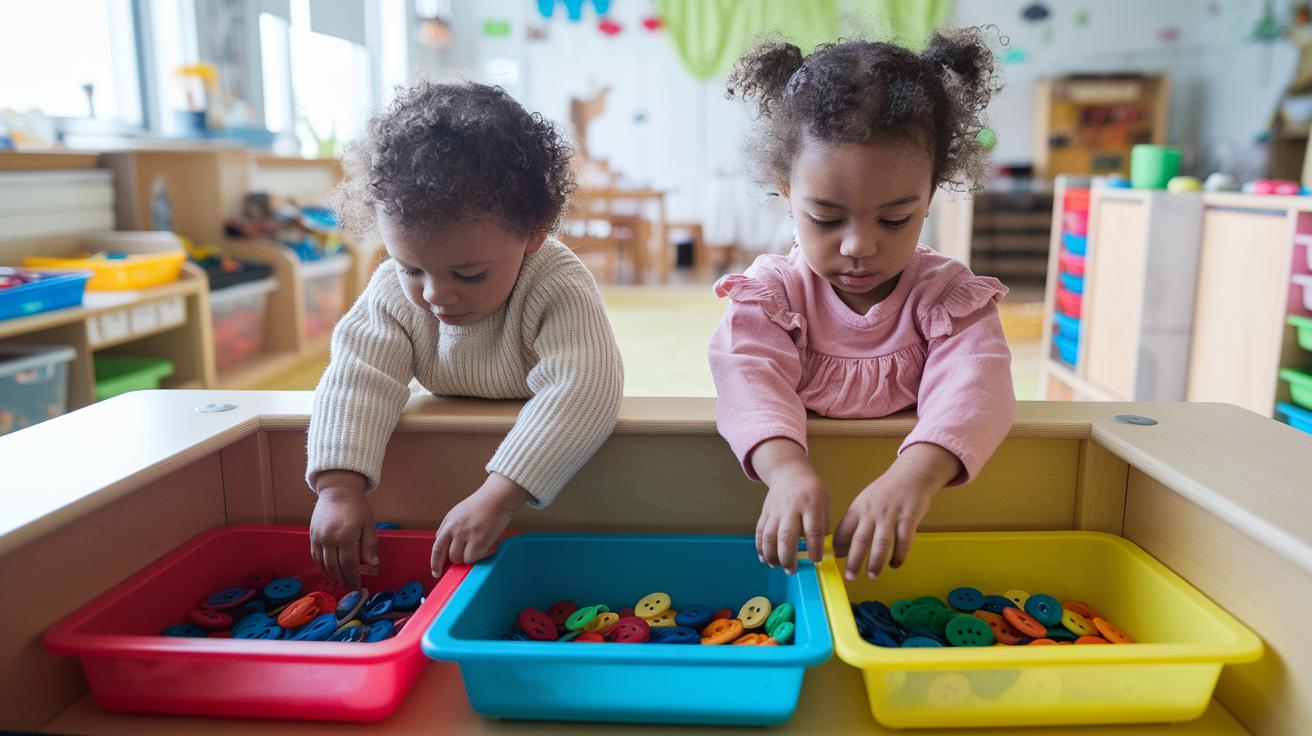
Start by setting up a clear, inviting space where little ones can explore freely. Think about creating cozy corners for role-play, like a pretend classroom or mini store, where kids can act out everyday routines and learn social skills. You might even add a special area for sensory play to grab their attention right away!
It’s important to pick materials that match what preschoolers can do. For example, sensory bins filled with rice, beans, or water beads let children explore with their hands and build fine motor skills. You can also set up simple sorting stations with everyday items like buttons or shells to help them begin learning about numbers and patterns. Even casual worksheets like Snack Time Counting and Number Matching can turn snack time into a fun learning moment.
And don’t forget, give them space to explore on their own while you gently guide them. Try fun listening games like Musical Statues which boost their listening skills and help them learn self-control, all while keeping the atmosphere playful. This balanced approach builds confidence and sends a warm message: every child is encouraged to try new things at their own pace.
Top Interactive Brain Games and Puzzles for Preschool Cognitive Development
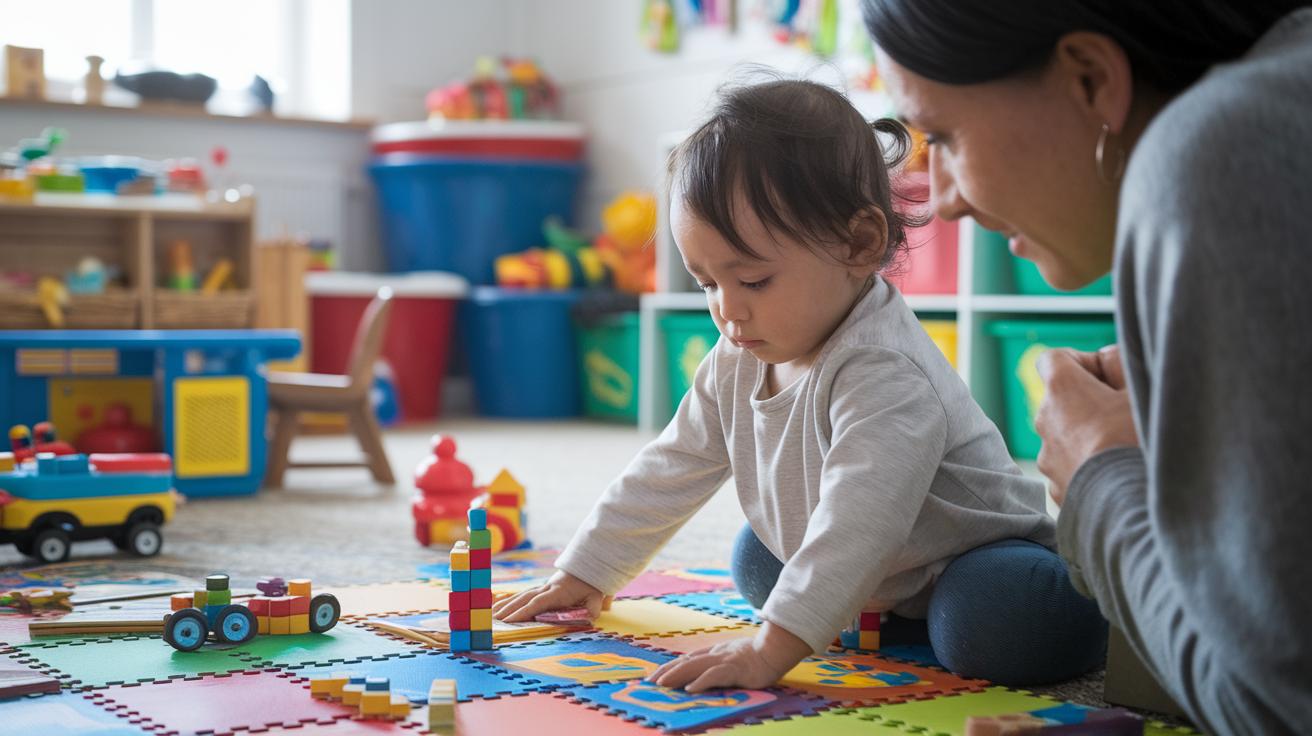
Interactive play is not just fun; it's a great way to boost your little one's thinking skills. This list brings together favorite games along with simple ideas about how each one helps your child learn and grow.
| Game Name | Cognitive Skill | Materials Needed |
|---|---|---|
| Puzzle Completion | Problem-Solving (trial and error) | Age-appropriate puzzles |
| Which One Doesn’t Belong? | Deductive Reasoning | Sets of similar items |
| Memory Match | Visual Recall and Working Memory | Picture cards |
| Sorting by Size or Color | Logical Grouping and Classification | Everyday objects like buttons or blocks |
| Connect Four | Strategic Thinking and Rule-Based Play | Connect Four game board |
| Tic Tac Toe | Simple Strategic Planning | Paper and pencil |
| Story Sequencing | Narrative Logic and Order | Picture cards organized to form a story |
Each game is made to build a specific skill and comes with a clear list of what you need. Why not try one of these with your preschooler? You might say, "Imagine figuring out which toy doesn't belong, like spotting a red apple among green ones."
Creative Storytelling and Language for Preschool Cognitive Growth
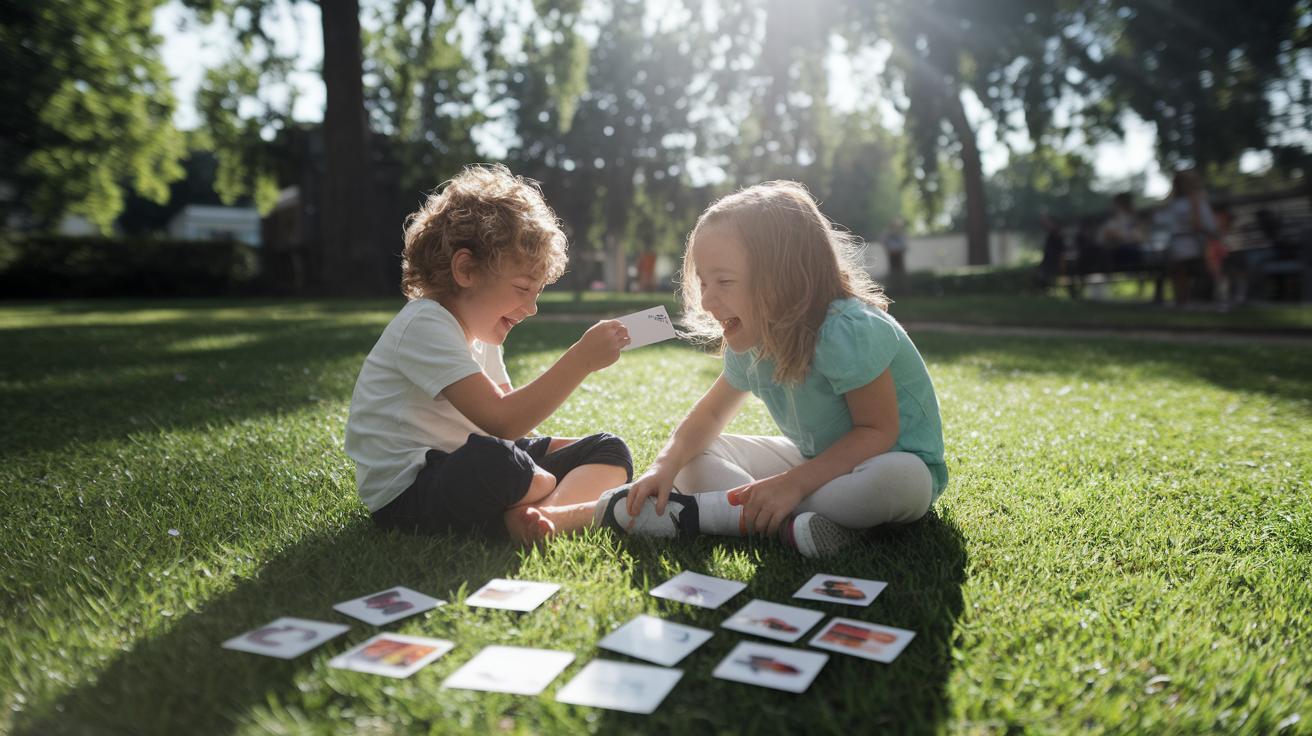
Language play is a fun way to help little ones build their words and tell stories. When you mix in clever ideas with everyday activities, it feels like you’re creating a cozy space for kids to learn and play with words.
Story Sequencing
Imagine using picture cards that share a fun theme. Ask questions like, “What do you think happens when a tiny bird finds a shiny key?” This simple question helps kids think about what comes first, next, and last. It’s like painting a story with their words and colors in their mind.
Rhyming and Rhythm Games
Try turning basic matching into a playful challenge. You might say, “Can you think of a word that rhymes with 'flutter'? Maybe something like 'butter'?” This little twist makes the sound of words stand out, giving kids a fun way to enjoy listening to and playing with language.
Sight Word Activities
Turn flash cards into a tool for making up stories. Pick a simple word like “big” or “look” and weave it into a short tale. By doing this, reading feels much more natural, almost like a game where every word brings the story to life.
These fun activities help kids discover new words and practice talking in creative ways. They mix play and learning, making every story a little adventure in language.
Outdoor and Sensory Stimulation Activities for Preschool Cognitive Skills

Playing outdoors gets little bodies moving and sparks their curious minds. When kids mix nature with hands-on activities, they use all their senses to explore the world. It’s amazing how running around outside can help them learn to notice details, sort different objects, and even think critically.
Nature Scavenger Hunts
Why not set up a fun scavenger hunt? Encourage your child to pick up leaves, rocks, or pinecones and sort them by color and shape. You might cheerfully ask, "Can you find a bright green leaf or a smooth, cool stone?" These little adventures help kids observe, compare, and enjoy learning right in your backyard or park!
Sensory Bins with Natural Materials
Imagine a bin filled with water, sand, or even a mix of natural treasures like stones and pinecones. Just be sure all items are clean and safe for little hands. Changing the items every now and then keeps things exciting and lets your child explore different textures while strengthening their fine motor skills.
Outdoor Obstacle and Block Areas
Set up a simple obstacle course using everyday items from your yard or a nearby park. Add a small block-building corner where your little one can create mini structures. As they move from one fun challenge to the next, they practice planning and step-by-step thinking in a playful way.
Mixing active play with fun brain challenges outdoors gives children a well-rounded learning experience. It’s a beautiful blend of movement and thought, sparking both their creativity and their love for play.
Tracking Progress in Preschool Cognitive Development Activities

Caregivers can help little ones grow by keeping track of simple milestones like solving puzzles, trying different approaches (trial and error), and understanding the order of events, first, next, and last. You might jot down a few notes after playtime, use a monthly checklist, or even create a portfolio of your child's work. These little records show how memory, problem solving, focus, and speech are developing.
It’s a bit like watching your child light up with joy when they crack a new puzzle toy. Some parents even use digital apps or printable charts to see these changes day by day, making it easier to tailor activities to each child’s special way of learning.
As you gather these observations, you can tweak future activities to offer extra practice where needed. For example, if your child seems to struggle with putting events in order, try a hands-on story sequencing game or matching exercises. These simple adjustments not only make learning more fun but also boost confidence with each little success.
Keeping track helps you make smart choices about which activities to try next, ensuring every child is well-supported on their unique learning journey. For more ideas and helpful checklists, consider exploring the developmental guidelines on WomensConference.org.
Final Words
In the action, our post shared simple activities that boost skills like visual recognition, memory, and phonemic awareness. We discussed hands-on play, engaging puzzles, and even outdoor tasks that spark learning and laughter. The step-by-step tips make it easy to add fun into daily routines and watch little ones grow. Remember, these preschool cognitive development activities are all about bringing practical, joyful learning moments into your day. Every playful session brings a new chance to shine bright!
FAQ
What are some examples of cognitive development activities for young children?
Cognitive development activities include matching and sorting games, puzzles, memory games, story sequencing, block building, and sensory bins that help boost thinking and problem-solving skills.
What cognitive development activities are available for preschoolers?
Preschool activities feature color matching, shape sorting, rhyme matching, puzzle completion, memory card games, and interactive storytelling that support early learning and brain growth.
What is a good activity for a child’s cognitive development?
A good activity involves hands-on play such as memory games, simple puzzles, and guided story sequencing that motivate children to think, make decisions, and learn through engaging play.
What are three examples of cognitive activities for young learners?
Three simple examples include matching games, puzzle play, and storytelling with picture cards, which encourage visual recognition, reasoning, and language skills.
What strategies can develop cognitive skills in preschoolers?
Strategies involve using interactive learning games, hands-on sensory play, and role-play activities that help children build memory, problem-solving, and social skills in a fun, nurturing way.
Are there free cognitive development activities for preschoolers?
Yes, free activities include printable puzzles, memory games available online, and using everyday household items for matching and sequencing games that spark curiosity and learning.