

Have you ever noticed how fast your body starts to heal after giving birth? In those first few hours and weeks, you might feel a bit overwhelmed by the changes. But each day brings you one step closer to feeling whole again. When you’re in the hospital, you begin your healing journey, and as the days pass, you start to feel a little more at ease.
It’s like following a simple map that guides you toward a brighter, stronger future. This timeline helps you see each stage of recovery clearly, so you can feel confident and informed while you gently care for your body.
Postpartum Recovery Timeline: Embrace a Bright Future
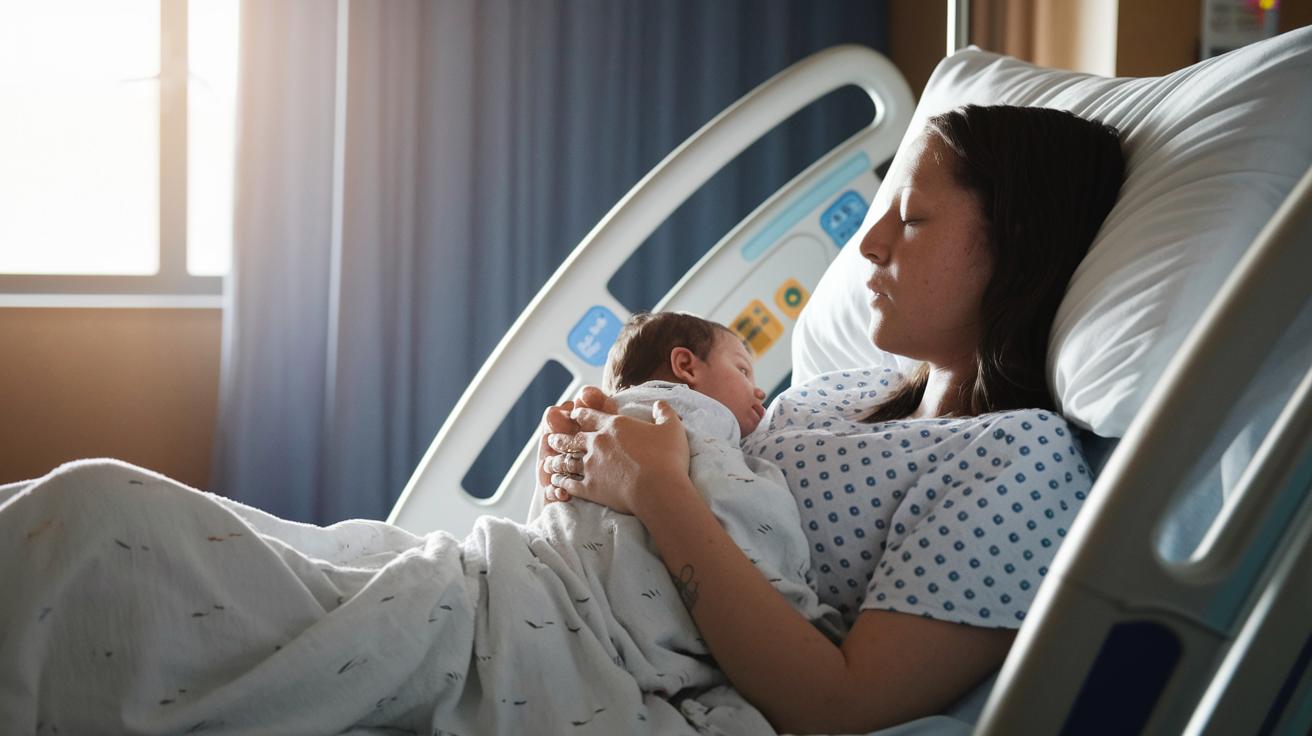
Right after your baby arrives, your body goes through many noticeable changes as it begins to heal. In those first 24 hours, you might feel contractions, chills, sweats, perineal pain, and sore nipples, along with a mix of emotions. This part is very important because complications, like heavy bleeding or high blood pressure (eclampsia), are most likely to happen in the first 6–12 hours. Most moms stay in the hospital for a short time, usually 24–48 hours after a vaginal delivery and 2–4 days after a C-section, as your body quickly starts its healing journey.
As you move into the recovery process, the next 2–6 weeks, known as the subacute phase, bring along gradual improvements. Bleeding and cramps slowly ease up, letting you enjoy gentle activities like a slow daily walk or just plenty of rest. This is also when you’ll have important follow-up visits, like the 6‑week postpartum checkup, to see how you’re doing and talk about any lingering concerns. Here’s a little table that shows the main points of each recovery stage:
| Phase | Timeframe | Key Features |
|---|---|---|
| Acute Phase | 0–24 hours | Contractions, chills, sweats, perineal pain, emotional changes |
| Subacute Phase | 2–6 weeks | Less bleeding and cramps, slow and steady physical recovery |
| Delayed Phase | 6 weeks–6 months | Ongoing muscle and tissue healing; pelvic floor strengthening can continue up to 12 months |
After six weeks, you enter what we call the delayed phase. In this period, your muscles and tissues slowly regain strength, making everyday tasks feel easier. Your pelvic floor keeps getting stronger too, though it might take 8 to 12 months for full recovery. Remember, every stage of recovery has its own little milestones, and taking time for yourself now helps set the stage for a joyful, vibrant future with your new baby.
Week-by-Week Postpartum Recovery Timeline for Vaginal Birth
In the first week after a vaginal birth, your body is busy readjusting. You might feel sore, experience heavy bleeding, and find that sleep is interrupted with feedings every couple of hours. Even on tough days, every quiet feeding or moment of rest feels like a true win as your body begins to heal.
By the second week, you may notice that cramping eases a bit and the bleeding lightens. This is a great time to try taking slow, gentle walks to keep your blood moving. As the days go by, your energy starts to pick up, and your milk supply might settle into a more regular pattern, even though you might still wake up at night. Every passing week brings little milestones that guide you on your recovery journey.
| Time Period | Highlights |
|---|---|
| Week One | Soreness, heavy bleeding, and frequent feedings |
| Week Two | Less cramping and gentle movement |
| Week Three | Continued healing with a start on contraception guidance |
| Weeks Four–Five | Returning energy and a steadier milk supply |
| Week Six | The uterus is regaining its shape, leading to a postpartum checkup |
Every milestone is a sign of how far you’ve come. Take a moment to appreciate these changes, they show that you’re slowly getting back to feeling like yourself and getting ready for the next steps with your little one.
C-Section Postpartum Recovery Timeline and Incision Care
After a cesarean delivery, your healing journey is unique and personal. You may spend 2 to 4 days in the hospital, usually a bit longer than after a vaginal birth. While you’re there, your care team watches your incision closely and gives you simple, clear tips on keeping it clean and protected.
When you head home, you might notice the incision still feels sore for a few weeks. Many moms see this pain slowly fade, with a big improvement around three months. Taking gentle walks, for example, can boost circulation and help lower the risk of clots. This careful, step-by-step approach really supports your overall recovery.
At the same time, your pelvic floor muscles are working hard to regain their strength, a process that might take up to 12 months. Taking it slow and following your provider’s advice can make a real difference. Remember, every recovery is different, and small, steady steps help your body rebuild its strength and confidence.
Emotional and Hormonal Recovery Stages in the Postpartum Timeline
After your baby is born, your body goes through a lot of changes. Your hormone levels drop quickly, which can make you feel extra emotional, what many call the "baby blues." Most new moms feel this way, with emotions peaking around days 3 to 5 and then easing off over about two weeks. Imagine it like suddenly needing an umbrella when dark clouds roll in; your body just needs a little extra care during this time.
For some moms, about one in five, those emotional dips can last a bit longer. If you notice that the tearfulness or mood swings seem more intense during the first month, it might help to lean on your supportive circle, friends, family, or even a caring healthcare provider. Having someone to talk to can make all the difference when you're adjusting to these new feelings.
Postpartum Recovery Timeline: Embrace a Bright Future

Between three and six months after your baby arrives, many moms start feeling stronger. Your core muscles may get firmer, and you might notice fewer issues with urinary incontinence. Everyday activities can begin to feel easier, showing that your body is slowly healing and finding its natural rhythm.
Around the three-month mark, you might see that hair loss and skin changes begin to settle down. During pregnancy, you likely gained between 25 and 35 pounds, and about 13 pounds might have dropped right after birth. Think of it as regaining balance bit by bit, each body is unique, so the extra weight loss might take several more months as you adjust.
By one year postpartum, many moms feel much closer to their pre-pregnancy selves. Though the journey is gradual, every milestone, whether it’s a stronger core or improved muscle tone, shows your personal progress. Enjoy these steps forward and remember to heal at your own pace.
Common Postpartum Complications and Timeline for Healing
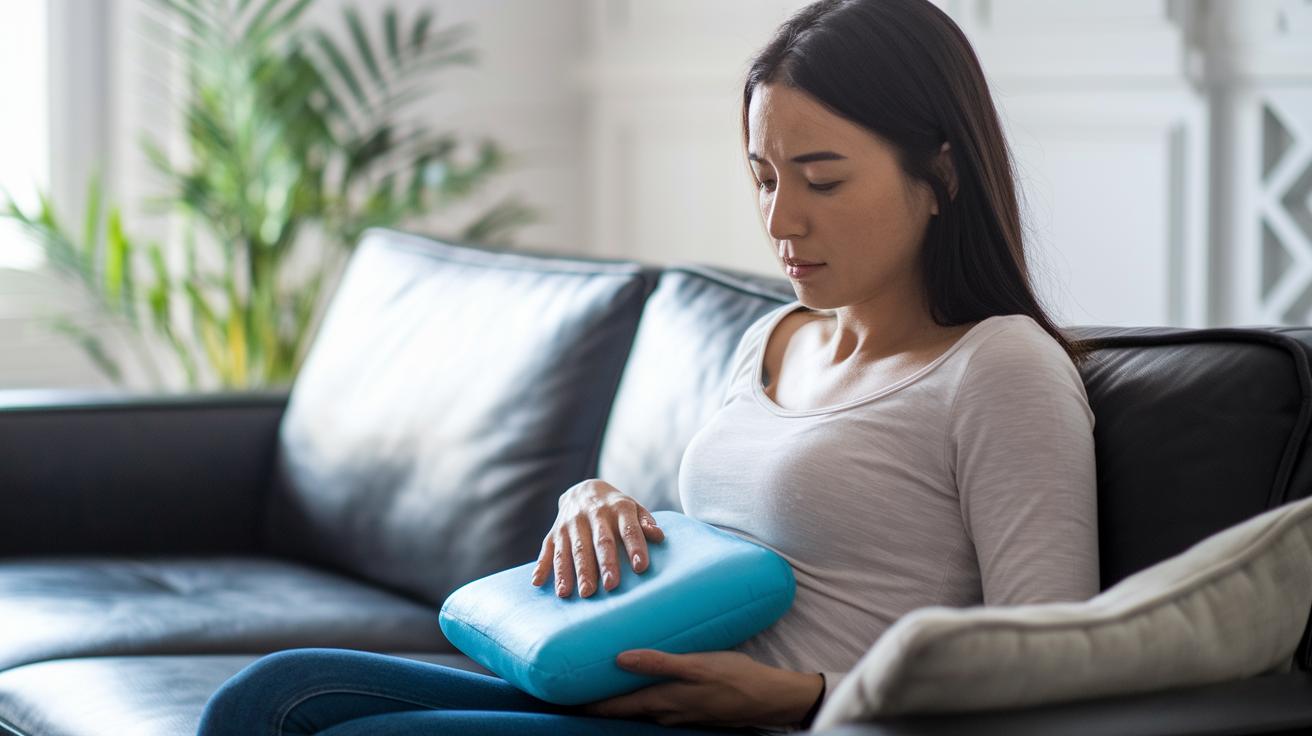
When you have a vaginal delivery with an episiotomy or a tear, many moms start to notice real healing by two or three weeks after birth. Still, that sore feeling around your middle-down area might stick around for as long as six weeks.
Your pelvic floor muscles, which support many parts of your body, might need eight months or more to build back their strength. And sometimes, full recovery can take up to a year. Issues like bladder leakage or hemorrhoids often improve within about six weeks. But if you're still feeling discomfort, trying things like pelvic physical therapy or simple supports such as cold packs or warm sitz baths can really help.
Recovery can be a tough journey, but a little extra care goes a long way. I once heard from a mom who said that a cold pack brought her quick relief, which made each step of recovery a bit easier. Keeping up with pelvic physical therapy can be key in regaining muscle strength. And if some symptoms stick around or even get worse, it’s a good idea to talk with your healthcare provider. They can help tailor extra care to meet your unique healing needs.
Essential Self-Care and Support Resources Across the Postpartum Recovery Timeline

Taking a moment for yourself can really help during the postpartum recovery. Gentle pelvic floor exercises build your strength, and a warm Epsom salt bath or sitz bath can soothe any soreness. Eating healthy foods, drinking plenty of water, and getting extra rest are little steps that add up to big support for your healing body and mind.
Having a caring circle around you makes all the difference. Whether it's your partner, family, or a local support group, those connections offer a helping hand and a comforting shoulder when you need it most. And don’t forget about professional help, things like pelvic physical therapy or regular checkups with your provider can make your recovery feel a bit smoother. A personalized recovery kit with essentials like peri bottles, pads, and supportive garments can also ease common discomforts.
Remember, each small act of self-care is a kind, deliberate step toward healing. If you need more ideas or advice, check out the postpartum recovery tips and learn more about a recovery kit on our website. Every step you take is a wonderful move toward a healthy, happy future as you continue to recover and thrive.
Final Words
In the action, we explored each stage of how recovery unfolds, from the early physical changes and week-by-week milestones for both vaginal and C-section births to the emotional shifts that often accompany postpartum days. We also shared practical self-care ideas and tools to help ease the path.
Remember, your postpartum recovery timeline is unique. Every day brings its own lessons and moments of strength. Keep moving forward with hope and care, knowing that brighter, healthier days lie ahead.
FAQ
Q: What does the postpartum recovery timeline week-by-week involve?
A: The week-by-week timeline shows common milestones—from heavy bleeding and soreness in week one to reduced symptoms and a postpartum checkup around week six—helping moms gauge gradual healing at manageable intervals.
Q: How do personal experiences on Reddit describe the postpartum recovery timeline?
A: Personal accounts shared on Reddit reveal that recovery is unique, with differences in symptom duration and overall progress. These experiences remind us that every mom’s healing process is individual.
Q: What are some postpartum recovery tips new mothers can use?
A: Helpful tips include gentle pelvic floor exercises, using peri bottles for comfort, balanced nutrition, plenty of rest, and seeking support from family or professionals to ease the physical and emotional challenges.
Q: Can recovery from pregnancy take several years?
A: Most moms regain their physical baseline within a year. While some aspects like pelvic floor strength may take longer, claims of complete recovery taking two or even seven years tend to exaggerate typical healing timelines.
Q: How long does postpartum depression usually last?
A: Postpartum depression varies, with symptoms sometimes lasting several months if untreated. Early support and professional care can help shorten its duration and improve overall emotional recovery.
Q: How does a C-section recovery timeline differ from a vaginal birth?
A: Recovery from a C-section generally takes longer, with a hospital stay of 2–4 days. Incision pain usually diminishes significantly by three months, with gradual improvements in overall strength.
Q: What should mothers avoid doing after giving birth?
A: New moms should avoid heavy lifting, strenuous exercise, and early resumption of penetrative activities. Instead, focus on rest and gradually reintroducing daily tasks while monitoring their body’s signals.
Q: What is the 5 5 5 rule for postpartum recovery?
A: The 5 5 5 rule offers a guideline for balancing rest, activity, and self-care after birth. Since interpretations vary, it’s best to discuss it with your provider to tailor recommendations to your recovery.
Q: How long should a new mother rest after giving birth?
A: The ideal rest period depends on the individual; many need several days of recovery after birth and may experience fatigue for a few weeks as their body adjusts to the new demands.
Q: How long does it take for the body to recover postpartum?
A: Physical recovery often begins in the first six weeks but may take up to a year for full strength and pelvic floor restoration. Everyone’s timeline is unique, so gradual progress is normal.


