Have you ever wondered if doing gentle pelvic floor exercises after your baby is born really helps? A lot of new moms ask if these simple moves can strengthen the body after childbirth. Think of moves like Kegels as a way to help with bladder control, ease discomfort, and bring a little balance back to your day. It’s kind of like tuning a radio, finding that perfect spot that feels just right. With a bit of regular practice, you might notice that your body feels a bit stronger and everyday tasks become a little easier. Let’s chat about how these exercises can be a comforting part of your recovery and help you feel more confident today.
What Are Postpartum Pelvic Floor Exercises and Why They Matter
Postpartum pelvic floor exercises are gentle movements designed to help new moms regain strength and stability during the early months after childbirth. They work on the muscles that might have become a bit weak during pregnancy and birth. These exercises help with common concerns like controlling your bladder, avoiding leaks when you cough or sneeze, easing pain during intimacy, and feeling more balanced down below. Many new mothers also benefit from professional guidance, such as Boston Postpartum Physical Therapy, to ensure exercises are performed safely and effectively during recovery. Typically, you’ll do Kegel moves, squeezing those muscles while lying down, and simple stretches to help your muscles both get active and relax.
These exercises can really improve your control and overall pelvic strength. For instance, find a quiet moment to lie on your back, place one hand on your tummy, and take slow, deep breaths. As you exhale, gently squeeze your pelvic muscles, imagining the soft rhythm of gentle waves at the shore. Such simple steps help you tune into your body’s signals, letting you know when to tighten or relax so that everyday movements become easier.
Taking it step by step is important when you’re rebuilding your strength. It’s best to keep the routine relaxed and mindful to avoid overdoing it, which makes the recovery smoother. By mixing focused Kegel moves with gentle muscle stretches, you build a strong pelvic foundation that supports your core and helps you feel comfortable as you adjust to life after childbirth.
Early Postpartum Pelvic Floor Activation (Weeks 0–2)
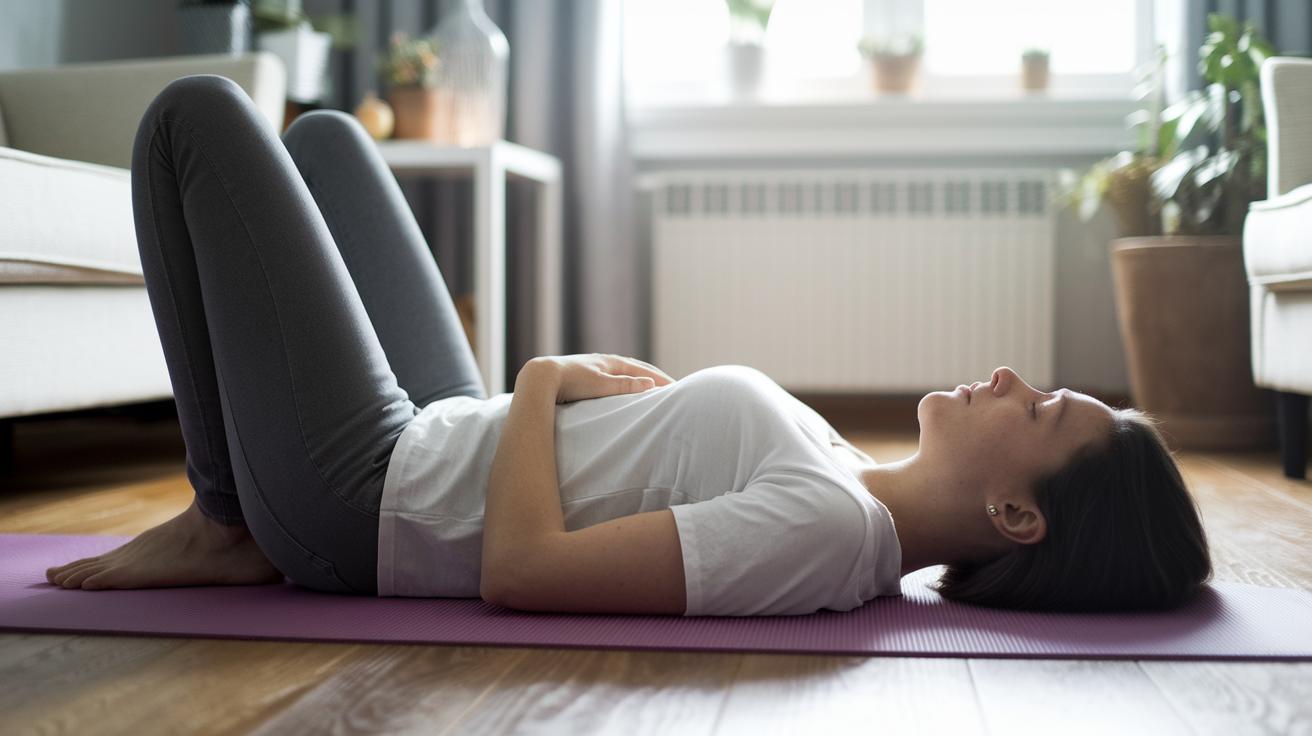
Begin with a gentle routine that helps boost circulation and ease any swelling. Lie on your back, place one hand on your tummy, and take a slow, deep breath, letting your belly rise. As you exhale, let your pelvic muscles relax. For instance, lie down, breathe in slowly until you feel your belly expand, then lightly engage your pelvic floor for just one to three seconds before you let go.
In the first two weeks after giving birth (you can check out the postpartum recovery timeline here: https://womensconference.org?p=11138), follow these simple steps:
- Lie on your back with your knees bent and get comfortable.
- Breathe in slowly so your tummy fully expands, then exhale and gently contract your pelvic floor.
- Keep a relaxed posture and avoid movements that might pressure your stomach.
If you feel ready to try a bit more, try a gentle pelvic tilt. Imagine shifting your pelvis slightly forward as you hold the contraction, then slowly tilting it back as you release. This small change can help work different parts of your pelvic floor, depending on what feels best for you.
Repeat these mindful moves a few times, keeping each contraction short and controlled. This can support your bladder and bowel functions and help ease any swelling in your pelvic area.
Always listen to your body and adjust these movements as needed.
Progressive Postpartum Pelvic Floor Strengthening (Weeks 2–4)
In the early weeks after giving birth, your body is gently healing. Around weeks 2 to 4, you can start shifting from very gentle moves to a bit more of a workout that focuses on strengthening your pelvic floor. Try a moderate Kegel contraction by squeezing your pelvic muscles for about 5 to 8 seconds, and then let them go. Aim for 8 to 12 squeezes in one set and do this routine 2 or 3 times during the day. Picture yourself lying comfortably on your back, taking slow, deep breaths, and mindfully feeling your muscles work and then relax.
You might also want to add some gentle stretching to support your recovery. Simple stretches like a hip flexor stretch or one that targets your piriformis can help your pelvis stay well aligned. Imagine easing into a stretch by slowly lifting one leg, feeling that gentle stretch in your hip, and then softly returning to your starting position. It’s like giving your body a quiet, caring hug.
If you notice any signs of urinary leakage or feel a sudden urge, consider combining these exercises with some extra self-care. You could chat with your healthcare provider about options like vitamin E or estrogen cream if vaginal dryness is a concern. And hey, if you ever feel unsure about how you’re progressing, a pelvic floor physical therapist could offer some helpful advice. There are plenty of safe postpartum exercise guides available too, which might give you that extra bit of confidence.
Take your time, enjoy this journey, and trust that these small steps are paving the way for lasting strength.
Advanced Postpartum Pelvic Floor Workout & Return to Activity (Weeks 4–8)
Between weeks 4 and 8, you can start gently adding more active movements while taking care of your pelvic floor. Now’s a good time to pay special attention to your scars. Once your perineal or C-section scars are completely healed (that is, when any cuts or tears from surgery have fully mended), try a soft, circular massage over the scar. This little touch can boost blood flow and help ease any tight spots.
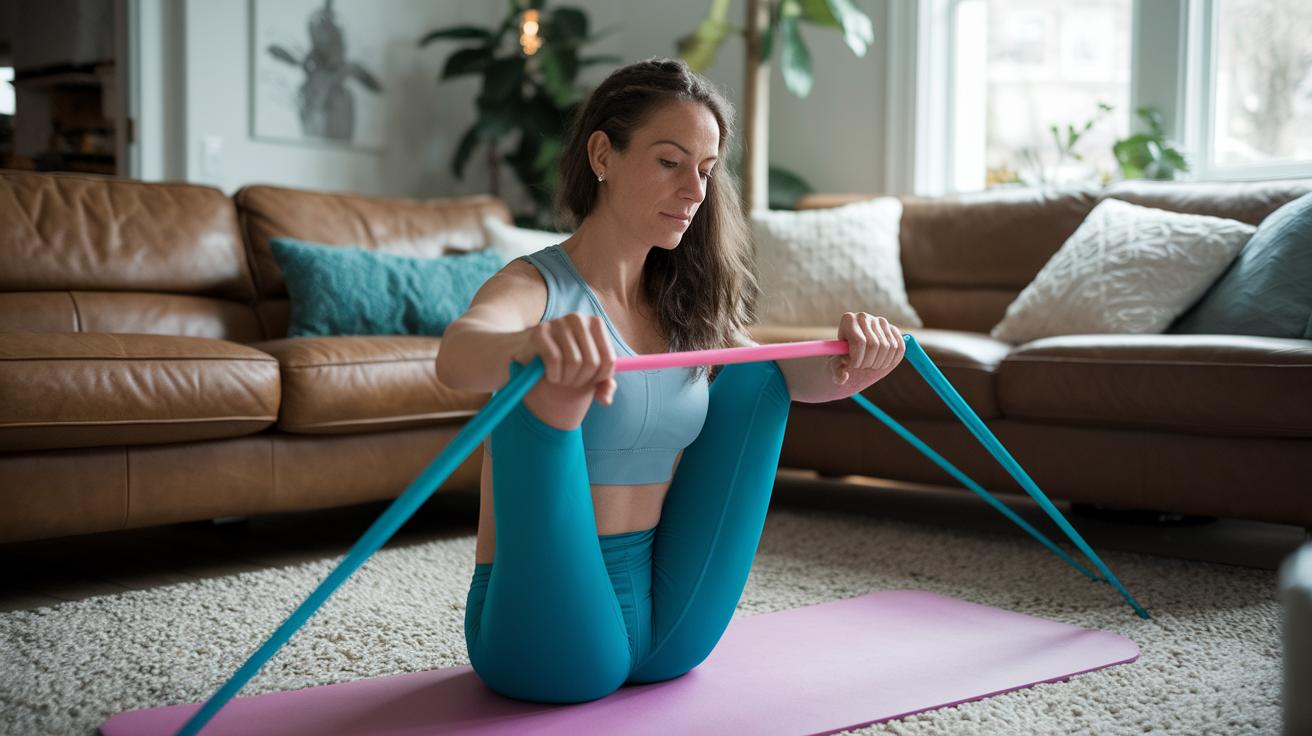
Low-impact cardio like walking or a light ride on a stationary bike is a great way to get your blood moving without putting too much pressure on your pelvic muscles. You might also try pelvic-floor exercises using mini resistance bands. These bands provide a bit of extra support as you do standing kegels, which means standing tall while gently squeezing your pelvic floor muscles, holding for a few seconds, then slowly releasing.
Core exercises like bridges and squats are also wonderful additions. Picture yourself lying on your back with your knees bent, then lifting your hips slowly while using your pelvic muscles to support you. When doing squats, focus on keeping your back straight and your pelvic muscles engaged.
- Gentle scar massage
- Low-impact cardio sessions
- Standing kegels with mini resistance bands
- Core exercises like bridges and squats
Remember to listen closely to your body. As you slowly ease back into activities like sex and full strength training, let your healing pace guide you. Take it one step at a time, knowing every little effort helps build a stronger, more resilient pelvic floor.
Key Techniques for Safe and Effective Postpartum Pelvic Floor Exercises
If you feel confident with the basic moves, here are some extra tips to help you manage muscle tightness. Instead of going over diaphragmatic breathing or basic pelvic floor moves again, try mixing these changes into the routine you already know.
To help ease muscle tightness, take a little extra time to relax between squeezes. For example, gently squeeze your pelvic muscles for a slow count of five and then give yourself seven seconds to relax. Think of it as tightening for five slow counts and then slowly letting go for seven counts, like releasing a deep, held breath. This extra pause helps your muscles shift into a more relaxed state.
If you notice that your butt muscles or tummy are working when they shouldn’t, try to focus more on only your pelvic muscles. One helpful idea is to start each squeeze with a deep, slow exhale so your attention stays on the pelvic floor. And if you feel a little twitch or stiffness, you might want to lower the intensity a bit and even check your form in a mirror.
- Give yourself more time to relax if your muscles still feel tight.
- Use a slow, deep exhale to keep your focus on the pelvic muscles.
- Lower the squeeze strength if you notice other muscles joining in.
| Advanced Technique | Method |
|---|---|
| Extended Relaxation | Squeeze for 5 counts; relax for 7 counts |
| Focused Exhalation | Start each squeeze with a deep exhale |
| Form Check | Use a mirror to make sure your pelvic floor is isolated |
Designing a Home-Based Postpartum Pelvic Floor Exercise Routine

Set aside time for three workout sessions each week. In each session, try doing 2-3 sets of 8-12 Kegels. Start by holding each squeeze for about 5 seconds, and then slowly add another 1-2 seconds every week.
You can make your exercise time extra comfy by using props. For example, you might lean your back against a pillow during supine lengthening exercises or rest on a chair when stretching your hip-flexors and inner thighs.
Mix in some gentle core moves like heel slides and pelvic tilts. These friendly moves work well with your pelvic floor exercises, giving you a balanced routine that builds overall strength.
- Stick to 3 sessions each week
- Gradually increase your hold time
- Use props like pillows and chairs for extra support
- Combine Kegels with core moves (heel slides and pelvic tilts)
| Exercise | Details |
|---|---|
| Kegels | 2-3 sets of 8-12 reps, gradually increasing hold time |
| Support Prop Drills | Pillow for supine lengthening; chair for hip-flexor/adductor stretches |
| Core Moves | Add heel slides and pelvic tilts to boost stability |
When to Seek Professional Pelvic Floor Physical Therapy Postpartum
Sometimes after having a baby, you might notice things that just don’t feel right. If you’re dealing with leaks that won’t go away, constant pelvic pain, a heavy feeling, or signs of prolapse that continue past 8 weeks, it could be time to check in with a pelvic floor physical therapist. Imagine laughing or sneezing and suddenly experiencing a leak, that’s a clear hint your pelvic muscles may need a little extra care.
A caring specialist can use biofeedback techniques to show you exactly how your muscles work during exercise. They might also use gentle hands-on therapy to ease any tight or stubborn scar tissue and help reduce discomfort. Through gradual, tailored exercise steps, you can build strength bit by bit so you feel safe returning to your everyday activities.
These thoughtful professionals work with you on plans that match your unique needs. Whether you’re getting ready to resume high-impact workouts or just want some extra support while you heal, their guidance is made just for you. So if these symptoms stick around, don’t hesitate to ask for help, early care can really make a big difference in avoiding long-term issues.
Final Words
In the action, postpartum pelvic floor exercises can truly help rebuild strength after childbirth. The article explored gentle starters, progressive strengthening, and safe techniques to guide mothers through each stage of recovery.
It offered clear tips and routine ideas that work at home while gently addressing common concerns. Small, mindful movements can bring both comfort and growing confidence. Embrace this nurturing process and celebrate every little win.
FAQ
When should you begin postpartum pelvic floor exercises after birth?
Beginning postpartum pelvic floor exercises safely often starts as soon as you feel ready, with many mothers enjoying gentle contractions in the first two weeks. Always consult your provider before beginning any routine.
How can I access postpartum pelvic floor exercise guides like PDFs, apps, or pictures?
Postpartum pelvic floor exercise resources come in various formats, including PDFs, mobile apps, and illustrated guides. These tools offer step-by-step visuals that help you follow a comfortable, at-home routine.
What are the signs of a weak pelvic floor postpartum?
Signs of a weak pelvic floor postpartum include leakage during activities like coughing or sneezing, discomfort during intercourse, and a sense of pelvic looseness. These symptoms indicate that targeted exercises can be beneficial.
How long does pelvic floor recovery take after childbirth?
Pelvic floor recovery can vary but often takes several weeks to months. Many women see improvements by about eight weeks, though full recovery depends on individual healing and consistency with exercises.
Is walking good for the pelvic floor postpartum?
Walking is a gentle, low-impact activity that promotes circulation while gradually strengthening your pelvic floor. It pairs well with your exercise routine and supports overall recovery when done at a comfortable pace.
Are postpartum pelvic floor exercises different after a C-section?
After a C-section, postpartum pelvic floor exercises remain beneficial. They may need to be modified for your recovery, so it’s wise to work with your healthcare provider for personalized advice.