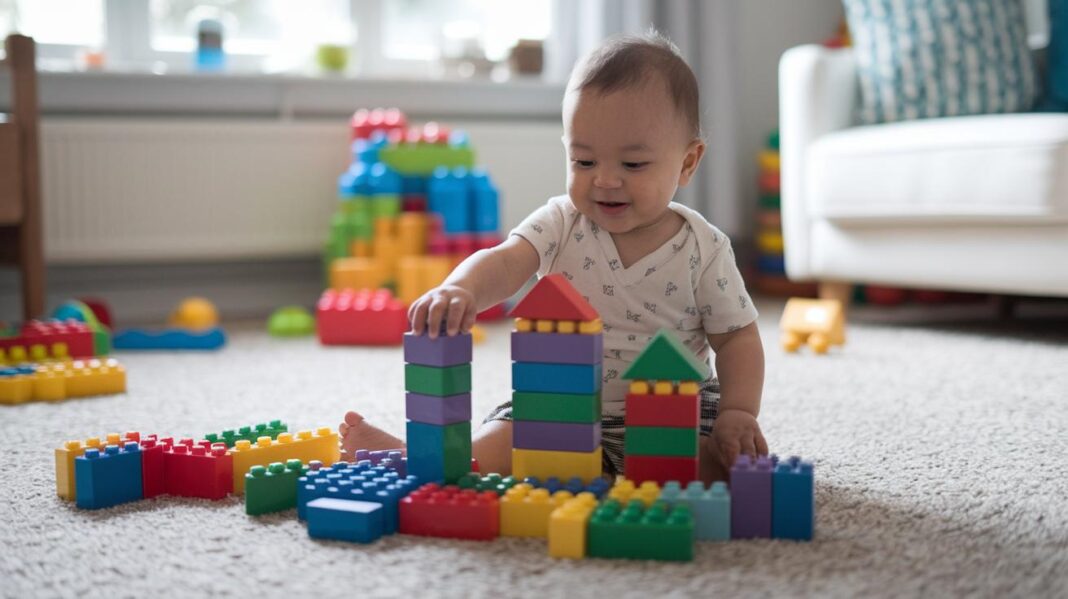
Did you know your baby is learning language all the time? Even before they start to babble, your little one hears the sound of your laugh, the melody of your favorite song, and the gentle tone of your everyday talk.
In this post, we share five fun ways to spark your baby’s language growth while building a cute, lasting bond. Think of it as turning cozy moments into joyful learning experiences.
Imagine a warm reading session where you cuddle up and share a favorite story with your baby. Or consider playful babbling games where you cheer on every sound they make.
These simple ideas help boost your baby’s early communication skills and make playtime feel like a delightful language adventure. Let’s explore them together, one smile at a time.
Essential Activities to Boost Infant Language Development
Before babies are even born, they start soaking up language. It’s amazing to think about, isn’t it? When you laugh, read, or sing to them, you give them a head start in learning to talk.
One way to help is by reading aloud. Snuggle your baby close and share a picture book using a warm, animated voice. Look into their eyes, point at the pictures, and pause. This helps your little one see the connection between what they hear and what they see.
Another fun idea is to sing nursery rhymes. Say familiar rhymes with catchy rhythms and playful gestures. Repeat important sounds and words. It turns the activity into a joyful memory that sticks.
You can also try responsive babbling games. Listen to your baby’s coos and babbles, and then mimic them back. Use funny faces and varied voices, it’s like having a simple conversation with your little friend.
Introducing simple sign routines is another great tip. For example, show signs for words like "more" or "all done" during mealtime or playtime. Always say the word out loud as you make the sign. This helps your baby learn to connect gestures with words.
Lastly, play with object-sound matching. Hold up a toy that makes noise, like a rattle, and say its name clearly. Give your baby a moment to listen and watch. This links what they see with what they hear.
Every one of these activities builds a strong foundation for your baby’s language skills. Reading aloud broadens their ear for different sounds, nursery rhymes build memory with fun rhythms, babbling games encourage turn-taking in conversation, simple signs help connect gestures and words, and object-sound matching ties it all together. Isn’t it wonderful how little actions can spark big language learning moments?
Age-Appropriate Milestones and Daily Language Routines
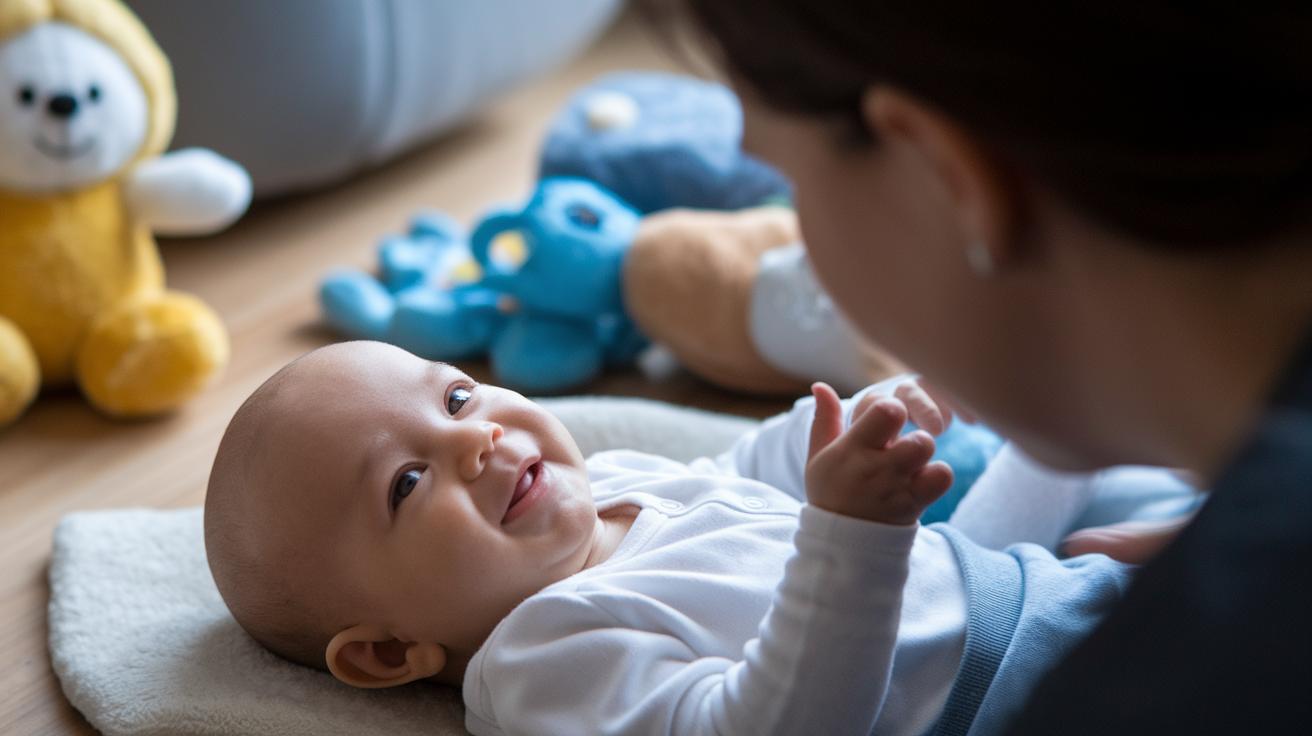
0–3 Months
In the first few months, your baby starts making soft sounds like cooing. They even turn their heads when they hear your gentle voice. It’s as if they’re soaking up every little word, and each coo is a tiny, exciting milestone in their journey of sound.
Every day, you can chat with your baby during routine care like diaper changes or bath time. Try speaking softly or singing a lullaby while you describe the room or even comment on the nice weather. These sweet, simple conversations help build their early language skills.
3–6 Months
Around 3 to 6 months, your little one begins to explore different sounds. You might hear them make cute clucking noises or play with syllables, and it’s clear they love the sound of their own voice. This is an exciting time when those gentle coos start to turn into early attempts at talking.
Make these moments fun by turning them into little games. When your baby coos, echo their sound back to them. Using a playful tone during feeding or changing time not only feels delightful but also encourages your baby’s early communication skills.
6–9 Months
Between 6 and 9 months, you may notice more back-and-forth babbling. Your baby might try to mimic your tone and rhythm, almost like a mini conversation. Some parents even introduce simple baby signs at this stage to support the exchange of sounds, setting the stage for future language.
During play or cuddle sessions, listen closely and repeat the sounds your baby makes. A simple game like saying “echo me” can invite them to experiment with noises, making playtime a gentle way to boost their early language development.
9–12 Months
From 9 to 12 months, your baby may begin naming objects and trying to imitate words they hear. They might even count their favorite toys or steps while you take a walk together. These moments show how much their thinking and talking skills are growing, marking a big step toward clearer speech.
Everyday routines are perfect chances for fun word games. At snack time, you could name the foods or count pieces of fruit together. These little chats turn daily tasks into joyful language exercises, helping your baby develop both their listening and speaking skills.
Advanced Interactive Reading and Nursery Rhyme Techniques
Try turning storytime into a cozy chat with your little one. When you read aloud, ask simple questions like, "What do you see?" and pause like you’re waiting for a tiny, thoughtful answer. For instance, you might say, "See the dog? What sound does it make?" It’s a fun way to grow vocabulary and build a warm connection with your baby.
Another great idea is using pointing-and-labeling during the story. As you flip through a picture book, gently point at objects and name them clearly. Imagine saying, "Look at the big red ball!" while touching its image. This easy, step-by-step method helps your baby link the sounds with the things they see, making learning feel natural and fun.
You can also bring in song-and-gesture routines to make memories last. Sing a well-loved nursery rhyme while adding simple hand movements, like waving at "hello." Picture saying, "Wave your hand when you see the duck!" as you move your hand. Pairing these gestures with words helps your baby understand and even anticipate the actions that go with certain sounds.
Engaging Sensory and Sound Recognition Activities
Bang Bang! (for six months and older) is a fun way to help your little one learn about cause and effect by listening to sounds. When you gently tap two safe objects together, your baby starts to guess what happens next, and it might even spark some cute babbling.
- Tap two objects together slowly.
- Watch for funny reactions and soft coos.
- Repeat the sound to build a nice little rhythm.
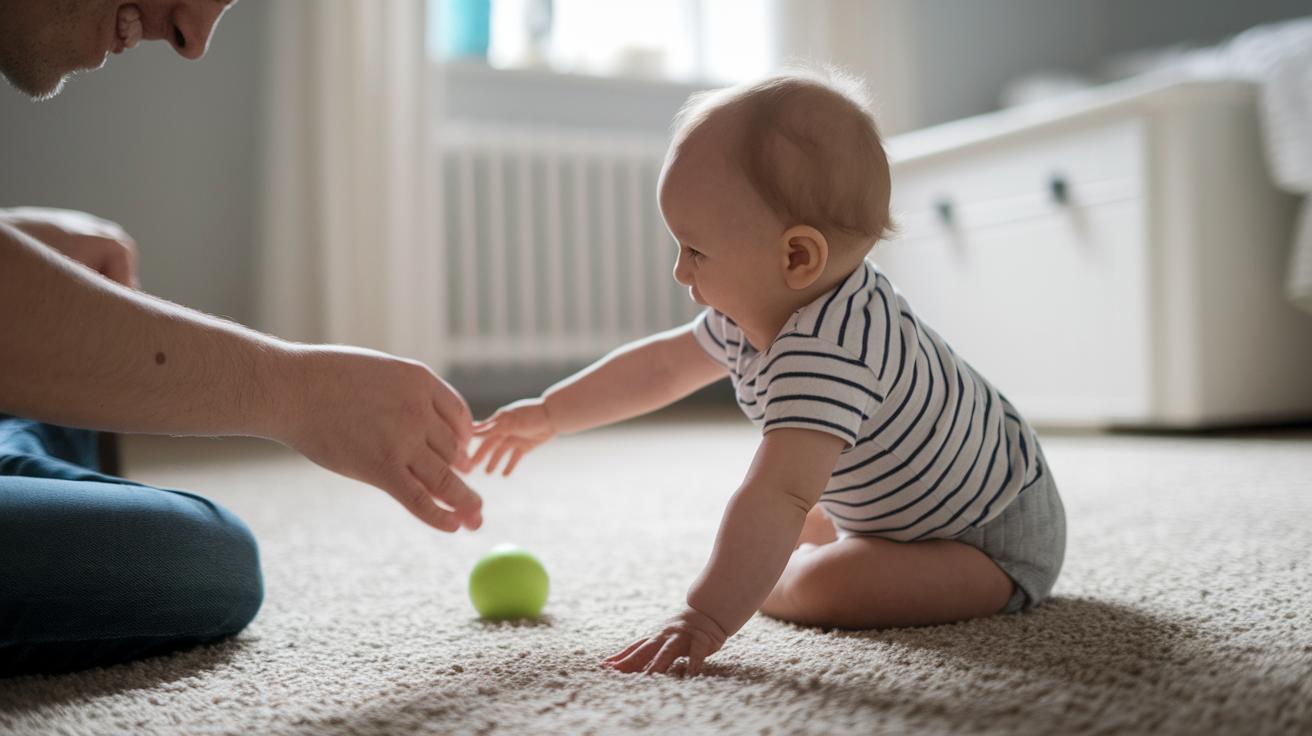
Go Ball! (for four months and older) is all about rolling a small ball to boost your baby’s focus on sound and movement. Roll a hand-sized ball across a smooth surface and let your baby track its journey with their eyes and ears.
- Roll the ball gently on a flat surface.
- Notice how your baby follows the sound.
- Cheer them on as they reach out and grab it.
Quiet Peek (for six months and older) creates a peaceful pause that helps sharpen your baby’s listening skills. A brief moment of silence before a soft noise can make them even more alert and curious about little sounds.
- Give a short pause before making a gentle noise.
- Use soft objects to produce mild sounds.
- Enjoy watching your baby’s attentive reaction.
Where’s That? mixes a little hide-and-seek with sound, helping your baby build memory and focus. Hide a small object that makes a noise and encourage your baby to find it by listening and looking carefully.
- Hide the object where it’s still easy to spot.
- Give it a gentle shake or tap to create a sound.
- Invite your baby to search for it.
Introducing Baby Sign Language to Strengthen Communication Skills
When your baby is around six to nine months old, try using simple signs during your everyday routines. You can introduce these signs during moments like meals or diaper changes. For example, when you’re feeding your little one, show the sign for milk and say “milk” in a cheerful tone. This helps your baby connect the gesture with the word.
Set aside some playful time for sign practice. You might even play a game like “Where Am I?” where you hide an object and use a matching sign. Repeating these steps often will make it easier for your baby to learn and understand each sign.
Here are a few signs to get you started:
| Sign | When to Use It |
|---|---|
| more | During snack time when your baby wants another bite |
| milk | While feeding to indicate the drink |
| all done | At the end of meals to show that eating is finished |
| help | When your baby reaches out for assistance |
| play | During playtime to invite interactive fun |
Try to make signing a regular part of your day. It’s a sweet way to boost your baby’s communication skills while sharing fun, nurturing moments together.
Final Words
In the action of daily care, we explored useful ways to boost baby talk. From reading aloud and playful nursery rhymes to babbling games and simple sign routines, every moment is a chance to build skills.
These steps touch on key milestones and help make each interaction warm and fun. Integrating language development activities for infants into your routine turns care into a chance for joyful learning. Enjoy every little moment as you help your baby grow and communicate with confidence!
FAQ
How do language activities for infants 6-12 months boost communication skills?
Language activities for infants 6-12 months boost communication skills by encouraging interactive play. Reading aloud, singing songs, responsive babbling, and simple sign routines help build early word recognition and confidence.
What language development activities work for toddlers and children in different settings?
Language development activities for toddlers and older children include interactive reading, engaging games in childcare, and home-based play. Such methods support vocabulary growth and nurture a lively, supportive communication environment.
How does promoting language development in infants benefit early learning?
Promoting language development in infants benefits early learning by fostering natural vocal play and attentive listening. When caregivers narrate daily routines and engage in back-and-forth babbling, infants gain a strong language foundation.
What activities encourage early language learning in infants?
Activities encouraging early language learning include responsive babbling games, reading aloud, nursery rhyme recitations, and fun sound recognition exercises. These playful routines help infants improve listening skills and express themselves verbally.
What natural abilities do infants bring to language learning?
Infants naturally absorb sounds through cooing, babbling, and engaging with facial expressions. Their innate curiosity and eagerness to communicate create the perfect starting point for developing robust language skills.