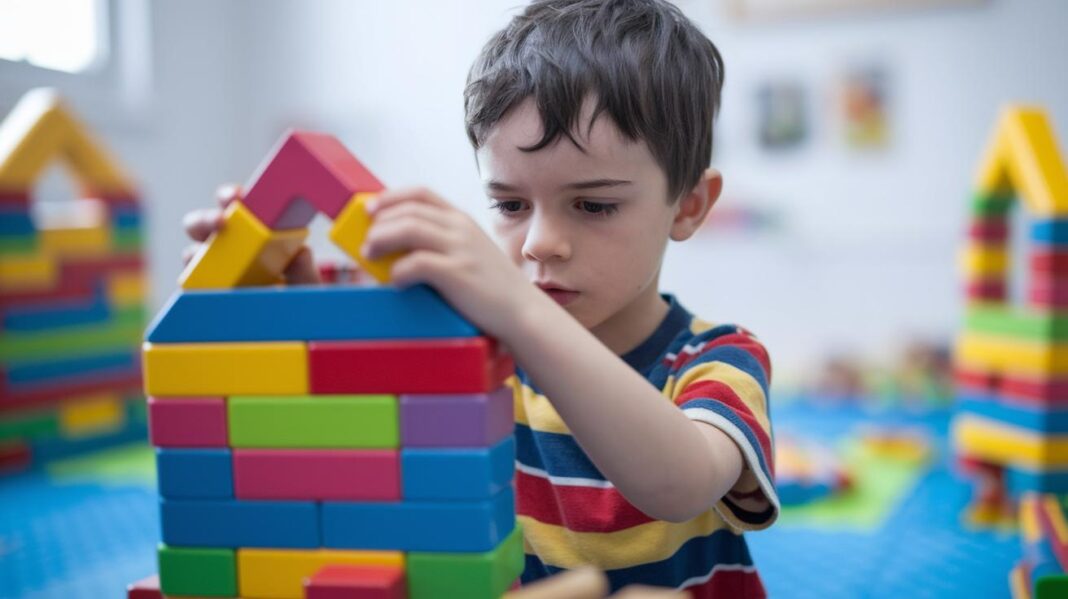
Have you ever noticed how a child's mind seems to change right before your eyes? In middle childhood, kids start to see things in little pieces and think in clearer, more logical ways. They get better at remembering small details and solving problems, which really helps them at school and in everyday life. Every new lesson adds another layer to their growing minds, and it's amazing to see how their thinking truly blossoms.
Key Milestones in Middle Childhood Cognitive Development
Kids between 6 and 12 start to think in ways that feel a lot more logical. At this stage (think Piaget’s concrete operational phase, where they begin using common sense with real-world objects), they can sort things based on their features. They quickly learn that even if something looks different, it’s still the same object. Have you ever seen a child reshape flattened clay back into a ball? That’s a perfect example of understanding that actions can be reversed.
During these years, you can really see their brains growing. Their memory gets stronger, so they can hold more details in their mind at once. It also means they start solving problems faster and staying focused in class. Plus, they get better at tuning out distractions, which helps them work through challenges with real patience.
Around this time, their vocabulary explodes too. By the time they're in fifth grade, they might know close to 40,000 words! They pick up around 20 new words every single day by connecting them to words they already know. These changes make middle childhood a busy, exciting time where learning takes on a whole new life, setting them up wonderfully for school and all the adventures ahead.
Piaget’s Concrete Operational Thinking in Middle Childhood
Classification and Conservation
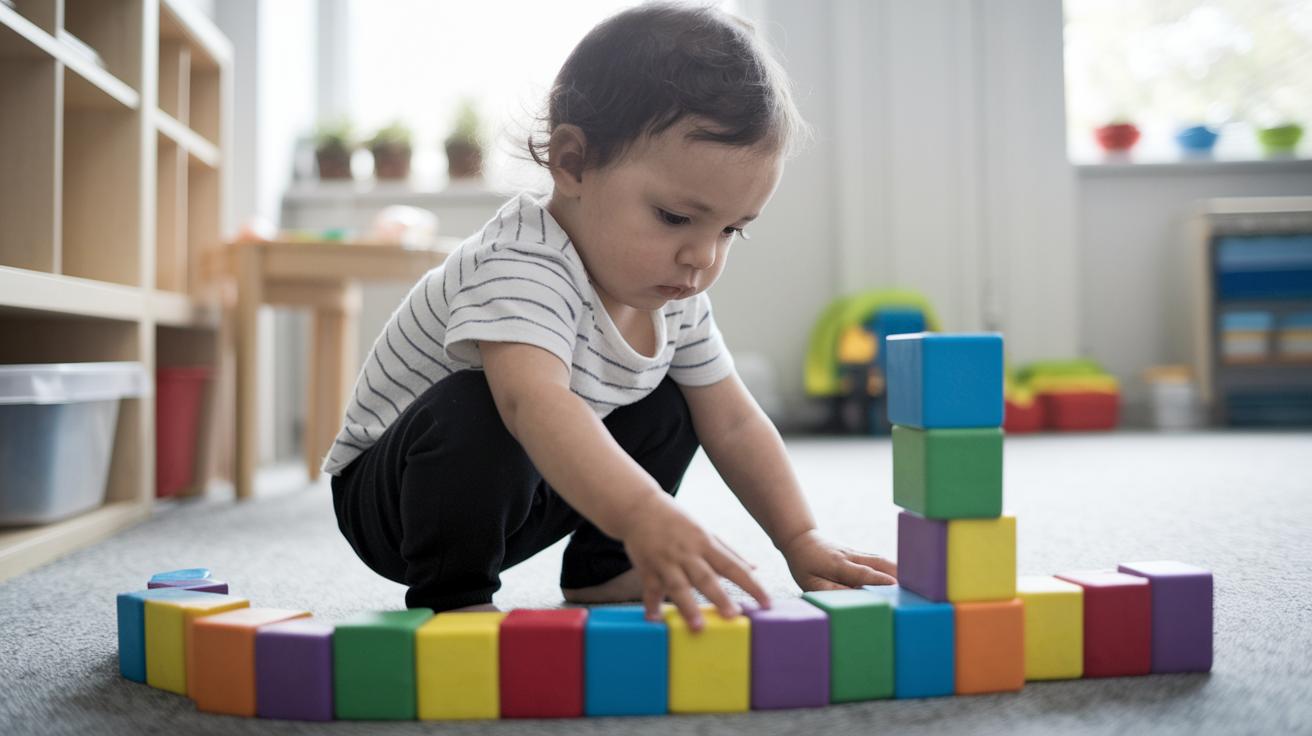
At this stage, children learn to sort things by looking at several features all at once. They might group objects by color, size, or shape. Imagine a child putting all the red blocks together while also matching blocks that are the same size. They also work on conservation tasks, like understanding that water doesn’t change just because it’s poured from a wide cup into a tall, skinny glass. It’s a little "aha" moment when they realize, "It’s still the same water!" This shows them that there’s more to things than just how they look.
Reversibility and Identity
Kids start to get that changes can be undone. When a ball of clay is squished into a pancake, they know it can be rolled back into its original shape. Picture a child mixing two colors and then being able to separate them back into the original shades. This tells them that even when something looks different, its real self stays the same. It’s a simple idea that helps them understand the world a bit better.
Information Processing Shifts in Middle Childhood
Memory Systems Development
Our brain works a bit like a computer. It takes in quick snapshots (sensory memory), holds thoughts for a little while (working memory), and then stores what we learn (long-term memory). Between ages 6 and 12, kids' working memory grows, helping them keep more information while solving problems. Picture a child working on a puzzle: they first notice each piece, hold it in their mind briefly, and then place it where it belongs in the bigger picture. Simple habits like grouping ideas together, repeating what they learn, or picturing details in their head can really boost their memory skills.
- Chunking: Grouping items together, like turning letters into words.
- Rehearsal: Repeating steps, like following clear directions for a game.
- Visualization: Creating a mental picture, like imagining a fun playground before you visit.
Faster Processing and Inhibitory Control
As children grow, their brains work faster, making it easier to learn new things, remember them, and jump from one idea to the next. This speedy thinking helps them complete tasks smoothly. Imagine a child quickly switching from playtime to homework because their mind sorts out what’s important in no time. They also get better at ignoring distractions, almost like having a built-in filter that lets them focus on a story during class, even if the room is busy. This boost in speed and focus really helps sharpen their overall learning and problem-solving skills during these active years.
Language and Reasoning Advances in School‐Age Children

When kids reach school age, they do more than just learn new words, they start mastering how to put sentences together. Their grammar shifts from a trial-and-error stage to something as natural as riding a bike. Picture it like a sculptor slowly revealing a beautiful statue from a rough block of marble. For example, instead of saying “I goed there,” they begin to form clear, correct sentences.
Their thinking also grows stronger. They start to blend ideas learned from everyday moments with general rules, kind of like mixing different colors to create a vibrant painting. Each new insight adds another layer of understanding to their world.
At the same time, they learn how words connect, fitting together like puzzle pieces to form a complete picture. If you’re curious to explore more about these language milestones, check out language development milestones.
Executive Function and Self-Regulation in Middle Childhood
Kids between 6 and 12 start showing real progress in planning their day and keeping track of what they need to do. Their memory works a bit like a growing toolbox, helping them remember each step when working on a project. Picture a child neatly laying out school supplies for a project and then following each step one at a time. For example, imagine a young learner using a simple checklist to guide them through a science experiment.
Their ability to adjust and change plans gets better too. When something doesn’t go as planned, they can switch their approach without too much fuss. Think about a child rethinking their strategy during a puzzle game after the first method didn’t work. This kind of flexibility shows that they are learning to take control of their actions in a new way.
Distractions don’t seem as big a deal now because they’re getting better at focusing. They learn to stick with their task even when there are fun things happening around. Sometimes simple strategies like task scaffolding, visual organizers, and self-monitoring charts make a big difference.
| Strategy | How It Helps |
|---|---|
| Task scaffolding | Guides kids through activities step-by-step |
| Visual organizers | Uses simple charts or diagrams to plan tasks |
| Self-monitoring charts | Helps track progress on projects with several steps |
These techniques set the stage for success in school and in everyday challenges. It’s amazing how much of a difference a little planning and focus can make, have you ever seen a small change lead to a big win?
Strategies for Supporting Cognitive Growth in Middle Childhood

Parents and teachers can gently guide children to think more clearly by offering support that helps them learn at their own pace. Using ideas from Vygotsky’s learning approach (where you offer help until a child can work nearly on their own) can build these important skills. Imagine a kind teacher first showing a child how to do a fun science experiment, then letting them try it themselves while slowly giving less help as they become more sure of what they’re doing.
Play is a wonderful way to grow these brains too. Fun activities like puzzles, role-playing, and interactive games spark creativity and help kids solve problems. Picture a child working on a jigsaw puzzle with a friend, chatting about each piece as if they’re cracking a secret code. These playful moments build reasoning skills, teamwork, and help connect ideas to everyday life.
Simple games like memory matches or sorting everyday objects give kids a chance to use their thinking skills in a relaxed way. These activities mix play with learning, letting children explore ideas and build logical thinking in a fun, hands-on way.
| Strategy | Description |
|---|---|
| Guided Support | Using techniques like showing how things work, asking simple questions, and stepping back slowly to let them try on their own. |
| Play-based Learning | Involving puzzles, role-play, and interactive games that spark creativity and social skills. |
| Cognitive Exercises | Engaging in fun games such as memory matching and sorting tasks to build logical thinking. |
Every little, enjoyable activity can work wonders in nurturing a child’s growing mind and helping them flourish.
Assessing and Measuring Middle Childhood Cognitive Development
When we check on a child's progress, teachers and parents often use simple milestone checklists. These lists look at skills like sorting objects, understanding that things stay the same even when they change shape (conservation), remembering details, and using basic logic to solve problems. Think of these checklists as a gentle guide that shows what a child has already mastered and what might need a bit more practice. For instance, if your little one notices that water doesn’t change just because it’s in a different container, that’s a key cognitive milestone.
Then, there are more hands-on tests that peek into a child’s thinking. These tests focus on problem solving, working memory (keeping ideas in mind for a short time), verbal fluency, and the ability to adjust to new tasks. These tools give us a clear view of how a child’s brain is growing, which makes it easier to plan extra support where needed.
Even keeping a daily record at home can help. Simple notes on small wins or new challenges can be a great way to celebrate progress and figure out areas that might need a little extra love.
Final Words
In the action, we've explored key milestones like concrete operational thinking and memory improvements that shape cognitive development in middle childhood. We touched on how children grow in language, reasoning, and self-regulation, along with practical strategies to support their progress. The focus on observable skills, from sorting tasks to working memory, that mark this vibrant period shows that every step matters. Keep working on creating supportive, engaging environments that help children build these essential skills for a bright future.
FAQ
What does cognitive development in middle childhood PDF provide?
A cognitive development in middle childhood PDF offers a formatted summary of school‐age milestones, highlighting logical thinking, memory improvements, and self‐regulation strategies typically seen between ages 6 and 12.
What does cognitive development in middle childhood 6-12 mean?
Cognitive development in middle childhood 6-12 details how kids progress in logical reasoning, language skills, memory, and executive functions as they move from simple to more organized, concrete thinking.
What are examples of cognitive development in middle childhood?
Examples include improved memory and problem solving, mastery of conservation tasks, flexible classification of objects, vocabulary expansion, and refined planning and self‐regulation abilities.
What types of cognitive development occur in middle childhood?
The types involve concrete operational thinking, enhanced information processing, language and reasoning growth, and refined executive functions such as planning and inhibitory control.
How does physical development relate to cognitive growth in middle childhood?
Physical development in middle childhood complements cognitive growth, as improved motor skills and brain maturation work together to support faster processing and better coordinated learning strategies.
What is a cognitive development in middle childhood PPT used for?
A cognitive development in middle childhood PPT presents visual slides outlining key milestones, Piaget’s theories, and practical examples of cognitive and self‐regulatory progress during these formative years.
How does Piaget’s concept explain cognitive development in middle childhood?
Piaget’s concept explains that kids enter the concrete operational stage, where they learn conservation, reversible operations, and classification skills, enabling logical reasoning about tangible objects.
What does psychosocial development in middle childhood involve?
Psychosocial development in middle childhood involves building self-esteem, strengthening peer relationships, and developing social skills alongside cognitive gains to help children better understand themselves and others.
What is cognitive development in middle childhood?
Cognitive development in middle childhood is the period when children build logical reasoning, memory, language, and self‐regulatory skills, marking a clear shift to concrete operational thinking.
What are the four characteristics of cognitive development in middle childhood?
The four characteristics include mastering conservation tasks, using flexible classification, understanding reversibility, and experiencing improved memory capacity and processing speed.
What cognitive changes occur in middle age compared to middle childhood?
Cognitive changes in middle age differ from middle childhood, as the latter involves rapid developmental gains in reasoning and memory, while middle age may show slight shifts in processing speed and problem solving.
What cognitive development is prominent during middle and late childhood?
Prominent cognitive development in middle and late childhood features advanced logical reasoning, enhanced memory, growing language skills, and improved planning and self‐regulation essential for academic and daily tasks.