Have you ever wondered if you’re getting the best vitamin B9 for you? It’s easy to mix up folate from foods like leafy greens and beans with folic acid found in supplements and enriched foods. Your body uses them in different ways, and knowing the difference can really change your day-to-day health. Let’s take a moment to explore what sets them apart so you can make the best choice for you and your family.
Understanding Folate vs Folic Acid: Core Definitions
Vitamin B9 is super important for how our cells grow, for making our DNA, and for creating red blood cells. It also helps our immune system work right. Having enough of this vitamin keeps our bodies running smoothly and supports our overall well-being.
What Is Natural Folate?
Natural folate is the vitamin B9 you get from real foods like leafy greens, beans, and fruits. In these foods, folate comes as a mix of helpful compounds that our bodies use to build DNA and make healthy red blood cells. Think of it as nature’s way of helping your cells grow and repair themselves. When you eat these foods, your body absorbs the folate just the way it’s made, making it an important part of a balanced diet.
What Is Synthetic Folic Acid?
Folic acid, on the other hand, is a man-made version of vitamin B9. It’s added to foods like flour and breakfast cereals and is found in many supplements. Although it offers the same vitamin, your liver needs to change it into the right form before it can work properly. This synthetic form is handy when it’s tough to get all the natural folate from your food, and it also allows for precise amounts in supplements.
Knowing the difference between natural folate and synthetic folic acid is important because they come from different sources and work in slightly different ways in your body.
Folate vs Folic Acid: Absorption and Metabolic Pathways
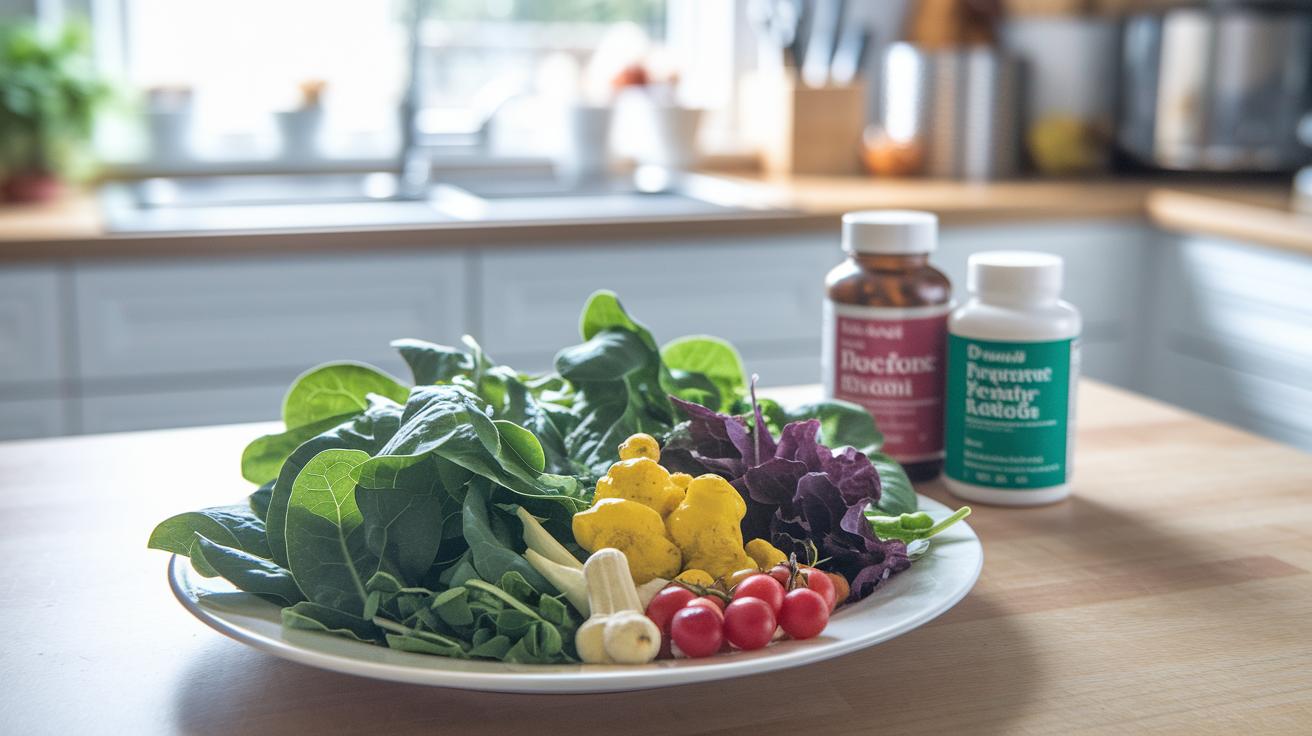
When you eat foods naturally rich in folate, your body has to change it into a form it can use. In your small intestine, special enzymes break folate into smaller parts so your gut cells can easily absorb it. It works a bit like a lock and key, making sure your body picks up every bit of folate.
On the other hand, folic acid is a synthetic form that slips into your body through passive diffusion, meaning it doesn’t need those extra enzyme checks at first. But there’s a catch. Once folic acid is in your body, your liver must convert it to an active form using an enzyme called dihydrofolate reductase (which helps change it into a useful form). If there isn’t enough of this enzyme or if it gets overwhelmed, not all of the folic acid is transformed, kind of like a busy production line that sometimes falls behind.
Any extra folic acid that isn’t converted can hang around in your bloodstream as unmetabolized folic acid. Some studies have raised questions about whether this leftover might be linked to health issues, like a possible increase in cancer risk.
Folate vs Folic Acid: Health Benefits and Potential Risks
Key Benefits of Folate
Folate from natural foods is super important for pregnant moms. It helps your baby grow, builds red blood cells, and even repairs DNA during cell division. Recent studies suggest that taking 400–800 mcg a day during pregnancy can lead to better health outcomes. Many prenatal clinics have noticed that moms with the right amount of folate often face fewer issues related to blood health and cell repair. One mom even shared that "adding more leafy greens to my meals made me feel confident that my baby was getting natural vitamin B9."
Potential Risks of Synthetic Folic Acid
Sometimes, if you take too much synthetic folic acid, your body leaves some of it in your blood. Some studies have noticed that these higher levels might be linked to signs of a possible increase in cancer risk. Keeping your supplement intake within the suggested limits can help lower this risk. In one study, mothers who stuck to the recommended dosage had lower amounts of unmetabolized folic acid in their blood.
Balancing natural folate from food with synthetic sources can give you the best of both worlds, enjoying the benefits while keeping potential risks low.
Folate vs Folic Acid in Diet: Natural Sources and Fortification Programs

Balancing your vitamin B9 doesn't have to be hard. Many families choose to enjoy whole foods that naturally pack folate for healthy red blood cells and cell growth. It’s comforting to know that you can also rely on fortified grains and cereals to easily hit your daily targets. These choices work together to nurture your body every day.
| Food | Folate Content (mcg per 100 g) |
|---|---|
| Spinach | 194 |
| Lentils | 181 |
| Asparagus | 149 |
| Avocado | 81 |
| Black Beans | 149 |
State-supported fortification programs add folic acid to everyday staples like flour and breakfast cereals. These programs often offer between 100 and 400 mcg per serving and have helped cut neural tube defects by 25 to 50%. It’s a simple, powerful way to care for your family’s health. For more on natural food choices and a balanced maternal diet, check out trusted wellness guidelines and let your care shine through every meal.
Folate vs Folic Acid Supplements: Choosing Forms and Dosage Guidelines
Sometimes it can be hard to get enough folate (vitamin B9) just from your daily meals. Most adults need about 400 mcg a day, while moms-to-be usually need around 600 mcg, and breastfeeding moms need about 500 mcg. If your diet isn’t covering these amounts, a supplement might be a smart choice.
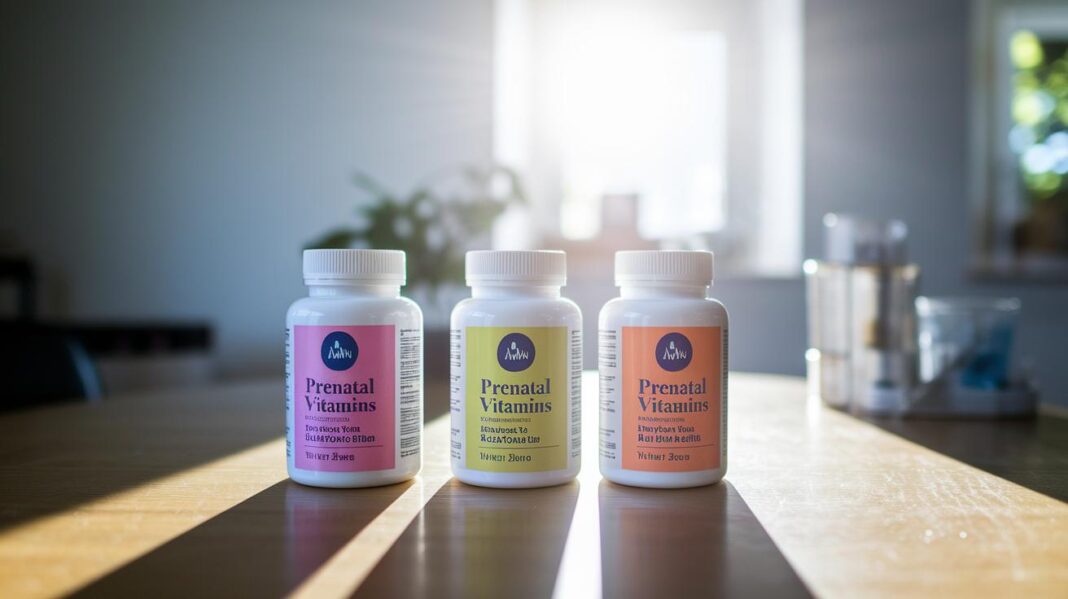
If you’re not getting enough natural folate, you may want to consider adding a supplement. Many prenatal vitamins have between 400 and 800 mcg of folic acid, and some even offer up to 1,000 mcg. Taking more than 1,000 mcg can leave extra folic acid in your blood, which isn’t ideal.
When this happens, a supplement like methylfolate (L-5-MTHF) might be a better option. This supplement gives you the active vitamin B9 right away, so your liver doesn’t have to work hard to change it for you. It’s all about finding the right match for your body’s needs. For more balanced choices, check out prenatal care vitamins at https://womensconference.org?p=10823.
Here are some common supplement options:
- Folic acid tablets – These are easy to find and cost less, but they need your liver to convert them, and that sometimes leaves extra folic acid if you take too much.
- Methylfolate (L-5-MTHF) – This one delivers the active form of the vitamin directly and is great if you have trouble with liver conversion, though it can be a bit pricier.
- Folinic acid – This may be easier on your body in special cases, even though it’s not as popular.
- Prenatal multivitamins – These give you a mix of vitamins for overall support and smart doses of folic acid.
Taking your supplement with food in the morning can help your body absorb it better and may reduce a little tummy discomfort. Stick to doses under 1,000 mcg to avoid having extra folic acid left unused in your blood.
Folate vs Folic Acid: Clear, Bright Facts

Have you ever wondered how your body turns folate into its active form? The MTHFR gene plays a big role in this process. Some common changes in this gene, like C677T and A1298C, mean that the enzyme doesn’t work as fast as it should. So, for some of us, changing folic acid into that helpful form, 5-MTHF, can be a bit tricky.
When things slow down, your body might not have enough active folate, which can show up as higher levels of homocysteine in the blood. That’s a sign your body isn’t making the most of vitamin B9. For moms and families, this could mean a need for vitamins that are already in the ready-to-use form. One mom shared, "Switching to a supplement with L-methylfolate really helped me feel more balanced," which goes to show that the right choice can make a big difference.
If a genetic test shows you have one of these MTHFR variants, it might be a smart idea to try a different form of the vitamin, like L-5-MTHF, and adjust the dose. Sometimes, a little change can support your body’s use of vitamin B9 and help you feel even better.
Final Words
In the action, we explored the basics of folate vs folic acid, from their natural and synthetic forms to how our bodies process them. We touched on their roles in health, compared food sources with fortified options, reviewed supplement choices, and even looked at genetic factors that affect vitamin B9 metabolism. Each point brings us closer to making smart choices rooted in practical tips and expert insight. Keep embracing everyday health with confidence and care!
FAQ
What is a folate supplement?
A folate supplement provides vitamin B9 that supports red blood cell production and DNA repair. It comes in natural or synthetic forms and can help in preventing birth defects while boosting overall cellular function.
Is folate or folic acid better for pregnancy?
Choosing between folate and folic acid for pregnancy involves considering natural versus synthetic sources. Natural folate is absorbed from foods, while folic acid, the lab-made version, is widely used in supplements to support healthy fetal development.
How do folate and folic acid compare for anemia?
The comparison for anemia shows that both folate and folic acid assist in red blood cell production. Adequate intake of either form helps prevent megaloblastic anemia when used within recommended dietary levels.
Can I take folate and folic acid together?
Combining folate and folic acid means using both natural and synthetic vitamin B9 sources. While this is generally safe, it’s best to discuss your needs with a healthcare provider to tailor the right balance.
Is folic acid bad for you?
Folic acid isn’t bad when taken within recommended limits. Problems may appear from excessive use, which can leave unmetabolized folic acid in the blood, but using it properly supports overall health.
How does methylfolate differ from folic acid?
Methylfolate is the active form of vitamin B9 that your body can use immediately, while folic acid must be converted in the liver. This makes methylfolate a good option for those with conversion issues.
What is the comparison of methylfolate versus folic acid during pregnancy?
In pregnancy, methylfolate offers the active form of vitamin B9 that may be beneficial for individuals with difficulty converting folic acid. It provides immediate support for fetal development and overall maternal health.
What foods should be avoided when taking folic acid?
While there are no strict restrictions, certain foods or practices could affect folic acid absorption. It’s wise to follow your healthcare provider’s advice on maintaining a balanced diet when supplementing with folic acid.
Why does folate make me feel better?
Folate supports crucial bodily functions like energy production and mood stabilization by aiding in red blood cell formation and DNA repair. This improved cellular function can boost overall well-being.
What are the first two symptoms of folate deficiency?
The first symptoms of folate deficiency often include fatigue and irritability. These issues reflect the body’s reduced capacity for red blood cell production and energy metabolism.
Who should not take folate?
People with certain medical conditions or those on medications that interfere with vitamin B9 metabolism should avoid folate supplements unless advised by a doctor. Consulting a healthcare provider is key for personalized guidance.