Have you ever noticed how a warm, gentle touch can help ease the tension after giving birth? Postpartum massage (a soothing treatment for your body after birth) might be just what you need. It softens sore muscles and helps lower stress in a very calming way.
In the weeks and months after having your baby, this comforting massage supports healing and brings a gentle sense of calm. It helps make those everyday moments feel a little easier and a lot more peaceful.
How Postpartum Massage Therapy Eases Your Recovery
After having your baby, postpartum massage therapy gives you gentle relief in those first weeks and can help even up to a year later. Many moms try this soothing treatment in the first 12 weeks (check out our postpartum recovery timeline for more details). It helps ease the body tension left from labor and supports your overall well-being.
Each massage lasts about 60 or 90 minutes and is set up just for you, based on your delivery and what you need right now. This calming treatment not only soothes your body and mind but can also help you sleep better. Imagine how a relaxing massage can ease those sore muscles and make bedtime feel more peaceful!
- Helps reduce stress and encourages restful sleep
- Boosts blood flow to support milk production
- Improves lymph flow to ease swelling after pregnancy
- Enhances circulation for quicker overall healing
- Relaxes muscles strained by labor and caring for your newborn
- Supports the gentle realignment of the uterus and pelvic ligaments
By lowering stress hormones and releasing built-up tension, postpartum massage therapy gives you a supportive boost when you need it most. This caring treatment helps with physical discomfort and lifts your mood and energy. It makes those everyday tasks feel a bit easier as you settle into your new life as a mom.
Safe Timing and Techniques for Postpartum Massage Therapy
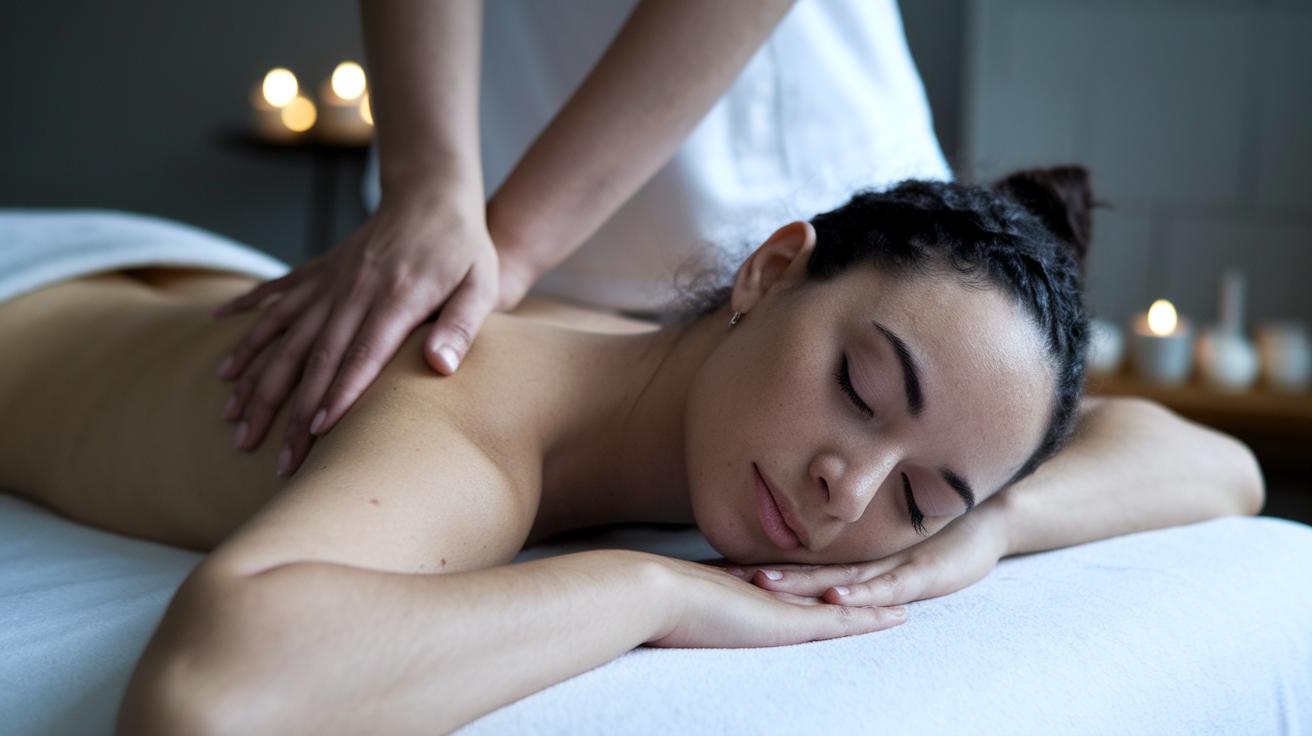
After you have a baby, it’s important to listen to your body. Only start a massage when you feel strong enough and ready. If you had any complications or a C-section, it’s a good idea to check in with your doctor first. For more tips on healing after birth, you can take a look at these postpartum recovery tips. Gentle massage can help ease sore muscles and calm your stress, but if you’ve had a C-section, steer clear of any pressure on your tummy for about six weeks.
When to Start Postpartum Massage
Before you book your first massage session, chat with your doctor. If you had a vaginal birth, you might be ready to try it when you feel up to it. But if you’re recovering from a C-section, you’ll likely need a little more time so your body can heal properly. It’s best to avoid any focus on your tummy until your doctor says it’s safe, so you can relax and ease back into your routine without worry.
Techniques and Positions
During your massage, you might be asked to lie on your side or in a semi-reclined position. This helps to take the strain off your uterine ligaments and makes you feel more comfortable. Therapists typically use gentle Swedish strokes, reflexology, and a bit of light stretching, simple techniques that support your recovery and help soothe both your body and your mind.
Types of Postnatal Massage Therapeutic Approaches
After birth, your body can feel a little out of whack, and postnatal massage is here to help ease that discomfort. It's a kind, gentle way to soothe those common aches and help you start feeling more like yourself again. Therapists blend time-tested techniques with special touches to ease tight muscles, reduce swelling, and bring calm balance back to your body.
- Swedish massage: Uses smooth, flowing strokes to relax your muscles and offer a moment of calm.
- Reflexology: Applies gentle pressure on key points of your feet to lift your overall sense of well-being.
- Light stretching: Carefully eases tightness while gently boosting your flexibility.
- Lymphatic drainage: Encourages fluid flow to help cut down on swelling.
- Deep tissue work: Focuses on those deeper muscle layers to ease persistent tension.
- Myofascial release: Frees up tight spots and makes moving around scar tissue more comfortable.
- Craniosacral therapy: Uses a soft, rhythmic touch to ease stress and help restore balance.
When you’re picking a method, think about what your body needs most. Chat with a caring therapist so you can decide on the best approach to support your healing and help you feel your best as you care for your little one.
Choosing a Qualified Postpartum Massage Therapist
When you're on the hunt for a massage therapist, it's a good idea to look for someone with special training in both pregnancy (prenatal) and after birth (postnatal) care. A trusted therapist will also have liability insurance and be a member of a respected massage group. This shows they've kept up with current training and safety rules, so you can feel at ease while you heal.
Choosing between an in-home session and one in a dedicated center really comes down to personal comfort. In-home massages let you relax in your own familiar space, which can be very comforting. But if you're looking for a place that is all about taking care of moms, a wellness center might offer that special, supportive atmosphere.
Have you ever asked other moms for their recommendations? Checking with community wellness programs or getting referrals from friends can really help. Many therapists even travel to your home, combining expert care with the ease of scheduling around your busy life. Taking the time to review your options means you'll find someone who truly understands and supports your recovery.
Postpartum Massage Session: What to Expect
Your visit starts with a warm, friendly chat. Your therapist asks about your delivery, recovery hopes, and any sore spots. They’ll also remind you to wear loose, comfortable clothes. Imagine settling into your favorite cozy chair after a long day, with soft pillows and a welcoming space that gently invites you to relax.
Next, your massage is designed just for your healing. Your therapist mixes gentle Swedish strokes, a bit of reflexology (a soothing foot massage), and light stretches. They steer clear of direct tummy work if you had a C-section in the past six weeks. It’s like a caring, soft massage that eases tight muscles and leaves you feeling refreshed and nurtured as you care for your little one.
Pricing and Insurance Coverage for Postpartum Massage Therapy
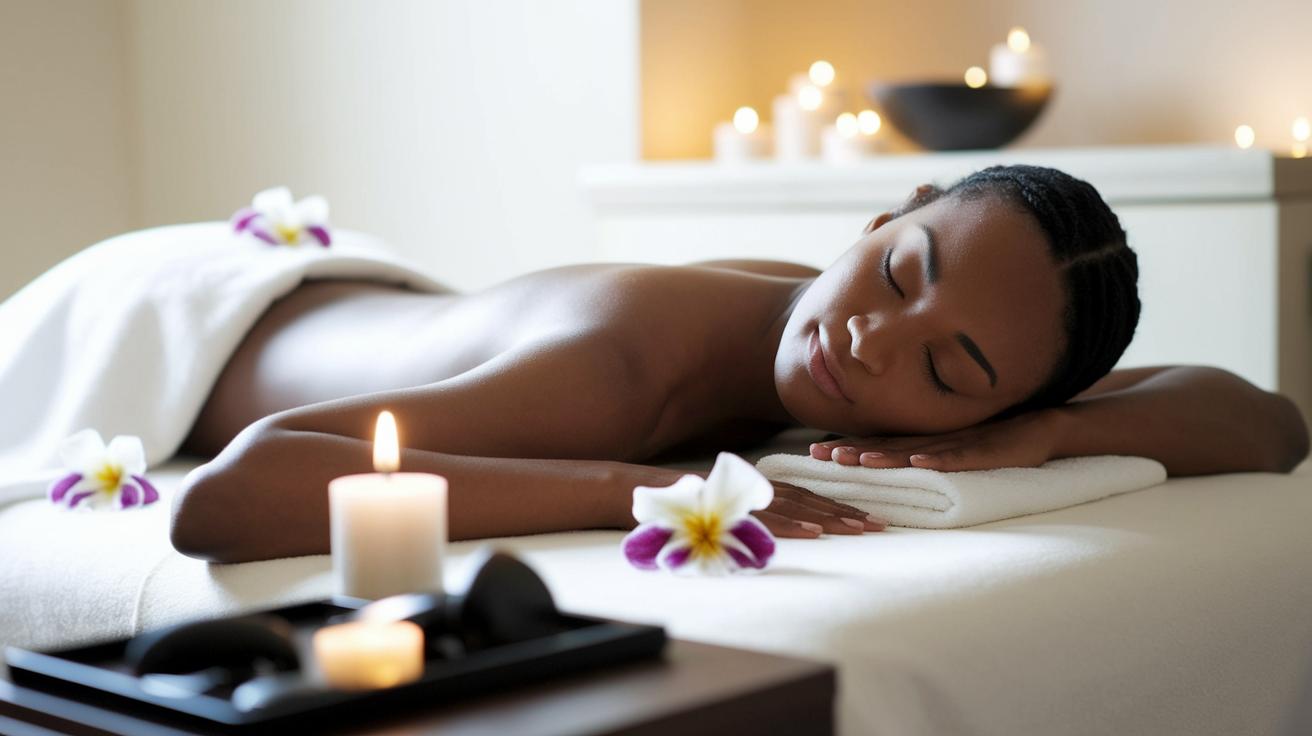
When you book a postpartum massage, you can expect to pay about $80 to $150 for a 60-minute session and roughly $120 to $200 if you choose a 90-minute session. Many centers offer special deals like package discounts, gift certificates, or even promotional rates to help ease the cost. It’s always a good idea to ask about any available offers or bundle packages when you make your appointment.
Insurance coverage for postpartum massage isn’t very common. However, if your doctor prescribes the treatment, some policies might cover it. Checking with your insurance provider ahead of time can save you some hassle, and getting any required pre-authorizations can help make the billing process go smoothly.
Frequently Asked Questions About Postpartum Massage Therapy
How does postpartum massage improve sleep and reduce tension?
A gentle massage can help relax tight muscles and calm your body, making it easier to drift off at night. Imagine soft, soothing strokes that lower stress and ease you into a peaceful sleep.
What role can massage play in easing postpartum stress and emotional fatigue?
After long days caring for your newborn, a calm massage can feel like a short, refreshing break that lightens your load. It helps ease both physical and emotional stress, giving you a moment to feel lighter and more at ease.
Is it safe to combine massage with other self-care practices after birth?
Yes, combining postpartum massage with other habits like gentle stretching and staying hydrated can boost your overall recovery. It adds an extra layer of comfort and makes your self-care routine even more balanced.
What should I discuss with my therapist before my first postpartum massage?
Before your first session, talk with your therapist about your recovery stage, any sensitive areas, and what you feel comfortable with. This open chat helps them choose the best techniques to support your healing journey.
How can massage therapy support my overall well-being during early motherhood?
Massage does more than ease muscle tension, it can clear your mind and give you a bit more energy. This extra care makes everyday motherhood tasks feel lighter and brings a calm touch to busy days.
Final Words
In the action, postpartum massage therapy eases recovery by reducing tension and promoting healing. It offers gentle relief following childbirth.
This guide covers timing, techniques, and expert advice.
• Reduces stress
• Relieves sore muscles
• Promotes better sleep
• Boosts circulation
• Supports milk production
• Aids lymphatic drainage
Together, these benefits make postpartum massage therapy a valuable part of recovery. It helps every new mom feel cared for and confident as she finds gentle support during this transformative time.
FAQ
How soon after childbirth can I receive a postpartum massage?
Many mothers start once they feel ready. Doctors may advise waiting a few weeks, especially after a C-section.
What is the 5 5 5 rule for postpartum?
The 5 5 5 rule involves five minutes of deep breathing, five minutes of gentle movement, and five minutes of quiet time to help ease recovery and promote calm.
What type of massage is best for postpartum recovery?
Gentle massage using Swedish strokes, light stretching, and reflexology helps relieve soreness and supports healing.
How can I find postpartum massage therapy near me or at home?
You can search online or check local mother groups. Many therapists now offer in-home sessions for added convenience.
What is the typical cost of postpartum massage therapy?
Session prices generally range from approximately $80 to $200 depending on duration and location, with packages sometimes available for a better rate.