
Have you ever wondered how a little bit of iron can make such a big difference during pregnancy? New studies show that iron supplements (for pregnancy care) help your blood carry oxygen, keep your immune system strong, and even help build important proteins. It’s like giving your body a small boost of energy so both you and your baby feel safe and strong. In this post, I share why the right iron intake matters and how these supplements can add an extra layer of care to your pregnancy.
Prenatal Iron Supplement: Health & Safety Boost
Prenatal iron supplements are a great help for both you and your baby. Research, including a study from September 19, 2023, shows that these supplements support healthy oxygen flow, keep the immune system strong, and help with enzyme and collagen production. When your body doesn’t have enough iron, you might feel dizzy, light-headed, or very tired. In some cases, low iron levels can even lead to risks such as early birth or other complications for both mom and baby. It’s a bit like when a small burst of energy makes a hard day easier, it reminds you that a well-managed iron level keeps you and your baby feeling strong.
Doctors usually say that moms should aim for at least 27 mg of iron each day in the early part of pregnancy. Later on, during the second half, your needs might go up to between 30 and 50 mg per day to support your growing baby and help you feel your best. Many moms find that using prenatal vitamins makes it easier to get the right amount of iron. Think of it like choosing a balanced meal, you pick something that gives both of you the nutrients you need.
| Trimester | Recommended Iron Intake (mg/day) | Primary Benefit |
|---|---|---|
| First | 27 mg | Helps with oxygen flow and prevents early anemia |
| Second | 30–50 mg | Supports fast baby growth and steady energy |
| Third | 30–50 mg | Aids in immune support and enzyme production |
Recognizing Prenatal Iron Deficiency and Its Risks

When you're expecting, your body needs extra iron to help both you and your baby feel your best. If you don’t get enough, you might not only feel dizzy, light-headed, or really tired but also notice that you get out of breath easily, your skin looks paler than usual, and your heart feels like it's racing. These signs mean that your blood cells aren’t carrying oxygen as well as they should. Every mom experiences these signs a little differently, what feels like normal tiredness for one might feel like shortness of breath for another. Have you ever felt winded doing a simple activity? That could be one of the hints your body is giving you.
New research shows that regular blood tests can catch low iron early and help guide steps to keep you feeling well during pregnancy (care during pregnancy). Talking with your healthcare provider about iron supplements or adjusting your diet might be just the right step to prevent more serious problems.
Here are six common signs of iron shortage during pregnancy:
| Symptom | Description |
|---|---|
| Dizziness | Feeling a bit light-headed or unsteady |
| Light-headedness | A sensation of being off-balance |
| Fatigue | Feeling unusually tired and low on energy |
| Shortness of breath | Getting winded even with light activity |
| Pale skin | Skin that looks lighter than normal |
| Rapid heartbeat | A noticeably faster pulse than usual |
Recommended Dosage and Timing of Prenatal Iron Supplements
When you're expecting, a daily dose of about 27 mg of iron early on is usually recommended. As your baby grows, you might need between 30 and 50 mg each day to keep both of you nourished and energized.
A handy trick is to split your dose into two parts during the day, just like sharing a tasty snack into two smaller, satisfying bites. This approach can help your body absorb the iron better and may ease any upset stomach.
Studies suggest that taking your iron supplement in the morning works well since your body is ready to soak up nutrients after a good night's sleep. But if you find your breakfast gets in the way, taking it at night is a good option too.
One more thing to keep in mind: avoid pairing your iron with calcium-rich foods or supplements. Calcium can compete with iron for absorption, so waiting at least 2 hours between them makes a real difference.
These simple tips can help you feel more energetic and support your baby’s growth throughout your pregnancy.
Prenatal Iron Supplement: Health & Safety Boost
Ferrous Sulfate Tablets
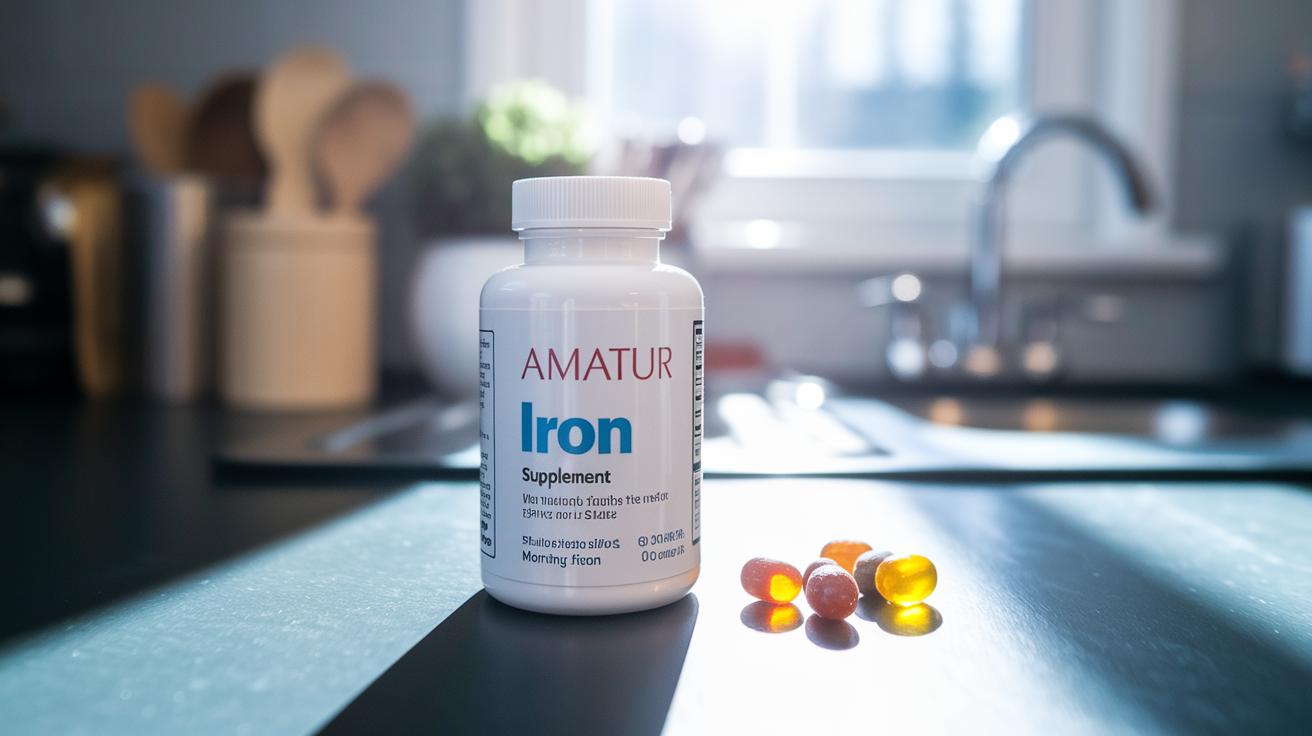
These tablets give you between 20 and 65 mg of iron. They’re a cost-friendly choice, though some moms might notice a little tummy discomfort. Think of them as a reliable workhorse that does its part, even if it isn’t always the kindest to your stomach.
Chelated Iron Capsules
These capsules, often made with ferrous bisglycinate, usually pack around 30 mg of iron in each dose. They tend to be easier on the stomach, making them a great option if you’re sensitive to gastrointestinal issues. They help you get the iron you need without too much fuss.
Liquid Iron Solutions
Liquid iron lets you adjust the dose to fit your needs and works quickly once it hits your system. It’s a neat way to get just the right amount, though you might notice a distinct taste. It really comes down to balancing what tastes a bit strong with the benefit of rapid absorption.
Soft Chew Gummies
These gummies offer about 12–18 mg of iron per serving and are often a hit because they taste good. Just keep an eye on how much sugar they contain, as they sometimes have extra sweetness that might not be perfect for everyone.
Multivitamin-Mineral Blends
These blends mix iron with folic acid and other nutrients, making it easier to cover your bases. Look for ones that provide at least 27 mg of iron. They simplify your routine by offering balanced nutrition that supports both you and your baby.
Managing Side Effects of Prenatal Iron Supplements and Maximizing Tolerance
Taking your prenatal iron supplement might sometimes lead to a few tummy troubles like constipation, nausea, darker stools, or even diarrhea. You might feel better by choosing a lower-dose, slow-release, or chelated formula (which is made to be gentle on your stomach).
Splitting your daily dose into two parts, a bit in the morning and a little later, can help your body adjust and ease any discomfort.
Drinking plenty of water and adding fiber-rich foods to your meals can also help with constipation. If things still feel off, a healthcare provider may suggest a short-term stool softener.
Remember, taking more than 1,000 mg in a day is unusual during pregnancy because most extra iron is not absorbed by your body.
It’s nice to see how small tweaks can make you feel a lot more comfortable, little changes that truly brighten your day.
Enhancing Prenatal Iron Absorption with Diet and Lifestyle
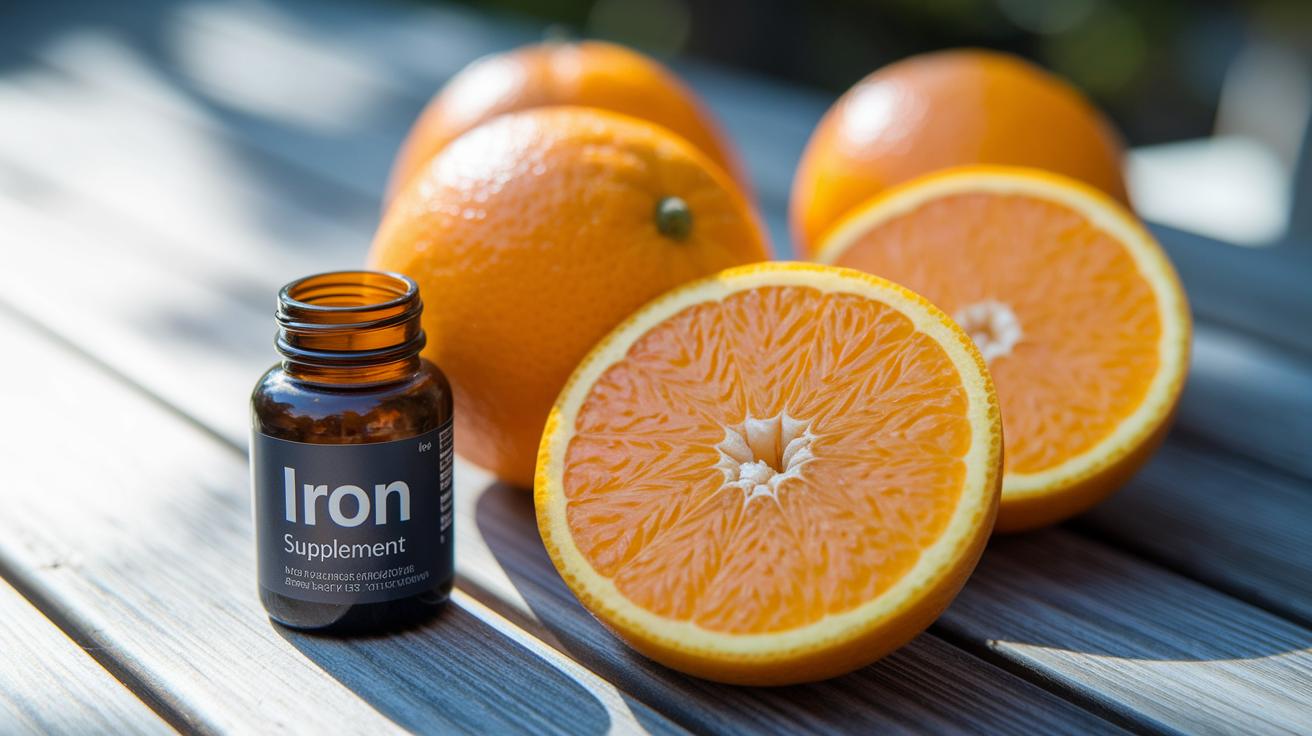
Boosting your iron supplement’s effects is as simple as adding some vitamin C to your day. Eating fruits like oranges and crisp bell peppers can help your body absorb two to three times more iron. Imagine starting your morning with a bright, juicy orange slice that works together with your supplement to support you.
It’s a smart move to plan meals so you skip tea, coffee, and dairy for one to two hours after taking your supplement. These drinks and foods have tannins and calcium that might slow down how well your body takes in iron. It’s like giving your supplement a clear window, free from any competition.
If you enjoy mixing up your meals, try including lean red meat, spinach, and lentils. These iron-packed foods, especially when you add a little vitamin C like a squeeze of lemon on your salad, work together to keep your iron levels healthy. Imagine a dinner plate full of colors, it can feel as refreshing as a small picnic, a real mini celebration of taste and wellness.
And don’t forget to stay well-hydrated and enjoy plenty of fiber-rich foods. They help keep your tummy comfortable while you’re taking your supplement. For more simple tips on diet and wellness, you can check out the maternal diet and wellness guidelines. These little lifestyle tweaks can truly help you get the most out of your prenatal iron supplement.
Professional Guidelines and Common Questions on Prenatal Iron Supplementation
How much iron do pregnant women need?
Most doctors suggest that during the early stages of pregnancy, you’ll need about 27 mg of iron each day. If your tests show you have low iron or anemia, your healthcare provider might recommend upping that to 30 mg or more. Often, your doctor will adjust the amount based on your blood tests and how you feel.
When should supplementation begin?
It’s a good idea to start your iron supplements early, ideally in the first few months or even before you try to conceive. This early boost helps your body prepare for the extra demands of pregnancy. Keeping an eye on your hemoglobin and ferritin levels with your provider can show you when to begin and if any changes are needed.
Should iron be taken with or without food?
Taking iron on an empty stomach might help your body absorb it better, but sometimes it can cause a bit of stomach upset. Many moms find that having a small snack with their supplement helps lessen any tummy discomfort. You can try different times of the day to see what works best for you.
What if I miss a dose?
If you accidentally skip a dose, just take it as soon as you remember, unless it’s nearly time for your next dose. In that case, just move on with your regular schedule. There’s no need to double up, as that can lead to side effects you’d rather avoid.
Are there risks of excess iron?
Taking too much iron, over 1,000 mg a day, can be risky. It might cause problems like constipation, nausea, or even dark stools. It’s important to stick with the amount your healthcare provider recommends to keep things safe.
Can prenatal iron prevent postpartum anemia?
Keeping a good level of iron throughout your pregnancy might help maintain your iron stores after you give birth. While there’s some debate on this, having enough iron during your pregnancy is generally useful and might lower your chances of developing postpartum anemia.
Final Words
This article shares hands-on advice on iron supplementation, providing clear dosage guidance, timing tips, and practical ways to improve absorption. It reveals how different prenatal iron supplement options can support both maternal and fetal health. The insights help explain how small adjustments in your routine can ease common concerns and boost well-being. Simple, evidence-based steps offer both reassurance and practical solutions, paving the way for healthier, happier days ahead. Keep embracing these supportive practices to make every day a little brighter.
FAQ
Q: What is the best iron supplement for pregnancy and which one is best overall?
A: The best iron supplement for pregnancy depends on your body’s needs. Ferrous bisglycinate and prenatal vitamins with iron are common choices because they are gentle on the stomach and offer reliable absorption when approved by your doctor.
Q: What prenatal iron supplement dose is recommended and is 65 mg too high for those who are anemic?
A: The recommended dose is usually 27 mg per day early on and 30–50 mg later. A 65 mg dose can be safe for anemic mothers if advised by a healthcare provider who tailors your treatment.
Q: How effective are prenatal iron supplement gummies and do needed iron supplements live up to their reviews?
A: Prenatal iron gummies offer a tasty, chewable option but often deliver lower iron levels than tablets. Reading product reviews and labels helps you find a supplement that meets your recommended daily intake.
Q: What should I know about purchasing prenatal iron supplements at Walmart?
A: Walmart carries many prenatal iron products, from ferrous sulfate tablets to all-in-one prenatal vitamins. Check labels and consumer reviews to choose a product that matches your dosage and dietary preferences.
Q: Should I include iron in my prenatal vitamins and what benefits does it offer?
A: Including iron in prenatal vitamins supports both your overall health and your baby’s growth by preventing anemia and maintaining energy levels, making it a beneficial part of prenatal care.
Q: Which prenatal iron options help reduce constipation and what side effects should I watch for?
A: Chelated and slow-release iron supplements can help minimize constipation. Mild side effects like stomach upset or dark stools are possible; taking them between meals often eases these issues.