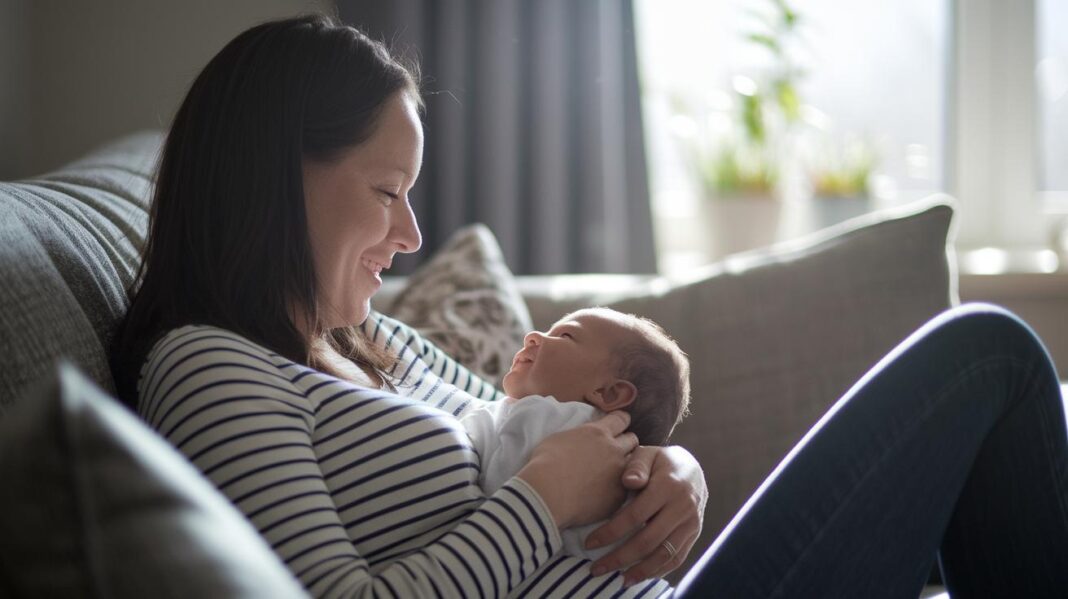
Have you ever felt like your small world has suddenly closed in? Many moms sometimes feel disconnected, even when they're not alone. It can feel a bit like watching life from the sidelines rather than being part of it.
But even in those challenging moments, there’s hope ahead. In this post, I’m sharing simple, clear ideas and small changes that can gently ease those feelings. Hang with me, and let's explore ways to bring more warmth and connection into your everyday life.
Postpartum Isolation Feelings: Recognizing and Coping Strategies
Many new moms find that after giving birth, they can feel lonely even when they’re around others. It might seem like you’re separated by an invisible wall from everyone, even at a cheerful event. Imagine going to your child’s playgroup and feeling like you’re watching life from the outside, rather than being a part of it. It’s a reminder that sometimes, feeling isolated can creep up on you, leaving you to wonder if anyone really understands how you feel.
Changes in your social life and family relationships can add to these feelings. Social media often shows shiny, perfect images of motherhood, making your everyday struggles feel even more lonely. When your close bonds shift or your daily routine gets turned upside down, it can add extra weight to your emotions. This can make self-doubt grow and those feelings of isolation even heavier.
- Unrealistic portrayals of motherhood on social platforms
- Shifts in family dynamics and roles at home
- Feeling like close friends or family aren’t there for you
- High expectations about bouncing back quickly after birth
- Sudden lifestyle changes with all the new baby duties
Noticing these triggers early on is an important step. When you catch the signs of loneliness, it can help you know when to reach out for help. This awareness not only shows that your feelings are real but also opens the door to finding support and comfort. In taking that first step, you remind yourself that you’re not alone and that there are caring people who understand, lighting a hopeful path to feeling connected again.
Self-Care Practices to Combat Postnatal Loneliness
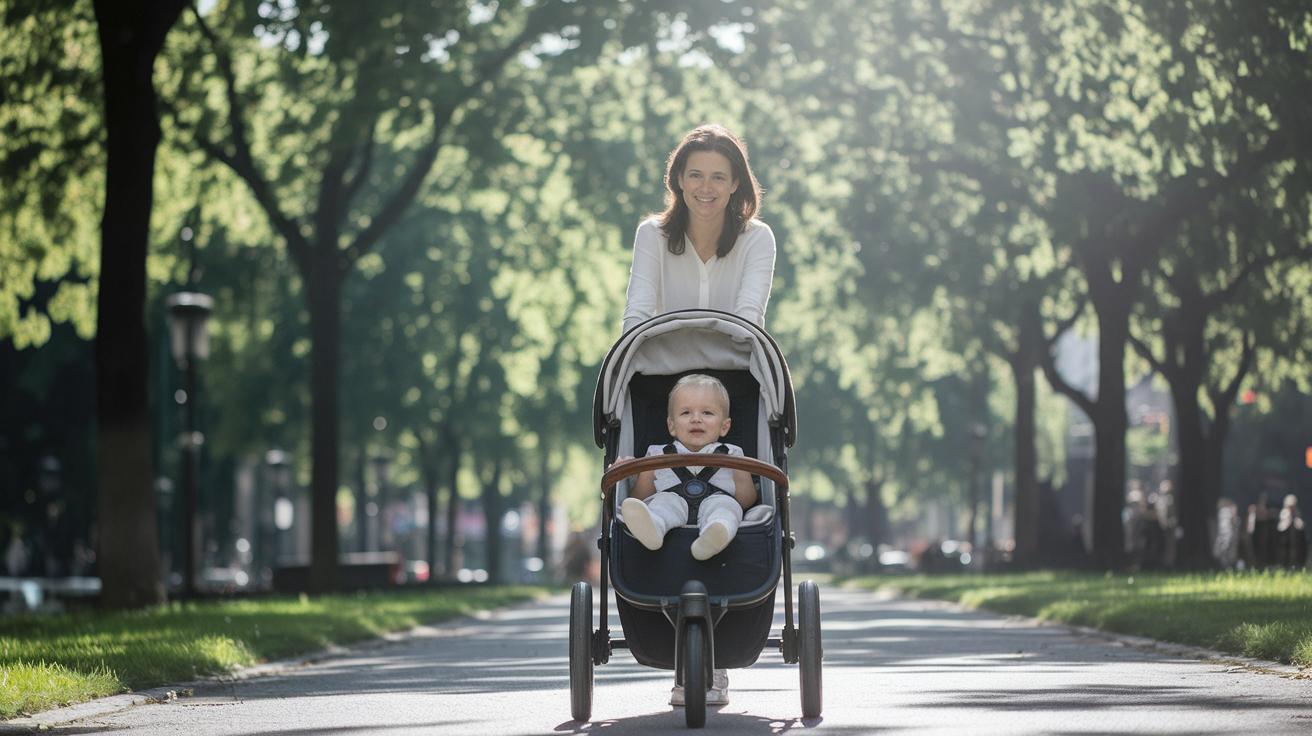
Ever notice how a few minutes to yourself can change your whole day? Even a quick 15-minute walk with your baby can lift your mood, fill you with a dose of sunshine (vitamin D), and recharge your energy. Taking that little break helps clear your mind so you can care for both you and your little one in a more relaxed way.
Here are some simple ways to nurture yourself:
- Take a 15-minute walk outside with your baby to refresh your spirit.
- Enjoy balanced meals and lean on family or friends for a bit of extra energy.
- Try to rest when your baby sleeps, even a short nap can work wonders.
- Cut down on screen time and ease up on caffeine or other stimulants before bed.
Adding these small, daily self-care routines can really lay a strong foundation for your mental well-being in these early days. For busy moms, little ideas for self-care can spark creative ways to blend support into your daily life. Isn’t it amazing how these simple steps can soften feelings of loneliness and brighten your days with hope?
Building Support Networks to Overcome Maternal Isolation
Local Support Groups
Local groups give you a chance to meet face-to-face with moms who understand what you’re going through. Many moms find comfort in sitting together at community centers or hospitals, where the setting feels cozy and familiar. It’s a space where you can share your feelings openly and get that warm support from people who truly empathize with your experiences.
Online Peer Communities
If you feel more at ease connecting online, there are plenty of friendly digital spots like forums, Facebook groups, and special apps waiting for you. These virtual hangouts let you join in anonymously while sharing both the highs and lows of your journey. A simple chat online can sometimes ease that heavy feeling of isolation and help you navigate the everyday changes in life.
Professional Counseling Services
Sometimes, reaching out for a bit of professional help can make a world of difference when things feel too overwhelming. Whether it’s one-on-one sessions, group talks, or family meetings, a counselor can help you explore your feelings and understand what’s causing that pinch of isolation. It’s all about gently reconnecting with yourself and the people around you.
| Support Type | Description | Access Details |
|---|---|---|
| Local Parent Groups | Face-to-face meetings in community spots and hospitals. | Community centers, hospitals |
| Online Forums | Anonymous online groups where you can share your story. | Facebook, specialized apps |
| Peer Support Networks | Groups that connect moms with similar experiences. | Local meet-ups, community centers |
| Counseling Services | Professional help to work through deeper feelings. | Therapy clinics, counseling centers |
Professional Mental Health Care for Isolation Challenges After Birth
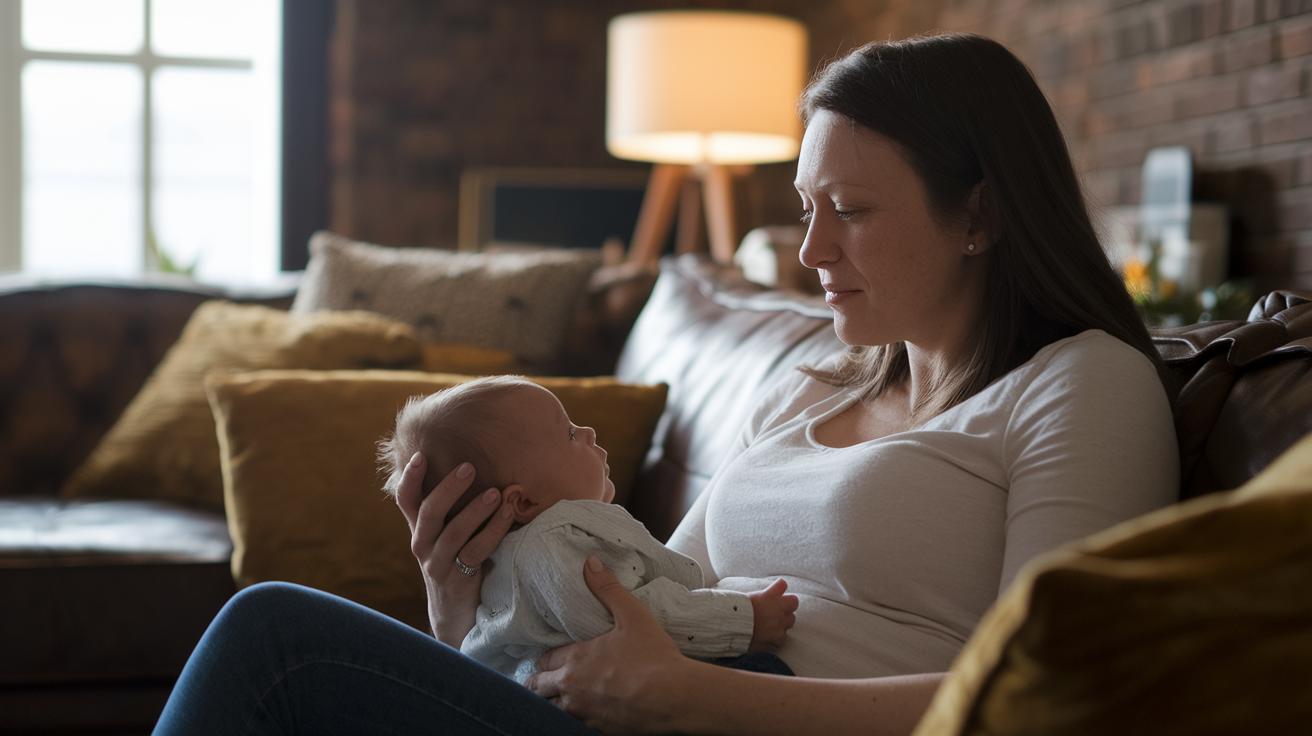
A lot of moms go through a mix of feelings after having a baby. Many moms, around 50 to 75 percent, might feel a little down or notice some mood swings, what we often call the baby blues, which usually go away within two weeks. Other moms may struggle with something called postpartum depression, a heavier type of sadness that can begin anytime during the first year and might affect about one in every seven new mothers. In rare situations, roughly one in 1,000 moms might face postpartum psychosis, a very serious condition that needs quick, expert help.
It’s really important to pay attention to how you’re feeling. When the sadness changes into deep depression, constant anxiety, or even starts to bring confusing thoughts or visions, it may be a sign that professional support could be helpful. Trust your gut. If these feelings seem too heavy, know that you don’t have to face them alone.
There are different ways to get help, and what works best might be different for everyone. One-on-one counseling or therapy like cognitive behavioral therapy (talking through your feelings in a guided way) can offer a comforting space to sort through your emotions. Sometimes joining a support group where you can chat with other moms who understand what you’re going through can make a big difference. And in certain cases, a doctor might recommend medicine to help balance your emotions.
Getting professional mental health help is a key step in taking care of yourself after birth. It reminds you that you deserve support and that you don't have to manage these challenges by yourself.
Digital and Community Resources for Overcoming Maternal Isolation
Online forums and apps can be a real comfort, giving you a simple and friendly way to connect anytime. Think of it like catching up with a good friend over a warm cup of coffee. Back in the day, moms even sent handwritten notes that lit up their day, and now there are special groups for first-time moms, moms with twins or more, and those dealing with challenges after birth (care after your baby is born).
Virtual meet-ups and chat groups have become a favorite when staying home is the new norm. A quick update or joining a themed discussion can make you feel the gentle support of a caring community. Sometimes, sending a short note like "I needed this today" is all it takes to remind you that you're never truly alone.
Family and Partner Support Strategies to Reduce Postpartum Isolation Feelings

After having a baby, it's normal to feel a bit lonely. Sharing how you feel with your partner or a close family member can really lift your spirits. A simple chat over coffee or a quiet moment together can create a warm, understanding space. Letting them know you need extra rest or a little alone time can help everyone know how to support you best.
Consider a mom who sets up weekly catch-ups with her partner and a dear friend. In these small get-togethers, she talks about the everyday challenges of being a new mom, and together they find little ways to adjust her routine. They might take an evening family walk or cook a meal side by side. These shared moments slowly rebuild connections and bring comfort to her daily life.
Another mom might decide to meet regularly with a trusted relative. During these visits, she not only gets help with baby tasks but also enjoys simple activities like playing games or just having a friendly chat. These moments of togetherness help strengthen bonds and remind her that a caring circle is a powerful antidote to loneliness.
Final Words
In the action, this article explored how new mothers can recognize and manage feelings of isolation through simple self-care routines and by reaching out to local, digital, and family support. We discussed the importance of practical strategies, whether that means taking a mindful walk, joining a community group, or seeking professional help for emotional adjustment after birth.
Every small step counts. Taking time for honest communication and self-care can be key in managing postpartum isolation feelings and helping you feel more connected and supported.
FAQ
Frequently Asked Questions
How can postpartum isolation feelings at night be managed?
The postpartum isolation feelings at night can be lessened by establishing comforting bedtime routines, reaching out to someone you trust, and practicing small self-care steps that create a sense of calm and connection.
What can online posts and quotes teach about postpartum loneliness?
The online posts and quotes about postpartum loneliness share real-life experiences that help you see you’re not alone. They offer comfort and a reminder that many moms find understanding through shared emotions.
What does postpartum depression refer to?
The term postpartum depression refers to deep, lasting sadness and mood changes after childbirth. It signals when professional help might be needed to regain emotional balance and support your well-being.
What causes feelings of loneliness shortly after childbirth?
The feelings of loneliness two weeks after childbirth can come from sudden lifestyle shifts and changes in support systems. Talking with loved ones or professionals may help bridge that gap and bring comfort.
How can changes in relationships after having a baby lead to feeling isolated?
The feelings of isolation as a mom and wife, or in your relationship after baby, often occur when roles adjust and connection shifts. Sharing your feelings with your partner can rebuild closeness and boost mutual support.