Are you feeling worn out after yet another restless night? You’re not the only one. Many parents find themselves trying to squeeze in a few hours of sleep, even when it seems impossible. Research shows that almost 60% of moms have trouble sleeping in the early weeks, leaving them feeling drained and overwhelmed.
There are some simple ideas that might help you catch more rest, even while taking care of your baby. Have you ever tried napping when your little one sleeps? Or maybe sharing nighttime tasks with someone can lighten the load. These little changes can make a big difference.
Sometimes, a tiny shift in routine is all it takes for a night full of real, refreshing sleep. Take a moment to see which tip might work best for you, and remember, you deserve a break too!
Postpartum sleep deprivation solutions: Sleep Well Tonight
So many new parents end up losing sleep because newborns wake up every couple of hours, even though grown-ups really need six or seven hours every night. It can leave you feeling super tired and a bit overwhelmed in those early weeks.
Studies say almost 60% of moms might have trouble sleeping up to eight weeks after giving birth, and sometimes these sleep troubles stick around for a while. But there are some simple sleep tips that can help ease that tired feeling. Even little changes, like catching a nap whenever your baby sleeps, can make a big difference.
- Take a nap when your baby is sleeping.
- Around 3–4 weeks, try pumping one session so your partner can help feed.
- If you’re using formula, pre-mix bottles to cut down on nighttime work.
- Let go of household chores during your rest times.
- Reach out to friends and family to build a support network (see postpartum recovery tips).
- Consider hiring a postpartum doula who can offer practical sleep ideas.
Getting enough sleep is really important, you deserve some true rest to recharge your body and mind. Taking even a few extra minutes whenever you can can boost your energy, uplift your mood, and make daily tasks a little easier. Even short, peaceful breaks, like a quick nap or a calm pause, really add up to help you feel more balanced during this busy time.
Understanding Newborn Sleep Challenges in Postpartum Period

Newborns usually sleep around 14 to 16 hours every day, but they do it in tiny bursts. They wake up every 2 to 4 hours for a feeding, a diaper change, or just some comfort. Even though it looks like they're sleeping a lot, that sleep isn't deep enough, which can make it hard for moms to get a truly refreshing rest.
Because you're caring for your little one all day and night, your own sleep can really suffer. When the baby’s sleep is all over the place, moms might feel tired every day, experience mood swings, and struggle to focus. Almost every parent faces these challenges when a little one needs attention so often.
Sleeping in these short, broken pieces can throw off your body's natural rhythm for rest. Over time, this can leave you feeling like you're not getting enough satisfying sleep, which can drain your energy. This nonstop cycle of tiredness not only makes daily tasks tougher but can also weigh on your emotions, leaving you feeling overwhelmed and worn out.
Medical Advice and Professional Support for Postpartum Sleep
After having your baby, you might find it really hard to catch enough sleep. You may struggle to fall asleep or wake up often during the night because your little one needs feedings, diaper changes, or soothing. This constant waking can stretch on for weeks, leaving you feeling completely drained and less energetic during your busy day.
One big reason for these sleepless nights is that caring for a newborn takes constant attention. With feeding sessions and late-night diaper changes, your natural sleep rhythm gets thrown off. Over time, this repeated sleep loss can affect your mood, making you feel a bit down or anxious, not just tired, but truly worn out.
If you notice that sleep is still a big challenge after the first few months, it might be time to talk to a healthcare provider. They can share helpful tips on how to improve your sleep and check if there’s extra stress or other issues at play. Sometimes, just reaching out for a bit of professional advice can make a world of difference in helping you feel stronger and more balanced every day.
Optimizing Sleep Environment for Postpartum Mother and Infant
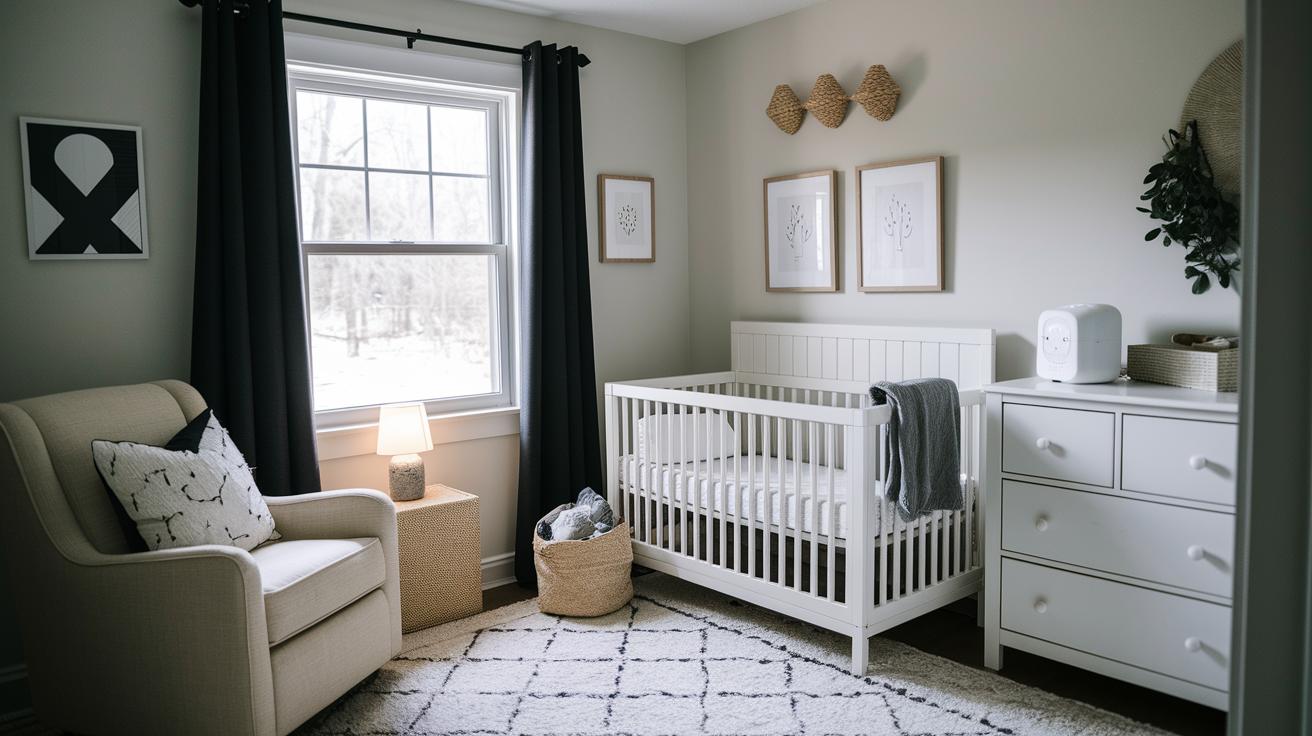
When it comes to helping your baby sleep soundly through the night, creating a calm, safe space is key. Always place your little one on their back in a crib or bassinet with a firm mattress and no loose bedding. Keep the room dark and quiet, with a comfortable temperature between 68–72°F. Picture adding blackout curtains and even a white-noise machine, a soft hum in the background that wraps your baby in a cozy cocoon, inviting deep, peaceful sleep.
Taking care of your own sleep space matters, too. Moms and dads deserve a peaceful retreat after those short naps with the baby. Try dimming the lights as bedtime nears and cutting down on distractions like electronics. A bedroom set up with a calming vibe can gently tell your body it’s time to relax. Even little changes in your sleep area can turn it into a restorative haven that helps you recharge and feel your best.
Tracking and Adjusting Postpartum Sleep Strategies
Keeping a sleep diary or using a simple app can really help you see patterns in your sleep. Try jotting down when both you and your little one drift off to sleep, wake up, or grab a quick nap. For instance, you might note, “I squeezed in a 30-minute nap this morning right after the baby’s feed,” which helps you spot recurring gaps. Research shows that insomnia drops from about 60% at eight weeks postpartum to around 40% by two years, and keeping track can reveal these improvements over time.
Taking a little time to review your sleep notes each day might show that adjusting your routine makes a big difference. Maybe you notice that moving a feed or setting aside a quiet moment leads to a longer nap. When this happens, try shifting your schedule to include more moments like that. It’s a simple way to fine-tune your routine, whether that means tweaking your room setup, rearranging feeding times, or even teaming up with your partner for nighttime duties, to support better sleep during this busy time.
Final Words
In the action, we explored how small shifts can make a big difference in managing sleep challenges. We looked at ways to fine-tune your routine, from adjusting feeding times to creating a calm sleep space for both mom and baby.
These postpartum sleep deprivation solutions are all about practical, real-life strategies. Every little change brings you closer to a good rest, giving you more energy and a brighter outlook on each new day.
FAQ
What are the symptoms of postpartum sleep deprivation?
The symptoms of postpartum sleep deprivation include extreme fatigue, trouble focusing, mood swings, and irritability. These signs often make daily tasks feel harder than usual.
How long does postpartum insomnia last?
Postpartum insomnia can last from a few weeks to several months. Many mothers see improvements over time, sometimes experiencing ongoing sleep issues for up to two years.
What kinds of discussions are common on Reddit about postpartum sleep deprivation?
Reddit conversations about postpartum sleep loss share personal experiences, practical tips, and support among moms. Many mothers exchange ideas for coping and managing their sleep challenges.
How is postpartum insomnia treated?
Treatment for postpartum insomnia focuses on improving sleep routines, napping when possible, and creating a comfortable sleep environment. Some moms also seek professional help when sleep problems continue.
How does sleep deprivation affect postpartum depression?
Sleep deprivation can make postpartum depression symptoms worse by increasing tiredness and affecting mood. Getting quality sleep can help stabilize emotions and restore energy during the postpartum period.
Why might a new mom struggle to sleep when her baby sleeps?
A new mom may find it hard to sleep when her baby sleeps because her mind stays active with concerns or worries. This extra alertness makes it difficult to fully relax and rest.
What does it mean if postpartum insomnia continues at 4 months?
If postpartum insomnia persists at 4 months, it indicates ongoing sleep struggles that are common for many new moms. Adjusting routines and seeking support may help improve sleep quality.
What does it mean if postpartum insomnia continues at 5 months?
Continuing postpartum insomnia at 5 months suggests that sleep challenges remain significant. It may be time to review daily habits and consider talking with a healthcare provider about additional strategies.
How can new mothers manage sleep deprivation after having a baby?
New mothers can manage sleep deprivation by napping when the baby naps, creating a calming bedtime routine, and leaning on a support network. These steps can help reduce fatigue and boost energy.
What are the five stages of sleep deprivation?
The five stages of sleep deprivation usually progress from mild tiredness to moderate fatigue, then severe exhaustion, followed by chronic fatigue, and ultimately an overwhelming state of total exhaustion.
Can you recover from years of sleep deprivation?
Yes, recovery from long-term sleep deprivation is possible. With gradual changes in sleep habits, supportive care, and sometimes professional guidance, many moms can regain better sleep and overall well-being.