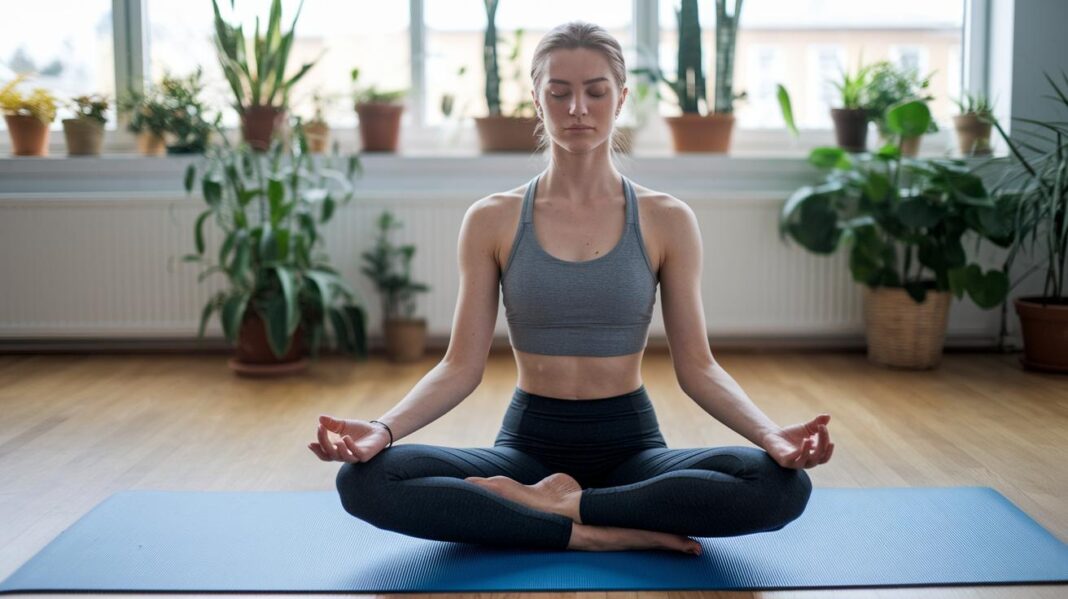
Have you ever thought about how a little bit of gentle movement might help you feel better after having a baby? Picture your body stretching softly, like opening a window to let fresh, calming morning light in.
Postpartum yoga isn’t just exercise. It’s a caring way to rebuild your strength and help your tummy feel more comfortable after childbirth (which is a term for the time after you give birth). With slow, mindful stretches and friendly support, you can start to feel cared for in both body and heart.
Maybe try it out, and see how these gentle poses can help you feel safe and strong as you welcome a new chapter in motherhood.
Postpartum Yoga for Beginners: Start Your Practice Safely After Childbirth
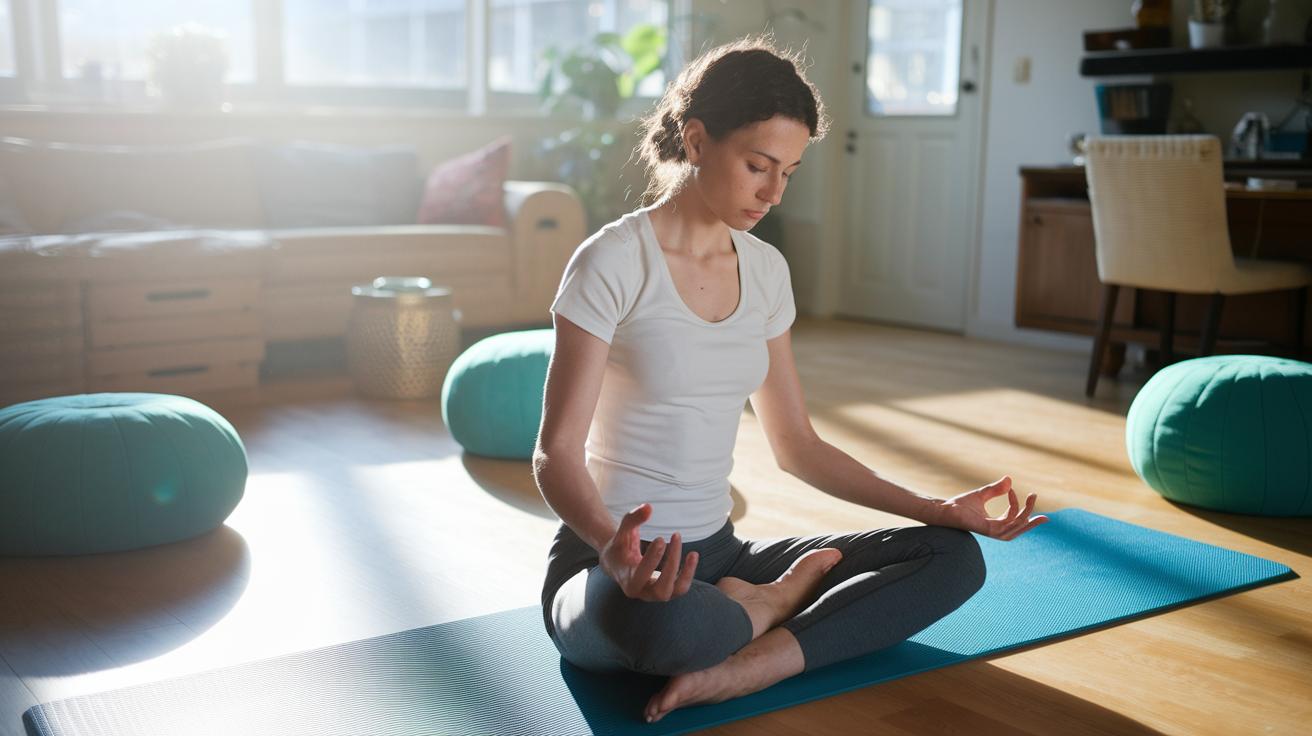
Before you start rolling out your yoga mat, make sure you get the all-clear from your doctor. Your body needs time to recover after having your baby, so it’s best to get a little medical guidance first. For moms who had a vaginal birth, you might be ready for gentle yoga around 4 to 6 weeks after delivery. If you had a C-section, you may need around 8 to 10 weeks before trying safe exercises.
Listen to your body like you would listen to a close friend. If a move or stretch feels uncomfortable, take a break and try something different. Think of easing into yoga like gently opening a window to welcome soft morning light and fresh air. This gradual approach helps rebuild strength in your core and pelvic floor without pushing too hard.
Remember, postpartum yoga isn’t just about getting back into shape, it’s about moving in a way that feels kind and nurturing. Start with simple, slow poses that help you relax while gently engaging your core. Use supportive props, like a soft cushion or a block, to make each pose more comfortable and safe.
Always pay attention to what your body is telling you and follow your doctor’s advice. Taking care with a thoughtful, mindful approach means you can support your well-being during this special time of recovery.
Physical and Mental Benefits of Postpartum Yoga for Beginners
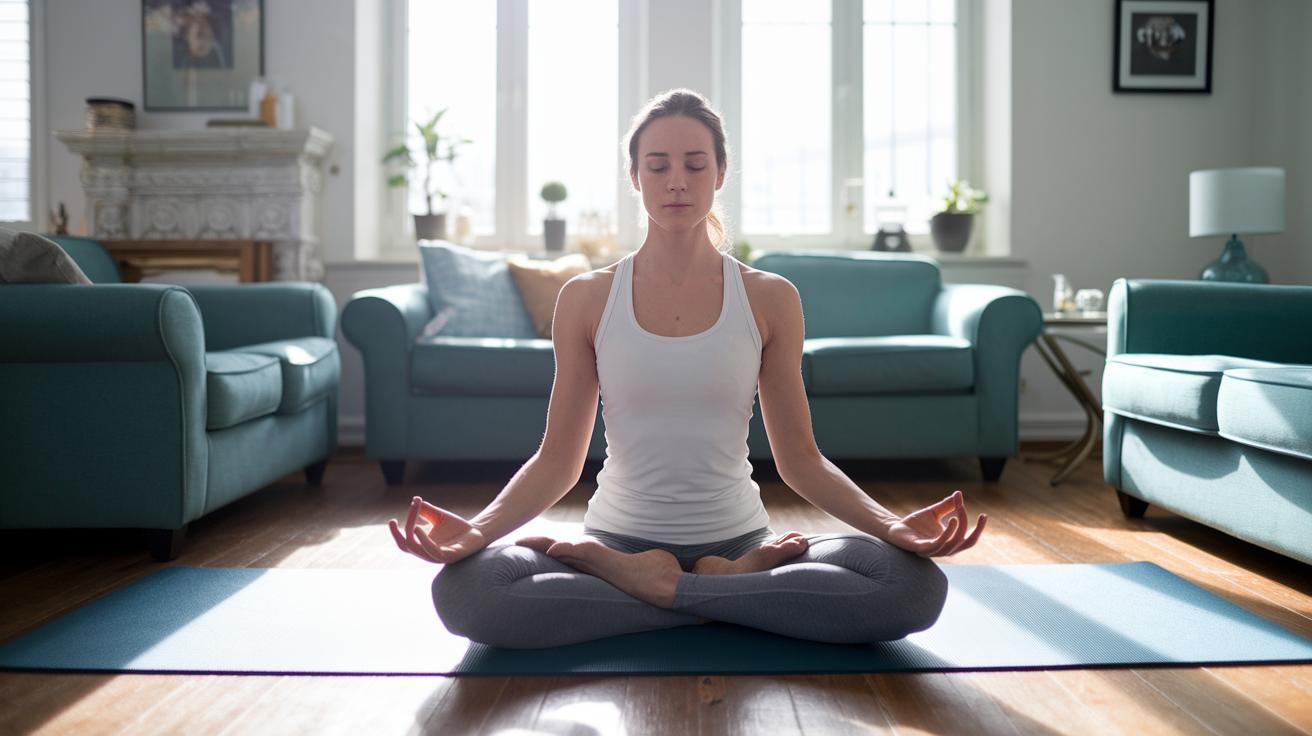
Postnatal yoga can really help you feel better. It gently rebuilds your strength and flexibility while also helping your core stay strong. Think of it like caring for a little garden, taking time for gentle practice can lead to a happier, stronger body. It even helps keep your pelvic floor in shape and eases those common aches and stiffness you might be feeling.
This gentle practice may also reduce the chances of pelvic organ prolapse and urinary incontinence. With regular sessions, you're doing something good for your everyday comfort. It’s a simple, caring routine that makes you feel supported during your recovery.
Postpartum yoga isn’t just good for your body, it helps your mind, too. It can lower anxiety and ease feelings of depression by inviting relaxation and mindfulness into your day. Imagine a few calming moments that feel like a warm hug after a busy day; even a short session can lift your mood.
Taking time to do these gentle poses is a way to manage stress and nurture your emotional healing. It’s like pausing to sip your favorite tea and gather your thoughts. By adding these practices into your daily routine, you’re looking after both your physical and mental well-being, making your journey through the fourth trimester softer and more peaceful.
7 Beginner Postpartum Yoga Poses to Ease Into Practice
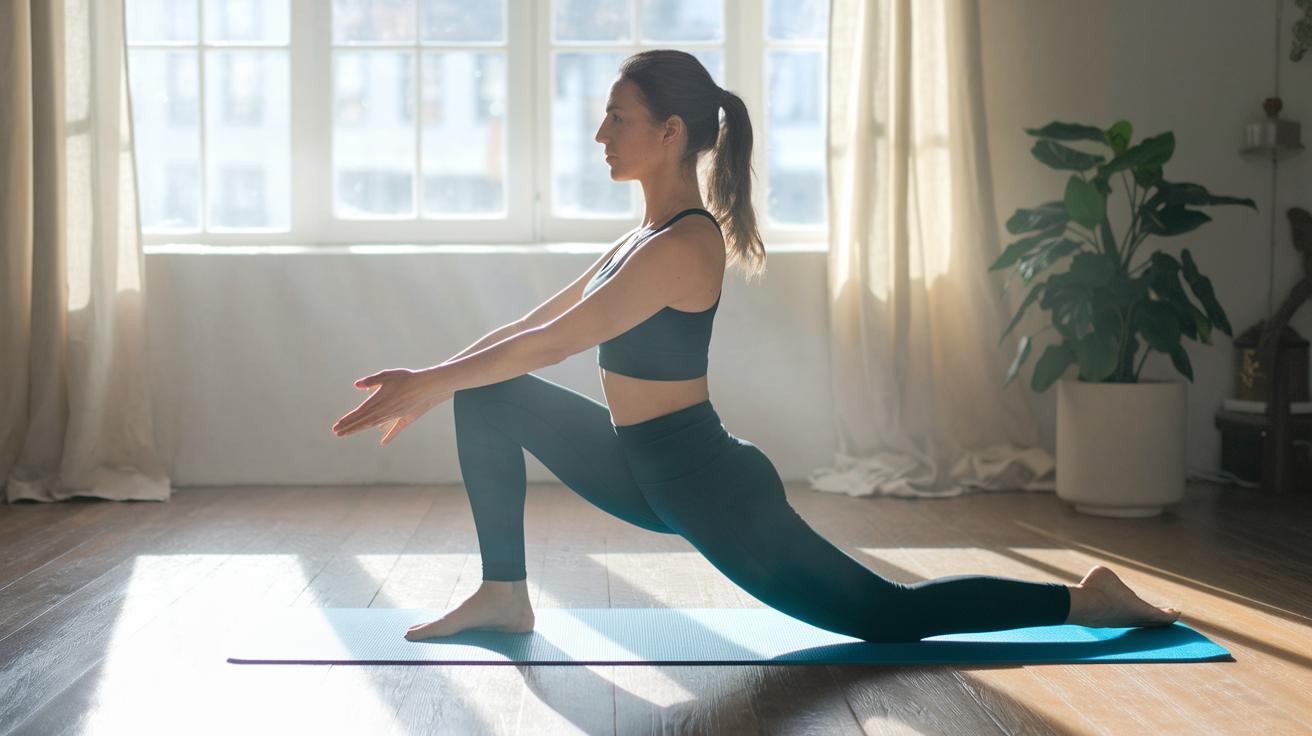
Low Lunge is a gentle way to start your practice. It works to build strength in your hip muscles (psoas) and gets your hips moving smoothly. Start by bending your front knee and extending your back leg, keeping your hips even. Hold this pose for about 20-30 seconds on each side. It’s amazing how a simple Low Lunge can feel like you’re reaching for a fresh, new day.
Next up is Half Plank. This pose softly engages your tummy muscles and helps rebuild core strength. Keep your elbows right under your shoulders and draw a straight line from your head down to your knees. Go slowly with this move, kind of like when you adjust a wobbly table until it finally feels solid.
Downward Dog is a familiar and soothing pose. It stretches your back muscles and preps your body for more work ahead. Press both hands firmly into the mat and lift your hips up to form an upside-down V shape. Enjoy the stretch along your spine and feel the gentle relief it brings.
Bridge with Block is perfect if you’re looking to tone your pelvic floor and brighten up your glutes. To make it easier, rest a yoga block against your lower back as you lift. It’s like putting an extra soft cushion under you after a long day.
Then there’s Pigeon Pose, a soft stretch for your hips and glutes. Sit down and place one leg folded in front while the other stretches out behind you. Take a deep, calming breath and let go of any built-up tension.
Cat-Cow helps keep your spine flexible and opens up your chest. Slowly shift between rounding your back and arching it out, just like the gentle ebb and flow of the tide. It’s almost like a little dance for your back.
Finally, Supported Bridge offers a soothing, restorative finish. Lie back and put a block under your lower back (sacrum) for extra support. This gentle pose helps ease tension in both your back and pelvis, leaving you feeling relaxed and nurtured.
Sample Step-by-Step Postpartum Yoga Routine for Beginners
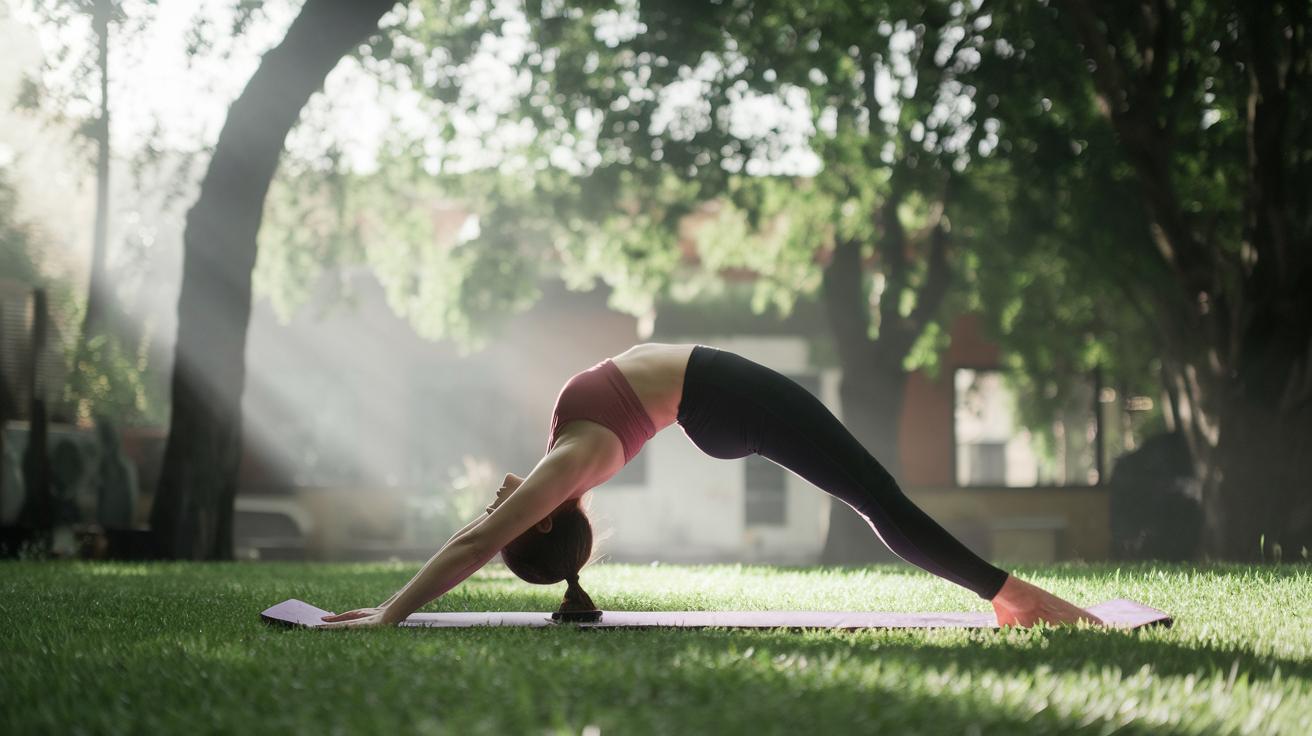
Have you been looking for a gentle way to reconnect with your body? This easy routine helps you ease into movement one step at a time, like a fresh, warm breeze on a sunny morning.
We’ve set up three friendly flows. First, try a 20-minute whole-body practice that mixes a Low Lunge, soft twists, and a calm Bridge. This flow gently builds your strength and keeps you moving comfortably. Next, enjoy a 20-minute routine that focuses on your hips. It features moves such as a modified Cat-Cow paired with thoughtful Bridge variations to open up your hips and give your glutes a soft wake-up call. And on days when time is tight, a quick 10-minute session targets your core and leaves you feeling relaxed.
| Pose Sequence | Duration | Focus Area |
|---|---|---|
| Full-Body Postnatal Flow | 20 minutes | Overall strength and mobility |
| Hip-Focused Sequence | 20 minutes | Hip opening and glute activation |
| Quick Postnatal Session | 10 minutes | Core engagement and relaxation |
Take your time with each session, listen closely to your body, and adjust the pace as needed. Enjoy the journey back to movement and strength!
Safety Tips and Modifications for Postpartum Yoga After C-Section or Vaginal Birth
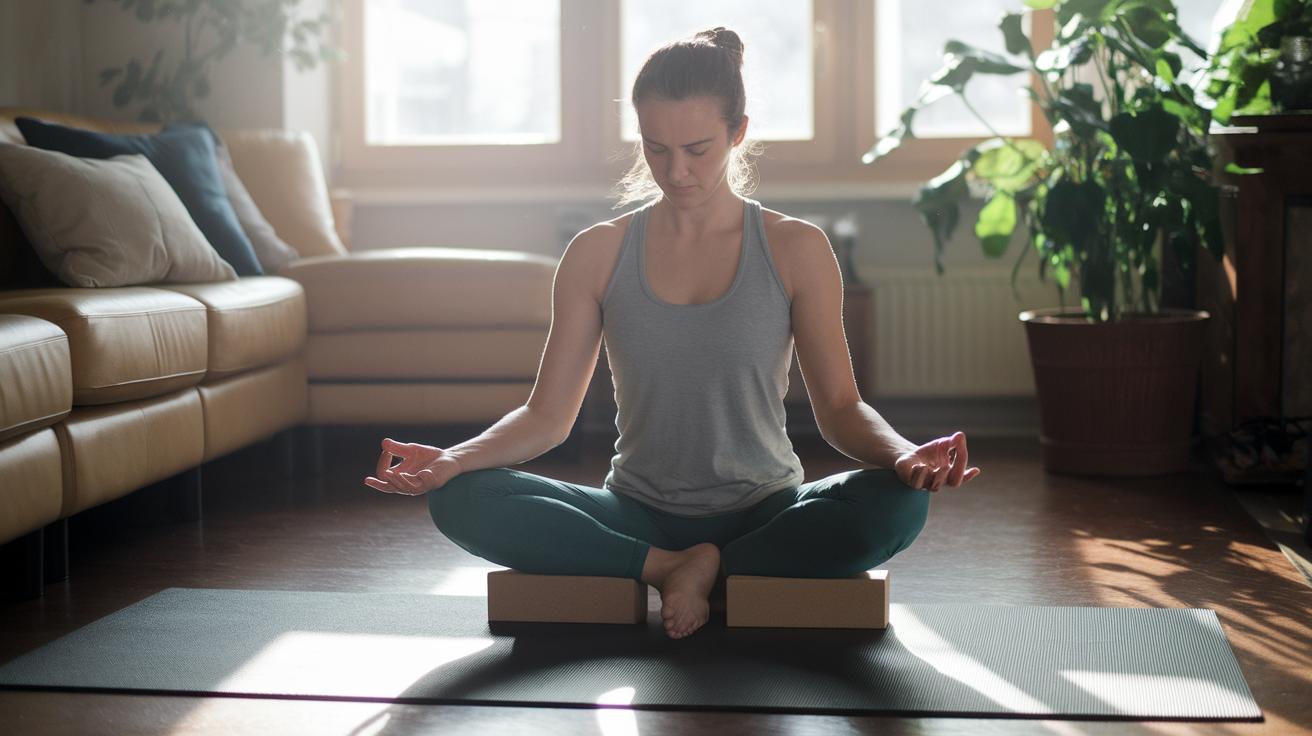
When a pose starts feeling too tough, try using props like yoga blocks or belts to help keep your body in a good position and lessen any discomfort. For example, if you’re doing a gentle twist and feel a tug near your core, pause for a moment and set a block under your hand. Imagine easing into your twist with that little extra support, it can really soften the stretch.
Here are some simple tips:
- Try small changes with props to find what feels best.
- If you sense any strain near your healing areas, adjust the pose.
- Hold the pose for a moment with the prop in place to see if it comforts you.
Notice how your body responds when you move the prop around. Even a small tweak like this can make your practice feel much gentler and more supportive.
Maintaining Your Postpartum Yoga Practice at Home
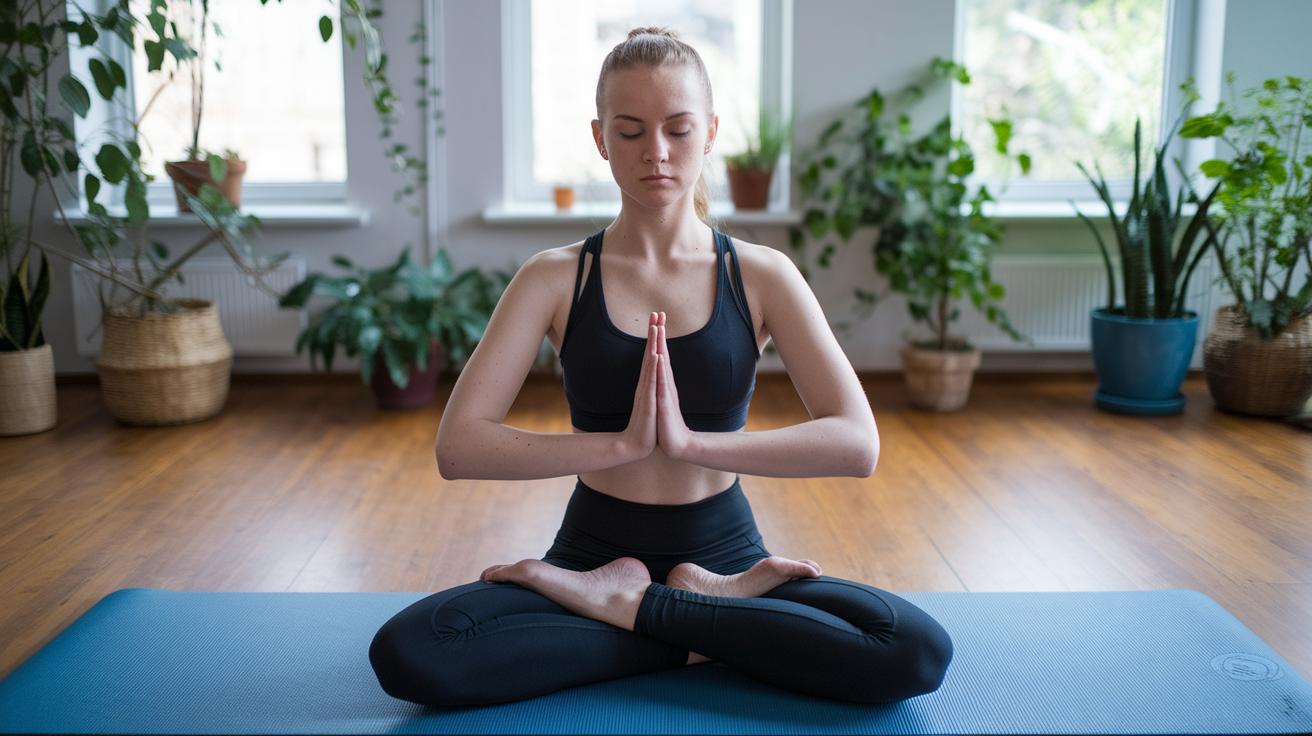
Imagine your home as a cozy retreat where you can gently flow into your yoga routine. You can explore online video libraries at your own pace, finding clips that guide you through uplifting poses. It’s like having a friend share a simple and comforting routine right on your tablet.
Try to slip in 3–4 short sessions each week. Some days, enjoy a full, flowing sequence; other days, a focused stream of 10-minute poses that help you feel connected to your body after your little one has arrived. This steady practice builds strength gradually and fits easily into your day.
Consider signing up for a postnatal yoga class online or watching a beginner-friendly postpartum yoga video from a trusted source. This way, you get gentle expert guidance without having to leave your sanctuary. And if you need a little extra boost, check out the Postpartum Recovery Tips for ideas to empower your self-care routine.
- Set aside a special, quiet corner just for your yoga practice.
- Try different videos until you find a style that truly speaks to you.
Final Words
In the action, we explored ways to start gentle yoga safely after childbirth. We covered key safety tips, mindful pose modifications, and easy-to-follow routines that encourage physical and emotional well-being.
We also shared a detailed look at simple moves that help rebuild strength and ease discomfort. This guide on postpartum yoga for beginners offers a practical and caring approach to recovery. Enjoy the benefits and feel empowered every day!
FAQ
Postpartum yoga for beginners YouTube
The term “postpartum yoga for beginners on YouTube” means you can find guided videos to safely ease into yoga after childbirth, usually featuring step-by-step instructions and gentle modifications.
Postpartum yoga for beginners at home
The phrase “postpartum yoga for beginners at home” means you can practice at your own pace in your living room using online videos and simple routines that help rebuild strength and flexibility safely.
Best postpartum yoga for beginners
The term “best postpartum yoga for beginners” means looking for programs that offer gentle poses, safe modifications, and step-by-step guidance to support recovery and improve core strength after childbirth.
How soon should I start yoga after birth?
The question about when to start yoga after birth means beginning your practice depends on your individual healing. Typically, new mothers may consider starting around 4–6 weeks for vaginal births and 8–10 weeks following a C-section, with doctor approval.
What type of yoga is best for postpartum?
The inquiry about the best type of yoga for postpartum means opting for gentle, restorative yoga that incorporates core strengthening, pelvic floor exercises, and modifications tailored to support your healing after childbirth.
Can yoga reduce postpartum belly?
The question about yoga reducing a postpartum belly means engaging in regular, gentle yoga can help strengthen your core muscles, which may reduce belly tension and support gradual body recovery after delivery.
Can I do downward dog after a C-section?
The question about doing downward dog after a C-section means that while some modifications might make the pose safe, it’s best to get medical clearance and adjust the pose to avoid any strain around your healing incision.