
Have you noticed how each time your baby's sleep changes, it feels like a small miracle? In the early days, sleep comes in short, gentle naps. Then, bit by bit, those naps get longer and more peaceful as your little one grows.
In this post, we chat about these sleep milestones and share simple insights to boost your confidence in your baby's daily rhythm. Every sleepy moment is a fresh start, quietly guiding your baby toward healthy, happy growth.
infant sleep milestones: Bright beginnings

Watching your baby’s sleep can feel like a gentle journey of discovery. In the beginning, their sleep comes in little bursts mixed with frequent feedings and brief naps. As they grow, you might notice longer, more peaceful stretches at night. It’s like they’re slowly finding their own pace to rest and recharge, and that helps you adjust your routines with confidence.
| Age Range | Typical Sleep Duration | Key Milestones |
|---|---|---|
| 0–3 mo | 14–17 hours | Lots of short naps; feeding every 2–3 hours; fast physical growth |
| 4–6 mo | Longer overnight sleep | Birth weight doubles; body clock begins (circadian rhythms) and baby starts finding ways to self-soothe |
| 6–9 mo | 12–15 hours | Smoother nap transitions; early try at self-soothing; first hints of rolling and crawling |
| 9–12 mo | 11–14 hours | A bit of sleep regression as new skills appear; more steady bedtime routines |
| 12–18 mo | Longer night sleep with 1–2 naps | Babies start walking and saying a few words; occasional wake-ups as they explore new skills |
As your little one grows, these sleep changes mark more than just rest, they’re signs of big developmental steps. Little by little, those short naps evolve into longer cozy sleep sessions, paving the way for a strong daily rhythm. It’s a reminder that every stage, no matter how small, is an important part of your baby’s journey.
Newborn Nap Progress and Early Sleep Patterns

Newborns show little hints when they need a nap. You might see your baby yawning, rubbing their eyes, or getting a bit fussy. These signs are like gentle reminders that your little one is getting tired and could use a rest. When their eyes feel heavy and they start to lose interest in play, it's a clear cue that it's time for a cozy sleep break.
Here are some simple ideas to create a comforting nap time:
| Tip | Description |
|---|---|
| Swaddling | Wrap your baby snugly to help them feel safe. |
| Dim Lighting | Use soft, low lights to calm the room. |
| Gentle White Noise | Play light sounds to create a soothing background. |
| Pre-Nap Feeding | Offer a small meal to keep hunger from disrupting sleep. |
| Cue-Based Patterns | Notice and follow your baby’s unique sleep signals. |
By tuning in to these signals and using these gentle strategies, you're helping set up healthy sleep habits. Establishing a cue-based routine now can make nap time smoother and even lead to longer rests as your baby grows. It’s all about supporting your little one’s journey to peaceful sleep and steady growth.
Infant Sleep Milestones from 4 to 6 Months

At this stage, your baby begins to show little hints of self-soothing. You might notice them rubbing their eyes or looking drowsy before they actually fall asleep. Their droopy eyes and softer expressions are gentle reminders that they’re getting tired. As their natural sleep rhythm grows, small changes, like offering a cuddle instead of feeding every time, can help them build steadier sleep habits. It’s all about those tiny moments that make a big difference.
- Dream feeding to help them snag a bit more sleep.
- Extending the time your baby stays awake by a few minutes to build natural sleepiness.
- Calming bedtime rituals that gently signal it’s time to wind down.
- Creating a nap setting with soft lights and quiet sounds.
- Being quick to soothe them during the night so they can settle back on their own.
Each of these simple tips builds on the sleep foundation you started in the early months. With every small shift, you’re helping your little one learn to manage transitions better, paving the way for longer and more peaceful sleep sessions.
Developmental Shifts That Affect Infant Sleep Milestones
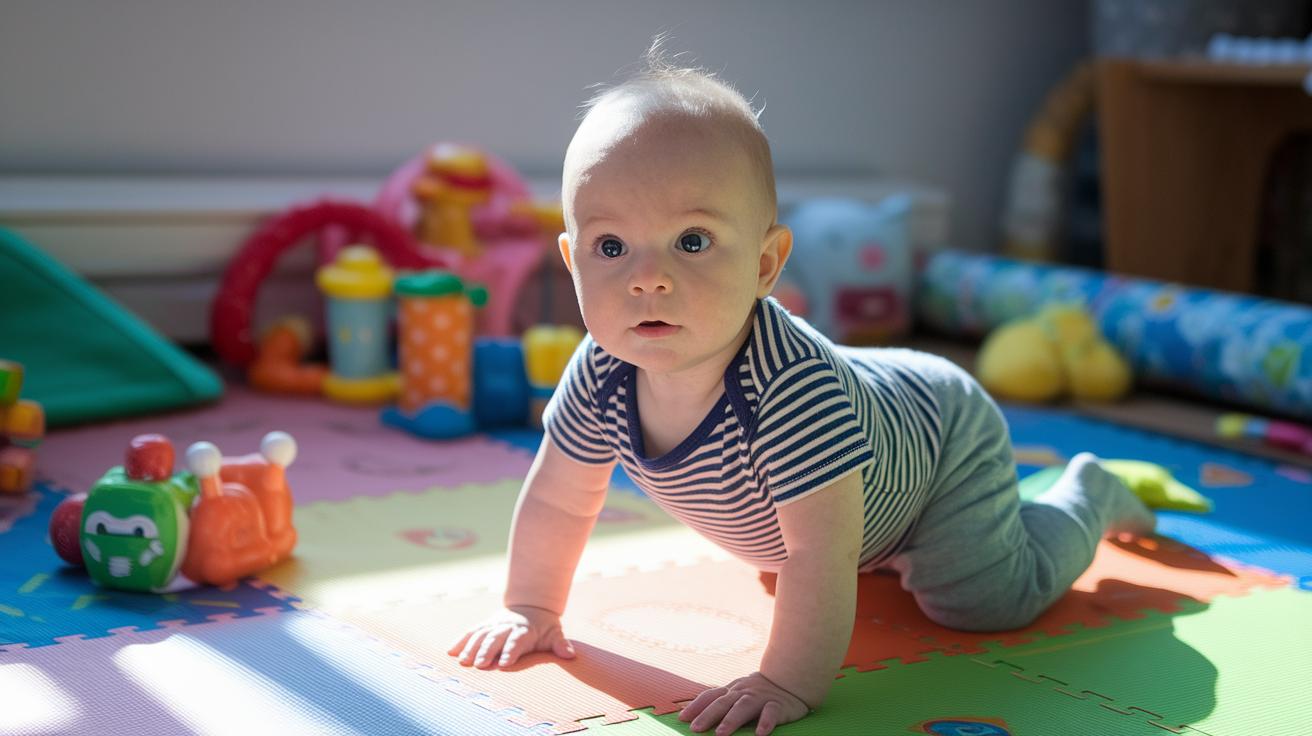
When your little one starts mastering new movements, you might see their sleep routines change for a little while. As they begin crawling around 7 to 10 months or cruising near furniture between 11 and 14 months, these new skills can turn into a temporary sleep hiccup. They’re so excited to explore that bedtime might turn into practice time, leading to more waking during the night. Even when you introduce solid foods around 6 or 7 months, better nutrition helps overall but doesn’t stop the sleep shifts completely. Every bit of these changes is linked to your baby’s growing abilities during early development.
At the same time, teething can make nights a bit rough. Between 6 and 18 months, teething discomfort might cause more night wakings and fussiness. It’s normal for your baby to cry or seem unsettled when their gums feel sore. Try gentle sleep routines to ease their discomfort, a soft touch, some calming sounds, or a warm bottle can work wonders. A quiet lullaby or a cherished bedtime story can build a sense of security, helping your baby settle back to sleep before you know it. With each new milestone, adjusting the bedtime routine with gentle care can help make those sleep transitions smoother for both you and your baby.
Optimizing the Sleep Environment for Infant Sleep Milestones
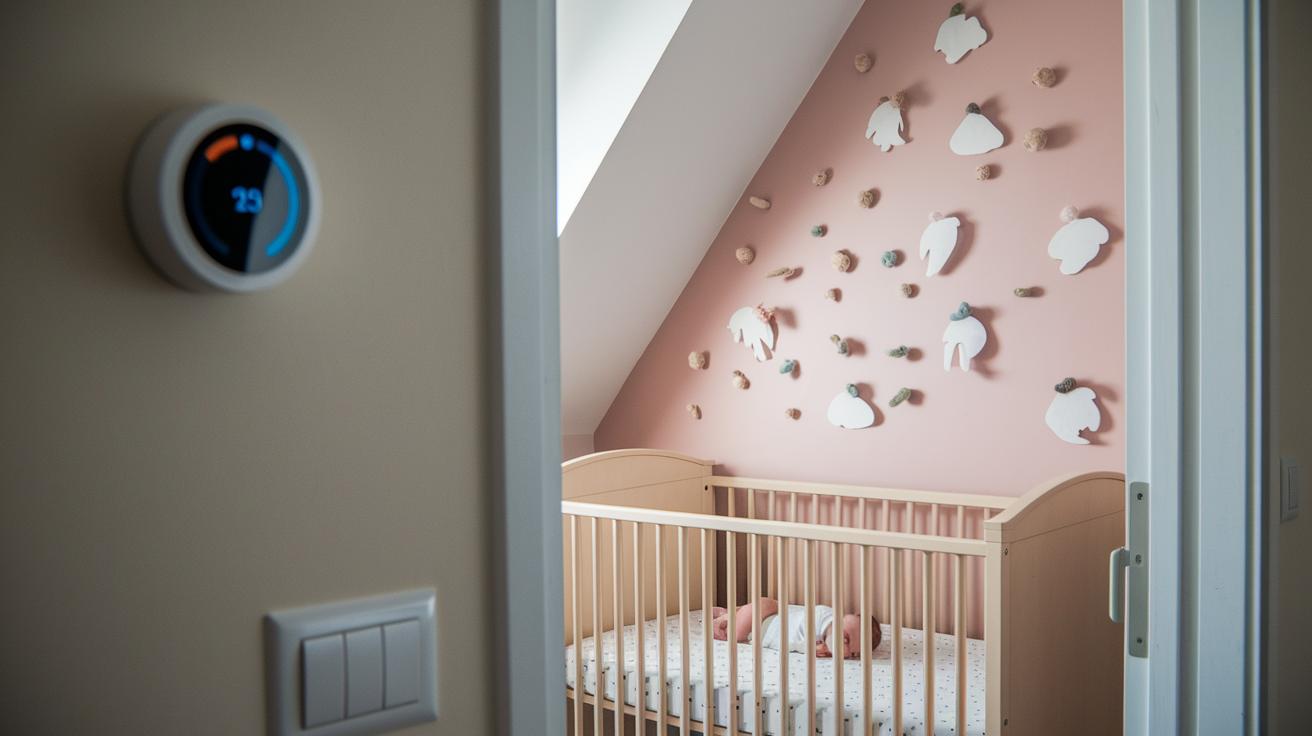
Imagine setting up a sleep space that adjusts as your baby’s sleep changes. Nowadays, smart tools like programmable thermostats and gentle lighting systems help create just the right mood by cooling the room or softening the lights as bedtime nears. Picture a thermostat that quietly cools the room when your baby slips into a deeper sleep, subtle, caring, and just right for growing little ones.
Next, you can add digital lullabies or white noise that changes along with your baby’s sleep. These soft sounds work in the background to help your baby get ready for sleep without you having to do anything extra. Think of a playlist that slowly shifts its sounds to match your baby’s needs, a sweet reminder that it’s time for peaceful rest.
And finally, smart scheduling tools can help with dream feeding and nap times. These handy apps send gentle reminders when it’s time for a feed or a quiet break, fitting perfectly with your baby’s sleep progress. It’s a modern, caring way to make sure your little one gets the right balance of sleep and wakefulness as they grow.
Identifying When Infant Sleep Milestones Warrant Professional Advice

Sometimes babies may sleep differently during their growth spurts, and that can be perfectly normal. But if you’re noticing sleep troubles that stick around longer than a few days and seem more than just a small hiccup, it might be a good idea to talk with a professional. For instance, if your little one still isn’t getting enough sleep even after you’ve tried all the usual bedtime routines, like when a tired baby just won’t nurse at night, that’s a sign to pay attention.
Here are a few warning signs to watch for:
- Ongoing sleep loss that lasts more than a few weeks.
- Refusal to nurse or take a bottle at night.
- Constant fussiness and distress despite your best efforts to soothe.
- Big changes in their sleep pattern that don’t match up with what you’d expect at their age.
When these signs stick around, it can really help to check in with your pediatrician. Trust your gut, if something feels off, it’s always okay to get a little extra support.
Final Words
In the action, our discussion covered how sleep evolves from newborn naps to more stable rest as babies grow. We talked about behavioral cues, smart routines, and careful adjustments to create a calming sleep space.
Each part of the post showed that every stage has its own charm. By understanding infant sleep milestones, you can help set up soothing sleep habits that bring more peaceful days and nights for you and your little one.
FAQ
How does an infant sleep milestones chart help parents?
The infant sleep milestones chart offers a clear guide that shows sleep changes as babies grow, helping parents track development and adjust routines with ease.
How do baby sleep patterns change by age?
The baby sleep patterns by age show how sleep times and routines evolve as babies grow, making it easier for caregivers to set realistic expectations.
When do babies sleep from 7pm to 7am?
The sleep window of 7pm to 7am often emerges once babies begin to consolidate their sleep, typically as their natural clock matures after the first few months.
What do newborn sleep patterns by week show?
The newborn sleep patterns by week reveal how sleep duration and nap frequency shift during early life, allowing parents to understand and gradually adjust their care routines.
How do baby sleep patterns develop by month?
The baby sleep patterns by month detail the gradual shift from multiple daily naps to longer, more consistent nighttime sleep, guiding caregivers in creating steady routines.
Why might my baby not be sleeping deeply?
The baby not sleeping deeply could be due to developmental changes, sleep regressions, or an unsettled sleep setting that interrupts deep rest.
How is it possible for a newborn to sleep 7 hours without feeding?
The newborn sleeping 7 hours without feeding may occur during certain growth periods, though it is atypical and should be discussed with a pediatrician if concerns arise.
What are baby sleep disorder signs?
The baby sleep disorder signs include irregular sleep cycles, prolonged wakefulness, and difficulty settling, which may require medical advice if they persist.
What does the 5-3-3 rule mean for baby sleep?
The 5-3-3 rule for baby sleep outlines structured intervals for awake time, nap periods, and nighttime sleep designed to support steady sleep development.
How does the 5-8-5 rule apply to babies?
The 5-8-5 rule for babies offers a framework balancing naps, wake periods, and nighttime sleep, giving caregivers a roadmap for forming consistent sleep routines.
What does the 5-10-15 rule indicate for baby sleep?
The 5-10-15 rule indicates a schedule where evenly spaced awake periods and sleep intervals work together to promote healthy and predictable sleep habits.
Why is there a hardest month for a baby in sleep patterns?
The hardest month for baby sleep often coincides with developmental leaps and sleep regressions, making routines more challenging while the baby adjusts to new skills.