
Have you ever wondered if your little sugar habit might be dimming your natural glow? It’s easy to miss the hidden sugars, those extra treats in a small can of cola or a splash of flavored almond milk can quickly add up without you even realizing it.
For many moms-to-be, these sneaky sugars can pass by unnoticed. But here’s the good news: making a few small changes in your snack choices can help keep both you and your baby feeling great.
Take a moment to think about your daily routine. Could a simple swap in snacks be the key to feeling even more radiant? Sometimes, the easiest adjustments can make all the difference.
Recommended Daily Sugar Intake Limits for Expecting Mothers
The American Heart Association suggests keeping added sugars to no more than 6 teaspoons (about 25 g) a day. Think about it: if you drink a 12-oz can of cola, which might pack in up to 9 sugar cubes, you could easily go over your daily limit. The World Health Organization also weighs in, saying free sugars should be around 5% of your daily calories. That works out to about 30 g or roughly 7 sugar cubes each day. Each sugar cube (around 4 g) adds up fast, especially when they hide in things like salad dressings, flavored almond milk, or breakfast cereals.
Imagine you’re snacking and suddenly a few teaspoons of hidden sugar sneak into the mix. It’s a good reminder to check labels closely and choose whole, nutrient-rich foods whenever possible. Keeping track of your sugar intake not only helps maintain steady energy levels but also lowers the chances of gestational diabetes and unexpected weight gain. For more tips, you can always check out the Maternal Diet and Wellness Guidelines at this link.
Health Risks of Excessive Sugar Intake During Pregnancy
Eating a lot of sugary foods when you're expecting can bring along some unwanted complications for both you and your baby. Too much added sugar often causes a quick spike in blood sugar levels followed by a sudden drop, which can leave you feeling off. In fact, one study involving over 1,200 moms and their children found that high sugar intake might be linked to difficulties in problem-solving and memory as children grow.
When your body has to manage too much sugar, it can struggle to keep your blood sugar steady. This puts you at a higher risk for gestational diabetes and may lead to other issues down the road, making your pregnancy and delivery more challenging.
- Higher risk of gestational diabetes due to blood sugar difficulties
- More rapid weight gain during pregnancy, which can slow recovery
- Increased chance of high blood pressure and potential organ issues (preeclampsia)
- A greater likelihood of needing a cesarean delivery because of related challenges
- Possible negative effects on your child’s problem-solving and memory skills
Keeping an eye on your sugar intake is a simple but important step toward staying healthy during pregnancy. By opting for nutrient-rich foods and cutting back on added sugars, you can help maintain steady energy levels and create a nurturing, balanced environment for both you and your little one.
Understanding Good vs. Bad Sugars in a Prenatal Diet
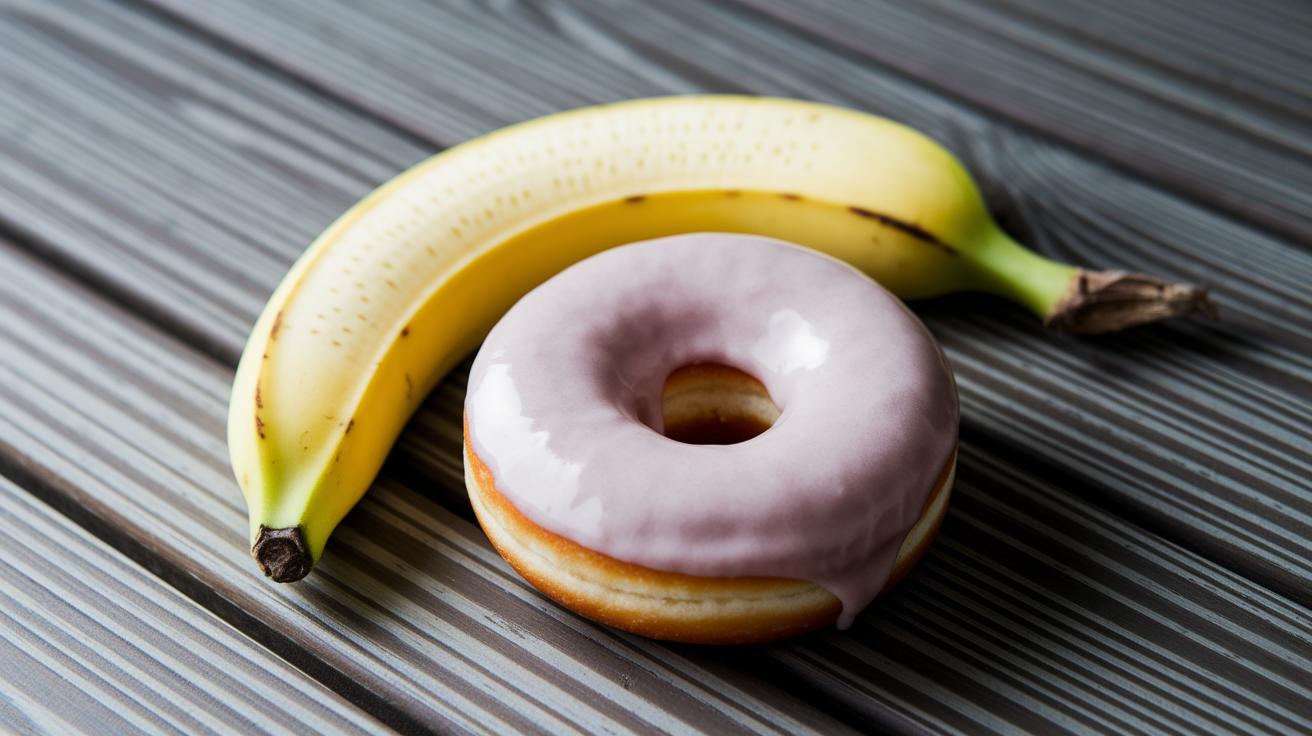
When you're planning your meals while pregnant, it's really helpful to know which sugars bring extra goodness and which ones might not be as beneficial. Naturally occurring sugars come from whole foods like fruits, vegetables, nuts, dairy, and whole grains. For example, a medium banana gives you about 15 grams of fructose along with fiber, vitamins, and minerals that help keep your energy steady and support your baby's growth.
Added sugars, on the other hand, are found in many processed foods and drinks like sodas, pastries, and glazed donuts. These foods might taste sweet quickly but they don’t offer the nutrients your body needs right now. A glazed donut might have around 12 grams of added sugar without the vital vitamins and minerals needed during this special time. Keeping an eye on where your sugar comes from can help you stay energized and lower risks like gestational diabetes.
| Type of Sugar | Common Sources & Nutritional Notes |
|---|---|
| Naturally Occurring Sugars | Found in fruits (like bananas and berries), vegetables (such as squash and onions), nuts, dairy, and whole grains that also provide fiber, vitamins, and minerals |
| Added Sugars | Present in processed foods such as sodas, pastries, and glazed donuts, offering little nutritional value |
Understanding this difference can guide you in making choices that nourish both you and your baby, helping to create a balanced, nutrient-rich diet.
Practical Tips to Manage and Reduce Sugar Intake
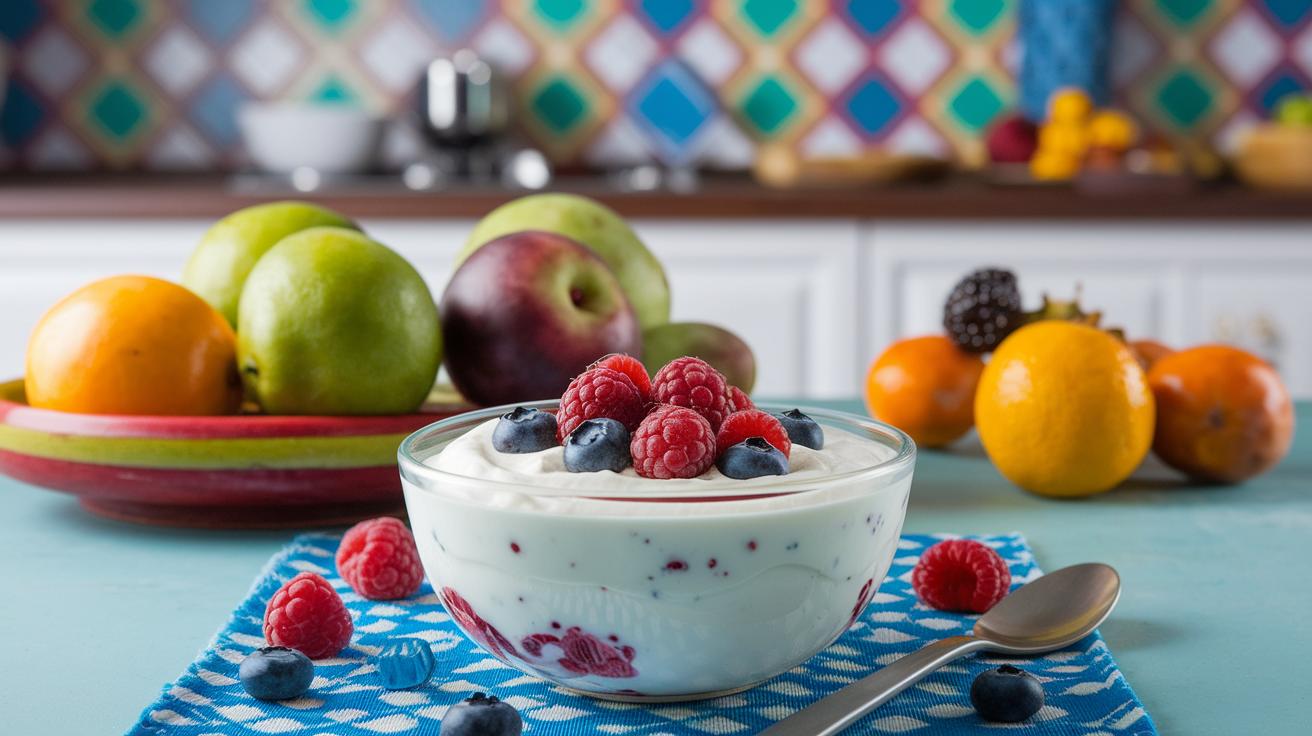
Think of every meal as a chance to choose foods that help keep your energy steady. Instead of grabbing sugary desserts, try starting your day with a bowl of Greek yogurt topped with fresh berries or a little piece of dark chocolate. And if you're in the mood for a snack, swap out cookies for something savory like carrot sticks with hummus. Filling your plate with lots of veggies, lean proteins, and whole grains can lower your sugar intake and give you lasting energy.
For snacks, consider these low-sugar options:
- Avocado spread on whole grain crackers for a creamy, satisfying crunch.
- Hard-boiled eggs that are super easy to prepare and full of protein.
- A handful of mixed nuts such as almonds, walnuts, or pistachios, giving you a bit of crunch and healthy fats.
- A fresh fruit salad made with low-sugar fruits like berries and kiwi, adding a burst of natural sweetness along with vitamins and fiber.
Mixing up your snack routine by prepping fresh options in advance can really help steer you clear of those processed sweets. Imagine one busy afternoon when a quick, nutritious snack fills you up without causing that sudden spike and drop in your energy. In this way, every meal and snack supports your well-being and even benefits your little one, while turning your plate into a burst of color and real nourishment.
Monitoring Blood Sugar and Recognizing Gestational Diabetes

Sometimes you might feel extra thirsty or find yourself making more trips to the bathroom than usual. It could be your body's way of telling you that it’s not handling sugar like it should. After about 20 weeks of pregnancy, many moms might notice that their insulin isn’t keeping up. When blood sugar isn’t well managed, you might also feel very tired, notice your vision getting a bit blurry, or see a bit of unexpected weight gain. And if your blood pressure stays high, that could be an important sign too.
It’s a good idea to check your blood sugar levels regularly. Here are some common things to watch for:
| Symptom | Description |
|---|---|
| Extra Thirst | Feeling unusually thirsty even after drinking fluids |
| Frequent Urination | Visiting the bathroom more often than usual |
| Tiredness | Feeling very fatigued or run-down |
| Blurred Vision | Noticing that your vision isn’t as clear |
| Weight Gain | Gaining weight unexpectedly |
| High Blood Pressure | Blood pressure that remains high |
Keeping up with your blood sugar checks, as your doctor suggests, can really help catch any changes early. Recognizing these signs in time means you and your healthcare provider can make small adjustments in your diet or treatment plan. This helps both you and your baby stay on track for a healthy journey during this special time.
Effects of Maternal Sugar on Fetal Development and Child Cognition

Recent research involving over 1,200 pregnant women has been added to our section on the Health Risks of Excessive Sugar Intake During Pregnancy. The findings tell us that when moms consume a lot of sugar, their kids might not do as well in tests that measure problem-solving and memory.
Imagine this: in the study, moms who enjoyed more sugar had children who often scored lower on brain tasks. This surprising detail helps us understand how a mom's diet could gently influence early brain development.
Building a Balanced Prenatal Meal Plan with Controlled Sugar
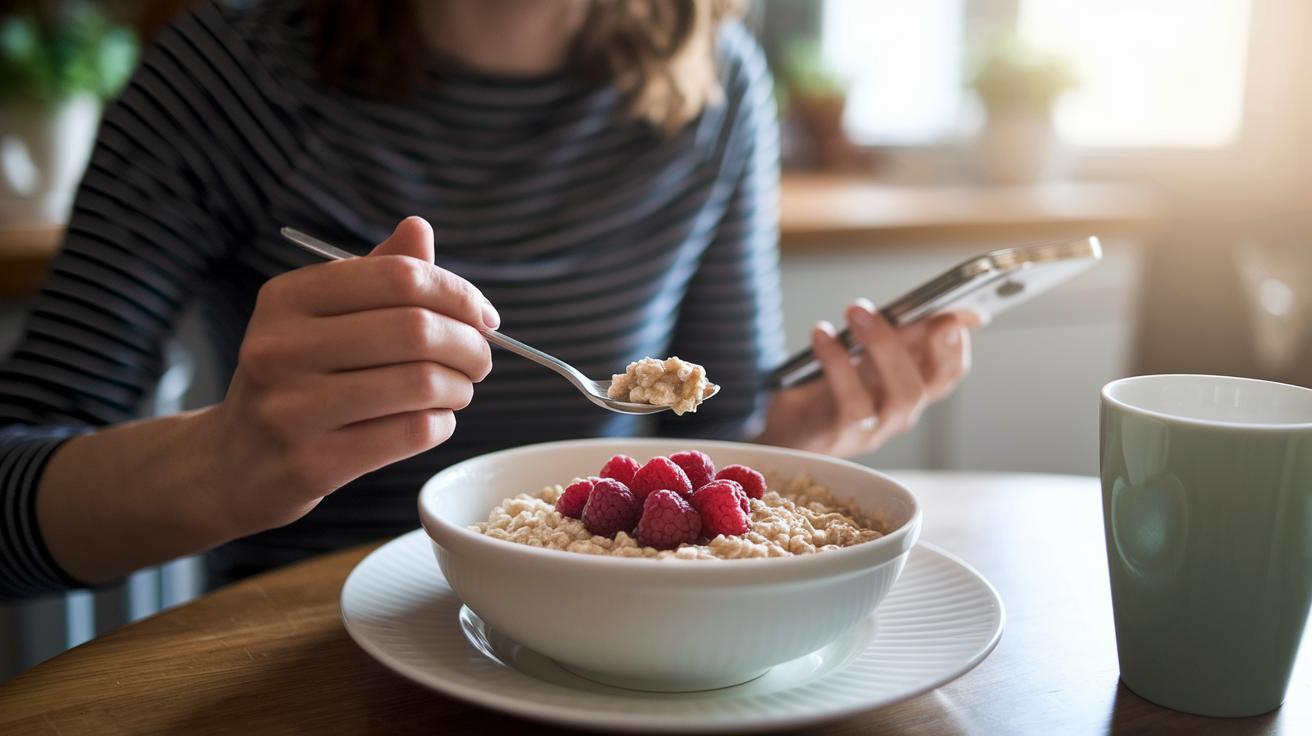
Have you ever woken up to a simple, nourishing breakfast? Imagine a warm bowl of oatmeal mixed with fresh berries, carrying just about 5 grams of added sugar along with fiber and vitamins. It fills you with gentle, steady energy. Using natural ingredients in thoughtful portions helps keep your blood sugar relaxed.
Then, picture lunch as a time to add lean proteins and whole grains. A salad with grilled chicken and quinoa is a great choice, it’s full of protein, fiber, and key nutrients to keep you energized without a sugar spike. And if a little snack calls your name, why not try a handful of mixed nuts or crunchy carrot sticks dipped in hummus? These satisfy your hunger with a delightful crunch and healthy fats.
For dinner, imagine a plate of baked fish paired with an assortment of roasted vegetables. This meal is low in added sugars but rich in omega-3 fatty acids and a burst of vitamins from colorful veggies. Each meal in your plan brings together fresh vegetables, lean proteins, and whole grains, keeping your overall diet light on processed sugars while nurturing both mom and baby.
Just a little focus on balanced meals can go a long way in brightening your day.
Final Words
In the action of understanding daily sugar guidelines, this post offered a clear look at how to keep added sugars in check. We walked through tips on swapping high-sugar treats for healthier options and noted how sugar affects both mom and baby. We saw smart ways to balance your prenatal meal plan while keeping an eye on blood sugar. Embracing these sugar intake recommendations for expecting mothers can uplift your health and brighten every day. Remember, small changes create safe, nurturing meals and lasting well-being.
FAQ
Q: I ate a lot of sugar during pregnancy
A: Eating a lot of sugar during pregnancy can lead to signs like rapid energy crashes and weight gain. It may also increase your risk for gestational diabetes, so considering a balanced diet is key.
Q: What are the symptoms of consuming too much sugar during pregnancy?
A: Consuming too much sugar during pregnancy can show up as unexpected weight gain, energy drops, and increased thirst. These signs signal that it might be time to adjust your diet.
Q: What are the effects of too much sugar on the baby and what side effects might occur?
A: Excess sugar during pregnancy may lead to a larger birth weight and could link to early challenges in a child’s cognitive skills. It also increases maternal risks like gestational diabetes and preeclampsia.
Q: Does eating sweets during pregnancy influence whether I have a boy or a girl?
A: Eating sweets during pregnancy has no impact on your baby’s gender. The baby’s sex is determined by genetic factors, not your sugar intake.
Q: How can I stop eating sugar while pregnant?
A: Reducing sugar intake while pregnant can be easier with gradual changes. Try swapping sugary treats with fruits or healthy snacks to help satisfy your cravings in a more balanced way.
Q: Is it safe to have sweets during the first trimester?
A: Enjoying small amounts of sweets during the first trimester is generally fine if you keep within recommended limits. Focusing on a balanced diet helps maintain overall health during pregnancy.
Q: How much sugar should a pregnant woman have a day?
A: A pregnant woman should aim for no more than 6 teaspoons (25 grams) of added sugar per day, following guidelines to reduce risks like gestational diabetes and excess weight gain.