
Have you ever thought that a small mix of supplements could help even out those tricky hormonal ups and downs? Research shows that when you pair inositol with folic acid (a type of vitamin that helps your body in many ways), it can help balance your hormones and even control insulin, which might be really helpful if you have PCOS. This simple combo may gently support your fertility by helping you maintain a regular cycle and improving egg quality. Think of it like two ingredients coming together to create a steady, healthy recipe for your body. Want to learn more about how this blend can work with your natural rhythm to help you feel your best?
Fertility and PCOS Benefits of inositol with folic acid
Myo-inositol and folic acid work hand in hand to help balance hormones and support insulin control, which is really helpful if you're managing PCOS. When your body struggles with insulin, these nutrients can aid natural fertility by keeping your hormones steady. In fact, many studies have shown that women with PCOS often notice more regular ovulation, better egg quality, and a higher chance of fertilization when they use myo-inositol and folic acid together.
Research suggests that the usual dose, about 2000 to 4000 mg of myo-inositol along with roughly 100 mg of D-chiro-inositol in a 40:1 ratio, matches your body’s natural balance. This blend may help ease the hormonal ups and downs that come with PCOS. Plus, folic acid not only supports fertility, but it may also help lower the risk of gestational diabetes during pregnancy. You might even consider this approach as part of your overall prenatal care (think of it as a gentle boost for your body's needs during pregnancy).
For women dealing with insulin resistance, this combination can lead to steadier cycles and promote healthy egg development. It’s a valuable step in a broader plan to manage PCOS symptoms and nurture reproductive wellness.
Dosage Guidelines for inositol with folic acid supplements
If you’re considering inositol with folic acid, getting your doses right can make a big difference, especially if you have PCOS (a condition that affects hormone levels). Experts usually suggest a daily dose of 2000 to 4000 mg of myo-inositol along with 100 mg of D-chiro-inositol. This helps keep a natural balance with a 40:1 ratio. Splitting the dose between breakfast and dinner can help your body absorb it better and keep your tummy happy.
• Daily amounts of myo-inositol and D-chiro-inositol
• Keeping to the 40:1 ratio
• Splitting your dose between breakfast and dinner
• Risk of mild digestive issues with too high doses
Taking a much higher dose, like 12 to 30 grams of myo-inositol, might lead to a few unwanted side effects, such as feeling a bit nauseous or having stomach pain. It’s always a good idea to adjust your dose with advice from your doctor so that it fits your specific health needs while keeping things as comfortable as possible.
Clinical Studies on inositol with folic acid efficacy
Recent studies show that mixing myo-inositol with folic acid can be a big help for women dealing with PCOS and other fertility concerns. Researchers have found that this blend not only helps balance insulin but also improves hormone levels and overall metabolism. Myo-inositol makes it easier for your body to use glucose, and D-chiro-inositol (DCI) is important for turning glucose into energy stored as glycogen. Plus, formulas enriched with folate seem to lower the chance of gestational diabetes in pregnancies that are at higher risk. This natural mix offers a gentle and effective way to support reproductive health.
| Study | Population | Key Findings |
|---|---|---|
| 12-week RCT vs metformin | Women with PCOS | More ovulation, improved insulin sensitivity |
| Metabolic syndrome markers | PCOS cohort | Lower cholesterol, reduced insulin resistance |
| Gestational diabetes risk | High-risk pregnant women | Lower chance of gestational diabetes |
In one 12-week study, women with PCOS had more ovulations and better insulin sensitivity, similar to results seen with traditional treatments like metformin. Another study focusing on metabolic syndrome markers showed that this blend helps lower cholesterol and ease insulin resistance, both key for keeping your body balanced. And when it comes to high-risk pregnancies, folate-fortified formulas can make a real difference by reducing the chance of gestational diabetes. Overall, this research supports using a mix of myo-inositol, D-chiro-inositol, and folic acid as a natural, supportive approach for enhancing both reproductive and metabolic health.
Dosage Guidelines for inositol with folic acid
When you use myo-inositol with folic acid, most people find that a dose of 2–4 g works well for keeping the menstrual cycle on track and supporting overall reproductive health. Folic acid is also great for prenatal care (care during pregnancy) without adding extra side effects.
At higher doses, say, between 12 and 30 g, you might notice some tummy troubles. For example, if you take around 15 g, you might feel a little nausea or get some stomach cramps.
| Side Effect | Description |
|---|---|
| Nausea | A light queasiness that usually goes away quickly |
| Stomach pain or cramps | Mild discomfort in your stomach area |
If you’re a sensitive type, keep an eye on how your body reacts and adjust your dose as needed. And if any discomfort lingers, it’s a good idea to chat with a healthcare pro.
Choosing quality inositol with folic acid supplements
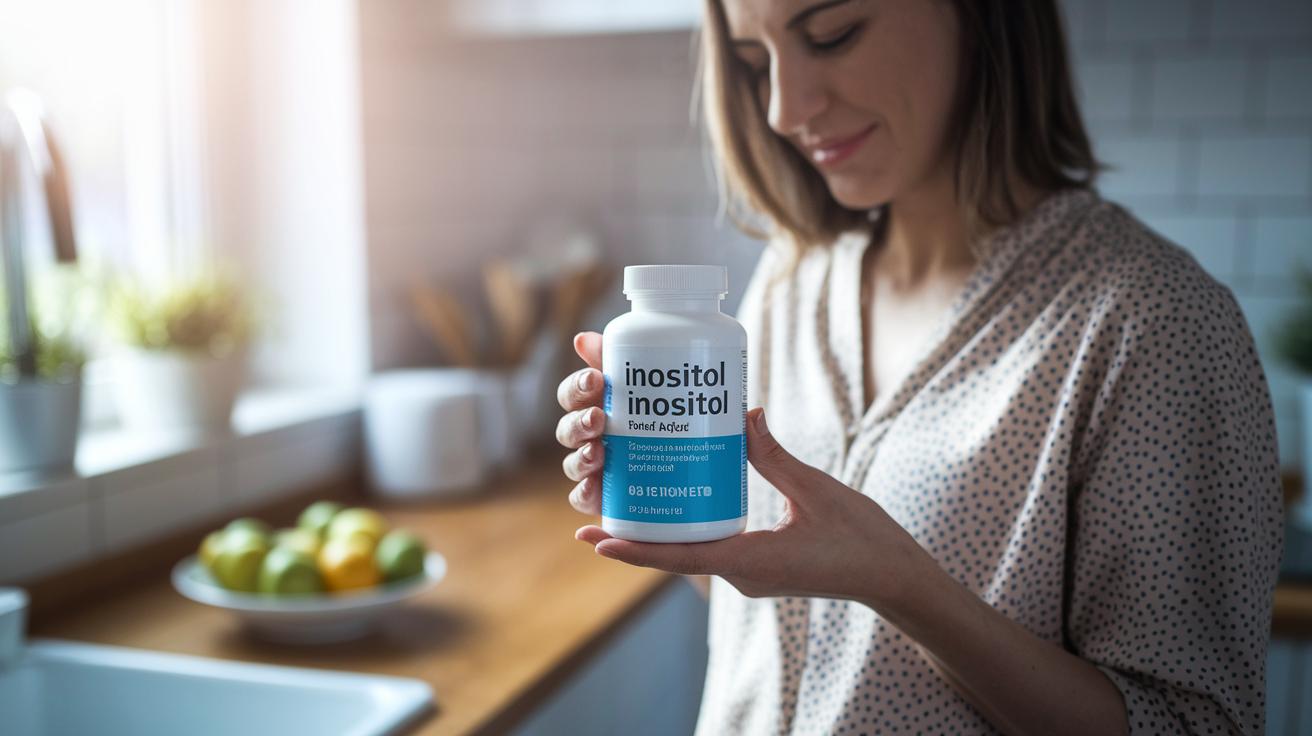
When you’re on the hunt for a good inositol with folic acid supplement, a little tip is to check the label for a 40:1 ratio of myo-inositol to DCI. This ratio is what your body naturally uses, so it gives you a sense of trust in the blend. Many trusted products add a few extra ingredients like vitamin D3 or chromium, which can offer that extra boost to your metabolism.
Taking your supplement every day should feel easy, too. Some moms find that capsules are super convenient, while others enjoy chewable tablets that easily fit into a busy day. There are even powdered versions and enriched blends that combine inositol with folic acid to give a smooth texture or a hint of flavor. Whether you prefer a high-end option or a more everyday choice, it’s important to go for products with clear manufacturing practices and full transparency on ingredients.
You’ll feel more at ease when you see brands that proudly display third-party testing seals and detailed labels. This way, you always know exactly what you’re taking. And sometimes, it’s worthwhile to check out maternal diet and wellness guidelines on WomensConference.org for extra advice on blending complementary nutrients into your routine. Keeping these details in mind can really help you pick a supplement that fits your wellness goals perfectly.
Integrating inositol with folic acid into fertility and prenatal routines

For a smooth nutrient routine, try mixing your inositol-folate supplement with whole foods like whole grains, prunes, or nuts. Imagine stirring your supplement into a warm bowl of oatmeal topped with crunchy nuts. It’s a simple trick that adds both flavor and extra benefits.
You can make your routine even easier by taking your inositol-folate and prenatal vitamins together with a meal, like breakfast or lunch. This little habit not only makes remembering easier but also keeps your daily routine clear and straightforward.
Also, don’t forget to check in with your doctor for regular hormone level tests. These quick blood tests help you see how your routine is working and if you need to adjust your doses.
Final Words
In the action of exploring key insights on hormonal balance and fertility, this article highlighted how the blend of inositol with folic acid helps support natural health in PCOS and prenatal routines. We walked through dose guidelines, study findings, safety tips, and pointers on choosing quality supplements. The discussion also offered practical ways to weave this supplement into everyday care routines. Embrace these findings with a hopeful mindset as you move forward with nurturing wellness and confidence every day.
FAQ
Q: What are the benefits of myo-inositol and folic acid?
A: The myo-inositol and folic acid combination supports insulin regulation, hormone balance, and fertility by enhancing ovulation rates and egg quality, making it a helpful option for women with PCOS.
Q: What does an inositol and folic acid supplement do?
A: An inositol and folic acid supplement helps support reproductive health by improving glucose utilization and reducing gestational diabetes risk when used early in preconception and pregnancy.
Q: How much inositol per day should I take?
A: The recommended daily dose is between 2000–4000 mg of myo-inositol paired with 100 mg D-chiro inositol in a 40:1 ratio, ideally split between morning and evening.
Q: Can you take folic acid and inositol together?
A: The folic acid and inositol combination is safe to take together, enhancing prenatal nutrition and supporting hormonal balance while reducing the risk of gestational diabetes.
Q: What does the myo-inositol & d-chiro inositol 40:1 ratio mean?
A: The 40:1 ratio mirrors natural body proportions, promoting effective insulin regulation and balanced reproductive hormones, which supports better overall metabolic health.
Q: What is inositol powder?
A: Inositol powder provides a versatile way to consume inositol by mixing it into beverages, giving you control over dosing while allowing easy integration into your daily routine.
Q: What is an inositol multivitamin?
A: An inositol multivitamin combines inositol with other essential vitamins, offering comprehensive support for reproductive and metabolic health as part of your daily wellness regimen.
Q: What supplements should not be taken with inositol?
A: Supplements that may affect blood sugar levels or hormonal balance are best avoided when using inositol; checking with your healthcare provider is advised for personalized compatibility advice.
Q: Does inositol help with belly fat?
A: Inositol may support reducing belly fat through improved insulin sensitivity and hormonal balance, though its primary benefits center on overall metabolic and reproductive health.